
Supervisor Secret: Leading Through Change
The only thing you can count on in today’s workplace is change. Just when you get accustomed to one way of doing things, a new plan comes along.

The only thing you can count on in today’s workplace is change. Just when you get accustomed to one way of doing things, a new plan comes along.
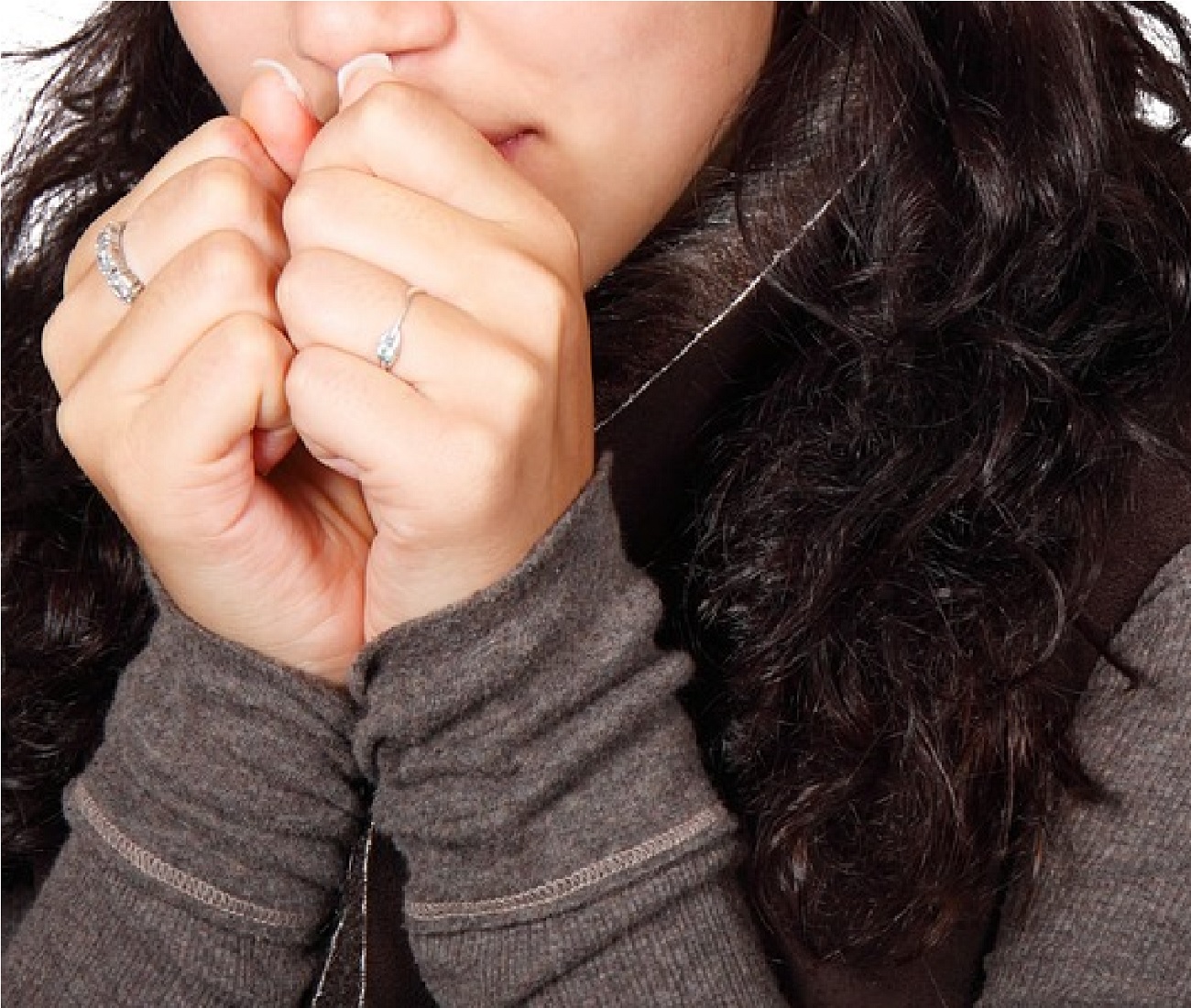
Keep workers safe (and warm) by training them on the signs, symptoms, and first aid treatment for cold-related illnesses. You can download and edit this chart to share with your workers.
Emotional wellness is the ability to successfully handle life’s stresses and adapt to change and difficult times. Use this checklist from the National Institutes of Health to help improve employee emotional health.
Physically and mentally healthy employees are happier, safer, and more productive. An employee wellness program can provide support to employees who are facing challenging times and help all employees with their overall wellness. More and more companies are hopping on board the wellness wagon because they understand the connection between wellness and work.

Did you know? FIVE lifestyle behaviors (physical inactivity, poor nutrition, smoking, alcohol use, and non-adherence to medications) and FIVE chronic medical conditions (diabetes, heart disease, lung disease, mental illness, and cancer) drive 75% of all deaths worldwide.

Stress – everyone has it. It is a natural part of life, but too much stress can cause health problems and can affect your ability to work safely. It’s becoming increasingly difficult to disconnect and unwind in our 24/7/365 world of news, noise, and responsibilities.
The overwhelming majority of health-related productivity losses occur on the job from reduced performance by employees who show up for work not feeling their best. This is commonly known as presenteeism. The implications and costs of presenteeism are enormous and can be highly disruptive. Integrating wellness strategies into a safety program can help combat the effects. Here’s a 4-step model by the Canadian Mental Health Association, Manitoba Division (Manitoba Model) to consider.

March 27th, 2019 | One of the most powerful protections for employees under the Occupational Health and Safety Act is the right to refuse unsafe work. While the right to refuse unsafe work has proven to be an essential element of safeguarding workplace safety, it has also been improperly used as a tool for other, non-safety related ends by employees and organized labour. Employers must navigate these treacherous waters, ensuring that legitimate work refusals are dealt with appropriately, while preventing abuse of this significant power.

Hearing damage, and the symptoms can take time to develop. You are likely to be exposed to different types and levels of noise during you work day.
Developed by Oregon Nurses Association, Bay Area Hospital, and The [...]
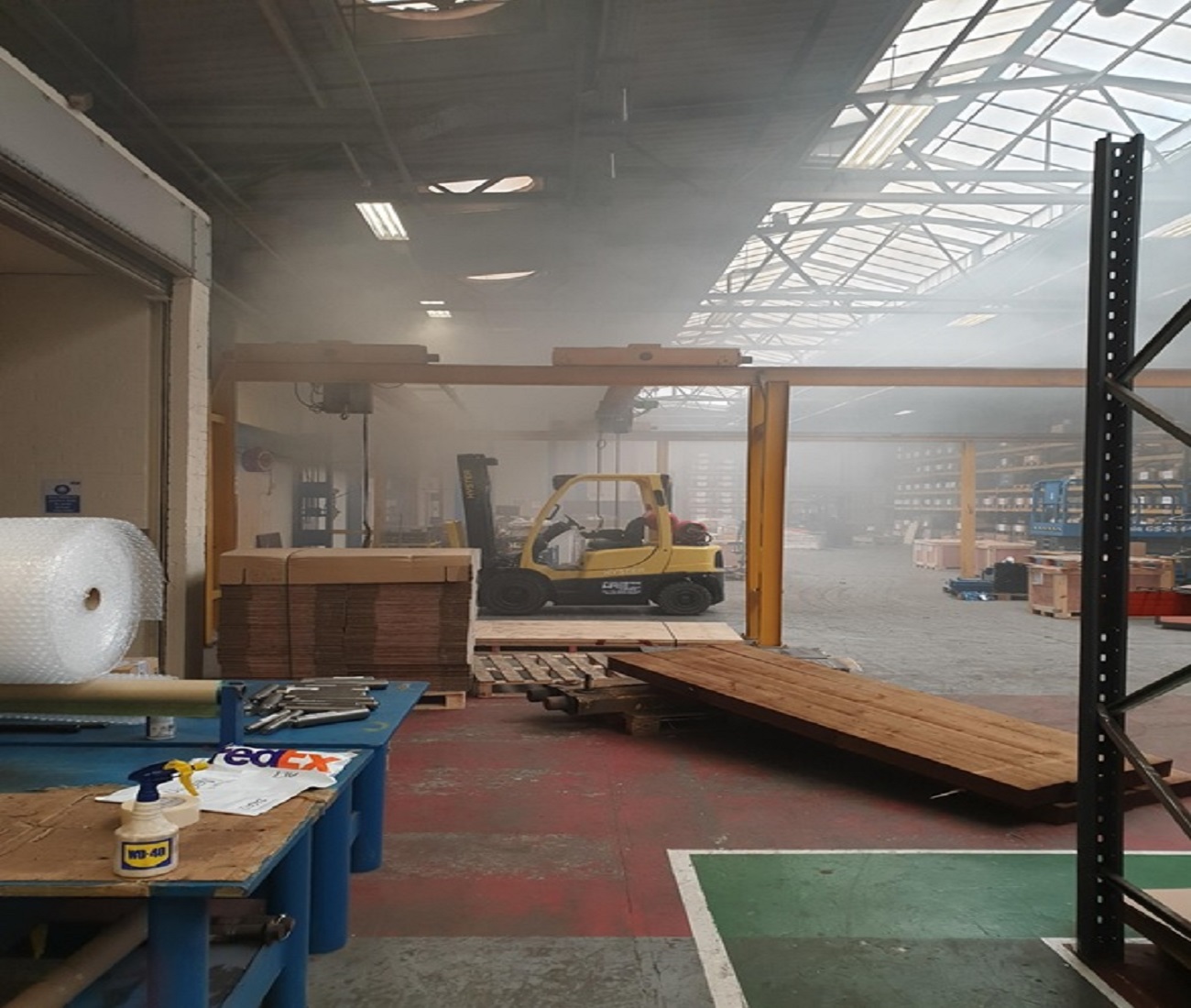
There are several unsafe conditions in this image that could be harmful to any worker, but especially for a lone worker. Use the Picture This to spark discussion about the hazards of working alone and the precautions and procedures your organization has in place to protect lone workers.

The freedom of working alone sounds like a dream job for many, but the downside is there’s nobody around to help you if something goes wrong. Social workers, home care nurses, custodians, security guards and late-night convenience store clerks all face hazards from working solo. People might not be able to hear your calls for help and come to your rescue when you work alone.

An Injury and Illness Prevention Program can help you save lives, save money, and comply with regulations.
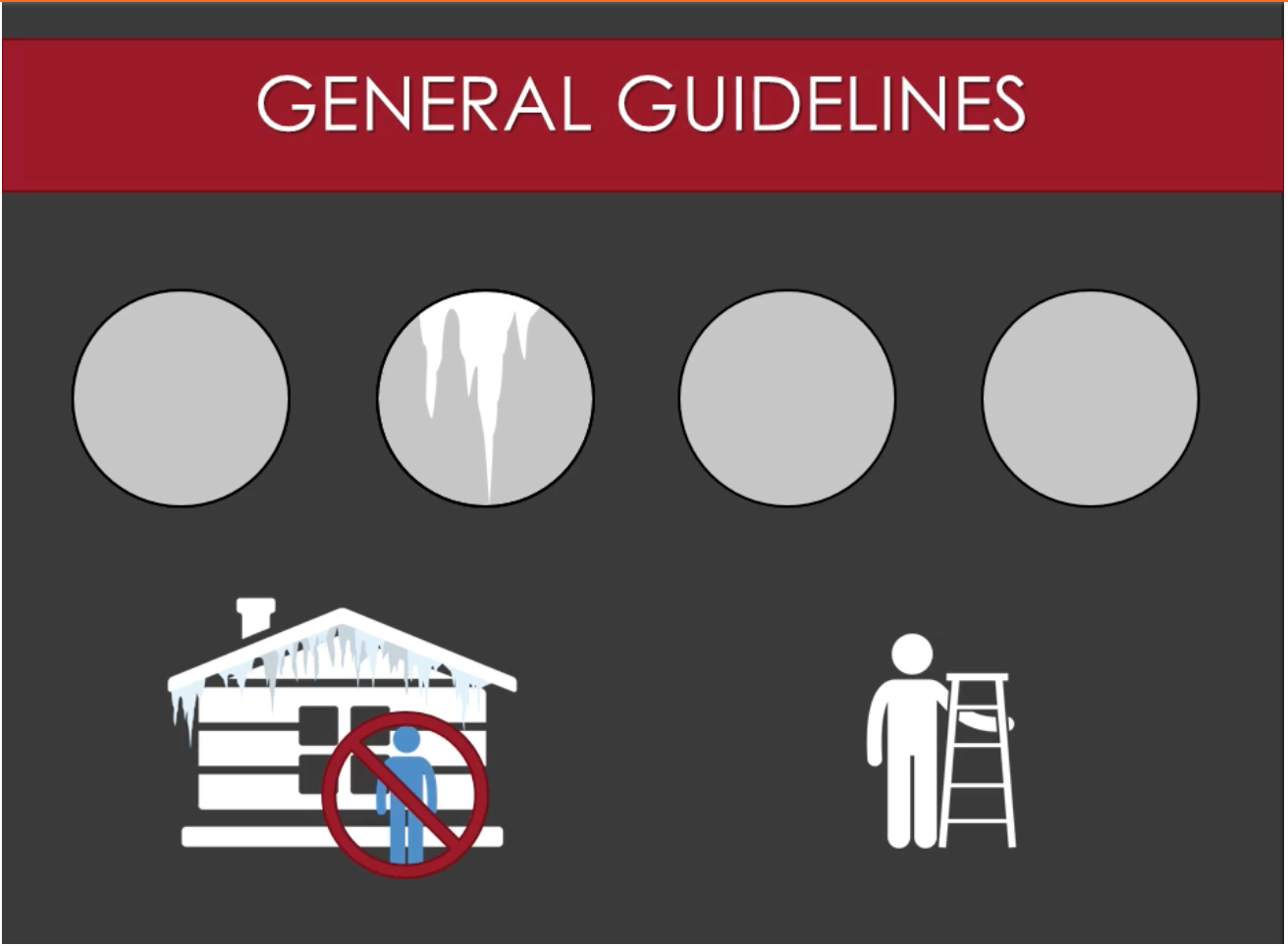
This video is the perfect way to introduce new employees to general occupational hazards to which they may be exposed and to re-train experienced workers. Program includes basic safety rules, electrical hazards, powered equipment and machinery, back injury prevention, fire protection and more.
Tuberculosis (TB) is a serious and infectious condition that can affect different parts of the body but is most commonly considered to be a disease of the lungs. People often develop TB if their immune system is lowered due to conditions such as aging, major illness, and surgery.

You should be evaluating your safety program on a regular basis - at least annually – to determine what is working and what’s not and whether the program is on track to meet its goals. Tracking and analyzing leading and lagging indicators are one effective way to monitor the performance and progress of your safety program.

It can be tricky dealing with the various personality types, levels of experience, and differing backgrounds of meeting participants. You can’t always predict what their reaction will be, and you may not have advance knowledge of who will be in attendance, but you can still prepare. One way is by understanding the four general types of meeting participants you’re likely to encounter and how best to interact with them. You may also encounter entire groups that have these characteristics – the response is the same.

In a 2013 webinar former, OSHA administrator David Michaels said, “We have known for decades that new workers, when they first start at a new job, are at greatly increased risk of injury – and we know why: New workers are often not adequately trained in the potential hazards at the new jobsite and the measures they can take to protect themselves.” And yet, according to the Toronto-based Institute for Work & Health, only 1 out of 5 new workers receives safety training.

Lifting, pushing, pulling and carrying heavy objects remains a fundamental job task in just about all industries and work settings. Performing these tasks – typically referred to as “manual materials handling” – puts workers at risk of musculoskeletal disorders (aka, “MSDs”), or serious and painful injuries to the back, limbs, joints and muscles. This Workplan outlines four steps you can implement over a 30-day period to prevent MSDs along with the insurance, citations, productivity, and other liabilities that can result.

Slips, trips and falls are among the leading causes of workplace injuries. They occur when housekeeping procedures aren’t followed and enforced, when you rush or fail to pay attention to what you’re doing and where you’re walking, when you don’t wear the right kind of footwear, and when stairways, parking lots, and other walking and working surfaces aren’t well-maintained.
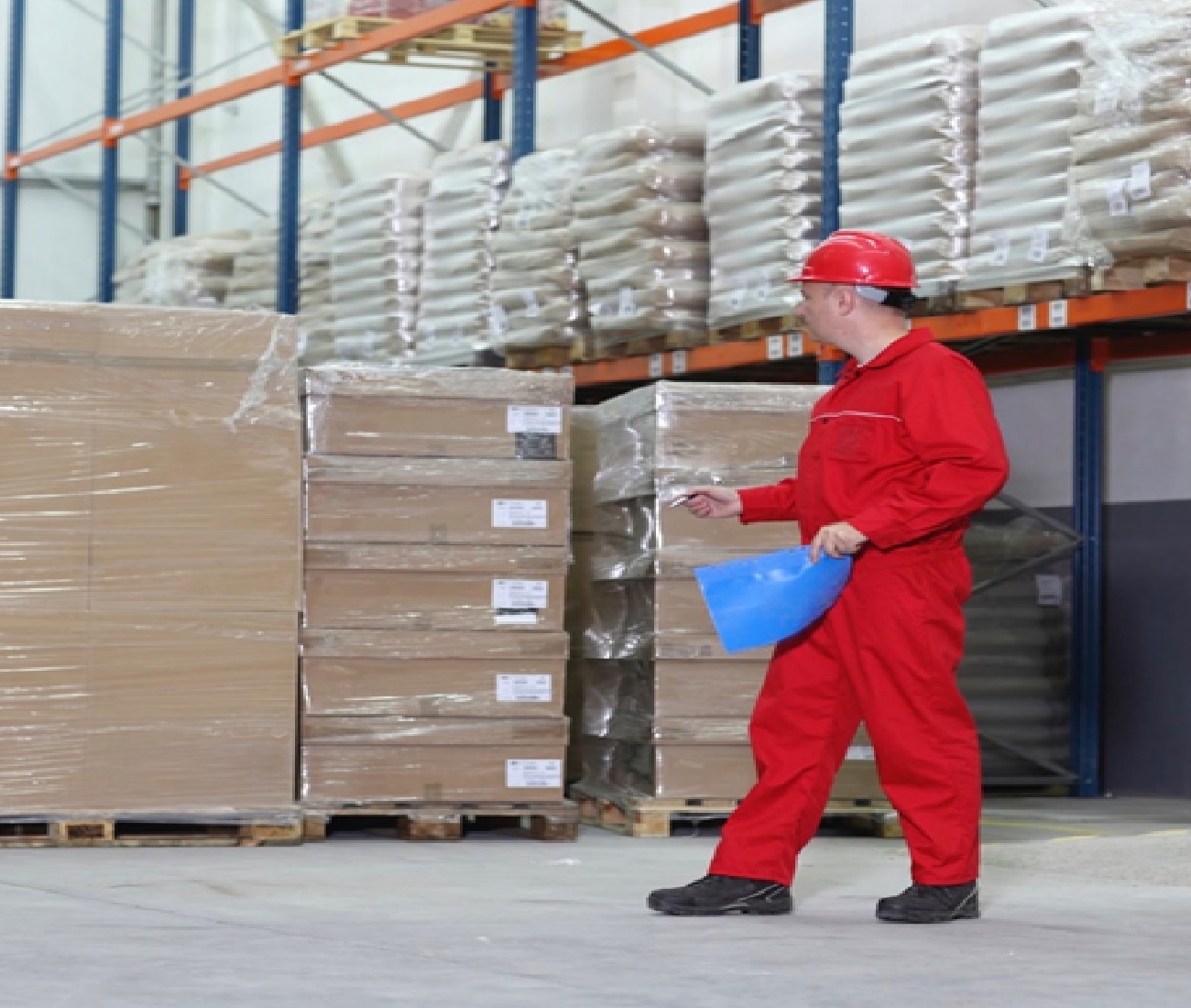
Materials handling work is part of many jobs. Think about the different things you lift, move, and store as part of your job – frequently or infrequently.
You need to perform evaluations of your materials handling procedures, equipment and operations annually or sooner after major changes occur in the workplace. This tool will help you keep up-to-date. Use this Checklist to conduct a general review of materials handling compliance and ensure you’re free from incidents and citations. Any “no” answers should be investigated and corrected
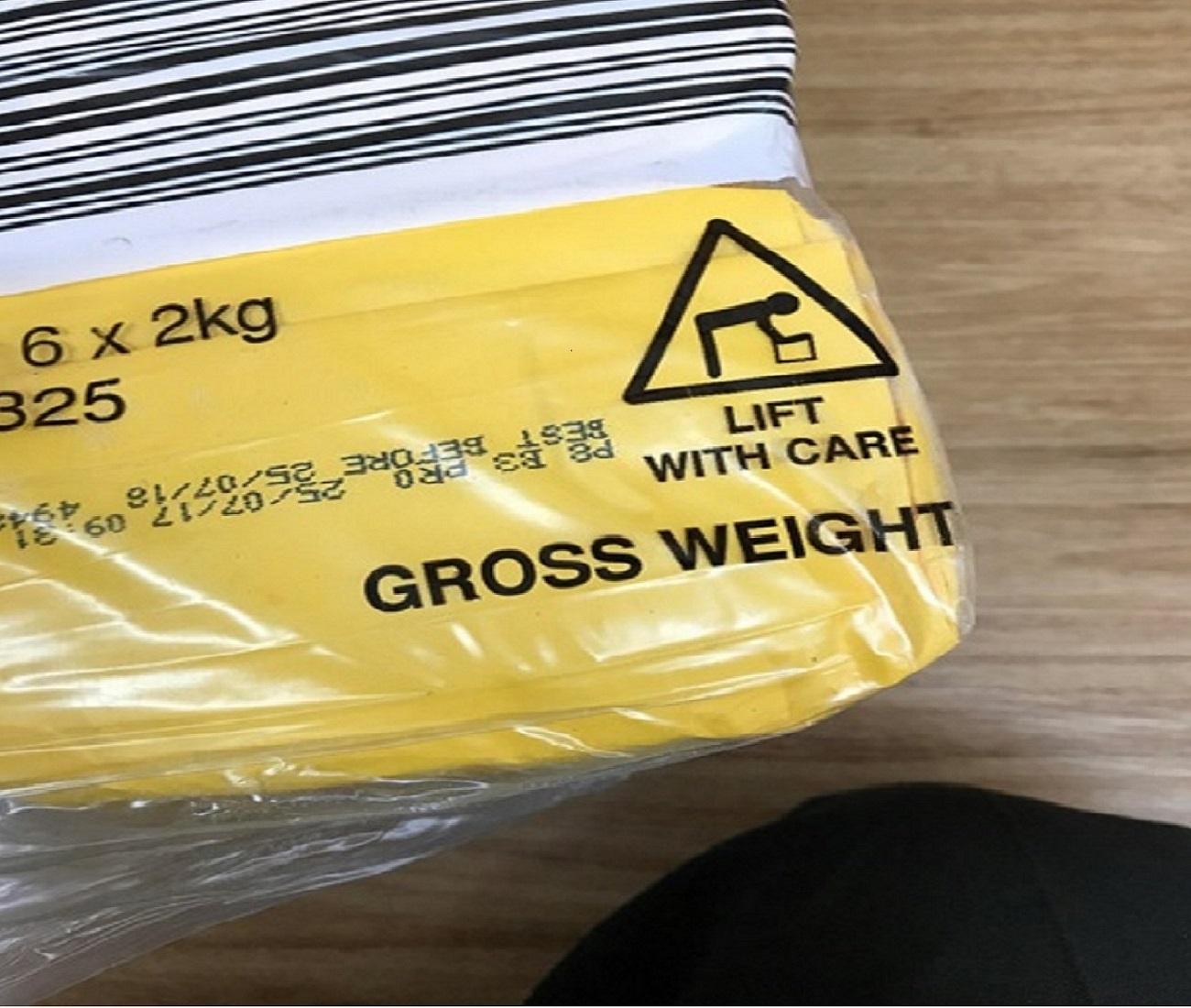
Manually moving materials is one of the quickest and the most prevalent way to injure your back. Back injuries are painful for the worker and costly for the employer. To reduce back injuries at work, it is important to find and avoid risk factors that increase the chance of injury.
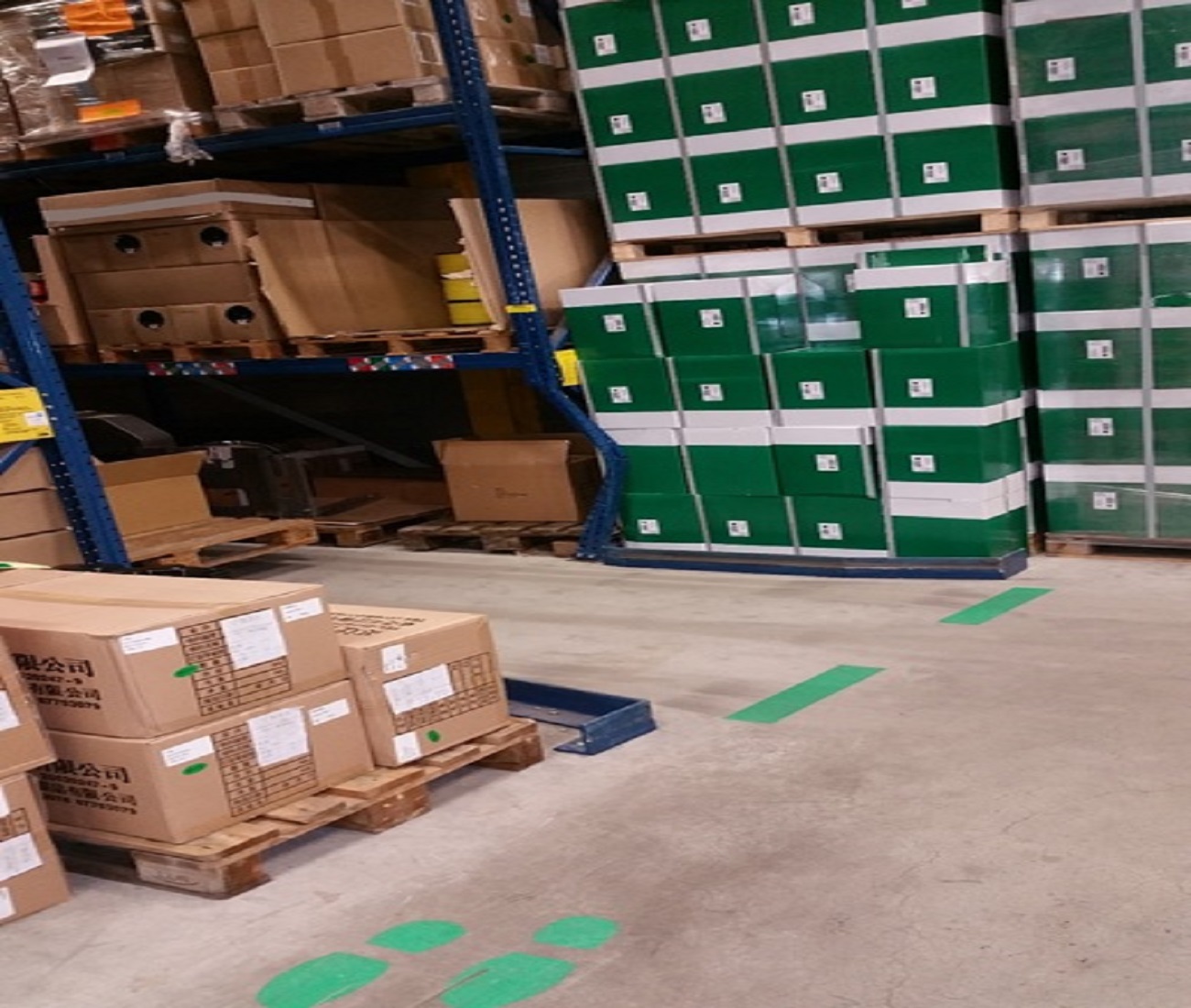
Warehouse racks and material stacks are nothing to take lightly. A damaged rack can lead to hundreds of thousands of dollars in lost and damaged inventory. Then there are the injuries and fatalities caused if the racks and materials fall. Your co-workers, delivery drivers, and even customers can be injured and killed if a rack or material falls.

Did you know your mental, physical, and emotional fitness is part of a safe work environment? If you are fit and healthy, you are likely to have more energy and stamina.
Since it's your first time, you may want to checkout some of the video tutorials.





 800-ICW-SAFETY (800.429.7233)
 SAFETYOnDemand@icwgroup.com