
DOT Hazmat: Hazardous Materials
This extensive five-part program provides an education of the hazardous [...]
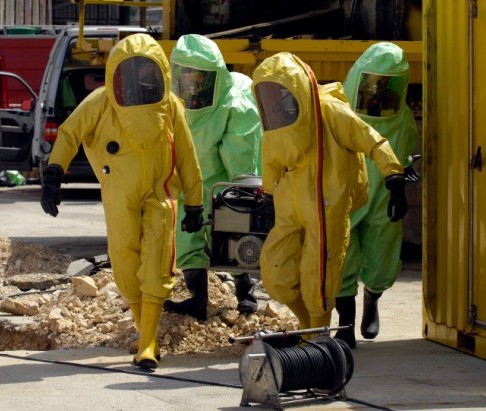
This extensive five-part program provides an education of the hazardous [...]
Safety Talk WHAT’S AT STAKE? Bloodborne pathogens are infectious microorganisms [...]

Safety Talk WHAT’S AT STAKE? The Occupational Safety and Health [...]
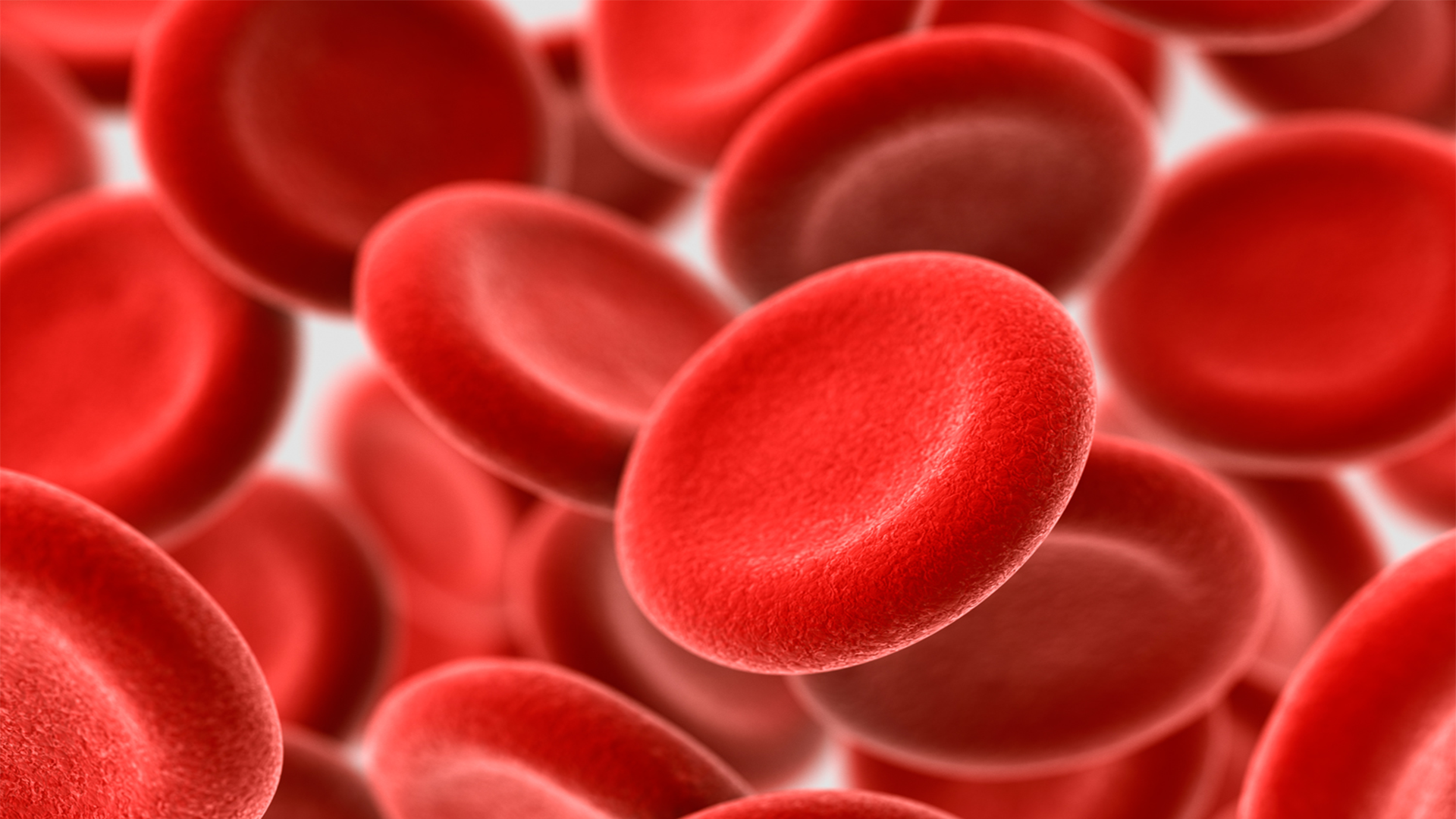
Safety Talk WHAT’S AT STAKE? Bloodborne pathogens are infectious microorganisms [...]

Safety Talk WHAT’S AT STAKE? Back pain is one of [...]

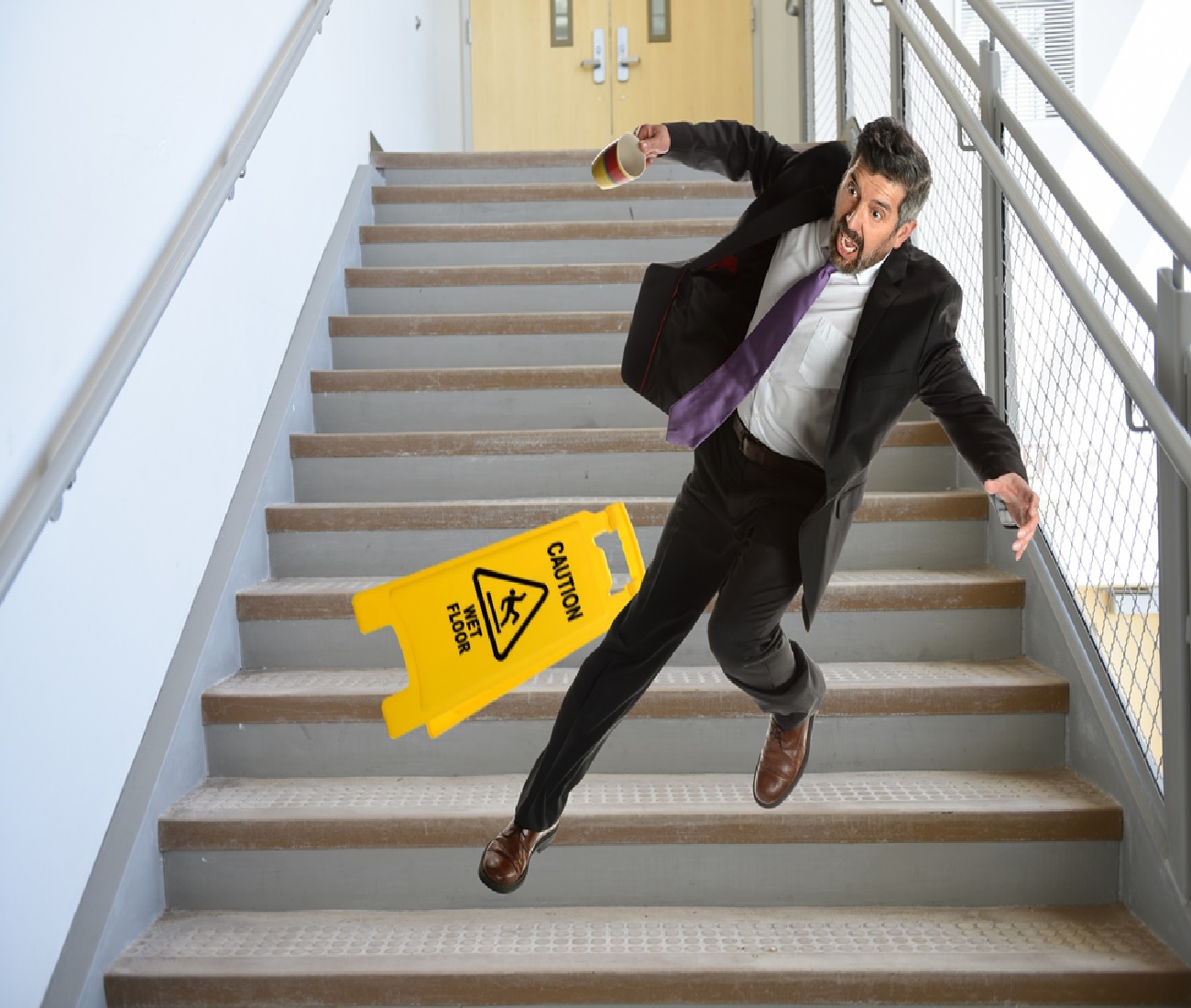
WHAT'S AT STAKE? You can slip, trip and fall in [...]

Safety Talk WHAT’S AT STAKE? Workplace accidents are unplanned or uncontrolled [...]
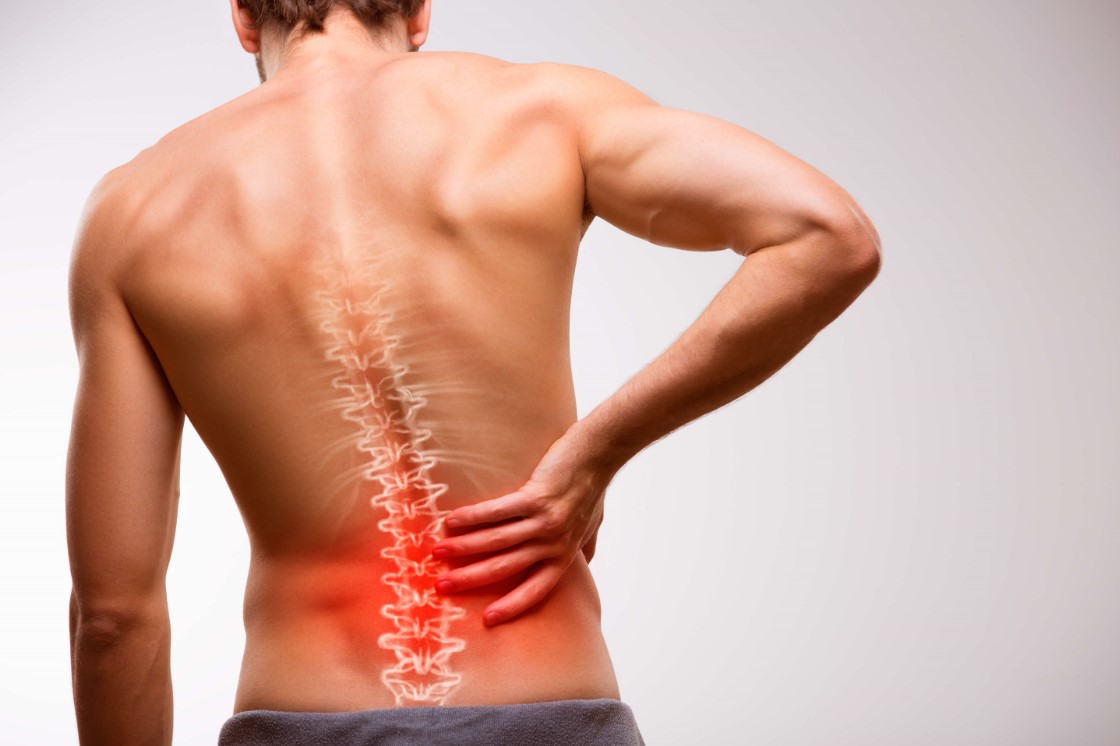
Safety Talk WHAT’S AT STAKE? Back injuries can be extremely [...]
PREAMBLE Patient handling is the top cause of injury among [...]
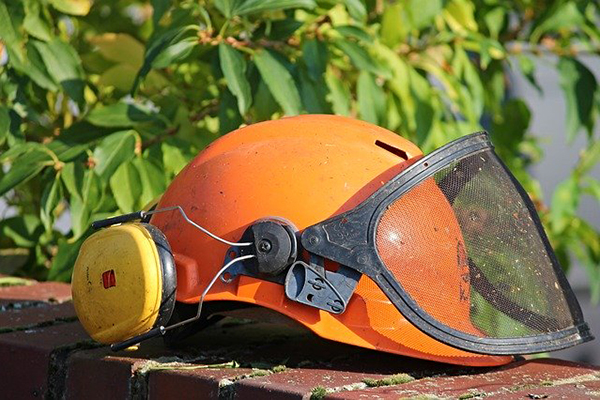
PREAMBLE The purpose of head protection in any employer’s PPE [...]
PREAMBLE Molten metal iron works, plastic and chemical plants harbor [...]
Radiation or Electromagnetic Radiation (EMR), is energy in a wave [...]

PREAMBLE How safety-conscious are you when you are off-the-job? You [...]

INCIDENT She reported her boss had sexually harassed her — [...]
INCIDENT Vickie Shannon Allen, 49, started working at Amazon as a counter [...]

INCIDENT The Helena Police Department in Montana reached a $100,000 [...]

INCIDENT The relatives of the Danbury man killed in an industrial [...]
Key Takeaways: - Learning about the physical and behavioral hazards [...]

Key Takeaways: - Learning how to practice good posture, improve [...]

Key Takeaways: - Learning about combustible dust and its sources. [...]
Key Takeaways: - Understanding general applications of Bridge - Learning [...]

Key Takeaways: Recognizing workplace violence Identifying warning signs of workplace [...]
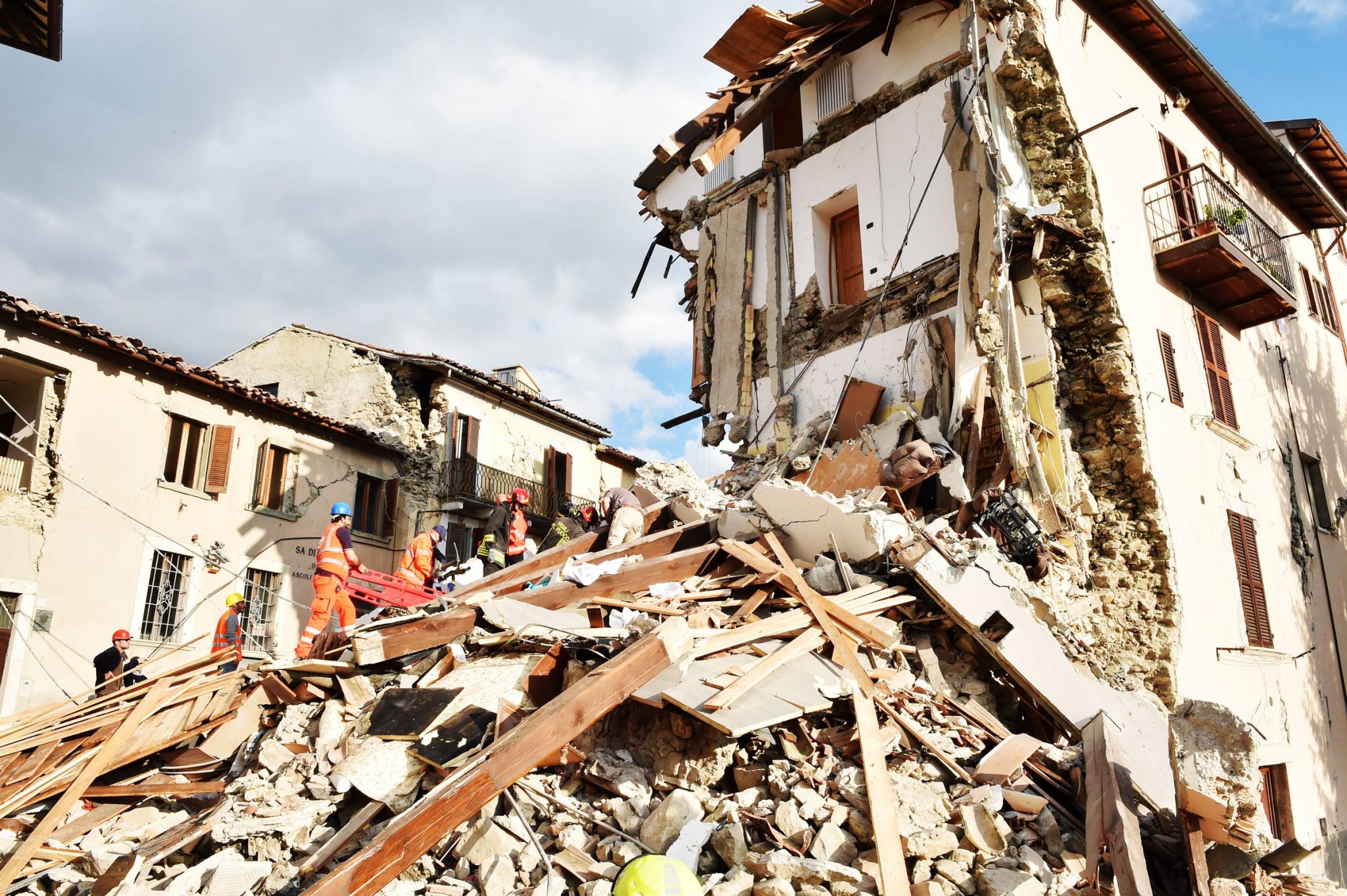
Key Takeaways: Learning the dangers of earthquakes Knowing the actions [...]
Key Takeaways: - Learning about the physical and behavioral hazards [...]

Key Takeaways: - Understanding the definition of ethics, state the [...]
Since it's your first time, you may want to checkout some of the video tutorials.






 800-ICW-SAFETY (800.429.7233)
 SAFETYOnDemand@icwgroup.com