
Pros and Cons of Safeguards Tool
Use this chart as a quick reference on the pros and cons (limitations) for common machine safeguards.
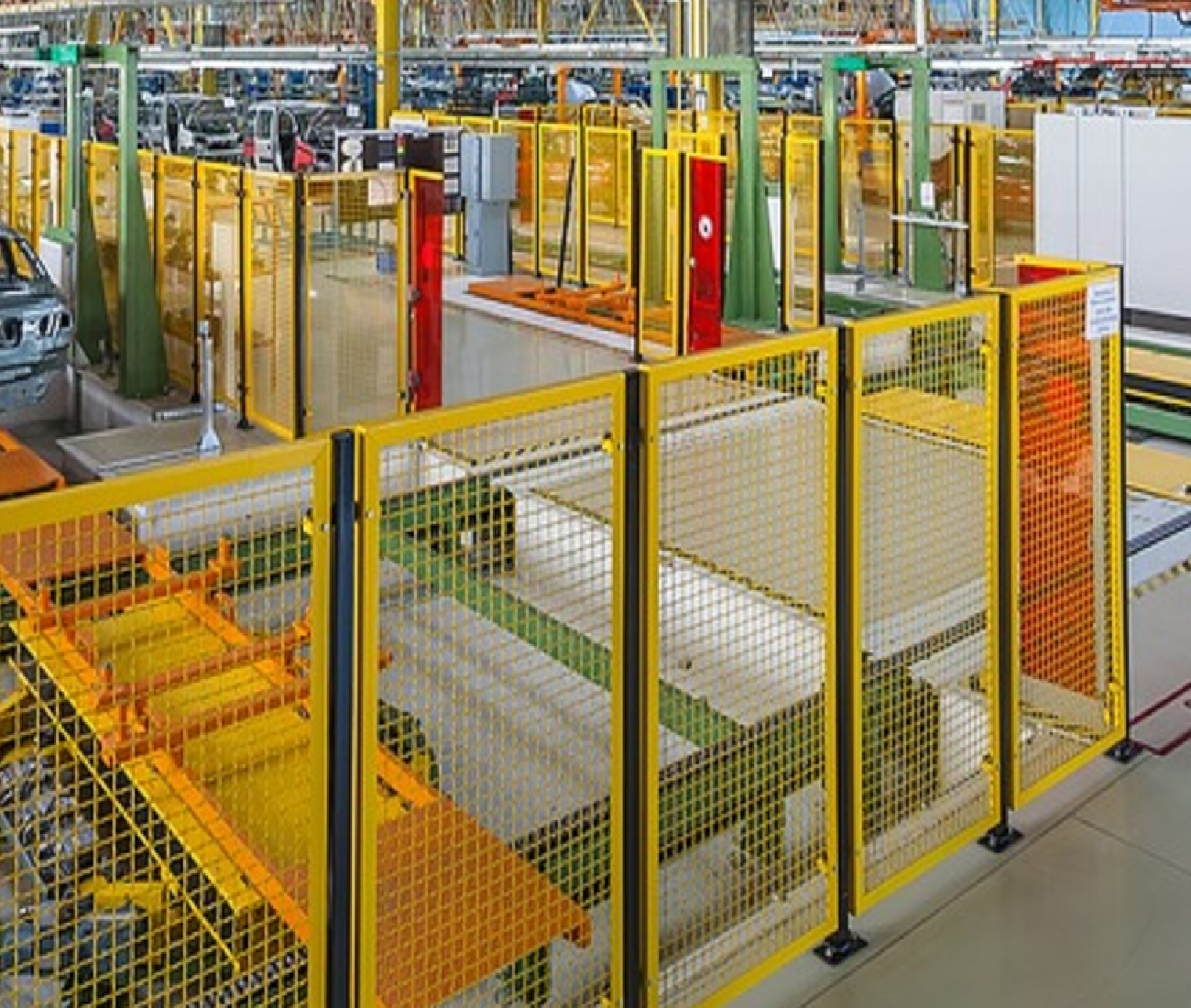
Use this chart as a quick reference on the pros and cons (limitations) for common machine safeguards.
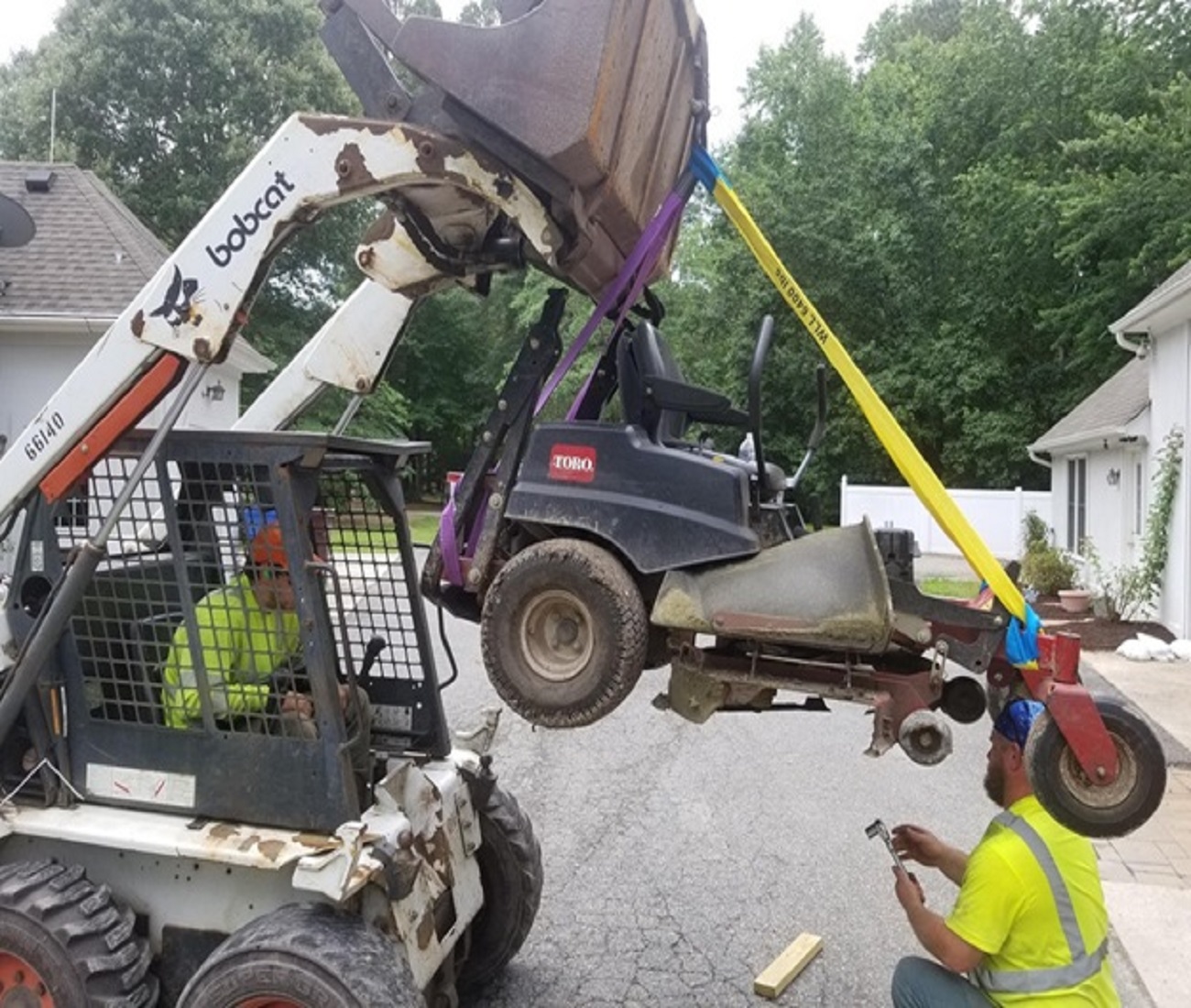
You probably already know that you should never put yourself under a suspended load. Never. It’s not safe. There are simply too many things that could go wrong.
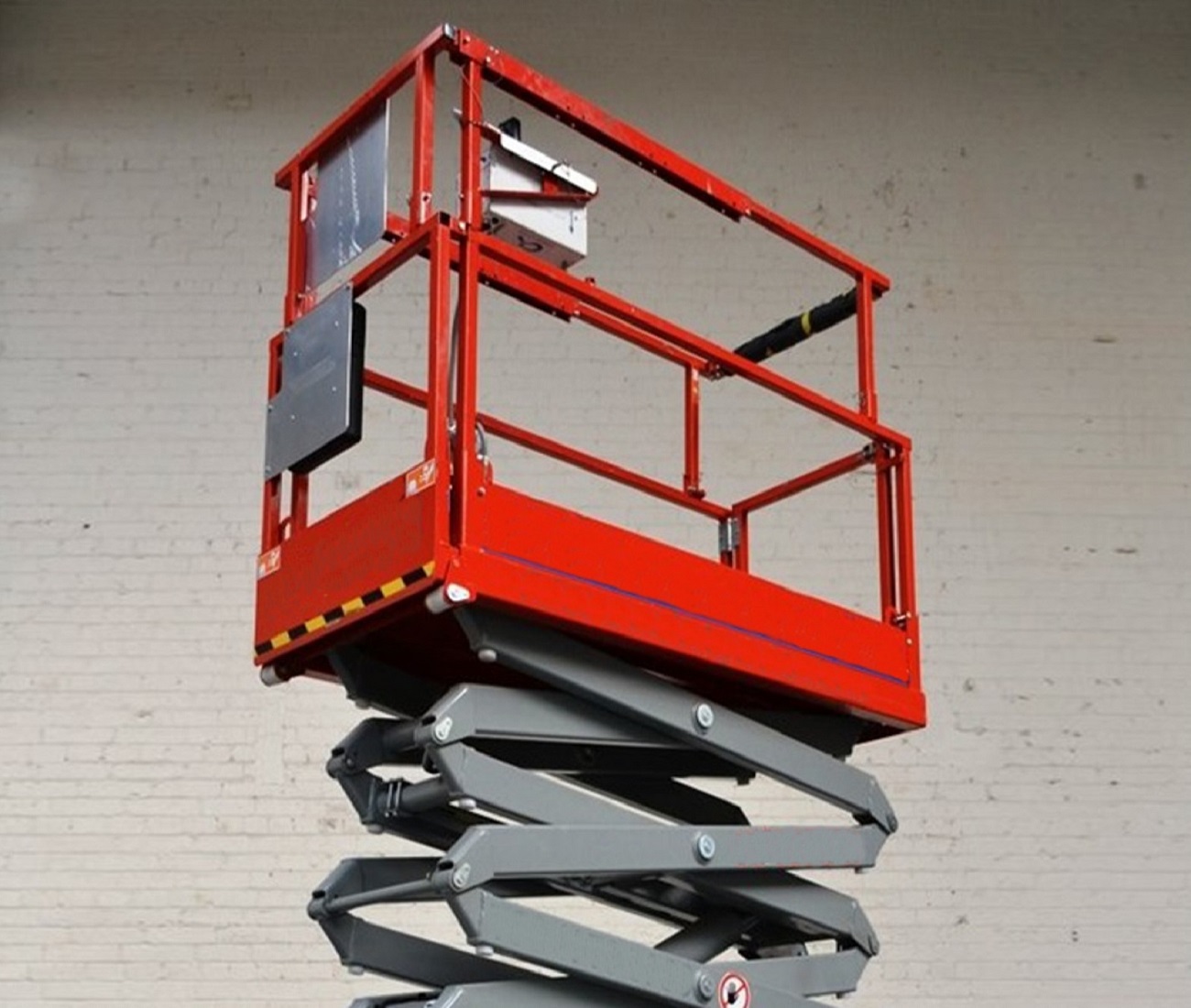
A 27-year-old male employee was fatally injured when he was crushed between the railing of a scissor lift and a mezzanine outer support beam while installing insulation on duct work.

Use this chart as a reference to help you identify common struck-by/caught-between hazards and ways to protect your workers against them and in some cases, eliminate the hazard altogether.
More than 800 U.S. construction workers died in struck-by incidents from 2011 to 2015, which is a rate higher than any other industry.
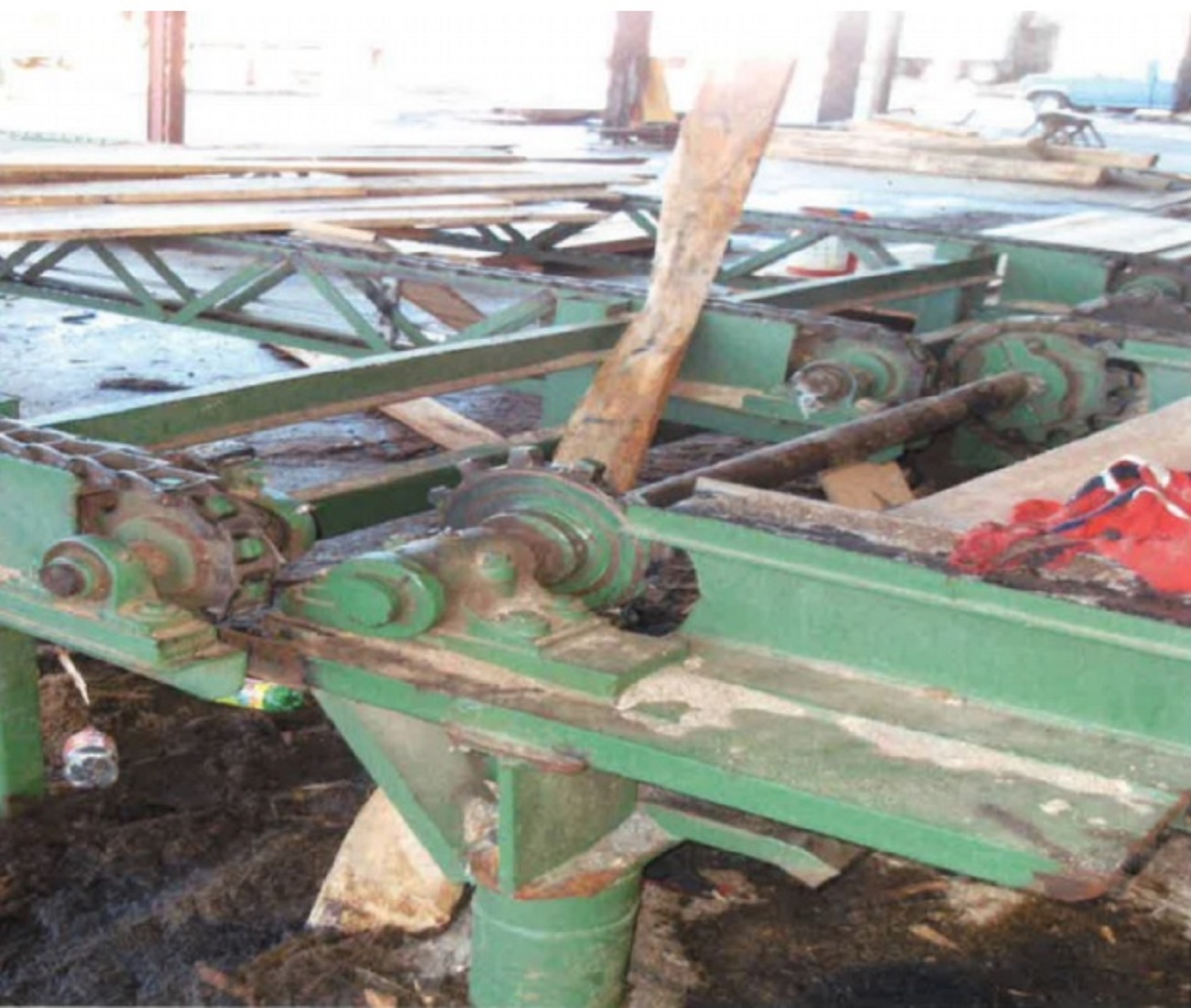
Rotating parts, moving belts, points of operation, and other similar machine hazards must be guarded to protect workers from injury, amputation, and death.
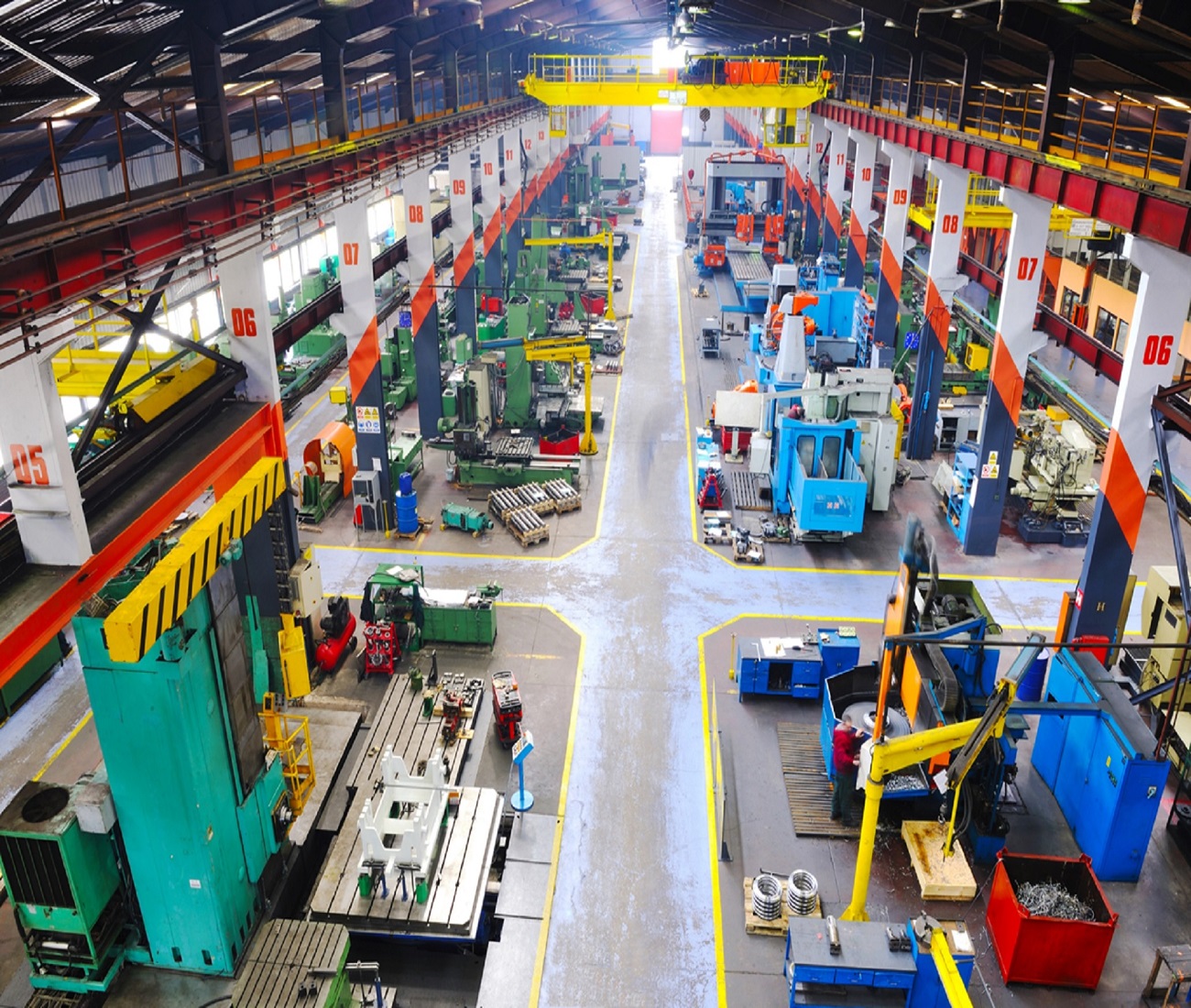
Here’s a look at what machine guards are all about and the key role supervisors play in implementing and enforcing a company’s machine guarding program.
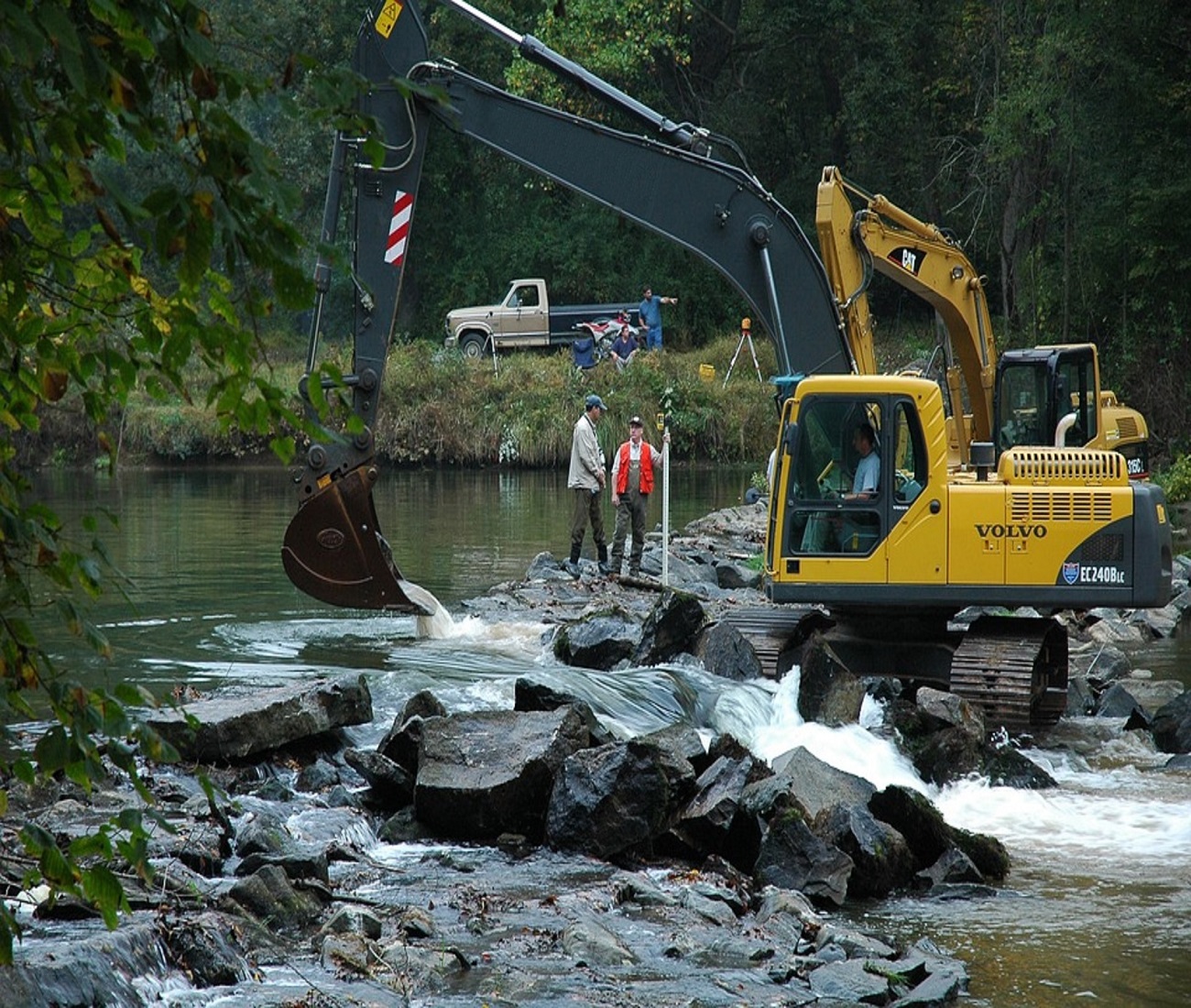
The prevention of struck-by and caught-between related hazards and injuries is a primary focus of OHS/OSHA inspectors. Here’s how you can help your organization protect workers and keep them safe on the job.
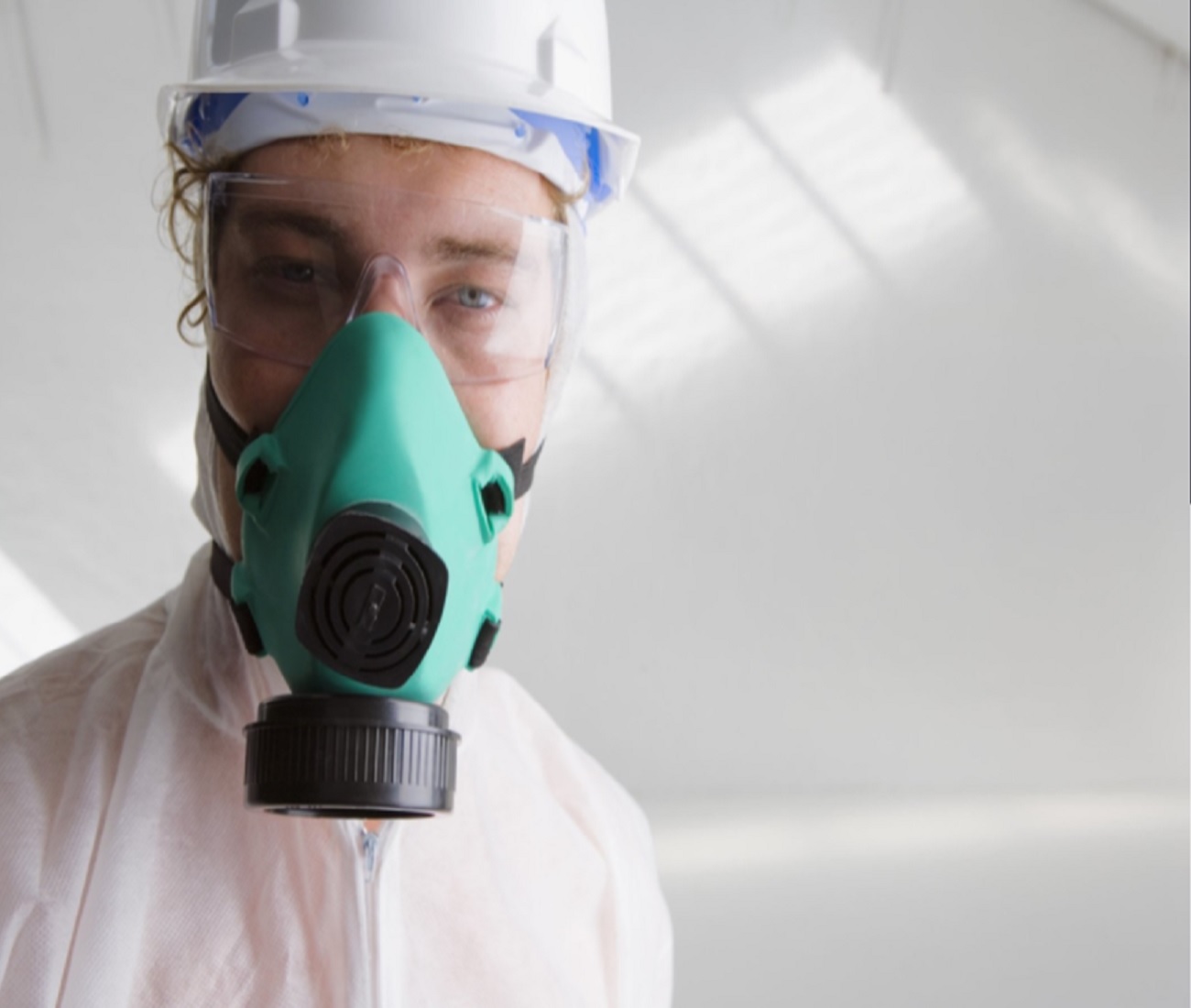
Respirators are a must for work in environments with low oxygen levels or harmful debris, fumes, gases, or vapors. Share these seven tips with your workers.

Beat the Heat! TOP 5 SUMMER HAZARDS When summertime rolls [...]
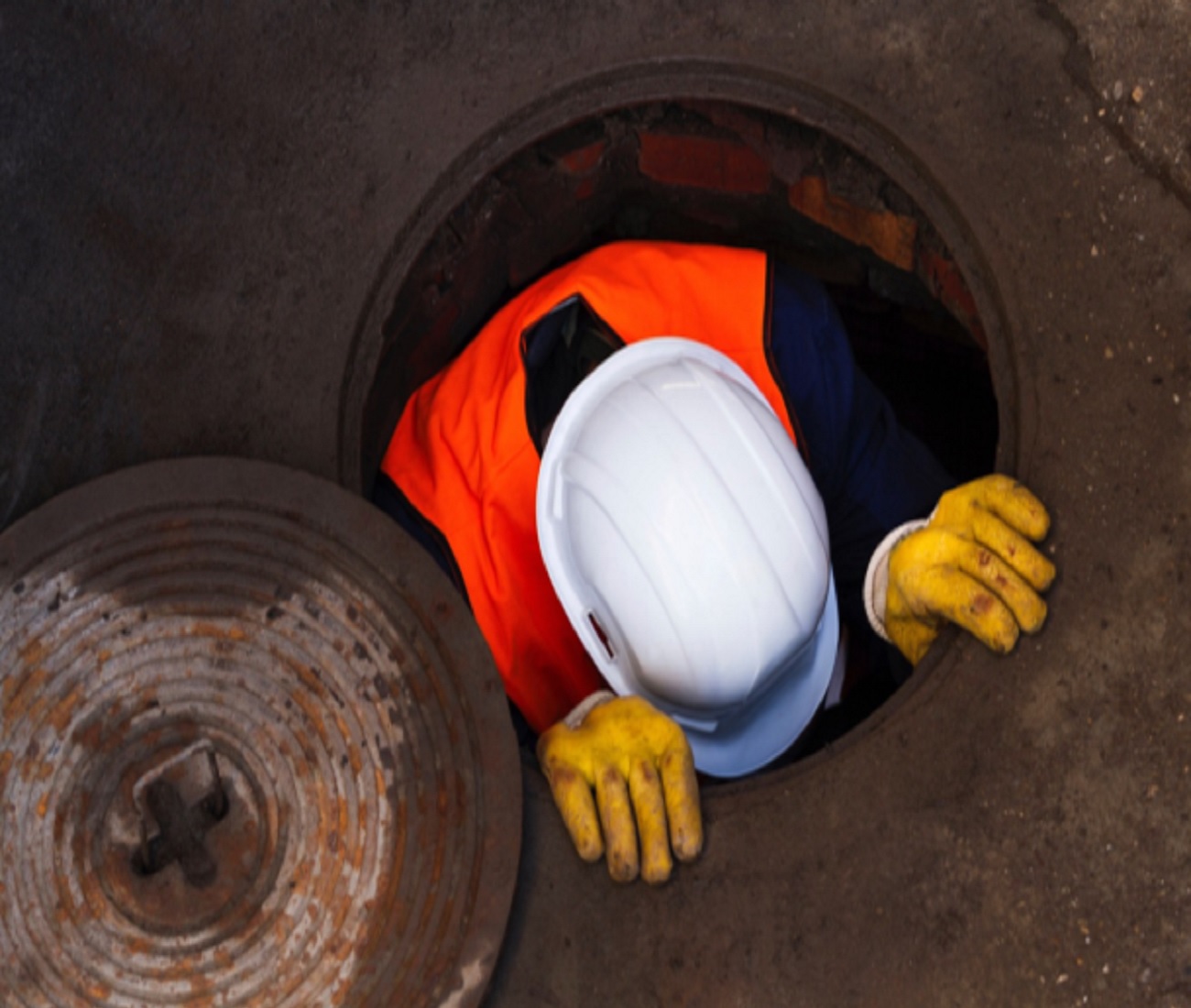
Increasingly, utilities are installing much of their services underground.

Struck-by incidents contributed to almost 1,000 construction worker fatalities in the last 5 years according to a new report from the Center for Construction Research and Training.
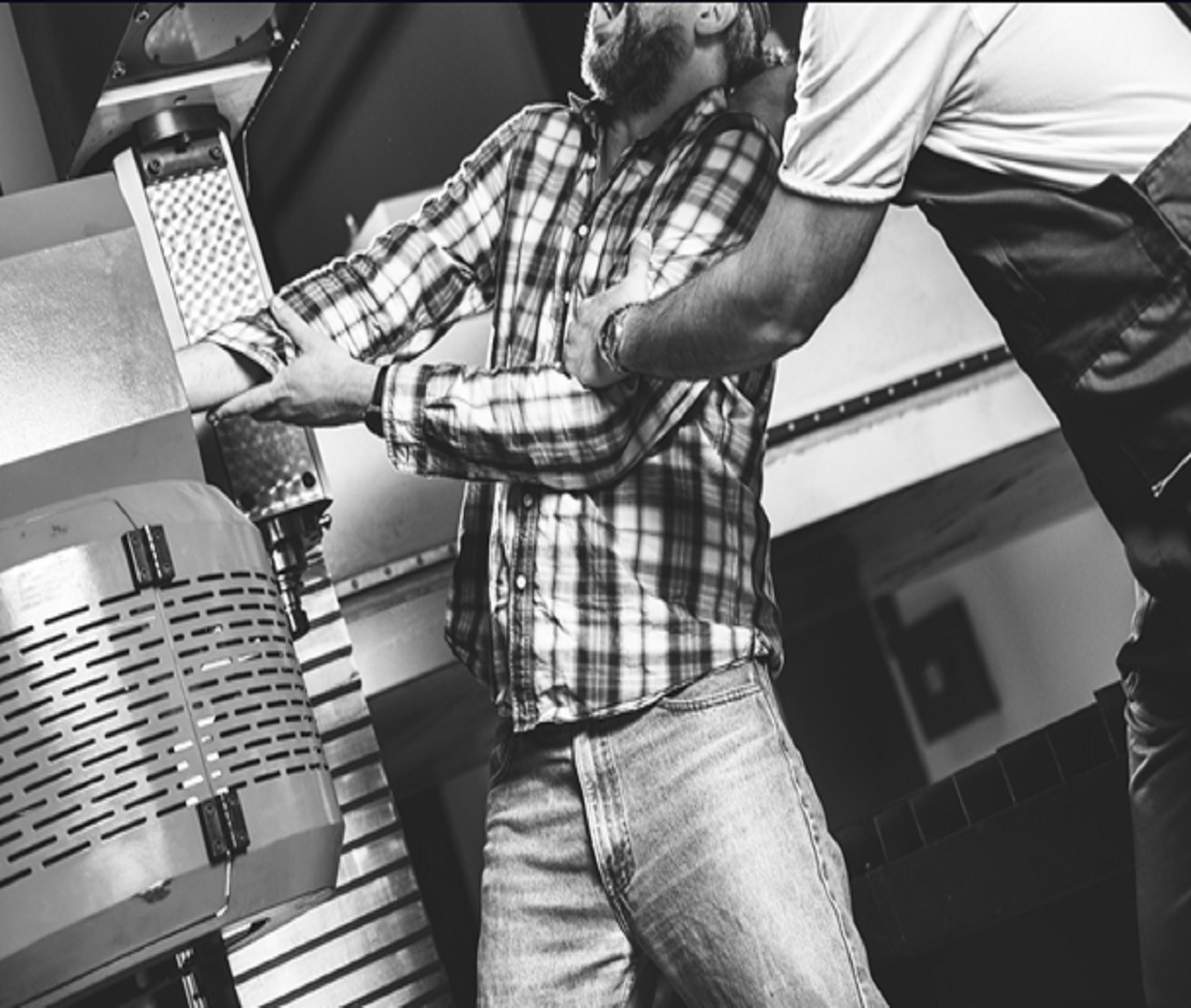
Caught-in and caught-between hazards account for:
If a respirator is required for a job you’re doing it means there is a risk of inhaling contaminants such as harmful dust or gas.

From a moral and legal standpoint, it is simply unacceptable to ignore the issue of sexual harassment in the workplace.

Specific Employers Required to Submit 2017 Injury and Illness Data by July 1

An anti-harassment policy is a key component of a complete harassment prevention effort.

Studies show that workplace harassment (sexual harassment, bullying, and other forms of harassment) can have emotional and physical effects on a victim and can cause depression, anxiety, and in some cases lead to self-harm and even suicide.
WASHINGTON, DC – The U.S. Department of Labor’s Occupational Safety and Health [...]

What’s at Stake? You’ve likely heard the sports metaphors… “There [...]
What’s at Stake? Every year, dozens of workers die and [...]
Safety Talk What’s at Stake? Asbestos refers to six naturally [...]
What’s at Stake? Scaffolds make it possible to work at [...]

Heart Attack and Stroke in the Work Place: Do you [...]
Question: Is fall protection required for workers who are using [...]
Since it's your first time, you may want to checkout some of the video tutorials.






 800-ICW-SAFETY (800.429.7233)
 SAFETYOnDemand@icwgroup.com