
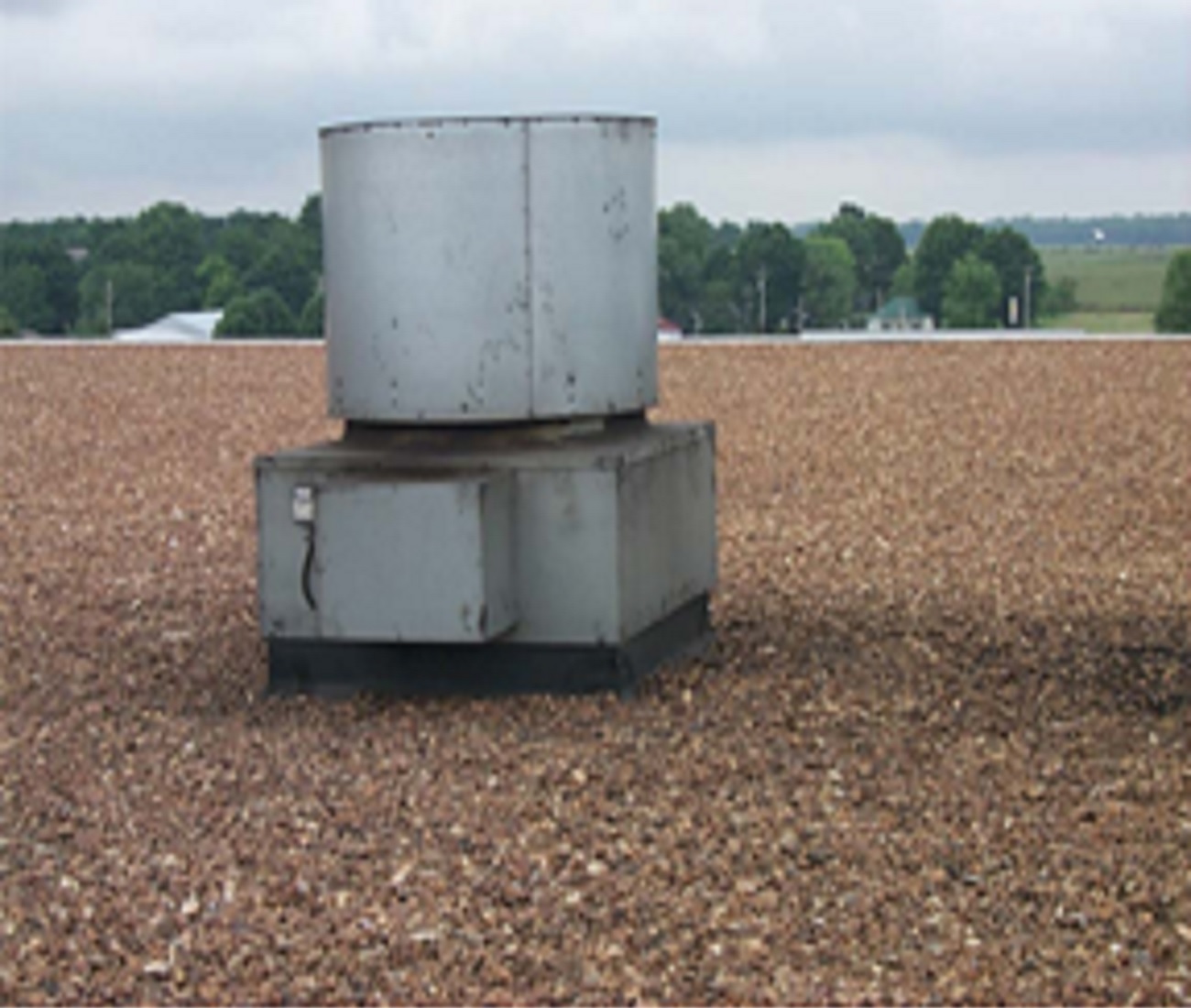
Fall Through Temporary Roof Opening
A 50-year-old male cleaner died when he fell approximately 35 feet through a temporary roof opening and was impaled on a piece of equipment on the factory floor.
A 50-year-old male cleaner died when he fell approximately 35 feet through a temporary roof opening and was impaled on a piece of equipment on the factory floor.
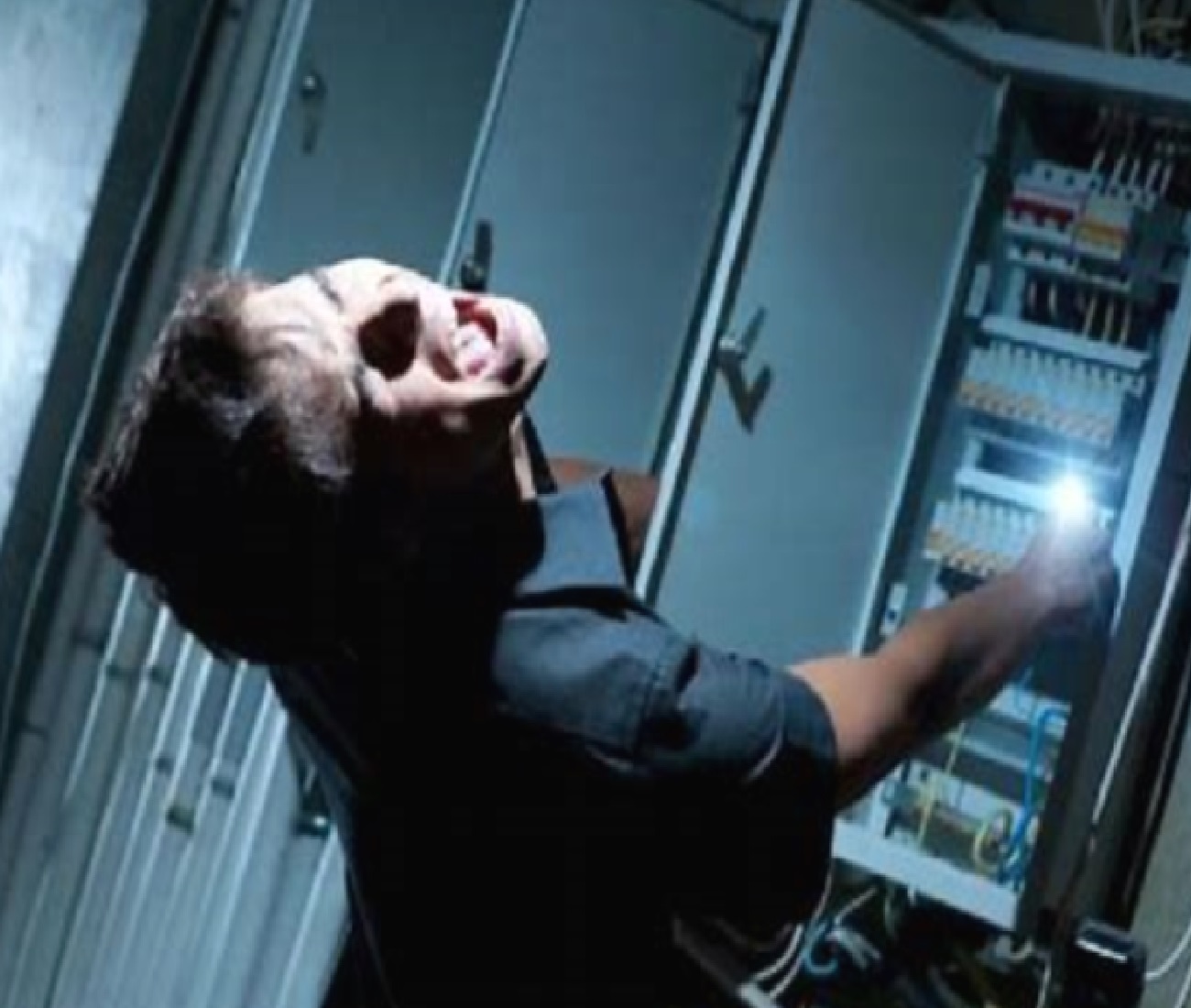
An electrical burn occurs when skin meets an electrical voltage. It does not always leave a significant burn to the skin, but the electricity can cause significant internal damage to nerves, muscles and internal organs.
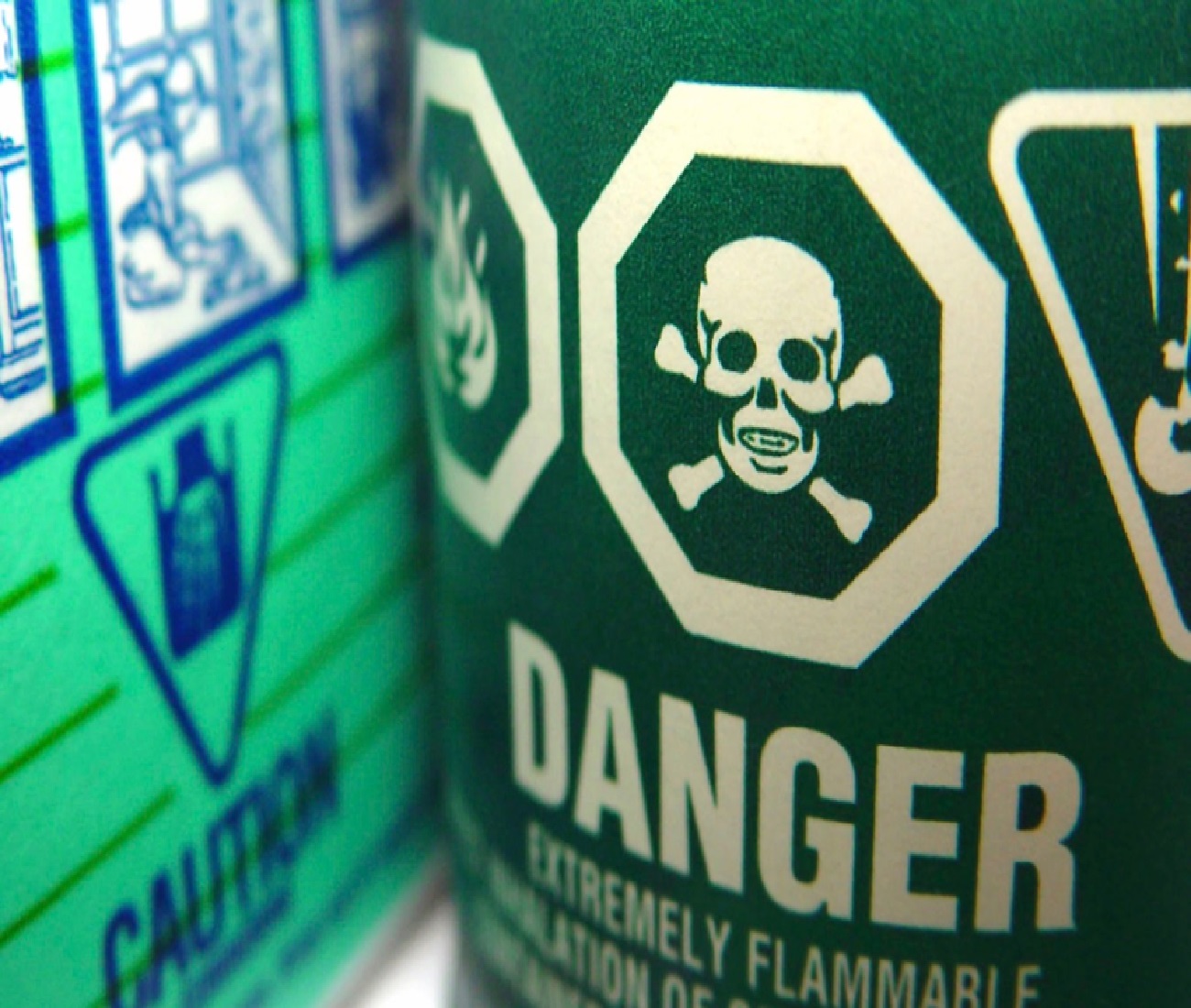
Poisoning, accidental or intentional, causes significant harm or death to many US and Canadian people. Poisoning takes many forms as harmful chemicals can be breathed in, swallowed, touched or injected.
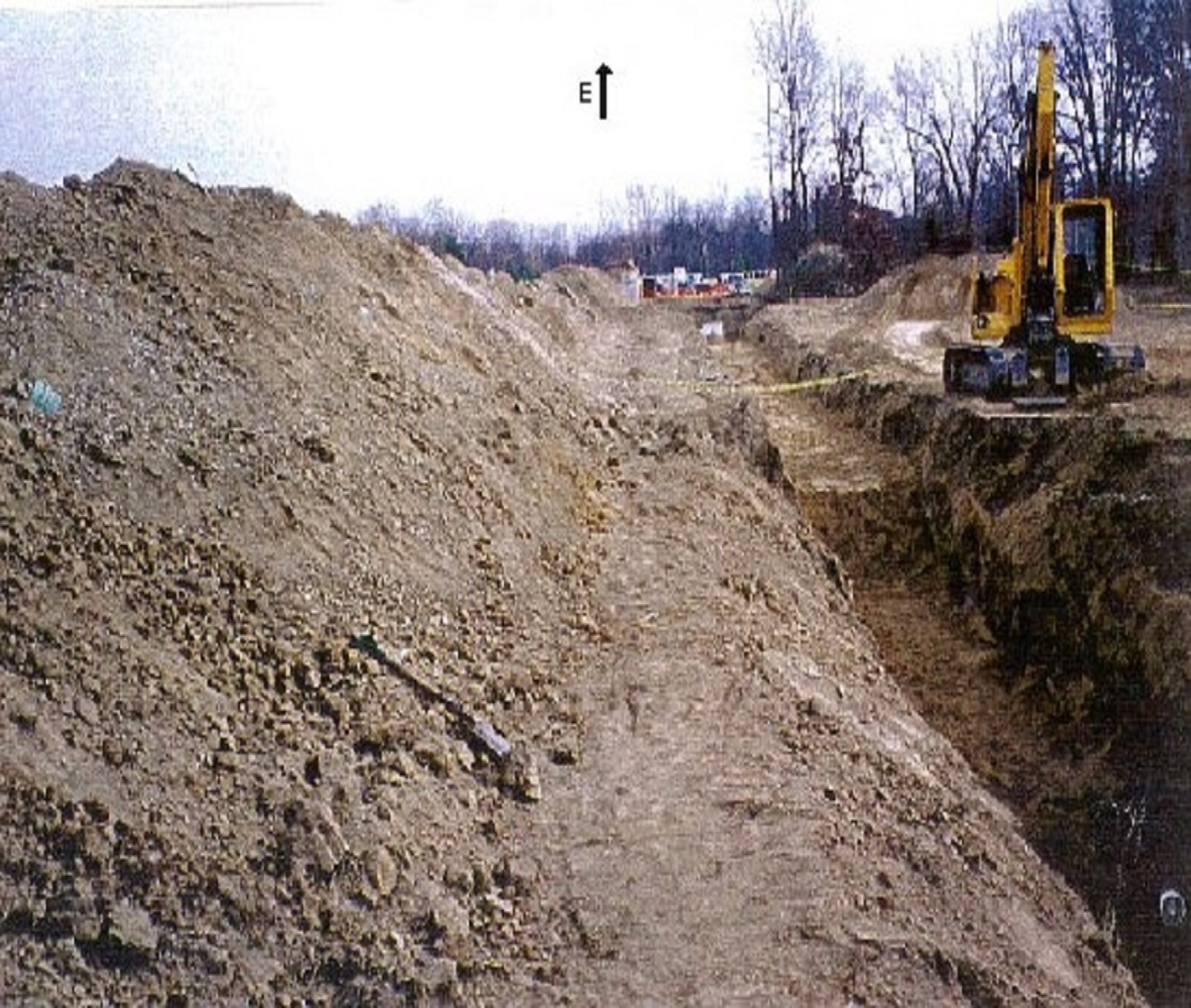
Two workers entered an unprotected trench (11 feet deep x 8 feet wide) to set new sections of pipe. Only one would survive.
One cubic yard of soil can weigh as much as a car and the pressure on the chest can make it impossible for a worker to breathe, even if his or her head is above the level of the collapsed soil. Often, it’s impossible to rescue a trench collapse victim quickly enough to prevent death.
There are some obvious hazards in this picture, yet it’s still a good tool for training and learning. Share this image with your crew and see how many hazards they spot. Then discuss why they are hazardous, how these hazards can be corrected, and what they would do if they were asked to work in this excavation.
Trenching and excavation work puts workers in mortal danger if the excavation is not inspected and cave-in protections are not in place. Use this daily checklist as a starting point and edit the list as necessary for location specific regulations and work performed.
Use this checklist as a starting point and edit the list as necessary for location specific regulations and work performed.

Slips, trips, and falls are consistently rank as one of the top 2 causes of injuries and deaths on the job. Our contributor, Zachary O’Dell from SafetyLine asks, “Have you taken these 6 precautions to avoid injuries in your own workplace?”
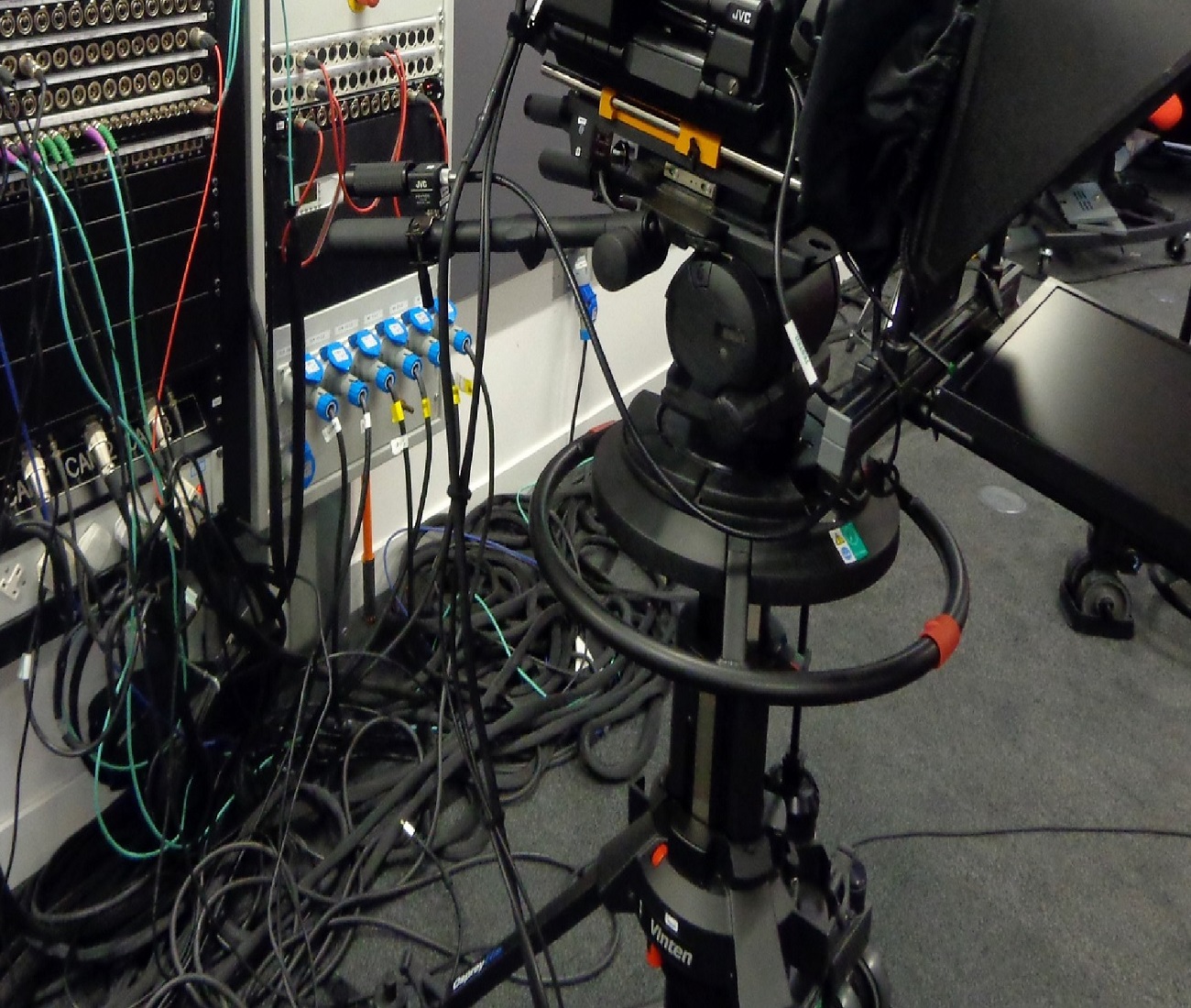
Hazardous walking and working surfaces account for hundreds of thousands of injuries and hundreds of deaths every year. This translates into billions of dollars spent on work comp, lost-time injuries, and days away from work. Set yourself, your employees, and your organization up for success by doing your part to keep these surfaces safe.
An excavation is any man-made cut, cavity, trench, or depression in an earth surface formed by earth removal. Trench is a narrow excavation (in relation to its length) made below the surface of the ground. In general, the depth is greater than the width.
Few experiences may be as frightening as when a crane becomes unbalanced while a load is being lifted or when the crane collapses under the weight of an excessive load. An unbalanced load or crane collapse can cause death to the operator, other construction workers, can cause damage to property or equipment.
A trench is an excavation, too, if it isn’t more than 15 feet (4.5 meters) wide at the bottom. And, if you install forms or other structures in an excavation that reduce its width to less than 15 feet, measured at the bottom, the excavation is also considered a trench.

Hazardous Locations are defined as premises, buildings or parts thereof where fire or explosion hazards may exist due to the presence of flammable gases or vapors, flammable liquids, combustible dusts, or easily ignitable fibers.

Hazardous Locations are defined as premises, buildings or parts thereof where fire or explosion hazards may exist due to the presence of flammable gases or vapors, flammable liquids, combustible dusts, or easily ignitable fibers.
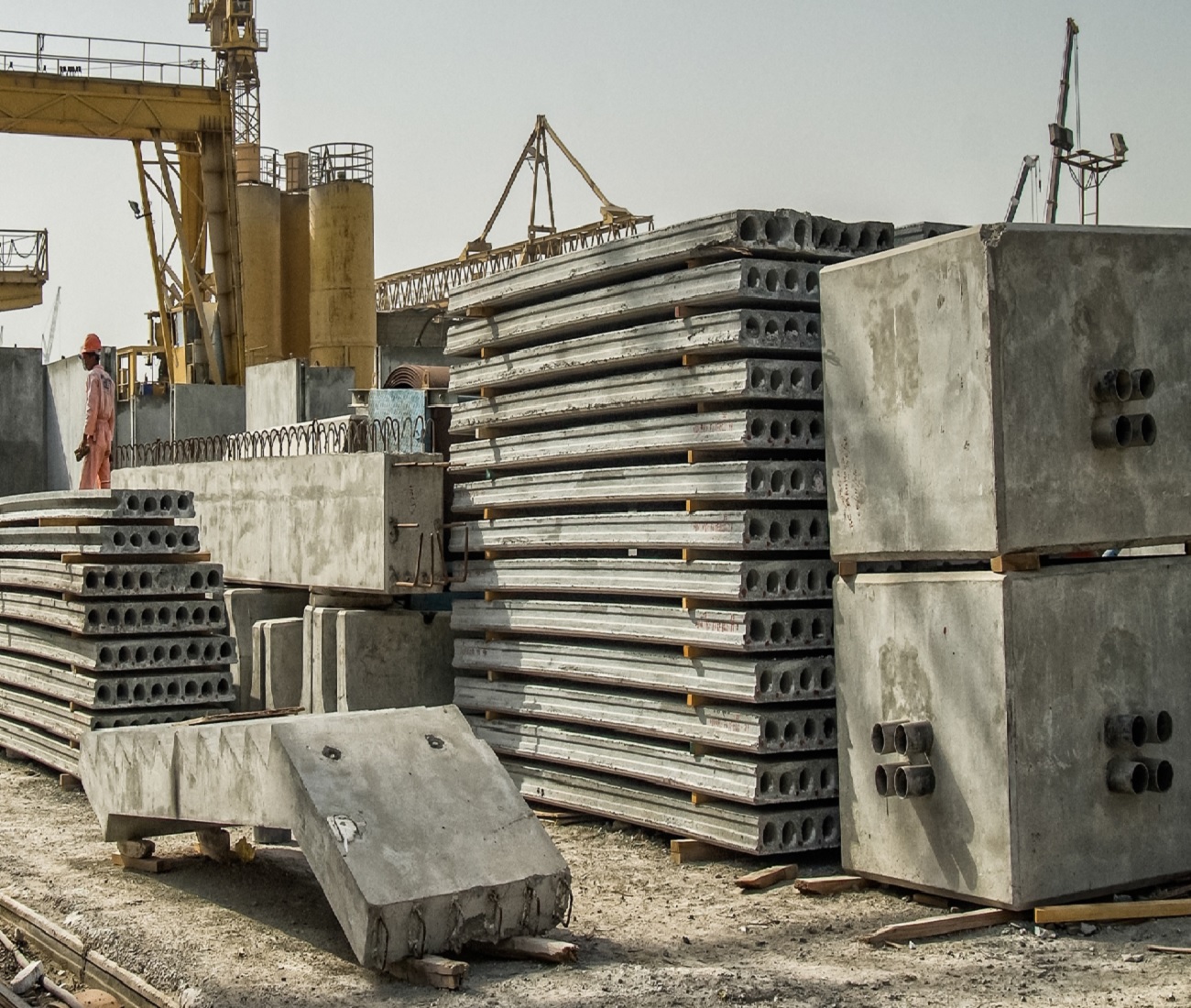
A 40-year-old worker was killed at a construction site recently in Toronto. According to police, concrete panels had fallen onto the worker as they were being unloaded, and the man became trapped.

The potential for serious injuries and even fatalities is very high when thinking about work involved for concrete and masonry workers. Precast concrete, lift-slab operations, and masonry construction all pose different types of risk, and all have the potential for multiple employees to be hurt or killed if these risks are ignored.
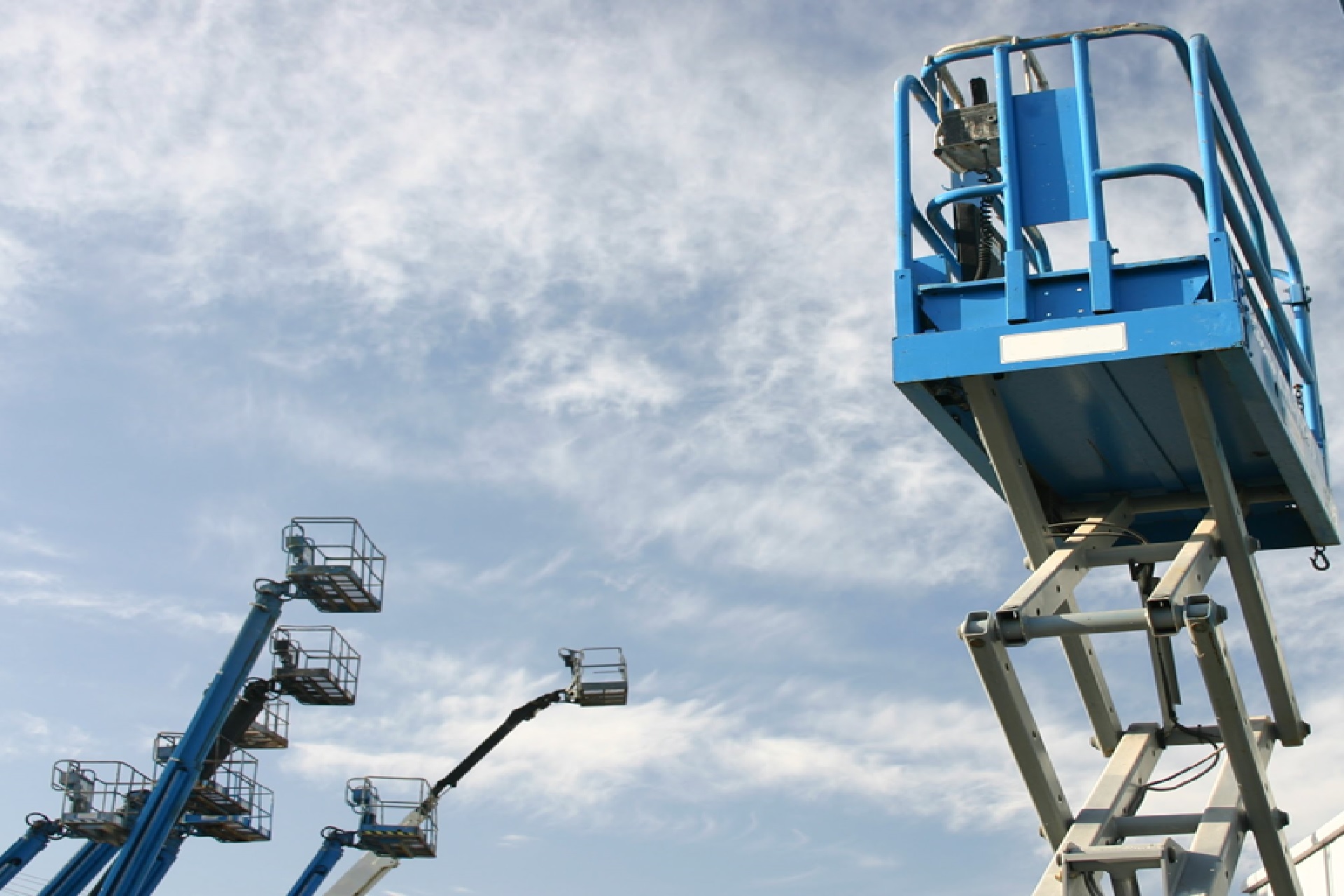
Aerial lifts are commonly used by utility workers. Aerial lifts include boom-supported aerial platforms, such as cherry pickers or bucket trucks, and elevating platforms, such as scissor lifts.

Infographic - summer safety

One of the biggest challenges when you are investigating an incident is sorting out the irrelevant information from the relevant information. One way to do this is by using a systematic approach to investigate all incidents that focuses on finding the root causes.
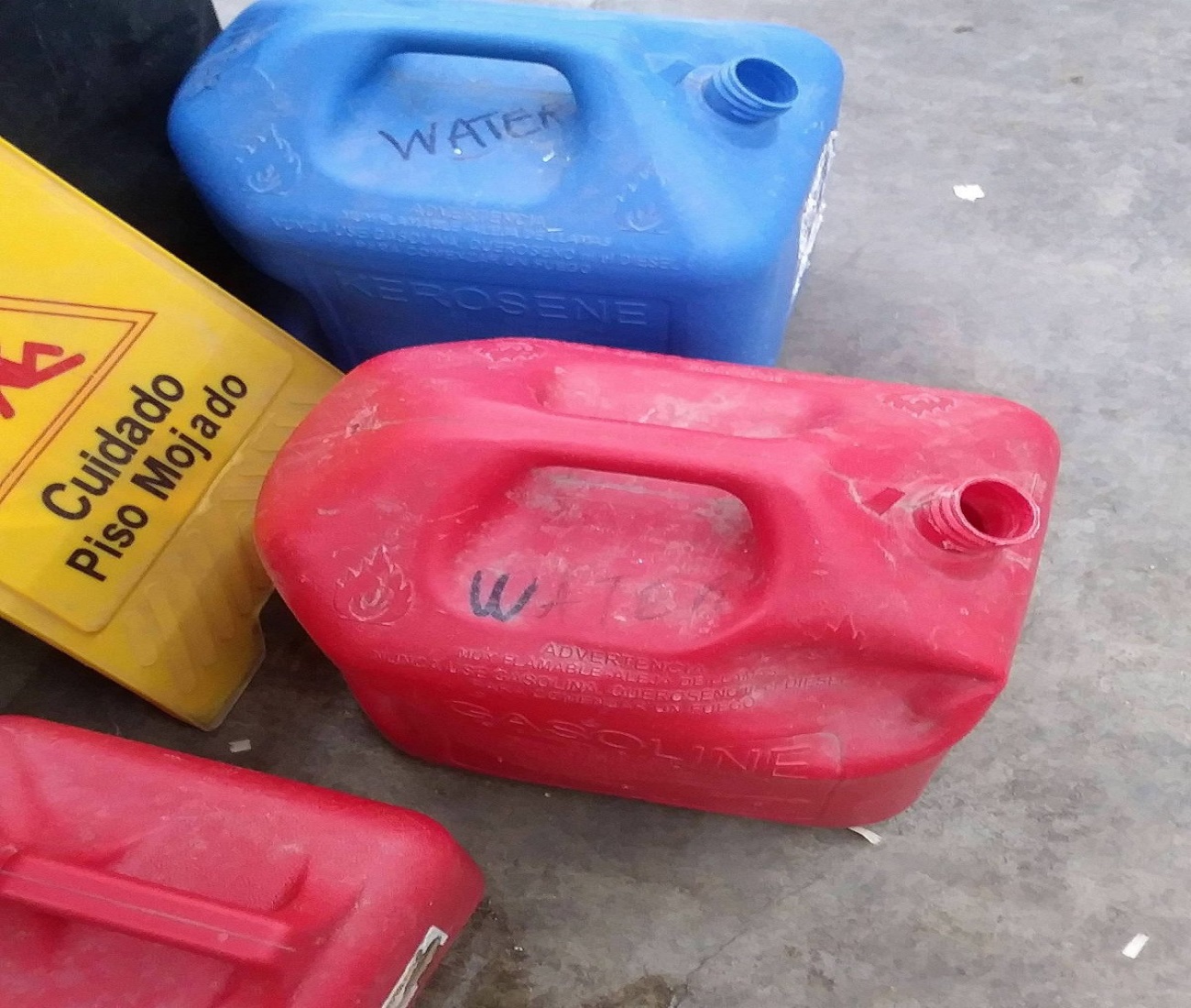
What do these dual personality containers and a woman in Utah drinking sweet tea and a BBQ joint have in common?

Investigating an incident allows you to look beyond what happened and discover why it happened. It also allows you to identify and correct deficiencies in your safety and health programs, management shortcomings, and unsafe processes, conditions, and actions.

Unsafe working conditions and unsafe work practices lead to a staggering number of workplace and work-related injuries, illnesses, and deaths.

Seventy-five percent of all accidents are preceded by one or more near misses, according to the National Safety Council. So, if you’re trying to reduce the number of injuries and incidents with property damage and other incident-related loss, it makes sense to measure and manage your near misses.
Charging and changing the lead-acid batteries used to power forklifts present four serious, and potentially life-threatening hazards, including corrosive liquids and electrical hazards.
Since it's your first time, you may want to checkout some of the video tutorials.





 800-ICW-SAFETY (800.429.7233)
 SAFETYOnDemand@icwgroup.com
