
Main Category Group

Tool: Employee MSD Symptoms Survey
Adapt and use this survey to better understand the ergonomic issues, including early stages of MSD discomfort and disorders.
Main Category Group
Adapt and use this survey to better understand the ergonomic issues, including early stages of MSD discomfort and disorders.

To root out ergonomic injuries you must be proactive. The first step is to do a record review and create a “snapshot” of worker injuries, so you can analyze causes and identify trends. Here’s a form you can adapt and use at your workplace to perform an effective records review.
Once you gather ergonomic injury records and analyze the data, you must translate your findings into corrective actions. Fill out a separate version of this form for each type of ergonomically-related injury suffered by your workers. Using this form will enable you to organize your injury data, determine appropriate corrective action, and establish priorities.
Most offices have few hazardous chemicals and no heavy or moving machinery. If the worst that can happen is a paper cut, why do we need to talk about safety training? Because a paper cut isn’t the worst that can happen. Office employees still need to know what to do in case of an emergency, and accidents are surprisingly common. Also, people who sit down and use computers most of the day need to watch out for ergonomic issues.

It takes a split-second of inattention, a slight change in working conditions, a forgetful co-worker, or a lax safety program for you to fall through an opening.
How safety-conscious are you when you are off-the-job? You can do a lot to increase your safety just by paying attention to your attitude and habits. You may be relaxing, but you can still relax safely!
If a chemical splashed onto your skin or into your eye, could you get to a safety shower or eyewash station quickly? The time to consider that question is now, not when you are faced with an emergency. You need to know where this equipment is located, the shortest route to reach it and how to use it effectively.
You must create a safety culture where workers feel comfortable participating. Build trust by engaging employees in all aspects by asking for concerns, opinions and solutions.
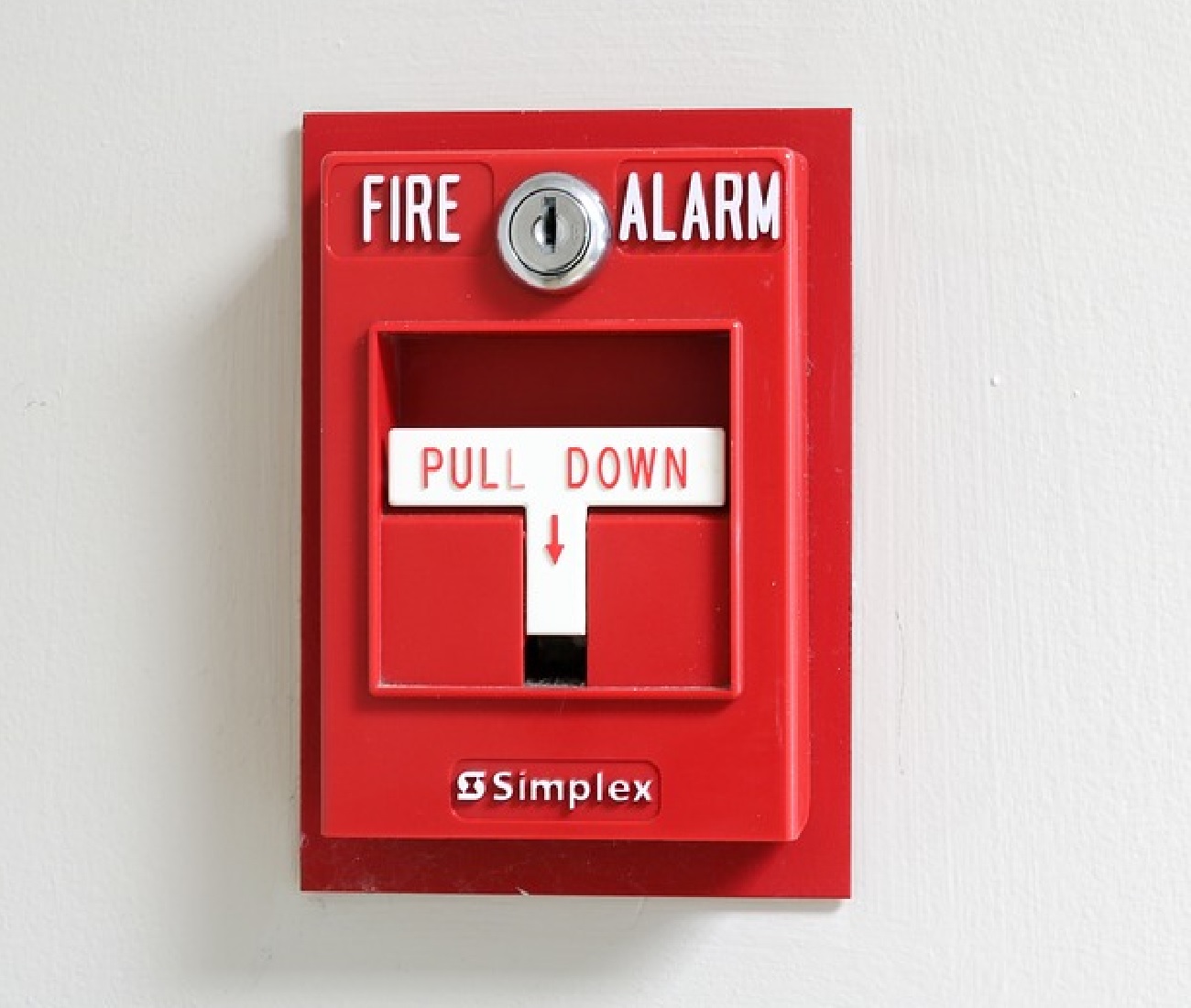
Being prepared for an emergency is part of your employers and your responsibility. For help developing your emergency response planning, Ready.gov offers the following guidance.
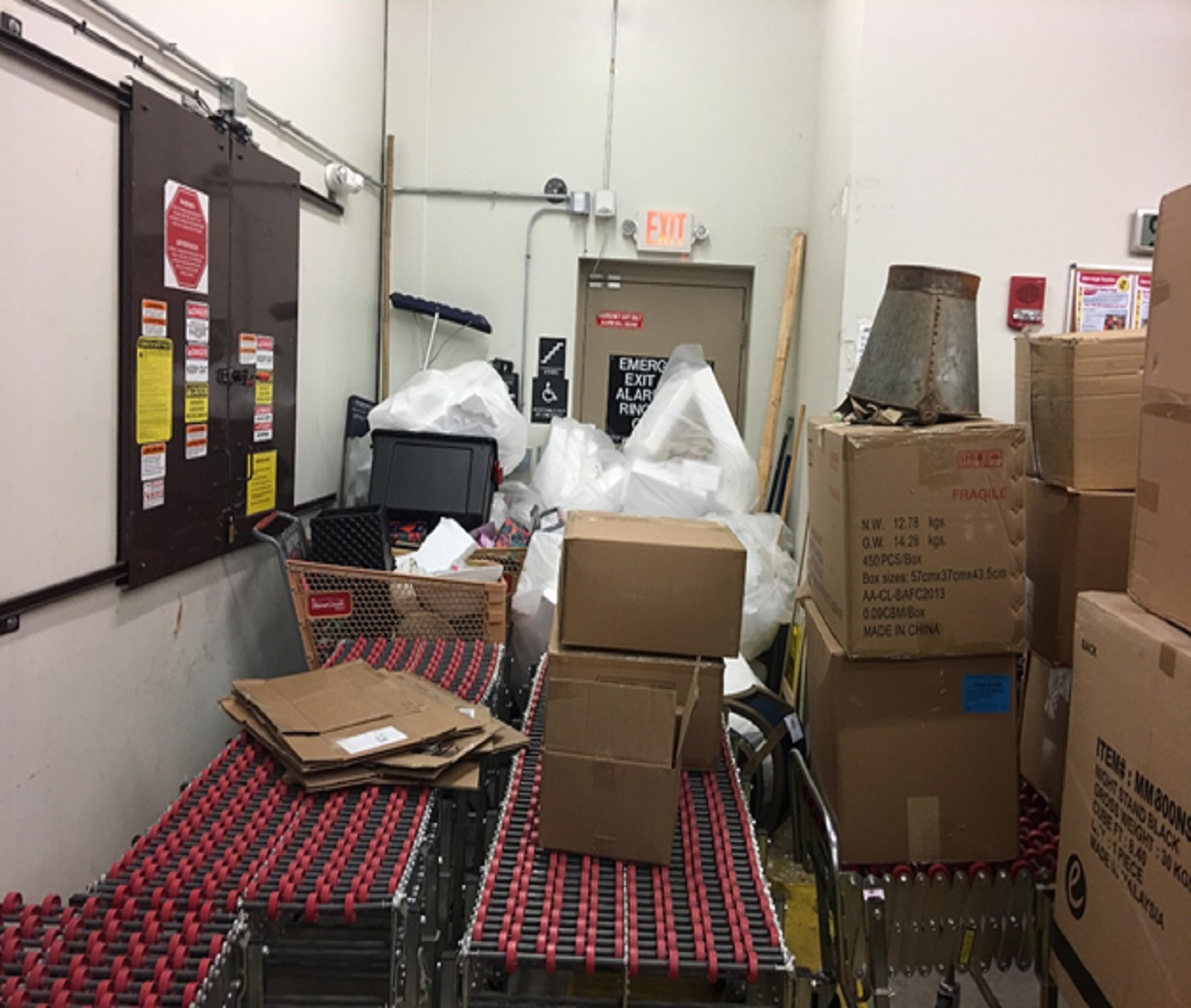
Let’s start with the obvious hazard – a blocked emergency exit. Blocked by conveyors, carts, trash, and cardboard boxes.
Excavations and trenches more than 4-5 ft/1.2-1.5 m deep (depending on your federal, state, and provincial regulations) require a protective system is in place to protect workers from cave-ins. If a protective system isn’t in place – don’t enter the excavation. Look out for your safety and the safety of your co-workers and don’t become another buried body of an excavation cave-in.

This program helps employees comply with DOT regulations relating to securing loads on tractor trailers. Topics include: different types of trucks and associated loading requirements, load securement procedures, number of straps needed for different loads, working load limits and other related safety information. Great training to ensure you and your vehicles are not cited or placed out of service due to non-compliance issues.
One of our Best Sellers! A fire extinguisher is a simple and effective piece of emergency equipment. This program explains the various classes of fires, different types of fire extinguishers, the key word PASS, and other tips for emergency use of fire extinguishers. This is the long version.
Pesticides: Safety Training ??? Both the Worker Protection Standard and the Hazard Communication Standard mandate training for all Agricultural employees that come in contact with Pesticides. This training is required for Handlers, Early Entry Workers, and all other agriculture workers before they acquire five separate days of entry into pesticide treated areas after the REI expires
Incidents involving active shooters continue to be in the news. These acts of violence are becoming more commonplace in today's society, and although your chances of being a victim of an active shooter incident are minuscule, it is important your organization and your associates plan and be prepared for such an incident. Active shooters can strike where we live, where we work, where we study, where we shop or any other environment. No business or institution is immune to the potential of an active shooter attack. The purpose of this informational training is not to alarm viewers, but to enlighten them regarding some of the elements of an active shooter scenario and what they should do to be prepared to deal with such an act.
Employees in industrial environments face different hazards than those in office or warehousing environments. For this reason they need training that addresses the hazards they face in the course of their job. This program covers General Safety Rules, Workplace Hazards, PPE, Machine Guarding, Emergency Action Plans, Slips & Falls, Housekeeping, Working at Heights, Hand & Electrical Tools, Hazard Communication, Forklifts, Proper Body Mechanics and other vital information.
Everyone in your facility should be trained in the proper use of fire extinguishers. Explains the different classes of fires, types of fire extinguishers, the key word PASS, life safety, and other tips.

Ski Areas???snow ???ice???water???slippery surfaces???they increase the potential for a slip, trip or fall. But does this mean a slip, Trip or fall HAS to happen? Of course not. Slips, trips and Falls are preventable and that???s what this program is all about???prevention. The program examines some common slip, trip and fall accidents common to ski areas and examines the root causes of each.
Incidents involving active shooters continue to be in the news. These acts of violence are becoming more commonplace in today's society, and although your chances of being a victim of an active shooter incident are minuscule, it is important your organization and your associates plan and be prepared for such an incident. Active shooters can strike where we live, where we work, where we study, where we shop or any other environment. No business or institution is immune to the potential of an active shooter attack. The purpose of this informational training is not to alarm viewers, but to enlighten them regarding some of the elements of an active shooter scenario and what they should do to be prepared to deal with such an act.

Employees in industrial environments face different hazards than those in office or warehousing environments. For this reason they need training that addresses the hazards they face in the course of their job. This program covers General Safety Rules, Workplace Hazards, PPE, Machine Guarding, Emergency Action Plans, Slips & Falls, Housekeeping, Working at Heights, Hand & Electrical Tools, Hazard Communication, Forklifts, Proper Body Mechanics and other vital information.
Few things can be more terrifying and catastrophic than a fire. That is why training and education is so important. This video looks at ways fires can be prevented and covers the basics of fire prevention, conditions that contribute to fires and steps employees can take to minimize the risk of a potential fire in a unit.

Preventing Workplace Violence shows employees how to recognize the warning signs of possible violent behavior, as well as how to avoid or defuse potentially dangerous situations. One out of every six violent crimes occurs in the workplace. And while workplace homicides grab the headlines??? (homicide is the second leading cause of death on the job and the number one killer of women in the workplace)??? other forms of workplace violence happen much more frequently. No organization, regardless of its size or type, is immune to workplace violence. Areas covered in the course include the nature of workplace violence, underlying causes and warning signs, aggressive behavior, threats and verbal abuse, sexual harassment, physical assault and armed assailants, fostering a positive workplace environment, and more.This VOD program is one of the most effective and efficient ways to get employees the training that they need, in a classroom or individually through their desktop or tablet computer.
Back injuries caused by improper lifting are the most common disabling injuries in the workplace. A person can injure their back in virtually any type of occupation, often to the point they can no longer work in their chosen field, along with having a devastating impact on their overall quality of life. Many of the causes of back injury can be prevented by teaching employees how the back operates and the basics of proper lifting techniques. This video does just that. Great for new or experienced employees.

In today's litigious society, we begin to take cautions, warnings and disclaimers from manufacturers' with a touch of skepticism or disregard. When it comes to hazardous chemicals in the work place, words, colors and symbols mean something. Not only is it your workers' right, it is their responsibility to know what they mean. This program will teach your employees to recognize and understand the different means of communication used to identify hazardous chemicals including the United Nation's new Globally Harmonized System. The training program will educate your workers on the physical characteristics and chemical properties communicated in the material safety data sheets and on the container labels enabling them to make proper decisions concerning the safe use handling and storage of the substances. The program covers the purpose and role of hazard communication, the different classification of chemicals and their hazards, the primary forms of communication, and best practices and procedures to ensure their safety and health. Chemicals are an intricate and valuable part of our life. When respected and handled properly, they pose minimum risk our safety and health. Knowledge is a valuable safety tool. Not only is it your workers' right to know, it is their responsibility to use it to protect their safety and that of their co-workers.
This video fully explains the new (GHS) Globally Harmonized System and how it is to be integrated with your current HAZCOM program. The video fully explains the key points of the change, replacement of MSDS with the new SDS, new symbols and labels, plus new classification. This program trains employees, supervisors and management on the elements of the new system.
Since it's your first time, you may want to checkout some of the video tutorials.













 800-ICW-SAFETY (800.429.7233)
 SAFETYOnDemand@icwgroup.com
