Hello, Guest!

Hello, Guest!

Focus On: Program Evaluation and Improvement – Leading and Lagging Indicators

You should be evaluating your safety program on a regular basis - at least annually – to determine what is working and what’s not and whether the program is on track to meet its goals. Tracking and analyzing leading and lagging indicators are one effective way to monitor the performance and progress of your safety program.


Focus On: Program Evaluation and Improvement – Leading and Lagging Indicators2018-11-09T00:00:00+00:00

Article: Four Types of Meeting Participants

It can be tricky dealing with the various personality types, levels of experience, and differing backgrounds of meeting participants. You can’t always predict what their reaction will be, and you may not have advance knowledge of who will be in attendance, but you can still prepare. One way is by understanding the four general types of meeting participants you’re likely to encounter and how best to interact with them. You may also encounter entire groups that have these characteristics – the response is the same.

Article: Four Types of Meeting Participants2018-11-06T00:00:00+00:00

Article: A Better Way to Onboard

In a 2013 webinar former, OSHA administrator David Michaels said, “We have known for decades that new workers, when they first start at a new job, are at greatly increased risk of injury – and we know why: New workers are often not adequately trained in the potential hazards at the new jobsite and the measures they can take to protect themselves.” And yet, according to the Toronto-based Institute for Work & Health, only 1 out of 5 new workers receives safety training.

Article: A Better Way to Onboard2018-11-04T00:00:00+00:00

Workplan: Forklifts – Warehouses

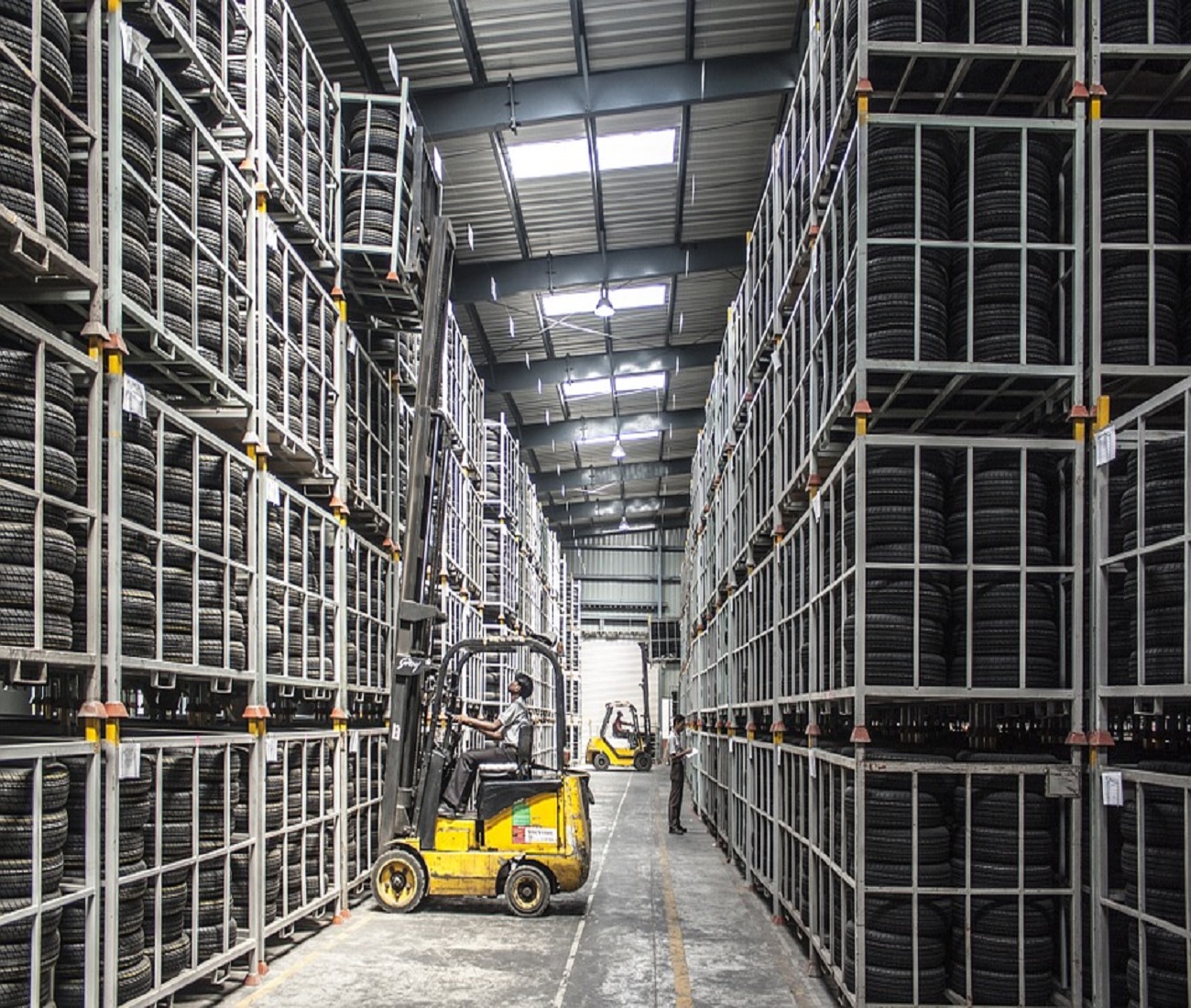
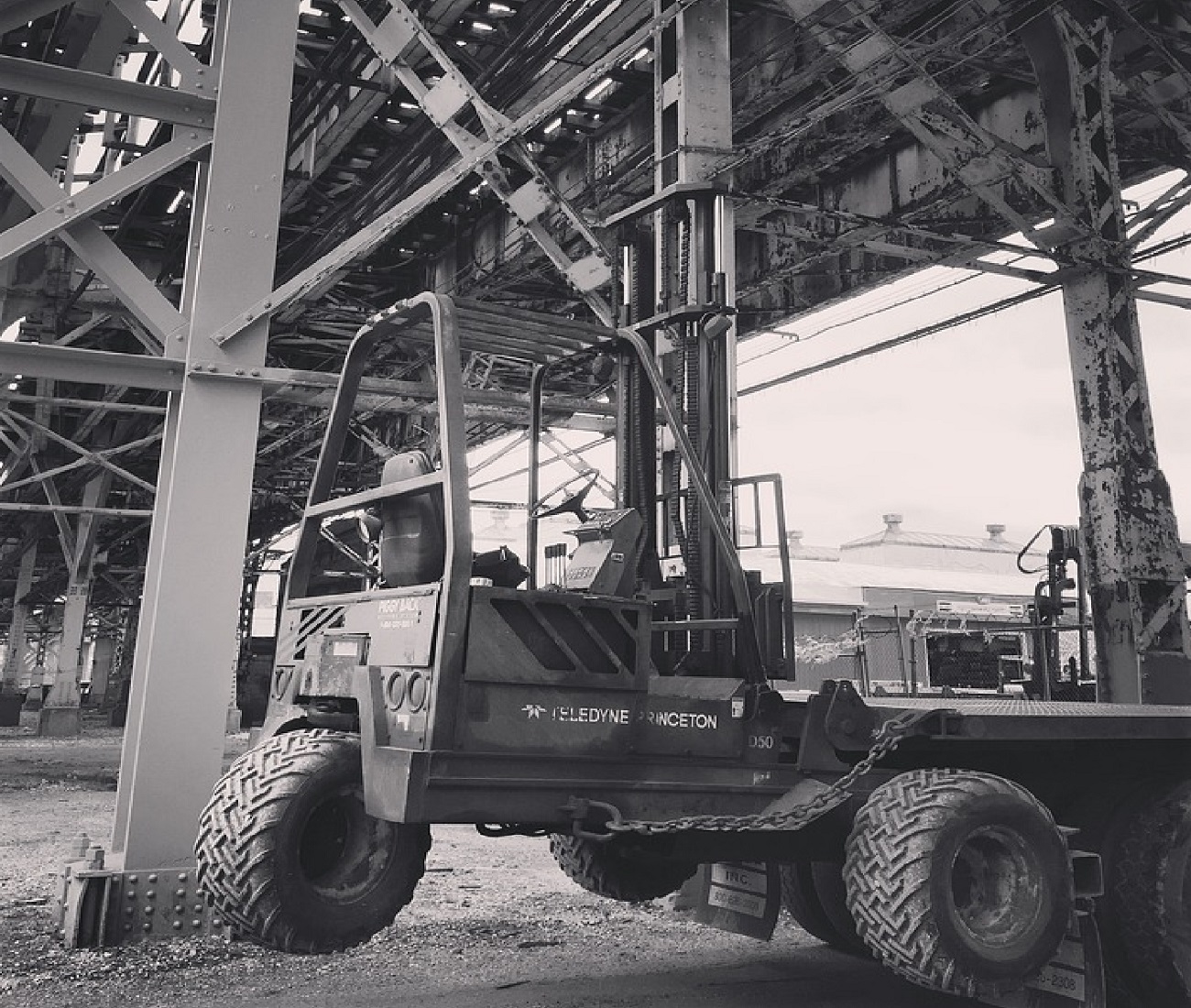
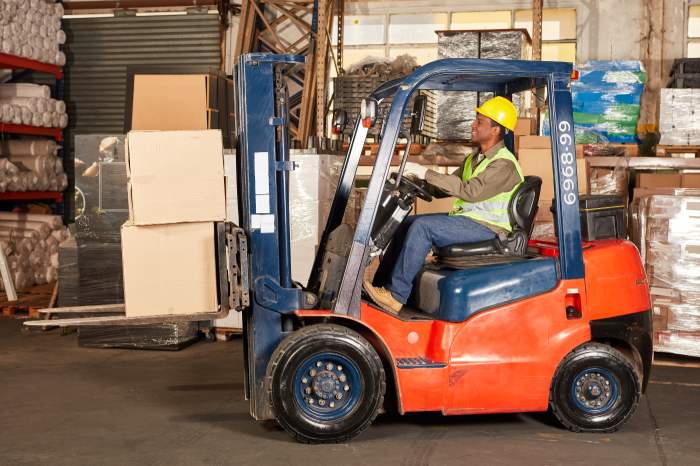
Fork lift accidents are a leading source of fatal and serious work injuries; failure to ensure proper use of fork lifts is also perennially among the Top 10 most frequent causes of OSHA and OHS citations. Here’s a 12-step compliance plan to help you avoid both things.

Workplan: Forklifts – Warehouses2018-10-31T00:00:00+00:00

Safely Handling Materials

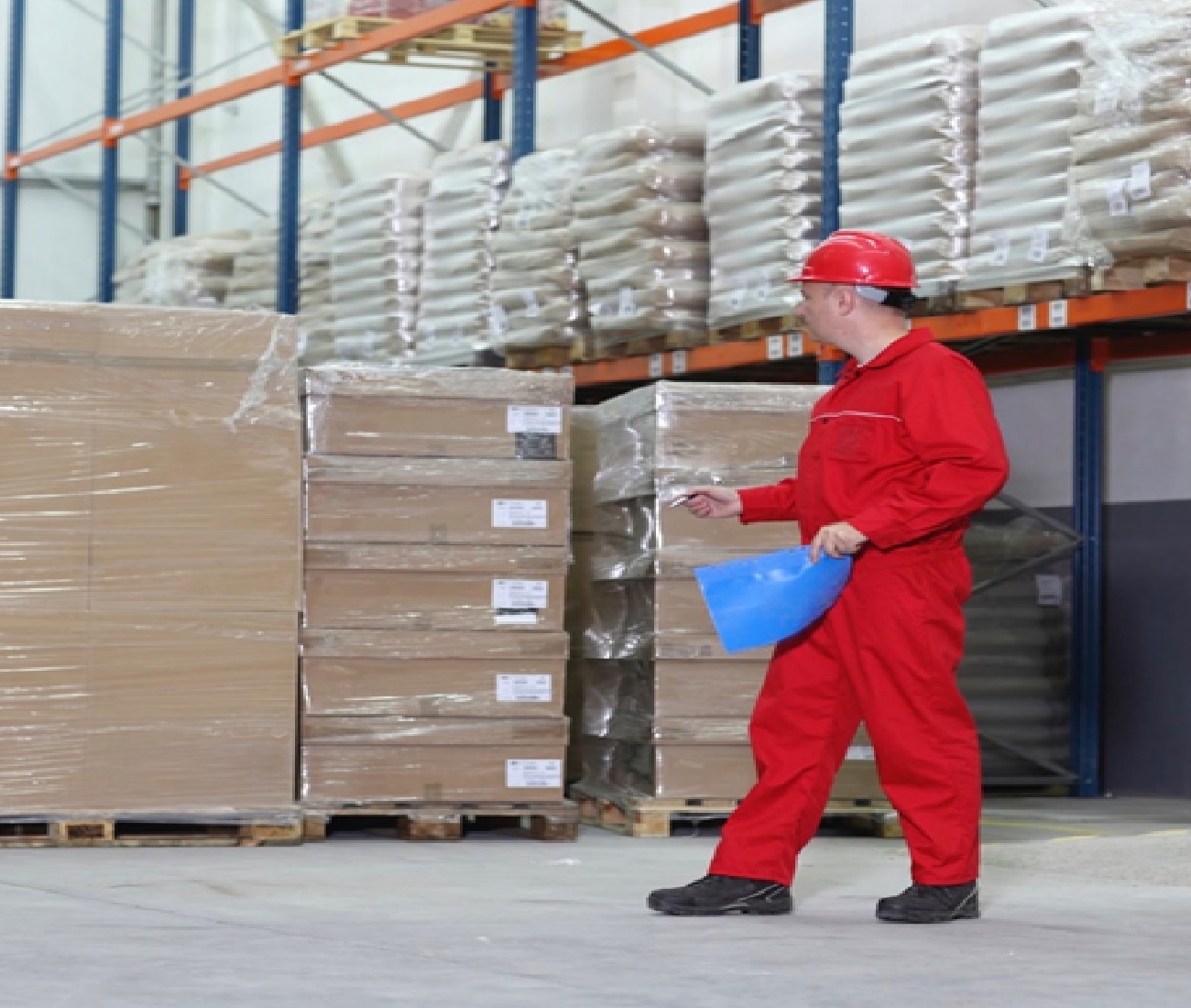
Materials handling work is part of many jobs. Think about the different things you lift, move, and store as part of your job – frequently or infrequently.

Safely Handling Materials2018-10-31T00:00:00+00:00

Warehouse Materials Handling Checklist

You need to perform evaluations of your materials handling procedures, equipment and operations annually or sooner after major changes occur in the workplace. This tool will help you keep up-to-date. Use this Checklist to conduct a general review of materials handling compliance and ensure you’re free from incidents and citations. Any “no” answers should be investigated and corrected

Warehouse Materials Handling Checklist2018-10-31T00:00:00+00:00

Warehouse Supervisor Crushed by Pallet Stacking Machine

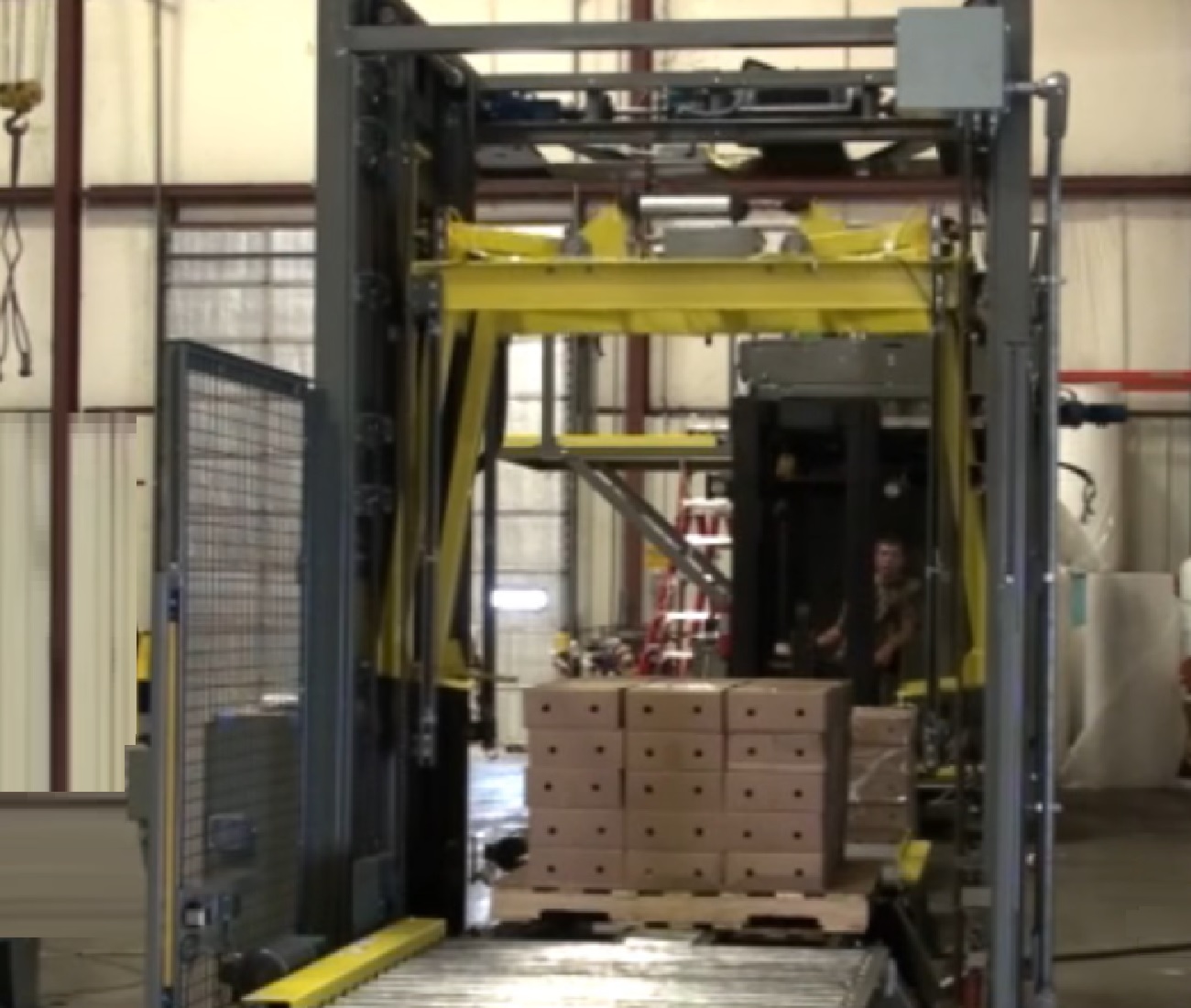
A 40-year-old experienced warehouse supervisor died when he was struck by a pallet stacking machine and crushed against a storage rack support.

Warehouse Supervisor Crushed by Pallet Stacking Machine2018-10-31T00:00:00+00:00

17-year-old Warehouse Worker Crushed by Forklift

17-year-old warehouse worker was fatally injured when the sit-down type forklift he was tipped over on its side and crushed him. The victim was employed under a work-based learning program and had been working for three months when the incident occurred.

17-year-old Warehouse Worker Crushed by Forklift2018-10-31T00:00:00+00:00

Picture This: Lift with…Care?

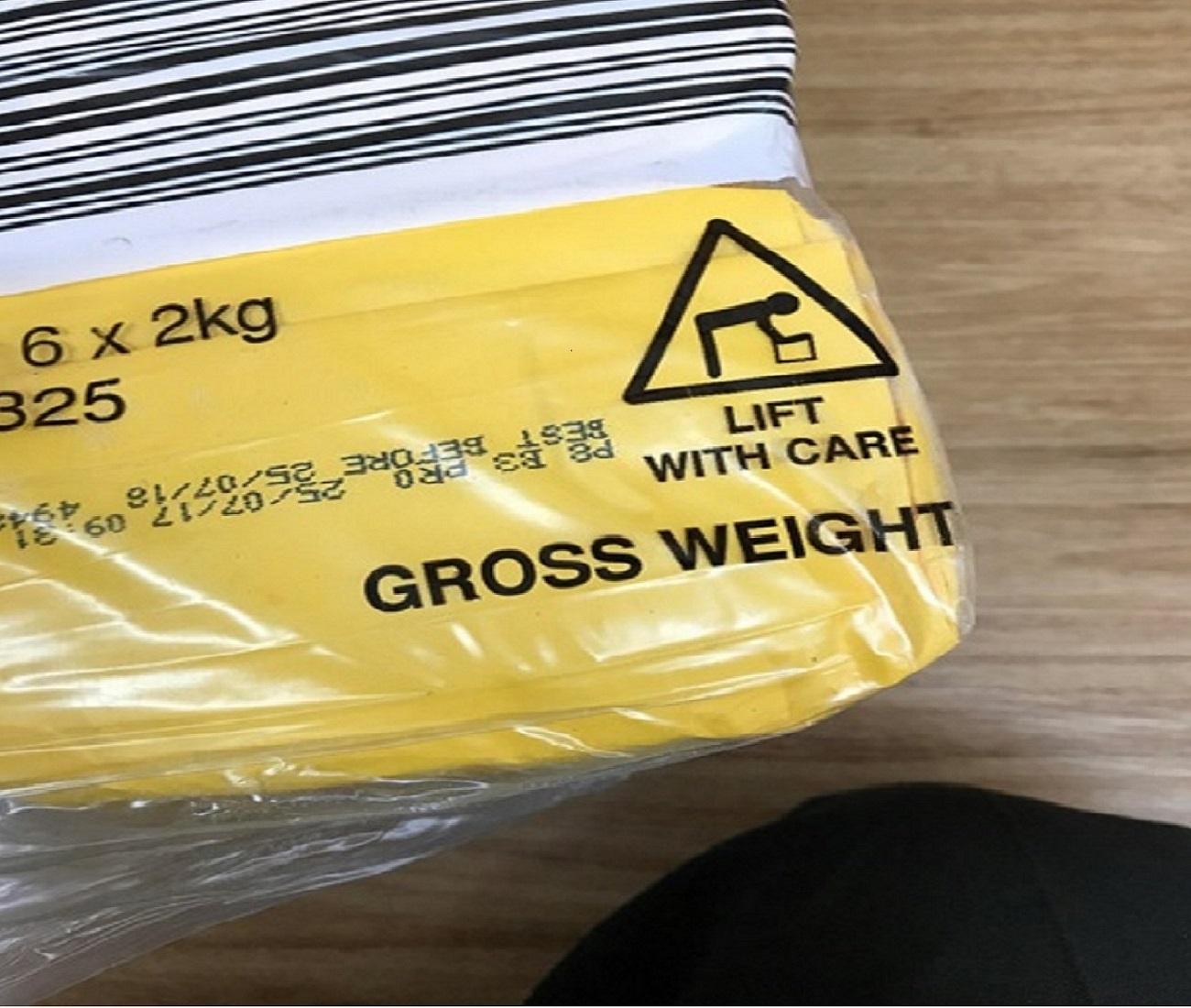
Manually moving materials is one of the quickest and the most prevalent way to injure your back. Back injuries are painful for the worker and costly for the employer. To reduce back injuries at work, it is important to find and avoid risk factors that increase the chance of injury.

Picture This: Lift with…Care?2018-10-31T00:00:00+00:00

Picture This: Racking and Stacking

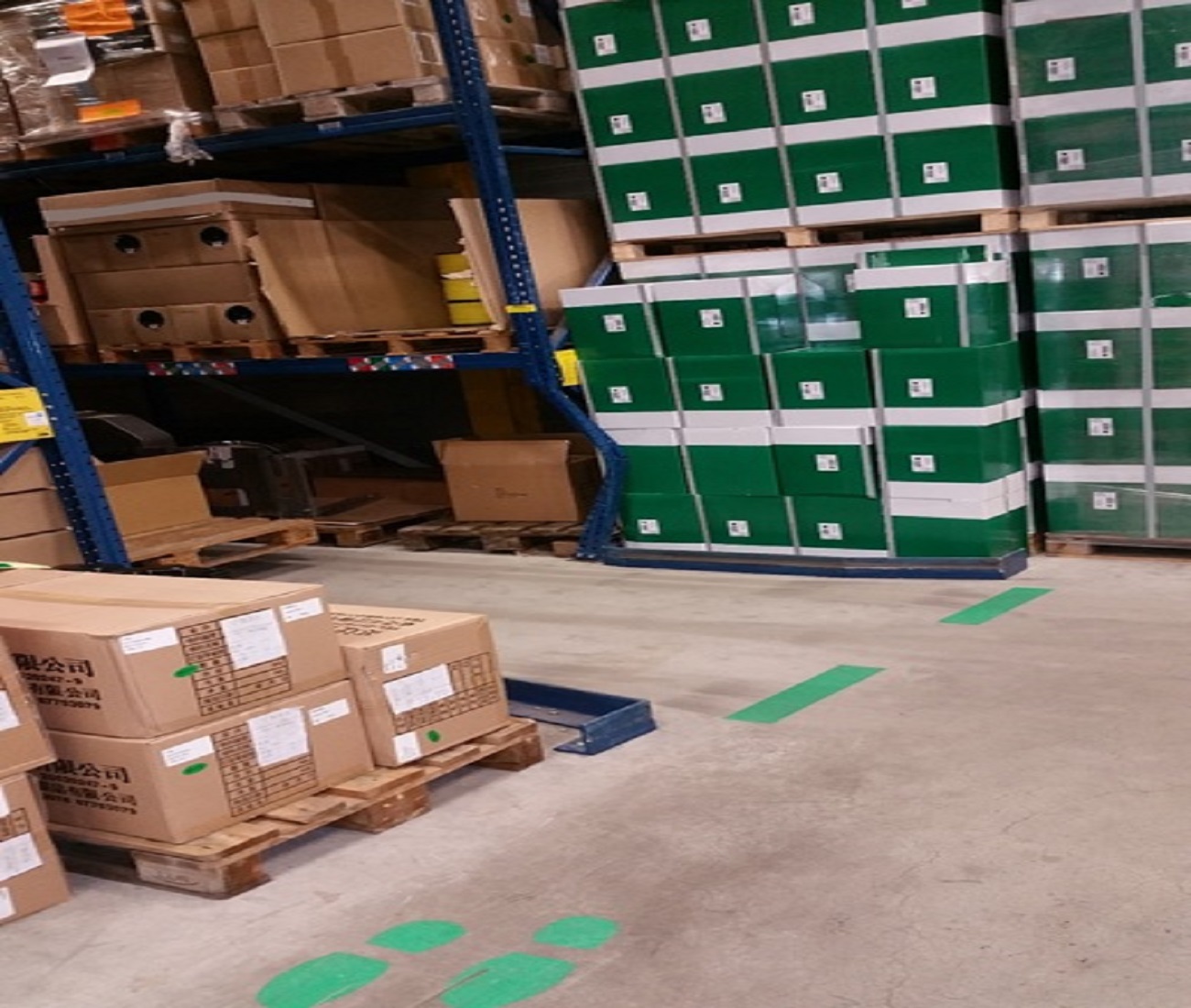
Warehouse racks and material stacks are nothing to take lightly. A damaged rack can lead to hundreds of thousands of dollars in lost and damaged inventory. Then there are the injuries and fatalities caused if the racks and materials fall. Your co-workers, delivery drivers, and even customers can be injured and killed if a rack or material falls.

Picture This: Racking and Stacking2018-10-31T00:00:00+00:00

By the Numbers: Key Statistics for Warehouses

There are over 10,000 warehouses in the United States and Canada, employing over 200,000 workers, and countless ways to be injured or killed.

By the Numbers: Key Statistics for Warehouses2018-10-31T00:00:00+00:00

Forklift Loading Safety Tool

Loading and unloading of forklifts and other trucks are subject to specific safety requirements that are designed to ensure stability of loads and prevent harm to operators and others nearby. This form helps prevent these related injuries and incidents from happening, along with consequential safety violations and citations

Forklift Loading Safety Tool2018-10-19T00:00:00+00:00

Forklift Safety Checklists

Like any other piece of mechanical equipment, forklifts pose dangers not just to operators but to others in the vicinity. This tool will significantly help prevent these incidents as well as consequential safety violations and citations. HOW TO USE THE TOOL Here are two checklists you can adapt and use to ensure forklifts/powered industrial trucks meet equipment and maintenance standards.

Forklift Safety Checklists2018-10-18T00:00:00+00:00

Industrial Ergonomics Hazards Assessment Checklist

Adapt and use this Hazards Assessment to determine areas of potential and existing ergonomic and materials handling concerns.

Industrial Ergonomics Hazards Assessment Checklist2018-10-17T00:00:00+00:00

Ergonomic Injury Record Review

To root out ergonomic injuries you must be proactive. The first step is to do a record review and create a “snapshot” of worker injuries, so you can analyze causes and identify trends. Here’s a form you can adapt and use at your workplace to perform an effective records review.

Ergonomic Injury Record Review2018-10-16T00:00:00+00:00

Tool: Ergonomic Injuries Data Summary and Corrective Actions

Once you gather ergonomic injury records and analyze the data, you must translate your findings into corrective actions. Fill out a separate version of this form for each type of ergonomically-related injury suffered by your workers.  Using this form will enable you to organize your injury data, determine appropriate corrective action, and establish priorities.

Tool: Ergonomic Injuries Data Summary and Corrective Actions2018-10-16T00:00:00+00:00

By the Numbers: 10 Tips for Emergency Response Plans

Being prepared for an emergency is part of your employers and your responsibility. For help developing your emergency response planning, Ready.gov offers the following guidance.

By the Numbers: 10 Tips for Emergency Response Plans2018-10-11T00:00:00+00:00

Tool: Supervisor’s Guide – Responding to Domestic Violence in the Workplace

Domestic violence often crosses over into the workplace and many domestic violence victims are in danger of being attacked, harassed, or stalked while at work. Would you know what to do if an employee came to you about violence they are experiencing at home? Does your organization have a plan? An organization’s response to and support of victims can help to keep the workplace safe and secure for everyone.

Tool: Supervisor’s Guide – Responding to Domestic Violence in the Workplace2018-10-01T00:00:00+00:00

Workplan: Workplace Domestic Violence Prevention

A study done by the Society for Human Resource Management, found 65% of companies don’t have a formal workplace domestic violence plan in place even though 16% of organizations have had a domestic violence incident in the past five years.

Workplan: Workplace Domestic Violence Prevention2018-10-01T00:00:00+00:00

Domestic Violence in the Workplace

Protecting employees from harm is the foundation of every safety program and piece of safety legislation. Protecting employees from workplace violence must be part of your safety program. Further still, having a plan and program in place to help employees experiencing domestic violence should be, and in many cases must be, part of your safety program.

Domestic Violence in the Workplace2018-10-01T00:00:00+00:00

Four Categories of Workplace Violence and Prevention Strategies

There are four generally agreed upon categories of workplace violence. Once you know what the categories of violence are you and your employer can practice ways to protect you, co-workers, and the public from ha

Four Categories of Workplace Violence and Prevention Strategies2018-10-01T00:00:00+00:00

Emergency Preparedness – Do You Know What to Do?

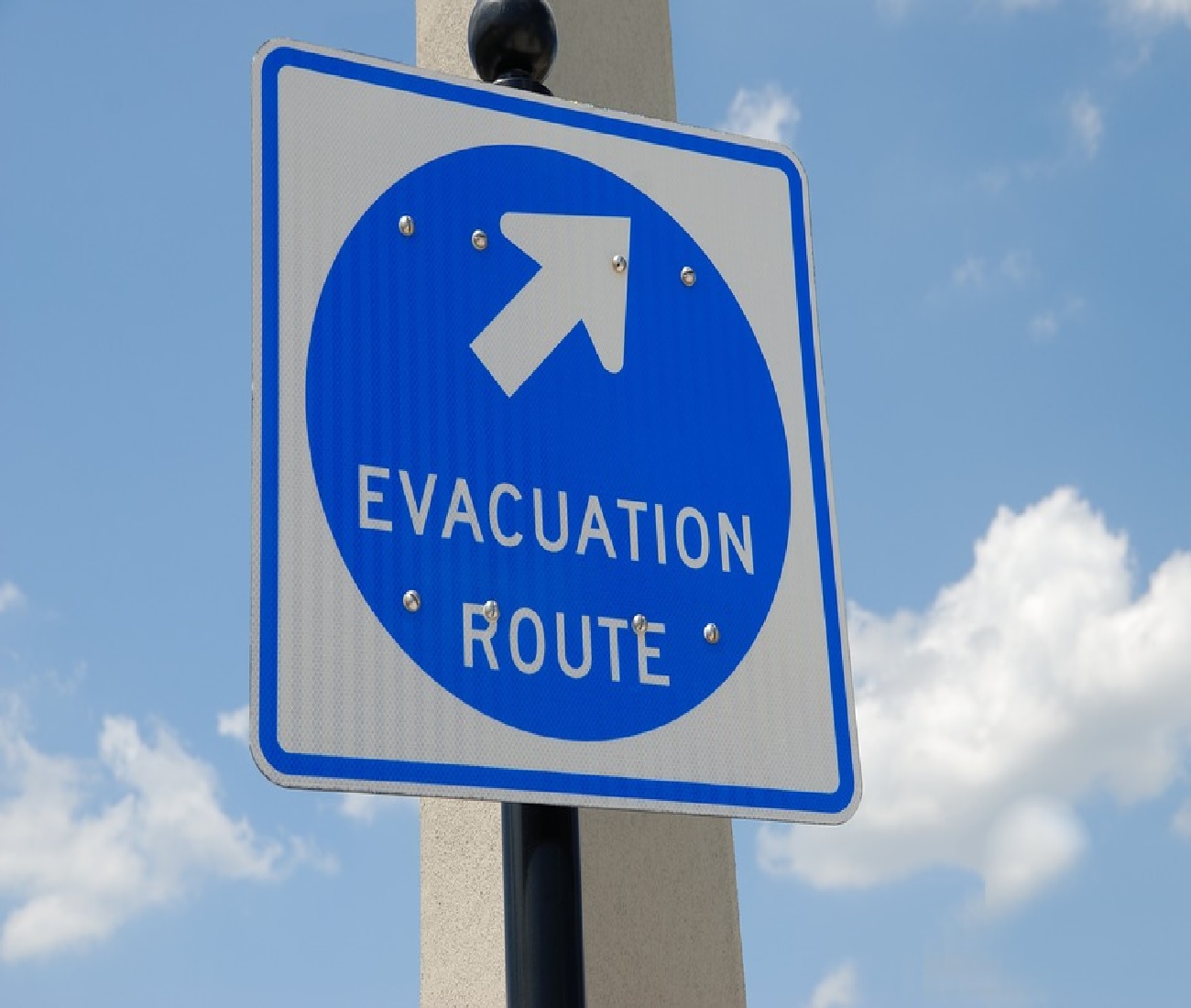
Unexpected emergencies occur every day in many facilities, including laboratories, offices, and residential buildings. It might be a fire, flood, earthquake, shooting, tornado, or hazardous chemical spill. If you don’t know what to do during an emergency the odds increase that you or others around you will be injured or killed.

Emergency Preparedness – Do You Know What to Do?2023-11-30T22:23:26+00:00

Train the Trainer: Emergency Preparedness

We are all vulnerable to disasters–whether they’re the work of Mother Nature in the form of earthquake, tsunami, hurricane, tornado or flood or deliberate acts of mankind in the form of arson, bombing or other act of terrorism. Surviving such disasters often hinges on being prepared.

Train the Trainer: Emergency Preparedness2018-09-19T00:00:00+00:00

17-Year-Old Laborer Works His Last Day

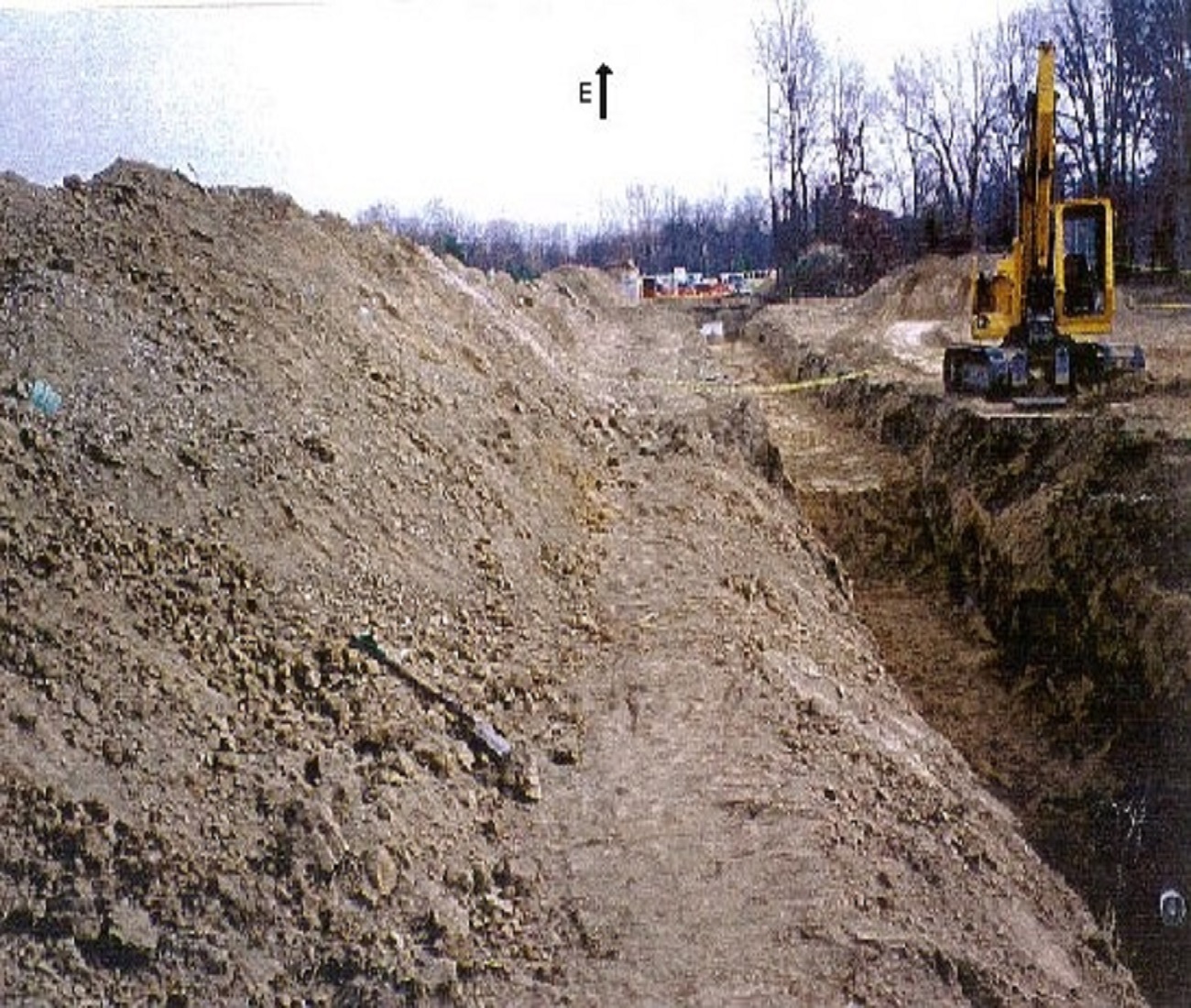
Two workers entered an unprotected trench (11 feet deep x 8 feet wide) to set new sections of pipe. Only one would survive.

17-Year-Old Laborer Works His Last Day2018-09-15T00:00:00+00:00
Go to Top