
Fall Protection Number One on OSHA’s Top 10 Violations List
Fall protection issues have topped the list of OSHA’s most-cited [...]
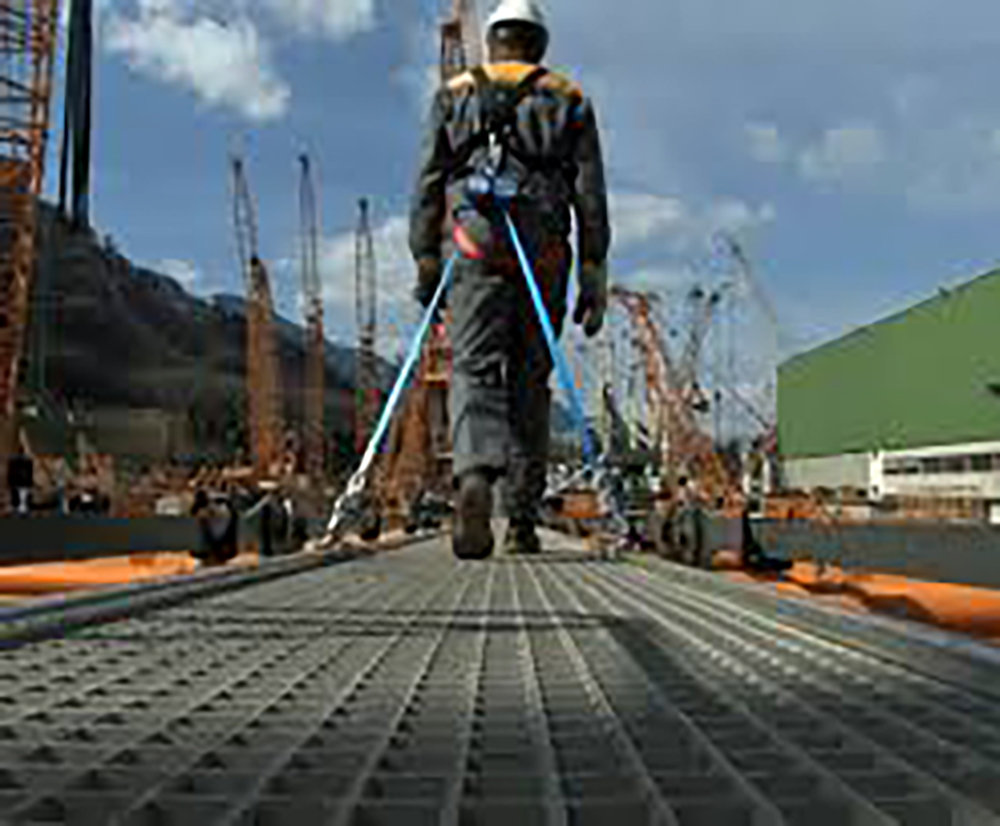
Fall protection issues have topped the list of OSHA’s most-cited [...]
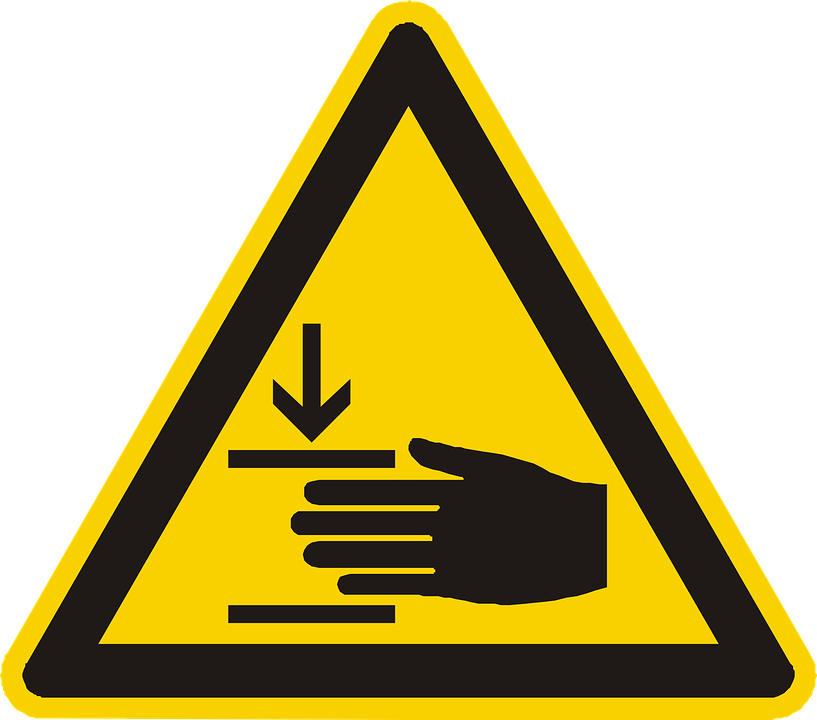
A worker using a log saw machine had his hand [...]

An OSHA inspection resulted in $61,000 in proposed fines. Alleged [...]

A willful citation was issued for alleged failure to fully [...]

Following the death of a young worker who was exposed [...]

OSHA opened an investigation after a six-ton piece of stainless [...]

OSHA inspectors found that a utility contractor had been installing [...]

OSHA opened a follow-up inspection in January 2009 to verify [...]

Twenty-five serious citations were issued for alleged hazards including bridge [...]

Following an inspection, OSHA has proposed $115,000 in penalties against [...]
OSHA has cited 11 repeat violations for alleged infractions including [...]

The citations allege the company’s failure to train and protect [...]
While watching a local news program, several OSHA employees noticed [...]

A New York building developer was inspected in response to [...]
Hearing loss is preventable if you follow procedures relating to hearing protection. This video heightens awareness of hearing conservation in the workplace and explains the anatomy of the ear, how noise can cause hearing loss, and how to prevent hearing loss.
(20 Minutes)

This video educates your employees on the different types of hand injuries that can occur, how to recognize common hazards found in the workplace and preventive measures to take to protect their hands. Safety is a personal responsibility. A hand injury can occur in a moment, but affect your for a lifetime. This program will motivate your workers to use best practices to prevent hand injuries.
Sometimes it is difficult to respect a hazard you can’t see or one that may take years to affect you. Respirators can provide protection, but only if they are worn and used properly.
(11 minutes)

Hearing loss is preventable if you follow procedures relating to hearing protection. This video heightens awareness of hearing conservation in the workplace. Explains the anatomy of the ear, how noise can cause hearing loss and how to prevent hearing loss.
We have all heard the phrase... "A chain is only as strong as its weakest link". When it comes to crane operations, rigging can often be that weak link. How a load is attached to a crane can make the difference between a successful lift and an unfortunate accident.
(26 minutes)
This video addresses the most important part of Personal Protective Equipment: The responsibility of the individual to wear the equipment when it’s required. All the procedures and equipment in the world are useless if employees do not understand this one simple fact.

Hearing loss is one of the most common occupational diseases and the second most self-reported occupational injury or illnesses. Yet, because noise induced hearing loss occurs over a period of time and is not associated with instant pain and suffering, it is one of the least recognized and respected hazards by workers.
(12 minutes)

Many of us tend to think more about shoes in terms of styles, but safety shoes are more than a different style. They protect your feet from hazards that you encounter in your workplace. This program stresses to viewers the importance of selecting and wearing proper footwear to prevent painful foot and toe injuries. Topics include Slip-Resistant Shoes, Puncture-Resistant Soles, Metatarsal Guards and Selecting The Proper Footwear.
This video heightens awareness of hearing conservation in the workplace. Explains the anatomy of the ear, how noise can cause hearing loss, and how to prevent hearing loss. Includes a cameo appearance by Lou Ferrigno noted famous body builder, author, and trainer who has been severely hearing impaired since birth.
(20 minutes)
(15 minutes)
Our hands, wrists and fingers are valuable tools... the most valuable we will ever own. Whether we are completing a project at work or playing catch with the kids, our hands are involved in just about everything we do. In fact, we use our hands so much that they are ex¬posed to a multitude of hazards.
(12 minutes)
Since it's your first time, you may want to checkout some of the video tutorials.





 800-ICW-SAFETY (800.429.7233)
 SAFETYOnDemand@icwgroup.com