Hello, Guest!

Hello, Guest!

Grain Elevator Safety – Spanish

There are a multitude of potential hazards when working in or near a grain elevator. This programs takes a detailed look at: Personal Protective Equipment (PPE) Confined Space Entry Grain Bins Grain Dust Explosions The information isn???t complicated, but it???s necessary to prevent serious and costly incidents at your facility.

Grain Elevator Safety – Spanish2019-02-01T00:00:00+00:00

HAZWOPER: Chemical Protective Clothing

Designed to explain the different types and limitations of protective clothing and the correct application of each type. Also discusses heat stress. Security risks associated with transporting hazardous materials, Methods that have been designed to enhance transportation security, How to recognize security risks and Responding to possible security threats.

HAZWOPER: Chemical Protective Clothing2019-02-01T00:00:00+00:00

HAZWOPER: Chemical Protective Clothing – Spanish

Designed to explain the different types and limitations of protective clothing and the correct application of each type. Also discusses heat stress. Security risks associated with transporting hazardous materials, Methods that have been designed to enhance transportation security, How to recognize security risks and Responding to possible security threats.

HAZWOPER: Chemical Protective Clothing – Spanish2019-02-01T00:00:00+00:00

HAZWOPER: Donning/Doffing/Decontamination

Describes how to properly don chemical protective clothing, how to properly remove it and how to decontaminate clothing and personnel effectively. Security risks associated with transporting hazardous materials, Methods that have been designed to enhance transportation security, How to recognize security risks and Responding to possible security threats.

HAZWOPER: Donning/Doffing/Decontamination2019-02-01T00:00:00+00:00

HAZWOPER: Donning/Doffing/Decontamination – Spanish

Describes how to properly don chemical protective clothing, how to properly remove it and how to decontaminate clothing and personnel effectively. Security risks associated with transporting hazardous materials, Methods that have been designed to enhance transportation security, How to recognize security risks and Responding to possible security threats.

HAZWOPER: Donning/Doffing/Decontamination – Spanish2019-02-01T00:00:00+00:00

HAZWOPER: On-Site Safety Considerations

Overview of general safety and health plan requirements, incident characterization, remedial actions and how to create a comprehensive written plan. Explains site control issues, routine operations, medical care, evacuation and more.

HAZWOPER: On-Site Safety Considerations2019-02-01T00:00:00+00:00

HAZWOPER: On-Site Safety Considerations – Spanish

Overview of general safety and health plan requirements, incident characterization, remedial actions and how to create a comprehensive written plan. Explains site control issues, routine operations, medical care, evacuation and more.

HAZWOPER: On-Site Safety Considerations – Spanish2019-02-01T00:00:00+00:00

HAZWOPER: Respiratory Protection

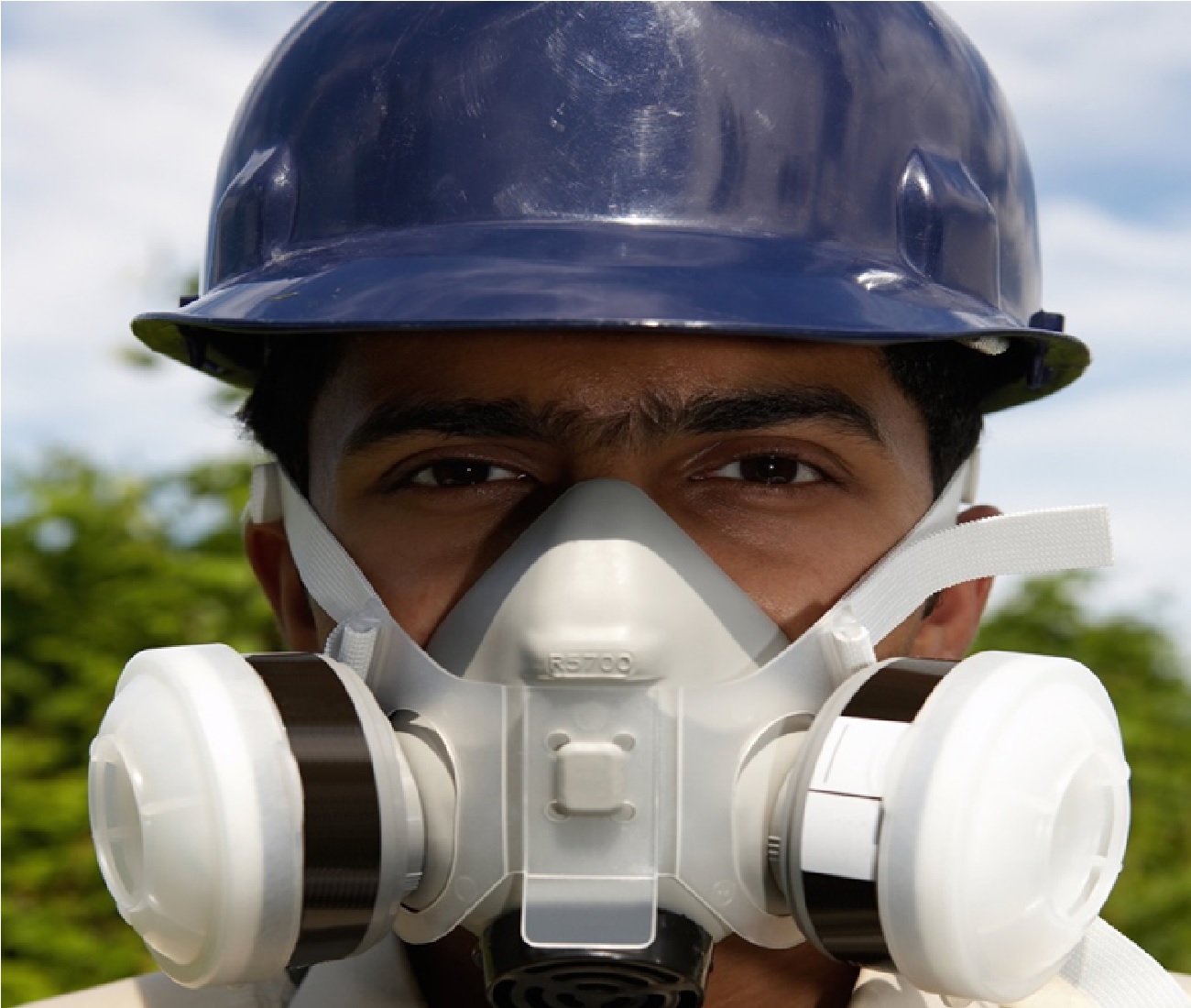
A vital part of effective HAZWOPER training. Basic training for selecting, using, handling and storing respirators. Proper fit-testing procedures are covered in detail.

HAZWOPER: Respiratory Protection2019-02-01T00:00:00+00:00

HAZWOPER: Respiratory Protection – Spanish

A vital part of effective HAZWOPER training. Basic training for selecting, using, handling and storing respirators. Proper fit-testing procedures are covered in detail.

HAZWOPER: Respiratory Protection – Spanish2019-02-01T00:00:00+00:00

PPE – It’s Your Call

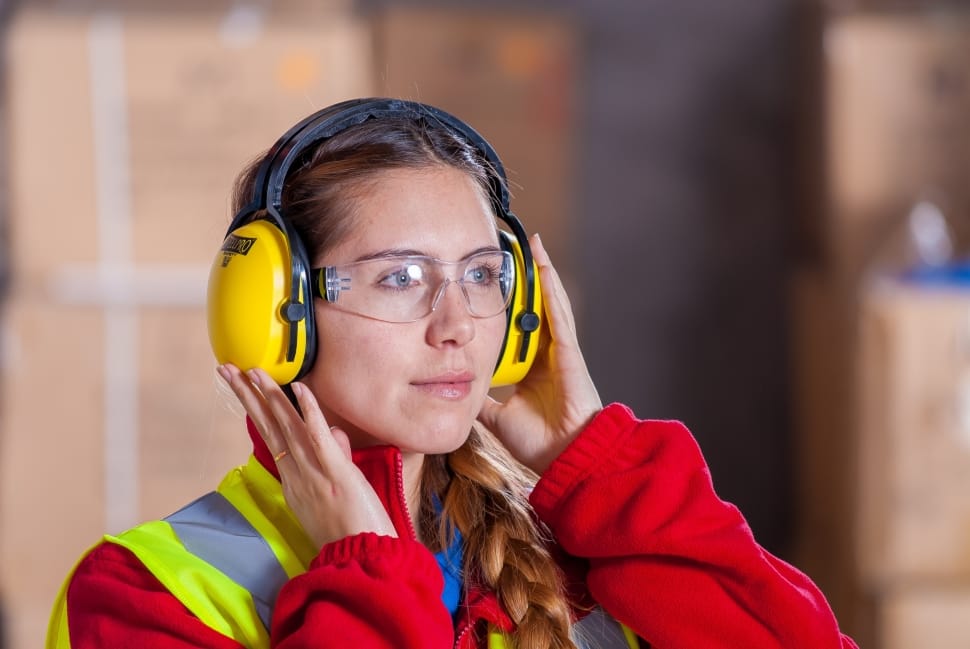
This titles addresses the most important part of Personal Protection Equipment: The responsibility of the individual to wear the equipment when it???s required. All the procedures and equipment in the world are useless is employees do not understand this one simple fact.

PPE – It’s Your Call2019-02-01T00:00:00+00:00

Carcinogens are Cancer Causing Chemicals

A carcinogen is any substance that can cause cancer. They are chronic toxins that cause damage after repeated or long-term exposure. For some people, the workplace can be a source of exposure to some carcinogens, such as asbestos, benzene, or formaldehyde.

Carcinogens are Cancer Causing Chemicals2019-01-31T00:00:00+00:00

Benzene Safety

Benzene is a highly flammable, colorless or light yellow, sweet smelling liquid that evaporates quickly into the air. Since its vapor is heavier than air it can sink into the low-lying areas. It is found in products made from coal and petroleum. Lubricants, plastics, rubber, dyes, and other chemicals can be produced with benzene.

Benzene Safety2019-01-31T00:00:00+00:00

Picture This: How Would You Treat Hands Like These?

Frostbite is the freezing of the extremities (fingers, toes, nose, earlobes, etc.) caused by loss of blood flow, which can cause tissue damage and the need for amputation.  Make sure you know the signs and symptoms of frostbite so you can recognize and properly treat the condition.

Picture This: How Would You Treat Hands Like These?2023-09-04T14:27:42+00:00

Emergency Preparedness – Do You Know What to Do?

Unexpected emergencies occur every day in many facilities, including laboratories, offices, and residential buildings. It might be a fire, flood, earthquake, shooting, tornado, or hazardous chemical spill. If you don’t know what to do during an emergency the odds increase that you or others around you will be injured or killed.

Emergency Preparedness – Do You Know What to Do?2023-11-30T22:23:26+00:00

Respiratory Protection: The Facts

Sometimes it is difficult to respect a hazard you can???t see or one that may take years to affect you. Respirators can provide protection, but only if they are worn and used properly. Respiratory Protection creates an awareness and respect for the hazards by demonstrating with highly effective graphics how the respiratory system works and the effects of different airborne hazards. The program covers proper use, care and maintenance of air-purifying respirators and the importance of proper selection and fit. Respiratory Protection will educate and motivate your worker on when and how to properly use their air-purifying respirator.

Respiratory Protection: The Facts2018-10-01T00:00:00+00:00

Respiratory Protection: The Facts – Spanish

Sometimes it is difficult to respect a hazard you can???t see or one that may take years to affect you. Respirators can provide protection, but only if they are worn and used properly. Respiratory Protection creates an awareness and respect for the hazards by demonstrating with highly effective graphics how the respiratory system works and the effects of different airborne hazards. The program covers proper use, care and maintenance of air-purifying respirators and the importance of proper selection and fit. Respiratory Protection will educate and motivate your worker on when and how to properly use their air-purifying respirator.

Respiratory Protection: The Facts – Spanish2018-10-01T00:00:00+00:00

PPE Basic Training – Spanish

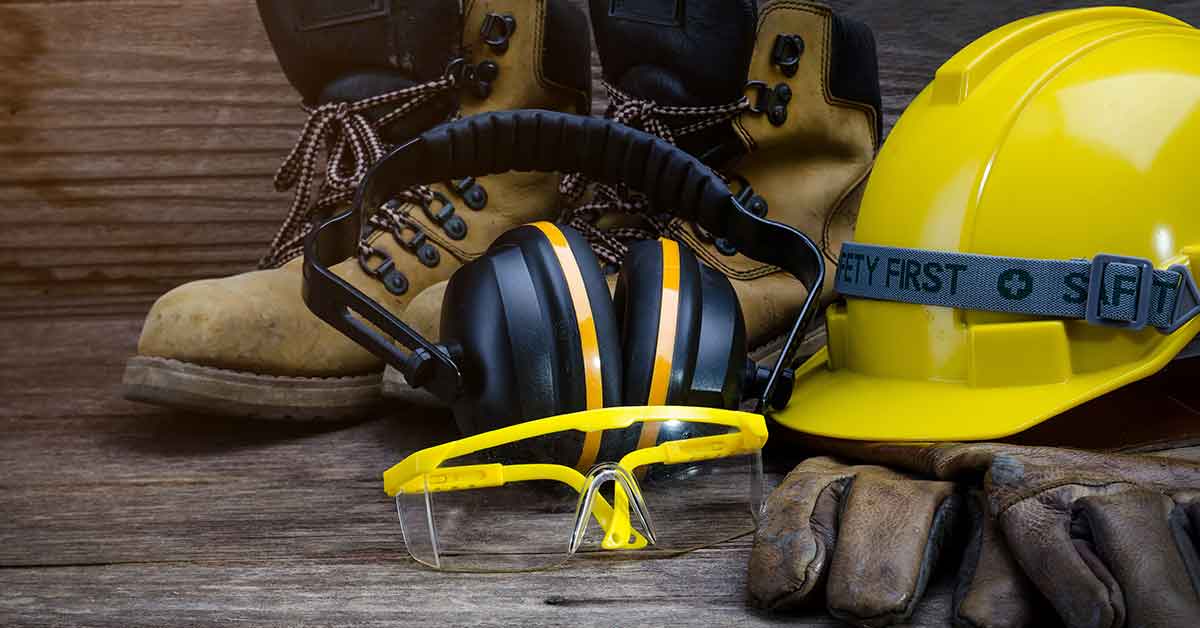
PPE:Basic Training is just that, the Basics. Viewers will learn the basic purposes of each type of PPE and what hazards the PPE protects them against. Personal Responsibility to wear the PPE is stressed as is wearing the proper PPE for the proper task. Topics include: Footwear, Gloves, Eye Protection, Head Protection, Respirators and more. A great way to train new employees or open a discussion with experienced workers.

PPE Basic Training – Spanish2018-10-01T00:00:00+00:00

PPE-Basic Training – (12 min)

PPE:Basic Training is just that, the Basics. Viewers will learn the basic purposes of each type of PPE and what hazards the PPE protects them against. Personal Responsibility to wear the PPE is stressed as is wearing the proper PPE for the proper task. Topics include: Footwear, Gloves, Eye Protection, Head Protection, Respirators and more. A great way to train new employees or open a discussion with experienced workers.

PPE-Basic Training – (12 min)2018-10-01T00:00:00+00:00

Laboratory Equipment Safety: Autoclaves/Sterilizers

A postdoc was badly scalded by water while removing items from the top autoclave of a tower-style autoclave. To autoclave her own materials, the doctor began to remove a load that belonged to another laboratory while standing on a low step-stool. The load in the autoclave consisted of a Nalgene tub that contained liter bottles of media with water around them. The water in the tub was near boiling temperature, and as the doctor attempted to remove it, the contents spilled down her torso and thighs.

Laboratory Equipment Safety: Autoclaves/Sterilizers2018-09-23T00:00:00+00:00

Ask the Expert: Can You Let Workers Remove Respirator to Prevent Heat Stress?

Your workers are about to enter a storage bin to perform cleaning operations. The bin is a permit confined space; and since it has an IDLH (immediately dangerous to life and health) atmosphere, workers must use a respirator to do the work.

Ask the Expert: Can You Let Workers Remove Respirator to Prevent Heat Stress?2018-07-27T00:00:00+00:00

7 Things to Know About Respirator Use

Respirators are a must for work in environments with low oxygen levels or harmful debris, fumes, gases, or vapors. Share these seven tips with your workers.

7 Things to Know About Respirator Use2018-07-06T00:00:00+00:00
Go to Top