Tool: PPE Hazard Assessment Form
Use and modify this sample form to help you determine what hazards workers are exposed to and what PPE must be worn to protect them.

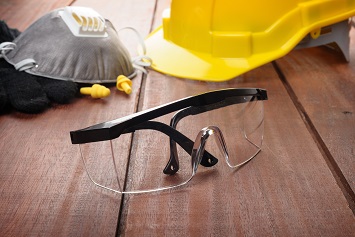
Safety eyewear and face shields can save you from injuries which can lead to blindness and facial disfigurement. Prompt treatment of eye and facial injuries reduces the risk of permanent damage.

The use of proper eye and face protection, such as safety glasses, goggles, face shields and helmets can prevent countless eye injuries. This Workplan focuses on implementing an Eye and Face PPE program but can easily be modified to include all PPE.

Using an angle grinder can be extremely dangerous for several reasons. If the wheel isn’t the right size or type, or is defective, it could break apart and become a dangerous projectile. One that can take off a finger, put out an eye, or do serious and sometimes fatal damage.
Types of Safety Lenses
Describes how to properly don chemical protective clothing, how to properly remove it and how to decontaminate clothing and personnel effectively. Security risks associated with transporting hazardous materials, Methods that have been designed to enhance transportation security, How to recognize security risks and Responding to possible security threats.
Overview of general safety and health plan requirements, incident characterization, remedial actions and how to create a comprehensive written plan. Explains site control issues, routine operations, medical care, evacuation and more.
The Basics of HAZWOPER requirements, laws and regulations. Provides minimum emergency plan requirements and identifies regulations applicable to HAZWOPER operations.
A vital part of effective HAZWOPER training. Basic training for selecting, using, handling and storing respirators. Proper fit-testing procedures are covered in detail.
This titles addresses the most important part of Personal Protection Equipment: The responsibility of the individual to wear the equipment when it???s required. All the procedures and equipment in the world are useless is employees do not understand this one simple fact.
This all new video, although humorous, delivers hard-hitting impact for all employees. The program examines the ???million??? excuses offered by employees for not following established safety policies and procedures, not wearing Personal Protective Equipment and for not using common sense on the job. When employee???s see the excuses in this program, it may cause them to examine some of their own attitudes which may be unsafe.
Sandblasting and other abrasive blasting is a potentially life-threatening operation without proper training. This video covers all of the important topics including PPE, equipment set & inspection, safe operating procedures, job site conditions, bystander safety and more!
There are a multitude of potential hazards when working in or near a grain elevator. This programs takes a detailed look at: Personal Protective Equipment (PPE) Confined Space Entry Grain Bins Grain Dust Explosions The information isn???t complicated, but it???s necessary to prevent serious and costly incidents at your facility.
Designed to explain the different types and limitations of protective clothing and the correct application of each type. Also discusses heat stress. Security risks associated with transporting hazardous materials, Methods that have been designed to enhance transportation security, How to recognize security risks and Responding to possible security threats.
Benzene is a highly flammable, colorless or light yellow, sweet smelling liquid that evaporates quickly into the air. Since its vapor is heavier than air it can sink into the low-lying areas. It is found in products made from coal and petroleum. Lubricants, plastics, rubber, dyes, and other chemicals can be produced with benzene.

Frostbite is the freezing of the extremities (fingers, toes, nose, earlobes, etc.) caused by loss of blood flow, which can cause tissue damage and the need for amputation. Make sure you know the signs and symptoms of frostbite so you can recognize and properly treat the condition.

A carcinogen is any substance that can cause cancer. They are chronic toxins that cause damage after repeated or long-term exposure. For some people, the workplace can be a source of exposure to some carcinogens, such as asbestos, benzene, or formaldehyde.

Unexpected emergencies occur every day in many facilities, including laboratories, offices, and residential buildings. It might be a fire, flood, earthquake, shooting, tornado, or hazardous chemical spill. If you don’t know what to do during an emergency the odds increase that you or others around you will be injured or killed.