
Heat Illness Recognition and Prevention
Heat illness is a silent hazard. Heat illness victims may [...]
Heat illness is a silent hazard. Heat illness victims may [...]
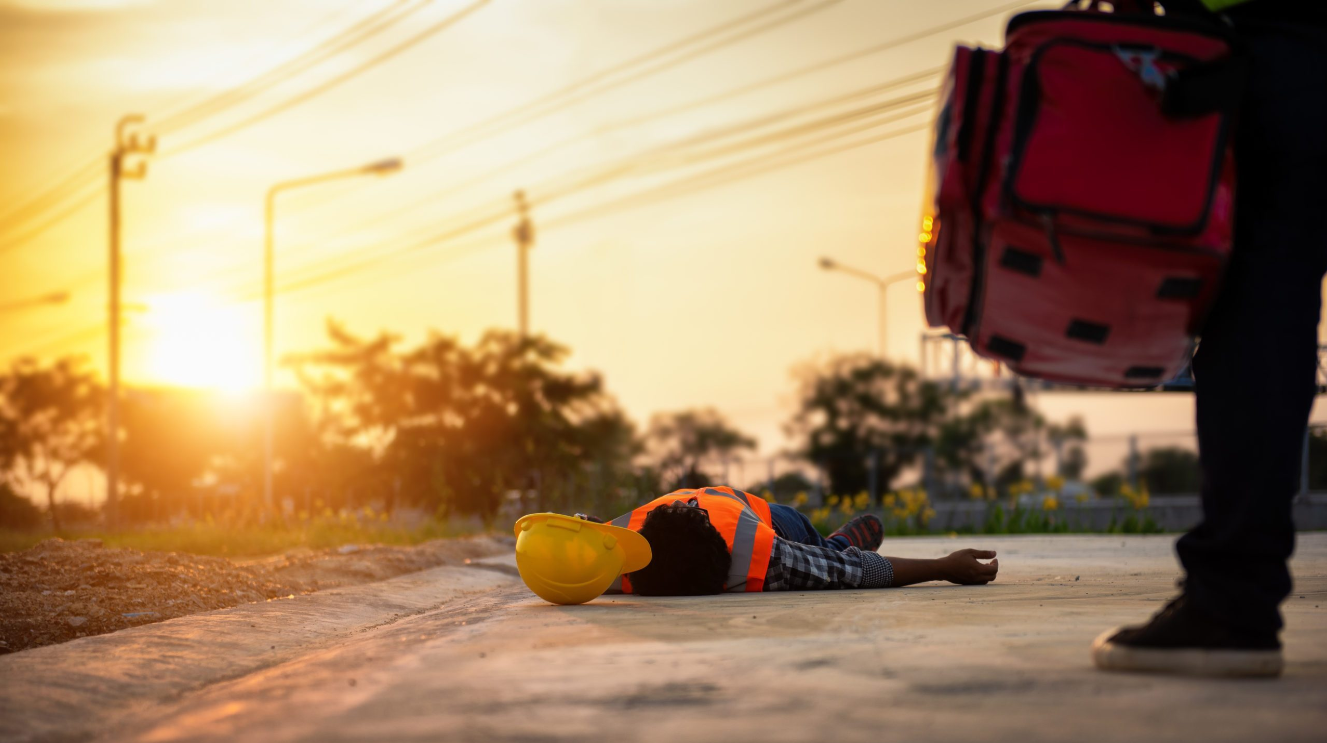
Las enfermedades causadas por el calor son una amenaza silenciosa. [...]
Pregunte al experto ¿Puede permitir que los trabajadores se quiten [...]
Safety Talk ¿QUE ESTÁ EN RIESGO? Cada año, decenas de [...]
WHAT’S AT STAKE? Farm work is an incredibly loud business. [...]
WHAT’S AT STAKE? Increased exposure to the sun’s dangerous UV [...]
Ya sea que se genere en un ambiente interior como [...]
WHAT’S AT STAKE? When work is underway, it is quite [...]
¿QUE ESTÁ EN RIESGO? El trabajo en caliente es una [...]
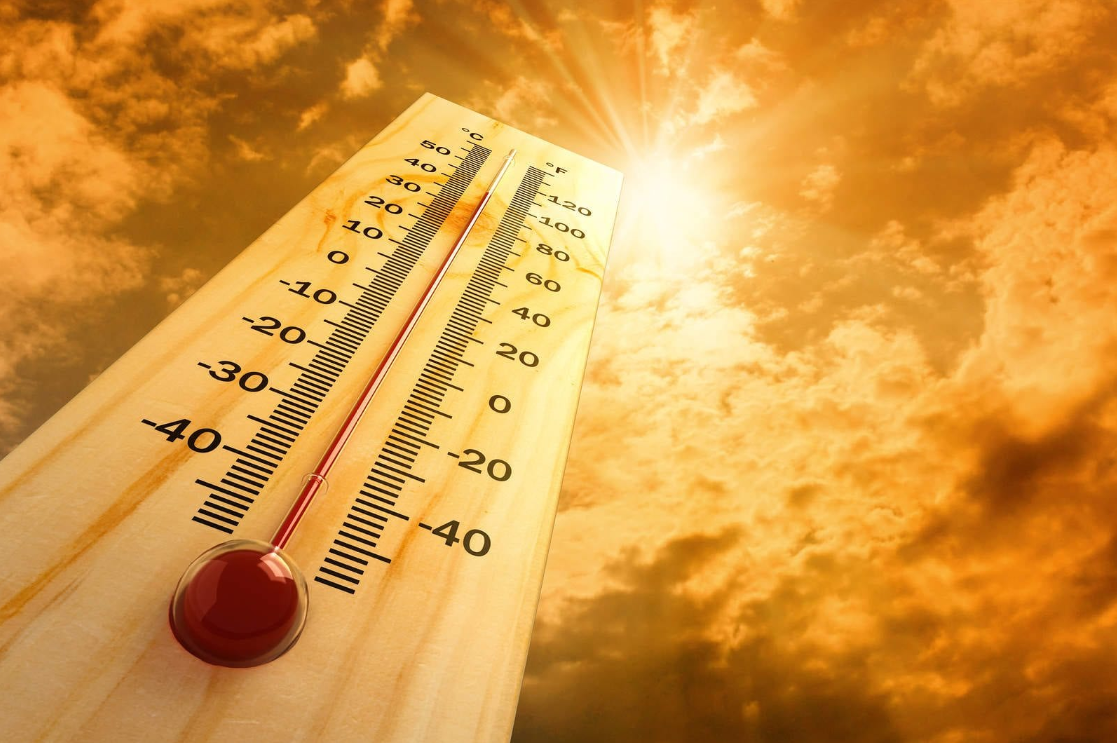
Safety Talk ¿QUE ESTÁ EN RIESGO? El cuerpo normalmente se [...]

Course Description After completing this course learners will be able [...]

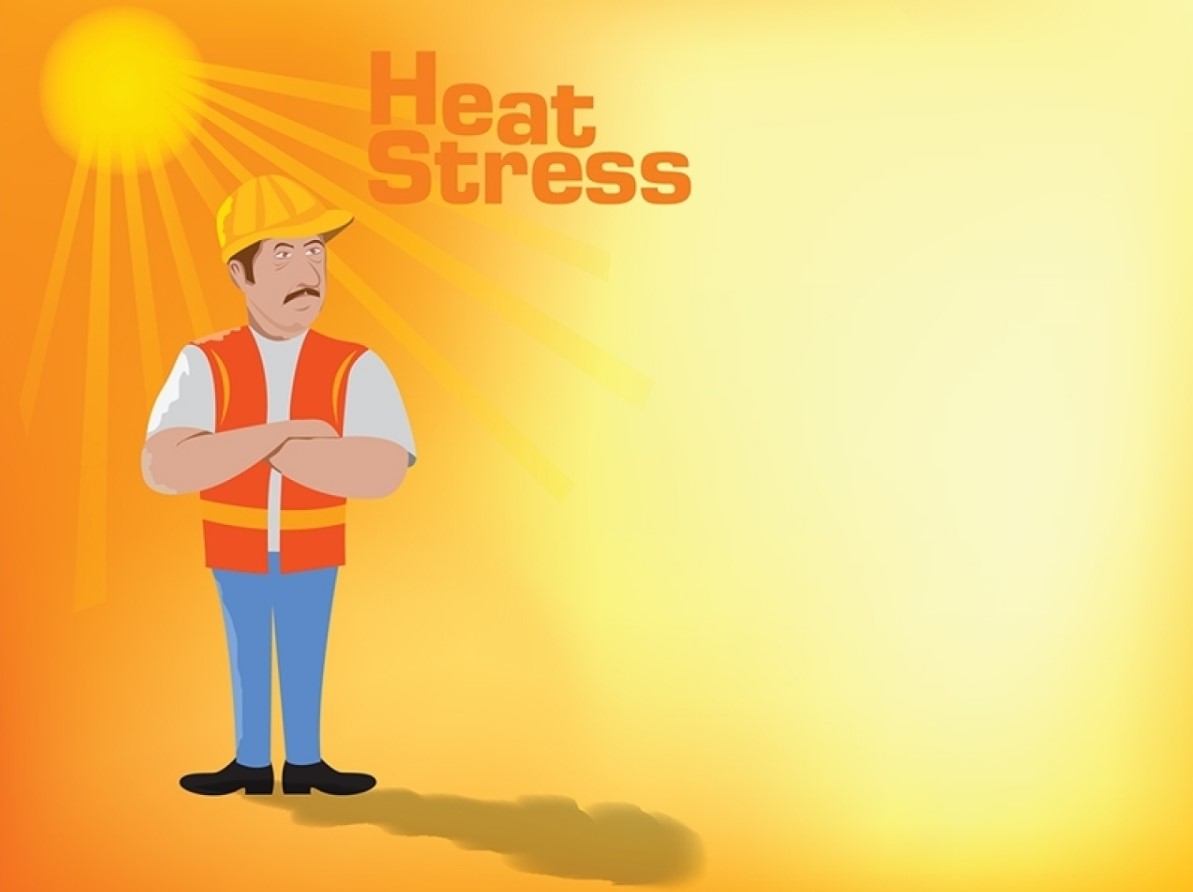
Key Takeaways: - Understanding the significance of heat stress killing [...]

Heat illness is deadly. In fact, each year thousands of workers succumb to heat exposure. Now that it is starting to heat up, safety is essential for your outdoor workers! The good news is heat illnesses and related deaths are preventable.

When it comes to heat, indoor workers can face the [...]
¡Vence al calor! LOS 5 PRINCIPALES PELIGROS DEL VERANO Cuando [...]
Pregunte al experto - sobre el estrés por calor, realidad [...]
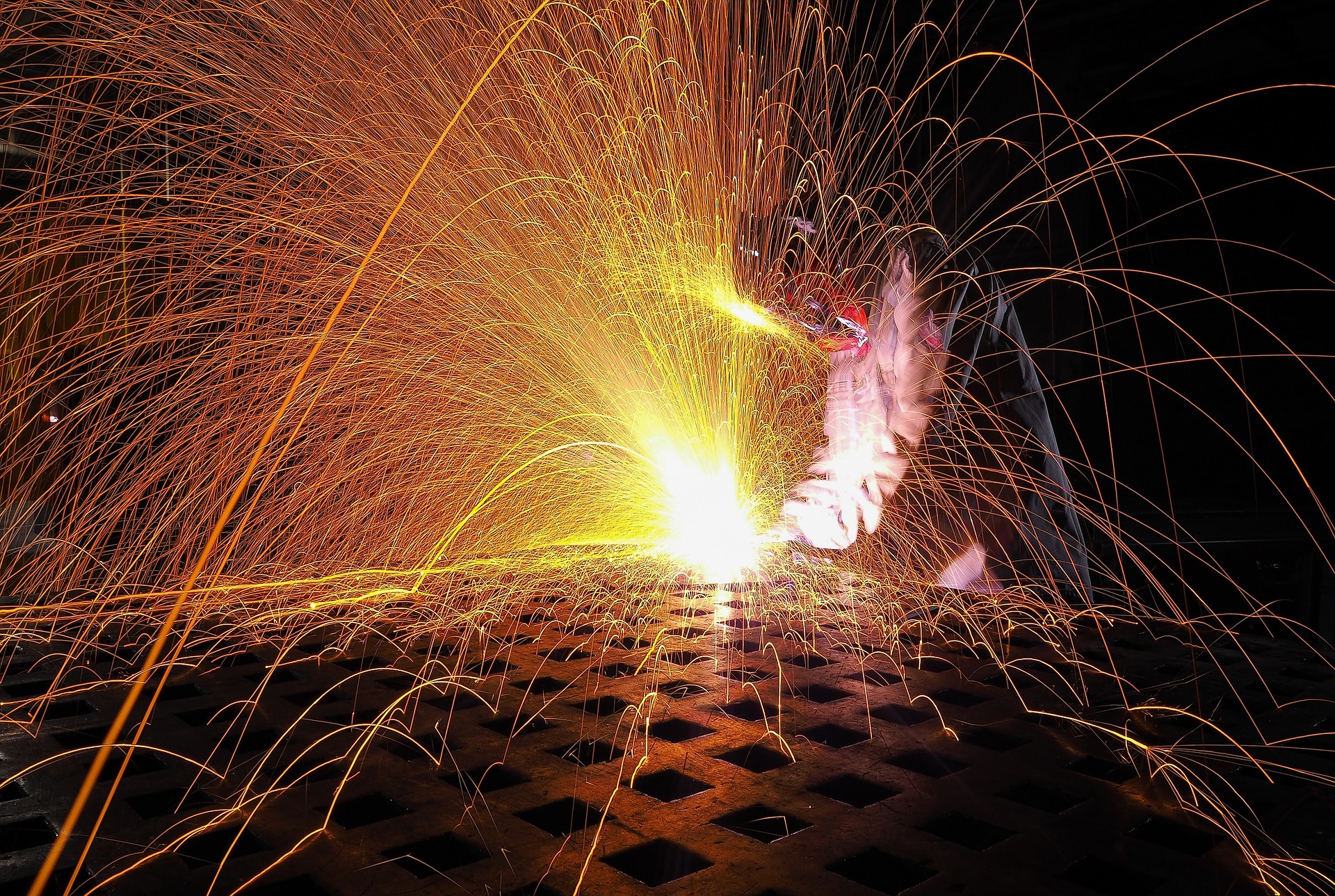
WHAT’S AT STAKE? When the heat is on, it may [...]
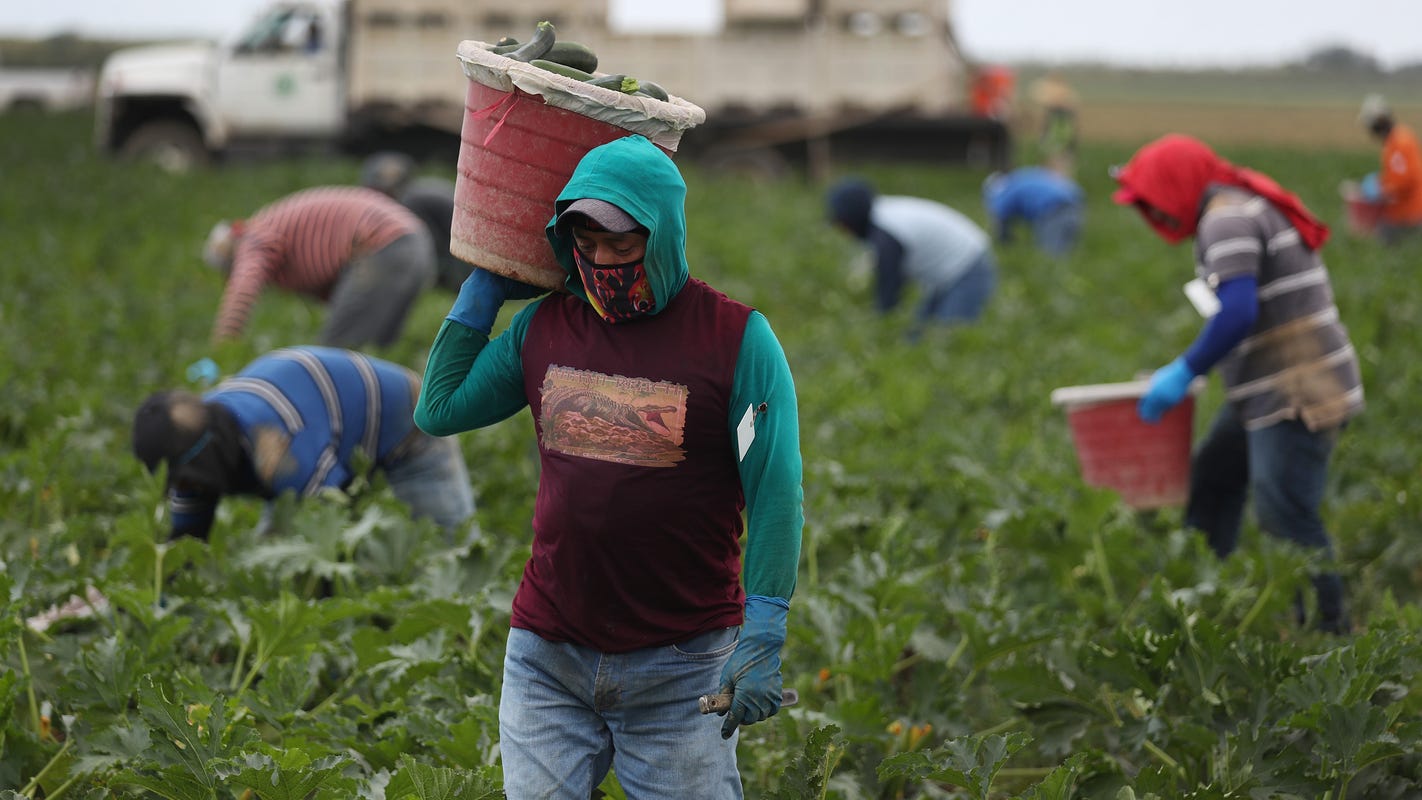
INCIDENT In Georgia, Miguel Angel Guzman Chavez, a 24-year-old farmworker, [...]
INCIDENT Teresa Pickard, 42, went to work on the welding [...]

Key Takeaways: - Learning what hazards can result from working [...]
Course Description After completing this course learners will be able [...]
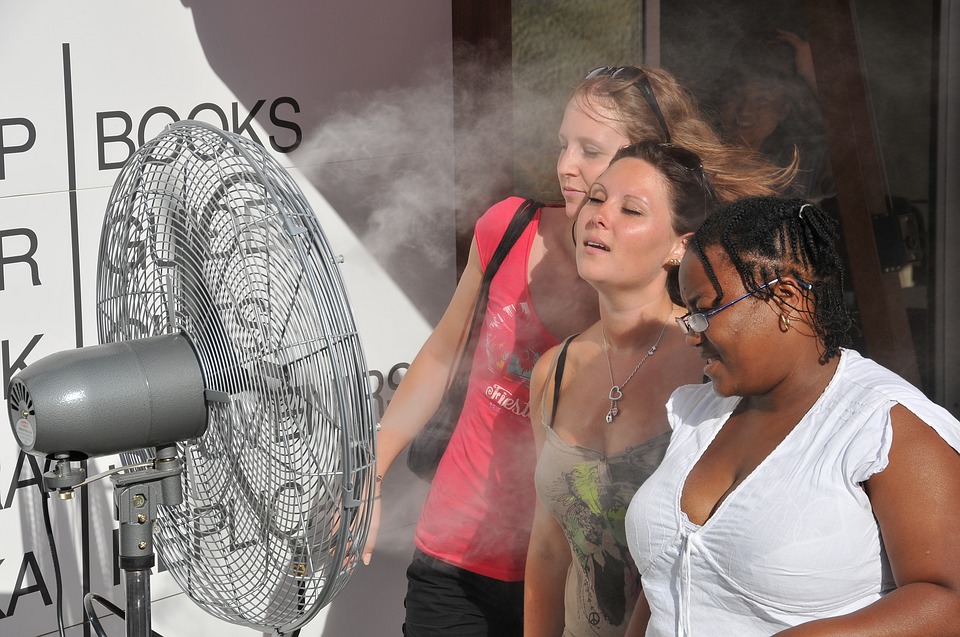
Heat - whether from the sun or from your work environment - can create a life-threatening emergency.
Heat and humidity, either courtesy of mother nature or from man-made equipment and environments are hard on workers. Working in hot environments can easily fatigue workers and quickly lead to serious heat-related illness if not properly managed.
Working outside in the heat exposes workers to the possibility of a heat-related illness. In fact, heat-related fatality cases show that with temperatures above just 70°F/21°C can present a heat hazard when work activities are at or above a moderate workload. Other hazards of working outside in the summer include exposure to Ultraviolet (UV) radiation, Lyme Disease/Tick-Borne Disease, West Nile Virus, and Poison-Ivy Related Plants.

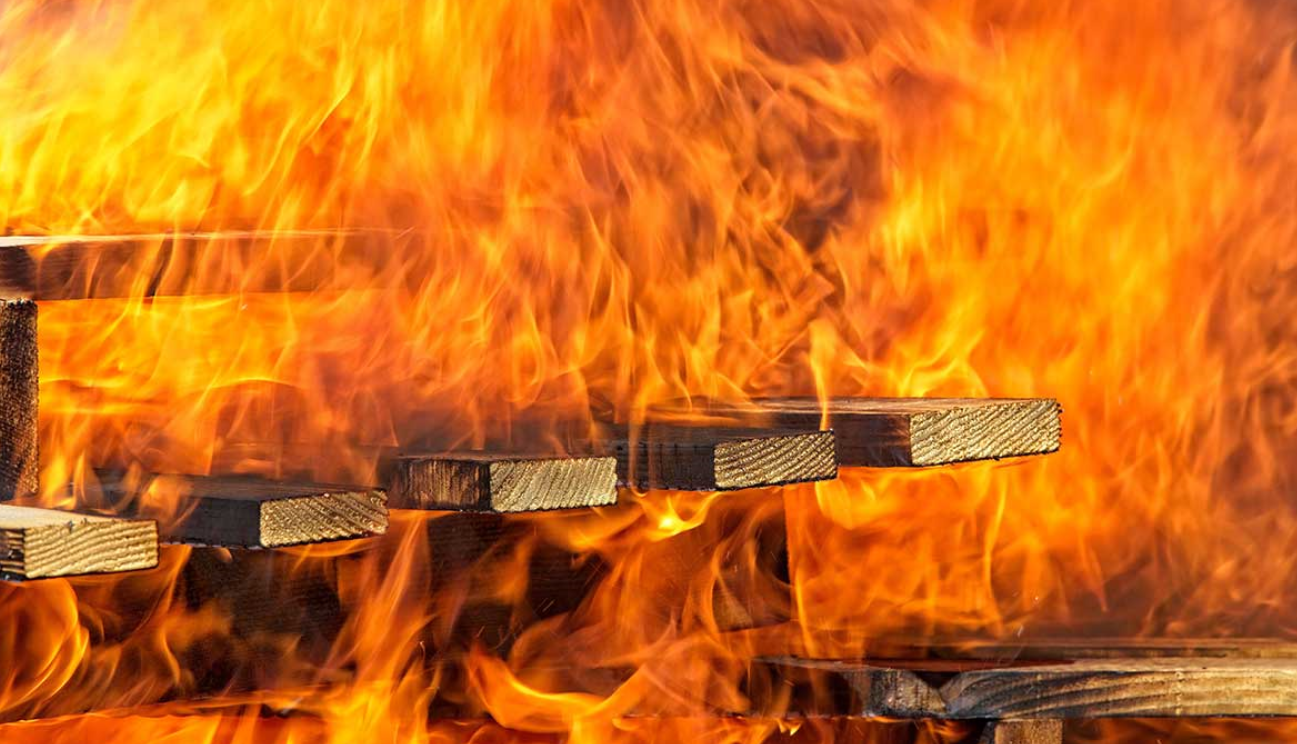
Whether it’s generated in an indoor setting such as a non-air-conditioned warehouse or foundry or in outdoor worksites such as construction sites or farms, too much heat can be a killer.
Since it's your first time, you may want to checkout some of the video tutorials.









 800-ICW-SAFETY (800.429.7233)
 SAFETYOnDemand@icwgroup.com