
Winter Weather Driving Course
Key Takeaways: - Observing hazards of winter driving while operating [...]

Key Takeaways: - Observing hazards of winter driving while operating [...]

Course Description Learning about ergonomics can prevent injury. This course [...]

Key Takeaways: - Learning how noise impacts hearing and the [...]

Key Takeaways: - Knowing the hazards of working in cold [...]

Key Takeaways: - Understanding the issues created by drug and [...]

Key Takeaways: - Understanding behavior-based safety and its key terms [...]
¿QUE ESTÁ EN RIESGO? La violencia en el trabajo puede [...]
¿QUE ESTÁ EN RIESGO? Trabajar solo significa trabajar donde no [...]
Here are 10 great tips for first-time supervisors from Sharlyn Lauby’s blog HR Bartender. Psst, here’s a secret – these tips are also great for any supervisor.

Not sure where to start when it comes to creating a safety and health program? Or maybe you want to review and update your current program. In this series of articles, we will cover the four basic elements common to all good safety and health programs.
Safety meetings work best if the whole crew actively participates. This makes it more interesting and more likely that people will remember the information you’ve given them. Here are six ways to encourage everyone to get involved.

There are multiple benefits to a RTW program. Getting the employee back to the office or workplace reduces the amount of money being paid out by the carrier, and as a result, your immediate claim costs and future insurance rates also go down. For employees, returning to work improves their physical and psychological well-being, reduces the amount of medication they need, and lowers the risk of addiction to substances such as opioids. In this article, author Amy Siegel Oran, walks through 12 steps for developing a Return-To-Work Policy.
July 24, 2019 | What is blended learning? Why should you use it? Is what you are doing now considered blended learning by experts? In this webinar, we'll explore the benefits of blended learning, how to correctly implement this approach so as not to overwhelm your team, and what sort of results you can expect from this training approach.

Can you find all the words associated with health & safety management?

The Census Bureau states that by 2020 the number of over 55 people in the workforce will increase by 73% while the number of young workers will increase only 5%. This program will help you develop and implement strategies that will allow you to capitalize on the strengths of this ever-growing sector of your employment base and be better prepared to handle the challenges that may arise as a result of the having older employees as part of your workforce.
This program will help older workers define their unique place in today???s workforce by teaching them to recognize their strengths and capitalize on the experience they bring to their job. Limitations of older workers are also addressed in addition to steps that can be taken to increase productivity.
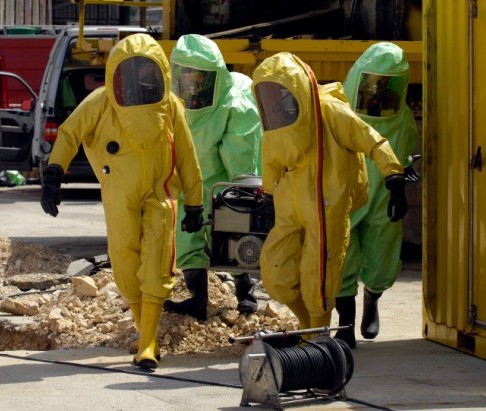
Designed to complement a variety of HAZWOPER applications. Includes definitions of TLV, TWA, TLV-C, methods of exposure, dust, fumes, gases and more. Security risks associated with transporting hazardous materials, Methods that have been designed to enhance transportation security, How to recognize security risks and Responding to possible security threats.
Designed to complement a variety of HAZWOPER applications. Includes definitions of TLV, TWA, TLV-C, methods of exposure, dust, fumes, gases and more. Security risks associated with transporting hazardous materials, Methods that have been designed to enhance transportation security, How to recognize security risks and Responding to possible security threats.
Outlines what exactly is needed for a complete medical surveillance program including medical examinations, recordkeeping and other pertinent information.

Outlines what exactly is needed for a complete medical surveillance program including medical examinations, recordkeeping and other pertinent information.
Overview of general safety and health plan requirements, incident characterization, remedial actions and how to create a comprehensive written plan. Explains site control issues, routine operations, medical care, evacuation and more.

Here are 8 crucial skills supervisors need to have.
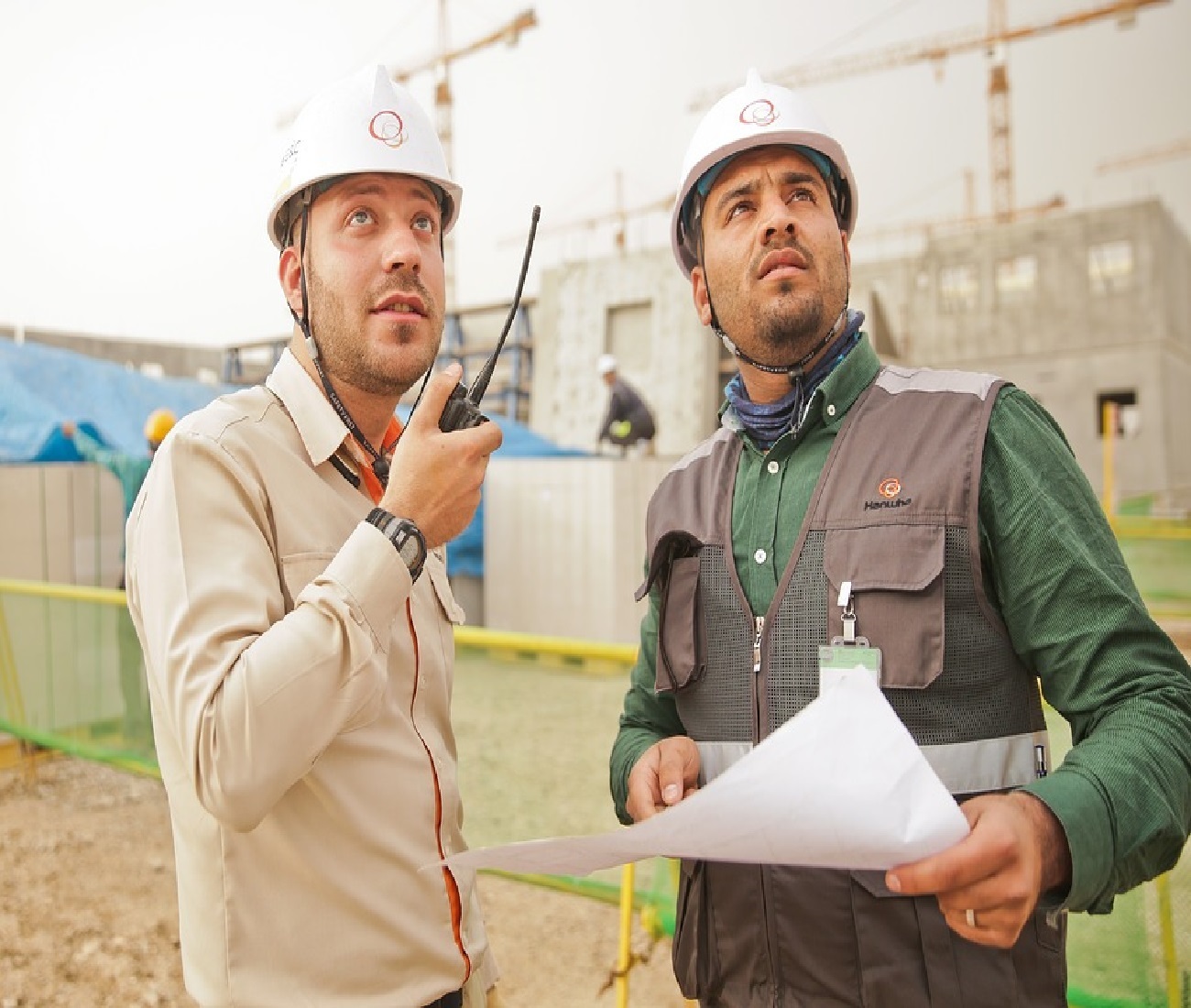
February 27th, 2019 | Summary coming soon.
Since it's your first time, you may want to checkout some of the video tutorials.









 800-ICW-SAFETY (800.429.7233)
 SAFETYOnDemand@icwgroup.com