
Pre-Use Inspection Checklist for Hand and Power Tools
Use this inspection checklist from Harvard EH&S before using hand or power tools.

Use this inspection checklist from Harvard EH&S before using hand or power tools.
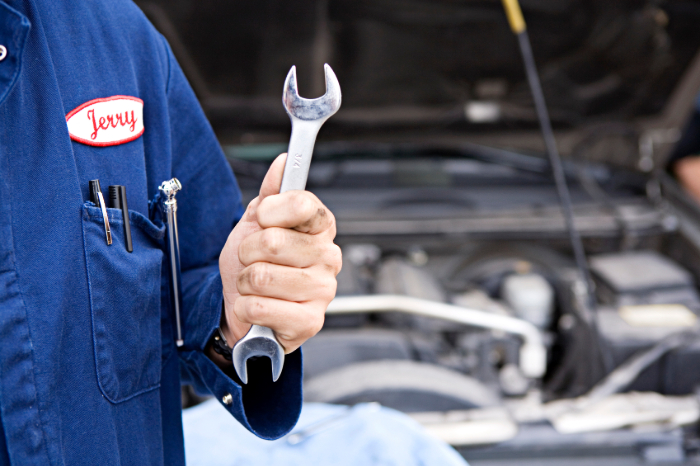
Use this checklist to help workers choose the best tool for the job and reduce the risk of ergonomic injuries.
Using the wrong tool or using a tool incorrectly can cause debilitating ergonomic injuries. An increased risk of injury occurs when workers are frequently exposed to awkward postures, contact pressure, or a pinch grip. Over time, exposure to awkward postures or harmful contact pressures can contribute to an injury. Hand tools that fit a worker’s hands and the job they are doing can reduce the risk of injury. Here are 11 tips for hand tool selection to share with your employees.
Cuts and other hand injuries to the hands are one of the most frequent and common injuries workers face. Hand injuries, including amputations, can keep workers away from the job for several days and can cost employers big money. But they are a preventable and avoidable risk to employees and cost to employers.
¿QUE ESTÁ EN RIESGO? Meta los pulgares en las palmas [...]
Sandblasting and other abrasive blasting is a potentially life-threatening operation without proper training. This video covers all of the important topics including PPE, equipment set & inspection, safe operating procedures, job site conditions, bystander safety and more!
Sandblasting and other abrasive blasting is a potentially life-threatening operation without proper training. This video covers all of the important topics including PPE, equipment set & inspection, safe operating procedures, job site conditions, bystander safety and more!
What’s at Stake? The abrasive wheel grinder is a common [...]
Food Wholesaler Fined $55,000 for violations resulting in serious foot [...]

A hand injury occurs in the workplace every 32-seconds. Though they usually do not grab the headlines and are not fatal in nature, over 16 million individuals seek emergency care each year for hand injuries. Hands are often in the forefront of the specific task being performed and thus exposed to more risks.
(13 minutes)
Most people have injured themselves with a tool at least once in their lives. In fact learning to use some tools seems to require a little pain. Unfortunately, tool accidents result in thousands of serious injuries and hundreds of deaths each year... most of which could have been avoided by simply handling tools safely.
(19 minutes)
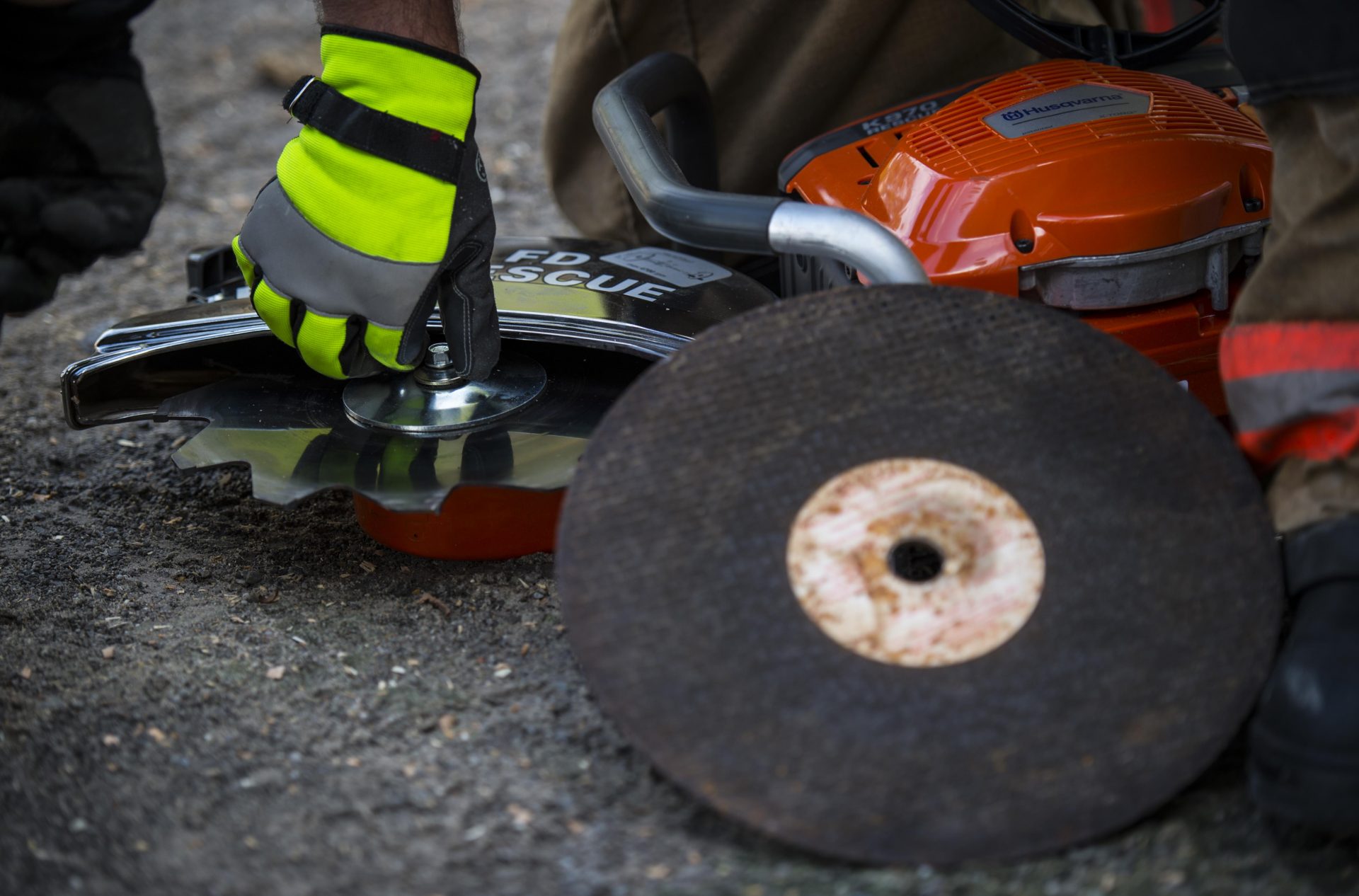
Explains electrical safety, impact tools, wrenches, cheater bars, and miscellaneous safety when using hand and power tools. Emphasizes safety behavior and attitude.

This video educates your employees on the different types of hand injuries that can occur, how to recognize common hazards found in the workplace and preventive measures to take to protect their hands. Safety is a personal responsibility. A hand injury can occur in a moment, but affect your for a lifetime. This program will motivate your workers to use best practices to prevent hand injuries.

This video is targeted towards anyone who uses knives but focuses on a food service environment. Describes proper personal protective equipment, “how to” and information on storing, cleaning, and handling knives.
This video explains electrical safety, impact tools, wrenches, cheater bars, and miscellaneous safety when using hand and power tools, emphasizing safety behaviors and attitudes.
(13 Minutes)
Our hands, wrists and fingers are valuable tools... the most valuable we will ever own. Whether we are completing a project at work or playing catch with the kids, our hands are involved in just about everything we do. In fact, we use our hands so much that they are ex¬posed to a multitude of hazards.
(12 minutes)
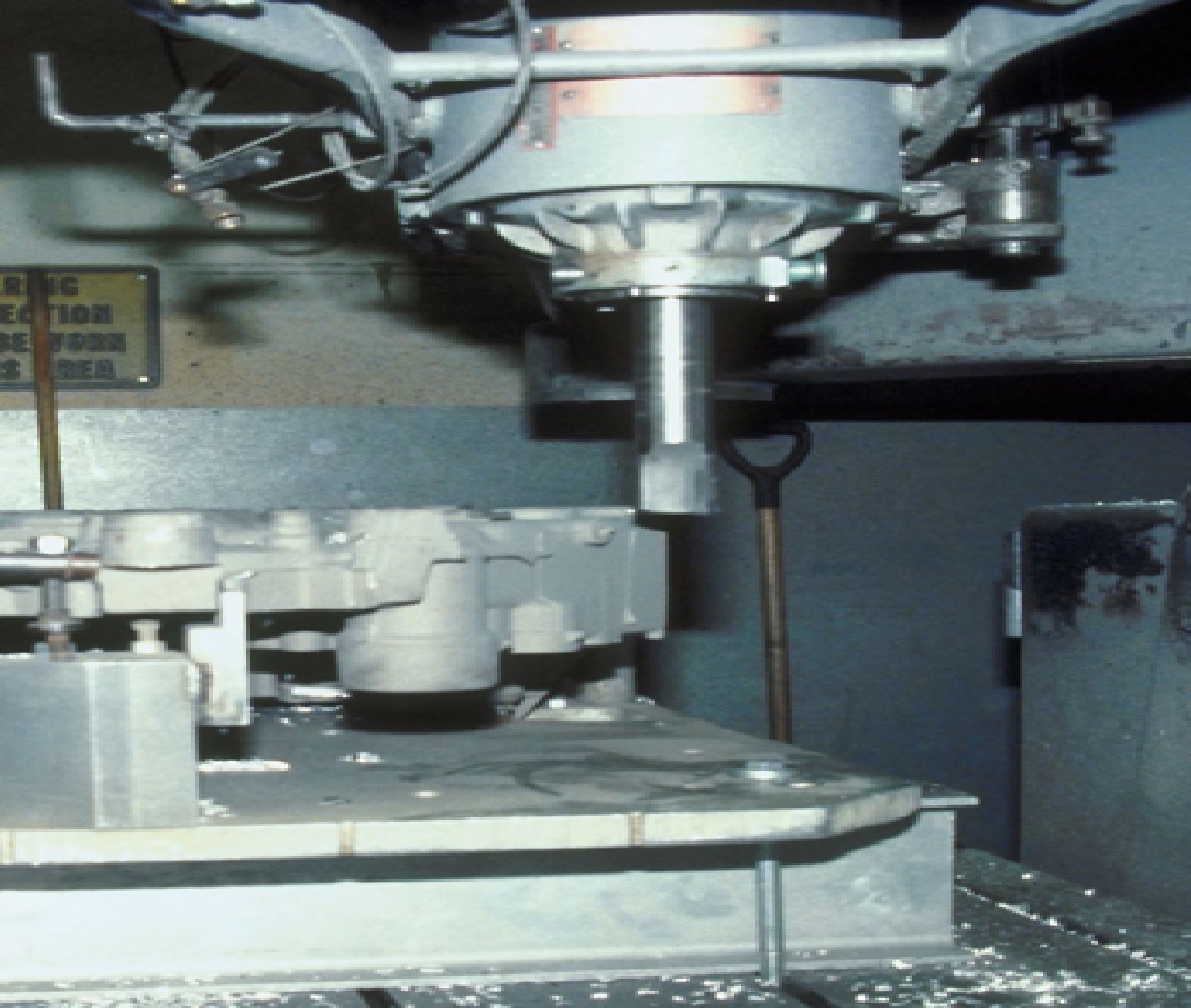
Lockout procedures eliminate the chance a machine could become energized whenever it is being cleaned, repaired, maintained, or unjammed.
If your job involves repeated motion or vibration to the hands, carpal tunnel syndrome could creep up on you. It tends to occur in carpentry, cashiering and assembly line work, but it can also occur in many other kinds of work.
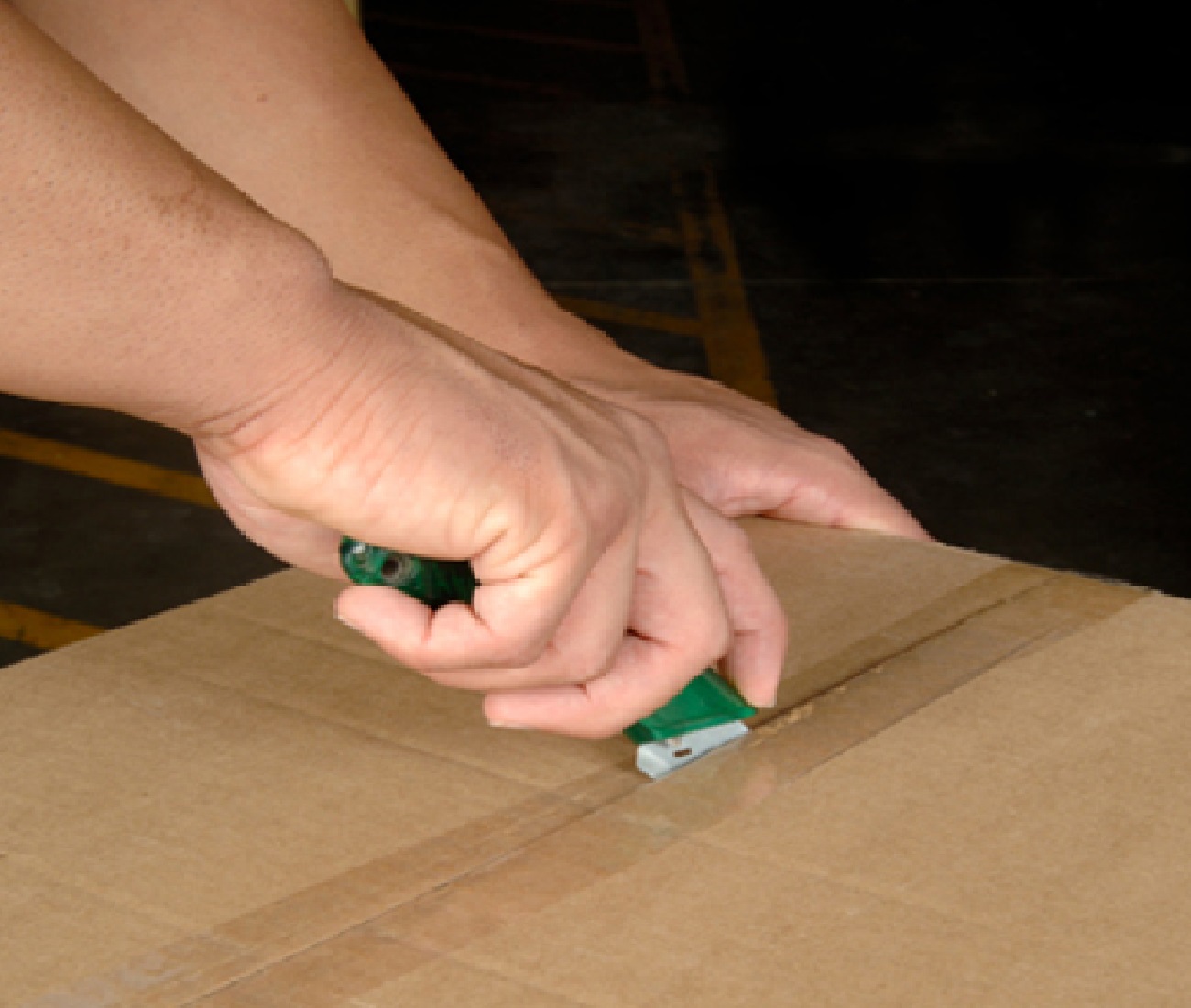
Many workers use utility knives to open packaging. But one wrong move and these tools can do serious harm. In fact, nearly 40 percent of all injuries attributed to manual workshop tools in the US involve utility knives. And it’s not only utility knives that pose a risk. The straight hand knife is also a commonly used tool in many industries and the cause of many severe accidents.
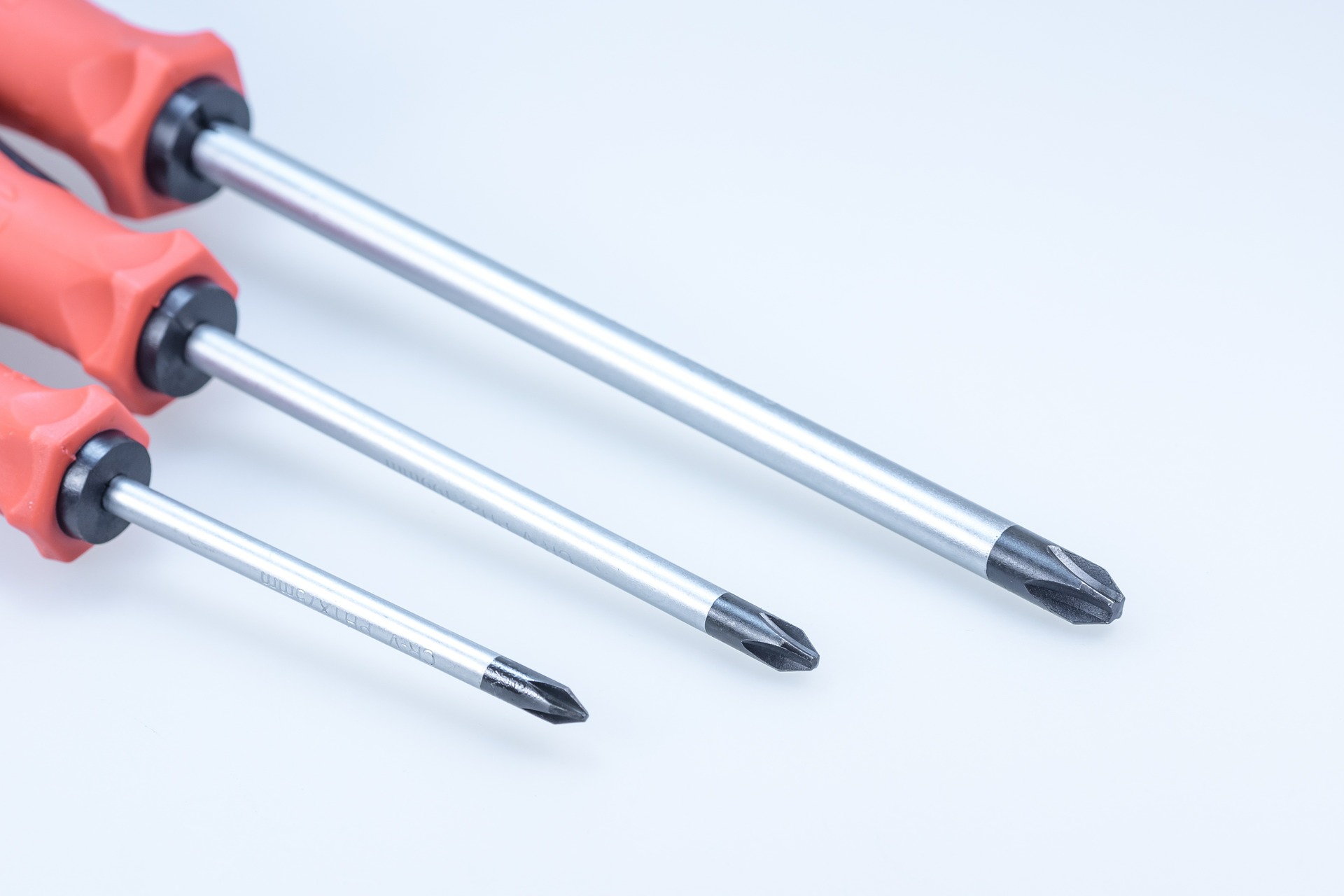
Every tool has a purpose, but many workers attempt to find new and unsafe applications for the tools they use. And the common screwdriver just might be the most misused tool in the workplace.
If pressure vessels are improperly operated or improperly maintained, they can fail catastrophically, potentially flattening buildings and killing workers and people living in the area.
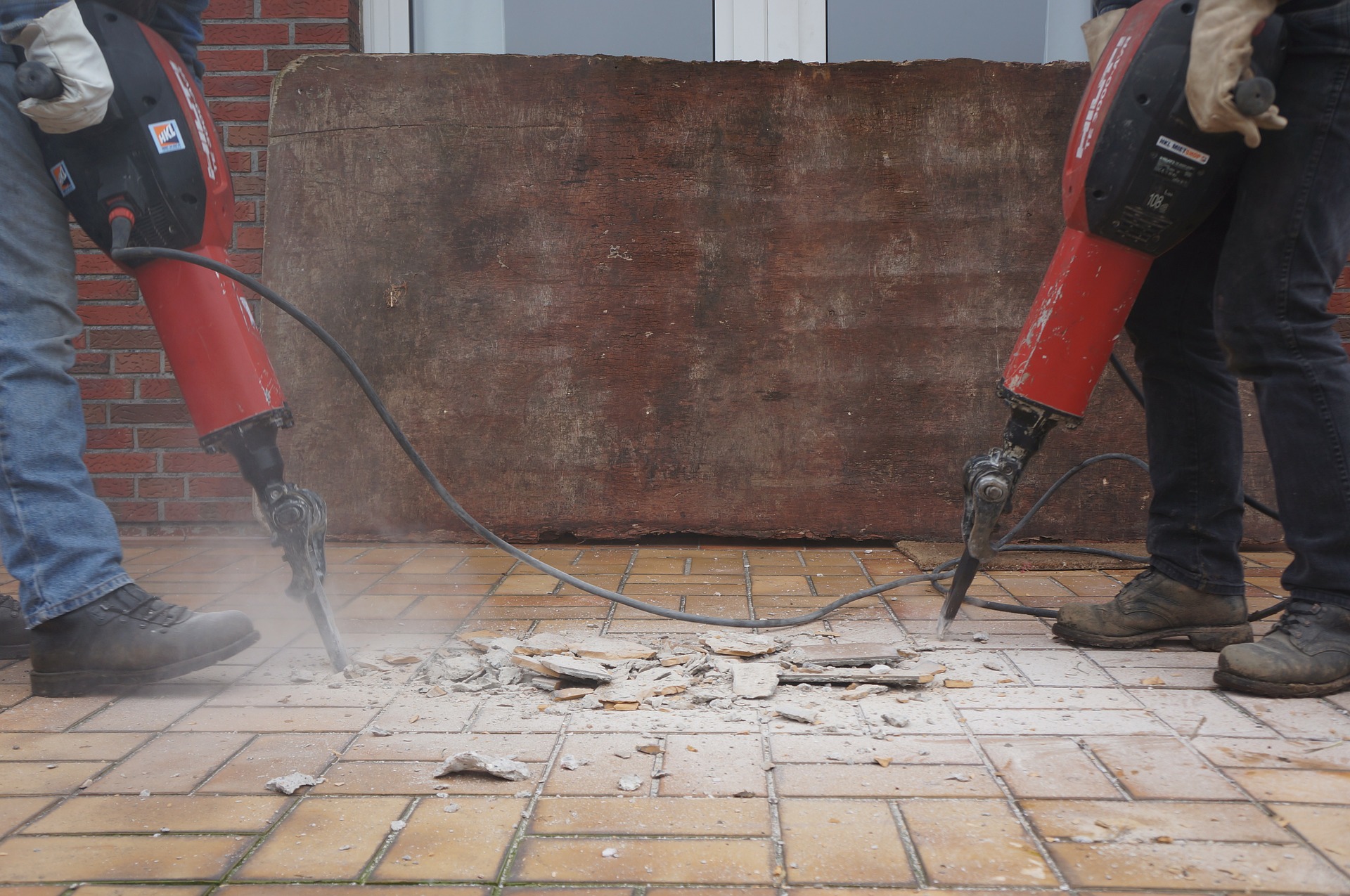
Hand and finger injuries can range from a minor inconvenience to a life-altering event. Read this Safety talk article and learn about 10 ways to protect yourself against cuts and lacerations - one for each finger.
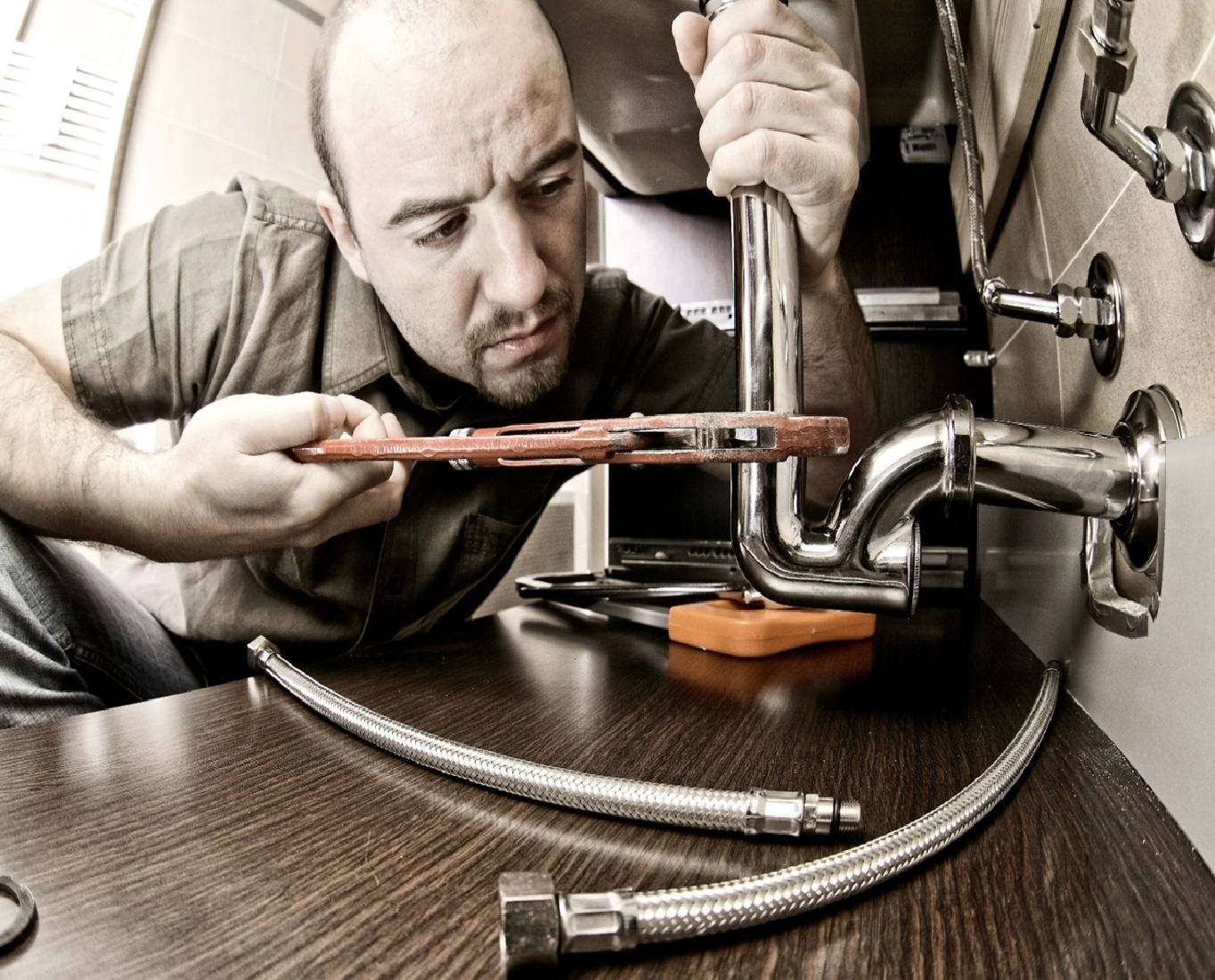
Hand and power tool injuries send more than 400,000 workers to the emergency room and cause hundreds of deaths every year. In this safety talk learn about some of the potential hazards associated with using hand and power tools.
The worst, of course, would be an amputation – cutting off a hand or fingers. An amputation can be fatal because of the loss of blood, shock, infection or other effects. An amputation can happen
Since it's your first time, you may want to checkout some of the video tutorials.






 800-ICW-SAFETY (800.429.7233)
 SAFETYOnDemand@icwgroup.com
