
Lockout/Tagout/Tryout: Your Key to Safety
Meanwhile, Bill the operator returned from his break. He did not see John and there was no indication the machine was under repair. Assuming his machine was ready to run, Bill started it. He had

Meanwhile, Bill the operator returned from his break. He did not see John and there was no indication the machine was under repair. Assuming his machine was ready to run, Bill started it. He had
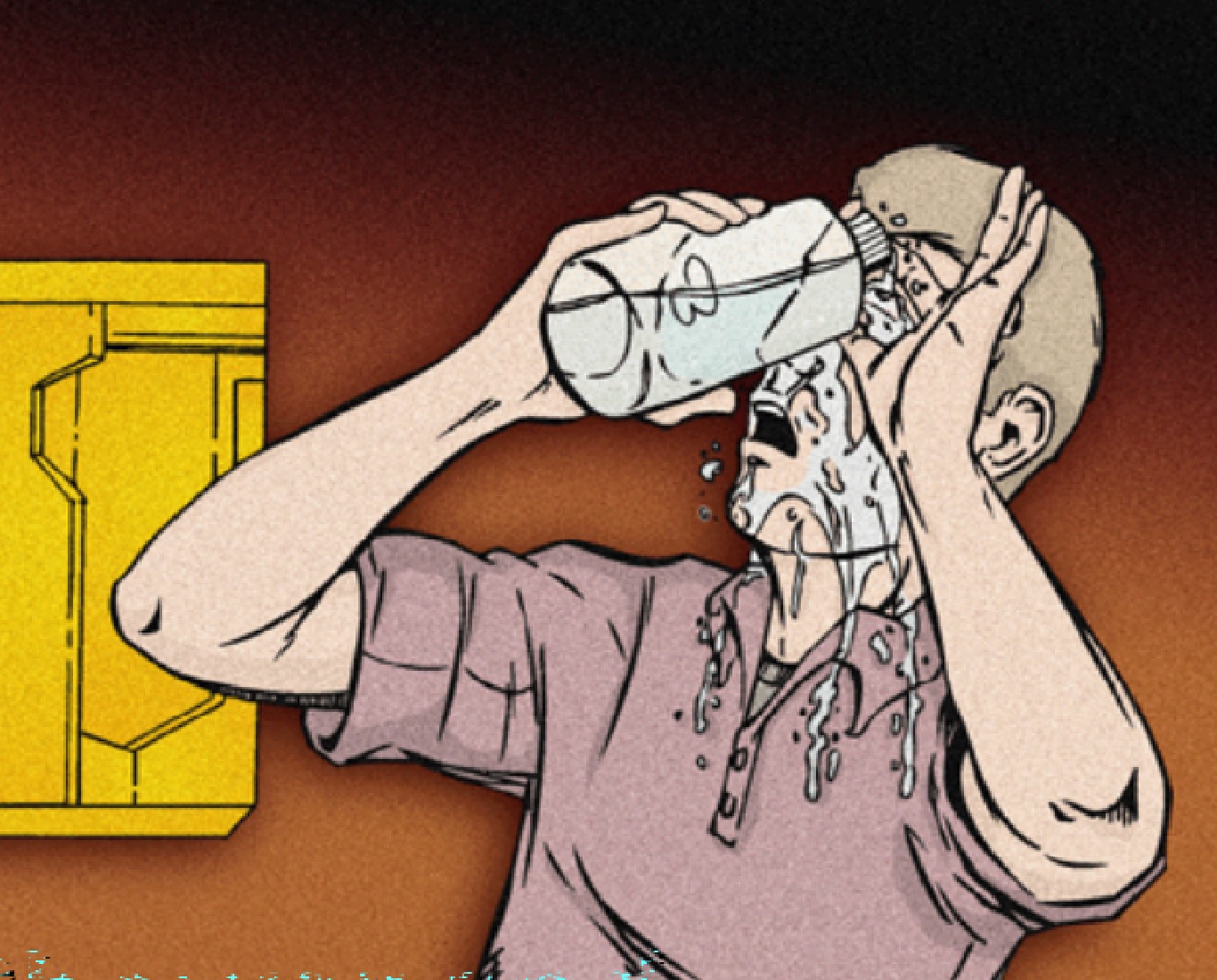
Your workplace is most likely equipped with safety showers and eyewash stations and you may have used them. Not only are they used in emergency situations to wash away harmful chemicals or put out clothing
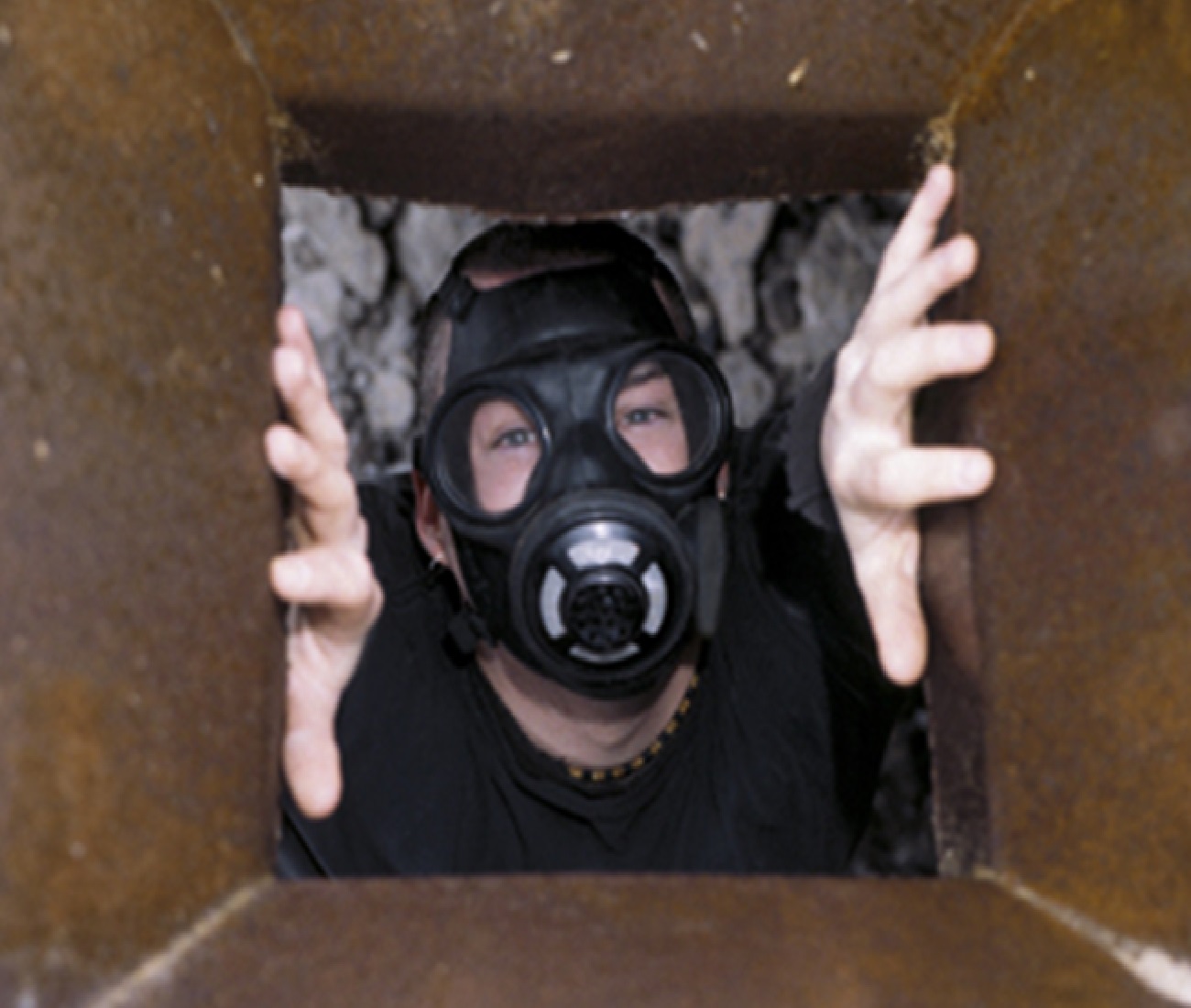
There may be moving equipment, slippery or dangerous surfaces, electric shock hazards, falling objects, water or other liquid contents, chemicals or extreme temperatures. Noise, poor visibility or shifting materials such as grain or sand could
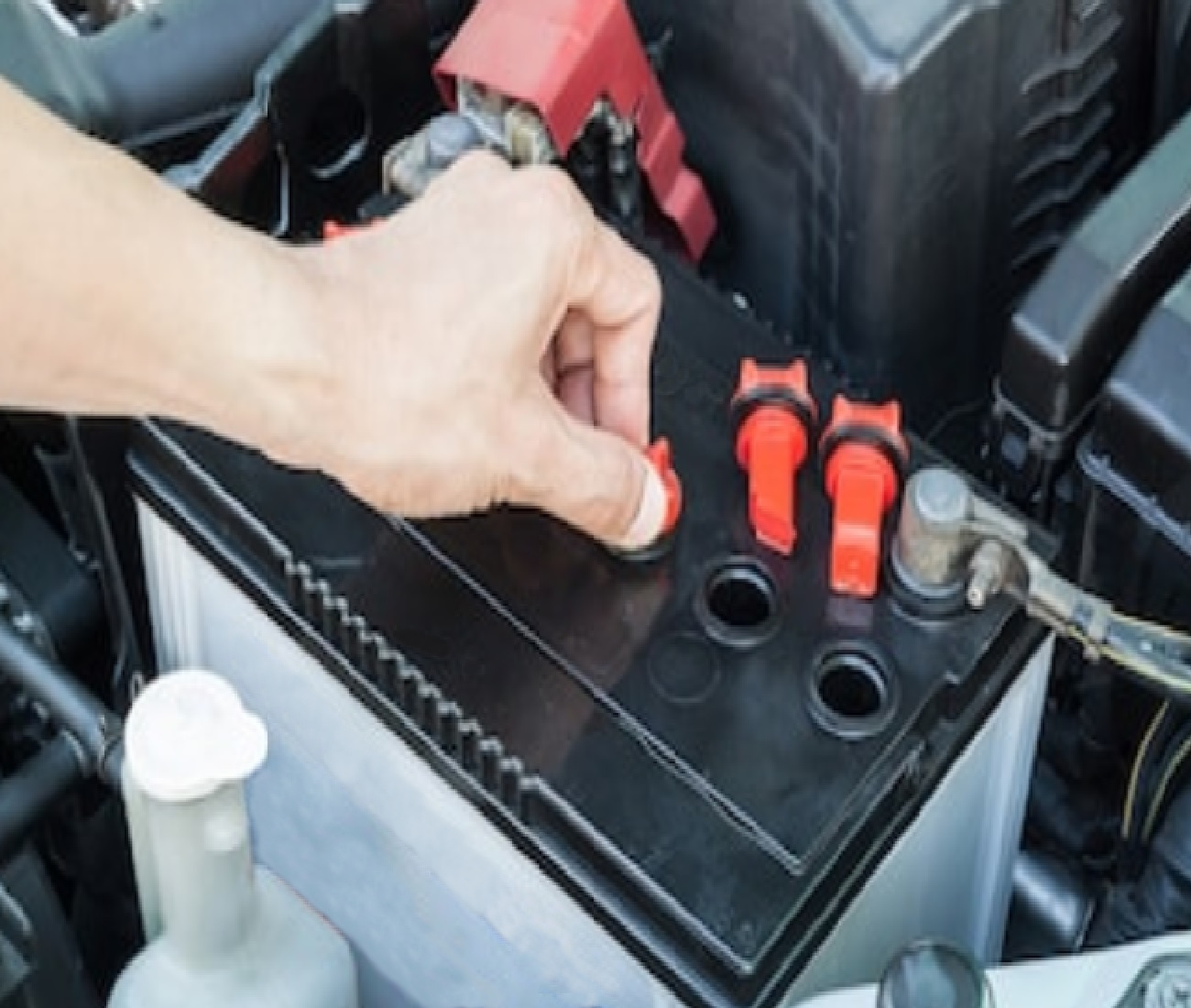
How This Affects You: Nearly 6,000 people every year suffer serious eye injuries from working around batteries. Don't be one of them.

A hot work environment or summer weather can bring heat illness - in three stages.
La energía mantiene el lugar de trabajo en funcionamiento, pero puede también matarlo
By understanding the basics of ergonomics and how they relate to your job, you may be able to prevent painful injuries.
It can be tempting to skip a lockout procedure just to make a quick adjustment on a machine. This kind of thinking is a mistake. In fact, it can be a fatal mistake. Many workers have been killed when they left a machine running or skipped the lockout just to do a quick clean-up or adjustment.
Stress sets in when there is an increase in demand for our time and resources that we can’t meet. In small doses, stress can be powerful. It motivates us to do the things we need to do to survive. However, too much stress can have negative effects on our mental and physical health. And it can certainly ruin the holidays.
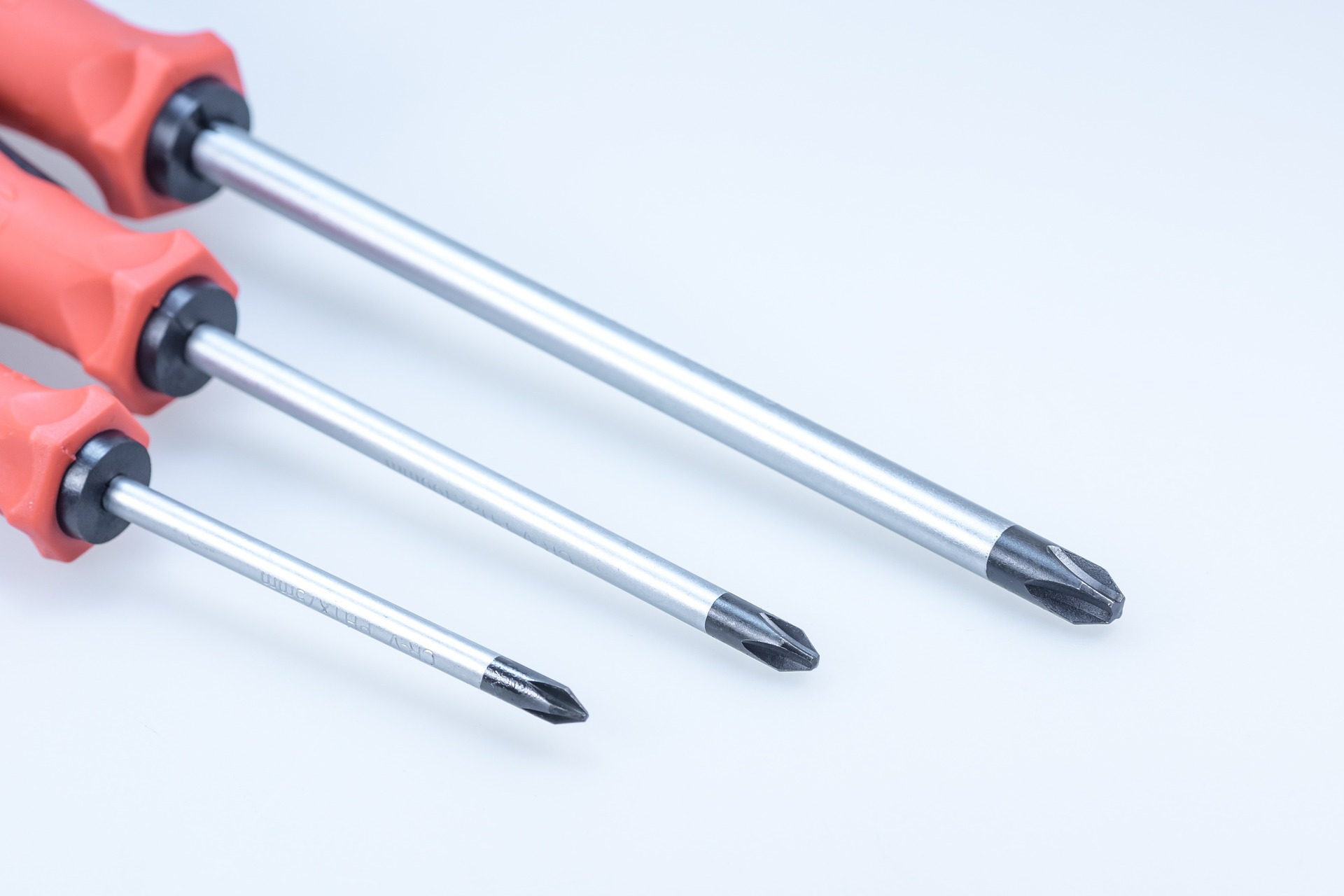
Every tool has a purpose, but many workers attempt to find new and unsafe applications for the tools they use. And the common screwdriver just might be the most misused tool in the workplace.
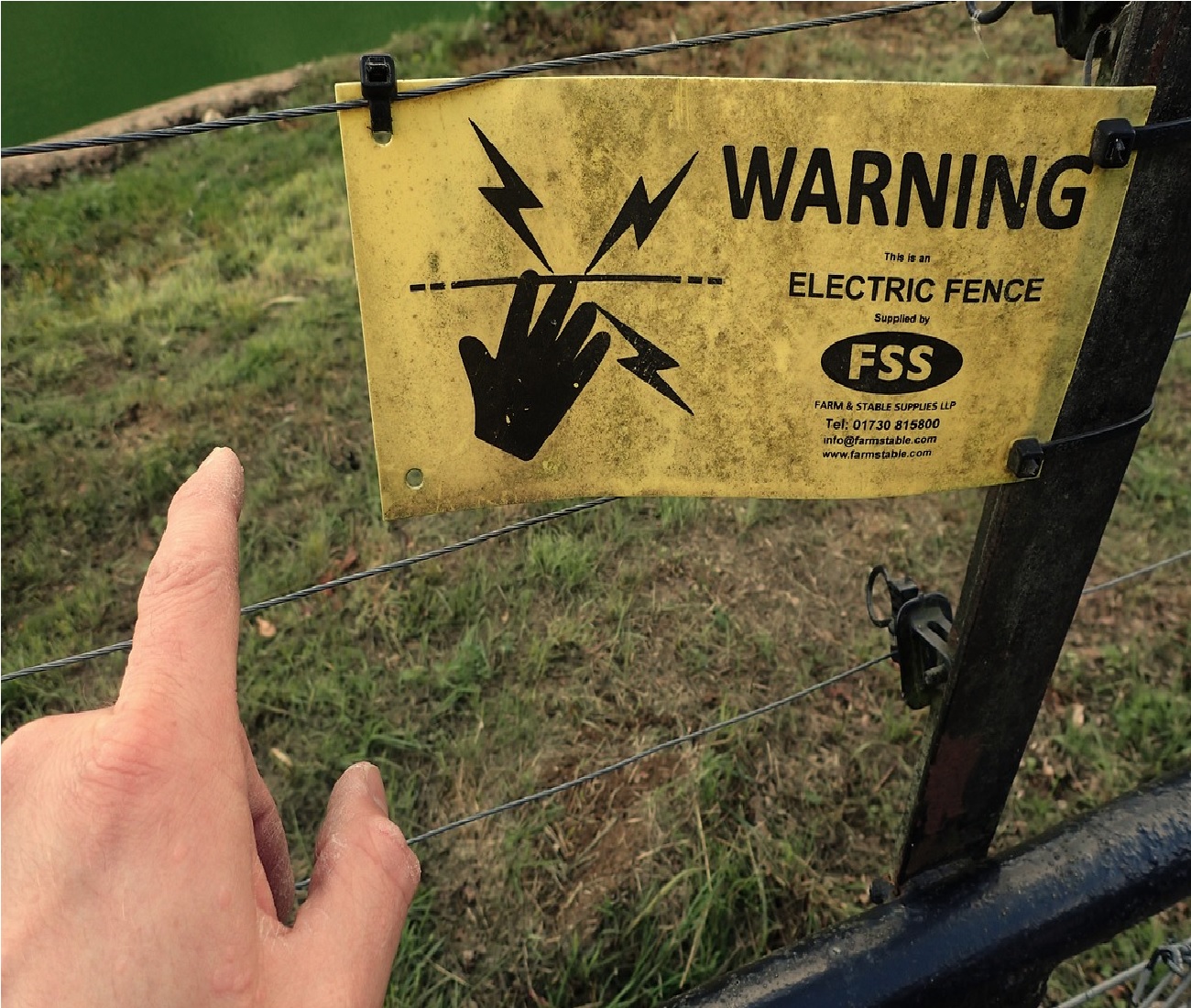
If you have to rescue someone who is receiving an electric shock, be careful or you might end up becoming a shock victim yourself.
On average more than 150 workers in North America are killed every year from electric shock, burns, and other effects caused by dangerous exposure to electricity. Many of these deaths could have been prevented by wearing the right personal protective equipment (PPE).
Many people require professional help to prevent short-term shock from turning into something more serious and longer lasting - post-traumatic stress disorder (PTSD).
There are over 20 million workers younger than 24 years of age in the workplace and these workers represent roughly 15% of the workforce.
The only people who should be working on energized electrical equipment are those who are fully trained and qualified, properly equipped and authorized to do so.
Thousands of people across North America become victims of unintentional poisoning every year. A major contributor to this problem is when toxic chemicals are stored in unlabeled containers.
Don’t give danger a second chance to get too close for comfort. Report all near misses immediately so they can be investigated and hazards can be corrected.
Here are some tips for staying awake and aware when you drive for your job, to and from work or on your own time: Get enough sleep before you drive. For most people, eight hours

Trouble is, this worker might not realize that even young healthy skin can get cancer by too much exposure to ultraviolet (UV) rays. Most of the damaging UV radiation we get comes from sunlight. There's
A safe, healthy workplace is also about food. A balanced, nutritious diet can boost energy and combat fatigue.
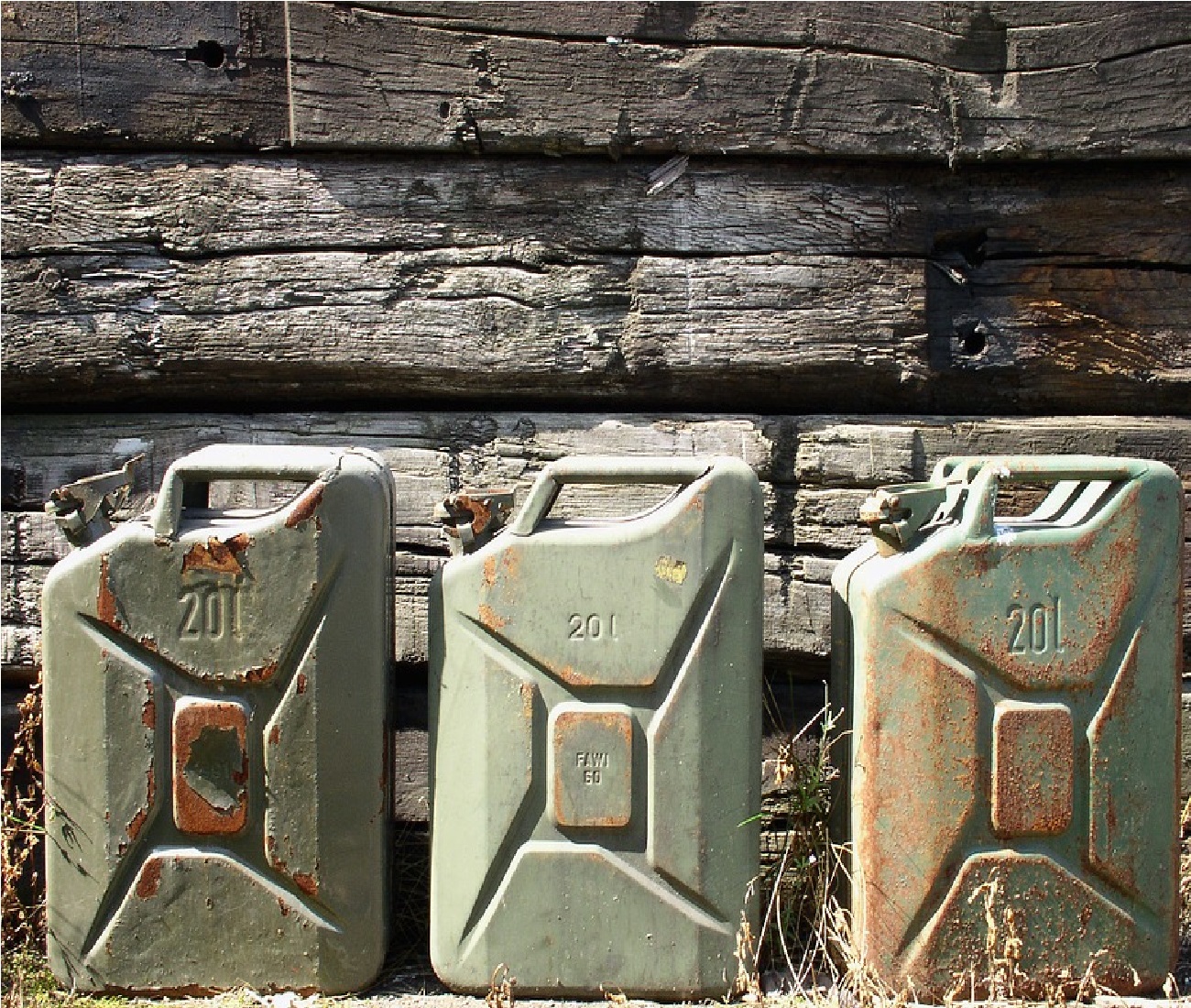
You're steam cleaning the shop floor when you accidentally knock over a 5-gallon can of gasoline near the welding booth. Do you know what to do?
Your workplace probably has a committee that discusses safety issues.
La ergonomía es un campo de investigación que estudia la comodidad y la seguridad del cuerpo humano cuando las herramientas, los lugares de trabajo y los procedimientos del mismo se ajustan al trabajador.
There are some standard excuses for not wearing a hardhat - it is too heavy, too hot, too cold or too bulky or even too ugly. But all of these excuses sound very flimsy when you consider...
Every year, millions of workers are infected with a contagious respiratory illness: influenza, commonly known as the flu. Many workers who are sick with the flu refuse to let the illness prevent them from working, thinking they can “tough it out.” So they go to work with a reduced ability to work safely and productively, and they jeopardize the health of their co-workers.
Since it's your first time, you may want to checkout some of the video tutorials.


















 800-ICW-SAFETY (800.429.7233)
 SAFETYOnDemand@icwgroup.com