
Don’t Let the Pressure of Compressed Gas Get to You
The hazards associated with compressed gas include oxygen displacement, fires, explosions, toxic effects from certain gases, reactivity and projectile concerns.
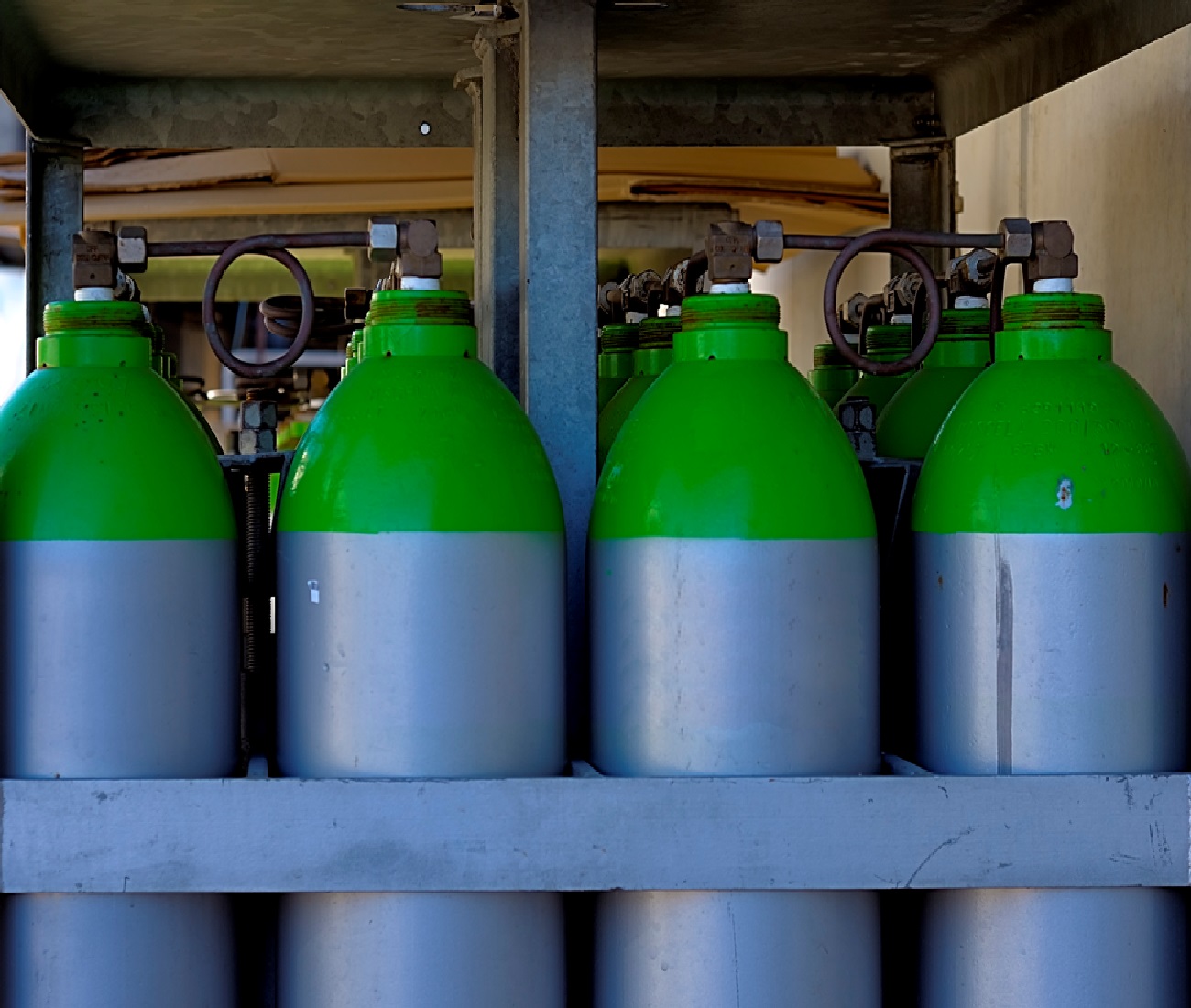
The hazards associated with compressed gas include oxygen displacement, fires, explosions, toxic effects from certain gases, reactivity and projectile concerns.
Unexpected emergencies occur in workplaces every day in factories, plants, offices and warehouses, as well as construction sites and on the road. It could be a fire, fatal injury, flood, earthquake, shooting, tornado, chemical spill or another kind of crisis. So it’s important that companies have an emergency response plan to cover all expected and unexpected disasters. For this plan to be effective, all employees must be trained in the roles they will play in an emergency.

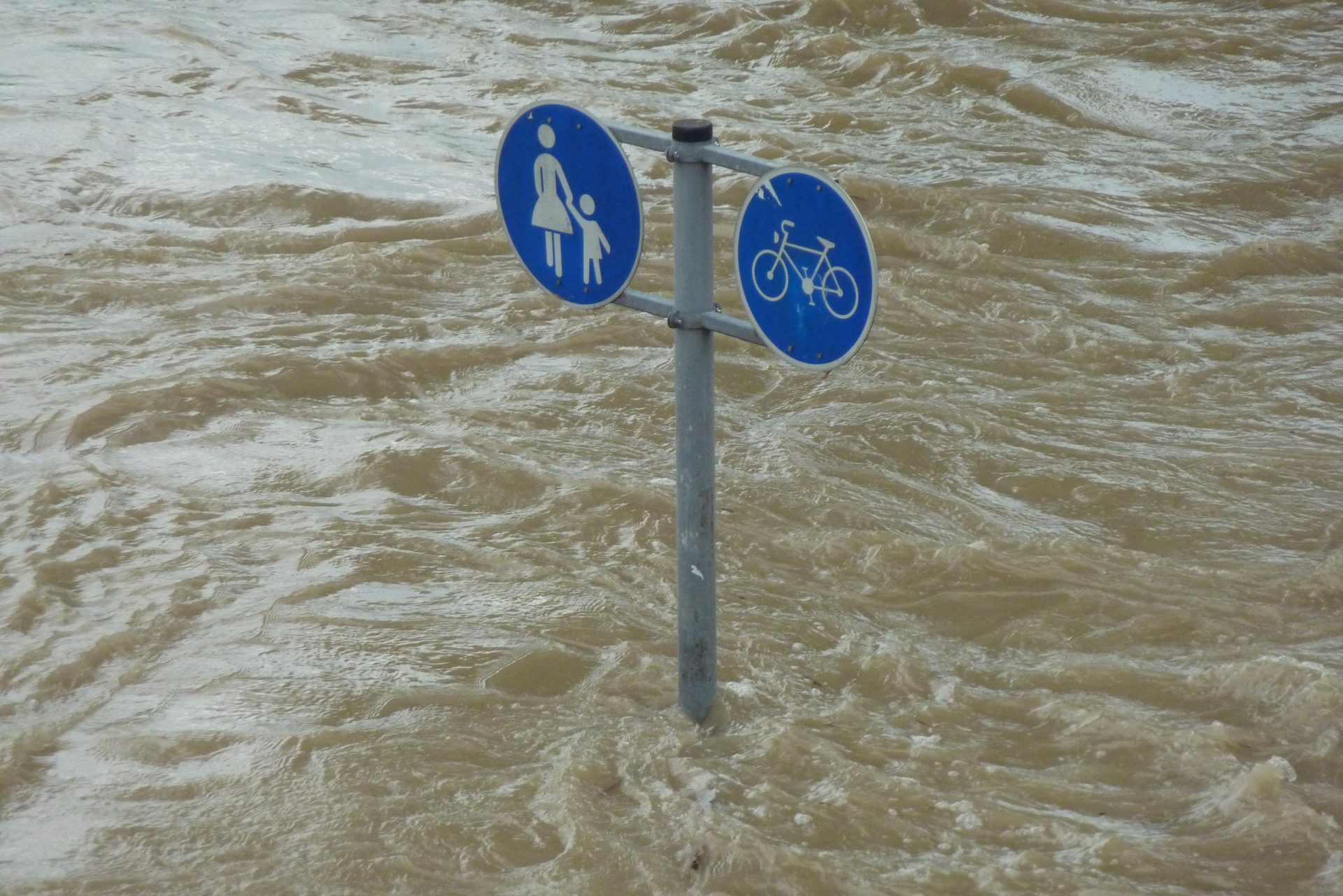
People who aren’t expecting to end up in water often are not prepared for that possibility and the results can be tragic. Every year in the United States and Canada, an estimated 3,800 people drown, with many of these victims being people who ended up in the water unintentionally.

Any workplace can be too hot for safety, both outdoors and in hot, humid conditions indoors. Whenever you’re exposed to heat, you’re at risk of developing heat illness.
If you work with chemicals, make sure you are familiar with the first aid required in case of exposure. This information is located on the chemical label and on the Material Safety Data Sheet (MSDS).
What would you do if you encountered an emergency, either in the workplace or outside? Would you call for help? Would you know who to call and what to tell them?
If you have never experienced a serious emergency in your workplace, you might find it hard to imagine such a thing could happen. However, every day in job settings just like yours, something goes seriously wrong.

If you’re a standby person and think all the risks are inside the confined space, think again: over 60% of confined space deaths don’t involve people assigned to work in the confined space. These deaths involve the standby person or other would-be rescuers who enter the confined space in an emergency.

Safety Management Tools – Inspections Teaching Workers to Conduct Better [...]

WorkSafeBC issues $39,000 OHS fines to BC, McDonalds restaurant for [...]
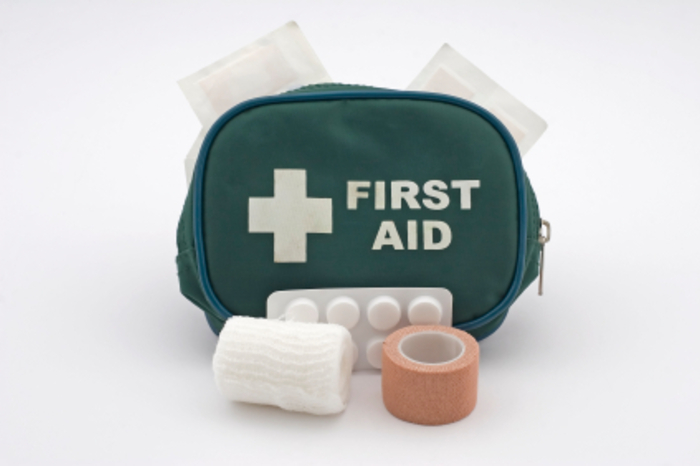
This emergency preparedness checklist can help you ready your workplace [...]

OSHA conducted a safety and health inspection in August 2007 [...]
How much do you know about emergency preparedness? Do you know how these words relate to you?
The dangers of trying to rescue others from a deadly atmosphere can't be emphasized enough.
Editor's note: Toiling outdoors under a sizzling sun isn't an issue in much of North America at this time of year
A 25-year-old man got a job as a laborer, installing carpets in newly-built homes for a small company after a tornado had devastated a small farming community.
The victim was a foreman of a crew working at a Wyoming rig site.
A 59-year old worker was clearing snow from a rail station walkway when he was struck and killed by an approaching freight train.
A simple broken weld seam caused the death of a 68-year-old man, when an anhydrous ammonia tank ruptured.
On a November night, a crab fishing boat was off British Columbia?s north coast. The crew members were re-baiting a crab pot on deck when the vessel took a port turn.
The symptoms of heat-related illness would have been obvious to anyone trained to spot them.
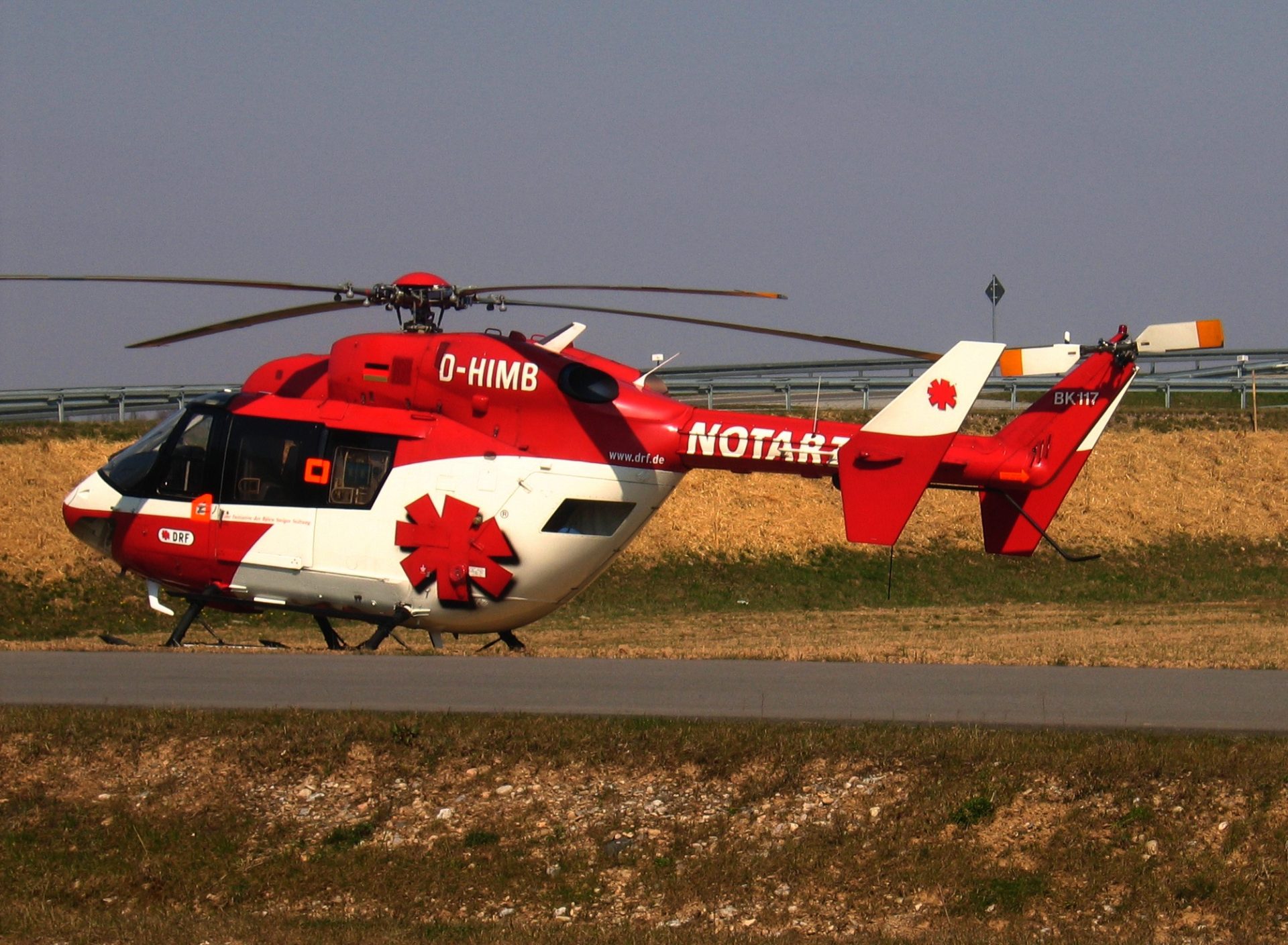
A pilot and his three passengers died when the air ambulance they were in crashed into a mountain range during a blizzard.

A manager in a paper plant was draining a tank filled with wood pulp treated with chlorine dioxide, a corrosive material. During the process, some of the chlorine dioxide spilled. He tripped and fell into
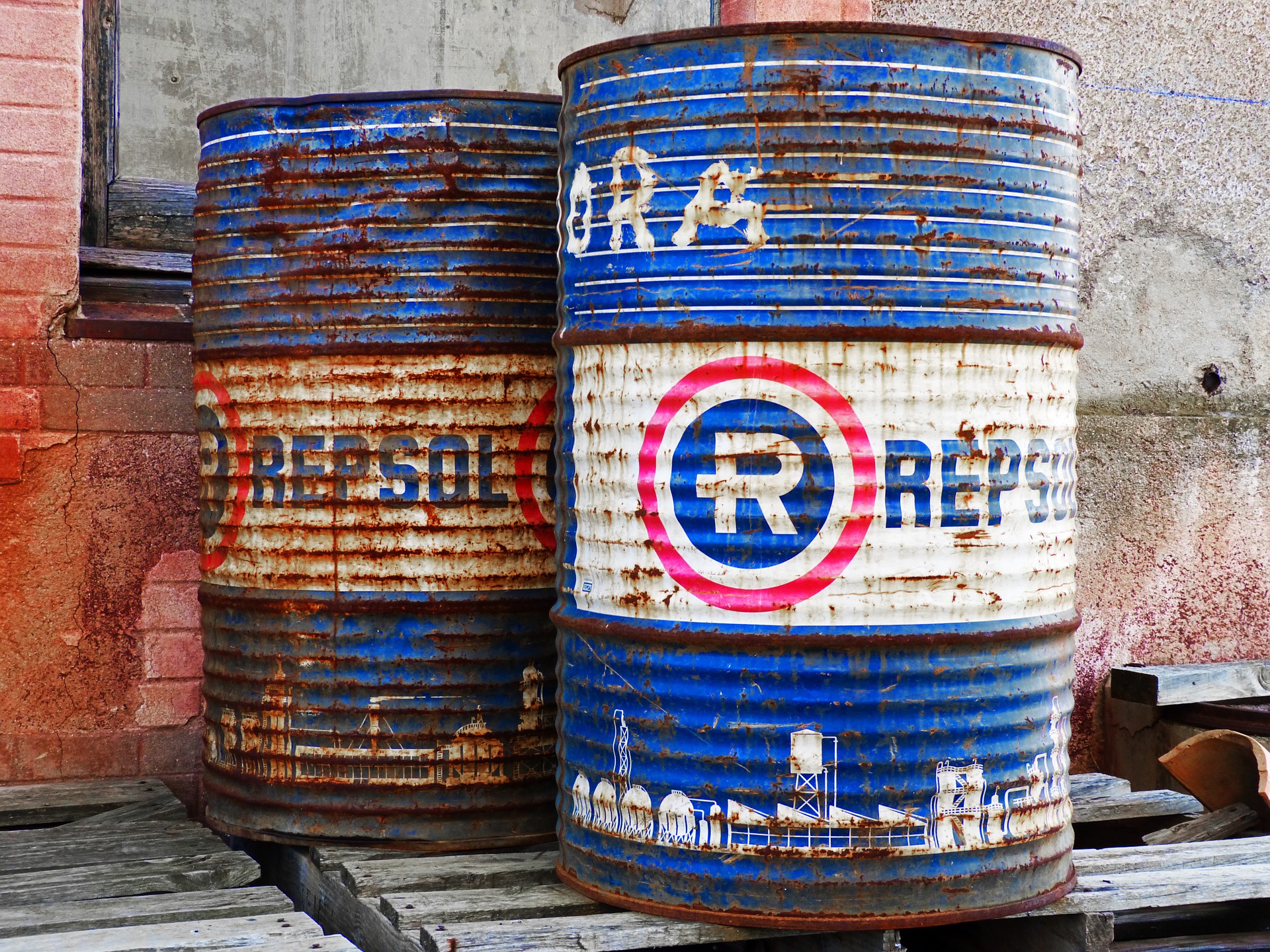
A steel drum containing lubricating oil exploded while a worker was heating it with a propane torch. The explosion occurred in cold winter weather in a temporary logging camp. The victim was preparing to replace
Since it's your first time, you may want to checkout some of the video tutorials.











 800-ICW-SAFETY (800.429.7233)
 SAFETYOnDemand@icwgroup.com