
Company Cited for Alleged Serious, Repeat Safety Violations Facing $79,000 in Proposed Fines
An OSHA inspection found numerous instances of unguarded or inadequately [...]

An OSHA inspection found numerous instances of unguarded or inadequately [...]

Repeat and Serious Violations OSHA initiated an investigation of a [...]

Safety Talk What’s at Stake? Any serious injury or illness [...]

Safety Talk What’s at Stake? When your skin is cut, [...]
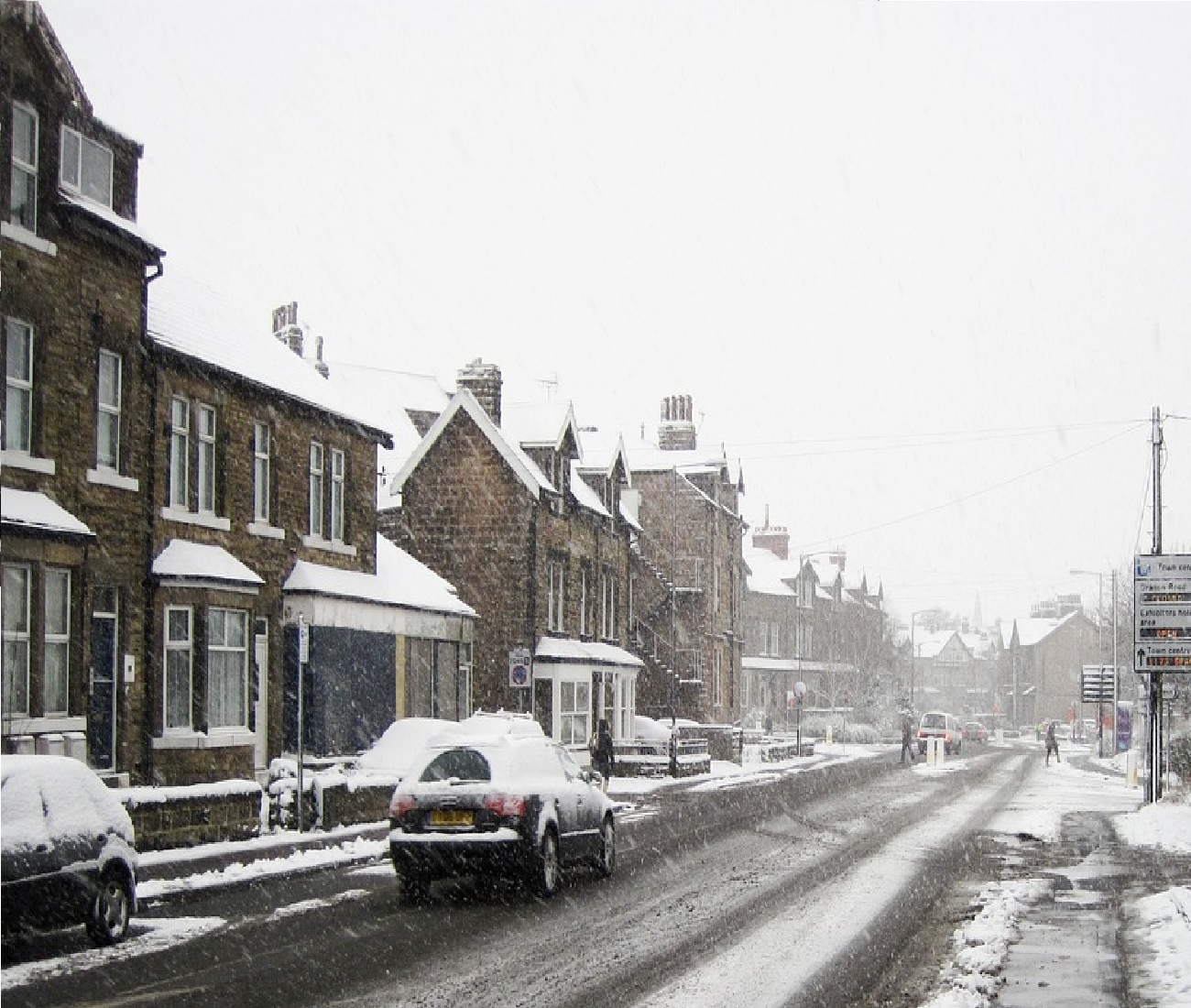
How This Affects You: Don't think fate wouldn't leave you stranded in a vehicle during a snow storm. This happened to school bus driver Carl Miller in Colorado.

Front desk workers have the job of greeting and directing workplace visitors. Their courteous manner and prompt service are important to the company?s public image and reputation with customers.
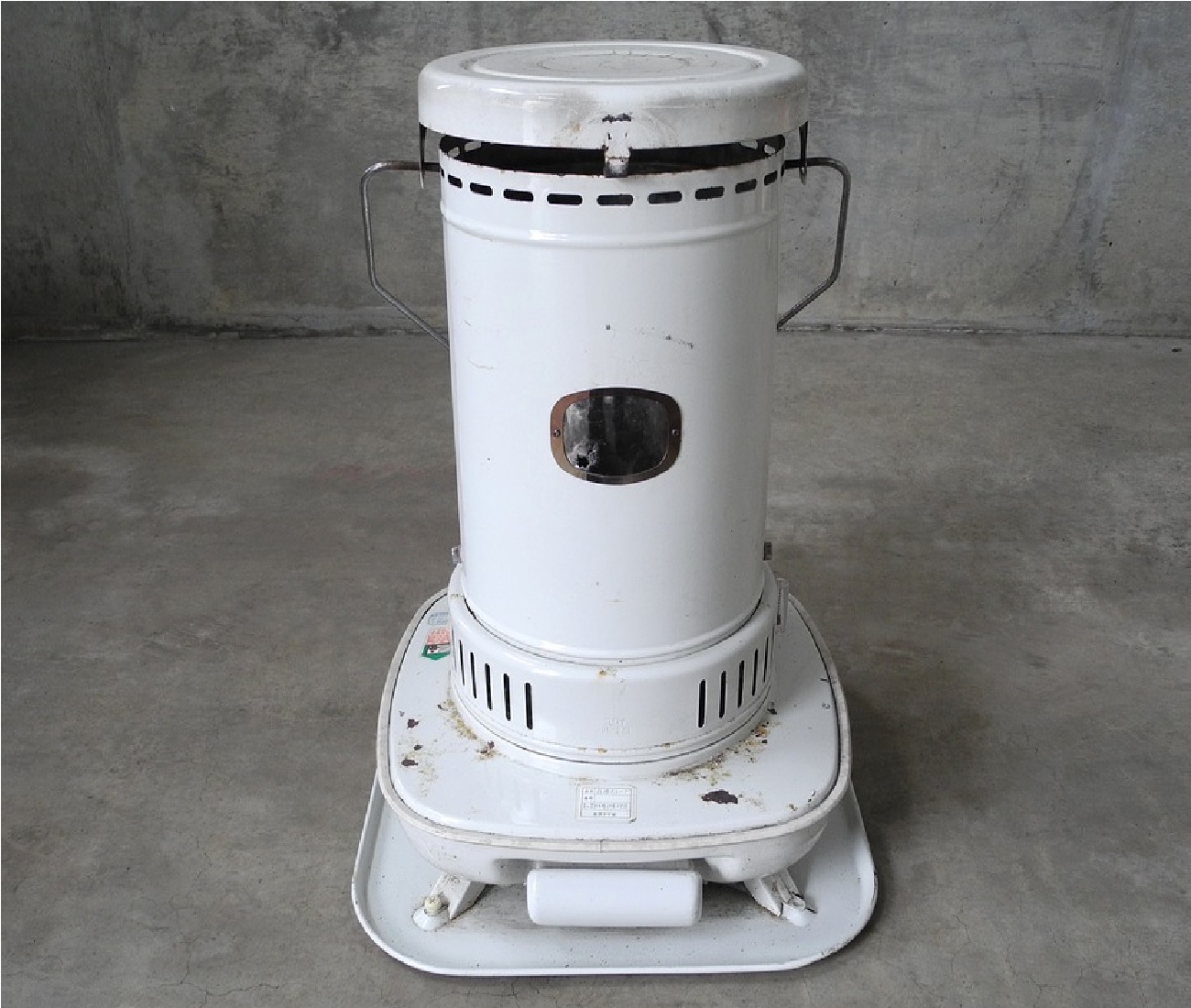
Portable heaters are handy devices. They are useful as temporary sources of heat in unexpectedly cold weather. But these electric or fuel-powered heaters also come with hazards.
Professional drivers see more than their share of motor vehicle accidents as they travel the highways of our country.
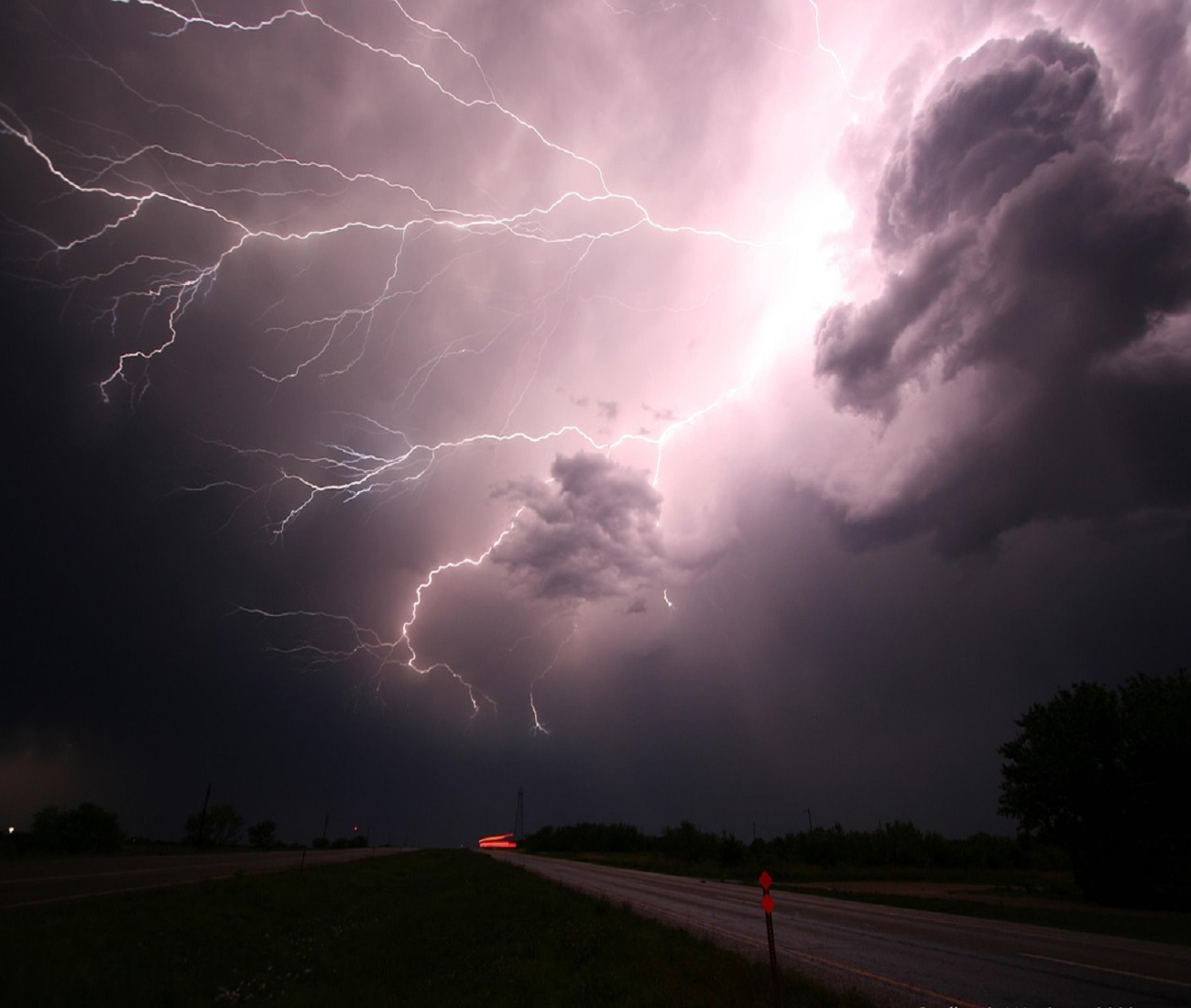
Weather can affect your safety both on and off the job. Even if you don't work outside, just getting to and from work in bad weather can be hazardous.
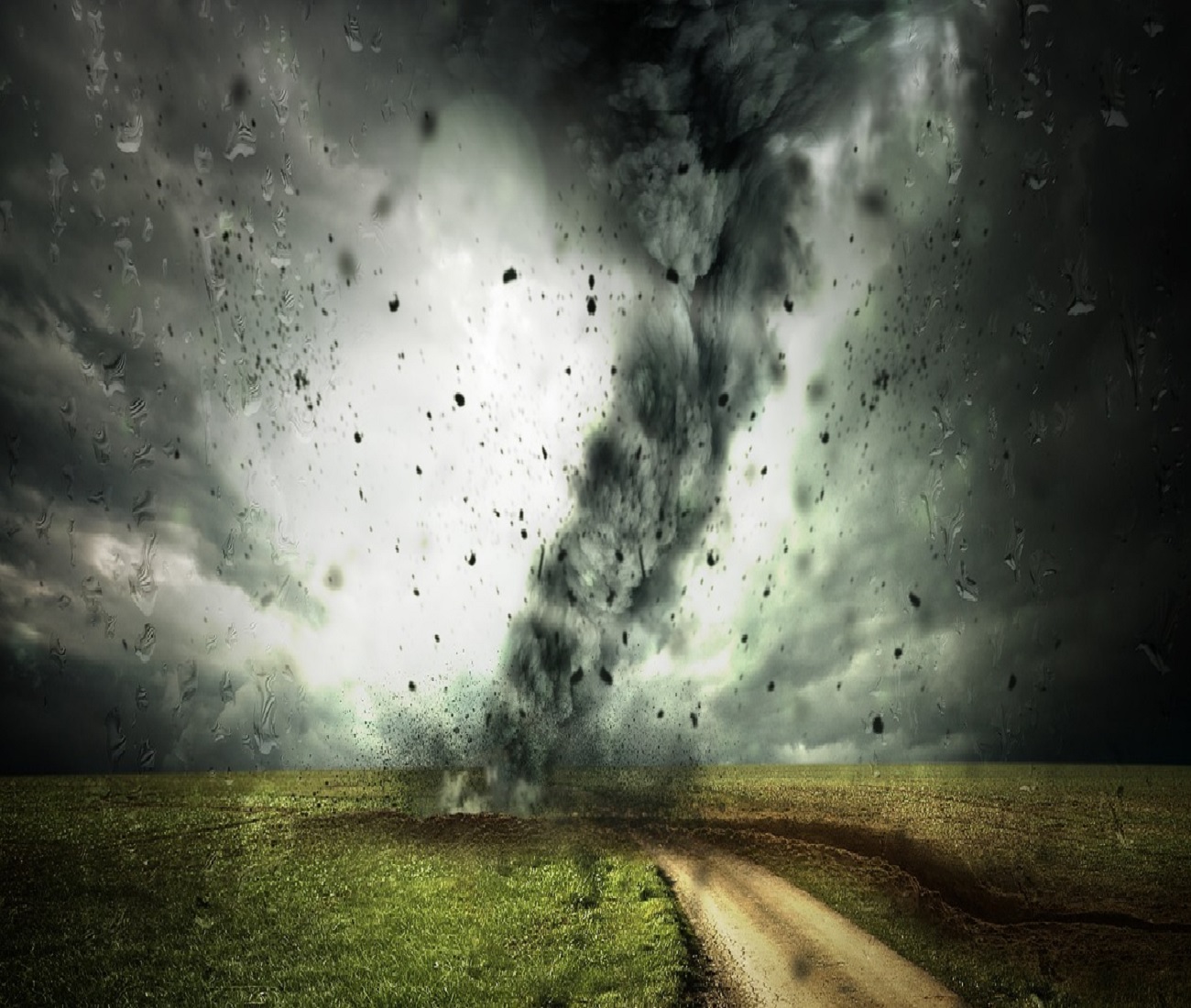
The tornado season in North America begins in April, peaks in June and July, and ends in September. But really the storms can occur at any time, with approximately 1,000 tornadoes being reported in the United States and 80 in Canada each year.
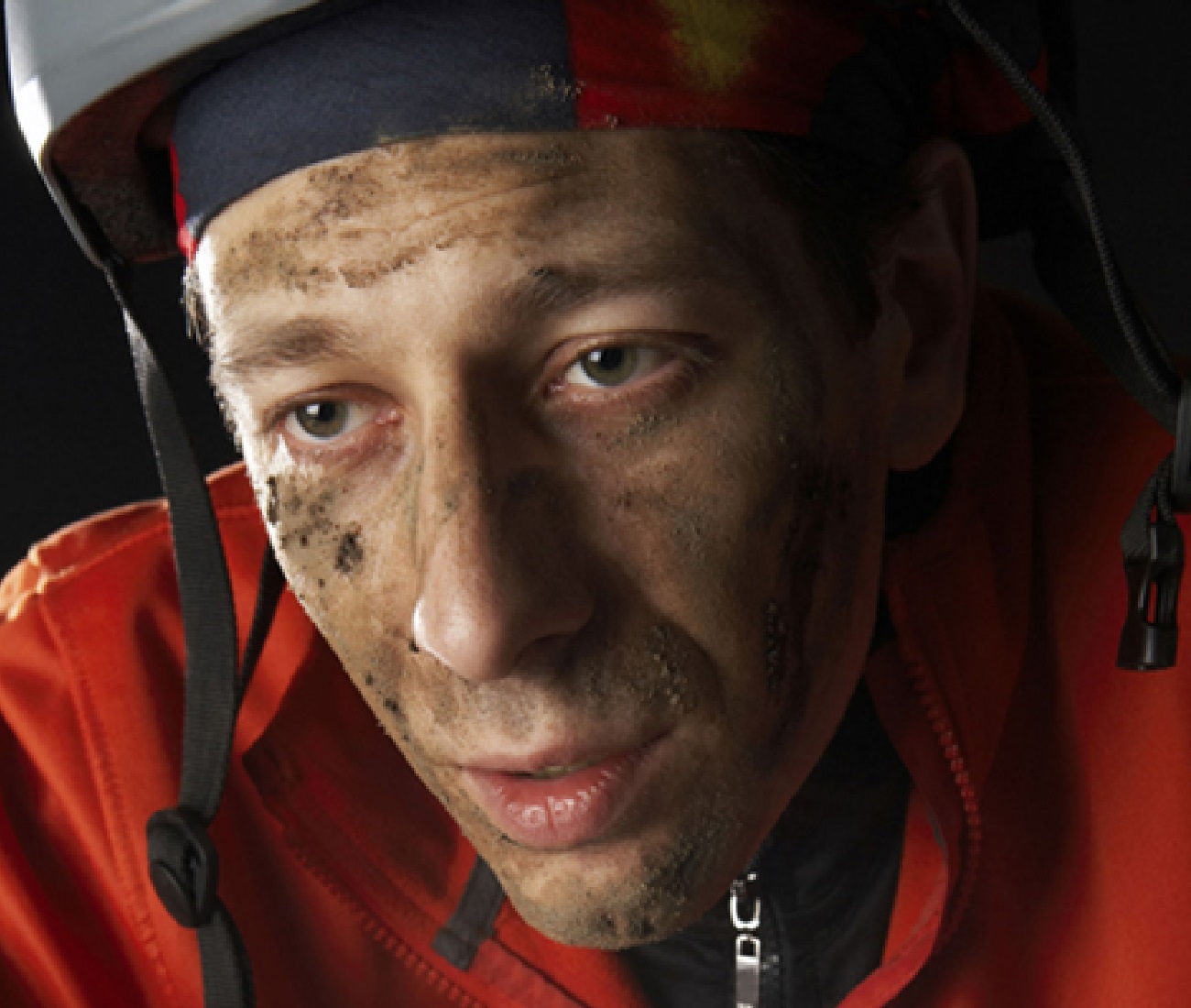
A hot work environment or summer weather can bring heat illness - in three stages.

An injured worker needs care now — can you administer it? Proper training, supplies and equipment are essential for providing prompt care to injured workers. If you have ever been faced with an injury, no matter how small, you will probably know the value of first aid.
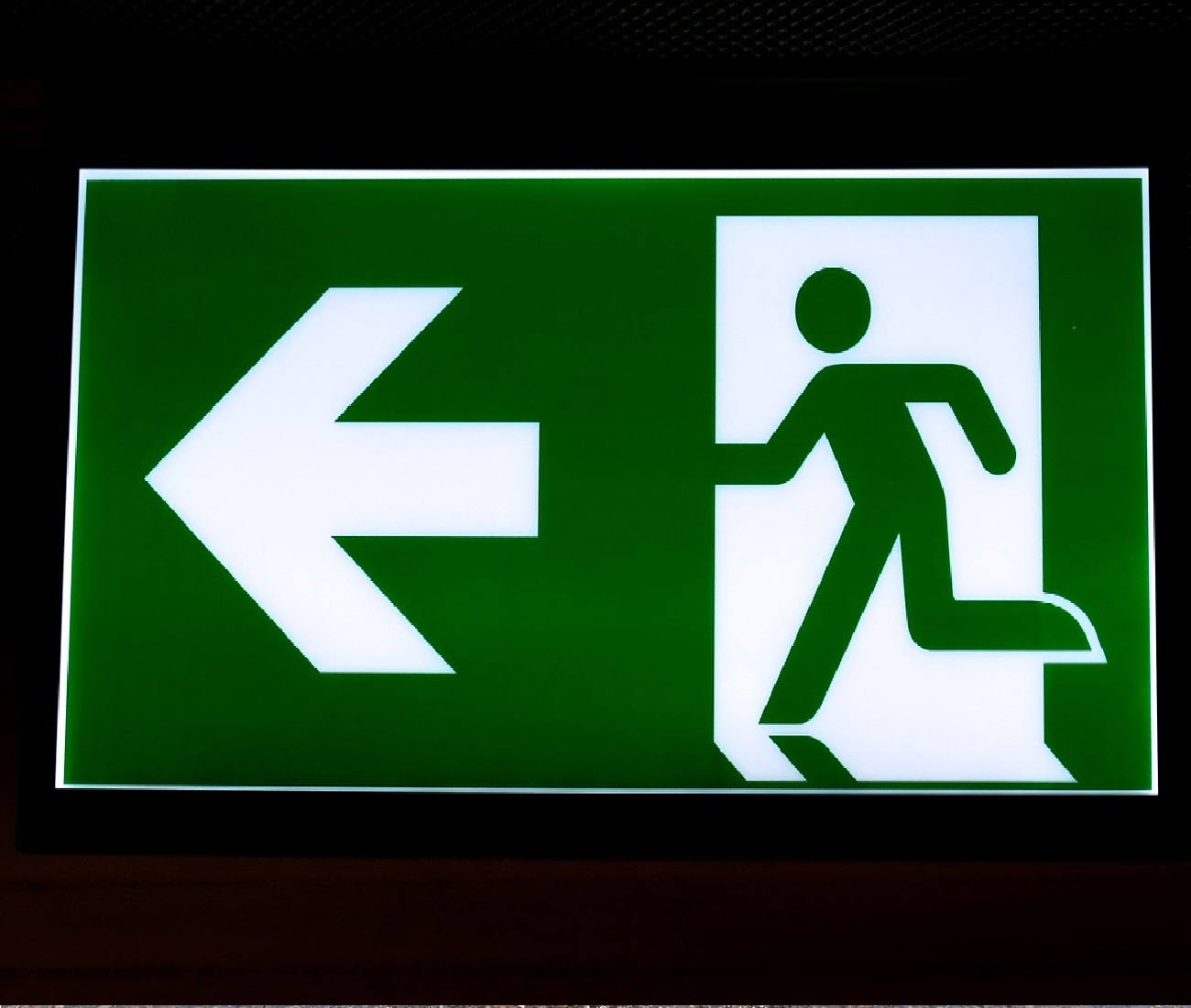
An emergency exit you can’t find in the dark is one you may not be able to find in a crisis situation. That’s why knowing the location of emergency exits at your worksite, and being able to find them without thinking, is so important.
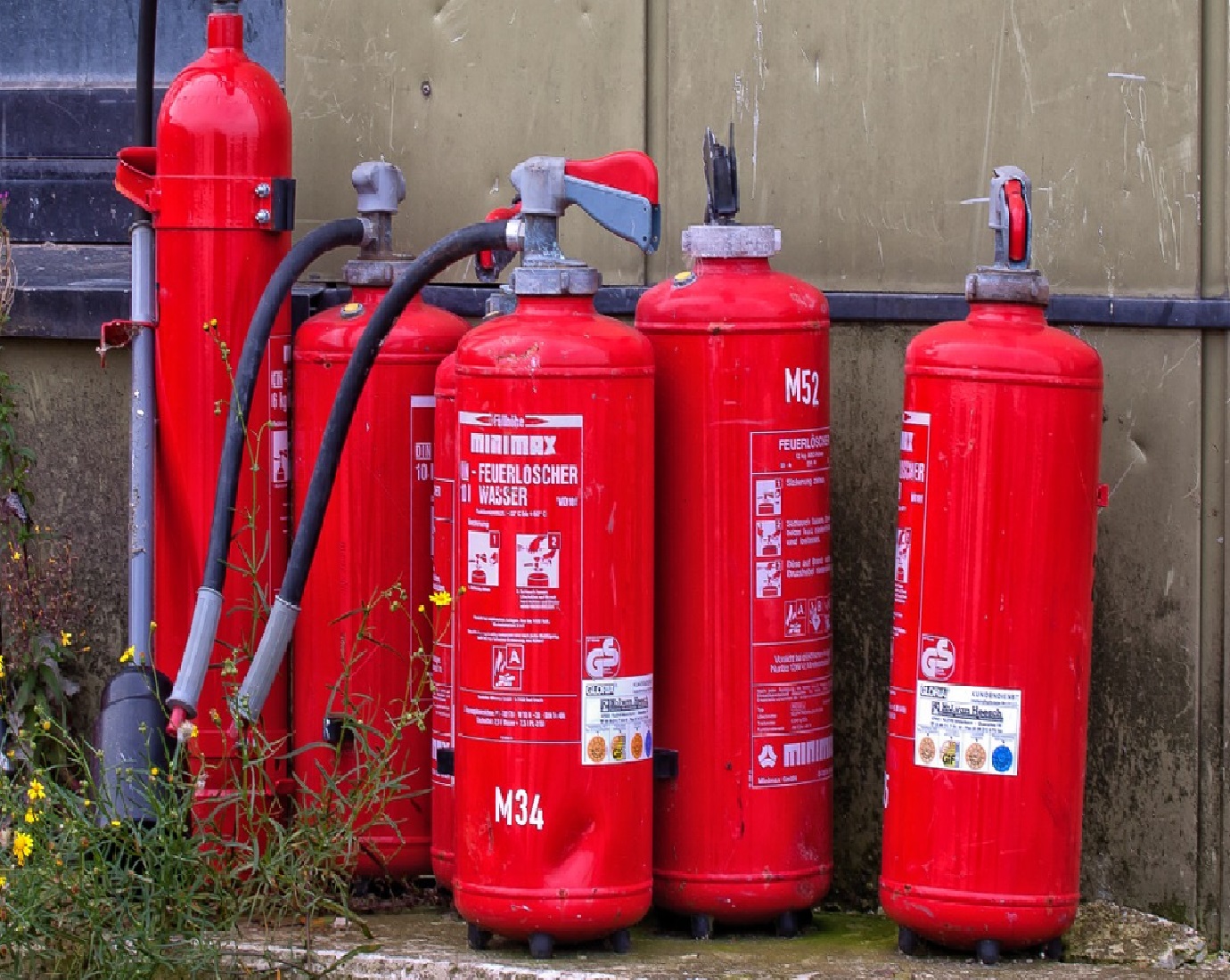
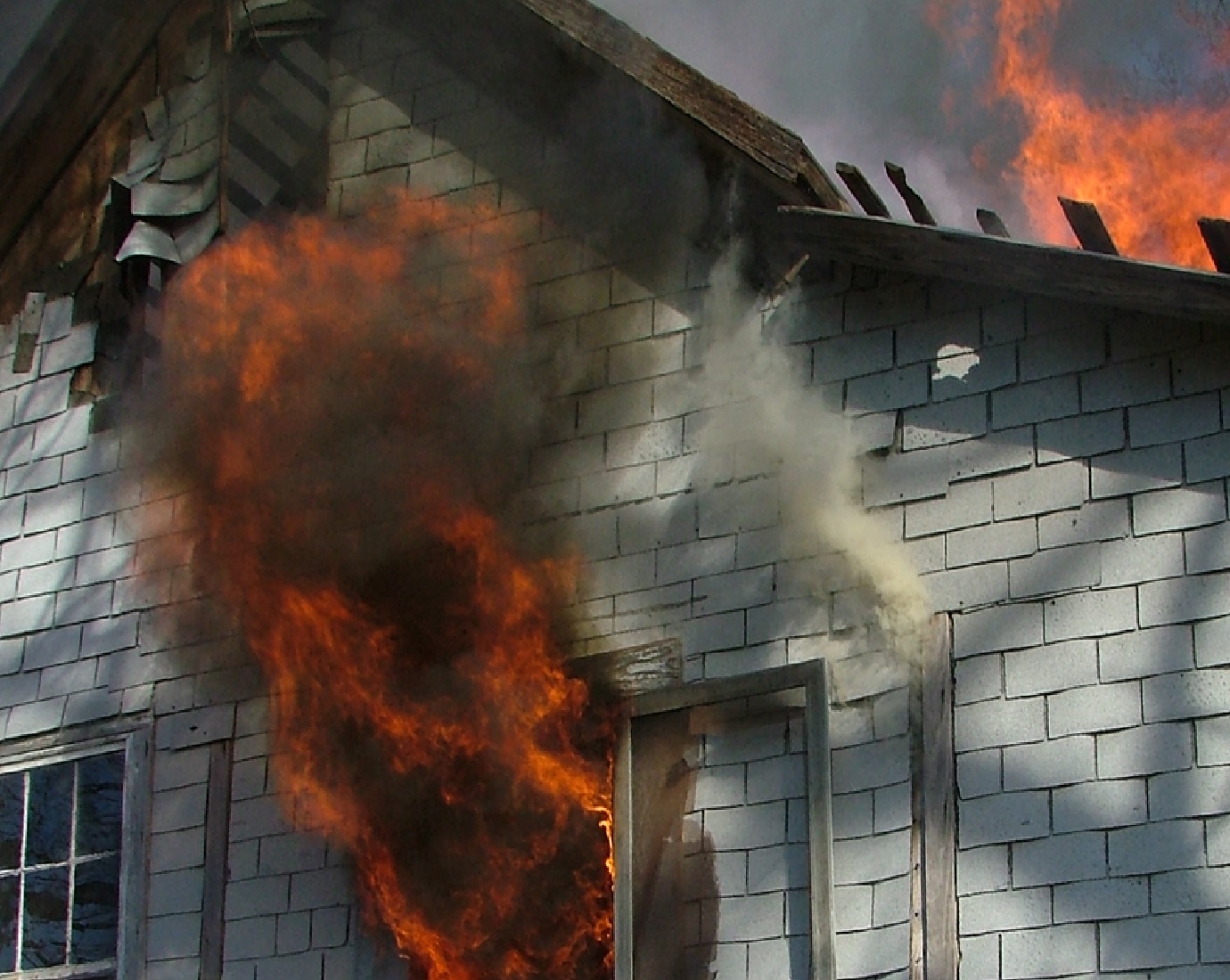
In a heroic attempt to extinguish an apartment fire, two men working in a residential building found extinguishers in a hallway and raced to the unit. Although they had just rescued a tenant from the same unit, they were both overcome by thick smoke and died of cardiac arrest.
Every day, without noticing, we pass doors that have "Exit" signs. Usually we don't remember that emergency exit doors are vital to our safety.
Having an escape plan and working smoke alarms throughout your home are two ways you can avoid getting burned if a fire were to break out in your home.
Quick! A co-worker has just been seriously injured and emergency medical assistance is needed. Do you know what to do?
The flu is a serious contagious disease. Not only does having the flu make you feel miserable, for some people the flu can be fatal. In fact, tens of thousands of people die from the flu in North America, each year.
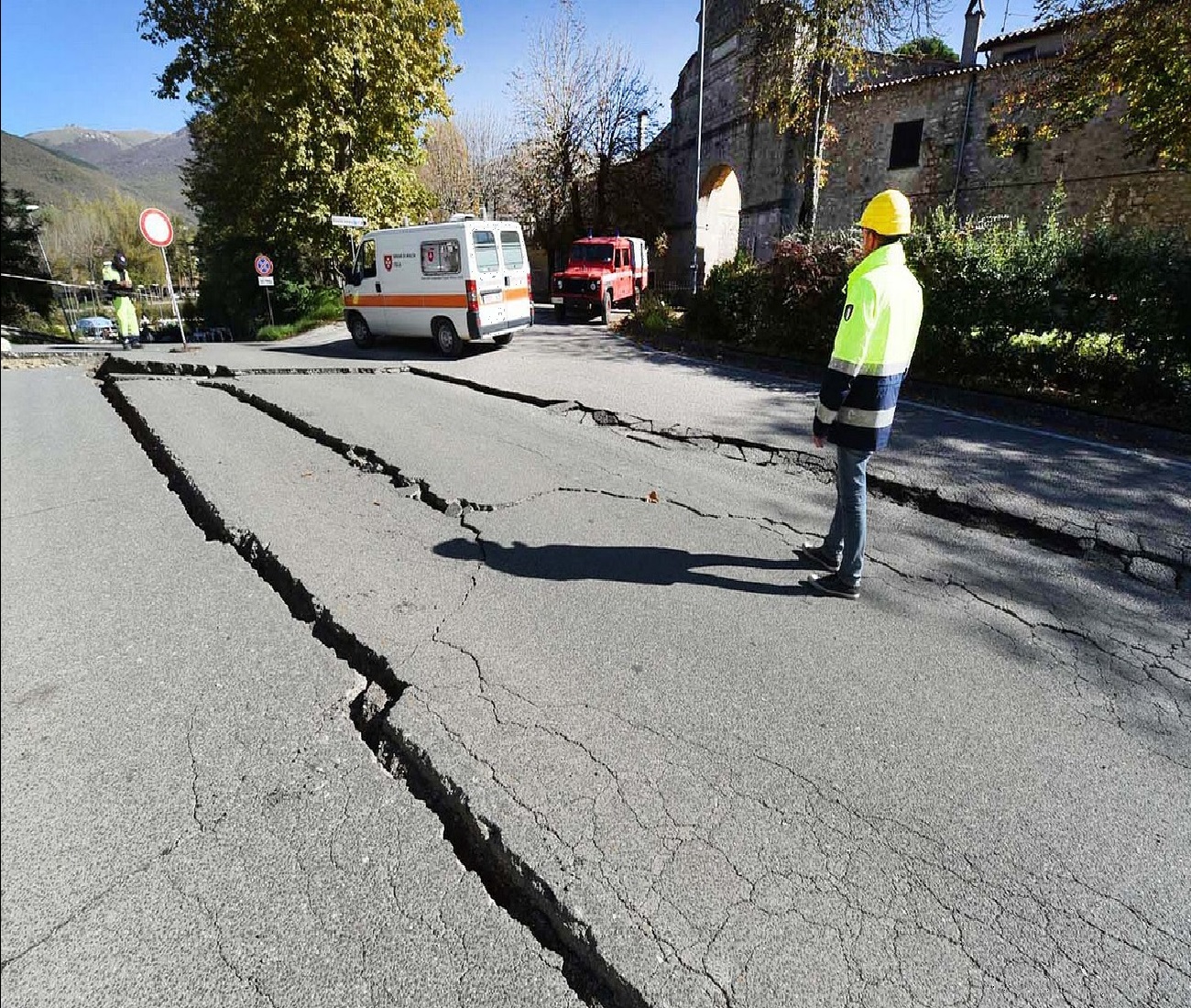
Many places where we live and work are in high risk earthquake zones.
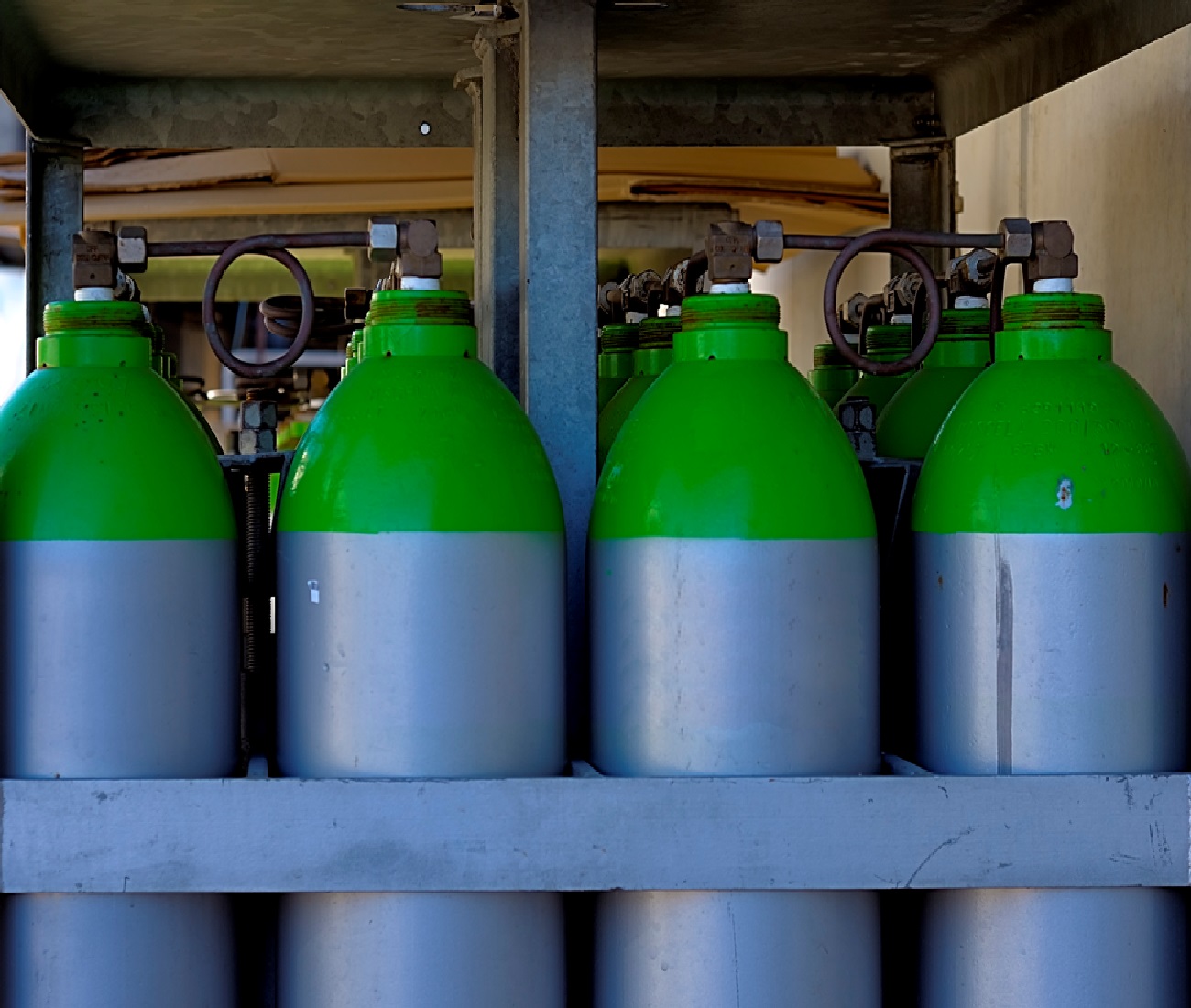
The hazards associated with compressed gas include oxygen displacement, fires, explosions, toxic effects from certain gases, reactivity and projectile concerns.
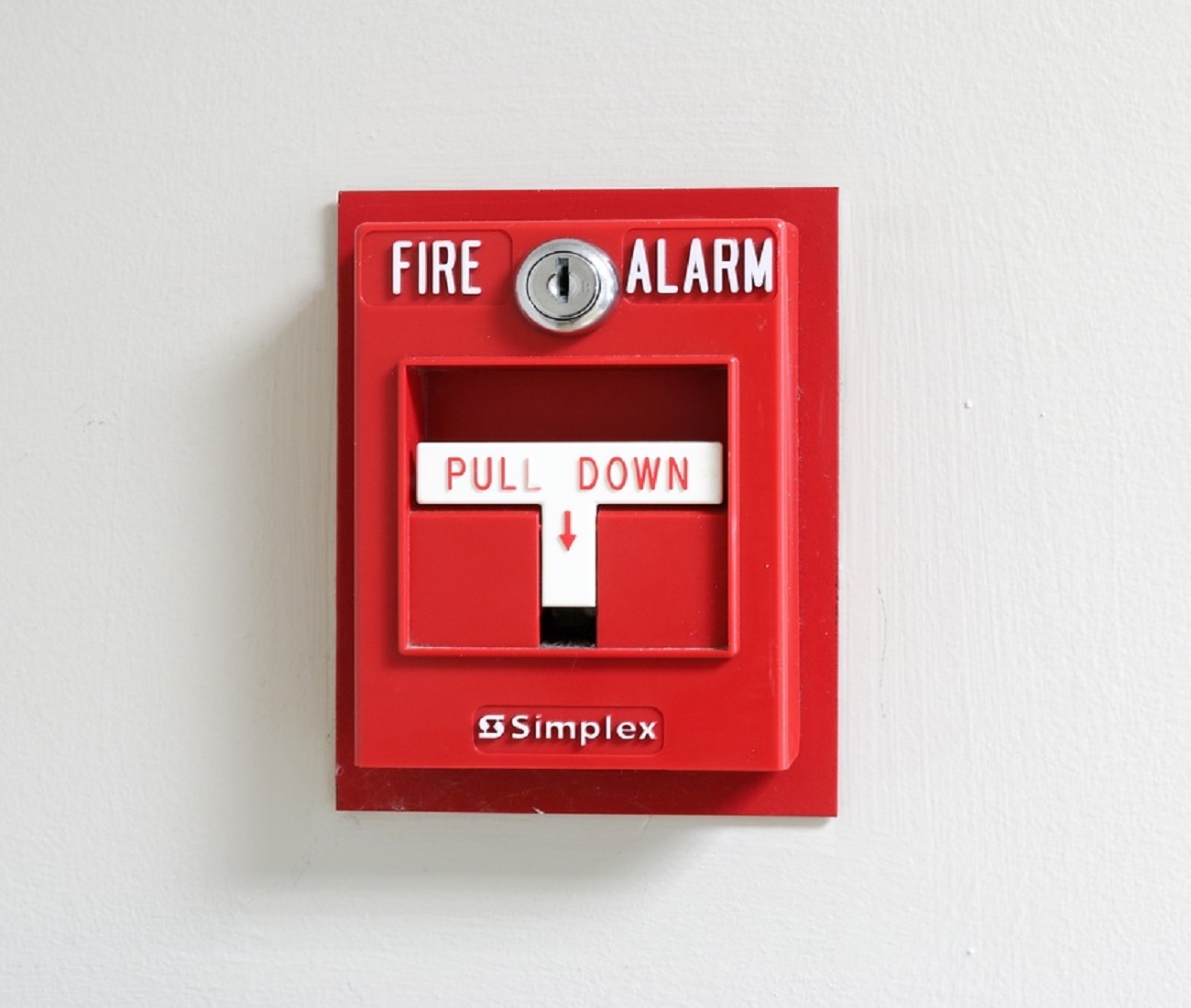
Unexpected emergencies occur in workplaces every day in factories, plants, offices and warehouses, as well as construction sites and on the road. It could be a fire, fatal injury, flood, earthquake, shooting, tornado, chemical spill or another kind of crisis. So it’s important that companies have an emergency response plan to cover all expected and unexpected disasters. For this plan to be effective, all employees must be trained in the roles they will play in an emergency.

People who aren’t expecting to end up in water often are not prepared for that possibility and the results can be tragic. Every year in the United States and Canada, an estimated 3,800 people drown, with many of these victims being people who ended up in the water unintentionally.

Any workplace can be too hot for safety, both outdoors and in hot, humid conditions indoors. Whenever you’re exposed to heat, you’re at risk of developing heat illness.
If you work with chemicals, make sure you are familiar with the first aid required in case of exposure. This information is located on the chemical label and on the Material Safety Data Sheet (MSDS).
What would you do if you encountered an emergency, either in the workplace or outside? Would you call for help? Would you know who to call and what to tell them?
Since it's your first time, you may want to checkout some of the video tutorials.








 800-ICW-SAFETY (800.429.7233)
 SAFETYOnDemand@icwgroup.com