
First Aid: Basic First Aid – Spanish
Key Takeaways: - Learning the signs and symptoms associated with: [...]

Key Takeaways: - Learning the signs and symptoms associated with: [...]
Key Takeaways: Learning how to recognize partial and complete airway [...]

Key Takeaways: - Learning how to respond to a chemical [...]

Key Takeaways: - Learning how to respond to a chemical [...]
The purpose of this course is to educate employees on [...]
Course Description The purpose of this course is to educate [...]

Knowing how to perform CPR could be the difference between [...]

Course Description Soft tissue injuries are among the most common [...]

Key Takeaways: - Learning how to appropriately respond to soft [...]

Can you find all the words associated with first aid?
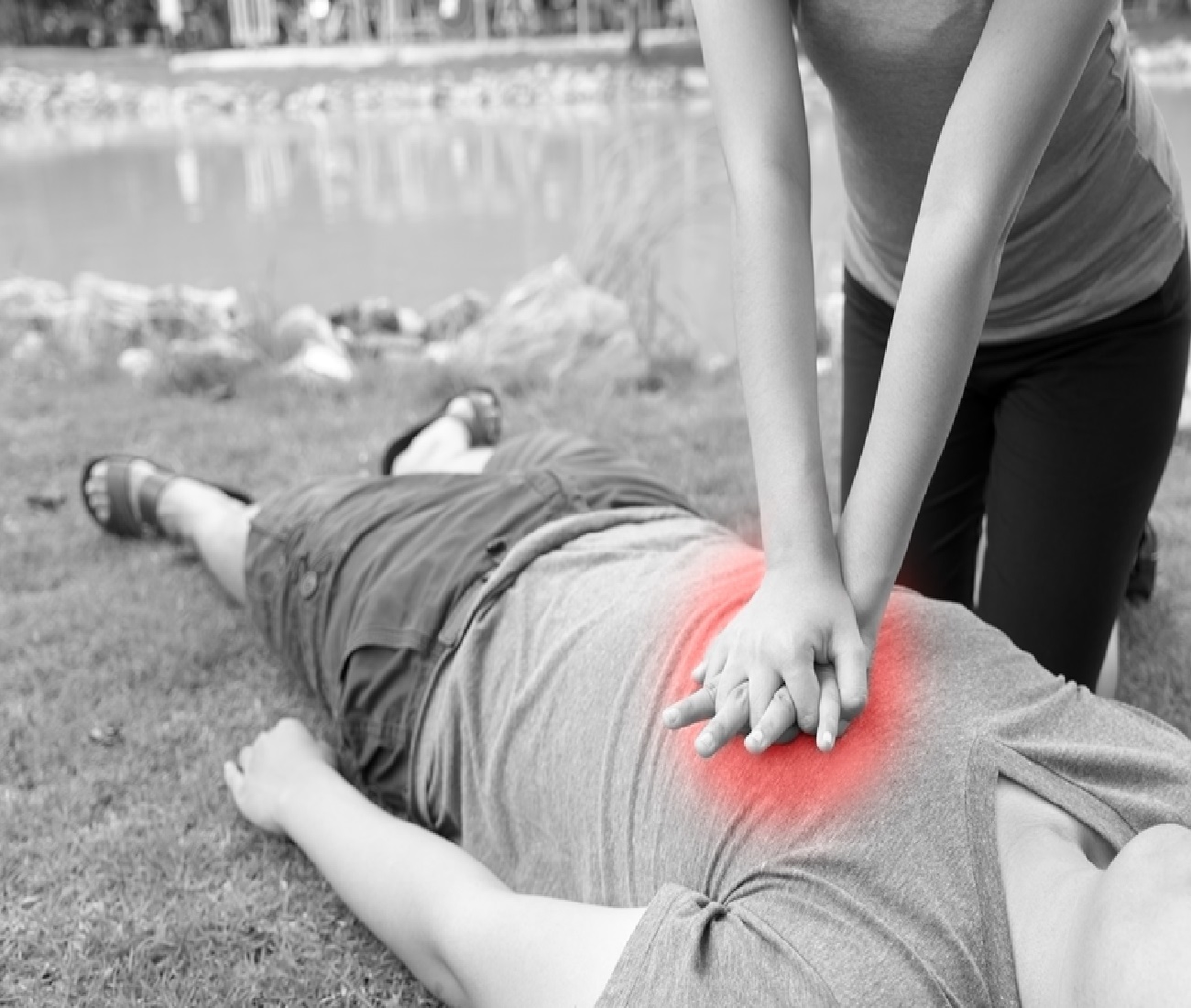
Safety Talk What’s at Stake? If a person suffers from [...]
A first aid program is required for most employers in the U.S. and Canada. The program should be based on the hazards, risks, and proximity to medical services of an individual site, however there are several elements that every program should include.
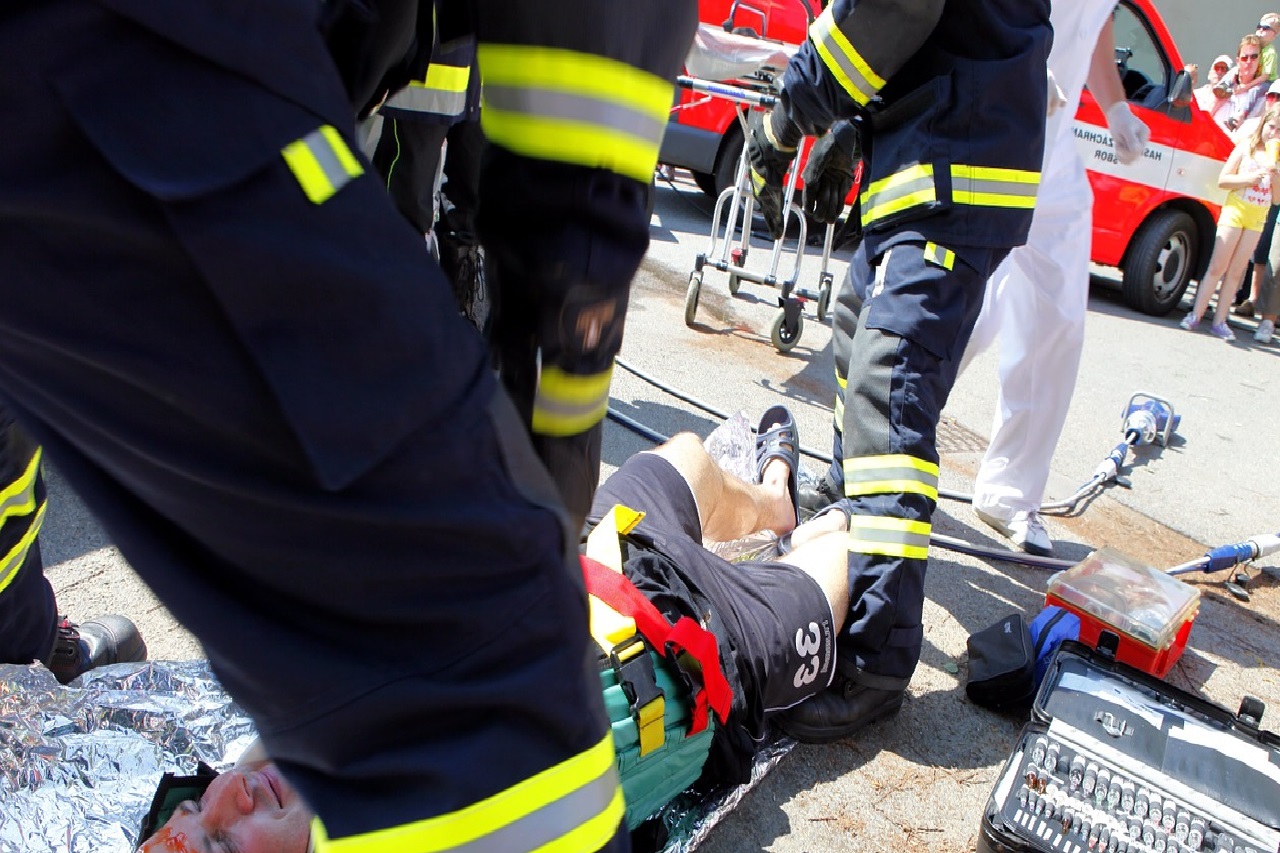
Training your first aid attendants and first responders is a required part of every first aid program. But do you know what exactly should be covered or what training methods to use? Hazards are present at all worksites, from offices to mines. So too are the chances of injuries and illnesses. Sudden cardiac arrest, severe bleeding, shock, a near-drowning, or lack of oxygen during confined space work are all life-threatening emergencies. Without prompt and properly performed first aid a victim of any of these situations will very likely die or be permanently disabled while waiting for emergency services to arrive and begin care.
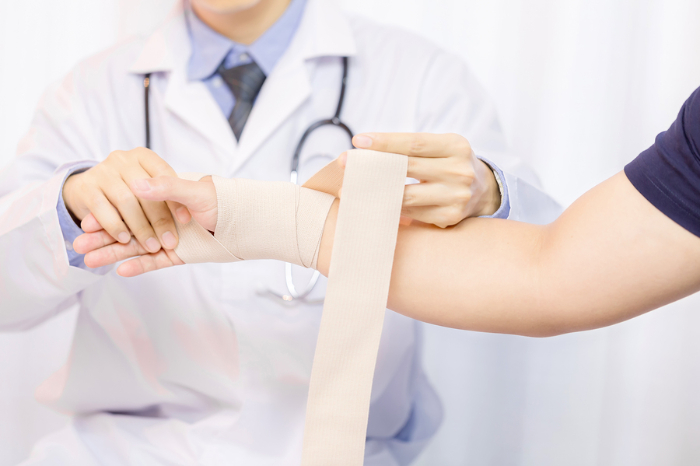
The time to unearth potential problems in your current workplace first aid arrangements is right now—before a medical emergency does it for you. Although first aid requirements can vary - there are FIVE sets of documents to focus on when conducting an audit of your first aid program.
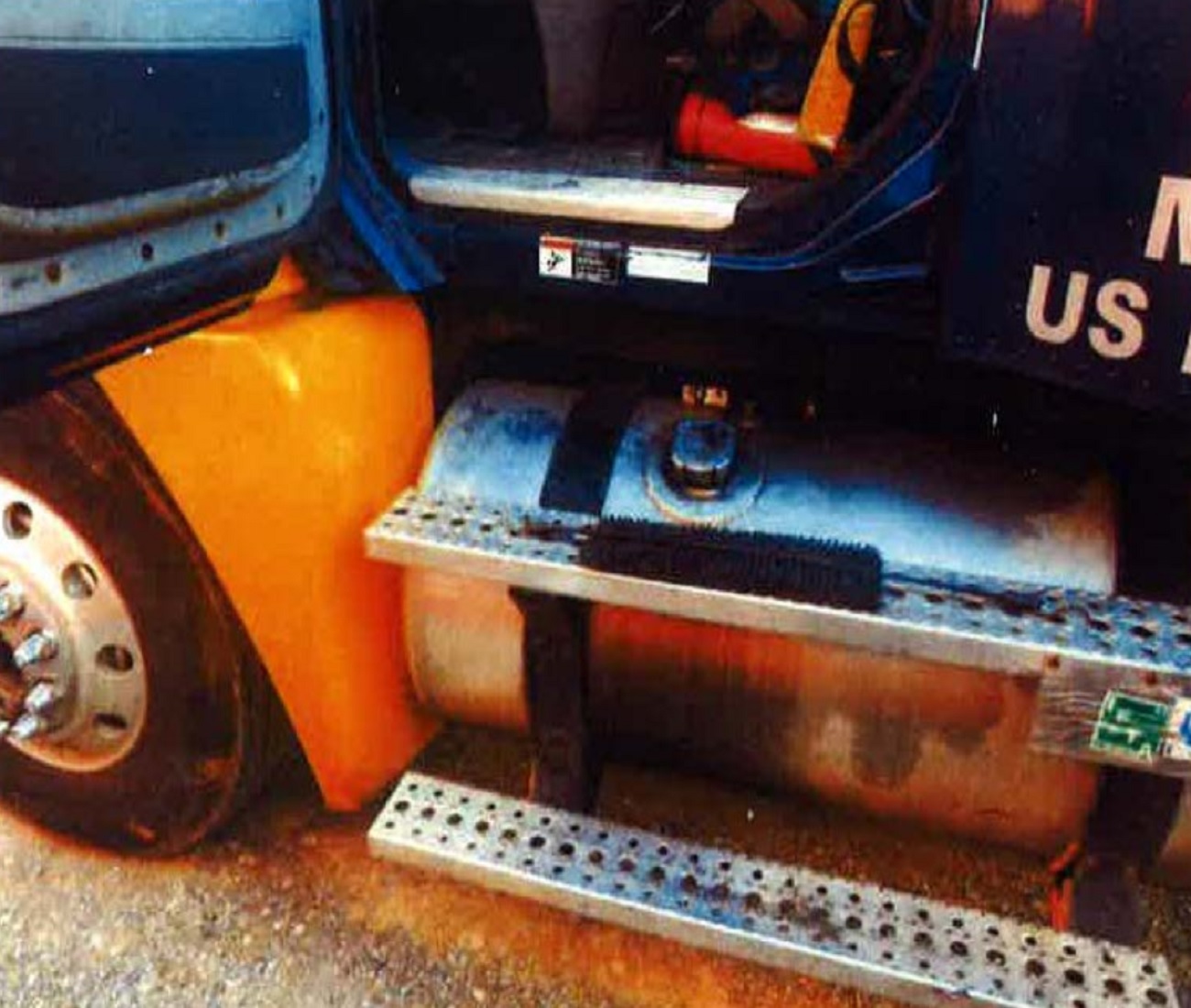
Timely first aid saves lives. As these four fatal incidents show, accidents at work vary greatly in type, cause, and location. The common thread between them is the chance that first aid might have made a difference in how these workers’ stories ended.
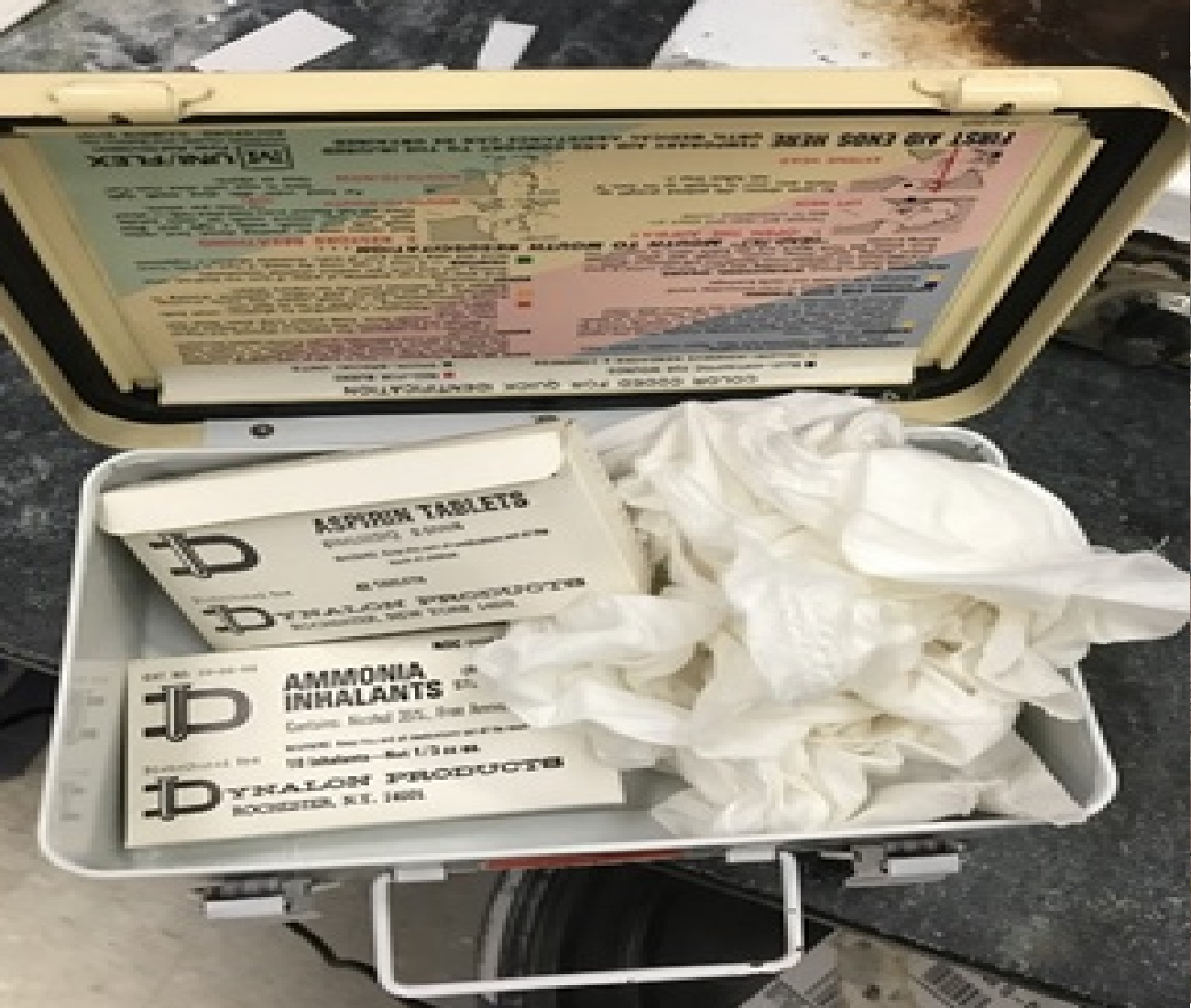
Check out what this worker found when he went to use the first aid kit in his lab after he burned himself.

A human heart can cease beating within 4 minutes after breathing stops. Permanent brain damage can occur within 4 to 6 minutes after breathing stops. Average ambulance response time is 8 to 12 minutes.
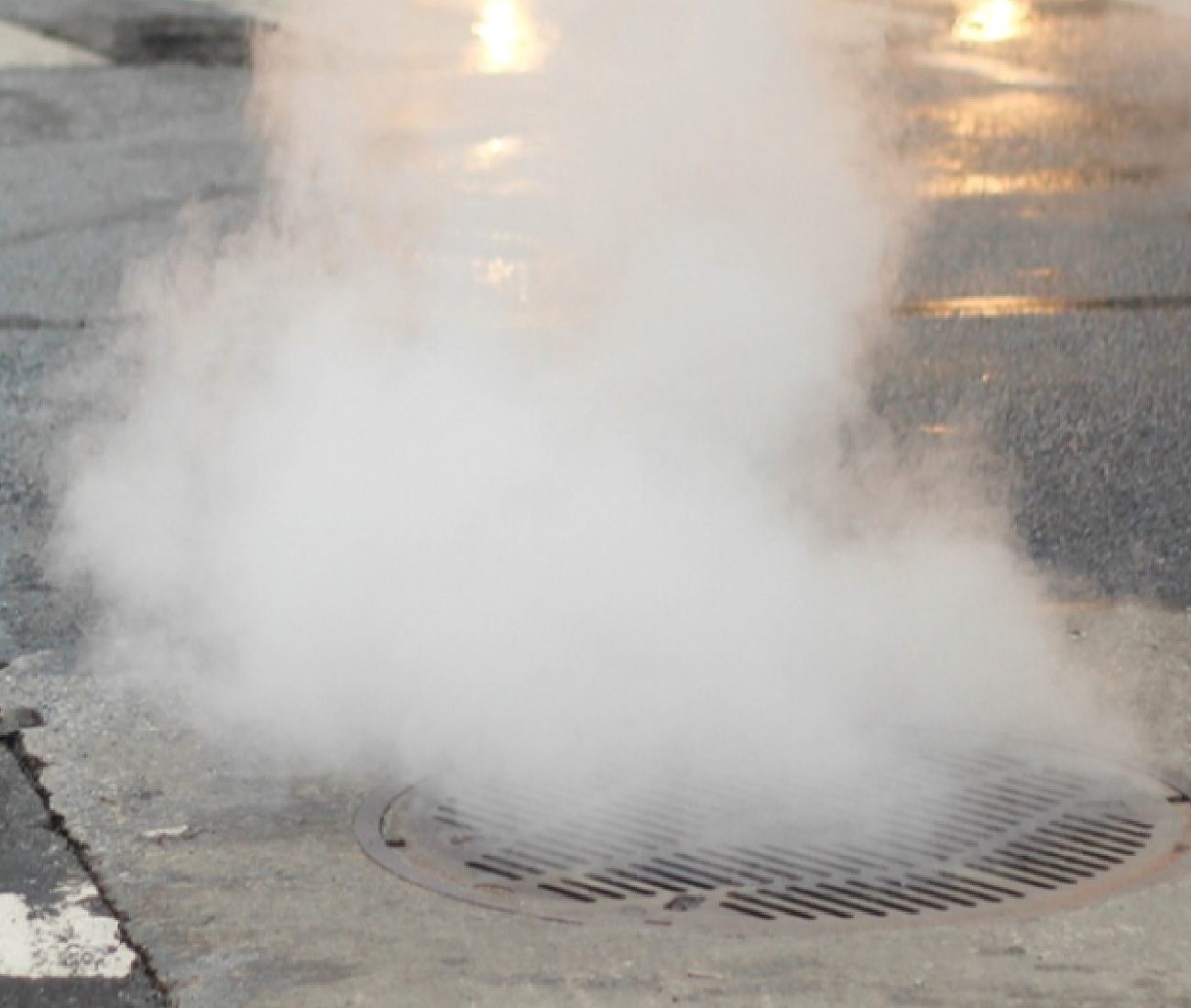
Chemicals can cause burns to eyes, skin, and internally if swallowed or inhaled. Chemical burns can be deceiving with some chemicals causing damage deep within body tissue. The amount of damage a chemical can cause depends on many factors including the chemical, its strength, whether it was inhaled or swallowed and the time it was in contact with body tissues.

Fire, natural disaster, and other emergencies can strike your workplace without warning at any time. While you can’t predict them, you can prepare for them and preparedness save lives, prevent injuries and limits property damage. If that’s not motivation enough, being prepared for workplace emergencies may save your business thousands and even hundreds of thousands in safety fines avoided.
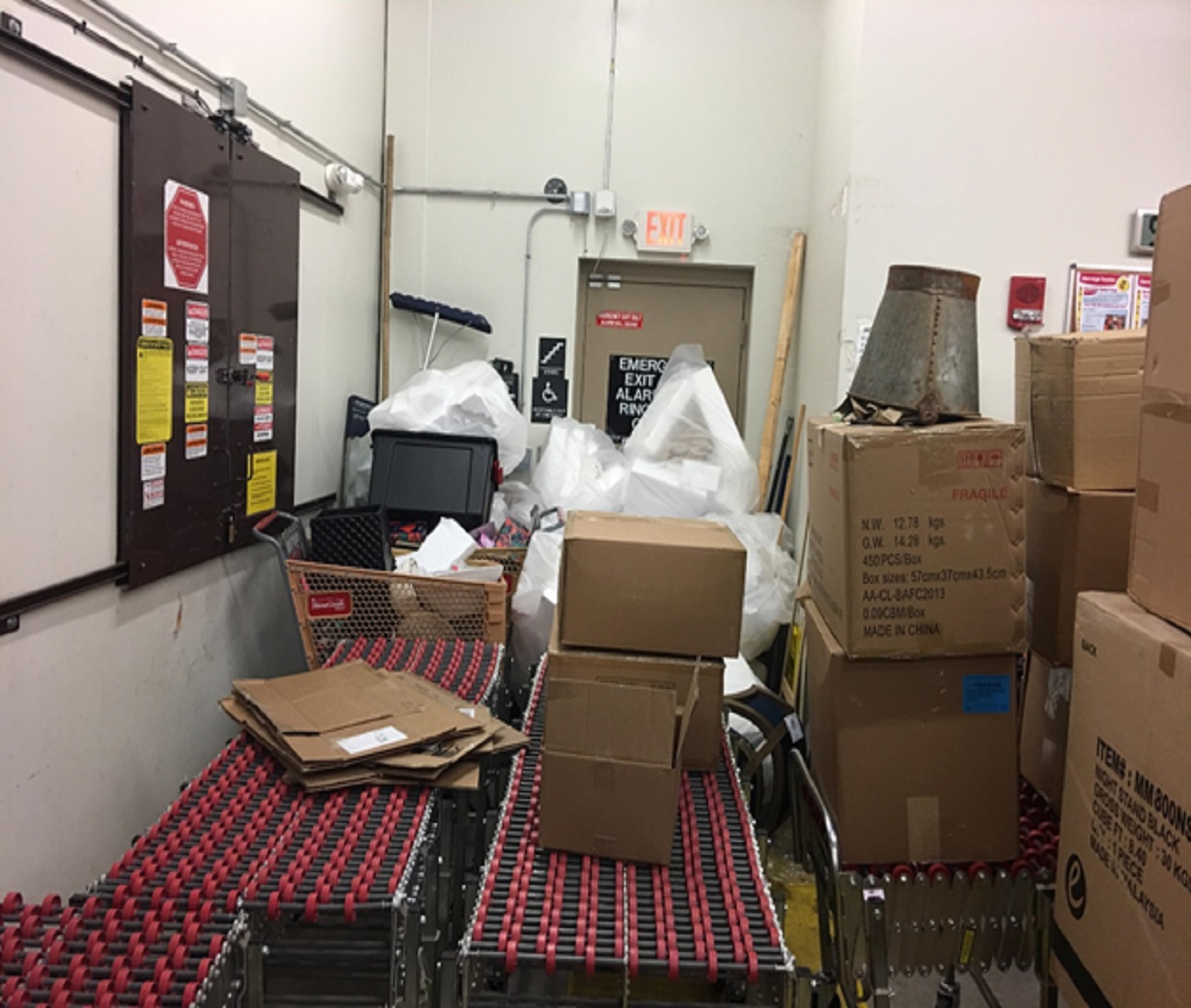
Let’s start with the obvious hazard – a blocked emergency exit. Blocked by conveyors, carts, trash, and cardboard boxes.

Unexpected emergencies occur every day in many facilities, including laboratories, offices, and residential buildings. It might be a fire, flood, earthquake, shooting, tornado, or hazardous chemical spill. If you don’t know what to do during an emergency the odds increase that you or others around you will be injured or killed.
A burn means more than the burning sensation associated with this injury. Burns cause skin damage because the skin cells die. Burns can happen at work and outside of work. In fact, burns are one of the most common household injuries, especially among children.

An electrical burn occurs when skin meets an electrical voltage. It does not always leave a significant burn to the skin, but the electricity can cause significant internal damage to nerves, muscles and internal organs.
Poisoning, accidental or intentional, causes significant harm or death to many US and Canadian people. Poisoning takes many forms as harmful chemicals can be breathed in, swallowed, touched or injected.
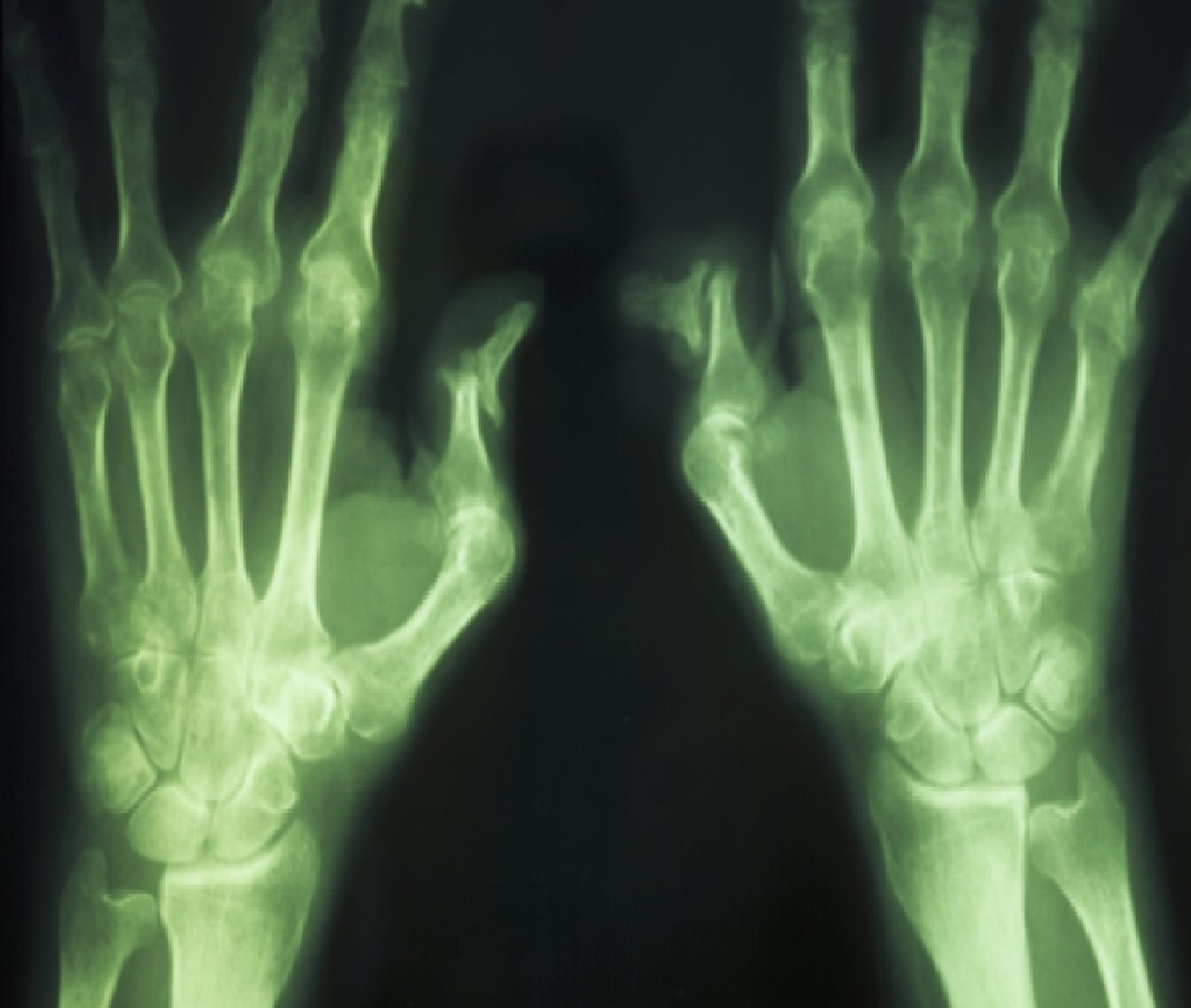
A fracture is the medical term for a broken bone. The break can be along the length of the bone or across the bone, so it looks as though the bone has snapped. These are generally clean breaks but sometimes the bone can fracture in several places, especially if the fracture is caused by a fall from a great height or from being crushed.
Since it's your first time, you may want to checkout some of the video tutorials.


 800-ICW-SAFETY (800.429.7233)
 SAFETYOnDemand@icwgroup.com