
Firearms Manufacturers Under Gun for 50 Alleged Violations
OSHA says inspections initiated by its Hartford, CT, office in [...]

OSHA says inspections initiated by its Hartford, CT, office in [...]

Allegations include 14 instances of failing to correct hazards cited [...]

OSHA has issued citations for numerous alleged hazards relating to [...]

An OSHA inspection resulted in $61,000 in proposed fines. Alleged [...]

OSHA opened a follow-up inspection in January 2009 to verify [...]

Following an inspection, OSHA has proposed $115,000 in penalties against [...]
OSHA has cited 11 repeat violations for alleged infractions including [...]
An operator on a landscape project experienced sneezing, shortness of [...]

A New York building developer was inspected in response to [...]
Following the death of a young worker who was exposed [...]
Over the years, we've learned that the nation's hazardous waste problems cannot be cured by simply burying waste in the land. Treating chemicals prior to land disposal will not necessarily remedy our hazardous waste problems.
(14 Minutes)
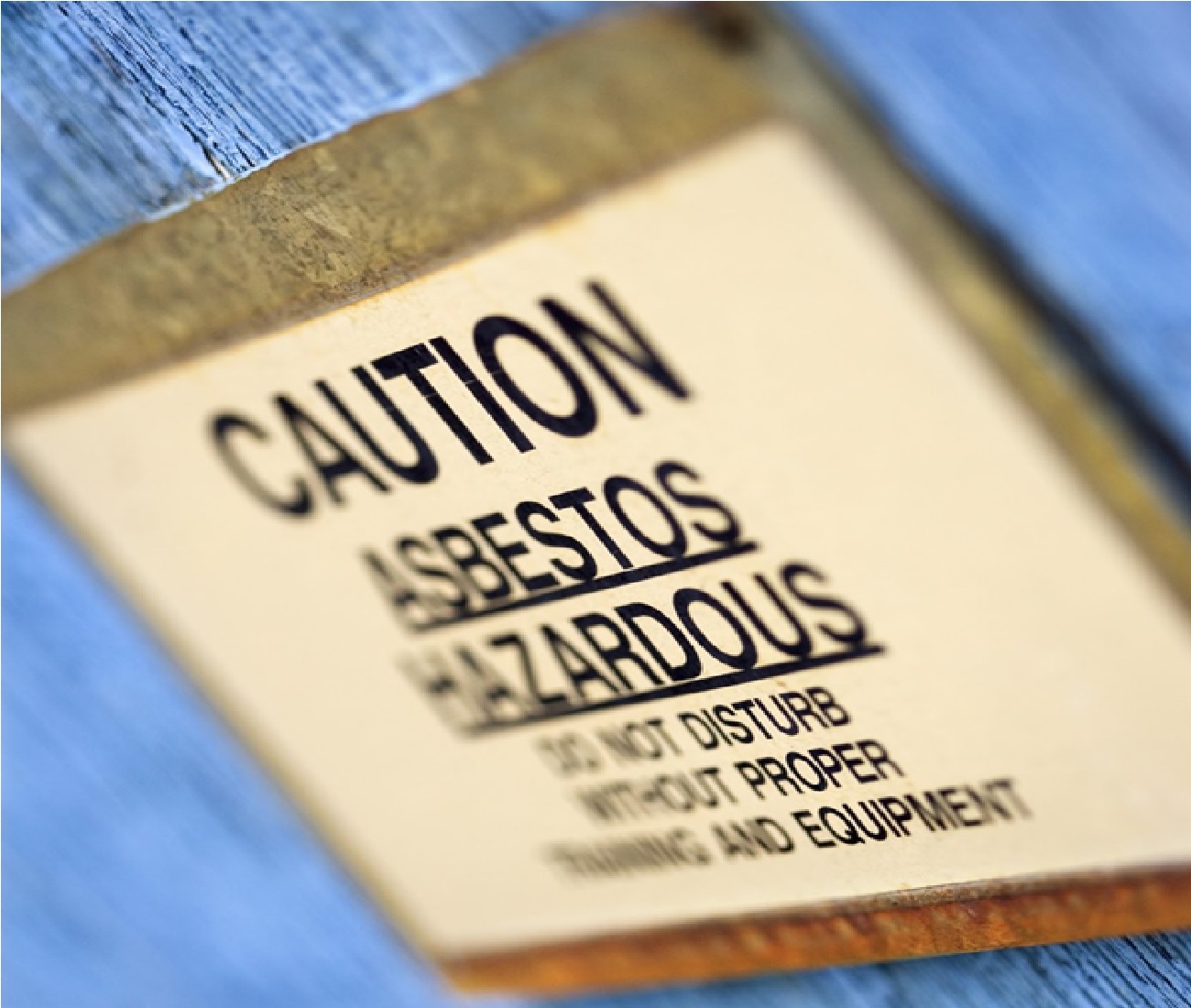
Educates employees about the dangers of working with materials that may contain asbestos.
(22 minutes)

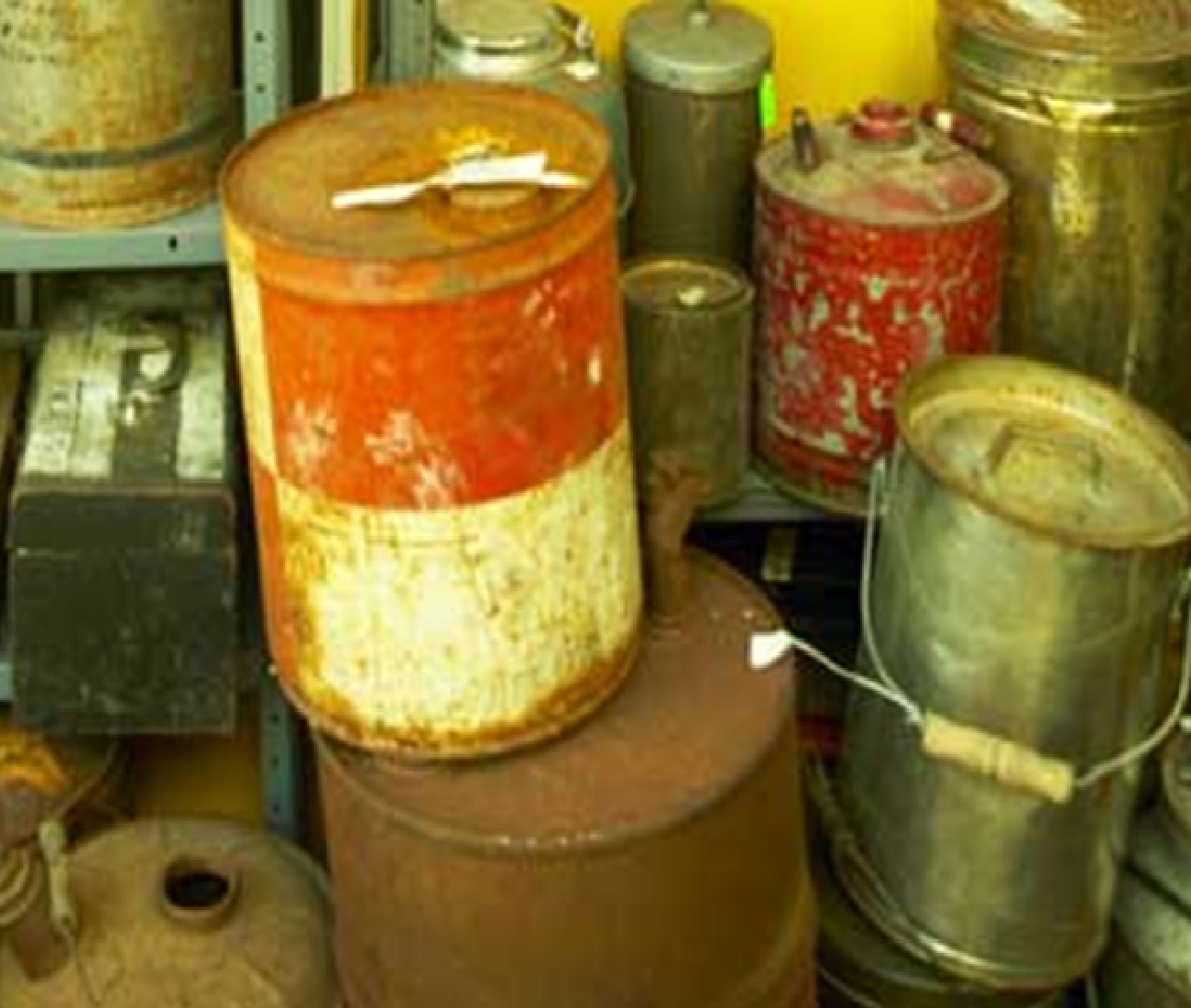
Instruction for employees working with flammable liquids. Defines LEL, UEL, flash points, and other related information. Provides the basics of bonding and grounding.
(9 minutes)
The Globally Harmonized System (GHS) is an international approach to hazard communication, providing agreed criteria for classification of chemical hazards and a standardized approach to label elements and safety data sheets. This program is an explanation of how to comply, without changing your entire HAZCOM program.
This program will teach your employees to recognize and understand the different means of communication used to identify hazardous chemicals including the United Nation’s new Globally Harmonized System. The training program will educate your workers on the physical characteristics and chemical properties communicated in the safety data sheets and on the container labels enabling them to make proper decisions concerning the safe use handling and storage of the substances.
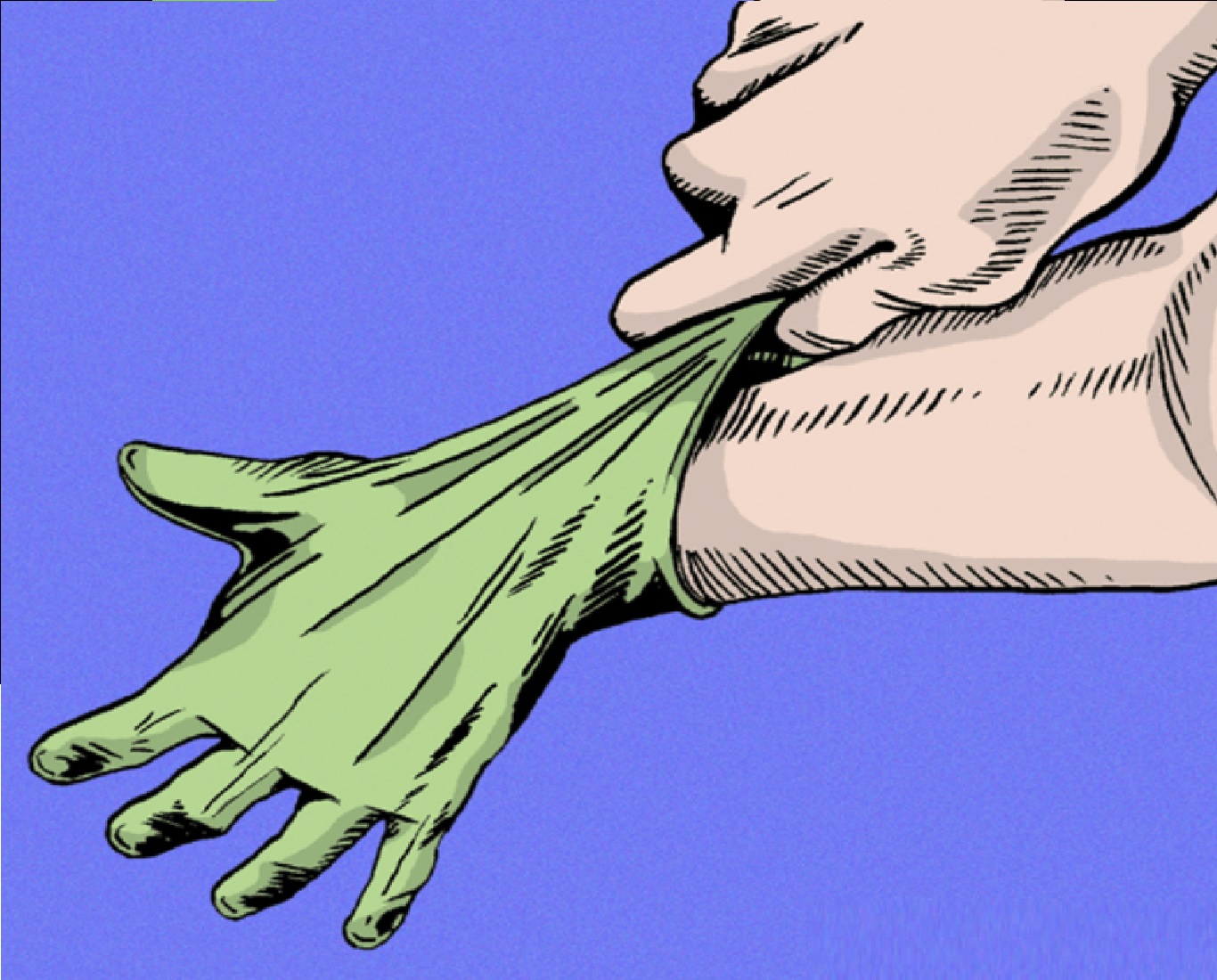
Early signs of these skin problems include dryness, redness and itching. The skin may become swollen, cracked, scaly and thickened. Blisters may develop. How fast a skin reaction develops depends on the strength of the
From soda pop spilled on the breakroom floor at a local factory, to a chemical spill from that same factory that pollutes the river and contaminates your community’s water supply—workplace spills can range from minor inconveniences to major catastrophes.
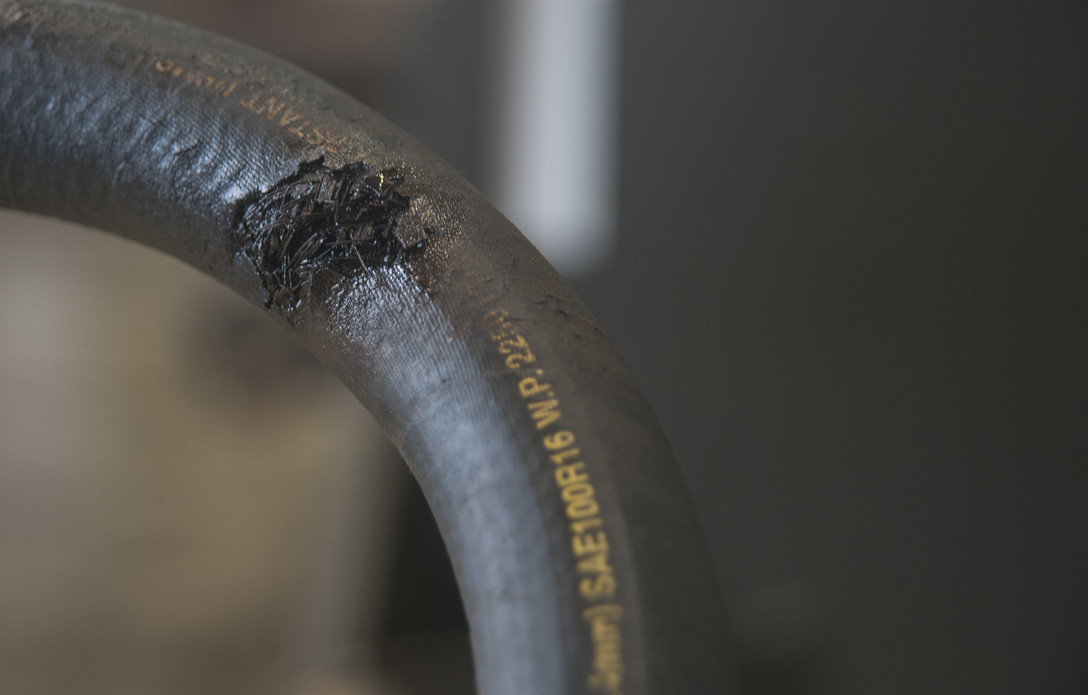
Tools using compressed air can be worth their weight in gold. Handled properly, they save a lot of sweating, grunting and possibly swearing.
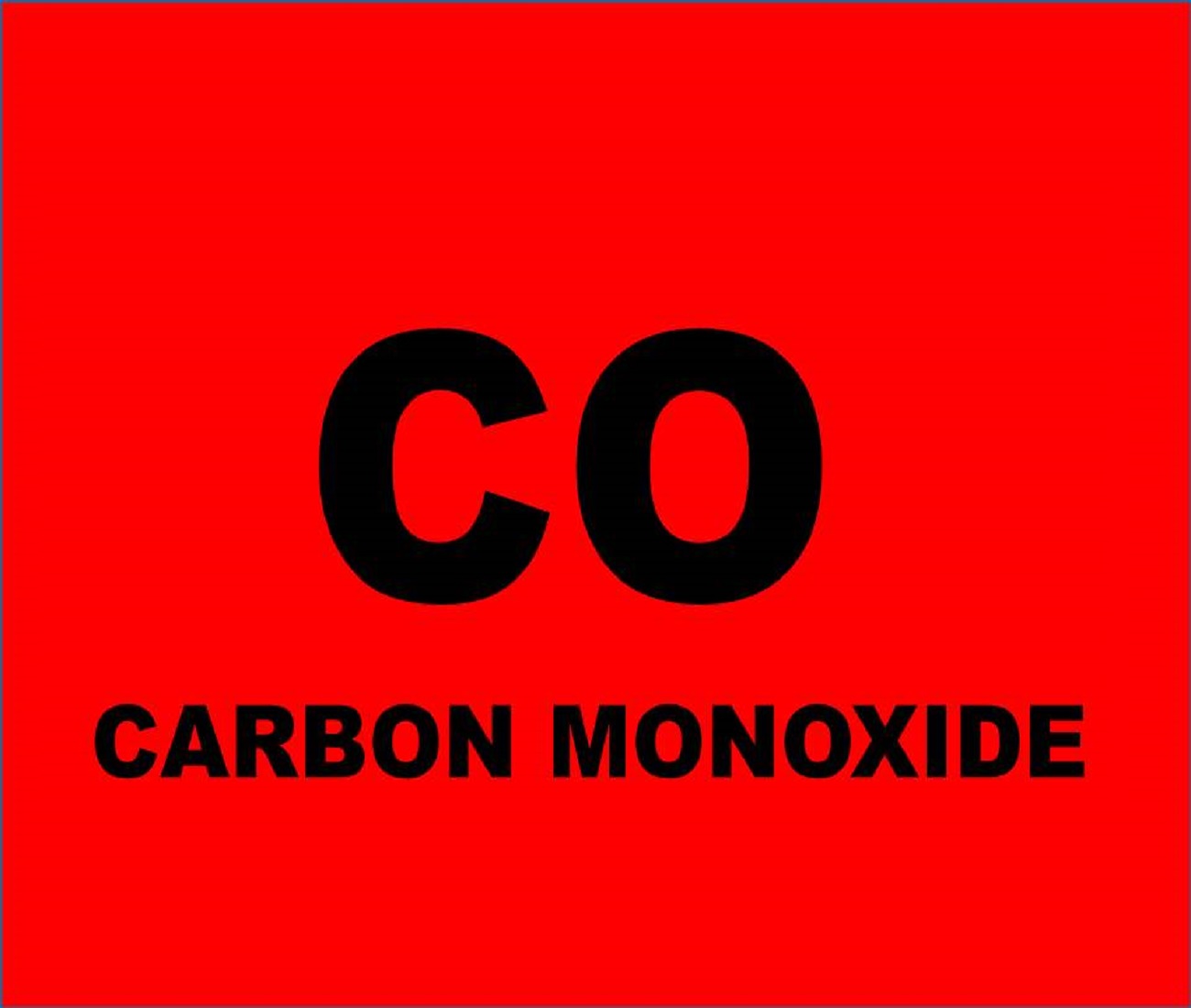
When fuel is burned, carbon monoxide is a byproduct. This gas kills thousands of people at work and at home each year.
A grounds maintenance worker took pride in the corporate landscaping in his care. To keep the green lawns pest-free, he used chemicals freely.
How This Affects You: Nearly 6,000 people every year suffer serious eye injuries from working around batteries. Don't be one of them.
We encounter many potentially dangerous substances at work.
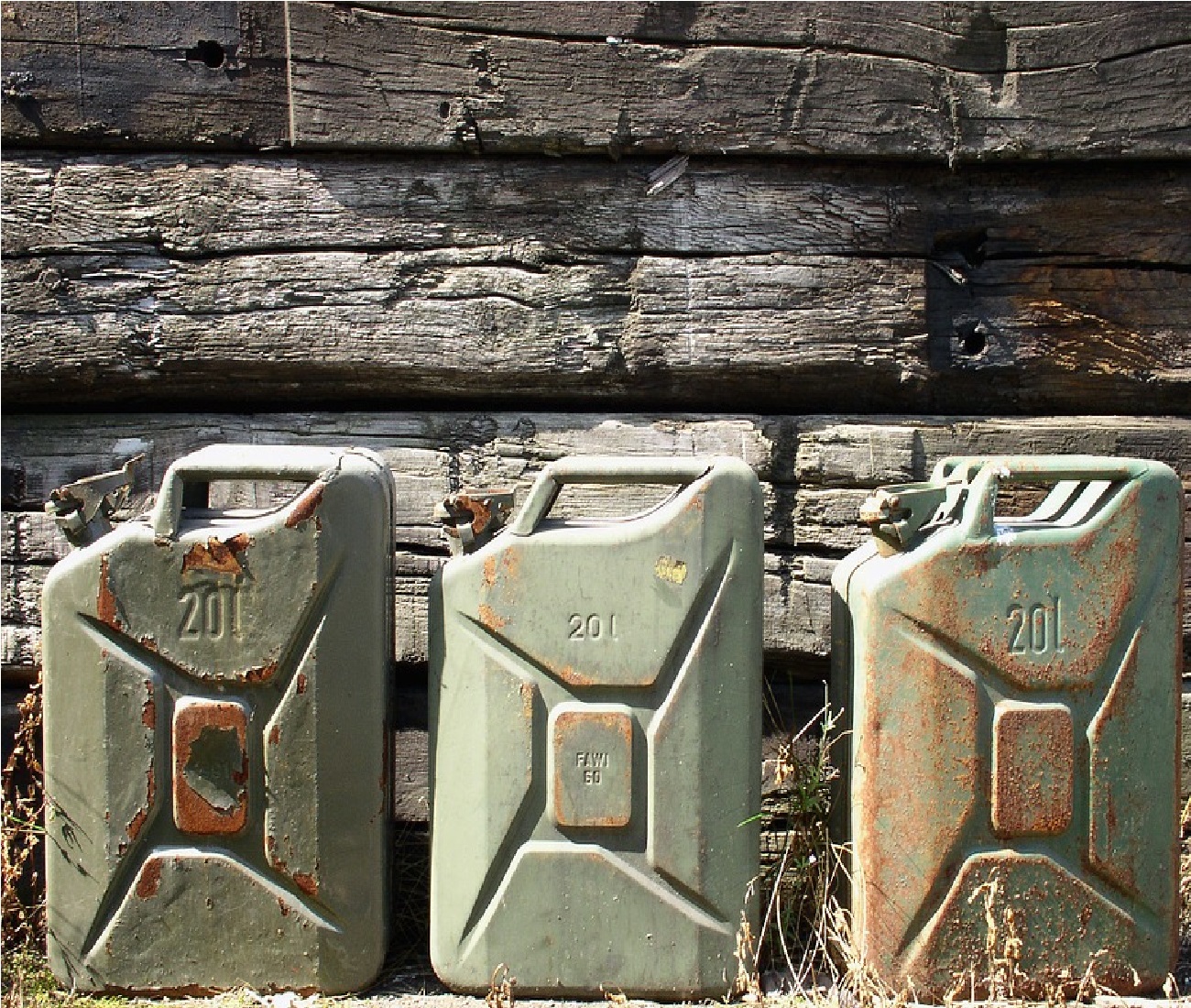
You're steam cleaning the shop floor when you accidentally knock over a 5-gallon can of gasoline near the welding booth. Do you know what to do?

Toxic chemicals are found in almost every home and workplace. In some industries such as chemical processing, they are used in great quantities. But they are also used for small, everyday tasks.

Safety eyewear and face shields can save you from injuries which can lead to blindness. Prompt treatment of eye injuries reduces the risk of permanent damage.
Since it's your first time, you may want to checkout some of the video tutorials.







 800-ICW-SAFETY (800.429.7233)
 SAFETYOnDemand@icwgroup.com