Main Category Group
Is Your Work Killing You?
“Workplace stress is bad for your heart,” says Michael Miller, MD, director of the Center for Preventive Cardiology at the University of Maryland School of Medicine and author of Heal Your Heart.
Main Category Group
“Workplace stress is bad for your heart,” says Michael Miller, MD, director of the Center for Preventive Cardiology at the University of Maryland School of Medicine and author of Heal Your Heart.
A stroke is a blood clot preventing your brain from getting the blood it requires. The important thing is what you do if stroke symptoms happen; the sooner the treatment, the less chance of serious damage to the brain and less chance of permanent disability.
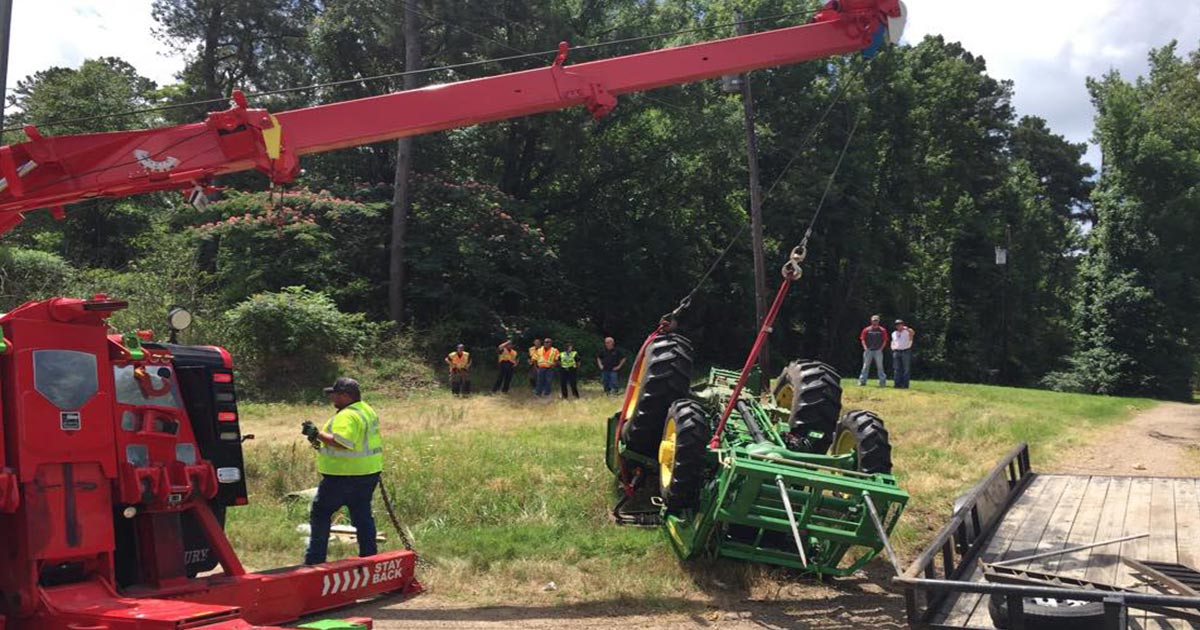
Share, review, and discuss these heavy equipment safety tips with your equipment operators to reduce the chances of an incident.
Materials handling is an essential task in any industry and covers everything from moving steel pipes by crane to manually hauling bags of concrete. Whatever your workers are moving or assembling, this common task also involves some of the most common costly injuries.
Every now and then you will come face-to-face with a new piece of equipment or new machine at work, or something slightly different from what we are trained on and used to using. The areas for potential problems will vary significantly with the equipment involved, but usually a few basic rules apply.

Stress – everyone has it. It is a natural part of life, but too much stress can cause health problems and can affect your ability to work safely. It’s becoming increasingly difficult to disconnect and unwind in our 24/7/365 world of news, noise, and responsibilities.
Complete this checklist prior to use of heavy equipment. Distribute the checklist to the supervisor and heavy equipment operator. You can edit this list to better suit your specific situation.
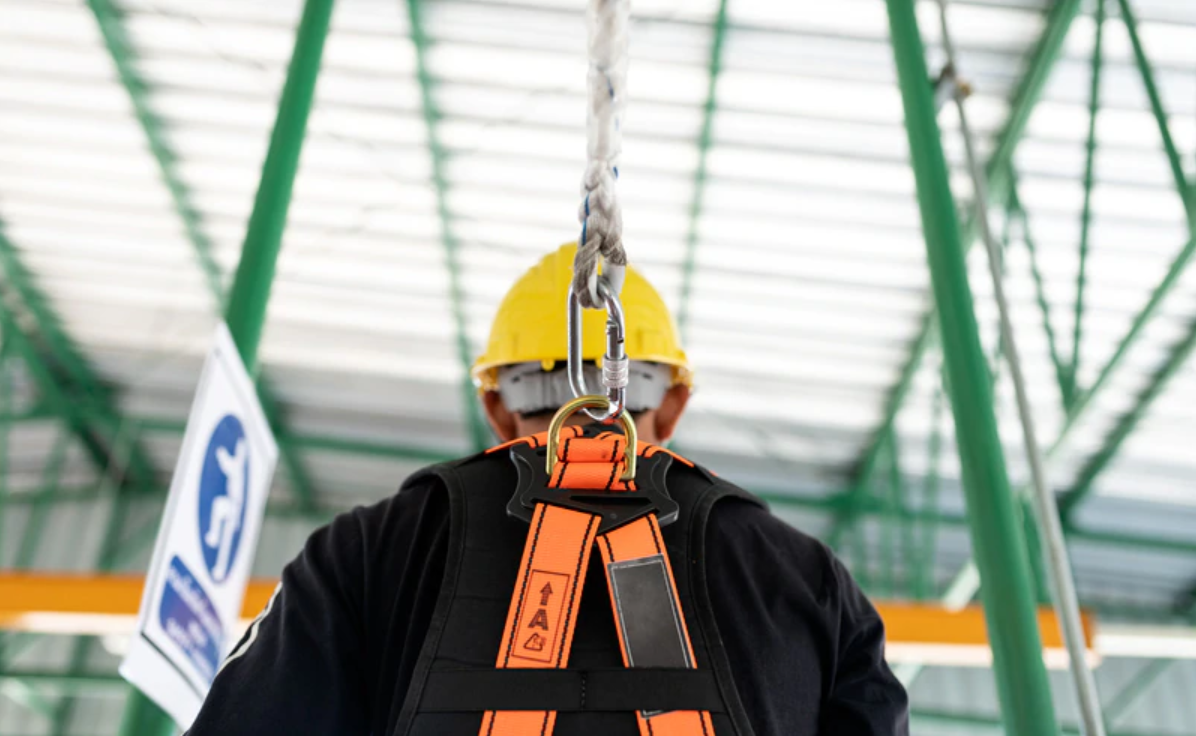
A 45-year-old owner of an electrical contracting company died after falling 9 feet to the road when the articulating boom of the aerial lift truck he was working from collapsed.
How close is too close when it comes to power lines?

Are you considering the following heavy-equipment-related hazards and safe work practices in your heavy equipment policies and programs? Whether you’re creating a policy for the first time or reviewing and updating existing policies and procedures, use these recommendations as a guide for heavy equipment safety.
The overwhelming majority of health-related productivity losses occur on the job from reduced performance by employees who show up for work not feeling their best. This is commonly known as presenteeism. The implications and costs of presenteeism are enormous and can be highly disruptive. Integrating wellness strategies into a safety program can help combat the effects. Here’s a 4-step model by the Canadian Mental Health Association, Manitoba Division (Manitoba Model) to consider.

March 27th, 2019 | One of the most powerful protections for employees under the Occupational Health and Safety Act is the right to refuse unsafe work. While the right to refuse unsafe work has proven to be an essential element of safeguarding workplace safety, it has also been improperly used as a tool for other, non-safety related ends by employees and organized labour. Employers must navigate these treacherous waters, ensuring that legitimate work refusals are dealt with appropriately, while preventing abuse of this significant power.
Those fabulous machines eat snow for breakfast, lunch and dinner. Unfortunately, they can also chew the operator up if you’re not careful.

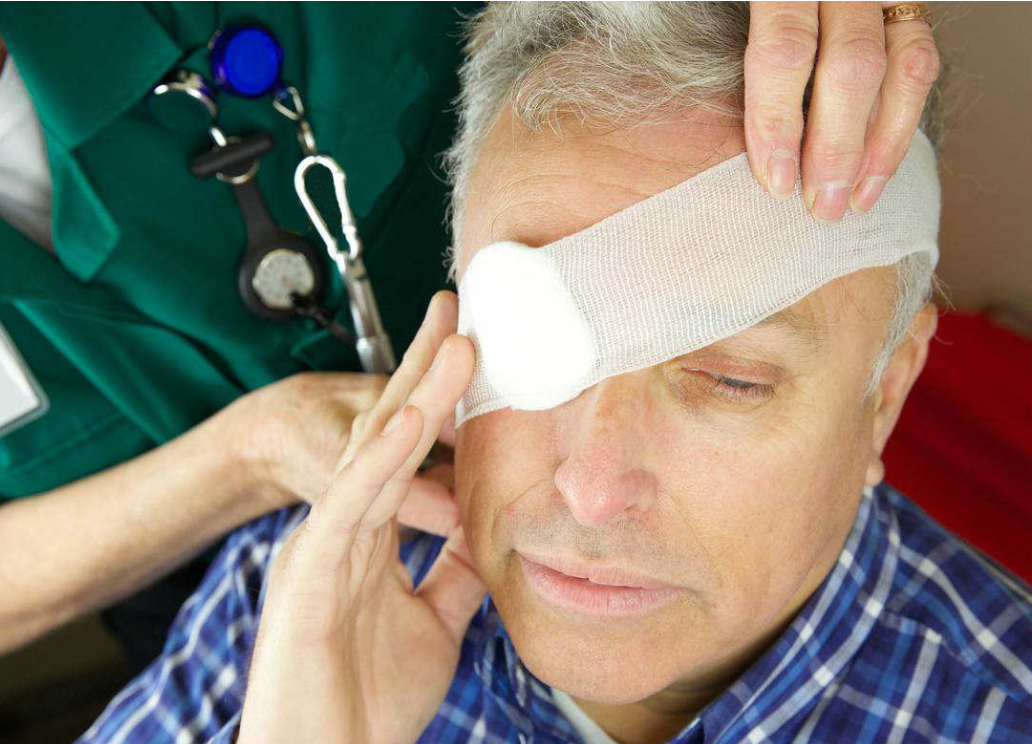
Hearing damage, and the symptoms can take time to develop. You are likely to be exposed to different types and levels of noise during you work day.
Developed by Oregon Nurses Association, Bay Area Hospital, and The [...]
Ten things to consider if you are responsible for the safety of lone workers.
Three workers were using solvent to refinish an elevator interior. One of the solvent-soaked rags was ignited by either a spark from a light fixture panel or a worker's rag brushed against one of the recessed lights in the roof of the elevator, shattering the bulb and igniting the rag. The worker dropped the rag on the floor to try and extinguish the flame but the accumulated fumes of the cleaner ignited and the entire cab became filled with flames. Trapping the workers inside the elevator.
Complete this checklist before an employee is set to work alone. Distribute the checklist to the supervisor in charge of the lone worker and to the lone worker. These items are minimum requirements to be met before the work begins. You can edit this list to better suit your specific situation.

There are several unsafe conditions in this image that could be harmful to any worker, but especially for a lone worker. Use the Picture This to spark discussion about the hazards of working alone and the precautions and procedures your organization has in place to protect lone workers.
The Mine Safety and Health Administration has issued a Fatal Accidents Alert in response to the deaths of two miners that occurred within 24 hours of each other. Both fatalities involved miners working alone in restricted areas with hazardous conditions.
Many of the procedures and precautions taken for general employee safety and health are applicable and necessary for those employees who work alone. However, as a supervisor you do need to take into consideration additional factors for lone workers.
Working alone can expose workers to hazards and dangers that aren’t found in other types of work settings. Prepare your workers through well-thought-out policies, communication plans, and knowledge on what to do in different situations. Share these 10 tips with workers and adjust as your situation calls for.

An Injury and Illness Prevention Program can help you save lives, save money, and comply with regulations.
The most recent work-related fatality information reinforces the need for an ongoing focus on incident prevention.
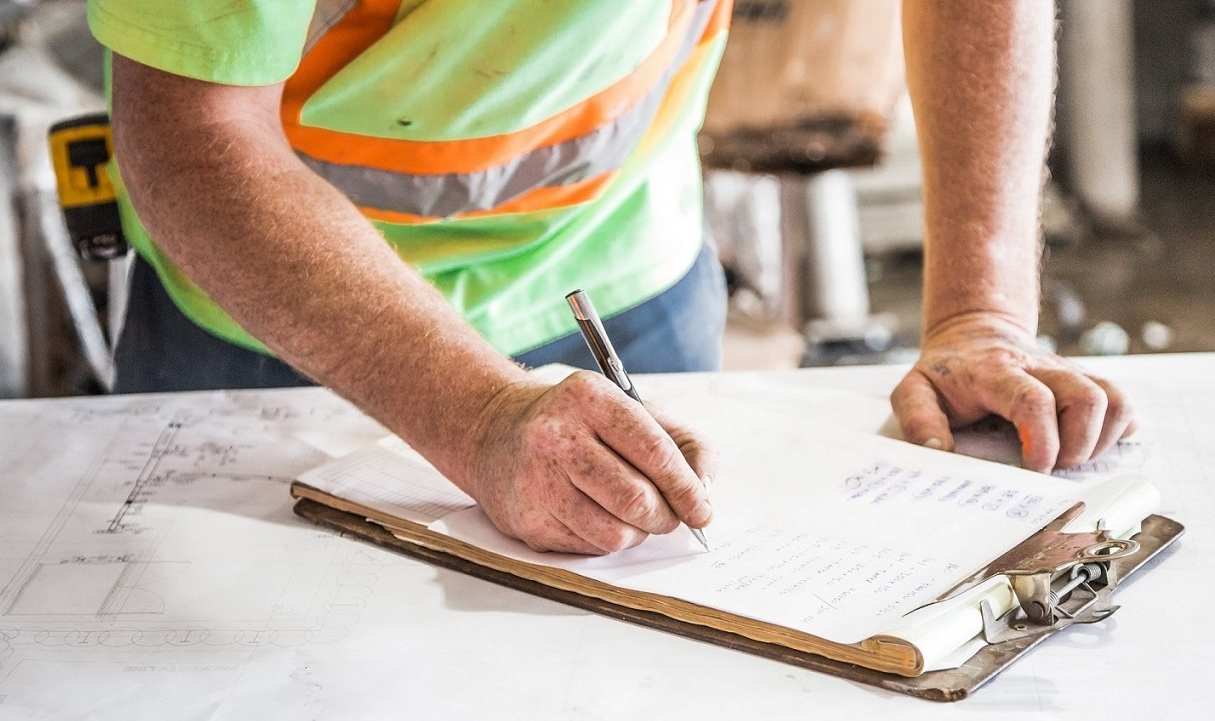
The hazards you and your workers are up against depend on factors such as the type of job, how it’s done, and the environment in which it’s carried out. As a supervisor part of your responsibility lies in identifying exposure to hazards and finding ways to protect workers from them. One of the best ways to do this is by conducting hazard and risk assessments.