
Main Category Group

By the Numbers: 10 Equipment Safety Tips
Share, review, and discuss these heavy equipment safety tips with your equipment operators to reduce the chances of an incident.
Main Category Group
Share, review, and discuss these heavy equipment safety tips with your equipment operators to reduce the chances of an incident.
Materials handling is an essential task in any industry and covers everything from moving steel pipes by crane to manually hauling bags of concrete. Whatever your workers are moving or assembling, this common task also involves some of the most common costly injuries.
The overwhelming majority of health-related productivity losses occur on the job from reduced performance by employees who show up for work not feeling their best. This is commonly known as presenteeism. The implications and costs of presenteeism are enormous and can be highly disruptive. Integrating wellness strategies into a safety program can help combat the effects. Here’s a 4-step model by the Canadian Mental Health Association, Manitoba Division (Manitoba Model) to consider.

March 27th, 2019 | One of the most powerful protections for employees under the Occupational Health and Safety Act is the right to refuse unsafe work. While the right to refuse unsafe work has proven to be an essential element of safeguarding workplace safety, it has also been improperly used as a tool for other, non-safety related ends by employees and organized labour. Employers must navigate these treacherous waters, ensuring that legitimate work refusals are dealt with appropriately, while preventing abuse of this significant power.
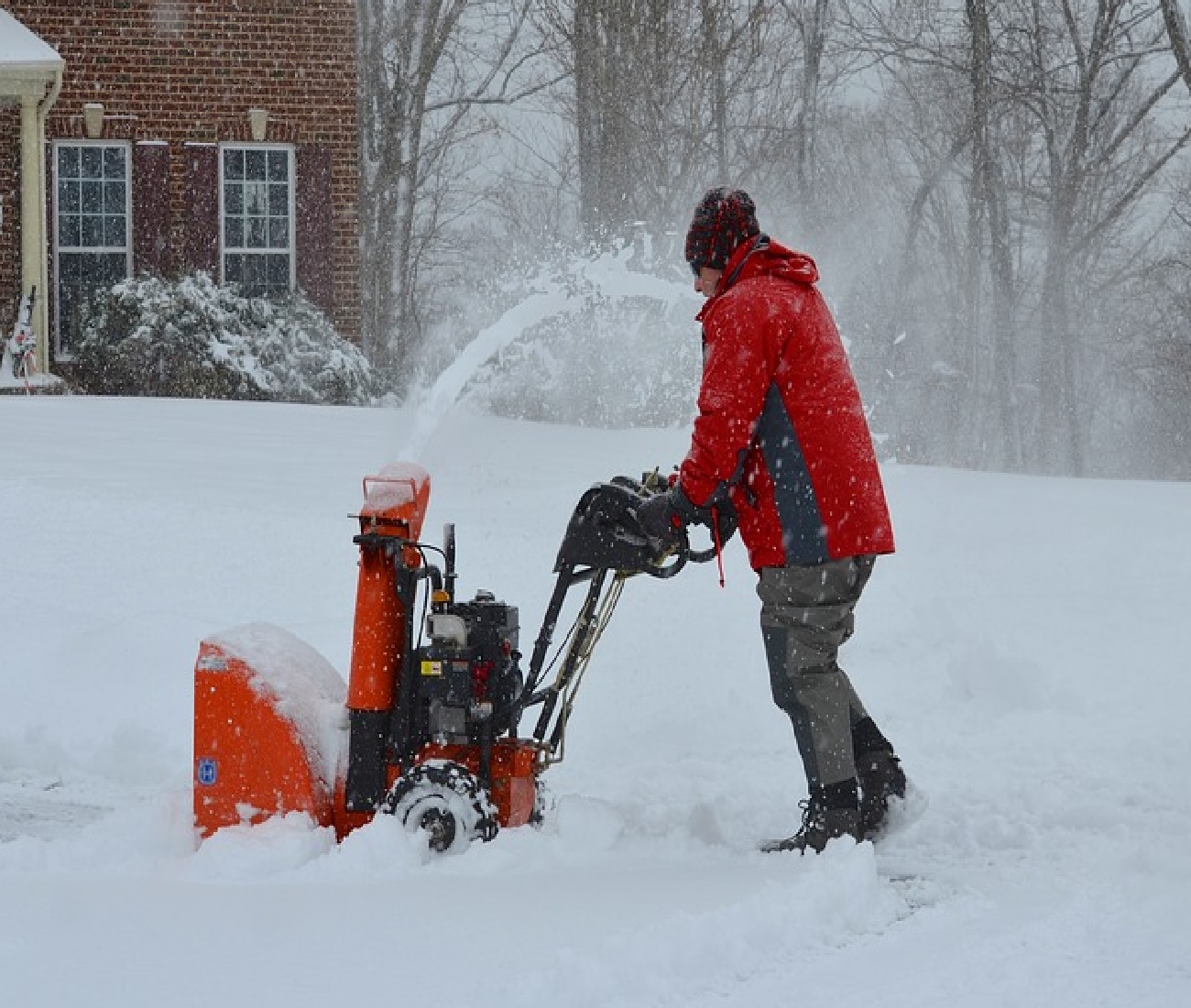
Those fabulous machines eat snow for breakfast, lunch and dinner. Unfortunately, they can also chew the operator up if you’re not careful.

Hearing damage, and the symptoms can take time to develop. You are likely to be exposed to different types and levels of noise during you work day.
Developed by Oregon Nurses Association, Bay Area Hospital, and The [...]
Three workers were using solvent to refinish an elevator interior. One of the solvent-soaked rags was ignited by either a spark from a light fixture panel or a worker's rag brushed against one of the recessed lights in the roof of the elevator, shattering the bulb and igniting the rag. The worker dropped the rag on the floor to try and extinguish the flame but the accumulated fumes of the cleaner ignited and the entire cab became filled with flames. Trapping the workers inside the elevator.
Ten things to consider if you are responsible for the safety of lone workers.
The hazards you and your workers are up against depend on factors such as the type of job, how it’s done, and the environment in which it’s carried out. As a supervisor part of your responsibility lies in identifying exposure to hazards and finding ways to protect workers from them. One of the best ways to do this is by conducting hazard and risk assessments.
Do you know the six elements of a successful hazard control plan? Here’s a hint…an effective hazard control plan involves worker input; reduces or removes hazards; and minimizes or eliminates risk.
Working alone means working where you cannot be seen or heard by another person and where you cannot expect a visit from another person. While not an ideal situation, sometimes it is necessary. In occupations as diverse as a home care nurse, security guard, property manager, plant attendant, taxi driver, custodian, logger, ranch hand, retail clerk and oil field mechanic, sometimes must work alone.
Use this Picture This as a tool to train and inform workers on injury prevention. Show them the image and ask them: Pretend you’re the supervisor who instructed this chap to do this work. First, think about how you would have set him up to be safe. Second, what would your reaction be if you pulled up to this scene and saw how the work was being performed. Then discuss their feedback and cover anything they might have missed.
Complete this checklist before an employee is set to work alone. Distribute the checklist to the supervisor in charge of the lone worker and to the lone worker. These items are minimum requirements to be met before the work begins. You can edit this list to better suit your specific situation.
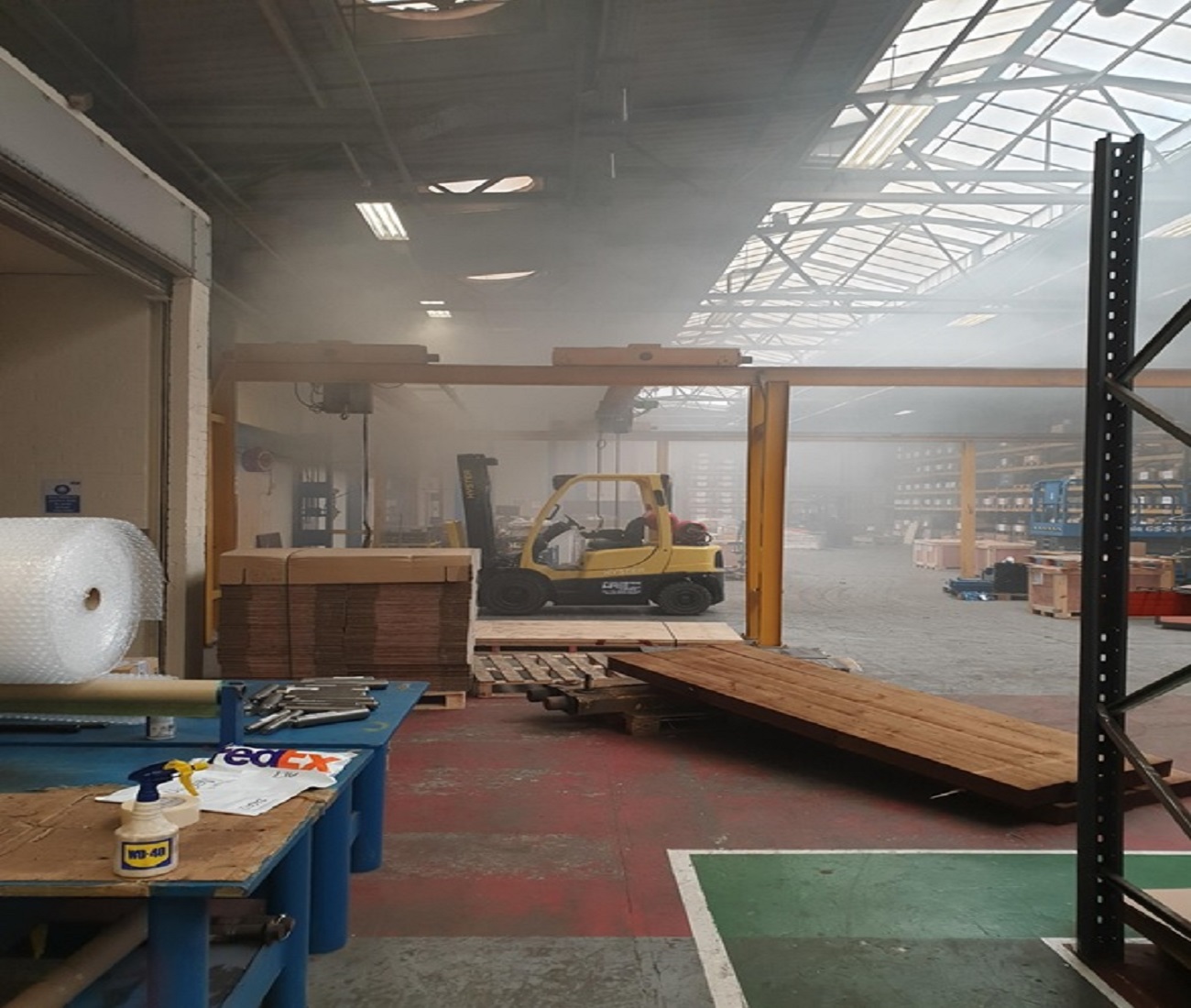
There are several unsafe conditions in this image that could be harmful to any worker, but especially for a lone worker. Use the Picture This to spark discussion about the hazards of working alone and the precautions and procedures your organization has in place to protect lone workers.
The Mine Safety and Health Administration has issued a Fatal Accidents Alert in response to the deaths of two miners that occurred within 24 hours of each other. Both fatalities involved miners working alone in restricted areas with hazardous conditions.
Many of the procedures and precautions taken for general employee safety and health are applicable and necessary for those employees who work alone. However, as a supervisor you do need to take into consideration additional factors for lone workers.
Working alone can expose workers to hazards and dangers that aren’t found in other types of work settings. Prepare your workers through well-thought-out policies, communication plans, and knowledge on what to do in different situations. Share these 10 tips with workers and adjust as your situation calls for.

An Injury and Illness Prevention Program can help you save lives, save money, and comply with regulations.

The freedom of working alone sounds like a dream job for many, but the downside is there’s nobody around to help you if something goes wrong. Social workers, home care nurses, custodians, security guards and late-night convenience store clerks all face hazards from working solo. People might not be able to hear your calls for help and come to your rescue when you work alone.
The most recent work-related fatality information reinforces the need for an ongoing focus on incident prevention.
There is a direct link between the profitability of your business and your manager’s focus on what is important - the quality and quantity of time they spend actively planning, communicating and following up on the key drivers of profit - but the odds are against you.
CEO’s that identify, recognize, and attack the business constraint win – but they can’t do it themselves. In a survey of 1,000 qualified, intelligent and hard-working managers, only 10% could accurately identify and describe the constraints in their business.
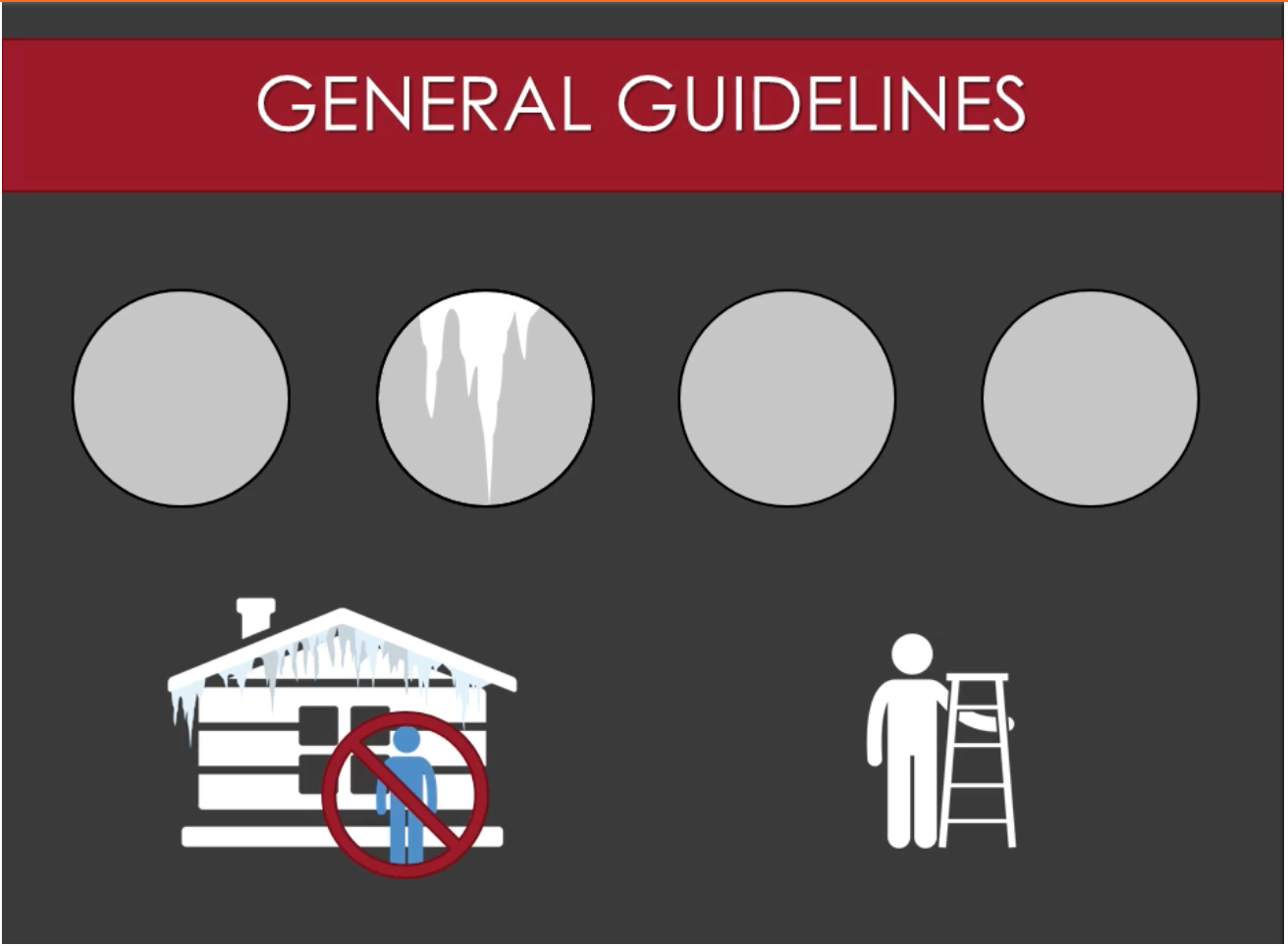
This video is the perfect way to introduce new employees to general occupational hazards to which they may be exposed and to re-train experienced workers. Program includes basic safety rules, electrical hazards, powered equipment and machinery, back injury prevention, fire protection and more.
Tuberculosis (TB) is a serious and infectious condition that can affect different parts of the body but is most commonly considered to be a disease of the lungs. People often develop TB if their immune system is lowered due to conditions such as aging, major illness, and surgery.
Since it's your first time, you may want to checkout some of the video tutorials.
















 800-ICW-SAFETY (800.429.7233)
 SAFETYOnDemand@icwgroup.com