Hello, Guest!

Hello, Guest!

Hazard Communications – (17 min)

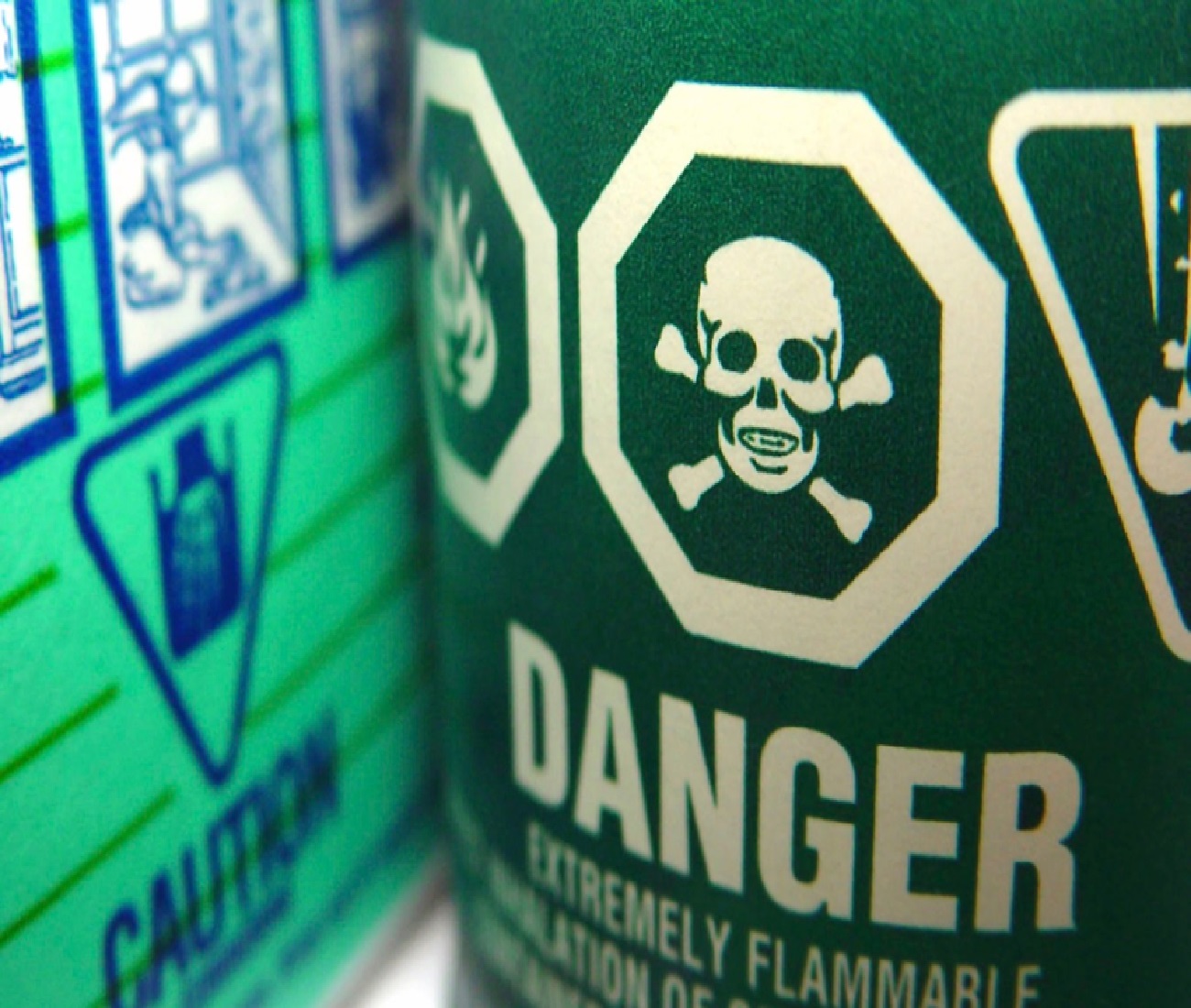
In today's litigious society, we begin to take cautions, warnings and disclaimers from manufacturers' with a touch of skepticism or disregard. When it comes to hazardous chemicals in the work place, words, colors and symbols mean something. Not only is it your workers' right, it is their responsibility to know what they mean. This program will teach your employees to recognize and understand the different means of communication used to identify hazardous chemicals including the United Nation's new Globally Harmonized System. The training program will educate your workers on the physical characteristics and chemical properties communicated in the material safety data sheets and on the container labels enabling them to make proper decisions concerning the safe use handling and storage of the substances. The program covers the purpose and role of hazard communication, the different classification of chemicals and their hazards, the primary forms of communication, and best practices and procedures to ensure their safety and health. Chemicals are an intricate and valuable part of our life. When respected and handled properly, they pose minimum risk our safety and health. Knowledge is a valuable safety tool. Not only is it your workers' right to know, it is their responsibility to use it to protect their safety and that of their co-workers.

Hazard Communications – (17 min)2018-10-01T00:00:00+00:00

Picture This: Not So Great Moments in Hole Covers

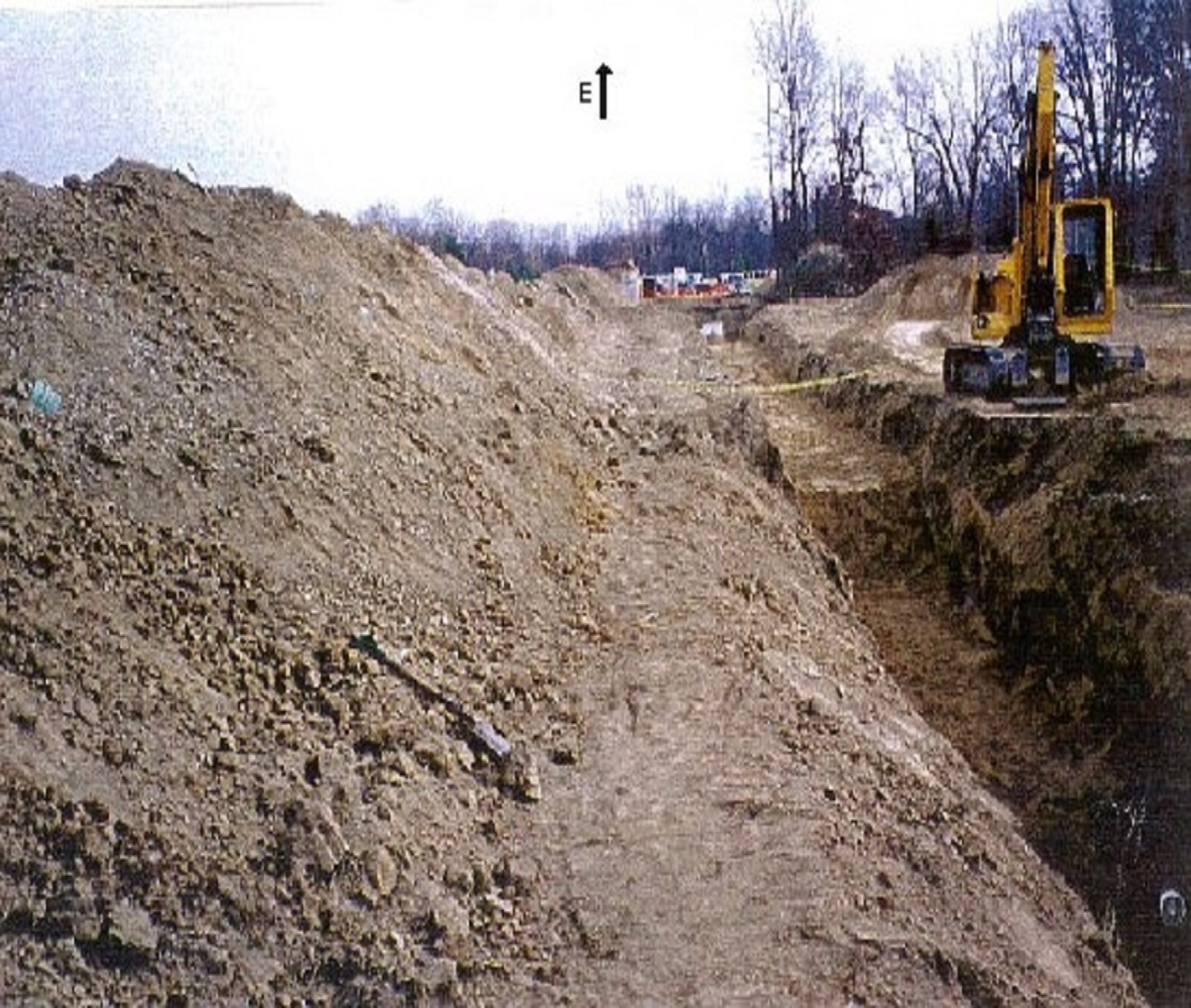
There are some obvious hazards in this picture, yet it’s still a good tool for training and learning. Share this image with your crew and see how many hazards they spot. Then discuss why they are hazardous, how these hazards can be corrected, and what they would do if they were asked to work in this excavation.

Picture This: Not So Great Moments in Hole Covers2018-09-26T00:00:00+00:00

Protecting Against Blood and Other Potentially Infectious Materials – Healthcare

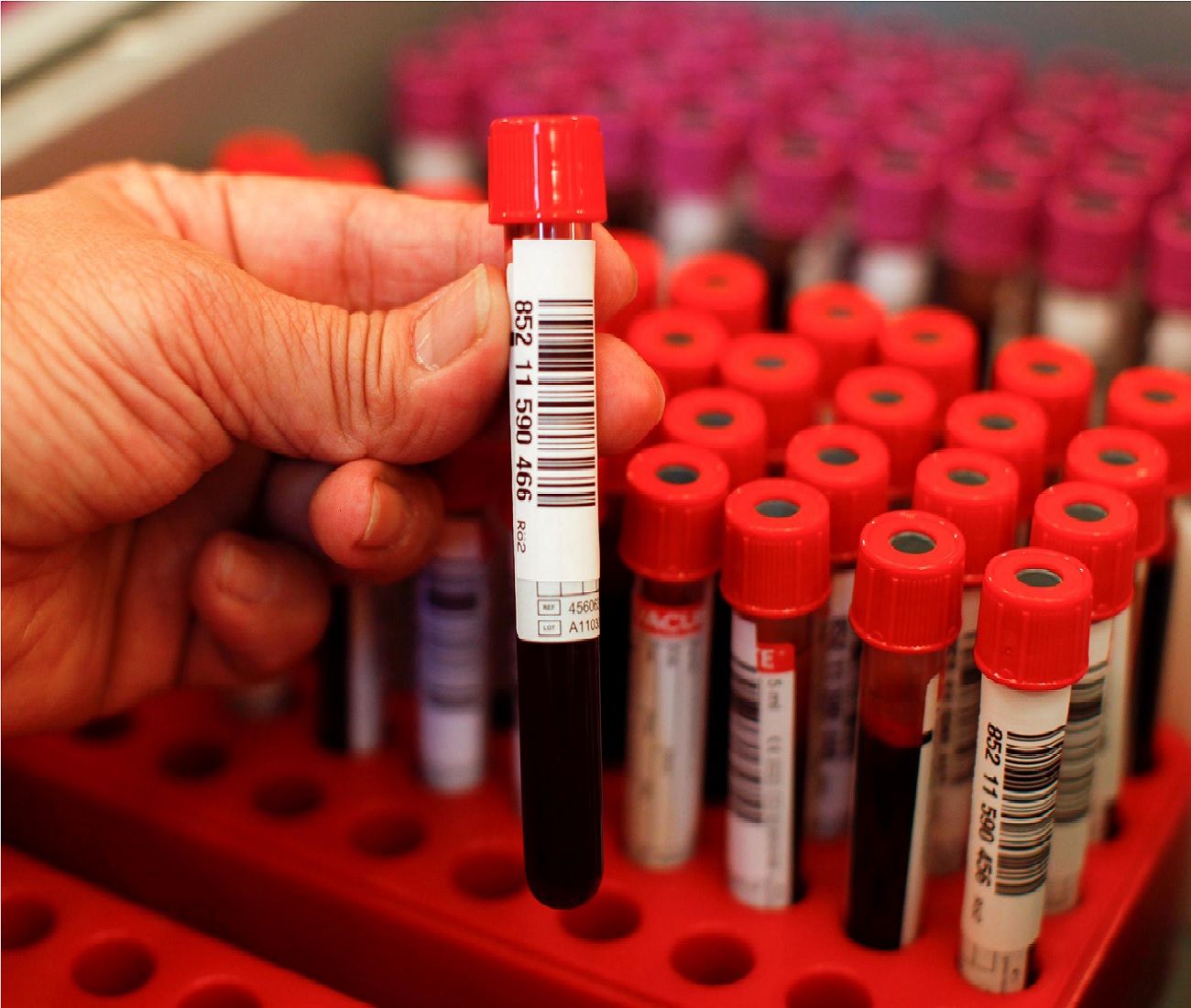
All human body fluids, including sweat, saliva, vomit, and blood, can potentially be infected with bacteria or viruses. Some of these potentially infectious materials die almost immediately once outside of the body, but others can survive for several minutes, hours, or days in the air or on surfaces. Healthcare workers can never know until laboratory tests are returned which patients pose a threat.

Protecting Against Blood and Other Potentially Infectious Materials – Healthcare2018-09-23T00:00:00+00:00

Fundamentals of First Aid: Burns

A burn means more than the burning sensation associated with this injury. Burns cause skin damage because the skin cells die. Burns can happen at work and outside of work. In fact, burns are one of the most common household injuries, especially among children.

Fundamentals of First Aid: Burns2018-09-23T00:00:00+00:00

Healthcare: Staying Safe on the Heliport

A helicopter transfer may be needed due to the remoteness of the patient when they need medical attention, or the severity of their need requires rapid transfer to hospital care. Sometimes they need to move to a different hospital for treatment.  Whatever the specifics of the case, these medical needs are urgent and often life threatening. The fastest and safest way to get them to the care they need is by helicopter. But it’s not without risks.

Healthcare: Staying Safe on the Heliport2018-09-23T00:00:00+00:00

Laboratory Electrical Hazards

A scientist was conducting an experiment using a portable fluorescent lighting rack.  The lighting rack was plugged into an electric timer, which was plugged into the wall. However, since the timer only accepted a two-prong plug, an adapter was used to allow the three-prong plug of the lighting rack to be used with the two-prong outlet of the timer.

Laboratory Electrical Hazards2018-09-23T00:00:00+00:00

Healthcare – Working with a Latex Allergy

Since it was recognized in the late 1970s, allergies to latex have become a major health concern. Latex is used in a variety of applications and products, which leads to an increasing number of people in the workplace being affected. 

Healthcare – Working with a Latex Allergy2018-09-23T00:00:00+00:00

Laboratory Equipment Safety: Autoclaves/Sterilizers

A postdoc was badly scalded by water while removing items from the top autoclave of a tower-style autoclave. To autoclave her own materials, the doctor began to remove a load that belonged to another laboratory while standing on a low step-stool. The load in the autoclave consisted of a Nalgene tub that contained liter bottles of media with water around them. The water in the tub was near boiling temperature, and as the doctor attempted to remove it, the contents spilled down her torso and thighs.

Laboratory Equipment Safety: Autoclaves/Sterilizers2018-09-23T00:00:00+00:00

Six Tricks for Better Sleep: Pick Six Infographic

With hectic schedules, the electric glowing light of our phones and tablets, the stress and anxiety of life, and a host of other factors contribute to many of us being sleep-deprived. Searching for that next cup of coffee, energy drink, or other ways to stay awake. We likely don’t spend as much time thinking about prepping for a blissful night’s sleep as we do searching for the next caffeine fix. Here are some tips to help you sleep better.

Six Tricks for Better Sleep: Pick Six Infographic2018-09-21T00:00:00+00:00

Train the Trainer: Emergency Preparedness

We are all vulnerable to disasters–whether they’re the work of Mother Nature in the form of earthquake, tsunami, hurricane, tornado or flood or deliberate acts of mankind in the form of arson, bombing or other act of terrorism. Surviving such disasters often hinges on being prepared.

Train the Trainer: Emergency Preparedness2018-09-19T00:00:00+00:00

Focus On: Establishing an Incident Investigation Program

When a serious incident happens in the workplace, everyone will be busy dealing with the emergency. Helping injured victims, assessing if the danger has abated, trying to piece together what happened. So, it’s critical to be prepared to investigate an incident before one occurs.

Focus On: Establishing an Incident Investigation Program2018-09-18T00:00:00+00:00

Laboratory Equipment Safety: Centrifuges

A laboratory was seriously damaged when the rotor of an ultracentrifuge failed while in use. Flying metal fragments damaged walls, the ceiling and other equipment. The shock wave blew out the laboratory's windows and shook down shelves.

Laboratory Equipment Safety: Centrifuges2018-09-16T00:00:00+00:00

Healthcare: Working Safely with Glutaraldehyde

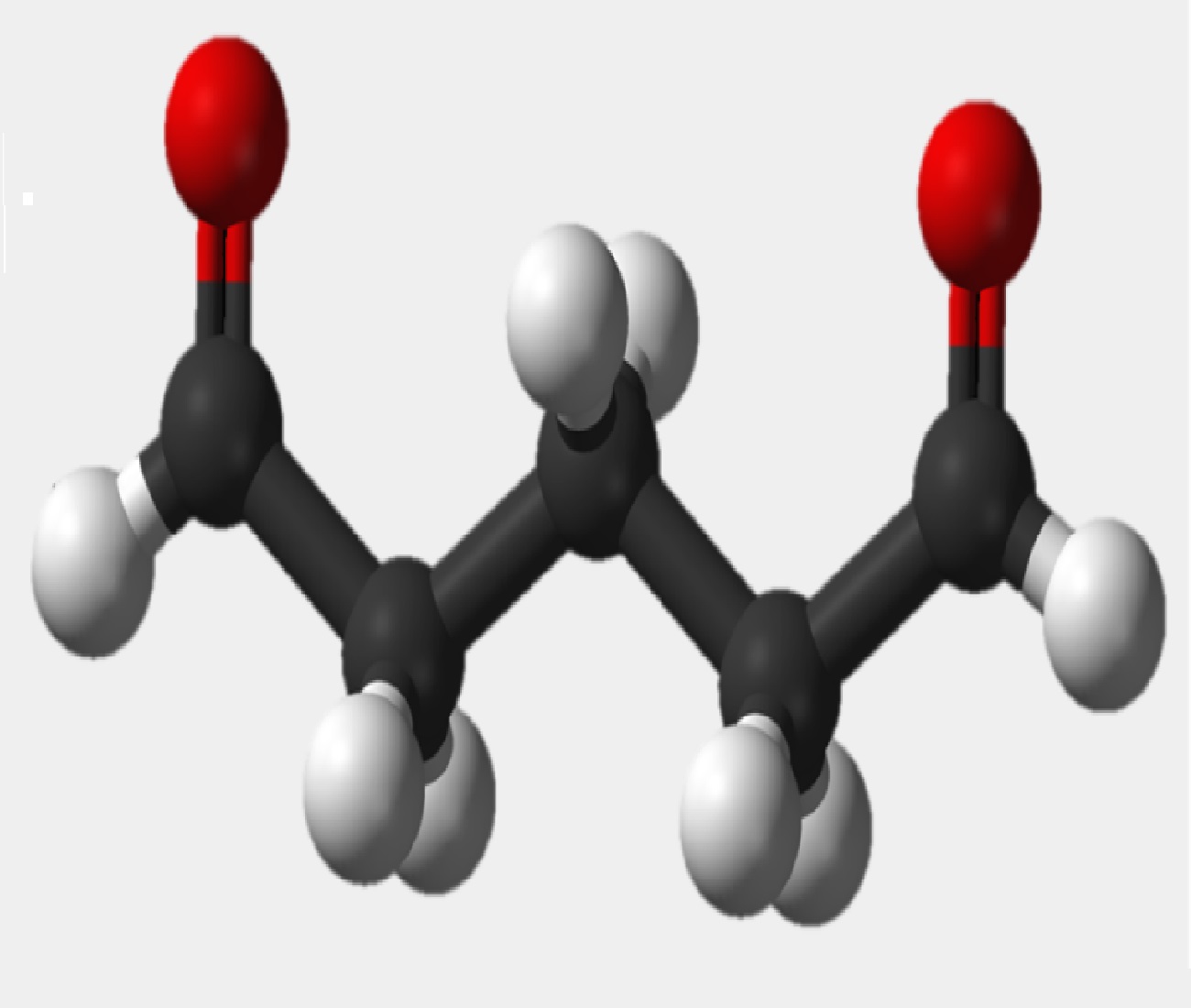
Glutaraldehyde is a toxic chemical that is used in certain circumstances to disinfect and clean medical, surgical and dental equipment. It is used when equipment can’t be sterilized with heat, or if something can’t fit in a sterilizing unit.

Healthcare: Working Safely with Glutaraldehyde2018-09-16T00:00:00+00:00

Fundamentals of First Aid: Electrical Burns

An electrical burn occurs when skin meets an electrical voltage. It does not always leave a significant burn to the skin, but the electricity can cause significant internal damage to nerves, muscles and internal organs.

Fundamentals of First Aid: Electrical Burns2018-09-16T00:00:00+00:00

Fundamentals of First Aid: Poisoning

Poisoning, accidental or intentional, causes significant harm or death to many US and Canadian people. Poisoning takes many forms as harmful chemicals can be breathed in, swallowed, touched or injected.

Fundamentals of First Aid: Poisoning2018-09-16T00:00:00+00:00

17-Year-Old Laborer Works His Last Day

Two workers entered an unprotected trench (11 feet deep x 8 feet wide) to set new sections of pipe. Only one would survive.

17-Year-Old Laborer Works His Last Day2018-09-15T00:00:00+00:00

Healthcare: Preventing Injury from Needlesticks and Sharps

Close to 400,000 healthcare workers a year sustain an injury by used hypodermic needles and other sharp instruments such as a scalpel blade and suture needles.

Healthcare: Preventing Injury from Needlesticks and Sharps2018-09-14T00:00:00+00:00

Laboratory Equipment Safety: Biosafety Cabinets

Recently, a researcher left a lit Bunsen burner inside a BSC, closed the sash and walked away. The type of biological safety cabinet she was using recirculates about 70% of the air with 30% of the air going out of the exhaust.

Laboratory Equipment Safety: Biosafety Cabinets2018-09-14T00:00:00+00:00

By the Numbers: 12 Tips for Safe Trenching and Excavation

One cubic yard of soil can weigh as much as a car and the pressure on the chest can make it impossible for a worker to breathe, even if his or her head is above the level of the collapsed soil. Often, it’s impossible to rescue a trench collapse victim quickly enough to prevent death.

By the Numbers: 12 Tips for Safe Trenching and Excavation2018-09-14T00:00:00+00:00

Picture This: Trenching Tragedy in the Making

There are some obvious hazards in this picture, yet it’s still a good tool for training and learning. Share this image with your crew and see how many hazards they spot. Then discuss why they are hazardous, how these hazards can be corrected, and what they would do if they were asked to work in this excavation.

Picture This: Trenching Tragedy in the Making2018-09-13T00:00:00+00:00

Healthcare: Keeping Housekeeping Staff Safe

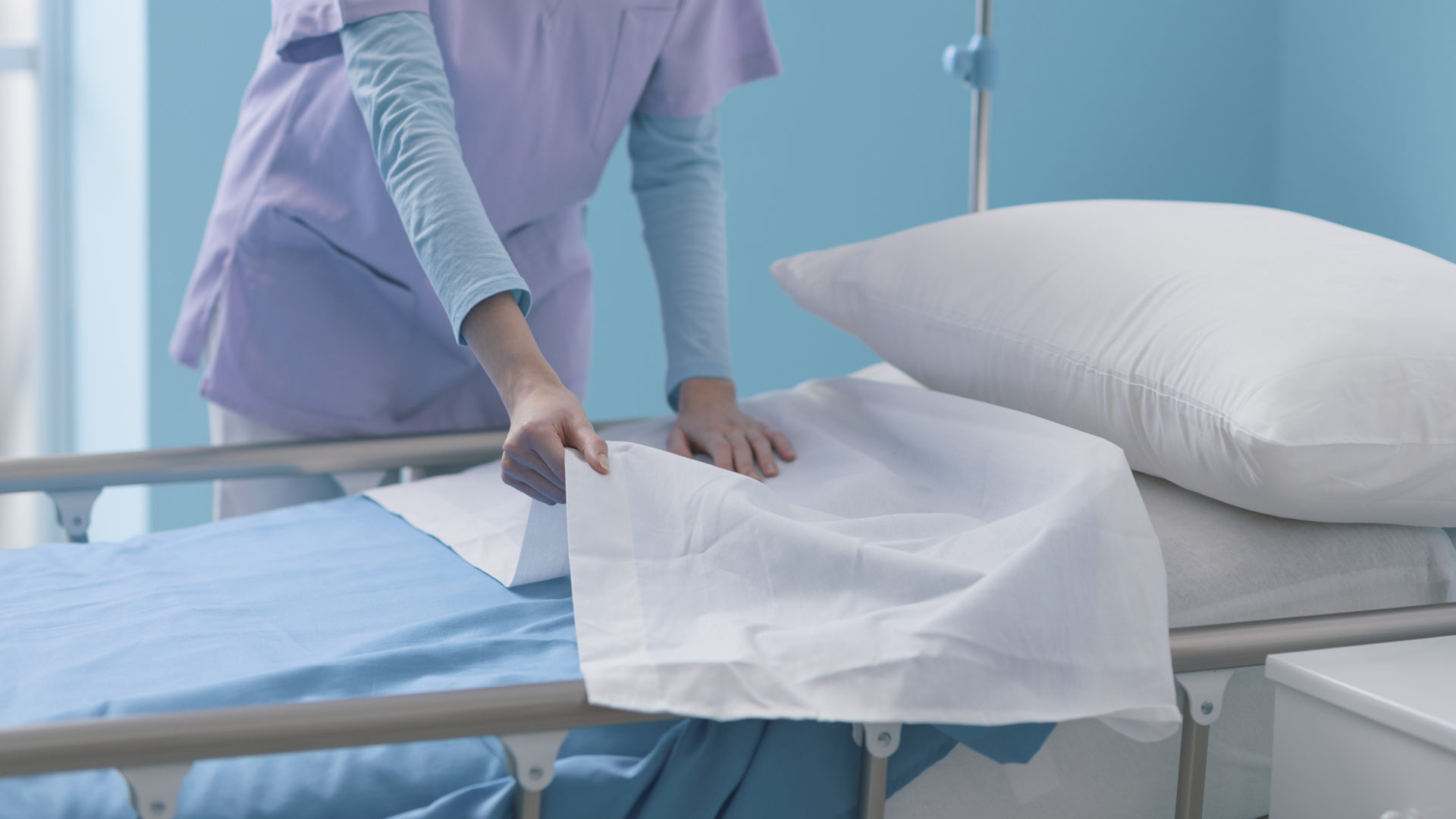
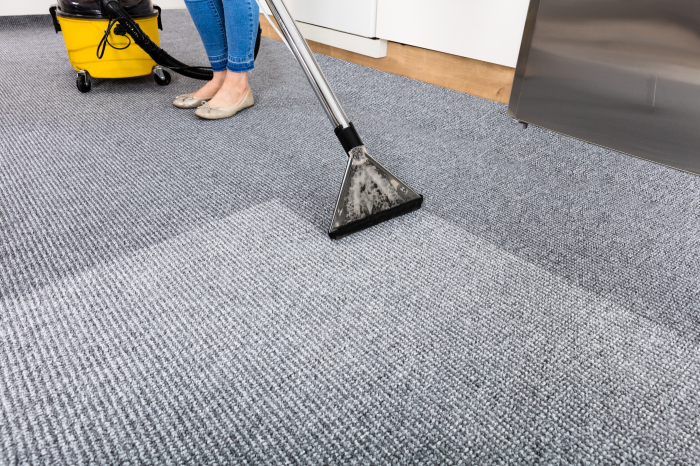
Housekeeping staff working in healthcare play an important role in keeping the environment safe for patients, staff, and visitors. They may not provide direct clinical care to patients, but they work around patients, and in areas where clinical care has been given.

Healthcare: Keeping Housekeeping Staff Safe2023-09-04T14:56:17+00:00

Trenching and Excavation – Daily Inspection Checklist

Trenching and excavation work puts workers in mortal danger if the excavation is not inspected and cave-in protections are not in place. Use this daily checklist as a starting point and edit the list as necessary for location specific regulations and work performed.

Trenching and Excavation – Daily Inspection Checklist2018-09-12T00:00:00+00:00

Walking and Working Surfaces Checklist

Use this checklist as a starting point and edit the list as necessary for location specific regulations and work performed.

Walking and Working Surfaces Checklist2018-09-12T00:00:00+00:00

Fundamentals of First Aid – Fractures

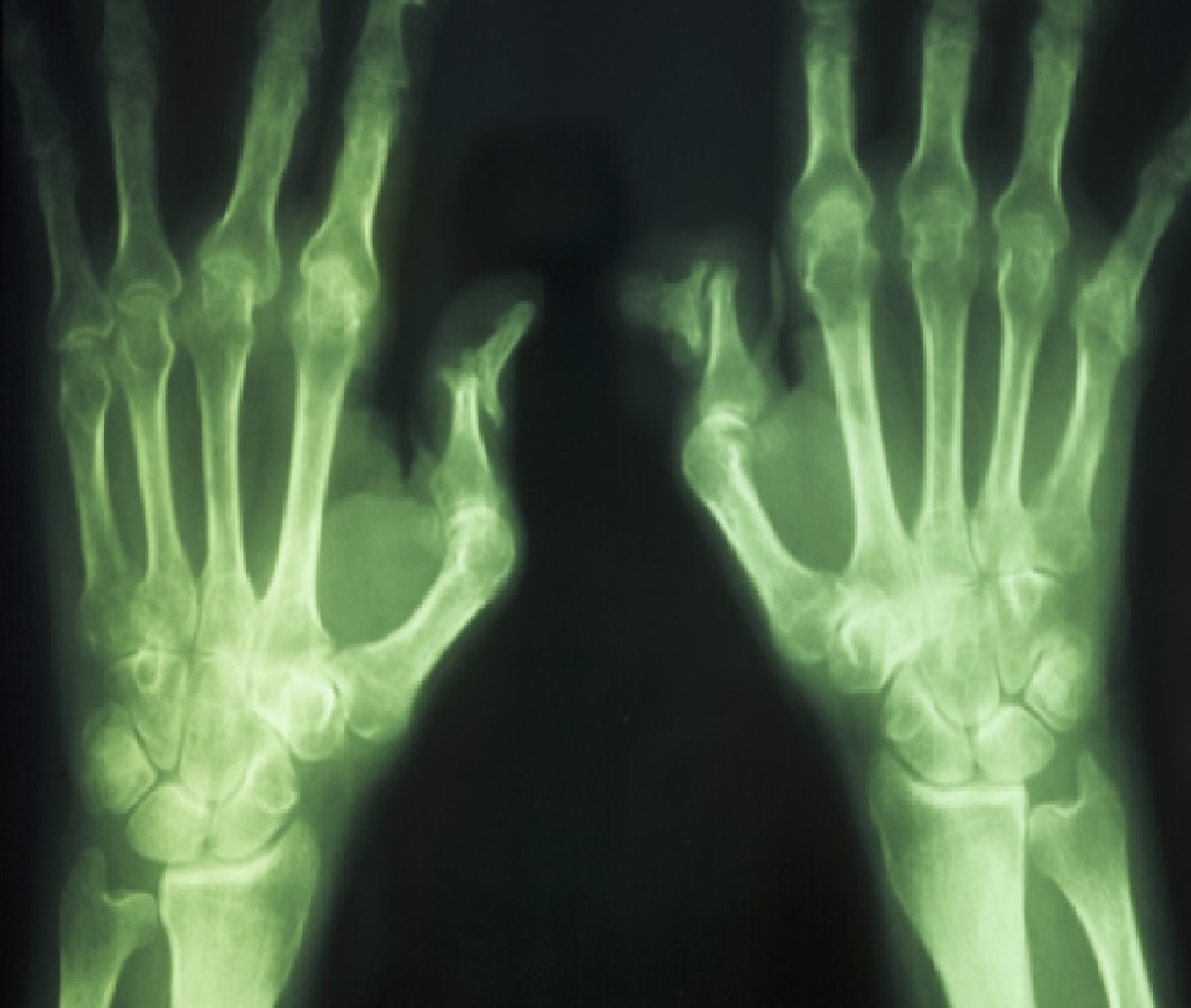
A fracture is the medical term for a broken bone. The break can be along the length of the bone or across the bone, so it looks as though the bone has snapped. These are generally clean breaks but sometimes the bone can fracture in several places, especially if the fracture is caused by a fall from a great height or from being crushed.

Fundamentals of First Aid – Fractures2018-09-08T00:00:00+00:00
Go to Top