Main Category Group
Six Facts on Transportation Incidents
Odds of winning the lottery: 1 in 135,145,920 (multi-state, mega-millions [...]

Main Category Group

Odds of winning the lottery: 1 in 135,145,920 (multi-state, mega-millions [...]

Here are six useful facts about transportation safety. Odds of [...]
What’s at Stake? Hot work is a leading cause of [...]

Safety Talk What’s at Stake? Any serious injury or illness [...]

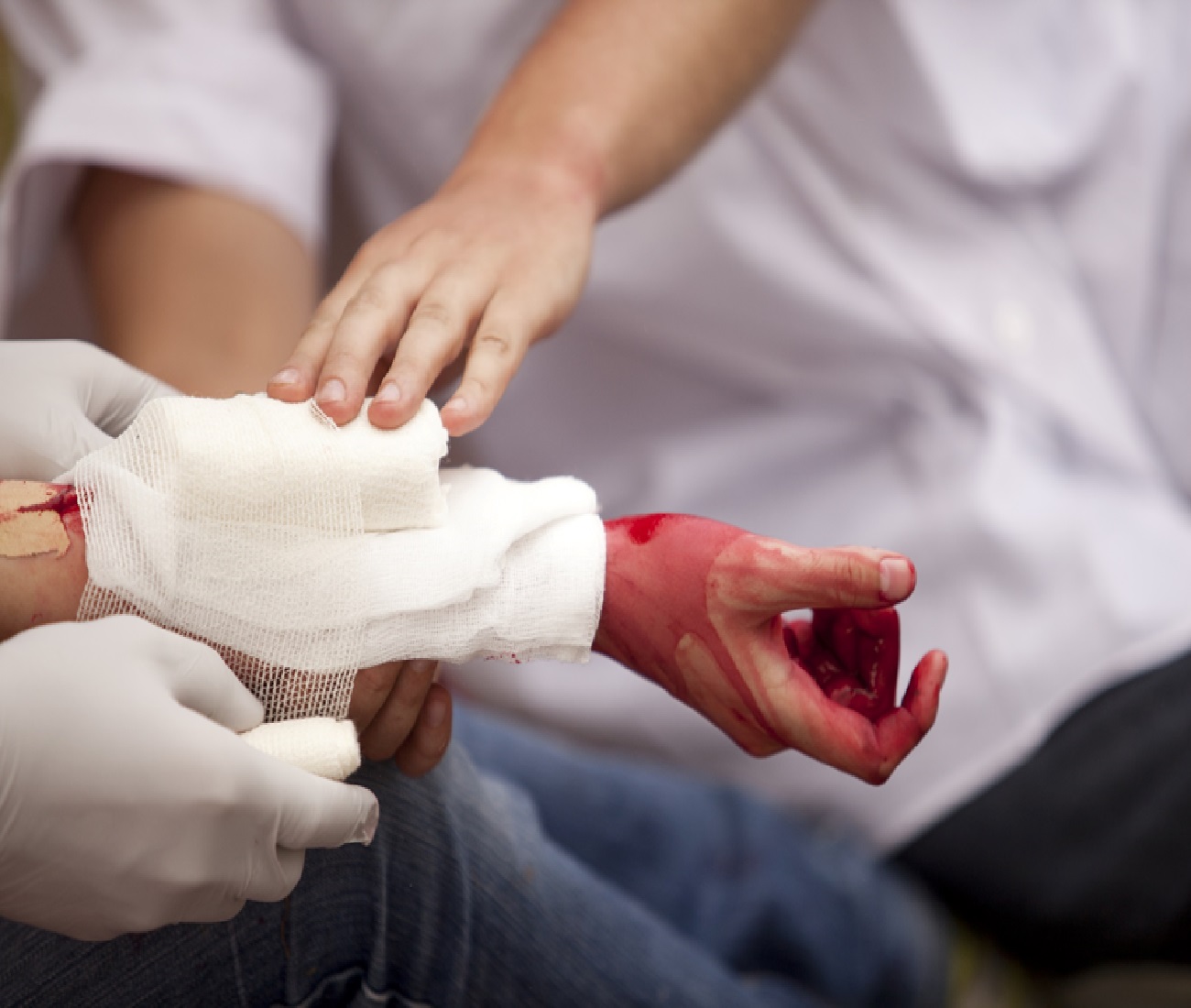
Safety Talk What’s at Stake? When your skin is cut, [...]
On the morning of January 23rd, I was watching the [...]
Does it drive you nuts to observe careless people? They slide out of the pickup in the parking lot trailing candy bar wrappers and coffee cup litter.
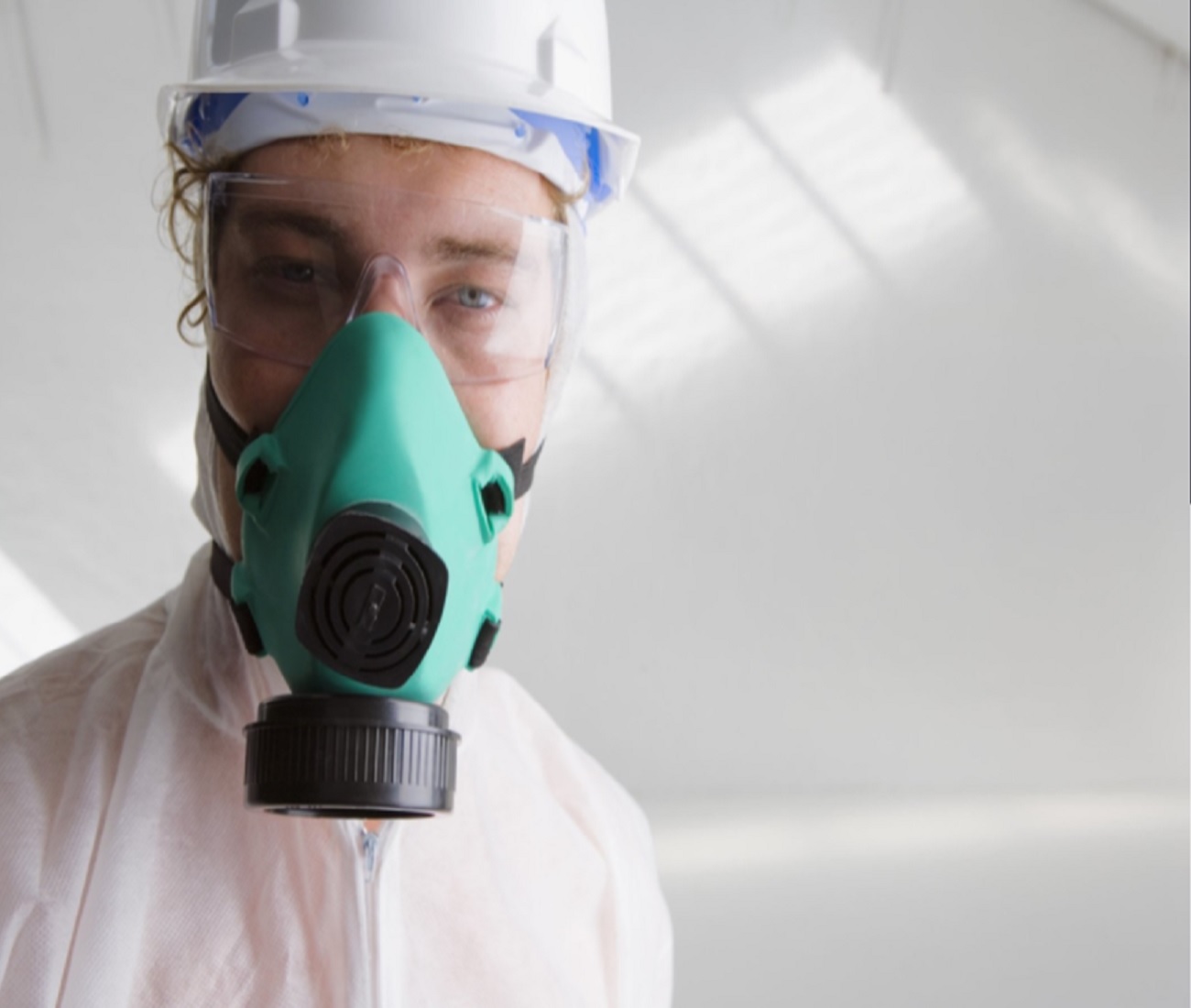
Silica causes lungs to scar and develop nodules which block extraction of oxygen from air. Each year more than 250 American workers die from silicosis, the disease caused by inhaling tiny silica particles. Silicosis has
Here are some common concerns for office workers: • Poor lighting • Poor ventilation and indoor air quality • Ergonomics • Slips, trips and falls • Electrical hazards • Collisions with objects such as open
Too much noise can cause permanent hearing loss. It develops gradually and without pain, but noise-induced hearing loss cannot be reversed.
Every workplace is a little different, but one thing they all have in common is the need and desire to keep workers as safe and free from injury or illness as possible.
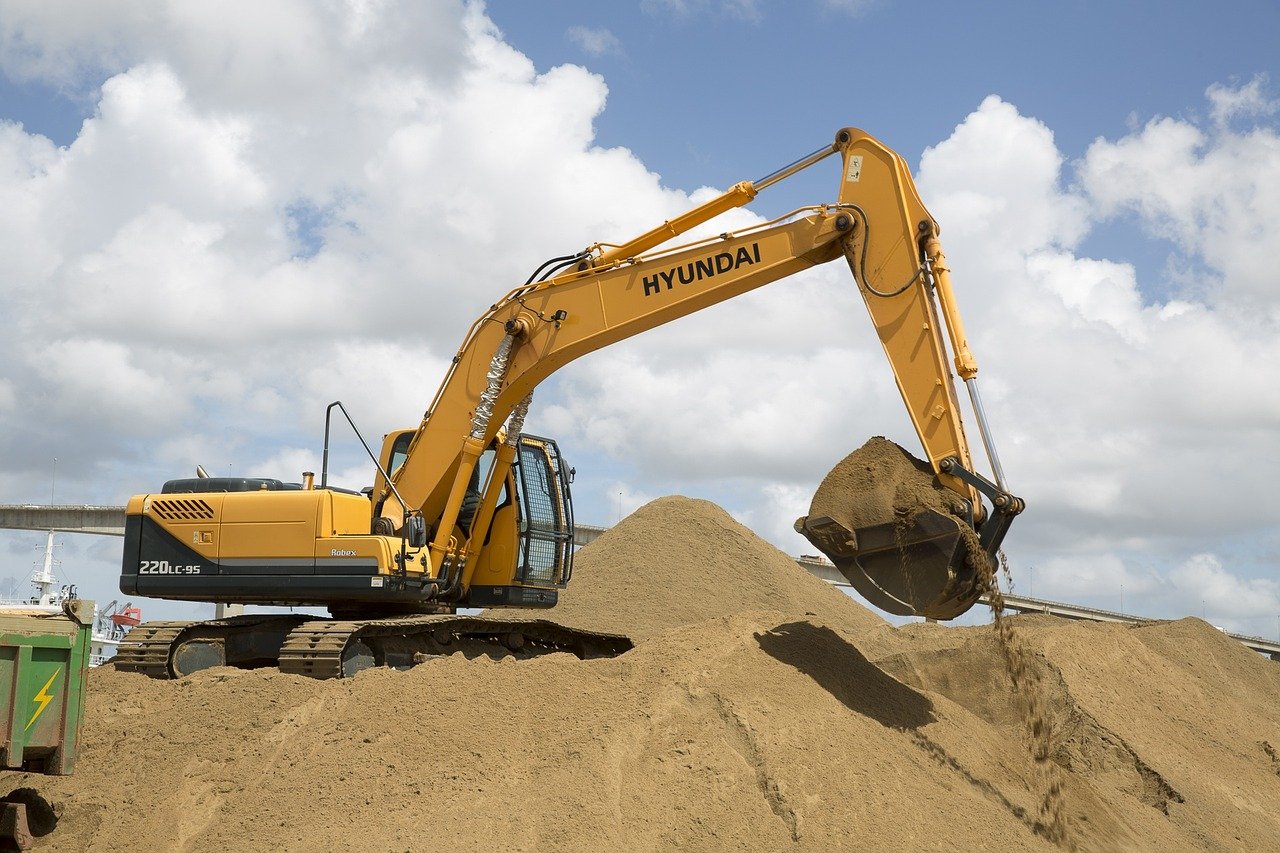
If you work in construction, or even if there is construction going on in your workplace, you need to be aware of the dangers associated with excavations.
How This Affects You: The air around you keeps you alive.
If you have to work on equipment that cannot be de-energized before you work on it, you need knowledge about arc flash. It can cause traumatic injuries and death.
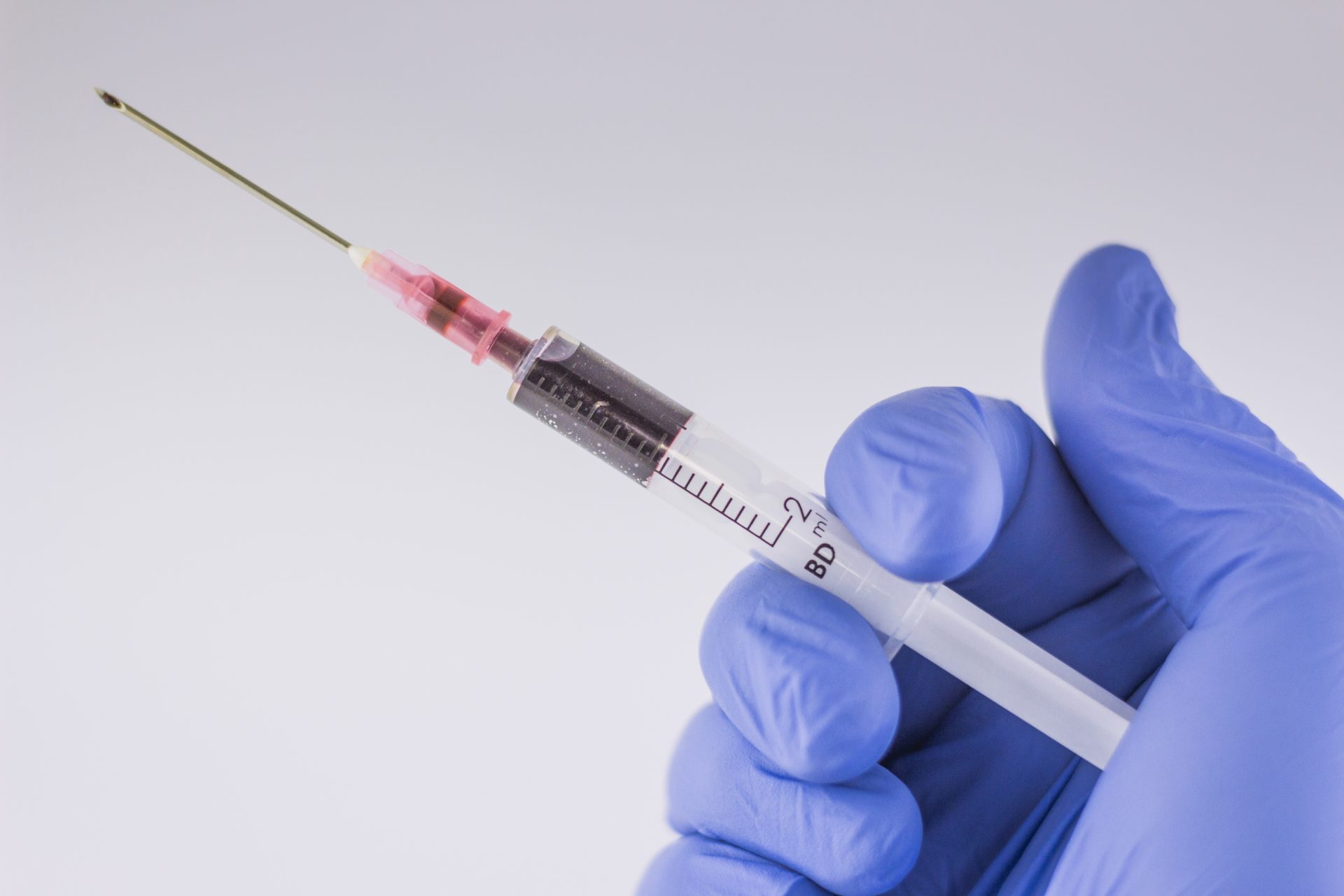
Nearly any worker could encounter bloodborne pathogens -whether bandaging a co-worker's cut, stepping on a used hypodermic needle in the alley or helping an accident victim on the way home.
Energy keeps the workplace going, but it can also kill. Unexpected release of energy is the cause of many serious injuries.

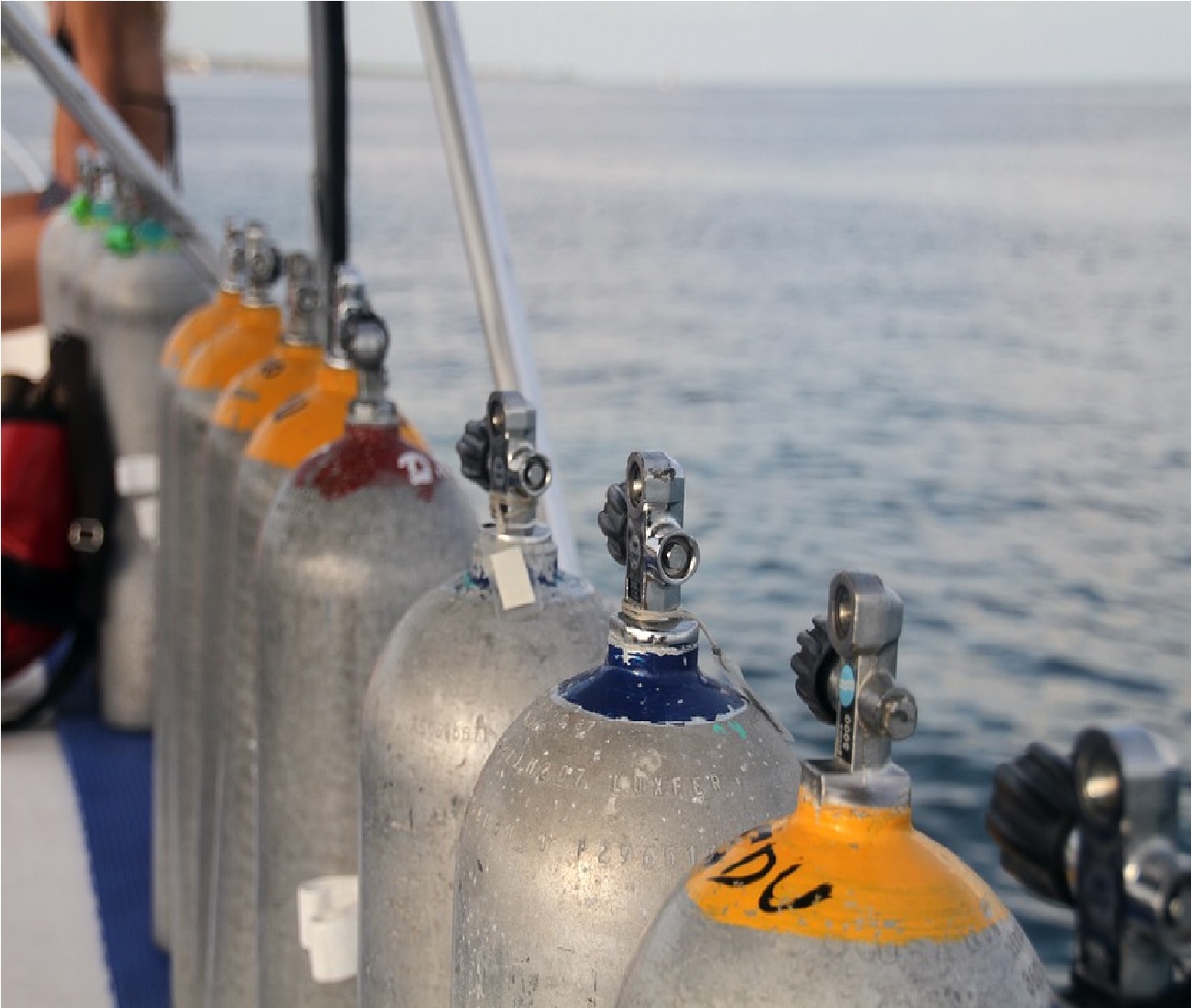
Compressed air can make short work of everything from changing tires to nailing and stapling, but its power demands respect.
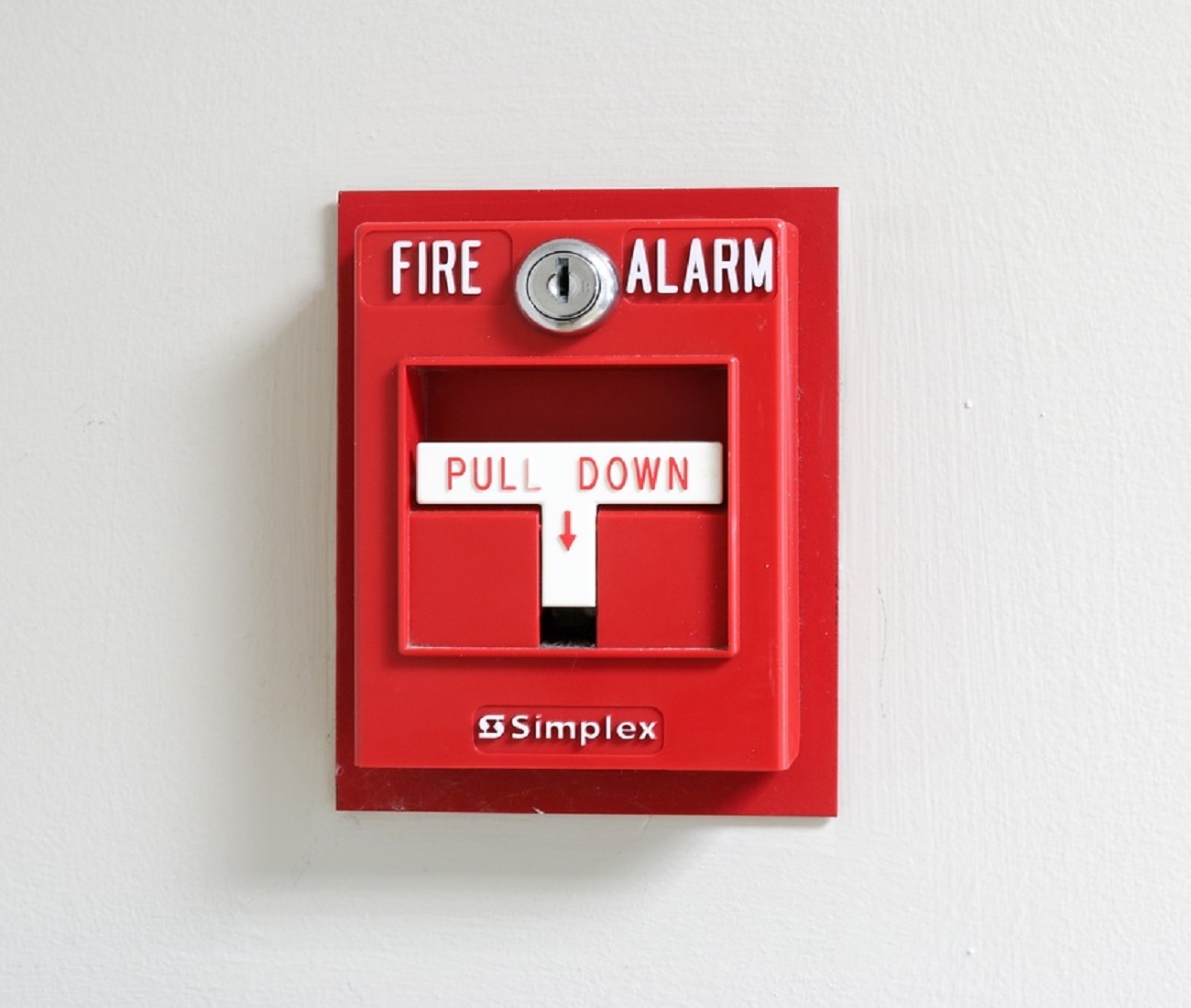
Unexpected emergencies occur in workplaces every day in factories, plants, offices and warehouses, as well as construction sites and on the road. It could be a fire, fatal injury, flood, earthquake, shooting, tornado, chemical spill or another kind of crisis. So it’s important that companies have an emergency response plan to cover all expected and unexpected disasters. For this plan to be effective, all employees must be trained in the roles they will play in an emergency.
Once the snow starts to fall, our driving skills are pushed to the limit. Do you know how to drive properly in winter conditions? A few moments spent thinking about it now could save you from problems later when you’re out on the road.
Stress sets in when there is an increase in demand for our time and resources that we can’t meet. In small doses, stress can be powerful. It motivates us to do the things we need to do to survive. However, too much stress can have negative effects on our mental and physical health. And it can certainly ruin the holidays.
The Globally Harmonized System of Classification and Labelling of Chemicals (GHS) was created by the United Nations to help bring uniformity to hazardous materials labelling around the world.
A suntan may look and feel good, but sunlight is the primary cause of skin cancer. The tingly warm sensation associated with sun exposure is actually radiation damage caused by ultraviolet rays.
Landscapers face a variety of hazards, both physical and biological. In this Safety Talk, we’ll discuss some potential hazards of landscaping work and general precautions workers should take while on the job.

From soda pop spilled on the breakroom floor at a local factory, to a chemical spill from that same factory that pollutes the river and contaminates your community’s water supply—workplace spills can range from minor inconveniences to major catastrophes.
Today, heart disease and stroke take one life every 7 minutes and 90% of Canadians have at least one risk factor.