
Eight Signs You May Need Refresher Training
Things are constantly changing in many areas of people?s lives. Your job likely sees a lot of change, where new methods of doing things are introduced, potentially affecting your safety and health.

Things are constantly changing in many areas of people?s lives. Your job likely sees a lot of change, where new methods of doing things are introduced, potentially affecting your safety and health.

Anyone who has to move heavy objects, work in awkward positions, hold one position for a long time or perform certain tasks at a fast pace can get hurt. These tips will help protect your
When fuel is burned, carbon monoxide is a byproduct. This gas kills thousands of people at work and at home each year.

How This Affects You: Your back is used in all you do, on and off the job, and hurting it can have severe consequences: a lifetime of pain, inability to work or play and reduced income.
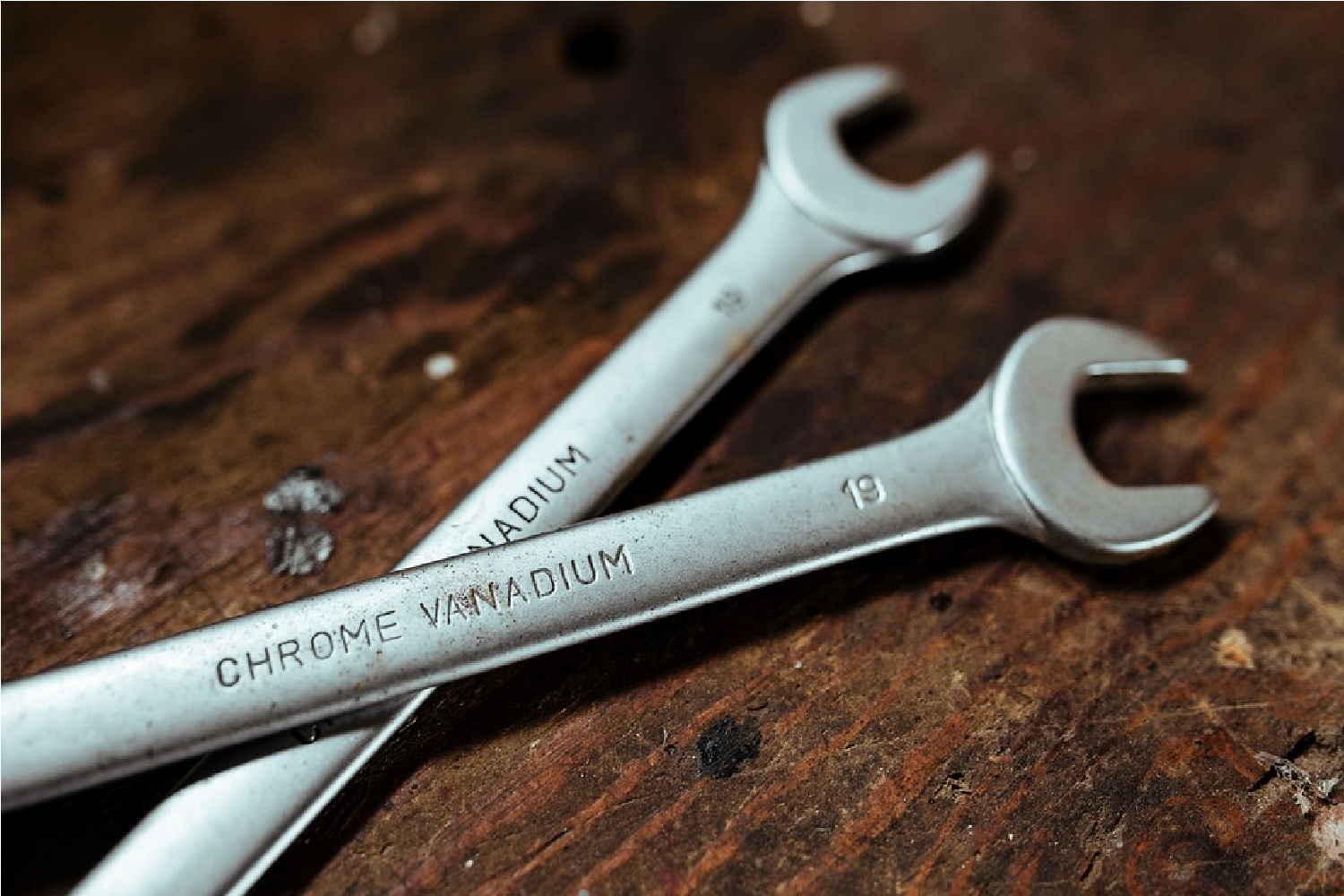
We all know how important it is to use caution around power tools. But what about tools in general? Can a wrench really be dangerous?
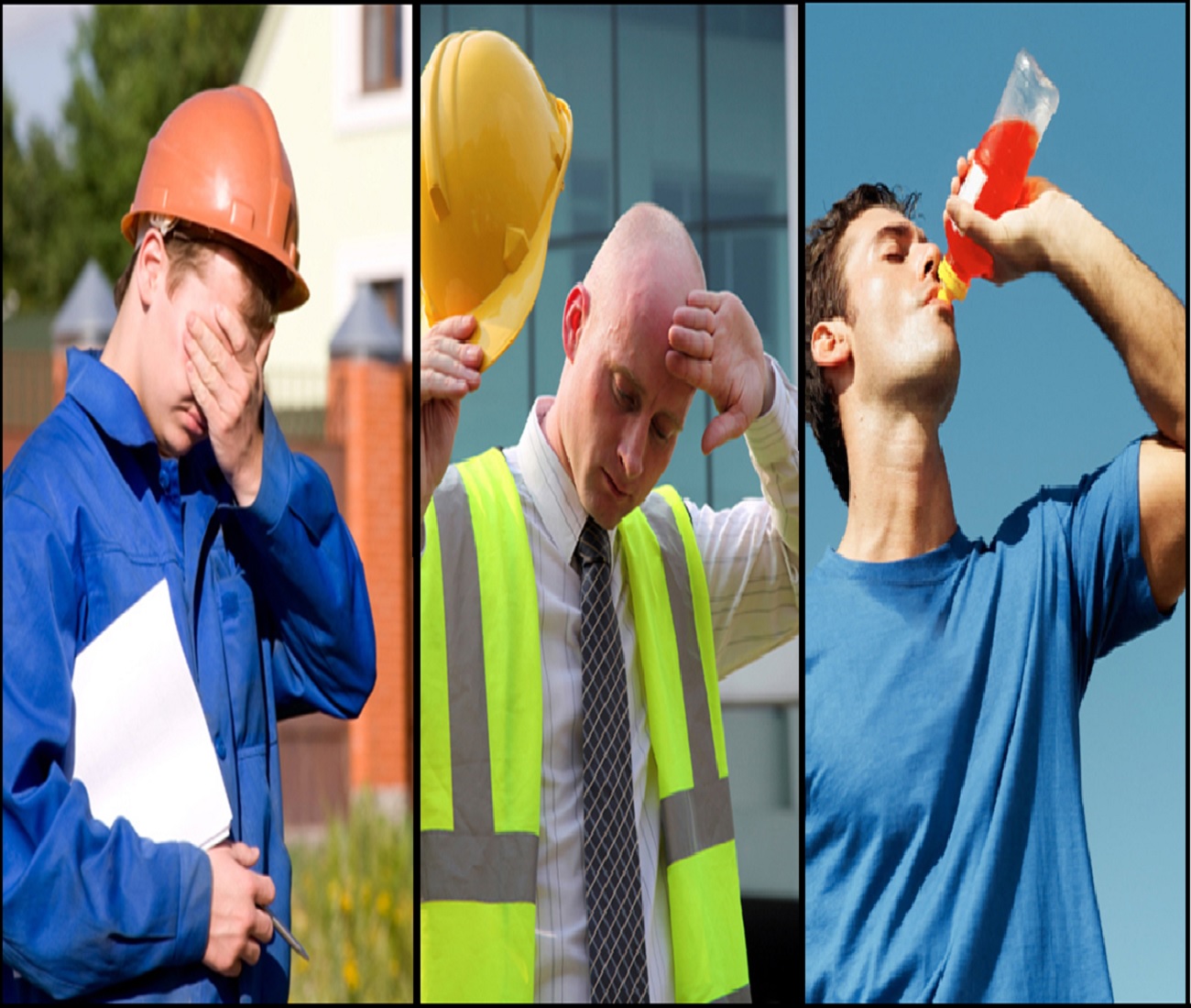
Any workplace can be too hot for safety, both outdoors and in hot, humid conditions indoors. Whenever you’re exposed to heat, you’re at risk of developing heat illness.

If you’re a standby person and think all the risks are inside the confined space, think again: over 60% of confined space deaths don’t involve people assigned to work in the confined space. These deaths involve the standby person or other would-be rescuers who enter the confined space in an emergency.
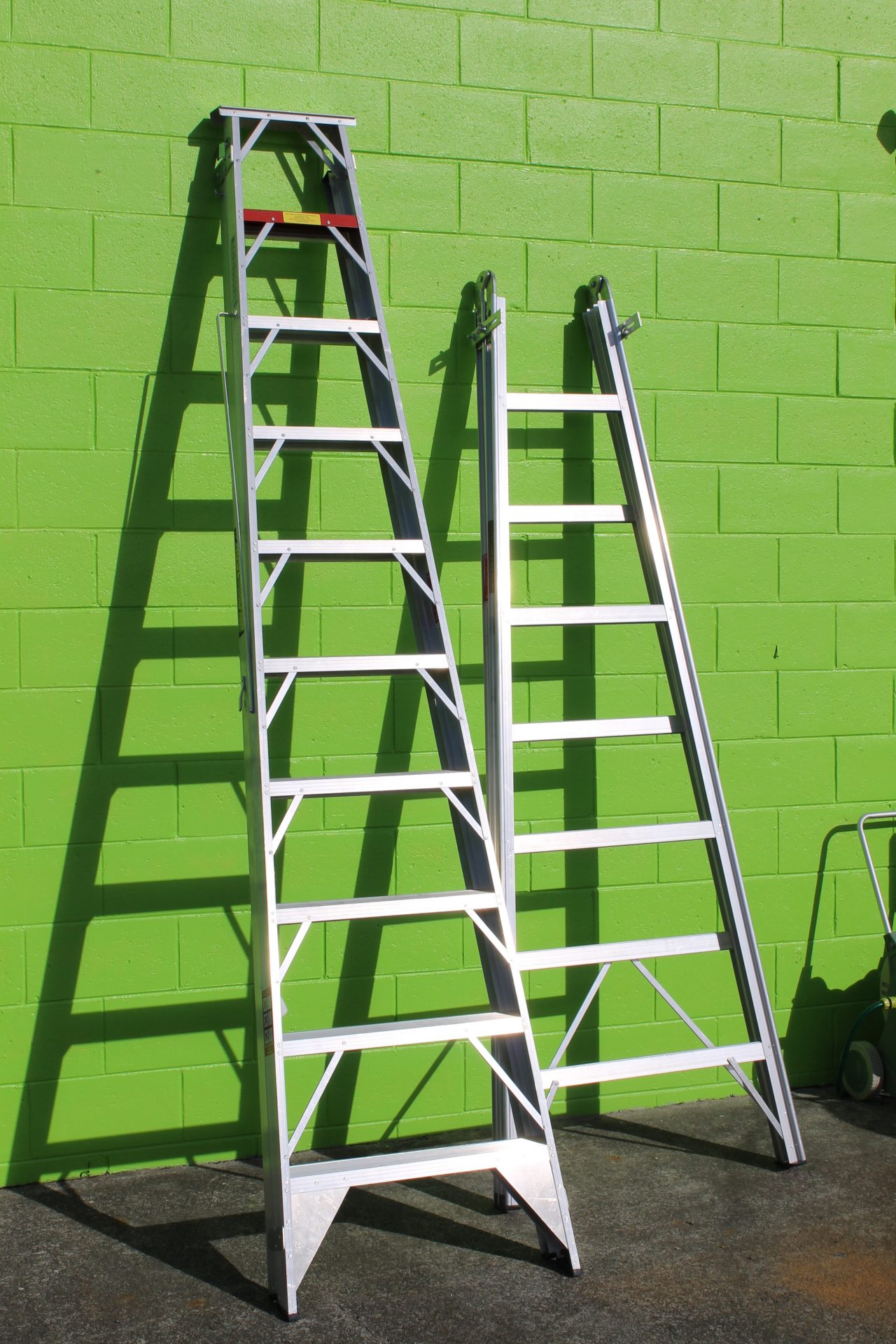
Anyone who uses the wrong ladder for a job or uses it inappropriately is courting trouble. Don?t become a statistic. Remember these ladder safety tips: Select the correct ladder. Why waver on the top rung
Most of us have seen a sick co-worker trying to make his way through the workday instead of being home resting or in bed. But coming to work with a cold, flu or other illness is a bad idea. It can make all of us less productive.

Even a simple extension cord needs to be looked after. It's a shock orfire hazard when deteriorated, worn-out or used improperly.
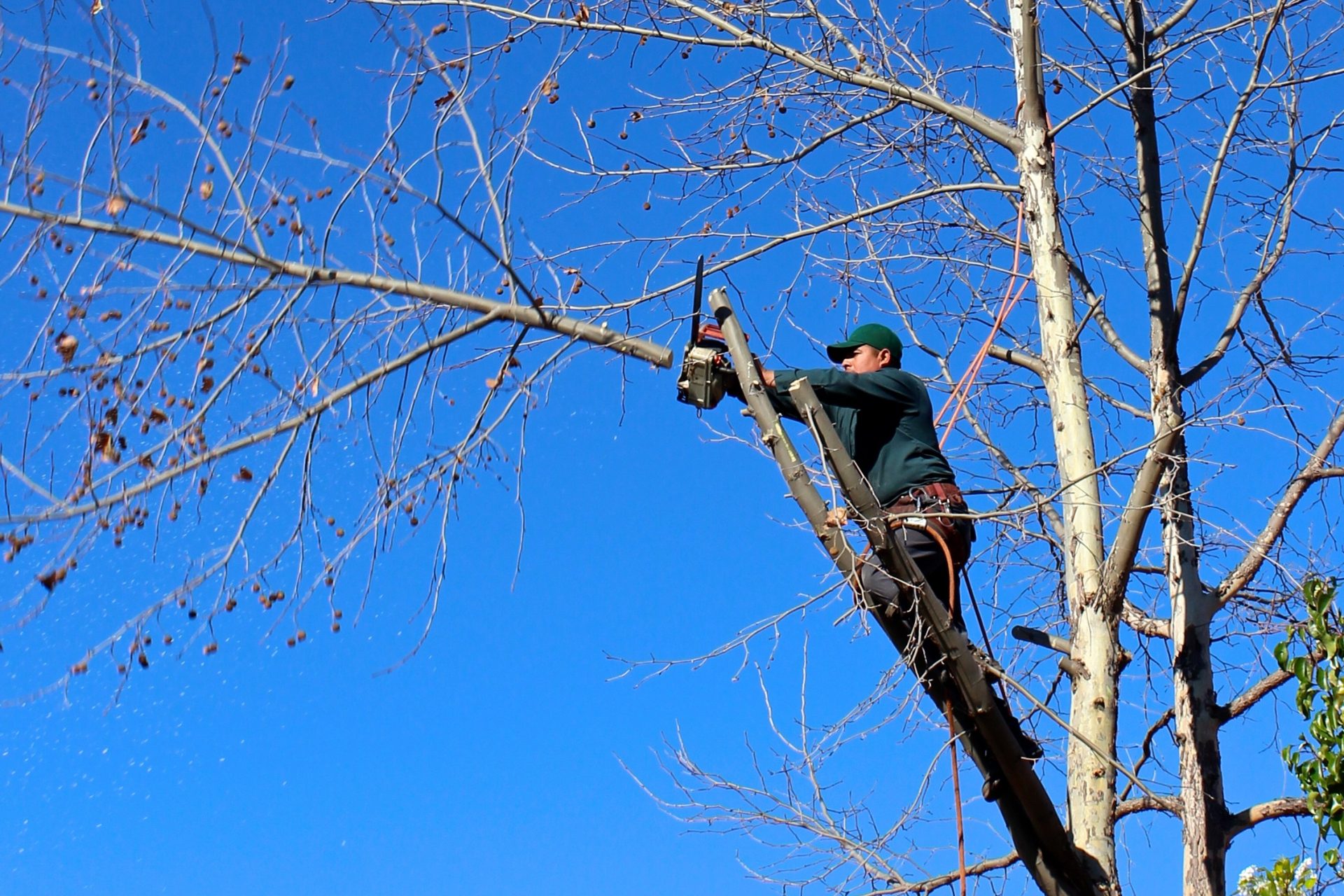
People who never touched a chainsaw before have been using these tools for disaster cleanup. So it's time for a safety talk on the hazards of these tools.
How This Affects You: Every year thousands of employees are injured in falls from ladders.

Sus manos corren una variedad de peligros diariamente en el trabajo.
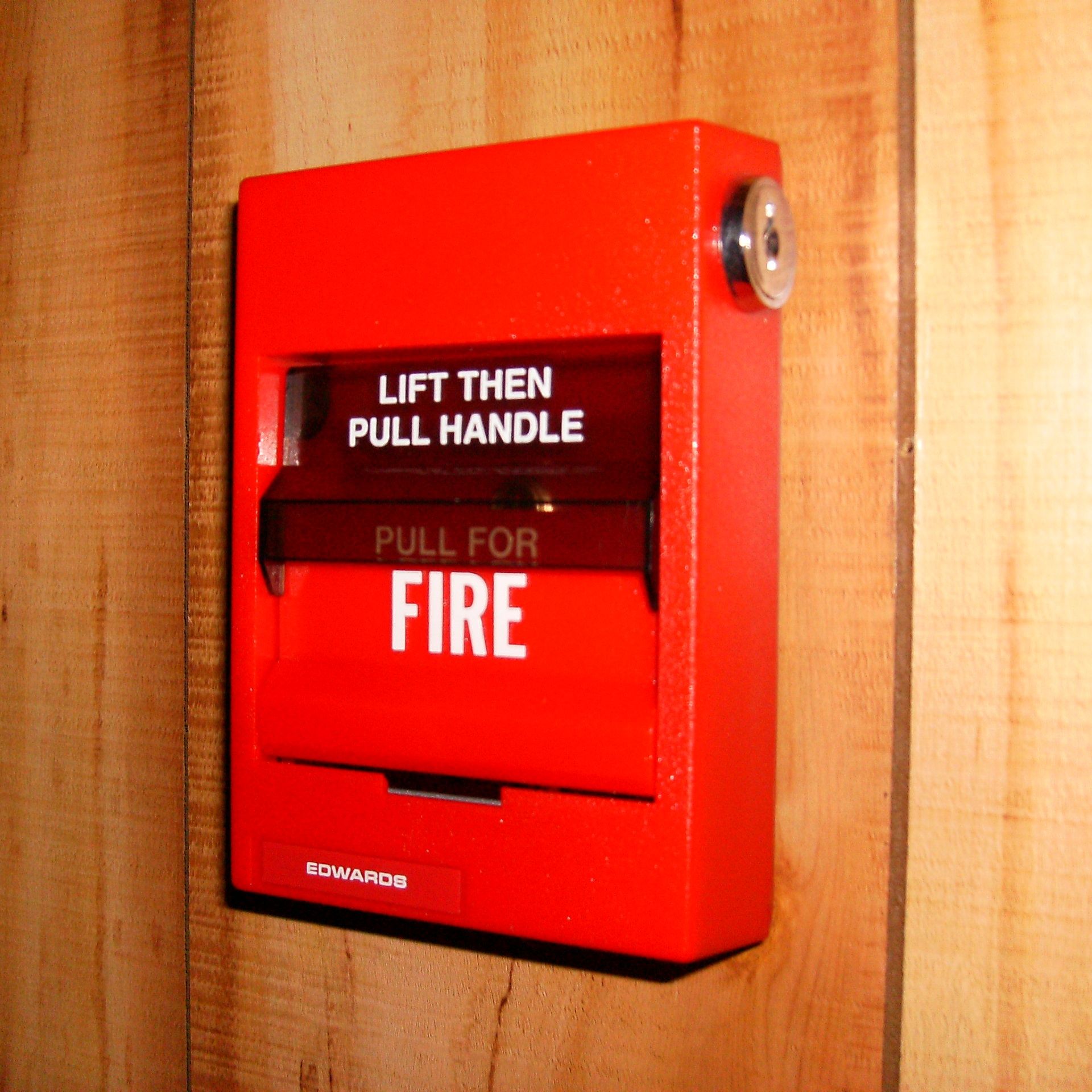
We often hear about people being “in the wrong place at the wrong time.” While this saying often refers to people who have been victims of crime, it certainly applies to workers as well.
Is there a manhole to a sewage system near your workplace, or an underground vault for an electrical system? Any boiler, tunnel, well, silo, shaft or poorly ventilated crawl space can be a potentially dangerous confined space.
If your job includes the use or handling of flammable substances, you need special training to recognize and avoid the hazards that go along with them.

Laboratories harbor fire and explosion hazards, and radiation hazards. There may be high-powered equipment which could cause cuts, entanglement or electrocution. There also could be biohazardous materials which can cause fatal diseases.

Eyes are one of the most vulnerable parts of the body. They are susceptible to all kinds of injuries in the workplace if they are not properly protected.
You're steam cleaning the shop floor when you accidentally knock over a 5-gallon can of gasoline near the welding booth. Do you know what to do?
How This Affects You: You can be seriously injured by using common workplace tools incorrectly.

Qué tiene que ver usted con la seguridad de los montacargas?
Every year, more than 100 workers across North America die and thousands more are injured in highway work zones—areas where road construction, maintenance or utility work is being undertaken.

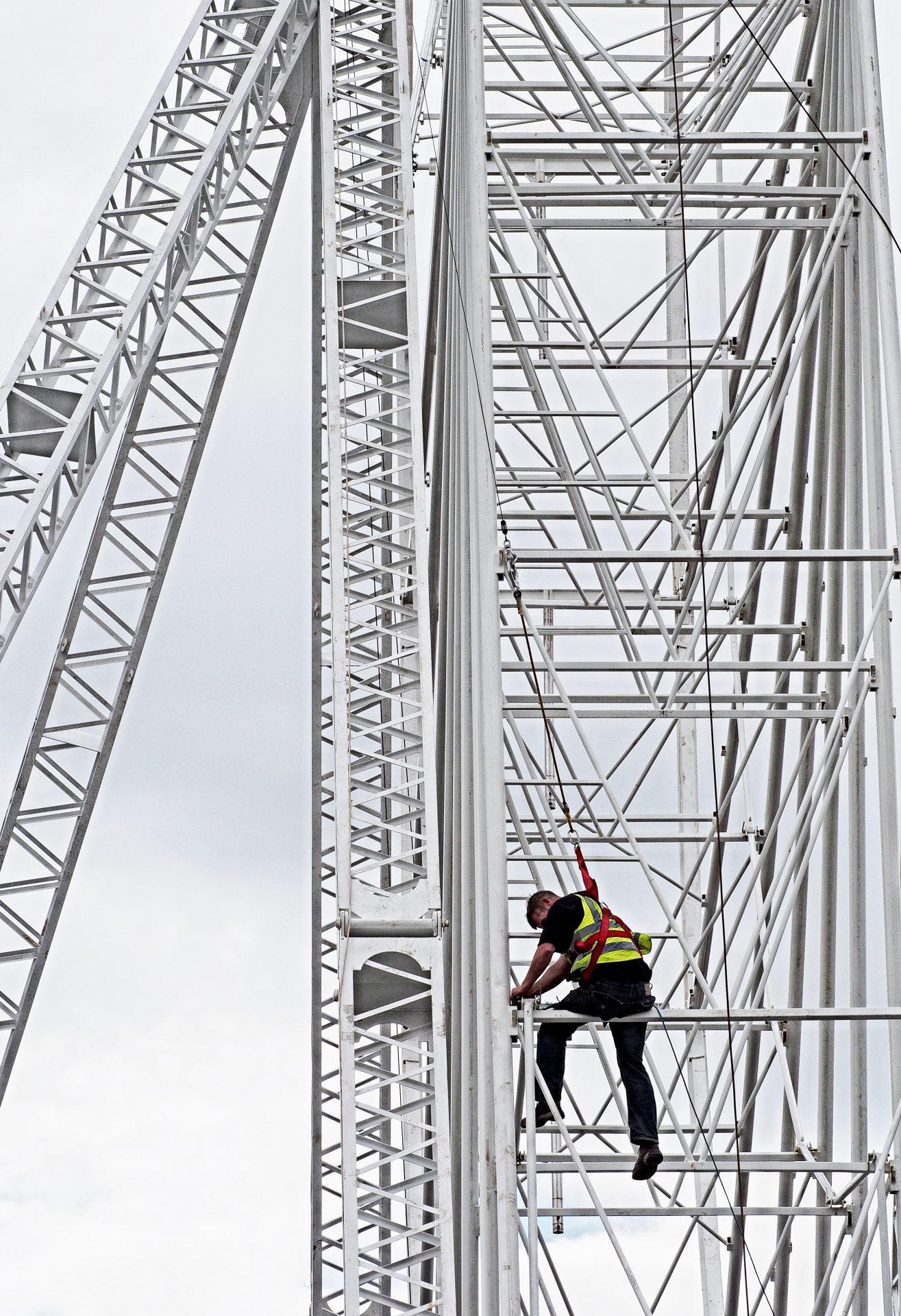
Falls are the most common cause of workplace injuries and the second leading cause of accidental death in North America.
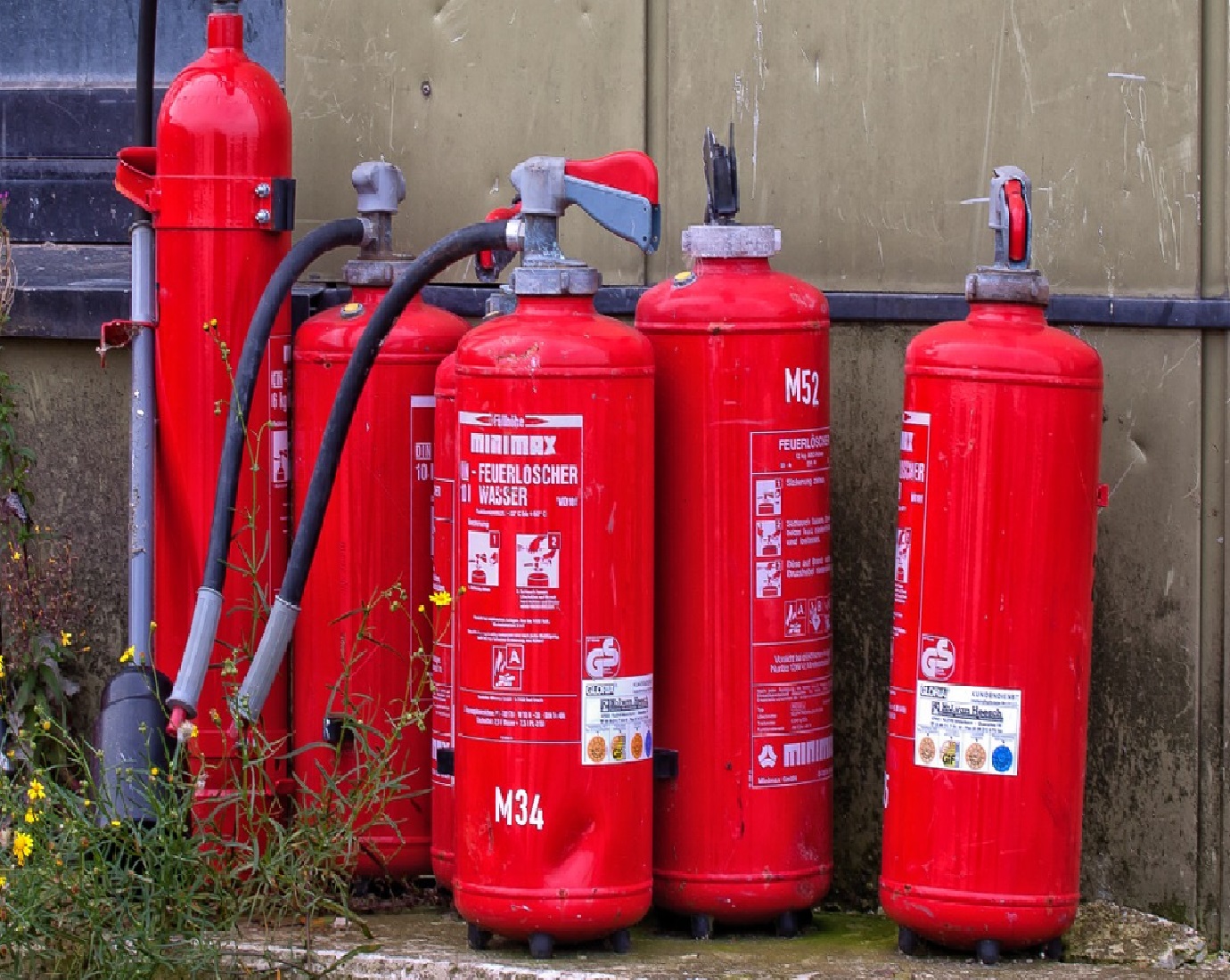
In a heroic attempt to extinguish an apartment fire, two men working in a residential building found extinguishers in a hallway and raced to the unit. Although they had just rescued a tenant from the same unit, they were both overcome by thick smoke and died of cardiac arrest.

An injury which would be minor if it occurred elsewhere can be extremely serious if it occurs on the eye. For example, a piece of metal which is shot through the air from a grinder
Since it's your first time, you may want to checkout some of the video tutorials.



 800-ICW-SAFETY (800.429.7233)
 SAFETYOnDemand@icwgroup.com