Face Facts About Flammables
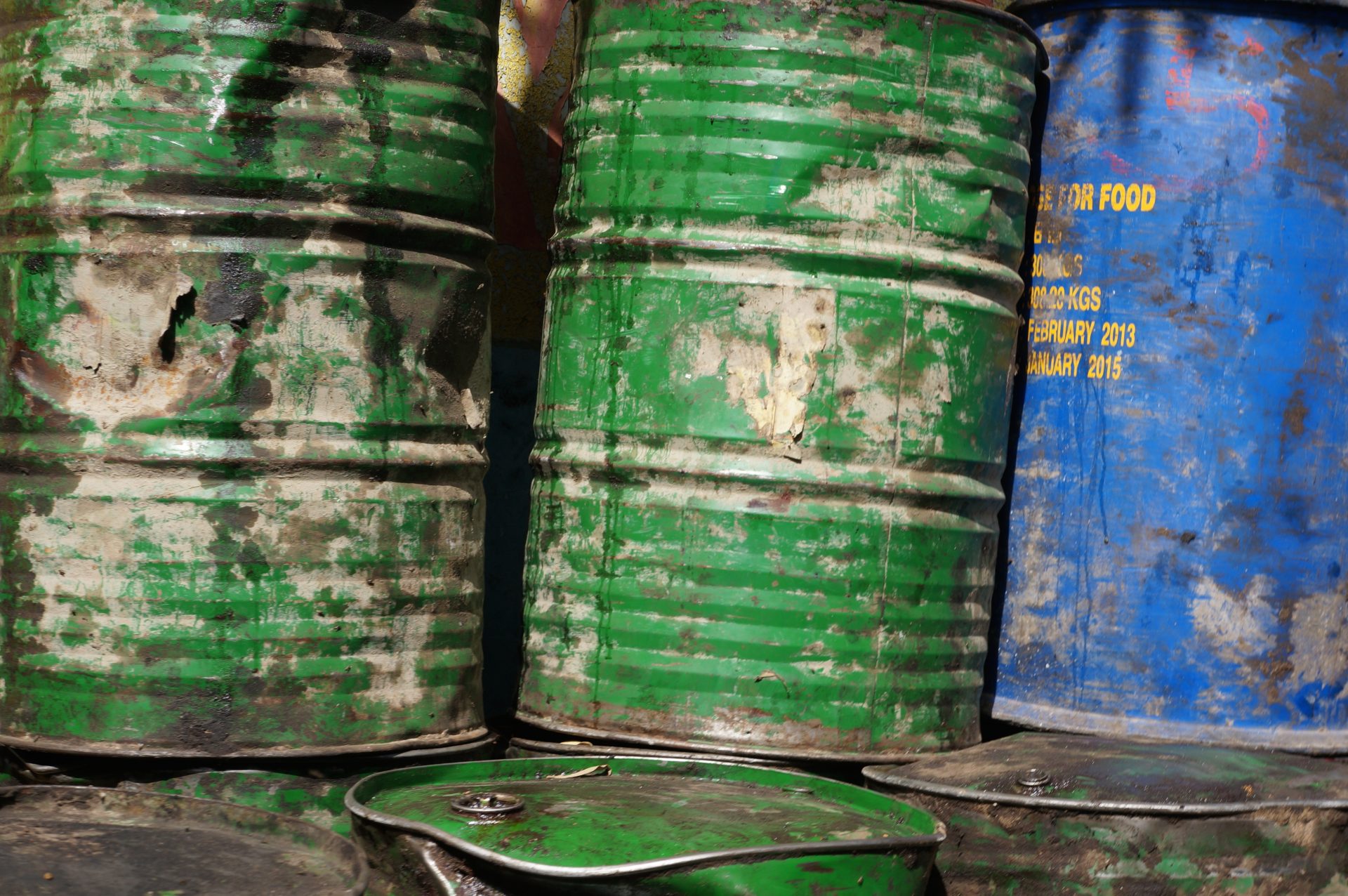
If your job includes the use or handling of flammable substances, you need special training to recognize and avoid the hazards that go along with them.

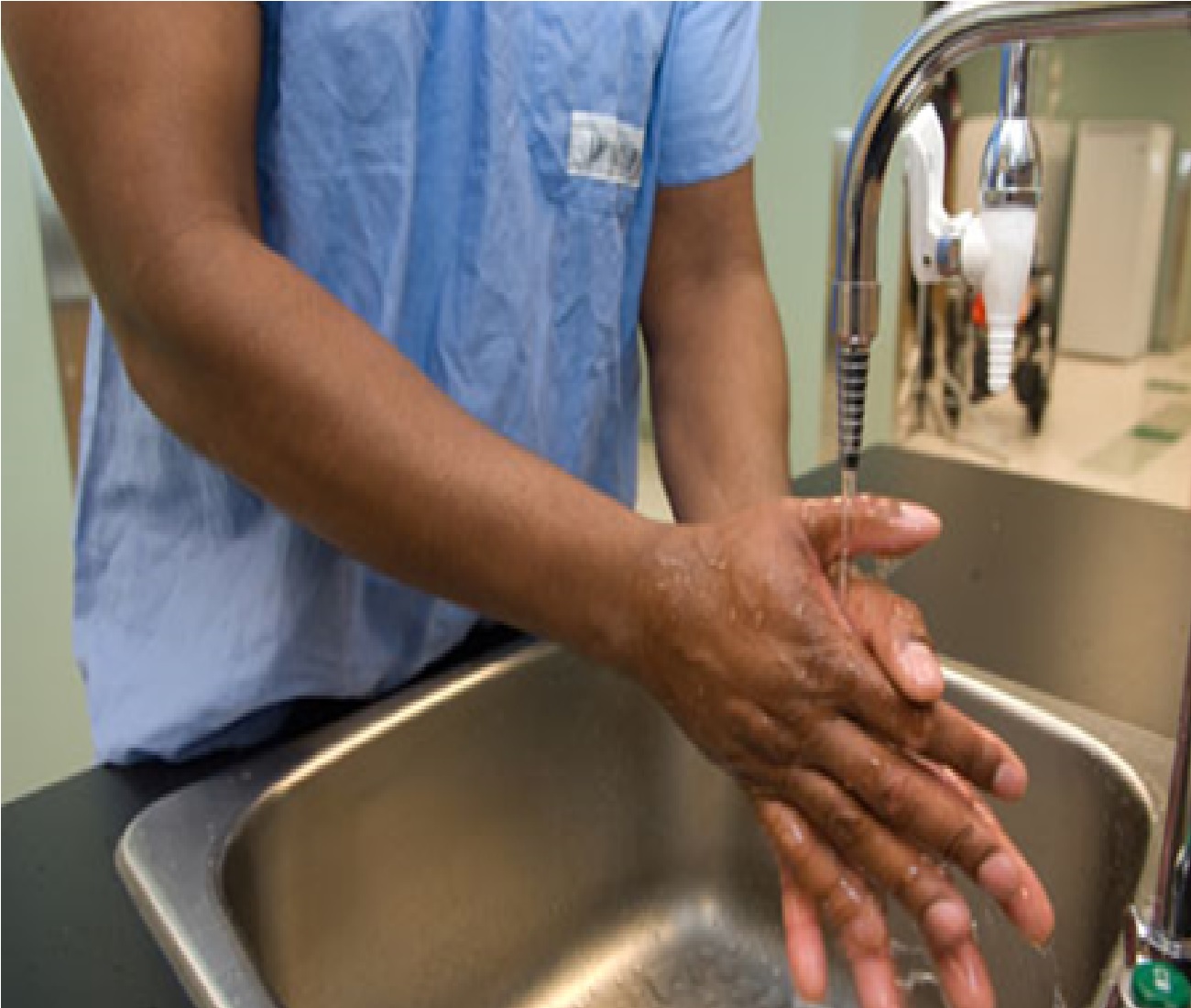
Laboratories harbor fire and explosion hazards, and radiation hazards. There may be high-powered equipment which could cause cuts, entanglement or electrocution. There also could be biohazardous materials which can cause fatal diseases.

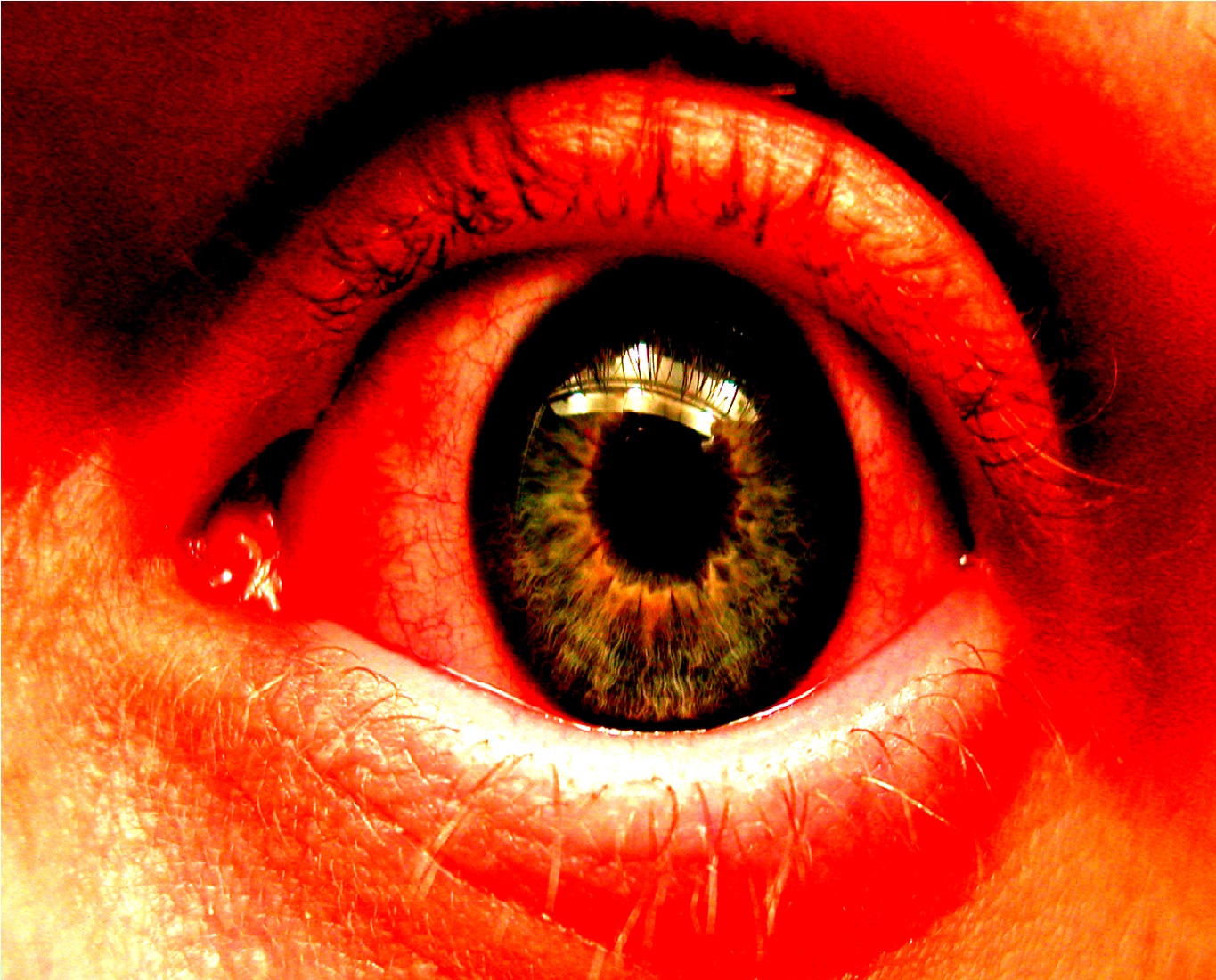
Eyes are one of the most vulnerable parts of the body. They are susceptible to all kinds of injuries in the workplace if they are not properly protected.
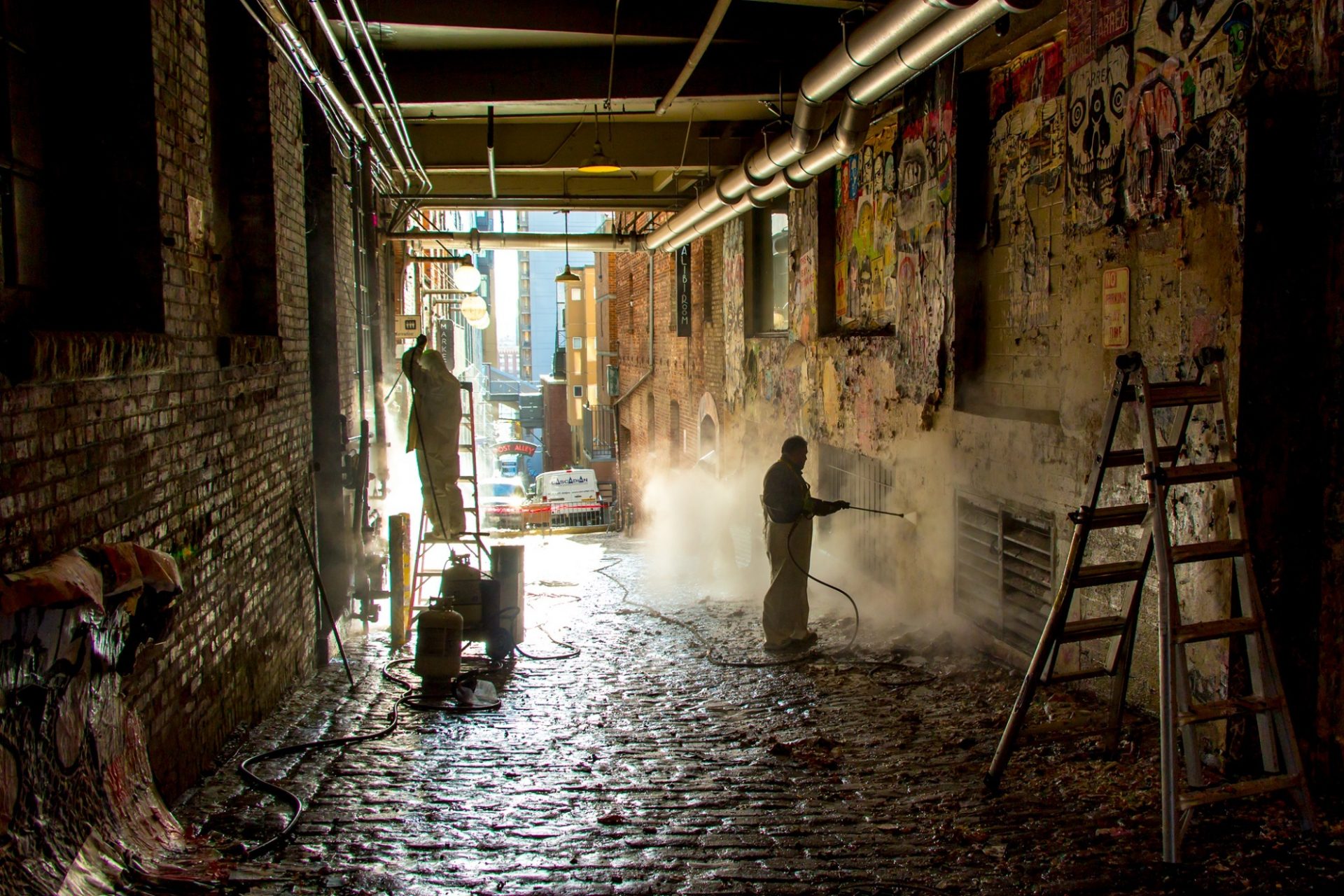
You're steam cleaning the shop floor when you accidentally knock over a 5-gallon can of gasoline near the welding booth. Do you know what to do?
How This Affects You: You can be seriously injured by using common workplace tools incorrectly.

Qué tiene que ver usted con la seguridad de los montacargas?
Every year, more than 100 workers across North America die and thousands more are injured in highway work zones—areas where road construction, maintenance or utility work is being undertaken.

Falls are the most common cause of workplace injuries and the second leading cause of accidental death in North America.

In a heroic attempt to extinguish an apartment fire, two men working in a residential building found extinguishers in a hallway and raced to the unit. Although they had just rescued a tenant from the same unit, they were both overcome by thick smoke and died of cardiac arrest.

An injury which would be minor if it occurred elsewhere can be extremely serious if it occurs on the eye. For example, a piece of metal which is shot through the air from a grinder
Working outdoors in cold weather is just one of the reasons people in the oil and gas industry have to be tough.
How This Affects You: Workplace violence can happen to anyone, even you.

There are a number of hazards your hands encounter every day on the job. Here are a few examples.

Workplace safety can be a complex issue, but learning and adhering to a few safety basics can go a long way toward keeping employees safe on the job. Many workplace injuries and fatalities are directly related to either not knowing how to do something and attempting it anyway or committing unsafe acts through inattention or for other reasons.

It's easy to take the subject of falls lightly? unless you or someone you know has had a serious fall. Then you realize how deadly this commonplace accident can be.

Getting caught in machinery is every worker's nightmare, but you can prevent it from becoming yours with a little vigilance.

Workers in health care, warehousing, transportation, manufacturing, retail and many other industry sectors have to lift and move people and materials as part of their jobs.

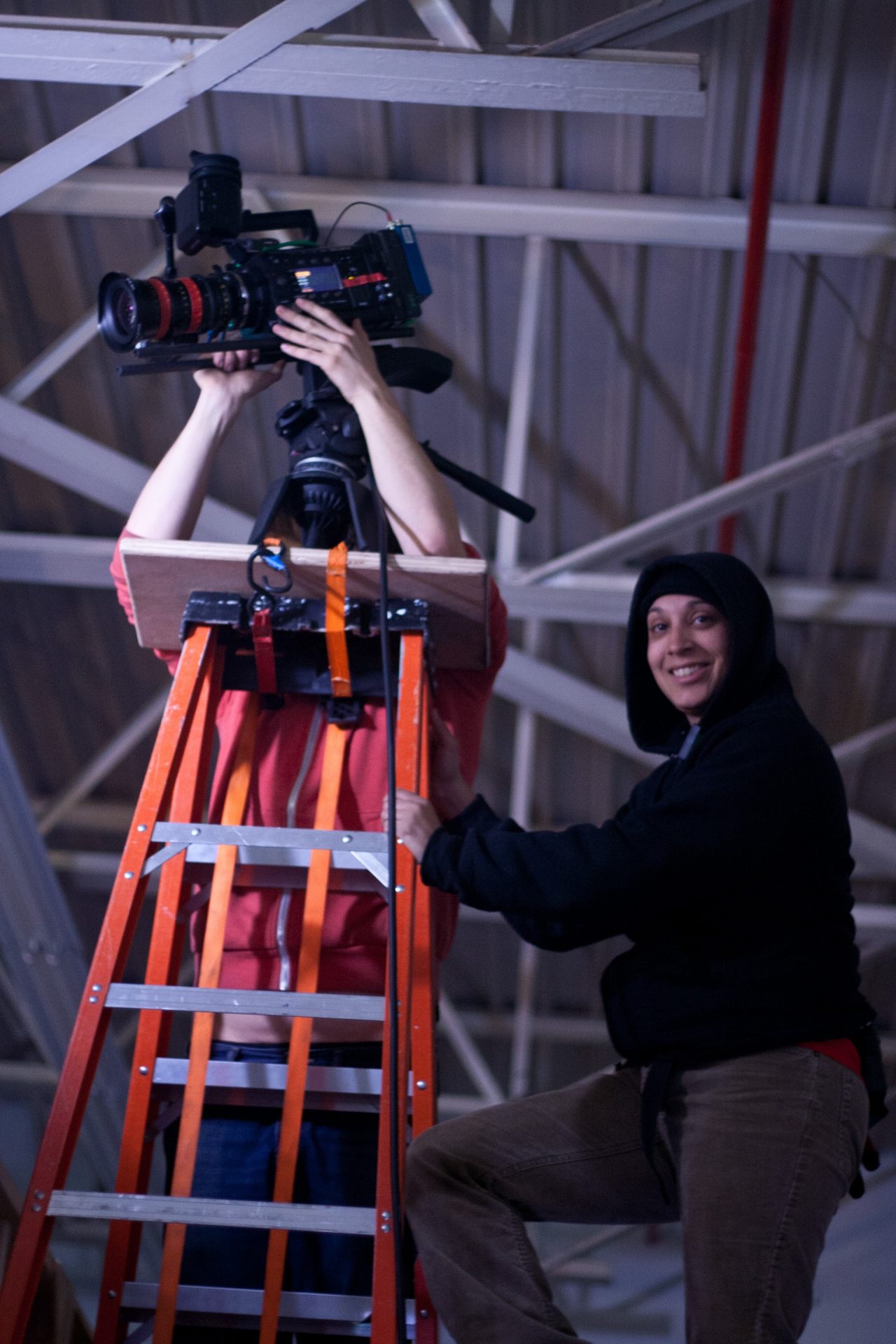
Whether workers climb a ladder or the steps to a large vehicle, failing to heed the three-point rule has resulted in many workplace injuries and deaths.
How This Affects You: The air around you keeps you alive.

Chemicals enter the body in a number of different ways. A chemical can be absorbed by the skin, inhaled, ingested or through a puncture like a needle. Once in the body, chemicals are circulated by

A confined space is any enclosed or partially enclosed space with restricted entry and exit that is not designed or intended for continuous human occupancy. The word “confined” suggests “small” but many confined spaces aren’t small.

In this Safety Talk, we’ll discuss what happens during a caught-between incident, how to avoid hazardous situations when working with machinery, and provide some tips on how to work around machinery without getting hurt.

Break time is your chance to break away from the routine and relax before heading back to work. But you can?t take a break from safety.

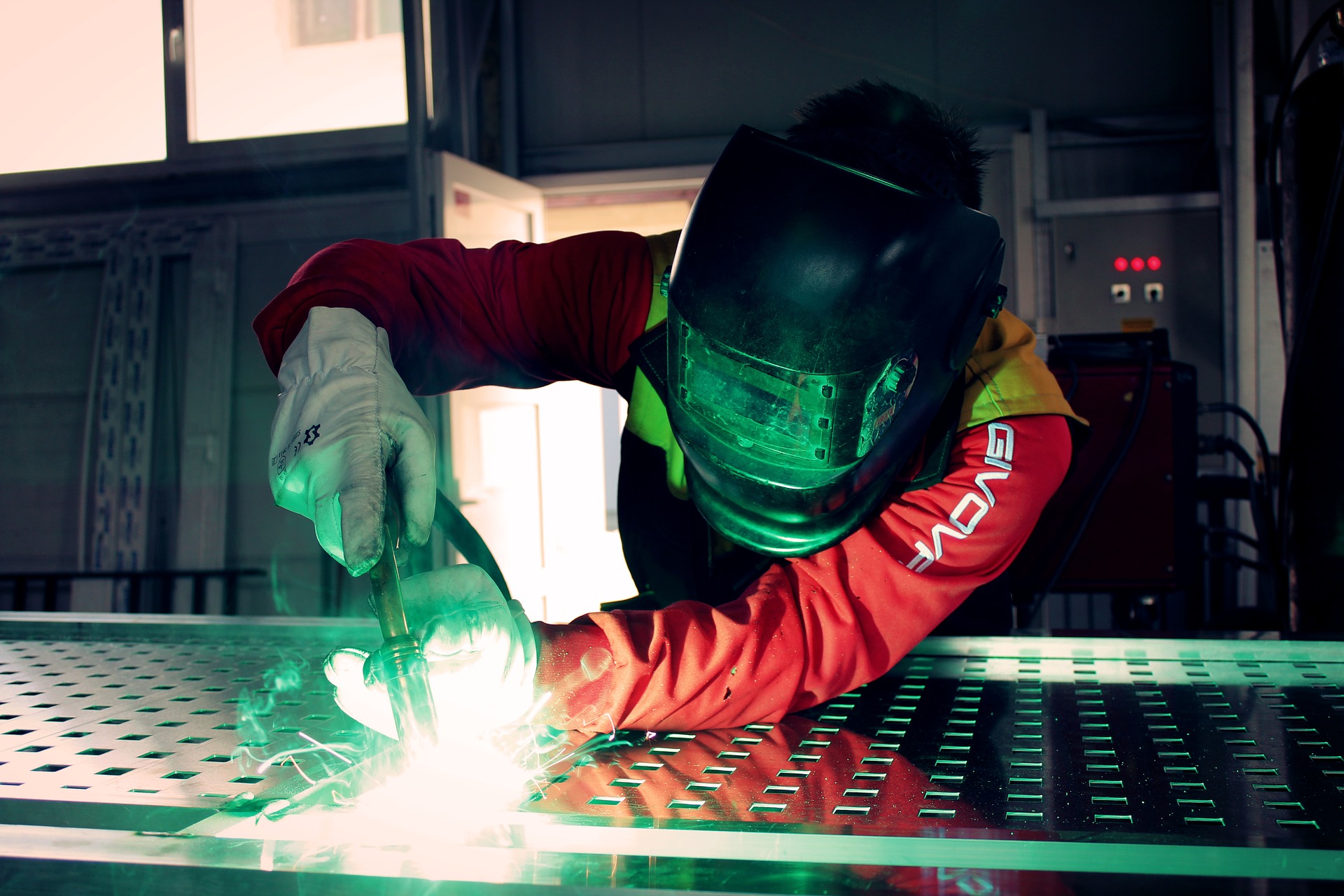
Welding poses a unique combination of both safety and health risks to more than 500,000 workers in a wide variety of industries.

Let's look first at the problem of stored materials. Materials are piled in the yard, in the truck or at various places on the jobsite.