
Stay Alert to Stay Alive
Struck-by and caught-between hazards account for over 1,500 workplace deaths a year and are present in almost every industry sector.
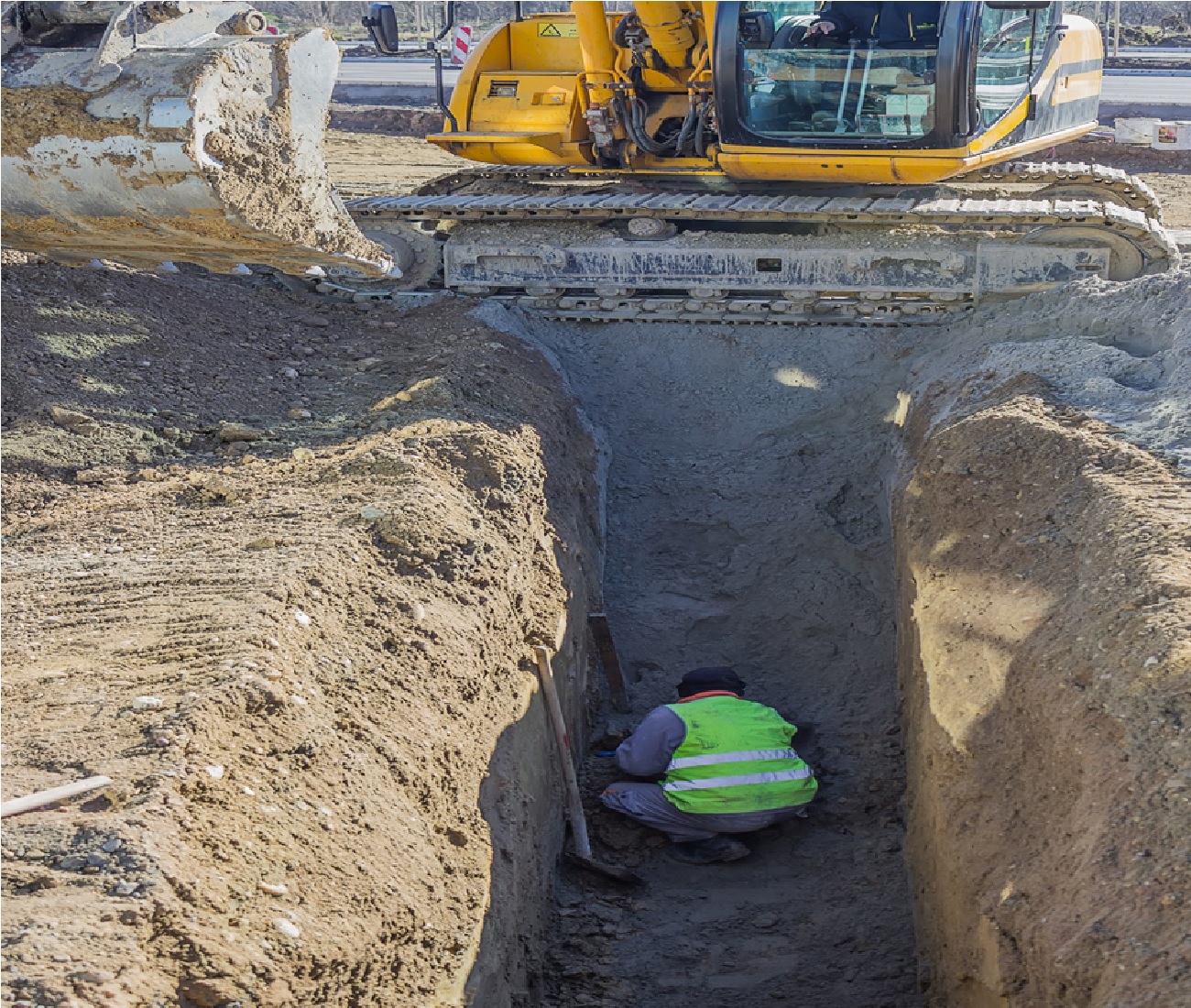
Struck-by and caught-between hazards account for over 1,500 workplace deaths a year and are present in almost every industry sector.

Laboratories harbor fire and explosion hazards, and radiation hazards. There may be high-powered equipment which could cause cuts, entanglement or electrocution. There also could be biohazardous materials which can cause fatal diseases.
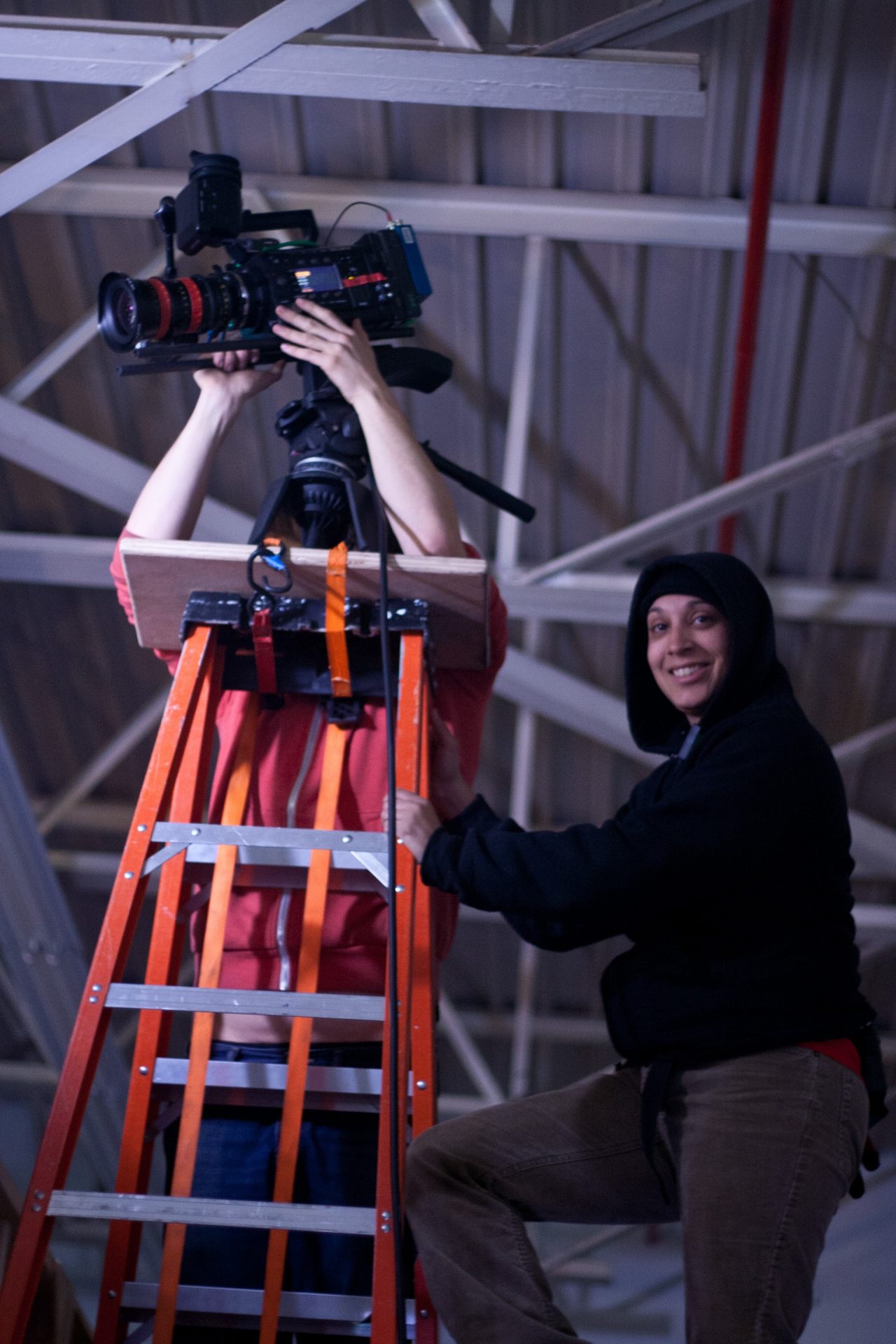
Two workers were attempting to install a wooden sign board on the storefront of a building. They were both on the ground attempting to position an aluminum ladder. They lost control of it, causing the ladder to fall backwards.
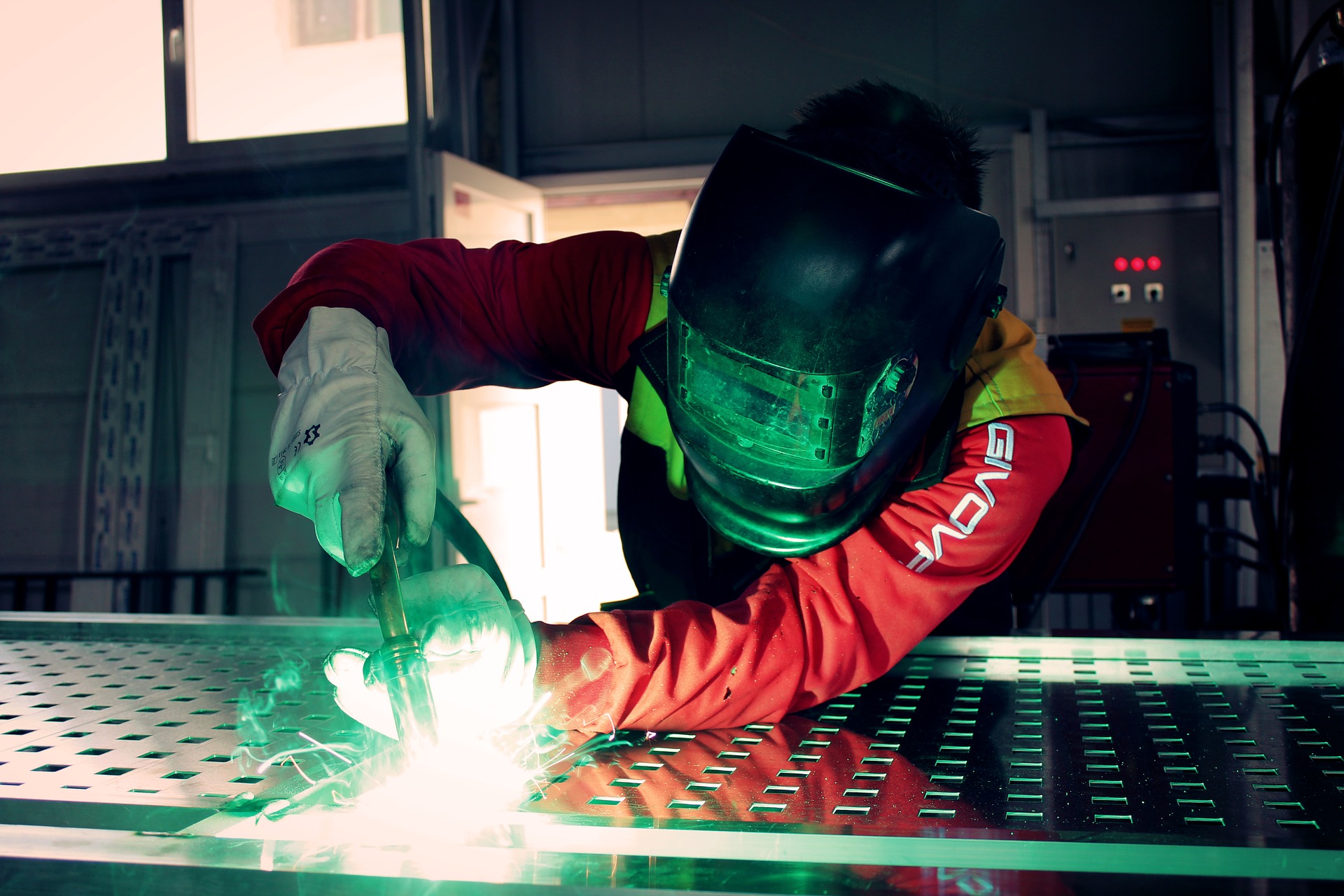
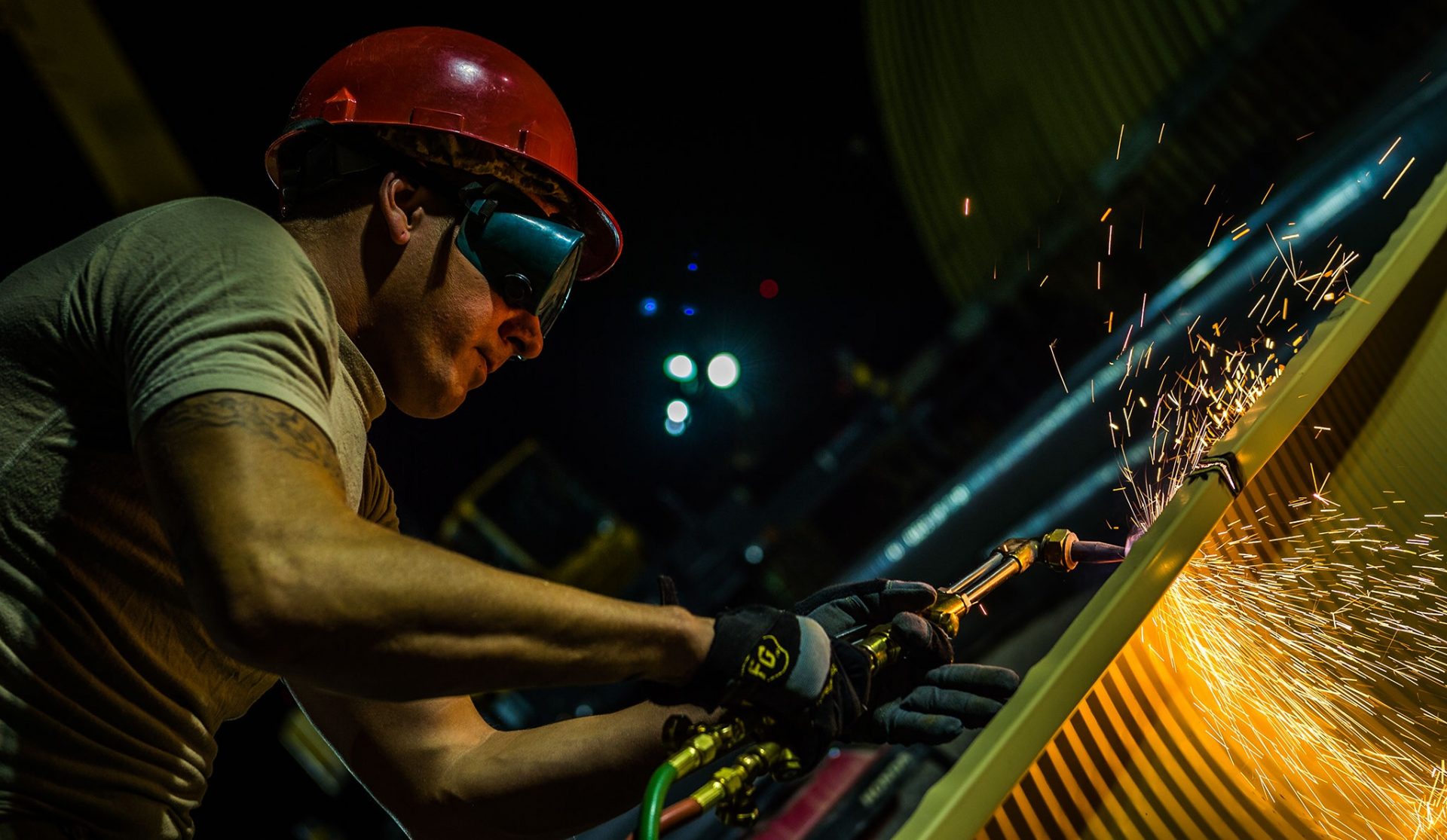
When you weld, cut or grind, the potential for accidents is significant. Eyes and skin can be burned, hearing can be damaged and an electric shock can kill you.
Your workplace probably has countless electrical tools and devices capable of delivering a fatal electrical shock.
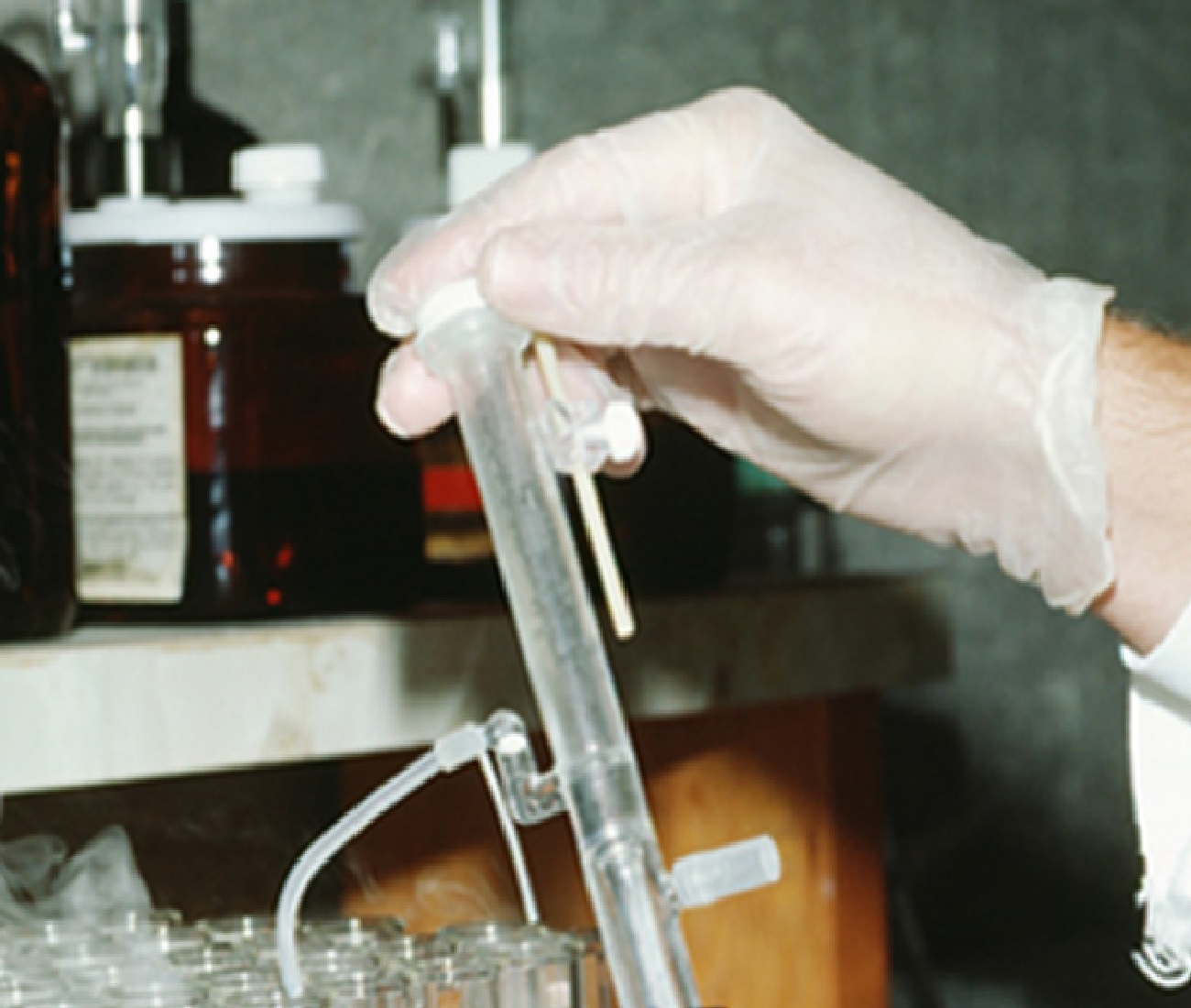
Gloves - of materials such as nitrile, poly vinyl chloride, natural rubber (latex) and butyl rubber
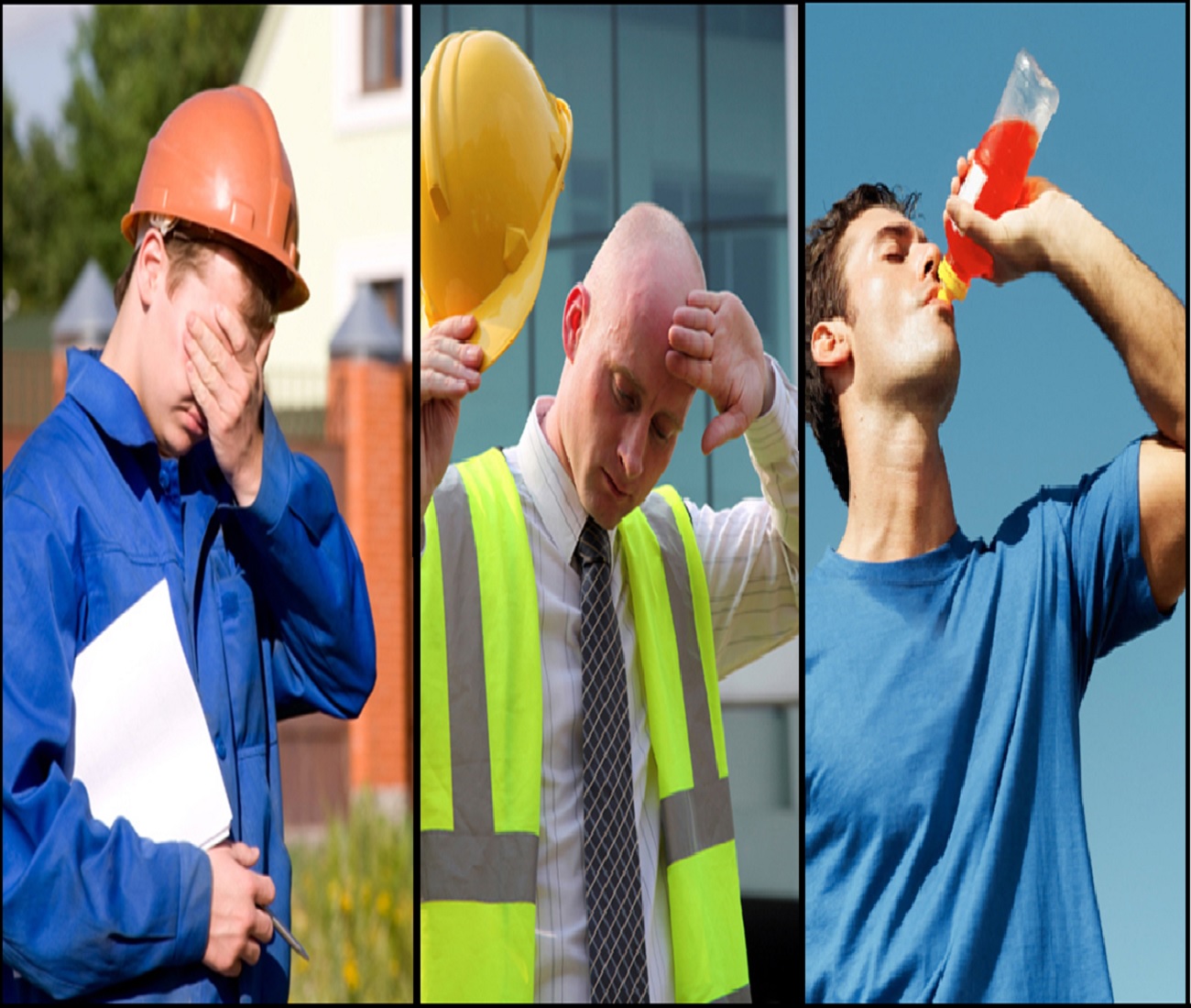
Any workplace can be too hot for safety, both outdoors and in hot, humid conditions indoors. Whenever you’re exposed to heat, you’re at risk of developing heat illness.
Is there a manhole to a sewage system near your workplace, or an underground vault for an electrical system? Any boiler, tunnel, well, silo, shaft or poorly ventilated crawl space can be a potentially dangerous confined space.
Anyone who uses the wrong ladder for a job or uses it inappropriately is courting trouble. Don?t become a statistic. Remember these ladder safety tips: Select the correct ladder. Why waver on the top rung
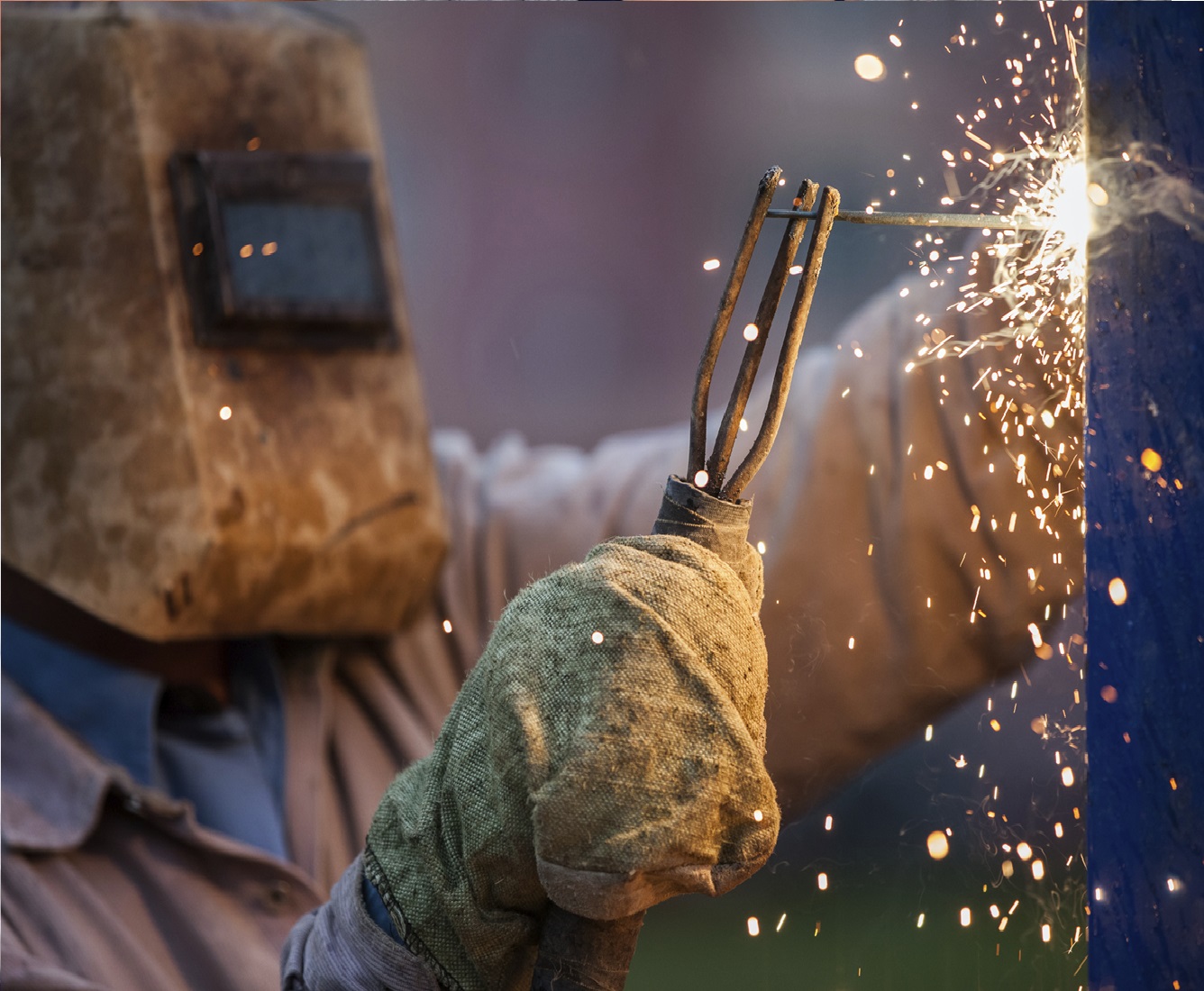
Welding poses a unique combination of both safety and health risks to more than 500,000 workers in a wide variety of industries.
The worst, of course, would be an amputation – cutting off a hand or fingers. An amputation can be fatal because of the loss of blood, shock, infection or other effects. An amputation can happen

They carry you through heat or cold, wet and slippery conditions. Your feet are also at risk from falling construction materials and equipment. No wonder wearing approved steel-toed boots can be required on the job.
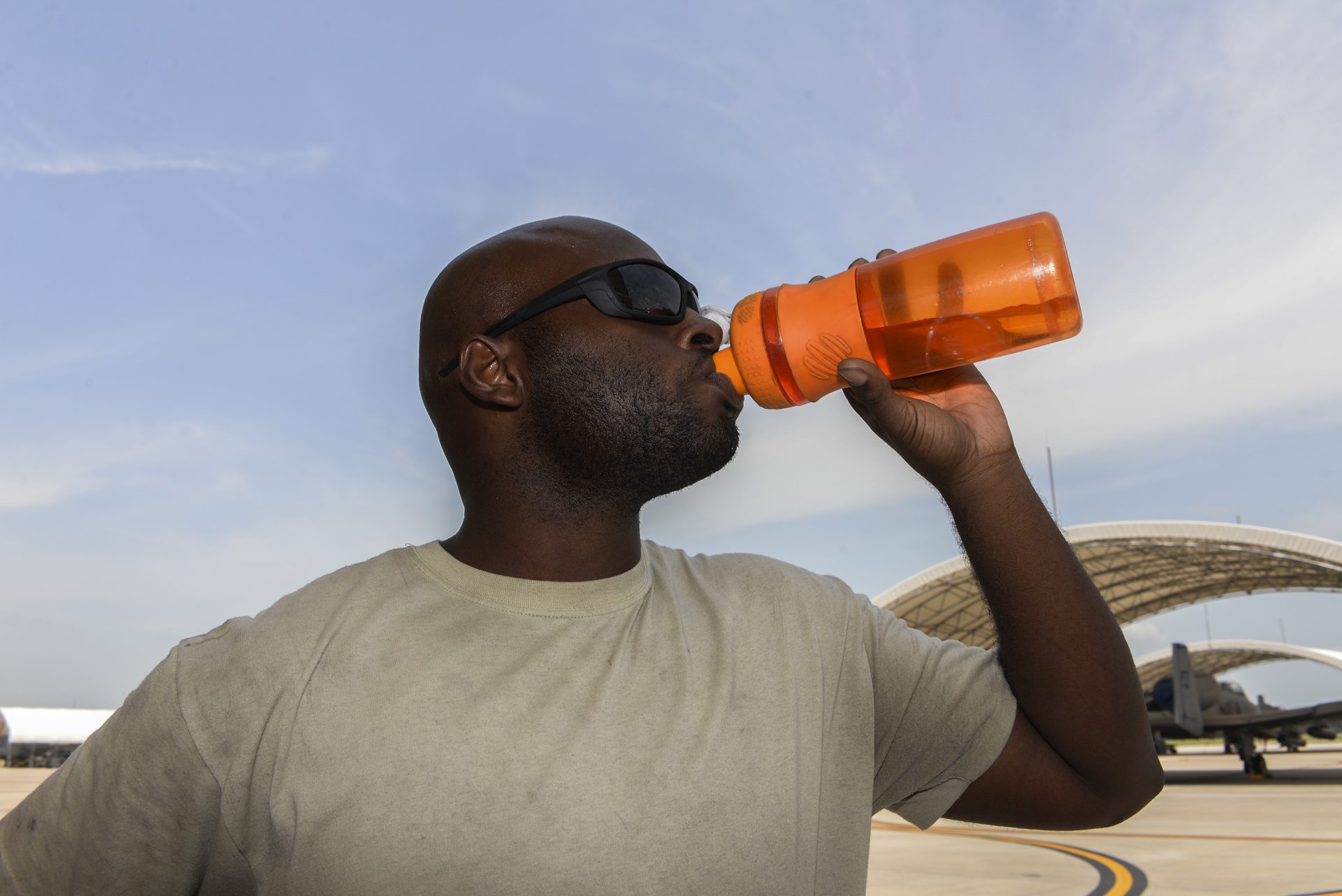
You might be the toughest roughneck around, but a good dose of heat stress can quickly tame anyone's bravado.
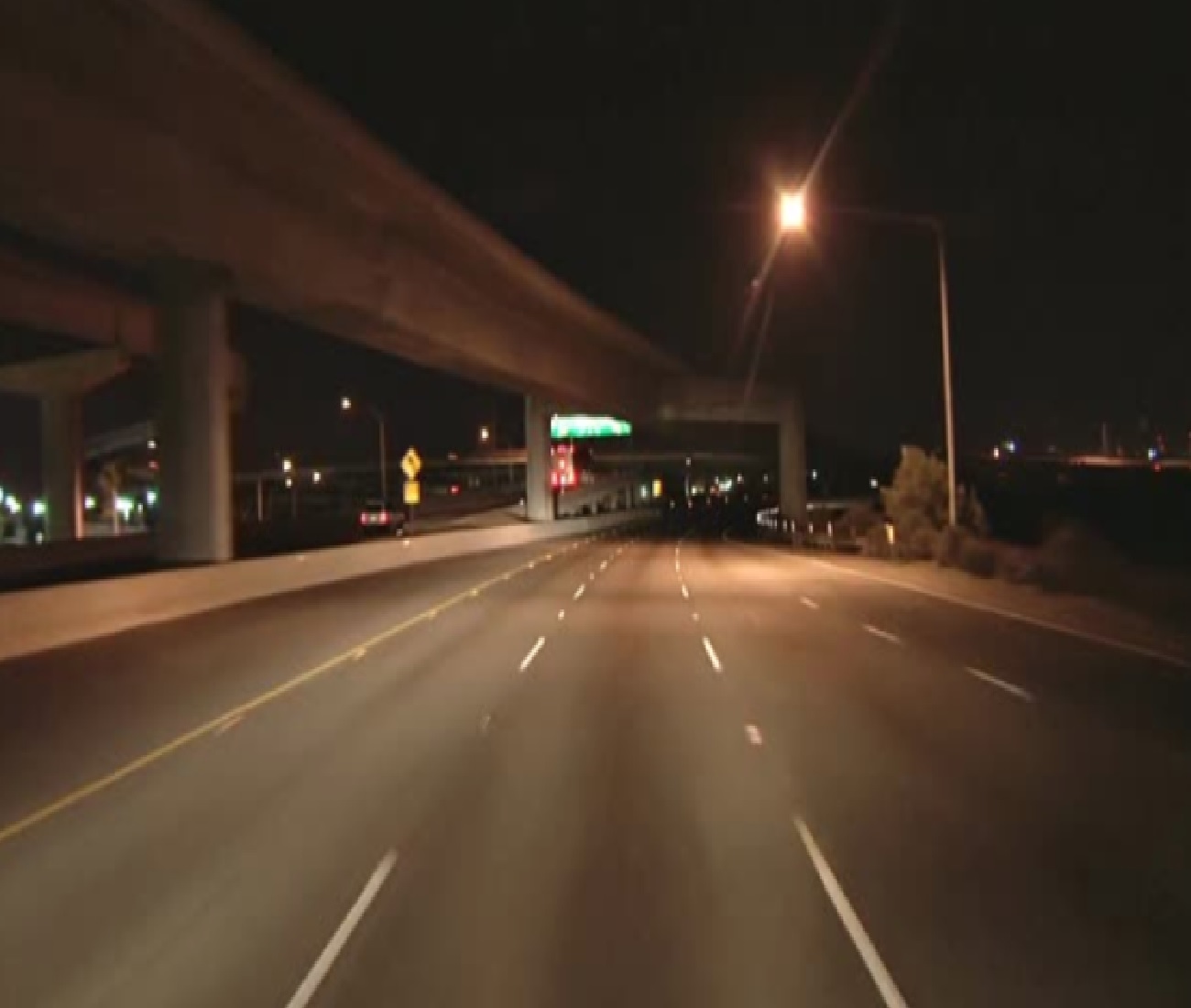
Most motor vehicle fatalities happen after dark, even though we drive less at night than in the daytime.
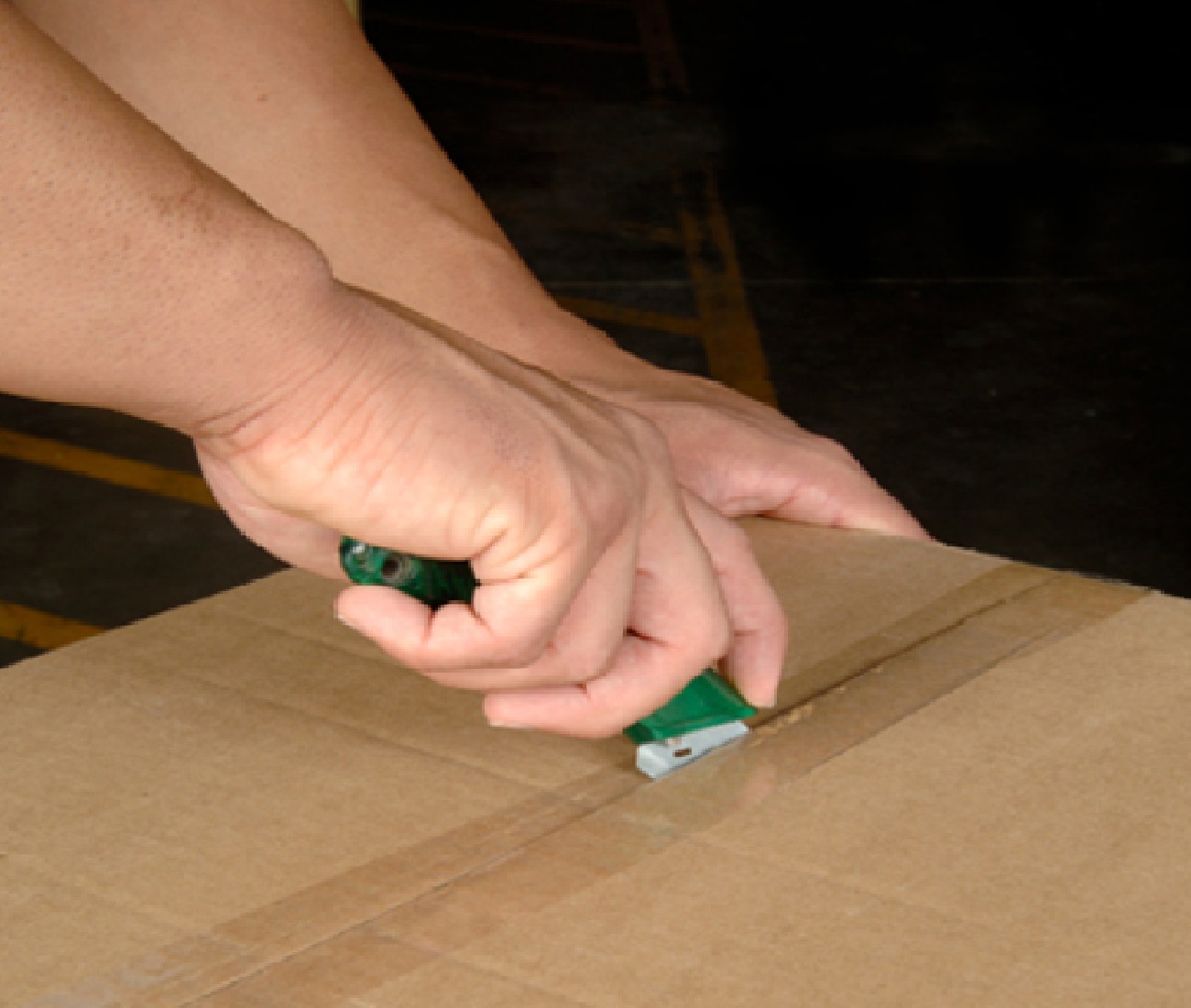
Many workers use utility knives to open packaging. But one wrong move and these tools can do serious harm. In fact, nearly 40 percent of all injuries attributed to manual workshop tools in the US involve utility knives. And it’s not only utility knives that pose a risk. The straight hand knife is also a commonly used tool in many industries and the cause of many severe accidents.
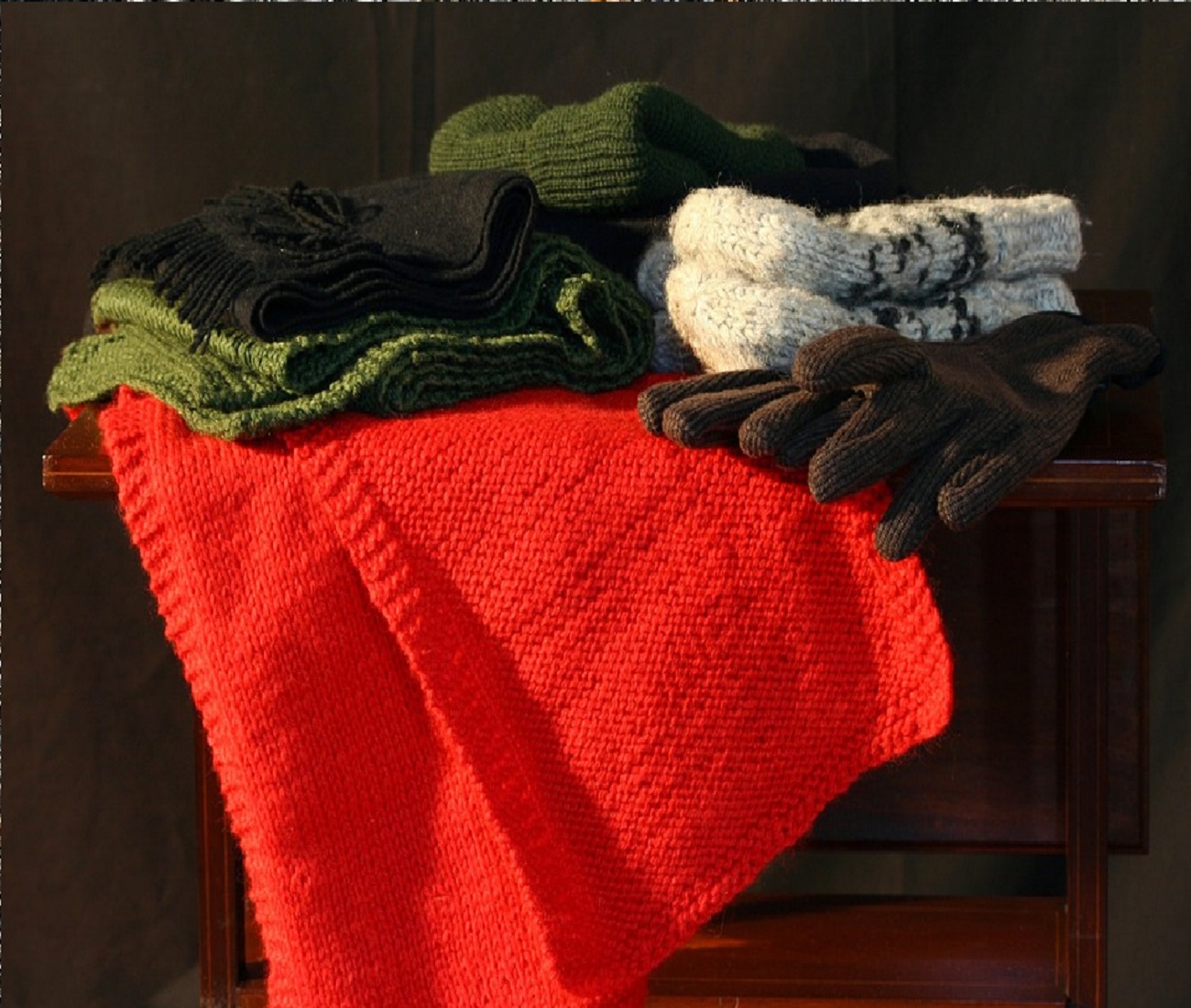
Do you know which clothes and protective equipment to wear in cold temperatures? This is important if you perform your job outdoors, or in any kind of low temperature environment such as food-storage freezers or meat-packing plants.

The body normally cools itself by sweating. During hot weather, especially with high humidity, sweating isn't enough.
You’ve probably heard these expressions — maybe even used them yourself a time or two — but the fact is a human skull isn’t all that thick or all that hard when compared to some
Reverse can be more dangerous than forward. Backing up causes many damaging collisions as well as fatal accidents, particularly ones involving pedestrians. Think ahead and try to avoid many backing-up situations. Before you park, enter
Using a ladder is a safer alternative to using a makeshift climbing device or an improvised work platform.
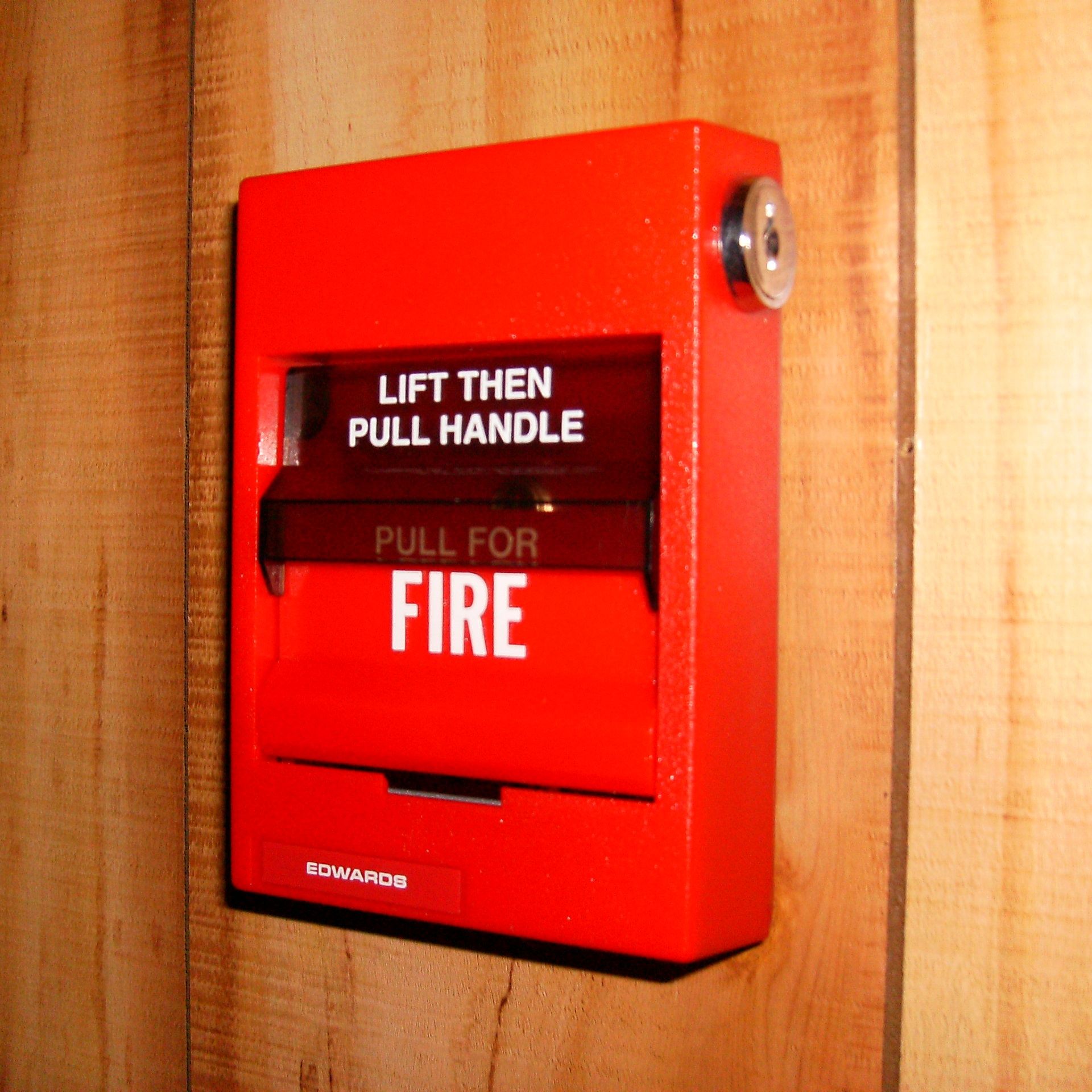
We often hear about people being “in the wrong place at the wrong time.” While this saying often refers to people who have been victims of crime, it certainly applies to workers as well.

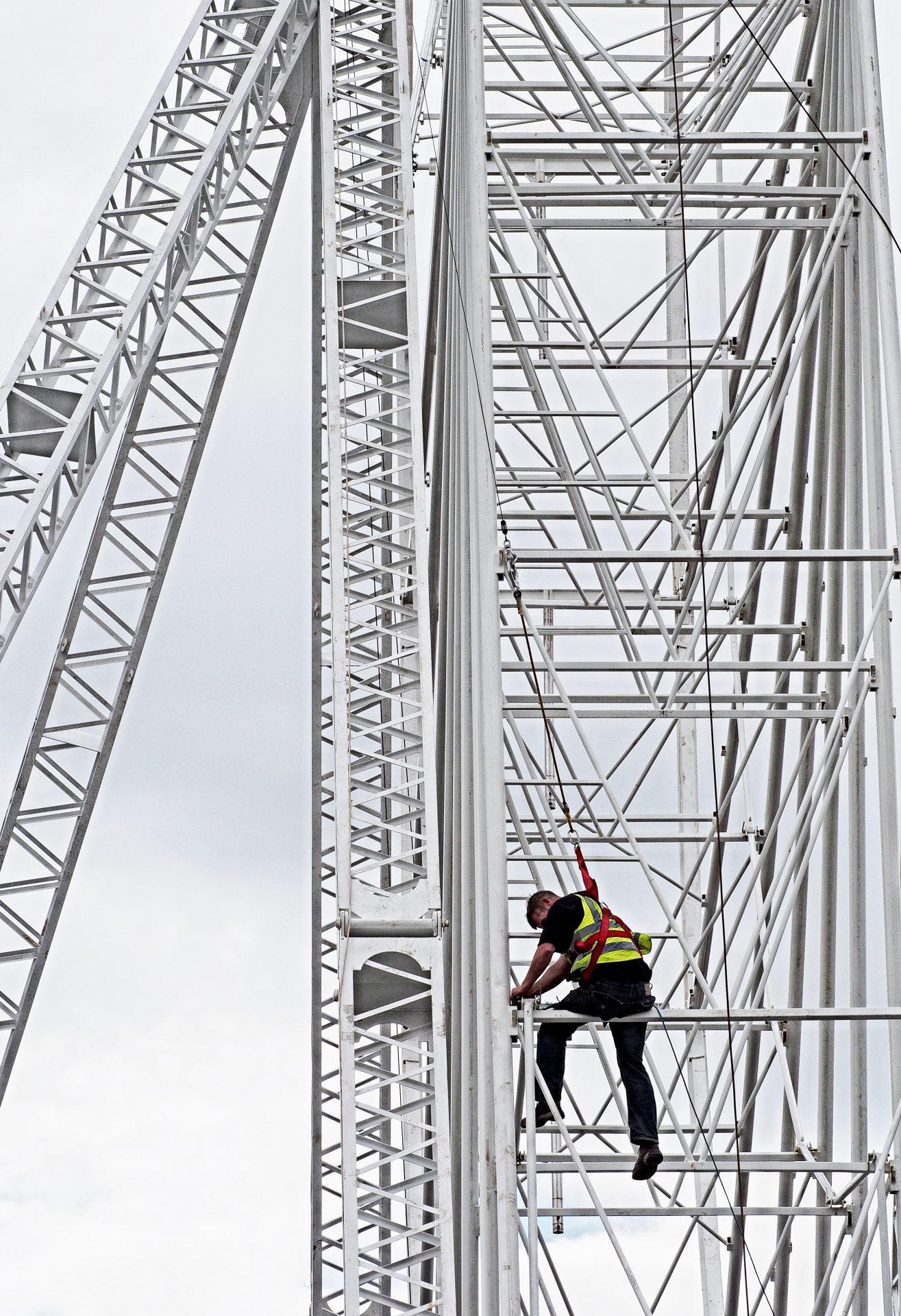
Falls are the most common cause of workplace injuries and the second leading cause of accidental death in North America.
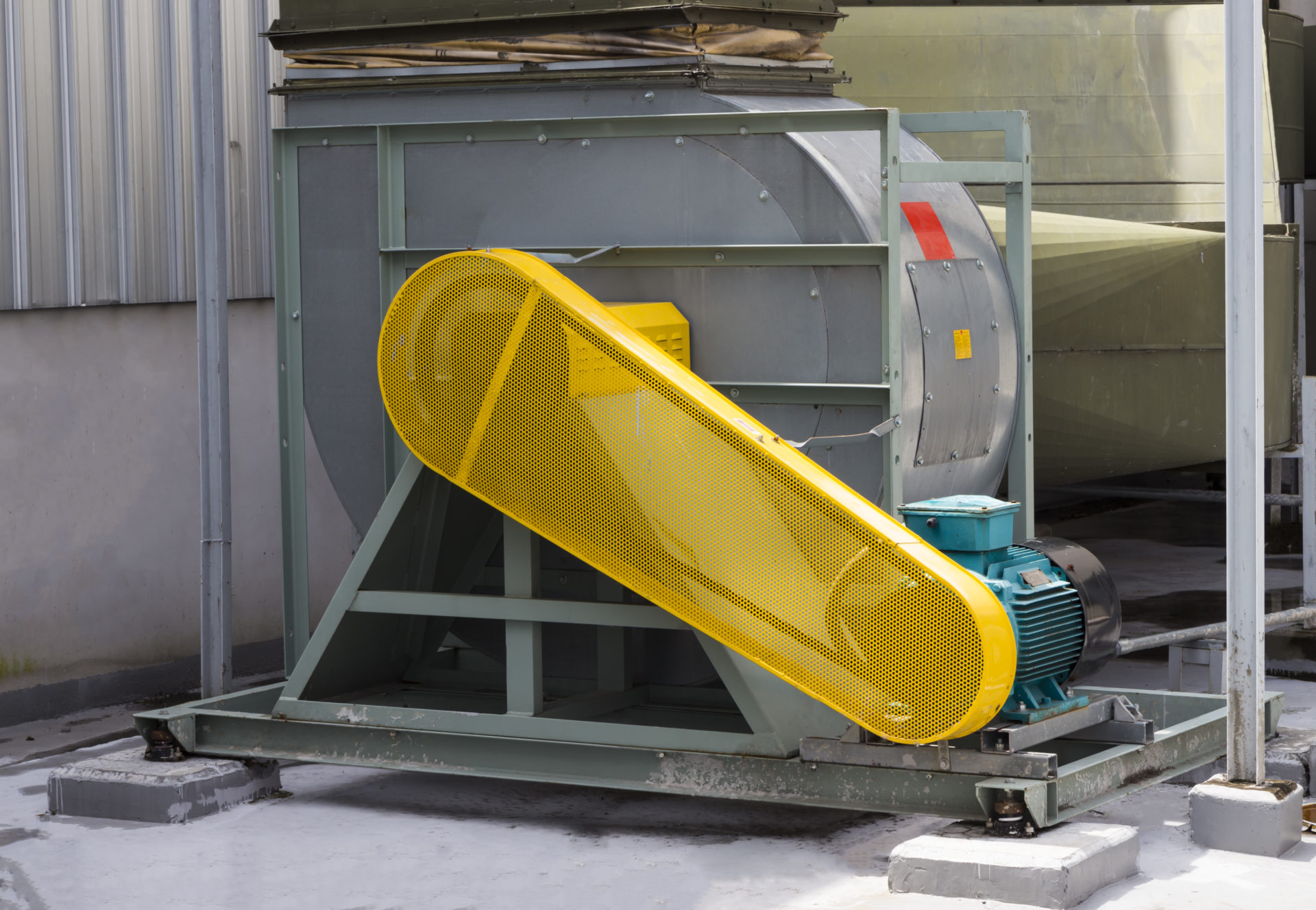
Getting caught in machinery is every worker's nightmare, but you can prevent it from becoming yours with a little vigilance.
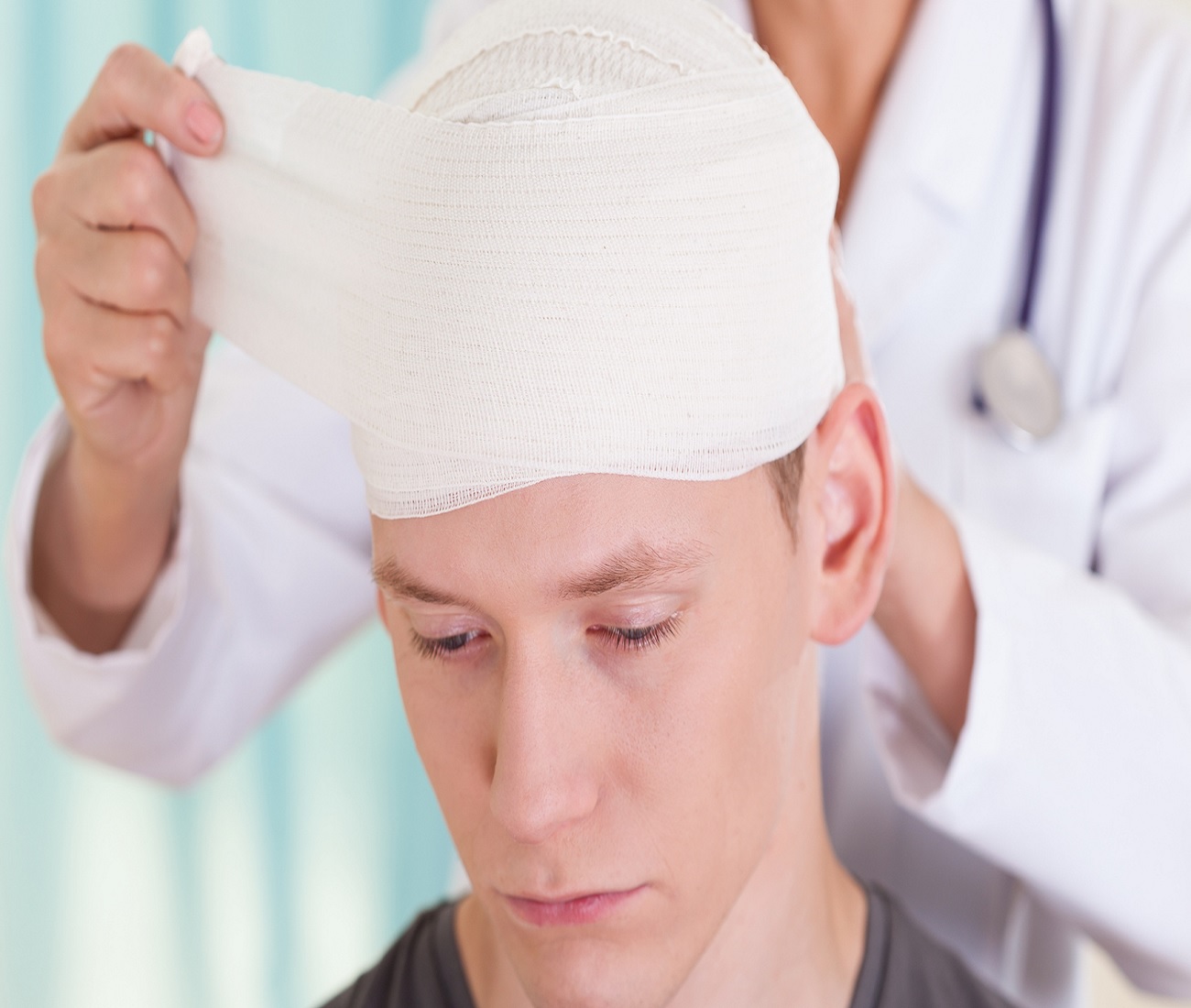
Head injuries are one of the most serious types of injuries that can occur at work.
Silica causes lungs to scar and develop nodules which block extraction of oxygen from air. Each year more than 250 American workers die from silicosis, the disease caused by inhaling tiny silica particles. Silicosis has
Since it's your first time, you may want to checkout some of the video tutorials.






 800-ICW-SAFETY (800.429.7233)
 SAFETYOnDemand@icwgroup.com