
Don’t Forget Good Housekeeping
Housekeeping may not be your favorite job, but a messy workplace is where injuries occur.
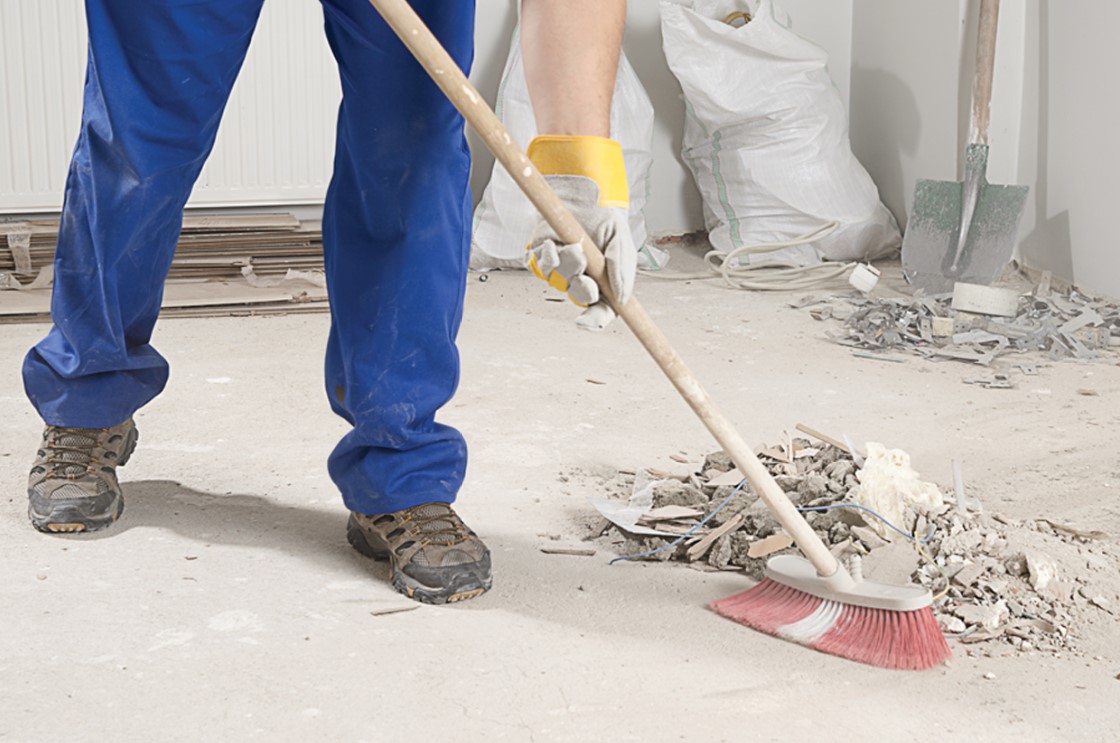
Housekeeping may not be your favorite job, but a messy workplace is where injuries occur.
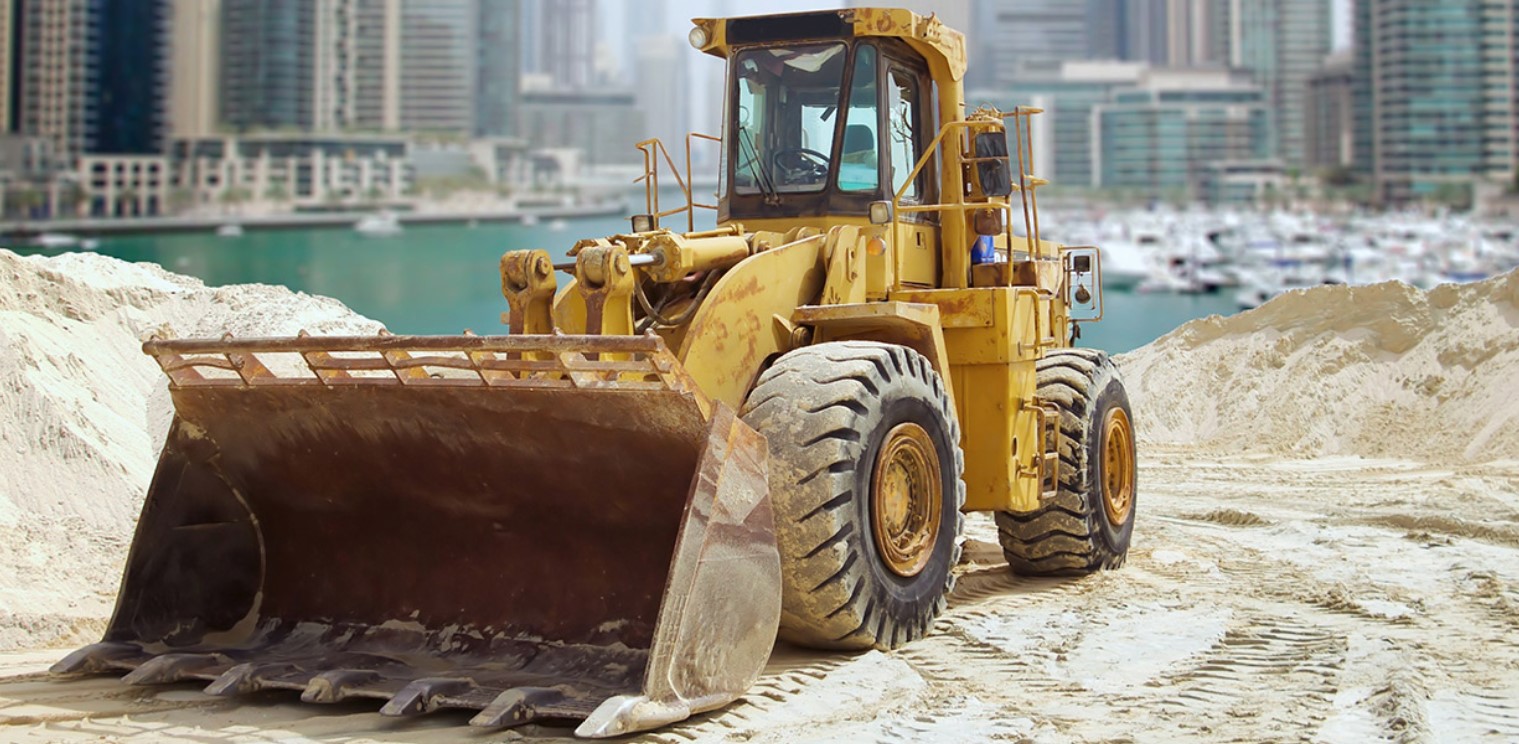
You may work around construction sites or encounter backhoes, loaders, compactors and cranes in your neighborhood or along highways.
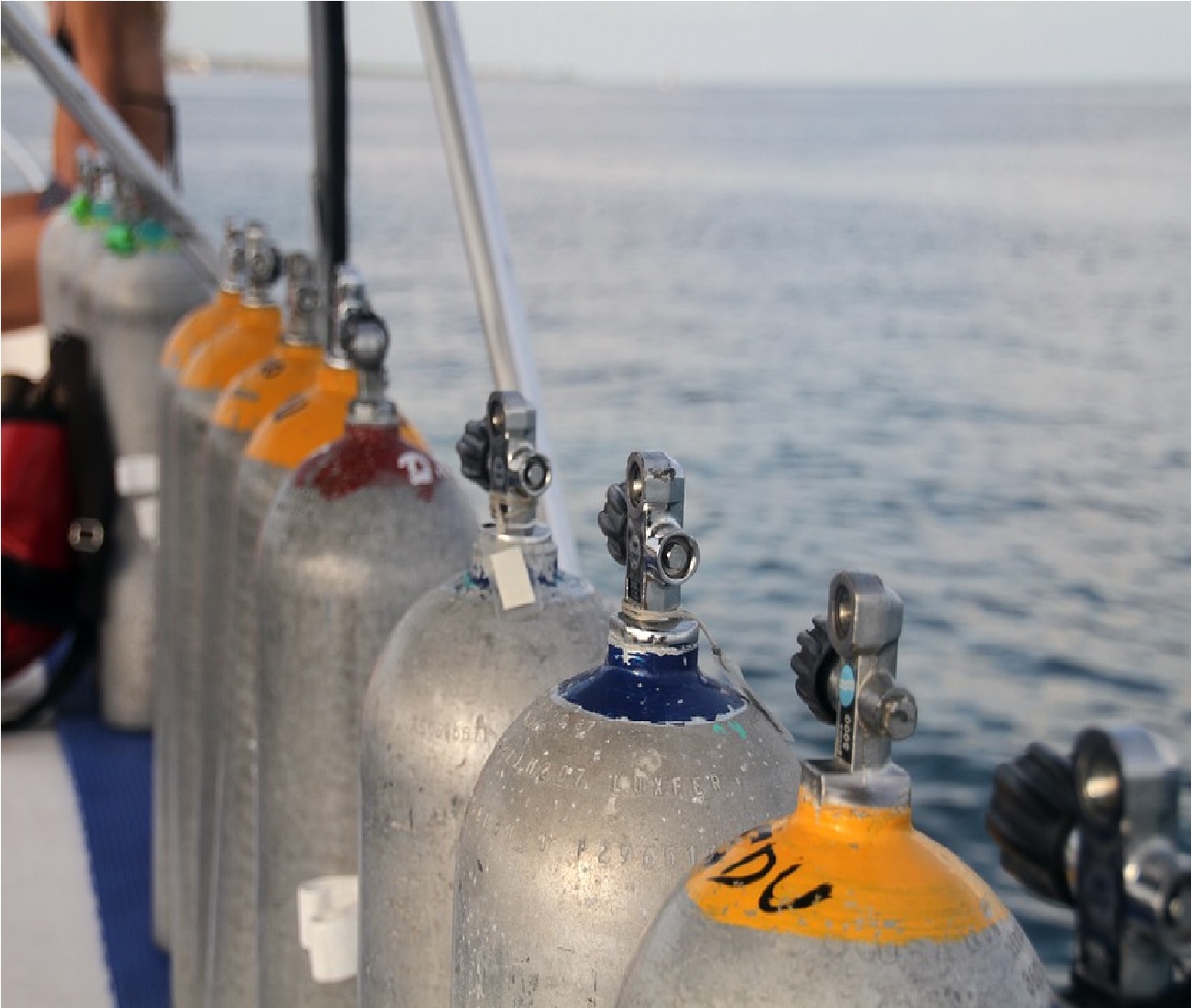
Compressed air can make short work of everything from changing tires to nailing and stapling, but its power demands respect.
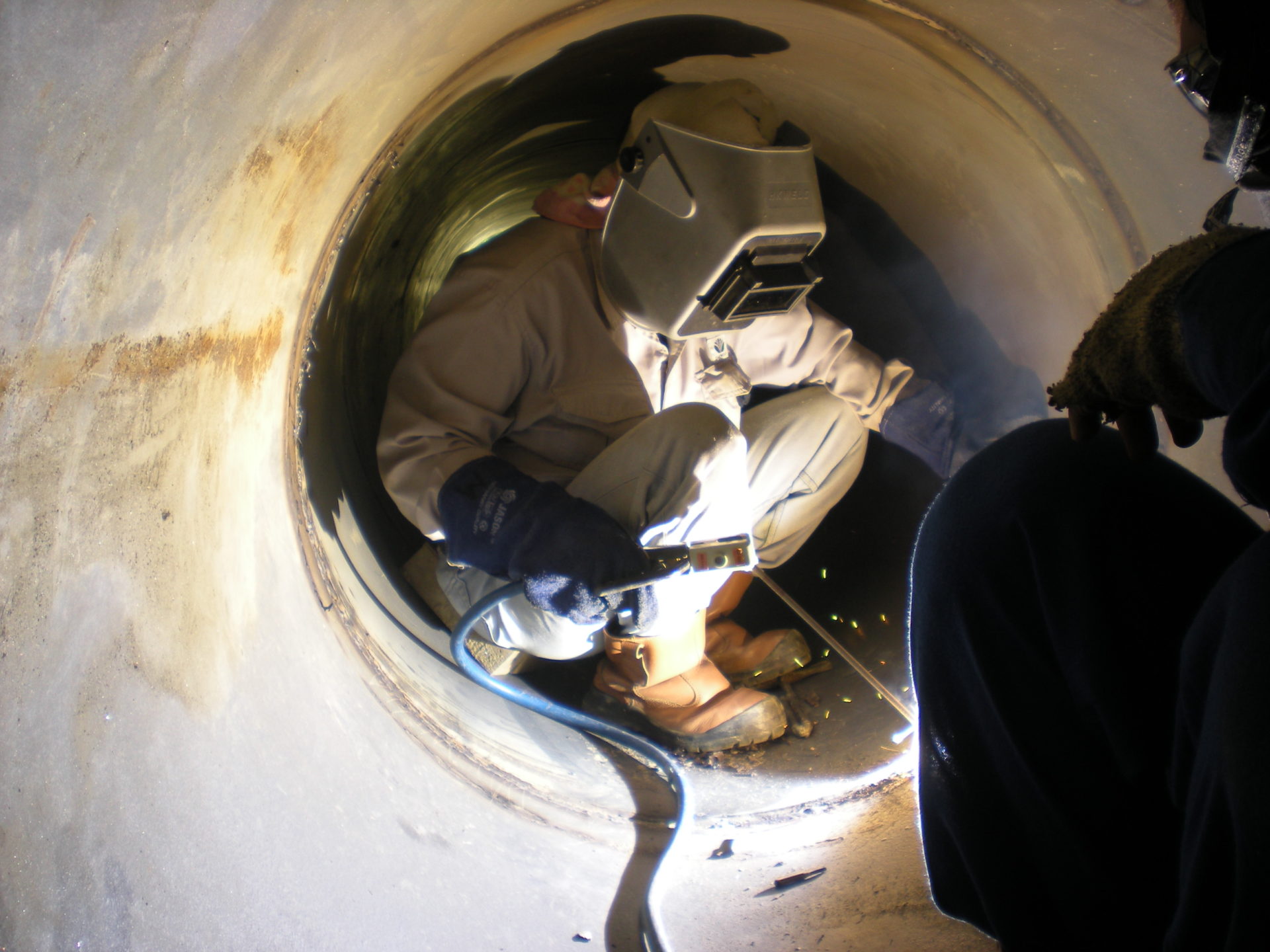
Some jobs require workers to enter and work in tight areas known as confined spaces, which can be both uncomfortable and dangerous. Usually, a confined space will have limited access, poor ventilation and poor lighting.
Being splashed in the face with molten metal and being splashed with water will have dramatically different results on your body.
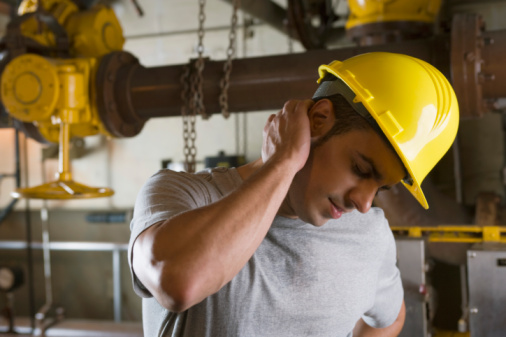
The safety rules, policies and procedures of your workplace are there to protect you from workplace hazards and to help prevent injuries.

Workers in health care, warehousing, transportation, manufacturing, retail and many other industry sectors have to lift and move people and materials as part of their jobs.
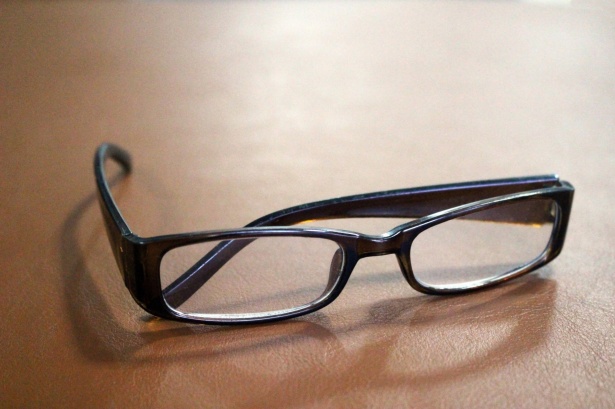
Okay, you've got your hardhat, gloves, safety glasses and respirator; now you're all set for the job. But are you really protected from the hazards?
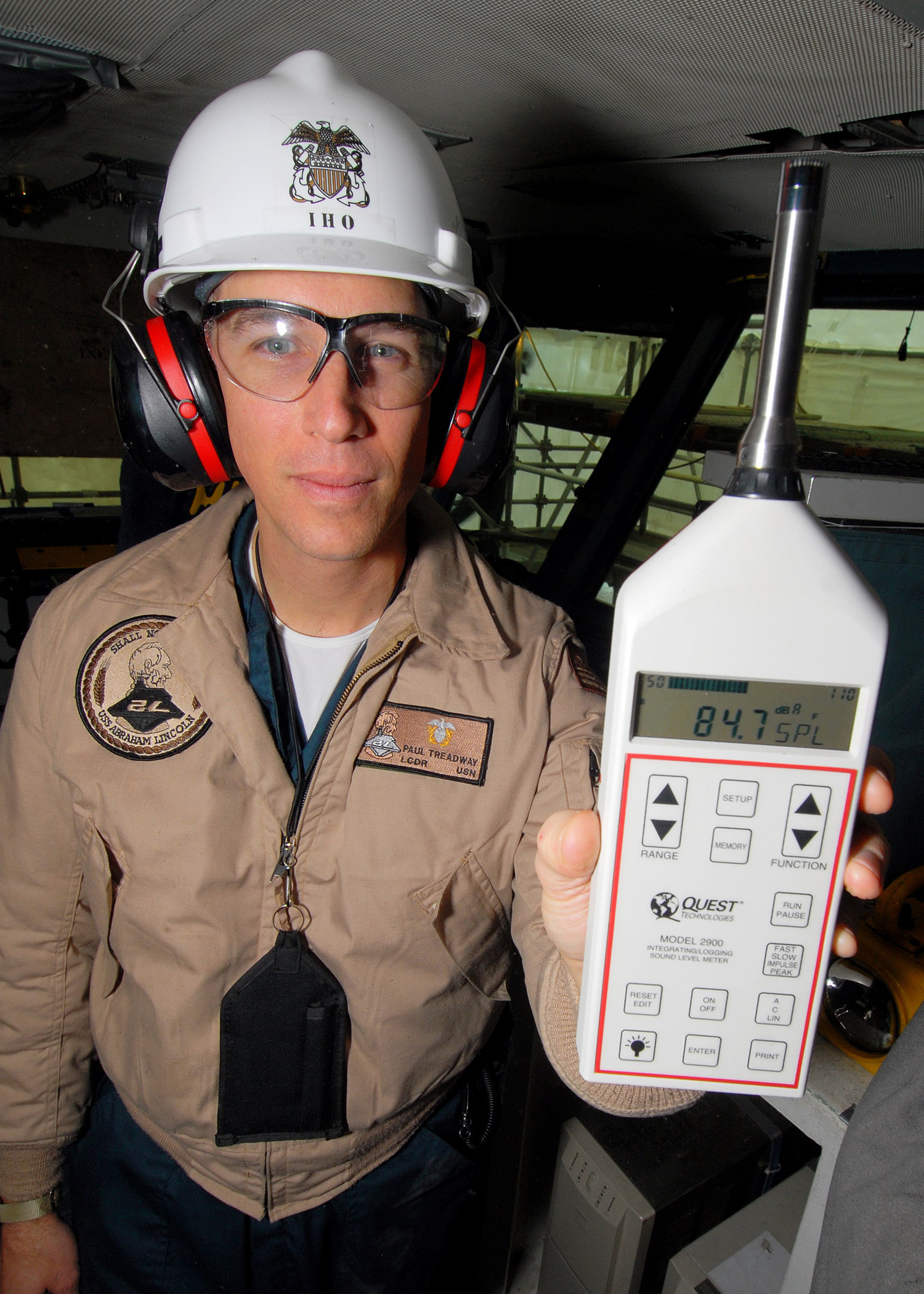
It's hard to believe that noise can cause permanent damage to your hearing - but it can.

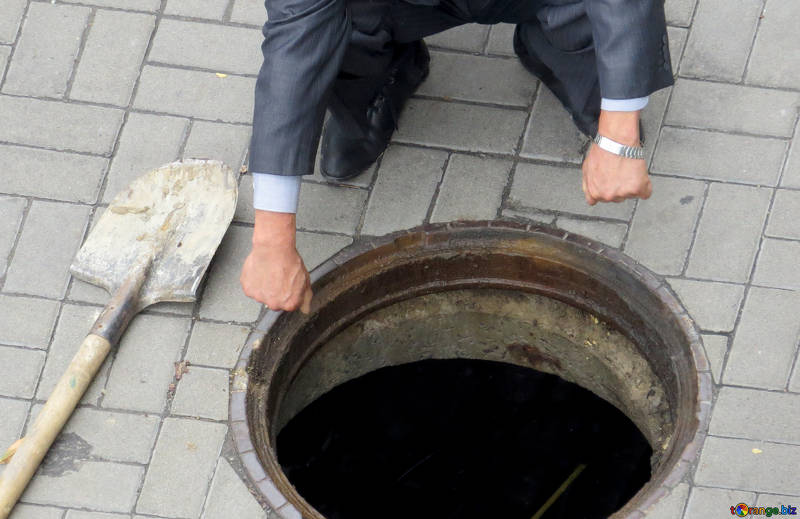
Is there a manhole to a sewage system near your workplace, or an underground vault for an electrical system? Any boiler, tunnel, well, silo, shaft or poorly ventilated crawl space can be a potentially dangerous confined space.
Fatal or disabling head injuries happen when people are hit in the head with running equipment, tools falling from above, broken machine parts propelled through the air and many other moving and stationary objects.
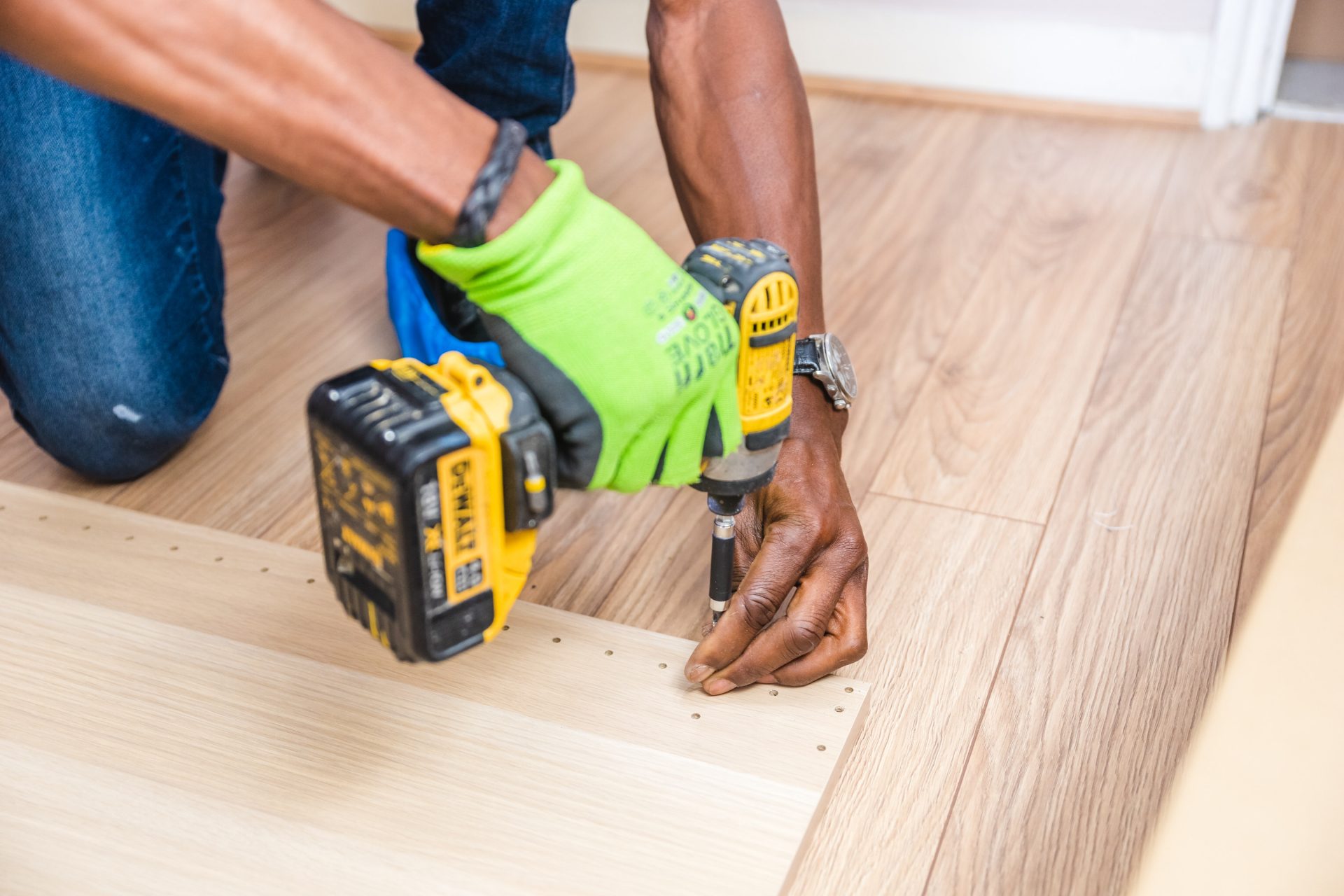
Tuck your thumbs into the palms of your hands and try to tie your shoes, open a bottle, or hold a utensil.
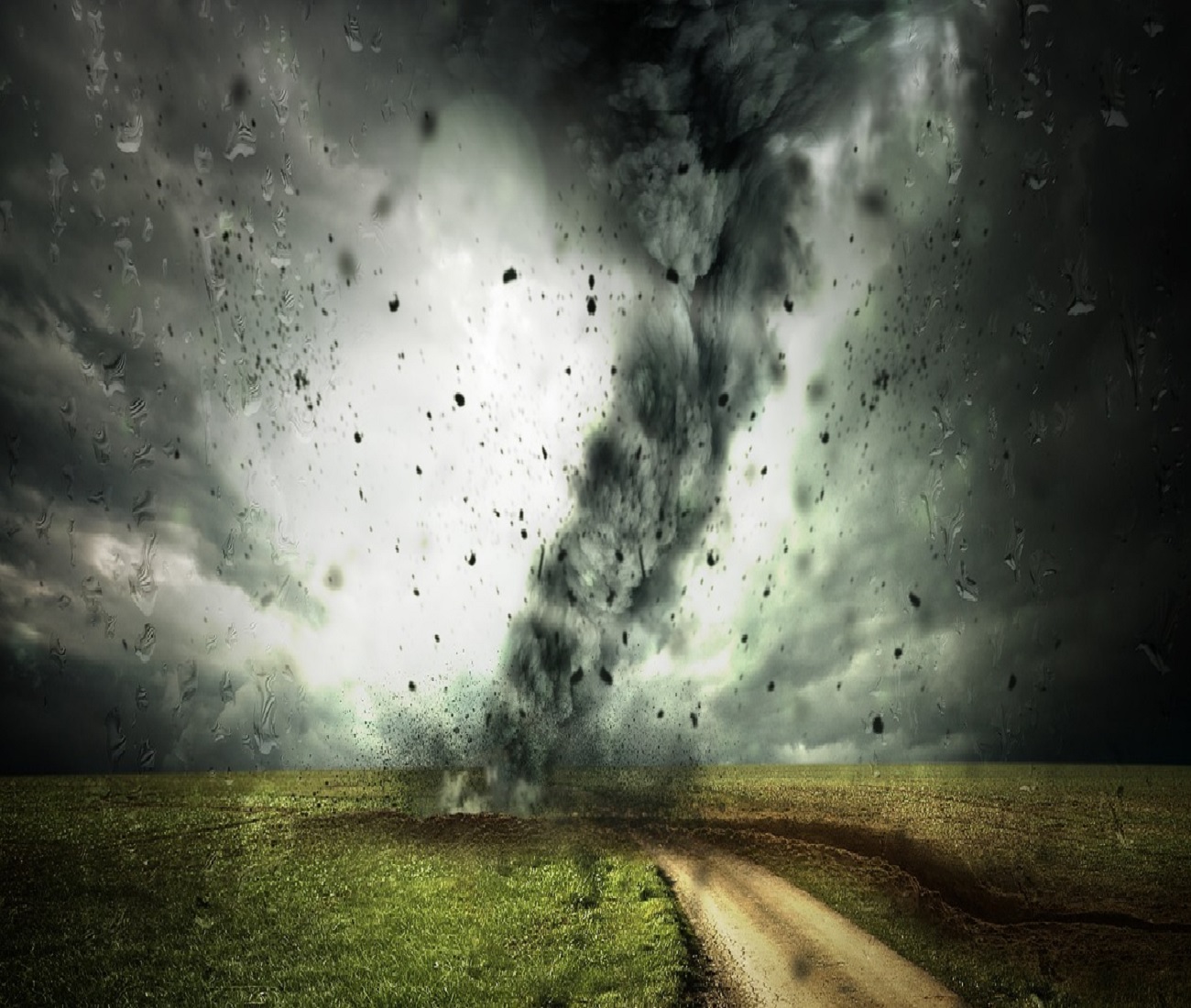
The tornado season in North America begins in April, peaks in June and July, and ends in September. But really the storms can occur at any time, with approximately 1,000 tornadoes being reported in the United States and 80 in Canada each year.

Let's look first at the problem of stored materials. Materials are piled in the yard, in the truck or at various places on the jobsite.

Maintenance employees are confronted with many hazards that can cause injury or death. One such hazard is exposure to asbestos.
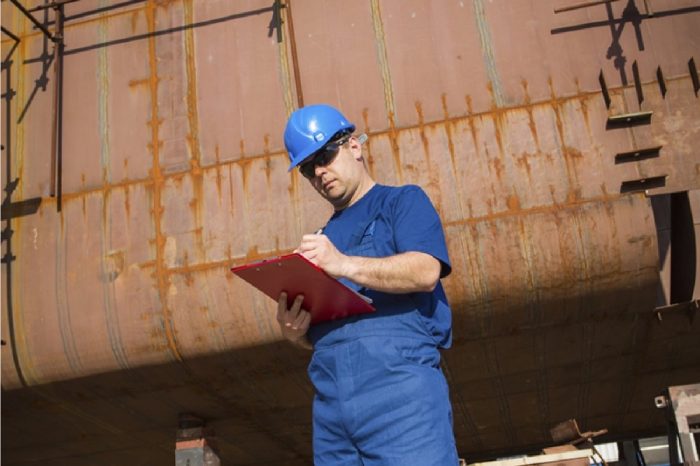
Moving machinery is everywhere. Even something as innocent as a photocopier contains moving parts.
WHAT'S AT STAKE Workers in almost every work environment are [...]
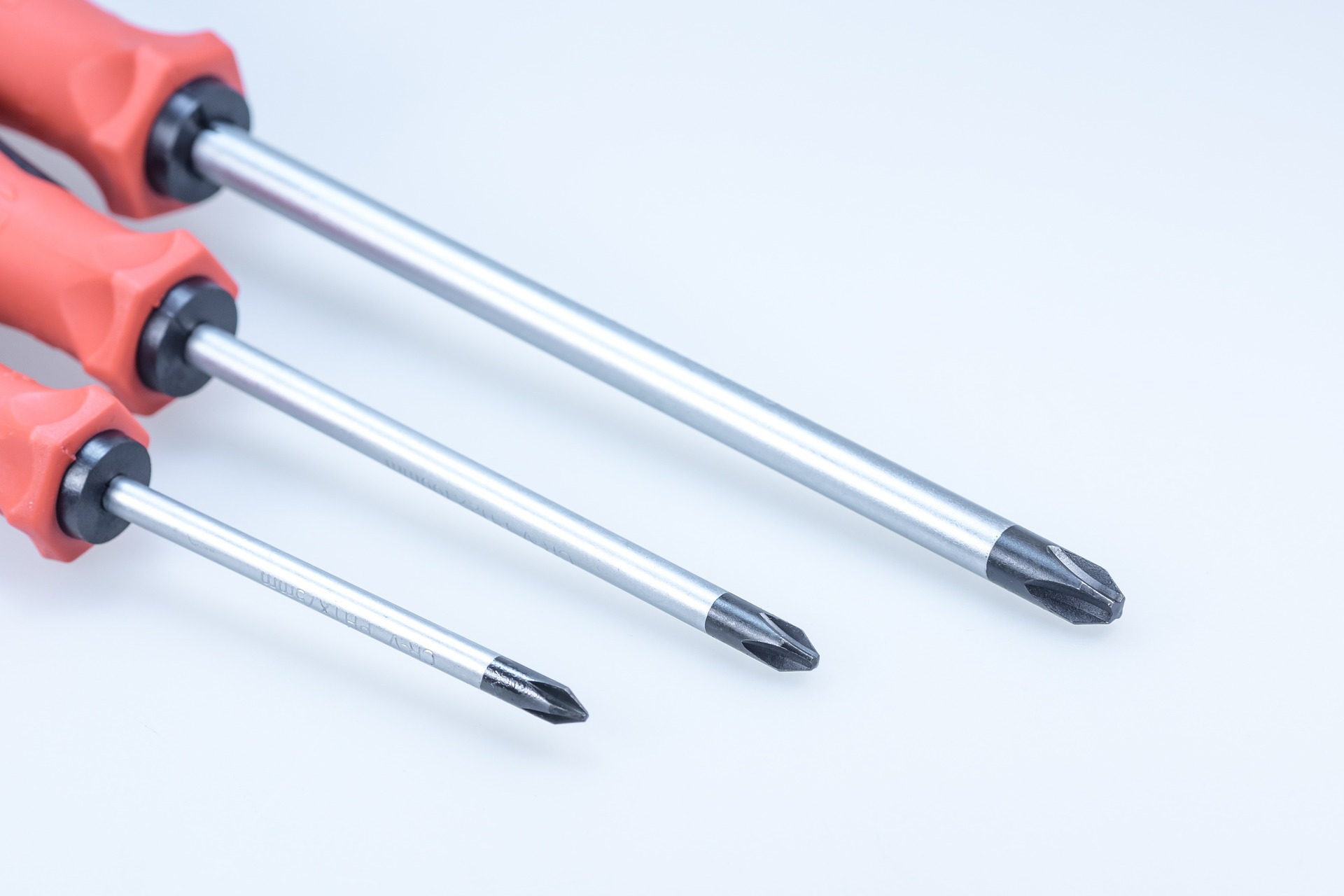
Every tool has a purpose, but many workers attempt to find new and unsafe applications for the tools they use. And the common screwdriver just might be the most misused tool in the workplace.
An average of two workers a week die in confined space incidents.
Raising a wall is a common task on a construction site. And it?s a task that endangers the safety of several workers at one time.
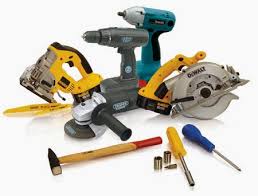
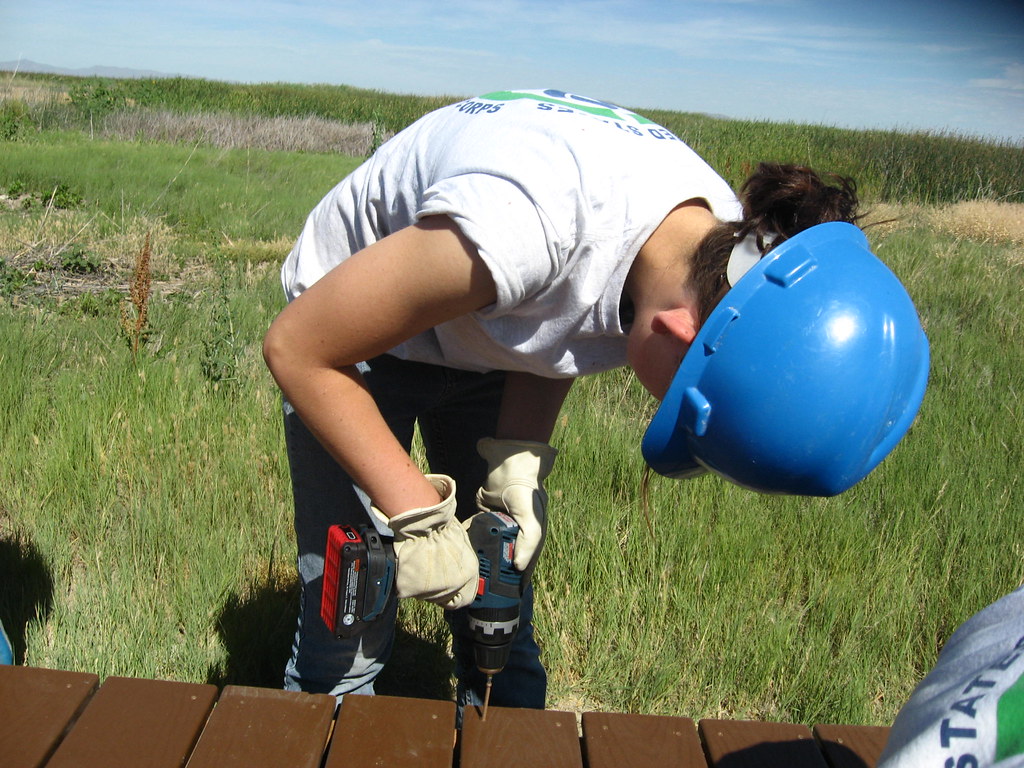
Portable electric-powered tools can be indispensable. They can also be deadly. Each year, thousands of construction workers are injured using these otherwise handy tools.

If you aren't wearing the right protection your hands could be burned, frozen, cut, scraped or burned by chemicals. You could lose fingers, a thumb, or even your life. That's why you wear gloves.
It's important for you to understand the potential hazards that you may be exposed to while working with hazardous waste.

Download Instructor-Led Material Meeting Kit PowerPoint WHAT'S AT STAKE Working [...]
Since it's your first time, you may want to checkout some of the video tutorials.




 800-ICW-SAFETY (800.429.7233)
 SAFETYOnDemand@icwgroup.com