

Raising the Bar for Wall Raising Safety
Raising a wall is a common task on a construction site. And it?s a task that endangers the safety of several workers at one time.
Raising a wall is a common task on a construction site. And it?s a task that endangers the safety of several workers at one time.
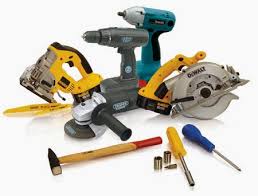
Portable electric-powered tools can be indispensable. They can also be deadly. Each year, thousands of construction workers are injured using these otherwise handy tools.
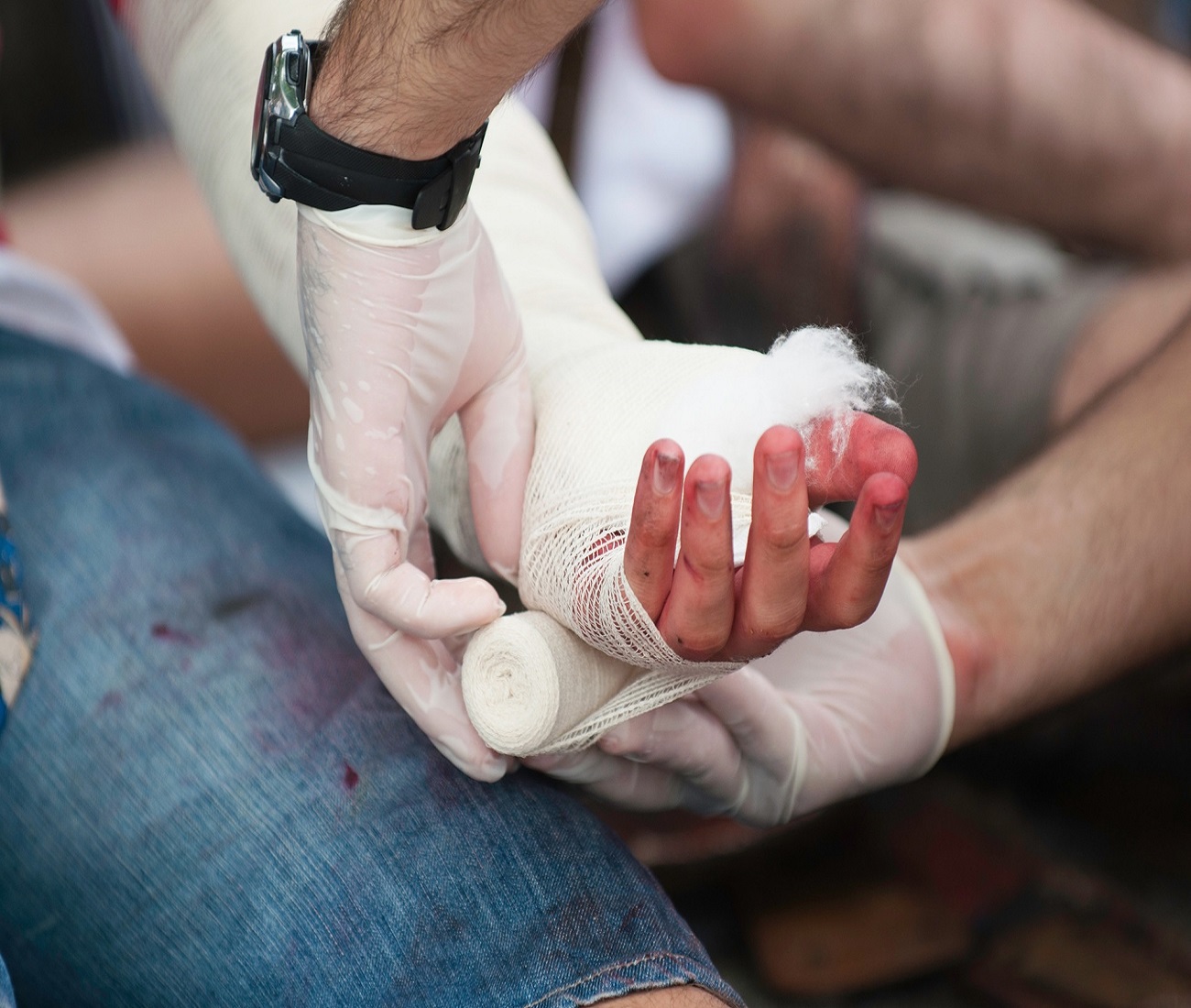
If you aren't wearing the right protection your hands could be burned, frozen, cut, scraped or burned by chemicals. You could lose fingers, a thumb, or even your life. That's why you wear gloves.
It's important for you to understand the potential hazards that you may be exposed to while working with hazardous waste.

Download Instructor-Led Material Meeting Kit PowerPoint WHAT'S AT STAKE Working [...]
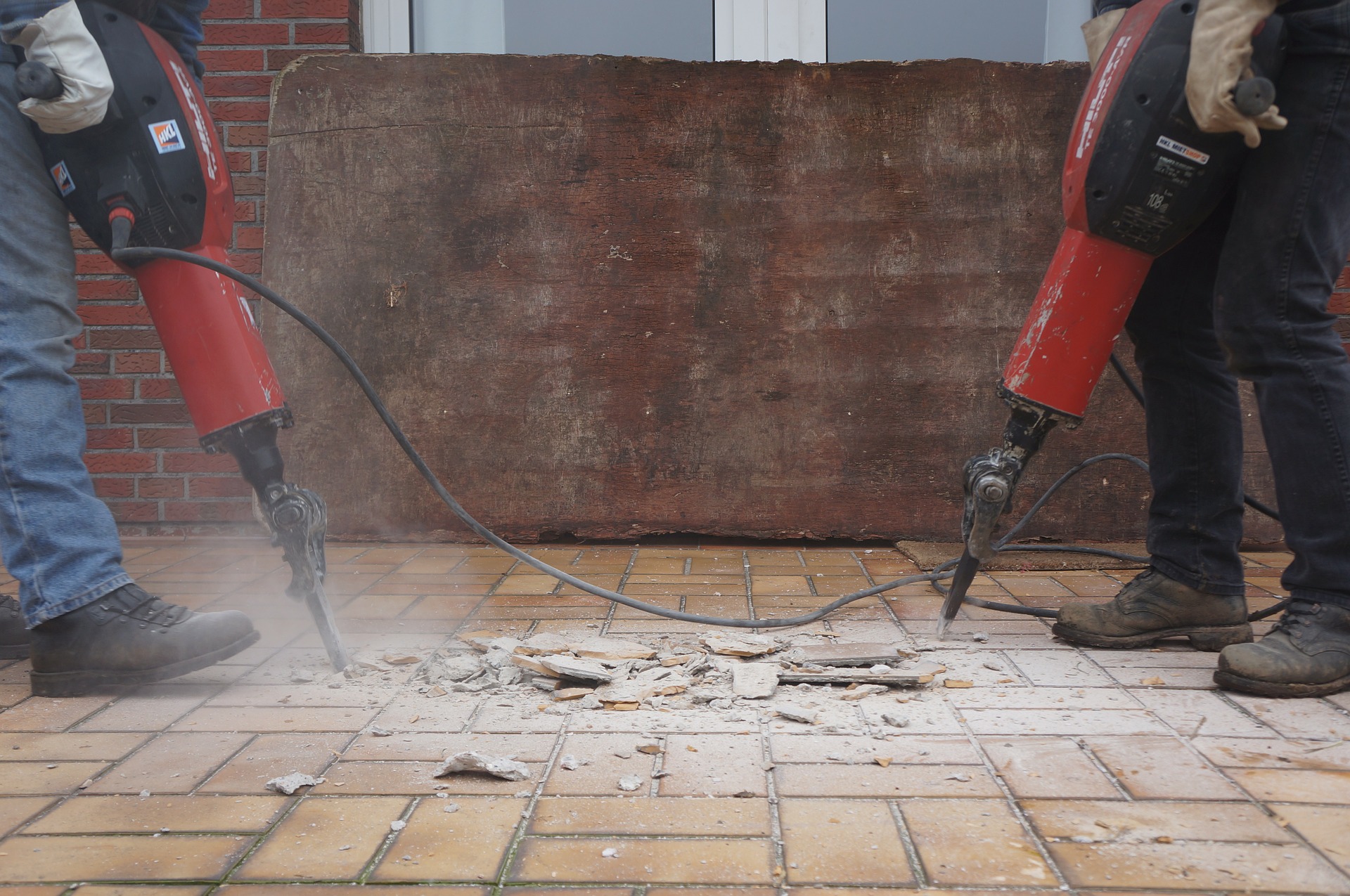
Working outside puts workers at risk for countless hazards.

Things are constantly changing in many areas of people?s lives. Your job likely sees a lot of change, where new methods of doing things are introduced, potentially affecting your safety and health.
Too much noise can cause permanent hearing loss. It develops gradually and without pain, but noise-induced hearing loss cannot be reversed.
Danny Meggison was an experienced trench worker, but he made a big mistake that left his eight-year-old son without a father.

Back injuries are a leading cause of lost time from work. They can occur in any type of job or workplace.

There’s hardly a workplace that doesn’t handle or store materials.

If you’re a standby person and think all the risks are inside the confined space, think again: over 60% of confined space deaths don’t involve people assigned to work in the confined space. These deaths involve the standby person or other would-be rescuers who enter the confined space in an emergency.
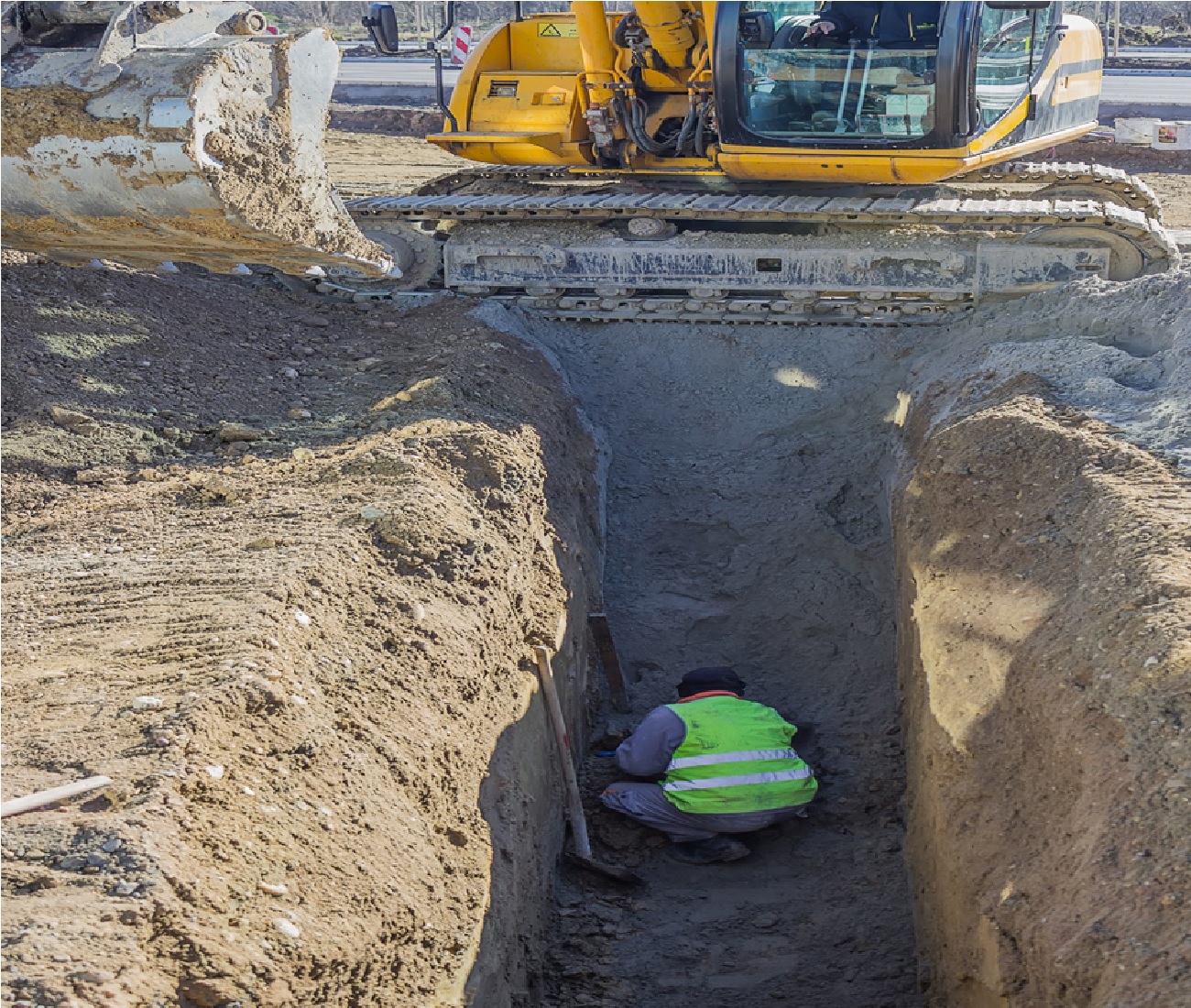
Struck-by and caught-between hazards account for over 1,500 workplace deaths a year and are present in almost every industry sector.

Laboratories harbor fire and explosion hazards, and radiation hazards. There may be high-powered equipment which could cause cuts, entanglement or electrocution. There also could be biohazardous materials which can cause fatal diseases.
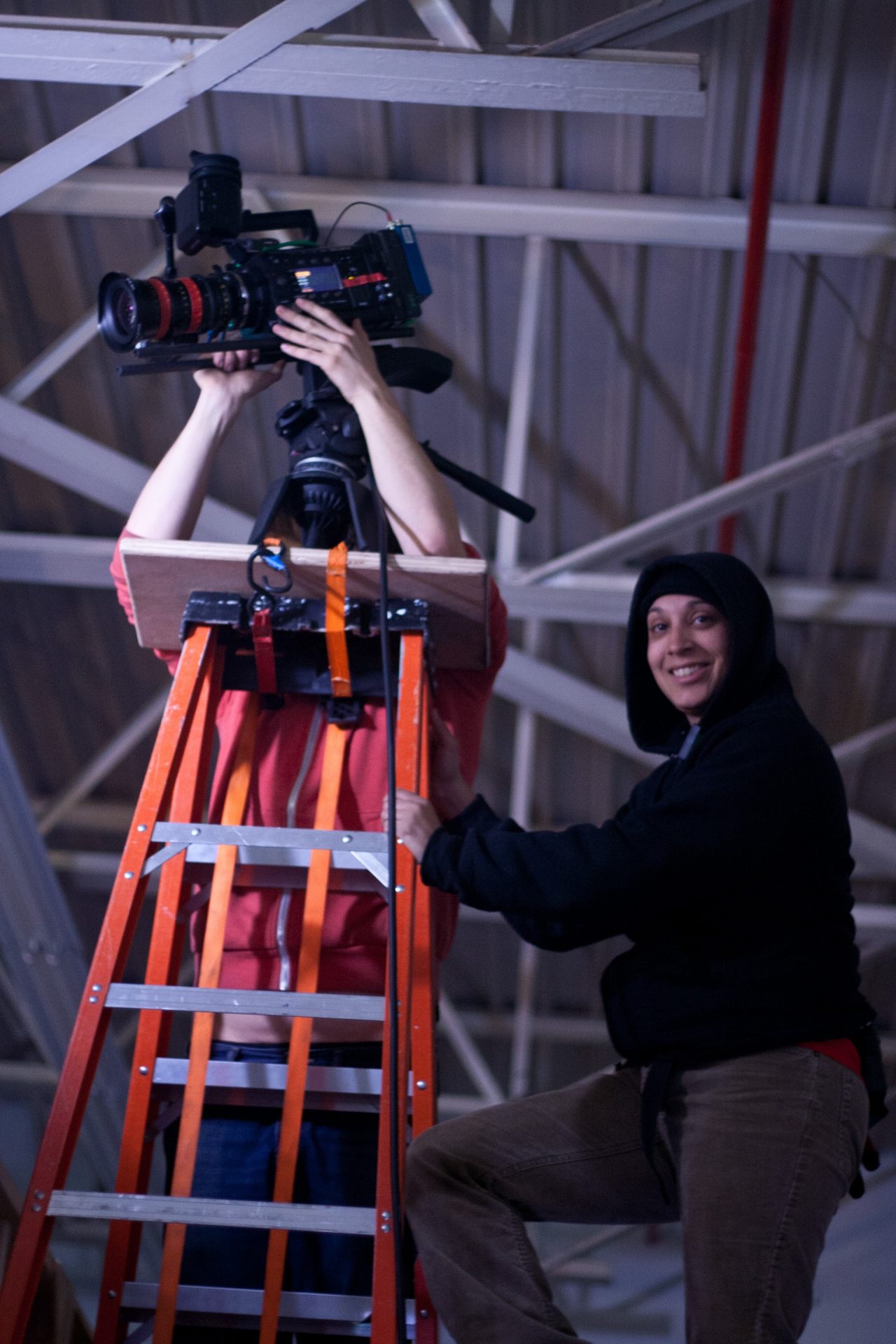
Two workers were attempting to install a wooden sign board on the storefront of a building. They were both on the ground attempting to position an aluminum ladder. They lost control of it, causing the ladder to fall backwards.
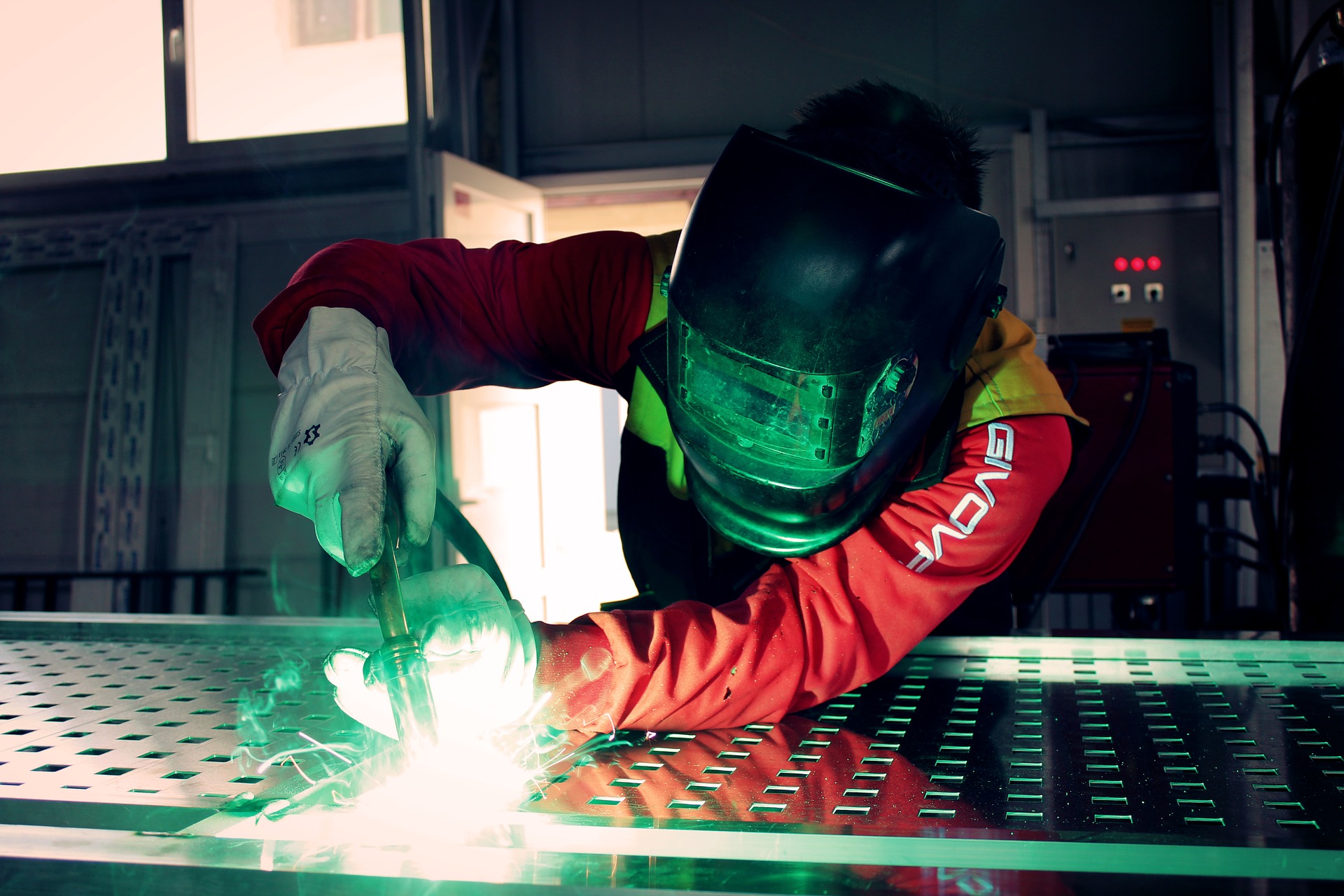
When you weld, cut or grind, the potential for accidents is significant. Eyes and skin can be burned, hearing can be damaged and an electric shock can kill you.

Your workplace probably has countless electrical tools and devices capable of delivering a fatal electrical shock.

Gloves - of materials such as nitrile, poly vinyl chloride, natural rubber (latex) and butyl rubber

Any workplace can be too hot for safety, both outdoors and in hot, humid conditions indoors. Whenever you’re exposed to heat, you’re at risk of developing heat illness.
Is there a manhole to a sewage system near your workplace, or an underground vault for an electrical system? Any boiler, tunnel, well, silo, shaft or poorly ventilated crawl space can be a potentially dangerous confined space.
Anyone who uses the wrong ladder for a job or uses it inappropriately is courting trouble. Don?t become a statistic. Remember these ladder safety tips: Select the correct ladder. Why waver on the top rung
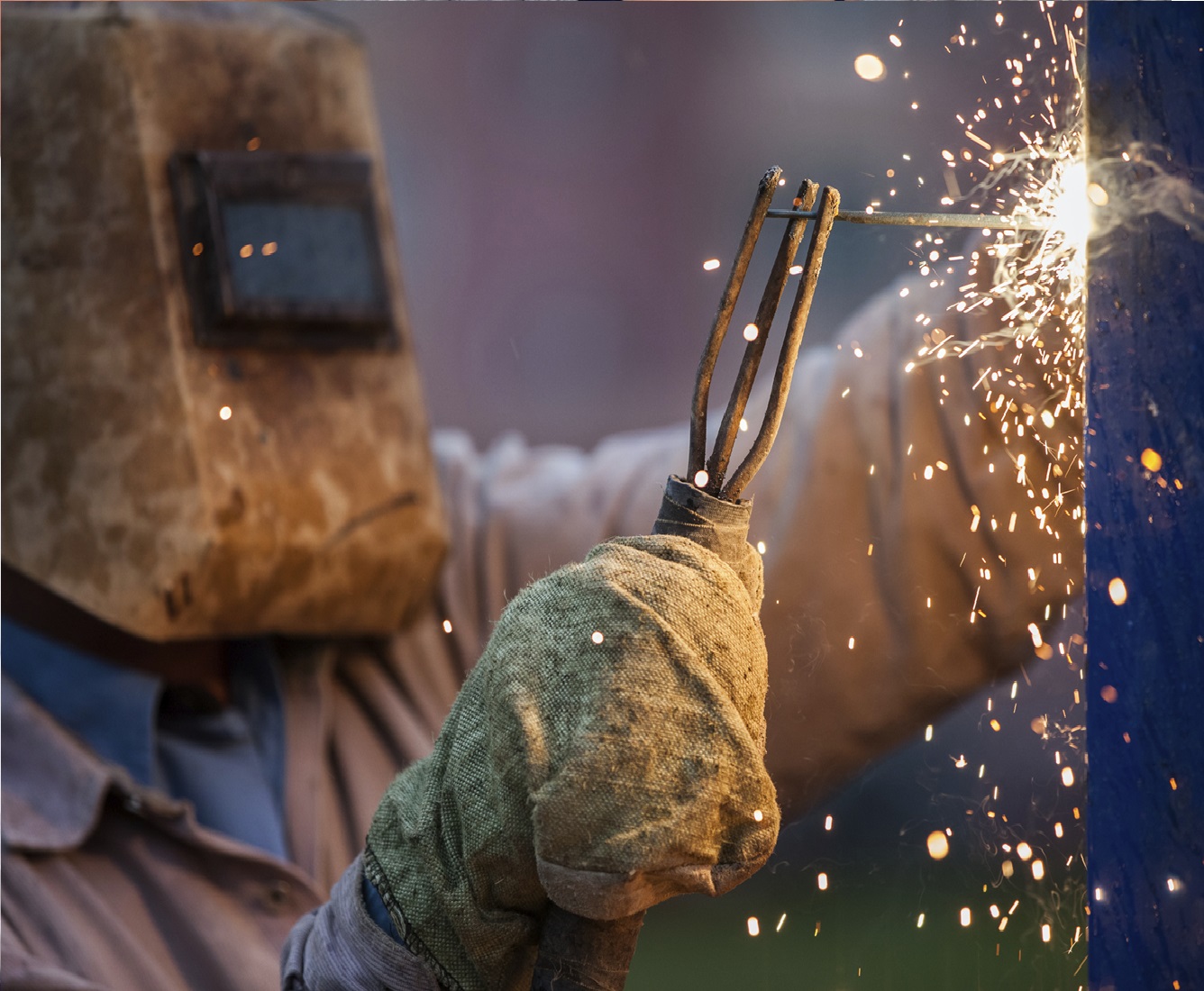
Welding poses a unique combination of both safety and health risks to more than 500,000 workers in a wide variety of industries.
The worst, of course, would be an amputation – cutting off a hand or fingers. An amputation can be fatal because of the loss of blood, shock, infection or other effects. An amputation can happen

They carry you through heat or cold, wet and slippery conditions. Your feet are also at risk from falling construction materials and equipment. No wonder wearing approved steel-toed boots can be required on the job.
Since it's your first time, you may want to checkout some of the video tutorials.







 800-ICW-SAFETY (800.429.7233)
 SAFETYOnDemand@icwgroup.com