Shape Up For Safety
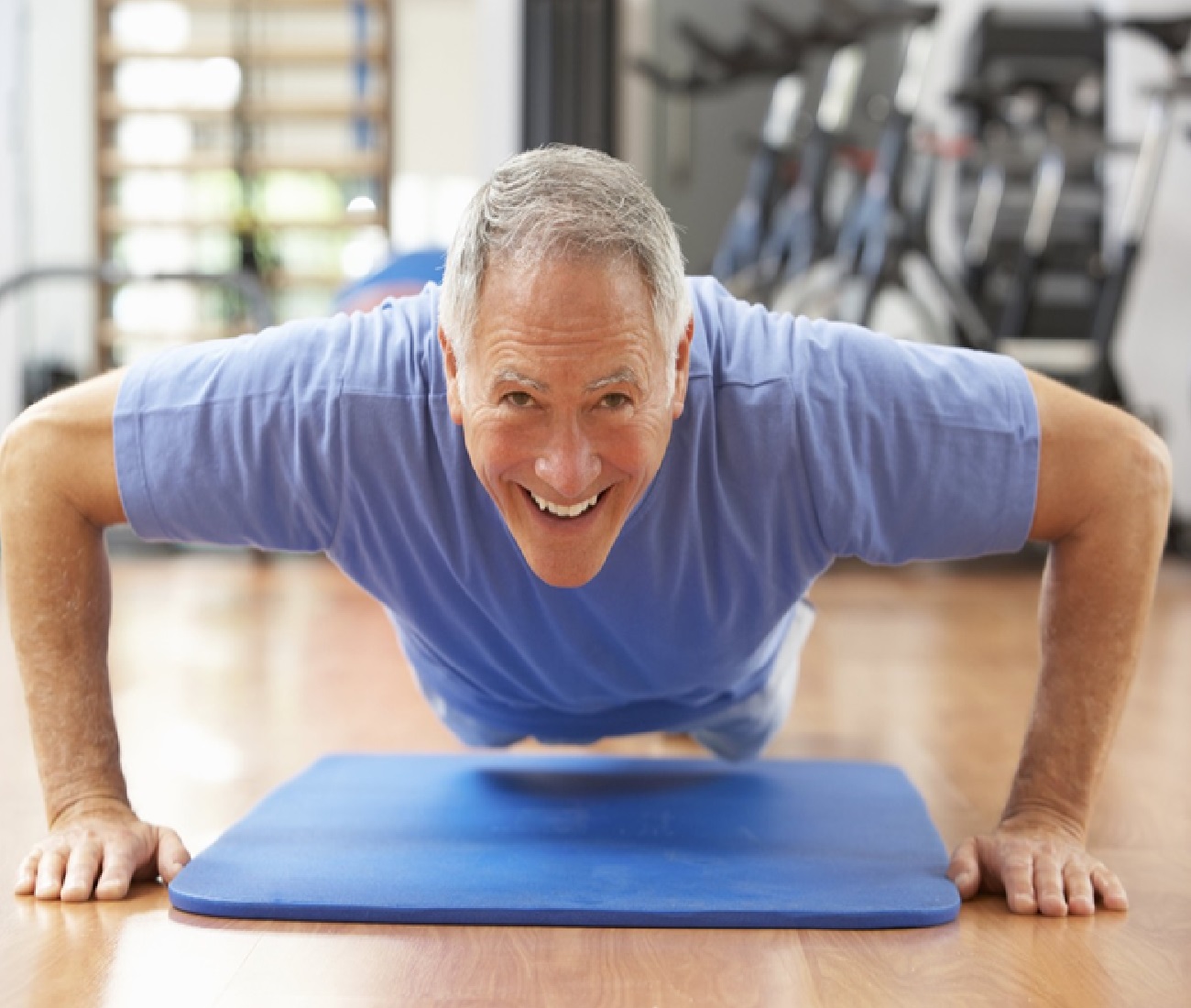
Did you know your mental, physical, and emotional fitness is part of a safe work environment? If you are fit and healthy, you are likely to have more energy and stamina.

Did you know your mental, physical, and emotional fitness is part of a safe work environment? If you are fit and healthy, you are likely to have more energy and stamina.

Near misses make up more than half of the incidents that occur in workplaces. A near miss is an unplanned event that did not result in injury, illness, or damage but had the potential to do so. A near miss needs attention, as they are a warning that conditions are right for a possible accident.

Some of the worst hazards in any work area are the ones you don’t see - because they’re above you. What’s at stake is your life, and there are two basic ways you could lose it: electrocution or falling objects.

Electricity is the movement of electrons between atoms. In their normal state, electrons in a conductor such as copper, freely and randomly move from atom to atom.

Most workplaces are required to establish and implement an Emergency Action Plan. Use this Checklist to determine if your EAP includes all required elements – or to help create a new EAP.

Fire, natural disaster, and other emergencies can strike your workplace without warning at any time. While you can’t predict them, you can prepare for them and preparedness save lives, prevent injuries and limits property damage. If that’s not motivation enough, being prepared for workplace emergencies may save your business thousands and even hundreds of thousands in safety fines avoided.

Knowing what to do in an emergency (fire, chemical spill, natural disaster, etc.) helps evacuation move quickly and safely, allows for the quick contact of emergency services, prevent further destruction, and save lives. Use this Questionnaire to quiz workers on how they would respond in an emergency. Their answers and feedback will help you identify holes in your emergency planning programs and your training. You can edit it to fit the specific needs of your organization.

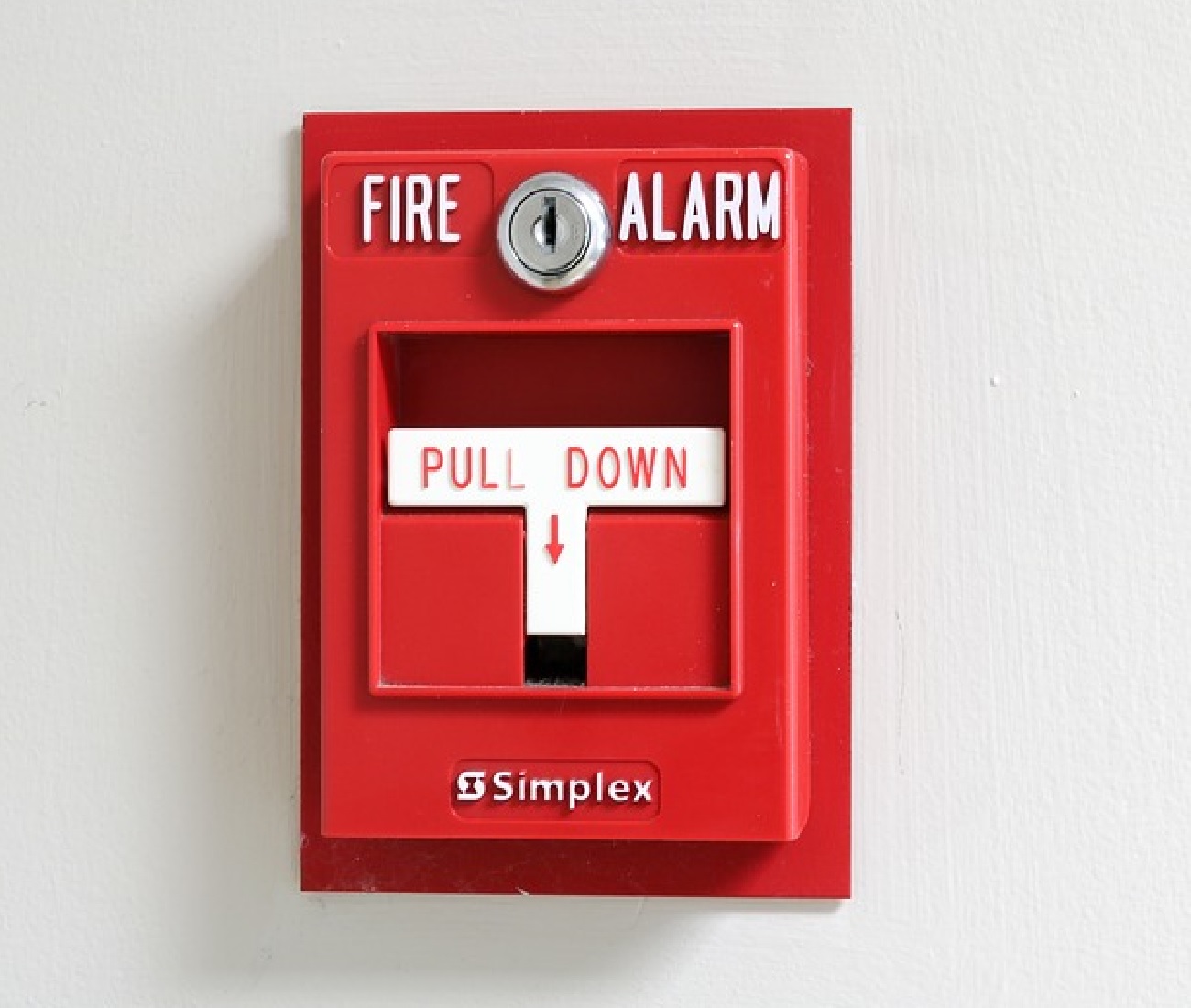
Imagine being at work when suddenly the lights go out and someone starts yelling, “There’s a fire! We need to get out of here! This place is on fire!” Imagine fumbling your way in the dark and the smoke to an exit…only to find it was locked…from the outside. This is exactly what happened to Lilly Davis and 80 other workers on September 3, 1991 at the Imperial Foods chicken processing plant.

If you and your friends were facing a dangerous, deceptive enemy, you'd want to find out all you could about the enemy and share any information you come up with. The fact is you do have such a treacherous enemy—the workplace hazard. And this enemy threatens you and your co-workers daily.

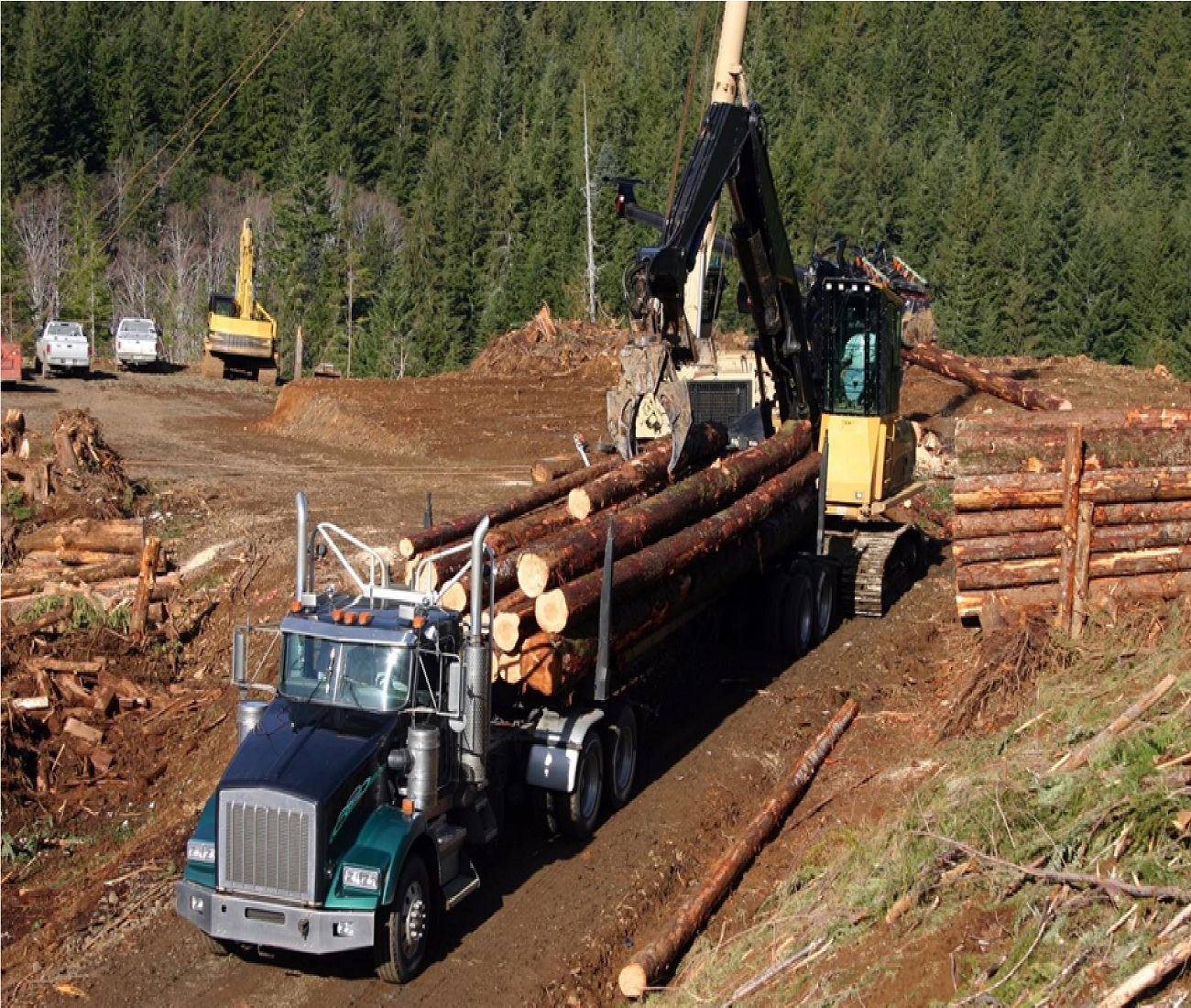
You’re an accident waiting to happen if you are not alert at work. This applies to most high-risk jobs, trucking and transport jobs, repetitive jobs, such as sorting logs in a lumber mill, and a host of other jobs – regardless of the inherent risk level.

Caught and between. These two mild words describe a type of injury which is anything but mild. Instead, they refer to being caught between two moving objects or a moving object and a stationary object. The result is compression and crushing injuries which can be fatal. The places where these incidents occur are called "pinch points."
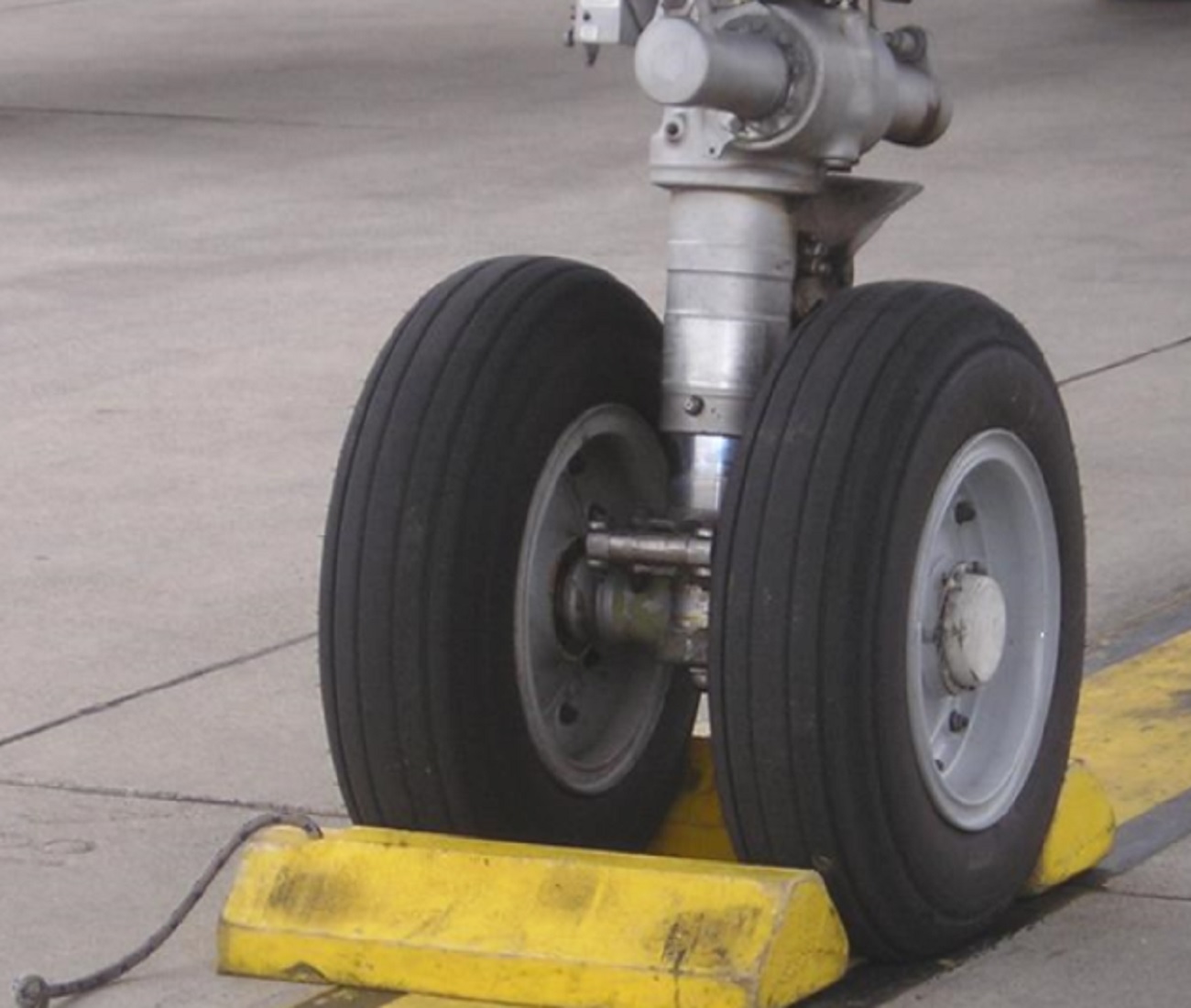
Chocking is the act of using a wedge to immobilize the wheels of a vehicle or equipment to keep it from accidentally moving. Chocking the wheels of a vehicle, such as a truck or trailer, physically stops the movement of wheels to prevent runaways that can injure workers and destroy property.

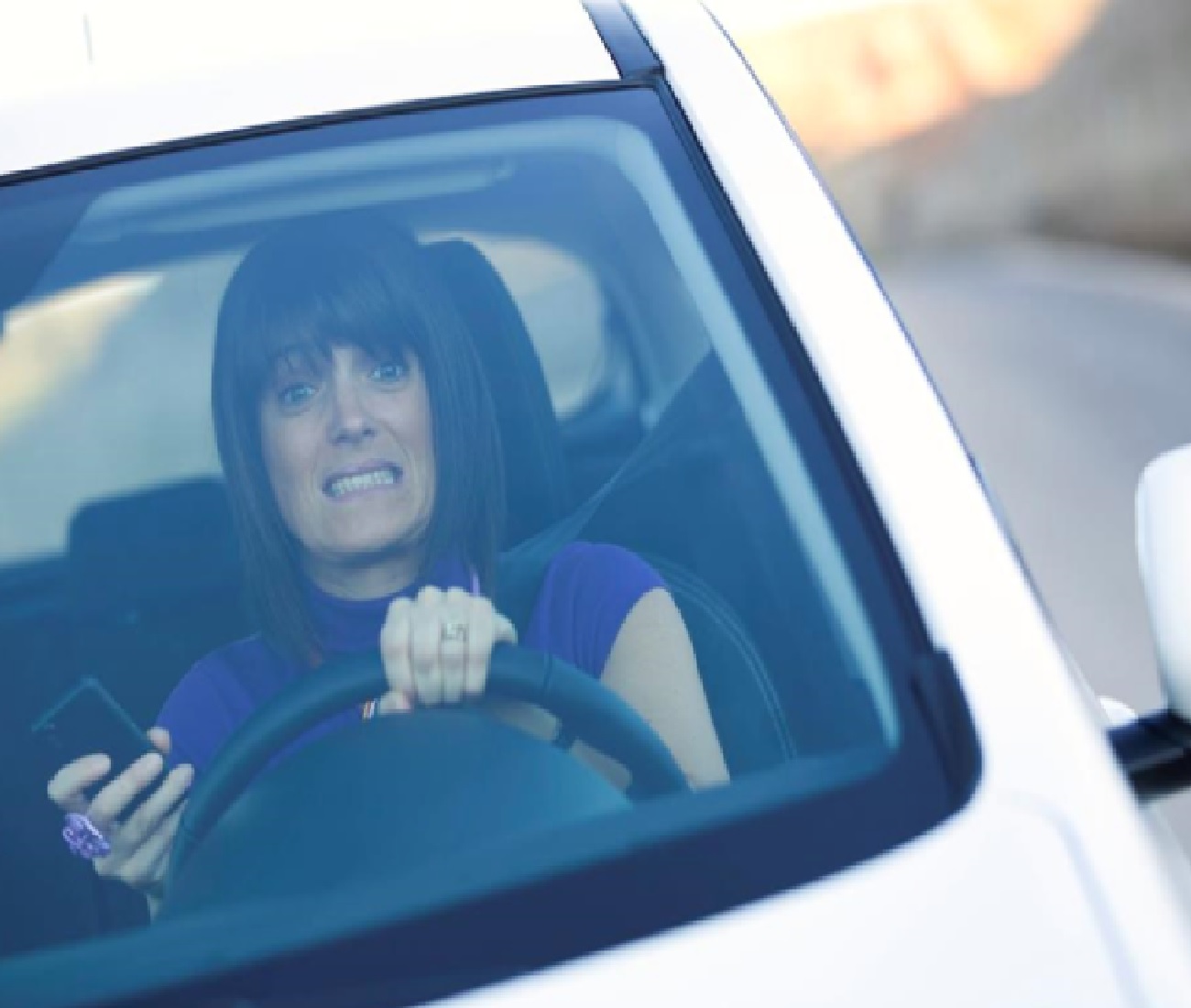
The ever-increasing use of smartphones finds most of with our heads down staring into the glow of text messages, games, tweets, twitters, selfies and more. One of the downsides to this obsession is that people mistakenly think they can perform their jobs safely while they use these devices.

Adapt and use this Hazards Assessment to determine areas of potential and existing ergonomic and materials handling concerns.

To root out ergonomic injuries you must be proactive. The first step is to do a record review and create a “snapshot” of worker injuries, so you can analyze causes and identify trends. Here’s a form you can adapt and use at your workplace to perform an effective records review.

It takes a split-second of inattention, a slight change in working conditions, a forgetful co-worker, or a lax safety program for you to fall through an opening.
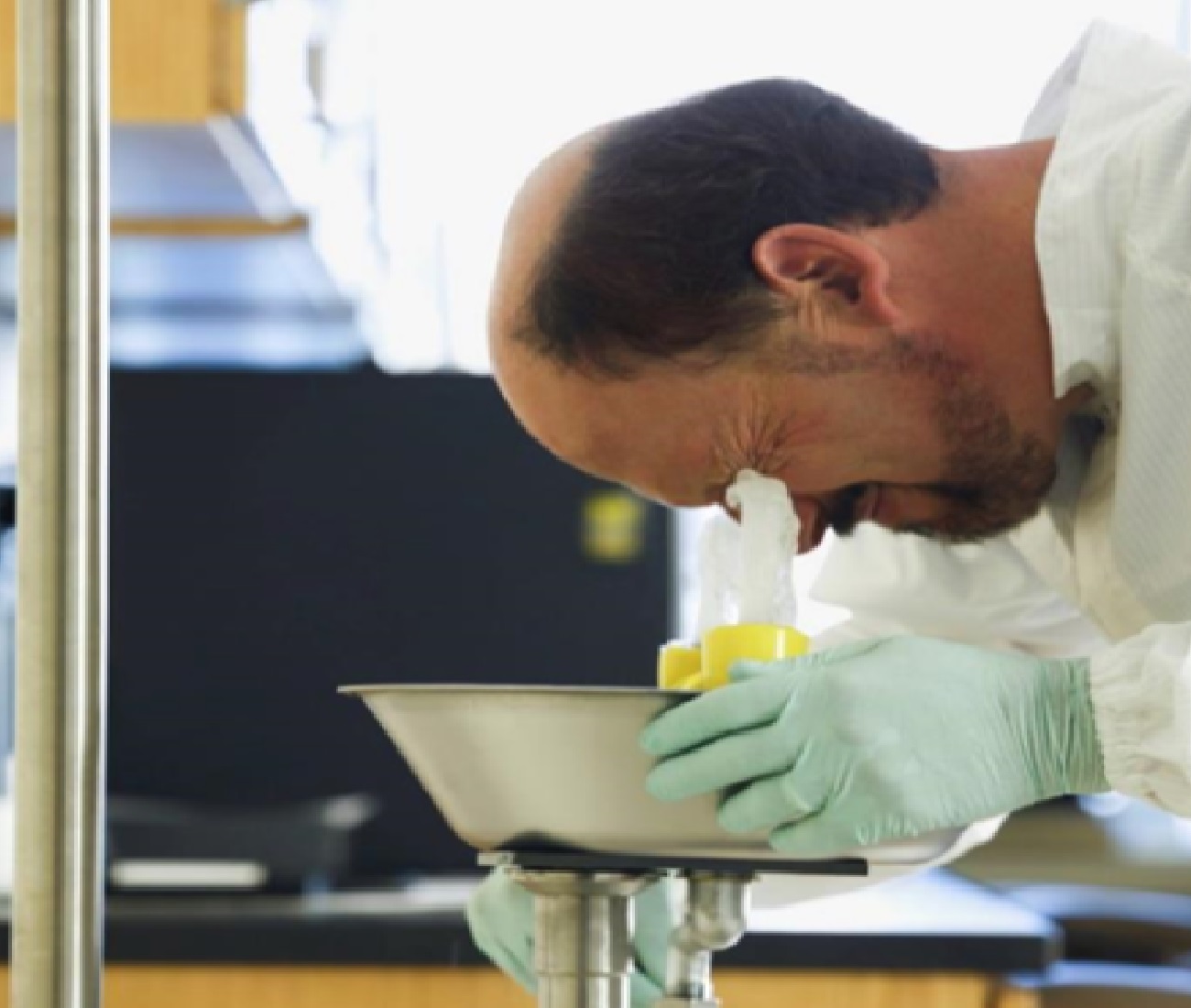
If a chemical splashed onto your skin or into your eye, could you get to a safety shower or eyewash station quickly? The time to consider that question is now, not when you are faced with an emergency. You need to know where this equipment is located, the shortest route to reach it and how to use it effectively.

Being prepared for an emergency is part of your employers and your responsibility. For help developing your emergency response planning, Ready.gov offers the following guidance.

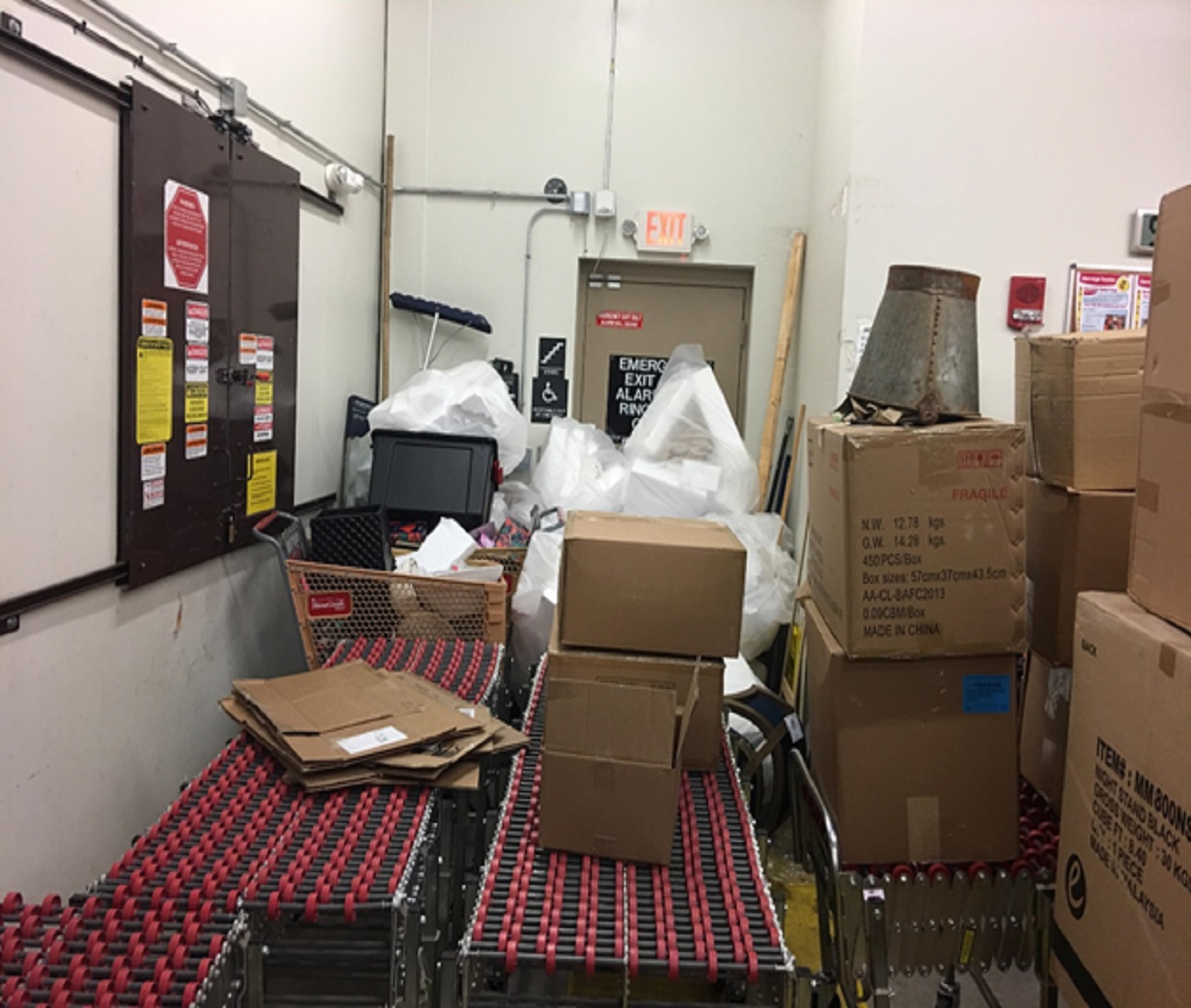
Let’s start with the obvious hazard – a blocked emergency exit. Blocked by conveyors, carts, trash, and cardboard boxes.
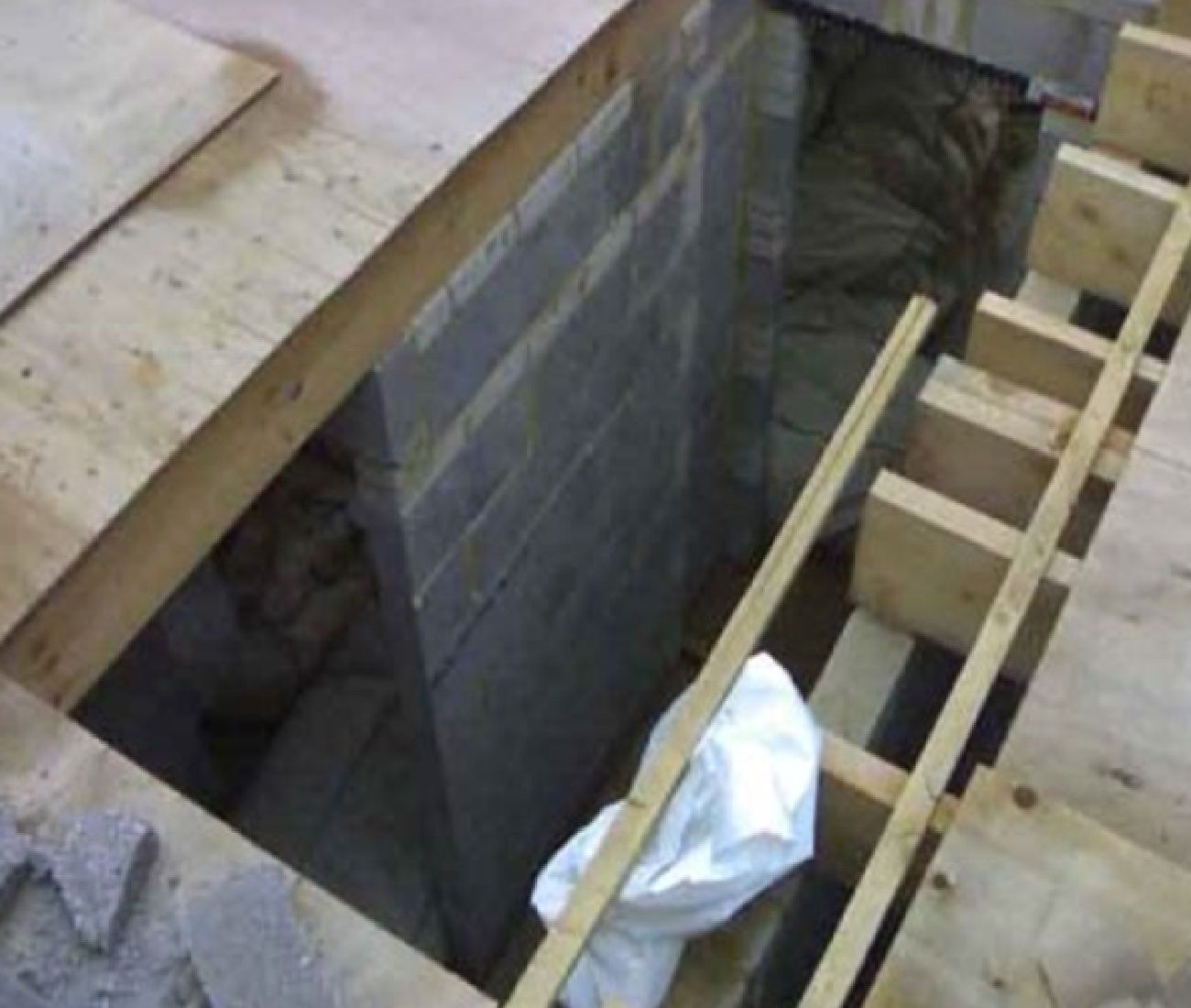
Excavations and trenches more than 4-5 ft/1.2-1.5 m deep (depending on your federal, state, and provincial regulations) require a protective system is in place to protect workers from cave-ins. If a protective system isn’t in place – don’t enter the excavation. Look out for your safety and the safety of your co-workers and don’t become another buried body of an excavation cave-in.

There are four generally agreed upon categories of workplace violence. Once you know what the categories of violence are you and your employer can practice ways to protect you, co-workers, and the public from ha

Unexpected emergencies occur every day in many facilities, including laboratories, offices, and residential buildings. It might be a fire, flood, earthquake, shooting, tornado, or hazardous chemical spill. If you don’t know what to do during an emergency the odds increase that you or others around you will be injured or killed.

Housekeeping/Slips, Trips & Falls A construction site can become a very messy place. But, the longer it stays that way, the more dangerous it becomes. This video outlines the connection between good housekeeping and injury prevention, especially slips, trips & falls. Common trip and fall hazards are shown and the root causes are examined for maximum impact.

Ski Areas???snow ???ice???water???slippery surfaces???they increase the potential for a slip, trip or fall. But does this mean a slip, Trip or fall HAS to happen? Of course not. Slips, trips and Falls are preventable and that???s what this program is all about???prevention. The program examines some common slip, trip and fall accidents common to ski areas and examines the root causes of each.

Domestic violence often crosses over into the workplace and many domestic violence victims are in danger of being attacked, harassed, or stalked while at work. Would you know what to do if an employee came to you about violence they are experiencing at home? Does your organization have a plan? An organization’s response to and support of victims can help to keep the workplace safe and secure for everyone.