Hello, Guest!

Hello, Guest!

Lockout-Hazard-Identification-Risk-Assessment-Worksheet

Companies have a duty to protect workers both while using equipment and machinery for their intended purpose and when repairing and maintaining that equipment. The primary way of fulfilling that duty is through what’s called “lockout,” which is when a equipment has been turned off and rendered inoperable with the use of a lock.

Lockout-Hazard-Identification-Risk-Assessment-Worksheet2023-09-04T11:55:19+00:00

Focus On: 9 Things You Must Do to Meet CSA Z460 and ANSIASSE Z244.1 Lockout Requirements

Safety devices like barrier guards that are designed to keep workers away from operating machinery don’t do much good when machines are shut down for maintenance and repairs. The danger is that the machinery will start up while being serviced and crush, electrocute, burn and/or amputate the limbs of workers performing the servicing operations. These incidents are typically caused by the inadvertent and unforeseen release of energy left in the system. That’s why OHS laws require you not only to turn off the machine but ensure it’s isolated from its energy source before servicing it. The way to do this is by implementing what’s called a lockout/tagout (LOTO) program. 

Focus On: 9 Things You Must Do to Meet CSA Z460 and ANSIASSE Z244.1 Lockout Requirements2019-05-01T00:00:00+00:00

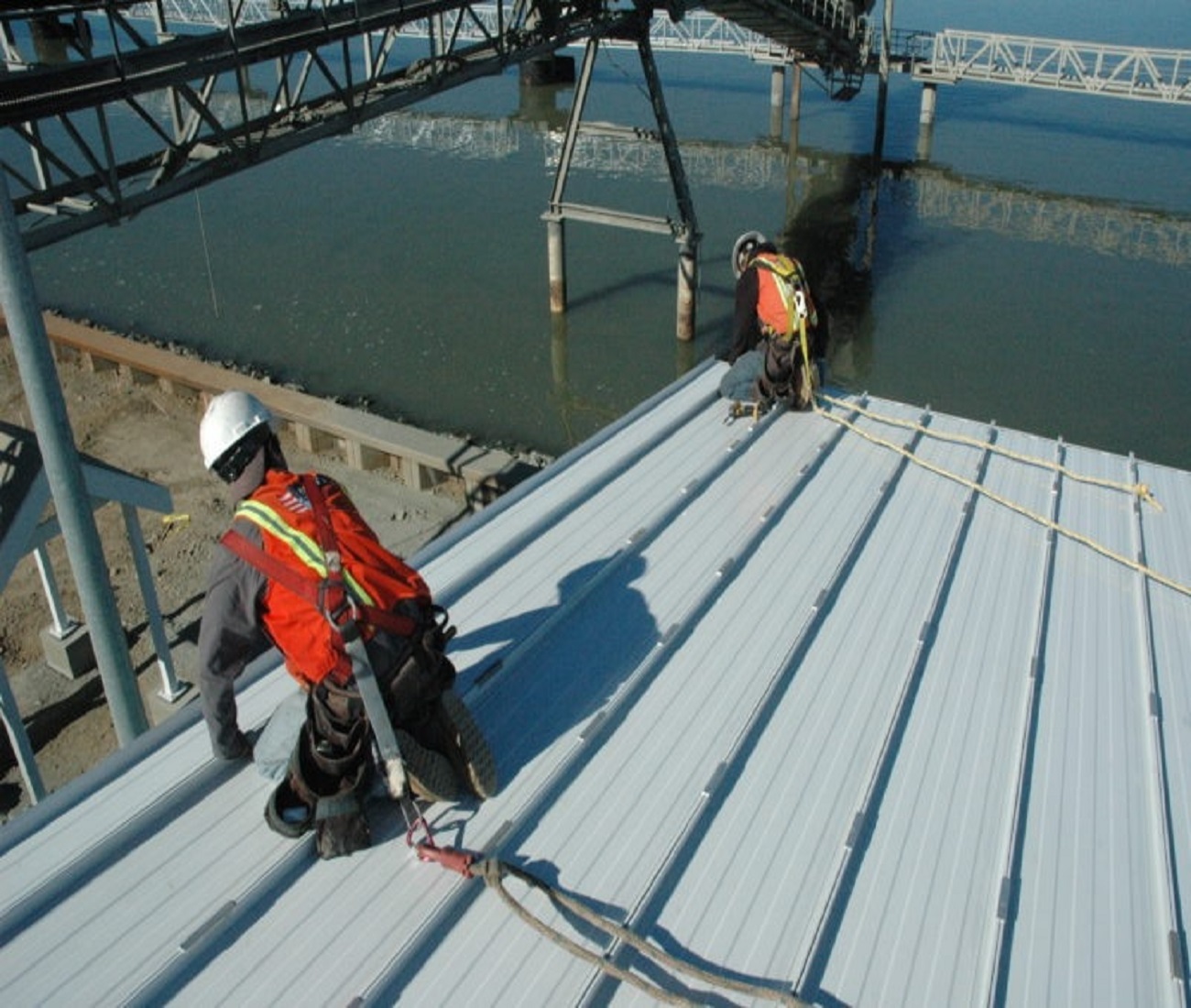
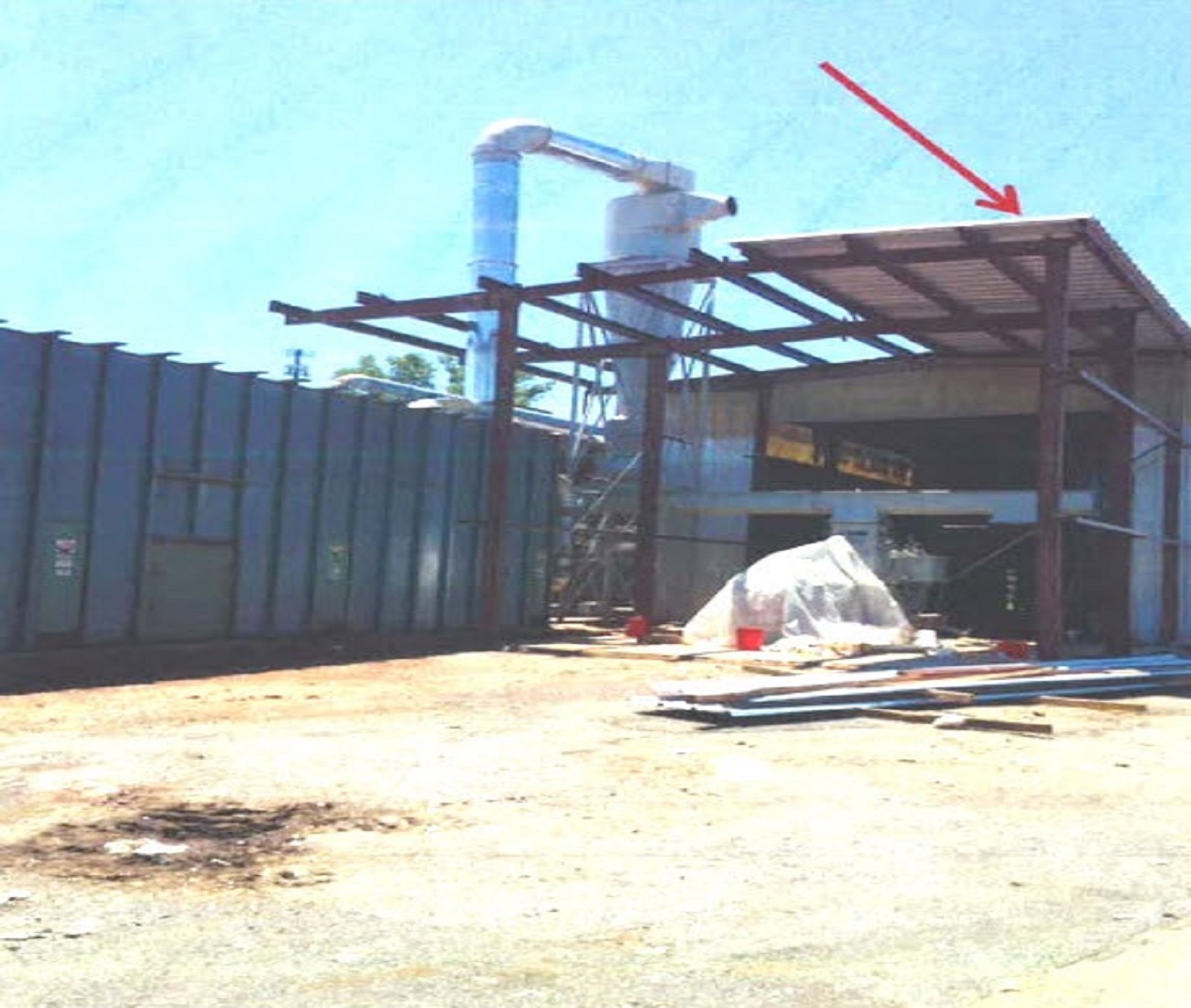
24 Foot Fall from Roof

A 39-year-old male employee was fatally injured when he fell approximately 24 feet to the sidewalk below. On the day of the incident the victim, an Iron Worker, was installing metal roof panels on a pre-fabricated metal building.  

24 Foot Fall from Roof2023-09-04T11:51:18+00:00

News You Can Use: Tips to Prepare Your Organization For An Older Workforce

From 1980 to 2017, the number of individuals over the age of 60 doubled to roughly 900 million. This segment of the world’s population will double again by 2050 to nearly 2 billion, according to the 2017 World Population Prospects report by the Department of Economic and Social Affairs of the United Nations Secretariat.  Risk professionals can prepare their organizations for the coming changes and opportunities of an older workforce with the following strategies.

News You Can Use: Tips to Prepare Your Organization For An Older Workforce2019-05-01T00:00:00+00:00

By the Numbers: Falls in the Workplace

Unintentional falls are the most common form of injury across the country: every day last year, falls resulted in almost 1,800 reported emergency department visits and 417 hospital admissions, says a new report by the Canadian Institute for Health Information (CIHI). In the U.S. in 2017, fatal falls were at their highest level in the 26-year history of the Census of Fatal Occupational Injuries (CFOI) accounting for 887 (17 percent) worker deaths.

By the Numbers: Falls in the Workplace2019-05-01T00:00:00+00:00

Focus On: Understanding the Leader’s Role in Creating High Performing Teams

Out of the five dimensions of High Performing Teams (see model), Mutual Respect and Camaraderie is one of the most critical factors contributing to the leader’s success, according to our research. Essentially, this dimension asks: does the team leader demonstrate respect and genuineness, and hold people accountable to a high level of collaboration?

Focus On: Understanding the Leader’s Role in Creating High Performing Teams2023-09-04T11:47:19+00:00

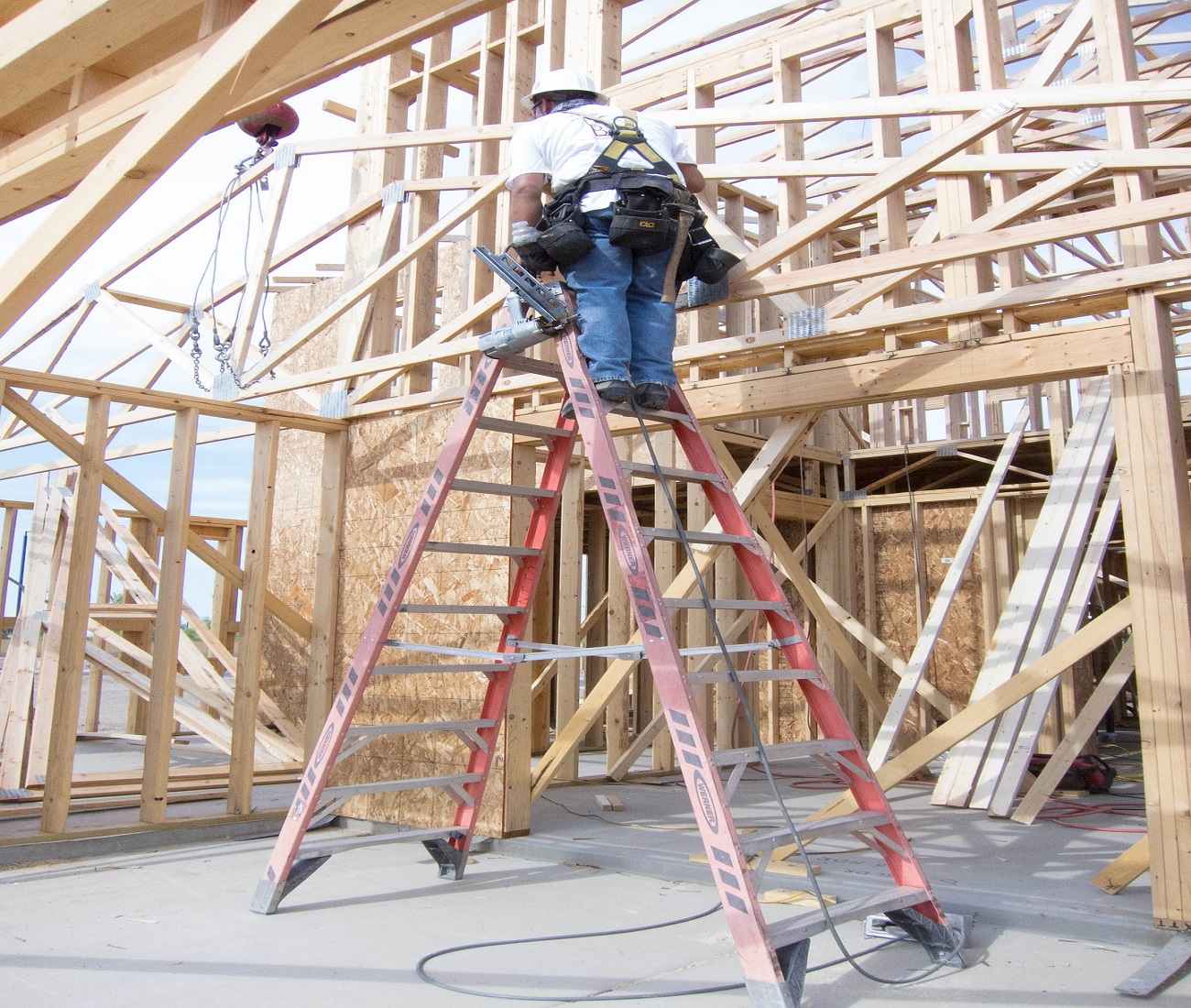
Focus On: Plan, Provide, Train When Working from Heights

Hundreds of workers die from falls every year. You can prevent such deaths by planning to get the job done safely, providing the right fall protection equipment, and training all workers when and how to use the equipment safely. Here are some basic ideas for developing fall protection strategies.

Focus On: Plan, Provide, Train When Working from Heights2023-09-04T11:46:04+00:00

Tool: Injury Management – 12 Steps for Developing a Return-to-Work Policy

There are multiple benefits to a RTW program. Getting the employee back to the office or workplace reduces the amount of money being paid out by the carrier, and as a result, your immediate claim costs and future insurance rates also go down. For employees, returning to work improves their physical and psychological well-being, reduces the amount of medication they need, and lowers the risk of addiction to substances such as opioids. In this article, author Amy Siegel Oran, walks through 12 steps for developing a Return-To-Work Policy.

Tool: Injury Management – 12 Steps for Developing a Return-to-Work Policy2019-05-01T00:00:00+00:00

LOTO Program Annual Inspection and Training Assessment Checklist Submission Form

You must annually review your lockout/tagout program and make updates and changes as needed. Copy or customize this checklist from the University of Washington to meet the needs of your LOTO program Annual Inspection and Training Assessment.

LOTO Program Annual Inspection and Training Assessment Checklist Submission Form2019-05-01T00:00:00+00:00

Optimizing Safety Training Retention

May 22, 2019 | Did you know employees forget 70% of their safety training within 24 hours of learning it? And that over the course of a month their retention decreases to almost 0? This can be prevented, but you need a strong understanding of how to train with retention in mind. In this webinar, learn how leading companies train their employees with methods that make safety STICK. You'll leave with fresh ideas and strategies to ensure your next training session is a memorable one. 

Optimizing Safety Training Retention2019-04-09T00:00:00+00:00

All About Blended Learning

July 24, 2019 | What is blended learning? Why should you use it? Is what you are doing now considered blended learning by experts? In this webinar, we'll explore the benefits of blended learning, how to correctly implement this approach so as not to overwhelm your team, and what sort of results you can expect from this training approach. 

All About Blended Learning2019-04-09T00:00:00+00:00

By the Numbers: 6,098 Reasons to do Workplace Inspections

Need a reason to be regularly conducting workplace inspections? Here are 6,098 reasons why workplace inspections are important – that’s how many Canadian and U.S. workers died in 2017 from work-related injuries or illnesses.

By the Numbers: 6,098 Reasons to do Workplace Inspections2019-04-01T00:00:00+00:00

Focus On: Crane Safety

Working with cranes, either operating or working around them exposes workers to the hazards of lifted and moving loads and equipment, shock and electrocution hazards from overhead powerlines, and the falling or collapse of the crane itself. The good news is there are things you can do immediately and in the long-term to keep your workers safe and equipment in safe working condition.

Focus On: Crane Safety2019-04-01T00:00:00+00:00

Father Operating Faulty Crane Lead to Son’s Death

California OSHA cited Disney Construction, Inc. $106,110 for serious violations following the deaths of two employees who fell 80 feet from a crane-hoisted platform at a bridge construction site.  Crane operator, the father of one of the victims, charged in the deaths.

Father Operating Faulty Crane Lead to Son’s Death2023-09-04T12:01:33+00:00

Crawler Locomotive and Truck Crane Inspection Checklist

This sample checklist, from the North Carolina Department of Labor, is designed to help you in developing programs tailored to your own operation.  Please copy, expand, modify and customize this sample as needed.

Crawler Locomotive and Truck Crane Inspection Checklist2019-04-01T00:00:00+00:00

Workplace Safety Inspection Checklist

Use and modify this checklist to assist you and your teams during workplace safety inspections.

Workplace Safety Inspection Checklist2019-04-01T00:00:00+00:00

Mobile Crane Daily/Monthly Inspection

This sample checklist, from the North Carolina Department of Labor, is designed to help you in developing programs tailored to your own operation.  Please copy, expand, modify and customize this sample as needed.

Mobile Crane Daily/Monthly Inspection2019-04-01T00:00:00+00:00

Workplan: Conducting Workplace Safety Inspections

Are you regularly doing scheduled workplace inspections? If you’re not, you should be and now is a great time to start. Workplace inspections give you a chance to thoroughly evaluate equipment, processes, tasks, tools, and other factors. Regular inspections help you find new hazards, see how existing hazard controls are working, correct or fix issues, and implement new controls (engineering, administrative, PPE) where needed.

Workplan: Conducting Workplace Safety Inspections2019-04-01T00:00:00+00:00

Picture This: Four Reasons Inspections are Important

Your safety depends on workplace inspections and the corrective actions that should be taking place.  Workplace inspections are designed to uncover hazards, the obvious and not so obvious kind.

Picture This: Four Reasons Inspections are Important2023-09-04T11:58:32+00:00

Focus On: Five Ways to Improve Your Safety Inspections

 Conducting regular safety inspections is a key component of any workplace safety program. Unfortunately, safety inspection methods leave a lot to be desired at many workplaces. Although the specific details of the inspection process will vary from operation to operation, here are five strategies just about any employer can use to improve inspections.

Focus On: Five Ways to Improve Your Safety Inspections2019-04-01T00:00:00+00:00

Word Search – Machine and Equipment

Can you find all the words associated with heavy machinery and equipment?

Word Search – Machine and Equipment2019-03-26T00:00:00+00:00

Word Search – Health and Safety

Can you find all the words associated with health & safety management?

Word Search – Health and Safety2019-03-23T00:00:00+00:00

Word Search – First Aid

Can you find all the words associated with first aid?

Word Search – First Aid2019-03-21T00:00:00+00:00

Word Search – Human Resources

Can you find all the words associated with human resources?

Word Search – Human Resources2019-03-21T00:00:00+00:00
Go to Top