
Industrial Ergonomics Hazards Assessment Checklist
Adapt and use this Hazards Assessment to determine areas of potential and existing ergonomic and materials handling concerns.

Adapt and use this Hazards Assessment to determine areas of potential and existing ergonomic and materials handling concerns.

To root out ergonomic injuries you must be proactive. The first step is to do a record review and create a “snapshot” of worker injuries, so you can analyze causes and identify trends. Here’s a form you can adapt and use at your workplace to perform an effective records review.
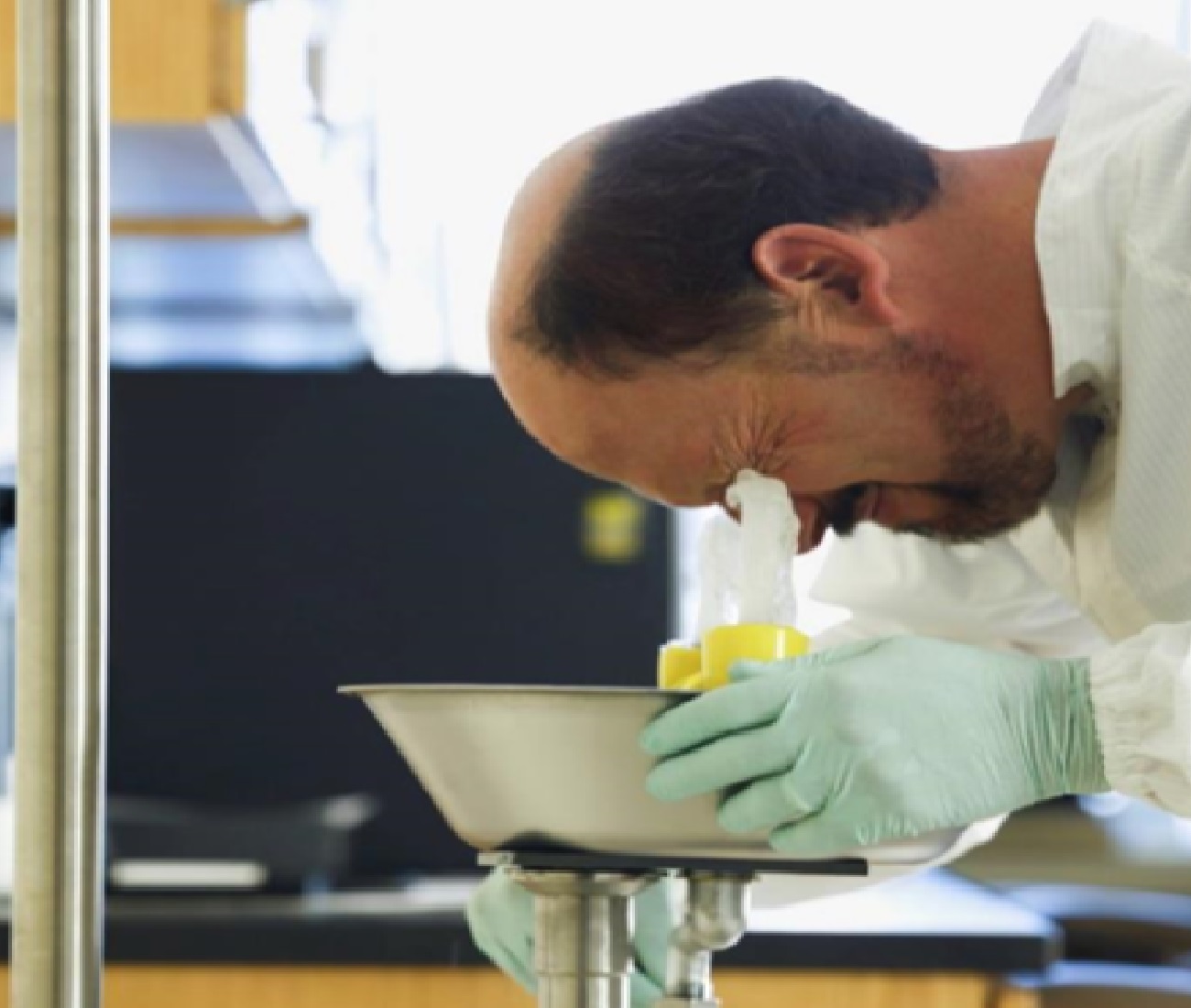
If a chemical splashed onto your skin or into your eye, could you get to a safety shower or eyewash station quickly? The time to consider that question is now, not when you are faced with an emergency. You need to know where this equipment is located, the shortest route to reach it and how to use it effectively.
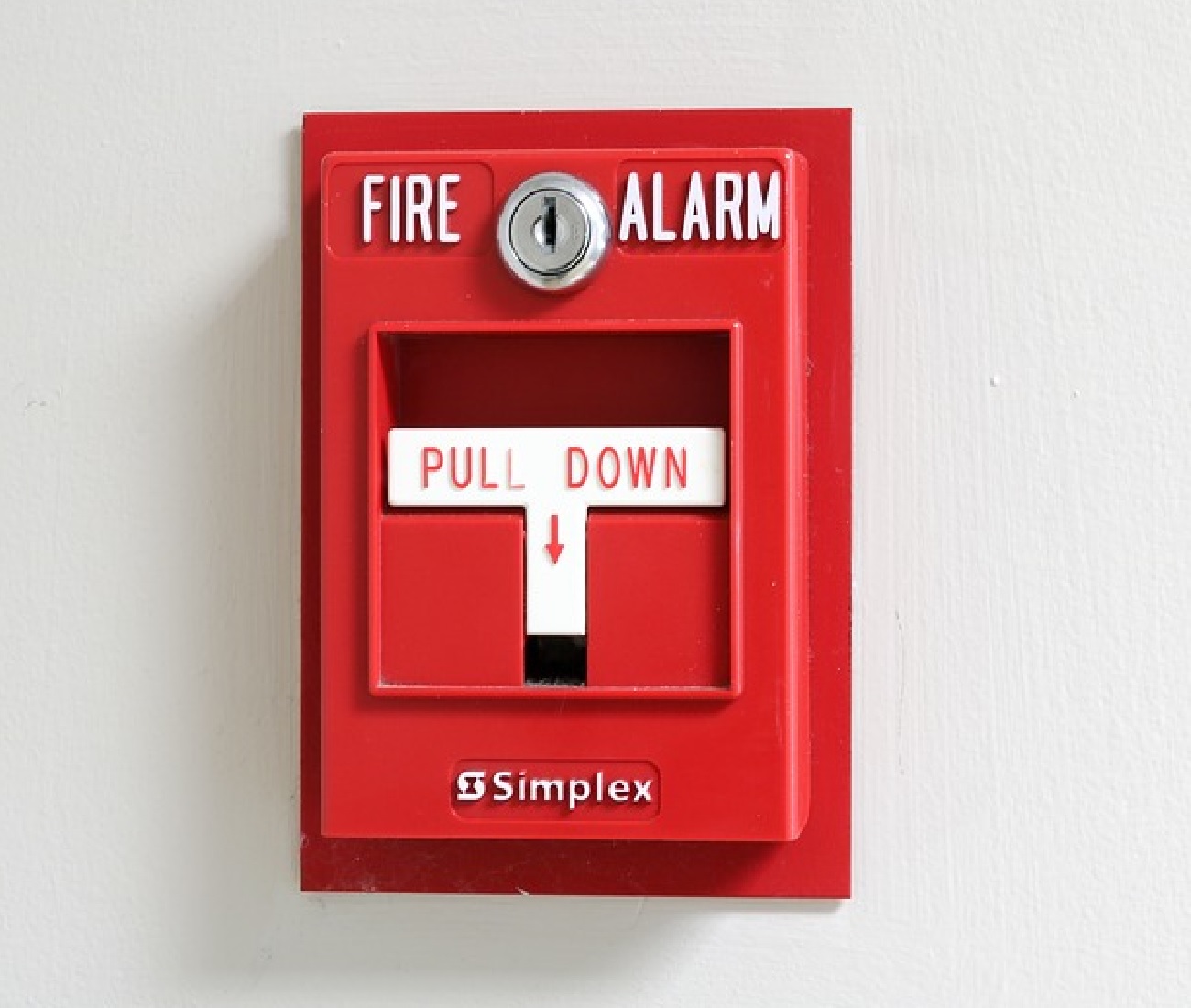
Being prepared for an emergency is part of your employers and your responsibility. For help developing your emergency response planning, Ready.gov offers the following guidance.
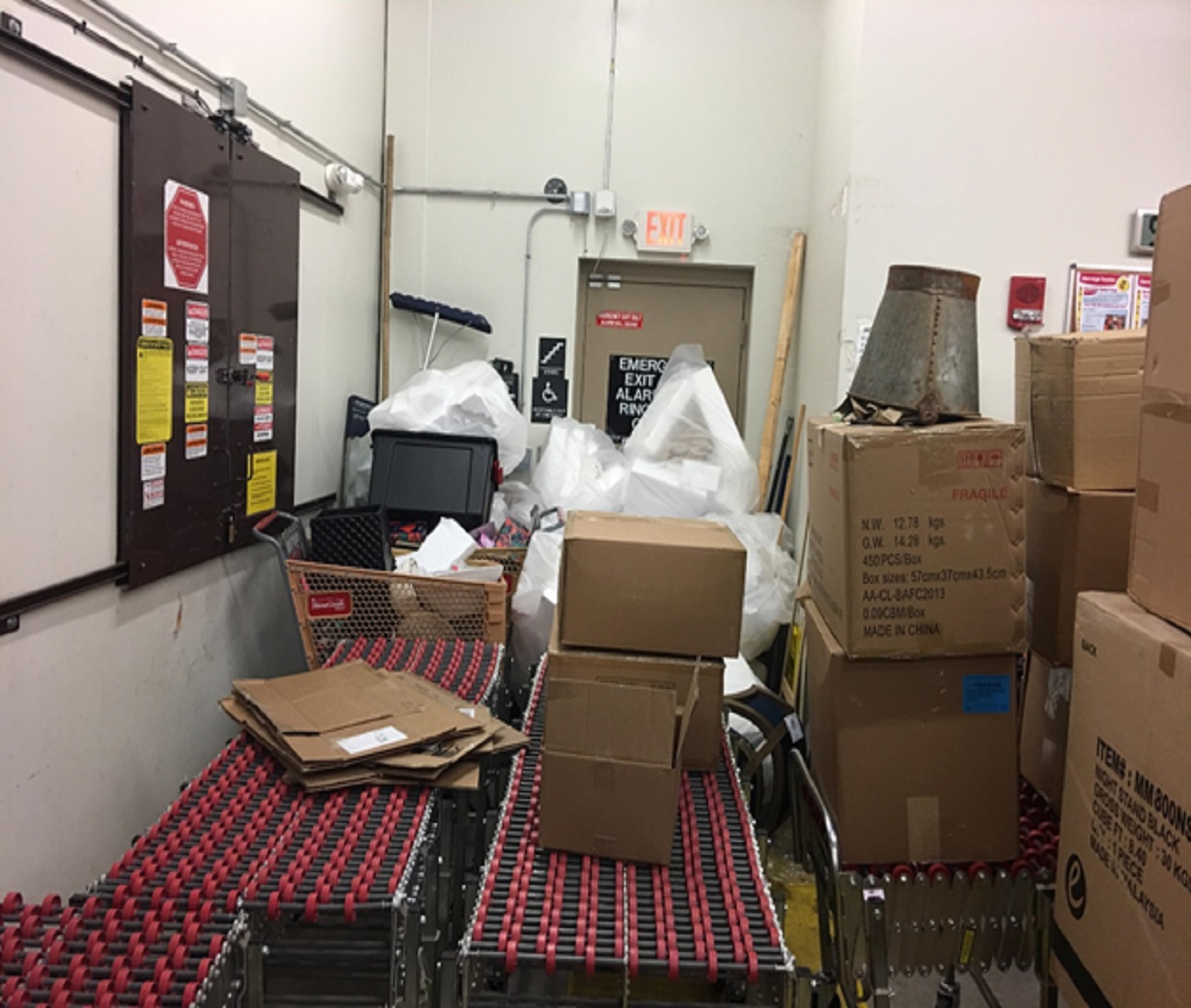
Let’s start with the obvious hazard – a blocked emergency exit. Blocked by conveyors, carts, trash, and cardboard boxes.
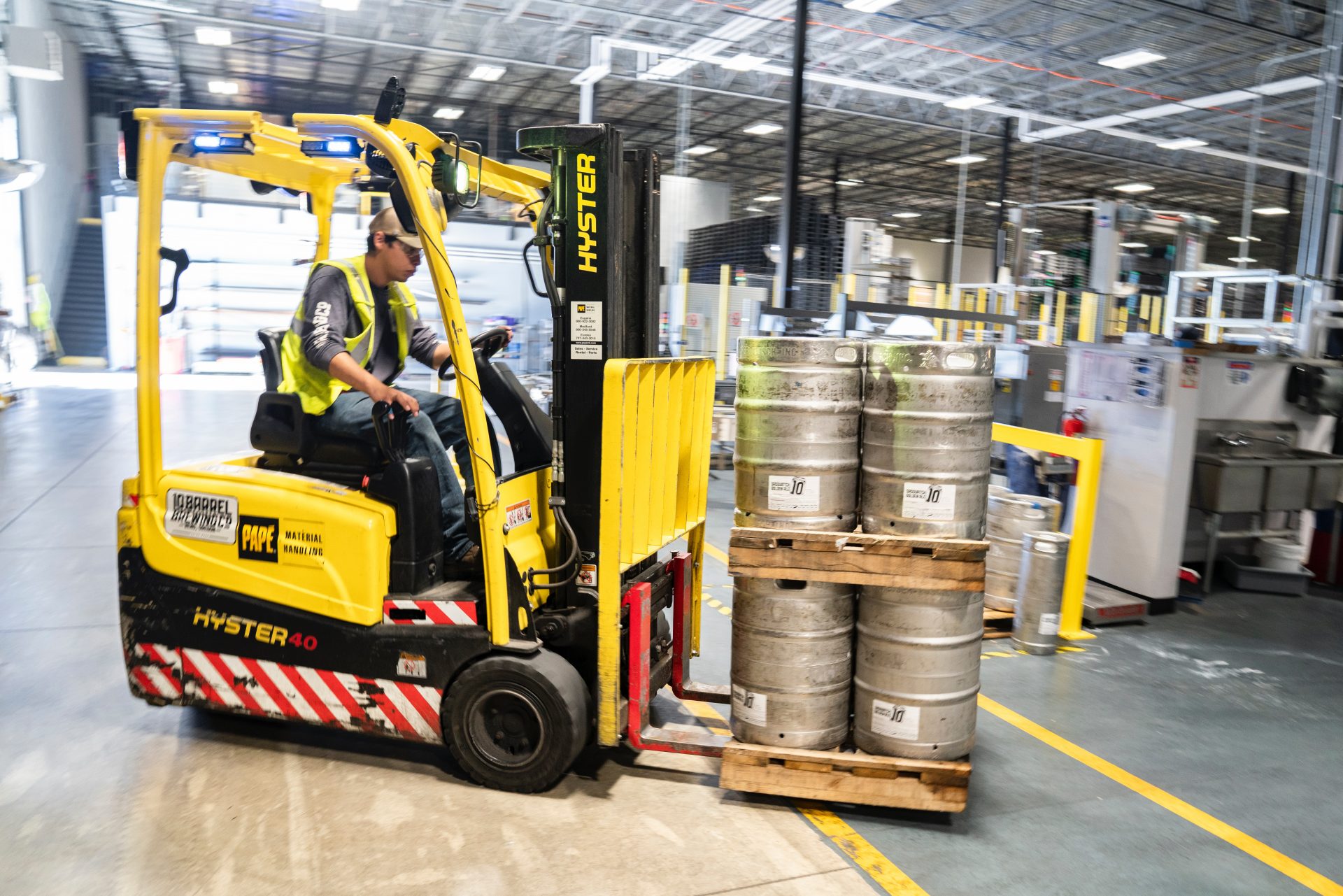
This program utilizes video shot on location as well as 3D animations to train new or experienced employees in the importance of safe operation and the responsibilities of professional lift truck operations, and the skills and techniques operators can use to help ensure workplace safety and incident prevention. Anyone required to operate forklifts must be trained in accordance with mandated standards. Training must include a wide variety of topics including engineering principles, forklift operating rules, equipment characteristics, differences between a forklift and a car, environmental hazards, operator maintenance, hazardous locations, surface operating conditions, site-specific operations, potential hazards, and other pertinent information. This video does just that and is a great training aid for training new operators or as refresher training for experienced operators.
It is estimated that over 100 workers are seriously injured every day due to failure to properly lockout-tagout equipment. This program covers the purpose of lockout-tagout, the hazards associated with the accidental release of stored energy, proper lockout-tagout procedures for attaining zero energy state, proper startup procedures and special situations. Referred by many professionals as the best training program in the market, Lockout-Tagout creates an awareness and respect for the hazards and motivates your workers to follow best practices to prevent incidents and ensure their safety.
It is estimated that over 100 workers are seriously injured every day due to failure to properly lockout-tagout equipment. This program covers the purpose of lockout-tagout, the hazards associated with the accidental release of stored energy, proper lockout-tagout procedures for attaining zero energy state, proper startup procedures and special situations. Referred by many professionals as the best training program in the market, Lockout-Tagout creates an awareness and respect for the hazards and motivates your workers to follow best practices to prevent incidents and ensure their safety.
PPE:Basic Training is just that, the Basics. Viewers will learn the basic purposes of each type of PPE and what hazards the PPE protects them against. Personal Responsibility to wear the PPE is stressed as is wearing the proper PPE for the proper task. Topics include: Footwear, Gloves, Eye Protection, Head Protection, Respirators and more. A great way to train new employees or open a discussion with experienced workers.
PPE:Basic Training is just that, the Basics. Viewers will learn the basic purposes of each type of PPE and what hazards the PPE protects them against. Personal Responsibility to wear the PPE is stressed as is wearing the proper PPE for the proper task. Topics include: Footwear, Gloves, Eye Protection, Head Protection, Respirators and more. A great way to train new employees or open a discussion with experienced workers.
Employees in industrial environments face different hazards than those in office or warehousing environments. For this reason they need training that addresses the hazards they face in the course of their job. This program covers General Safety Rules, Workplace Hazards, PPE, Machine Guarding, Emergency Action Plans, Slips & Falls, Housekeeping, Working at Heights, Hand & Electrical Tools, Hazard Communication, Forklifts, Proper Body Mechanics and other vital information.

Domestic violence often crosses over into the workplace and many domestic violence victims are in danger of being attacked, harassed, or stalked while at work. Would you know what to do if an employee came to you about violence they are experiencing at home? Does your organization have a plan? An organization’s response to and support of victims can help to keep the workplace safe and secure for everyone.

Employees in industrial environments face different hazards than those in office or warehousing environments. For this reason they need training that addresses the hazards they face in the course of their job. This program covers General Safety Rules, Workplace Hazards, PPE, Machine Guarding, Emergency Action Plans, Slips & Falls, Housekeeping, Working at Heights, Hand & Electrical Tools, Hazard Communication, Forklifts, Proper Body Mechanics and other vital information.

A study done by the Society for Human Resource Management, found 65% of companies don’t have a formal workplace domestic violence plan in place even though 16% of organizations have had a domestic violence incident in the past five years.

Domestic violence often doesn’t stay confined to the home. Whether directly or indirectly, domestic violence effects the victim, co-workers, and the organization. Learn these warning signs and risk factors for domestic violence in the workplace and share the information with your employees during workplace violence training.

Protecting employees from harm is the foundation of every safety program and piece of safety legislation. Protecting employees from workplace violence must be part of your safety program. Further still, having a plan and program in place to help employees experiencing domestic violence should be, and in many cases must be, part of your safety program.

How would you respond if one of your employees came to work with bruises or other injuries? Does your organization have a policy and process in place for dealing with suspected and confirmed cases of domestic abuse?

There are four generally agreed upon categories of workplace violence. Once you know what the categories of violence are you and your employer can practice ways to protect you, co-workers, and the public from ha

Housekeeping/Slips, Trips & Falls A construction site can become a very messy place. But, the longer it stays that way, the more dangerous it becomes. This video outlines the connection between good housekeeping and injury prevention, especially slips, trips & falls. Common trip and fall hazards are shown and the root causes are examined for maximum impact.

Ski Areas???snow ???ice???water???slippery surfaces???they increase the potential for a slip, trip or fall. But does this mean a slip, Trip or fall HAS to happen? Of course not. Slips, trips and Falls are preventable and that???s what this program is all about???prevention. The program examines some common slip, trip and fall accidents common to ski areas and examines the root causes of each.
A scientist was conducting an experiment using a portable fluorescent lighting rack. The lighting rack was plugged into an electric timer, which was plugged into the wall. However, since the timer only accepted a two-prong plug, an adapter was used to allow the three-prong plug of the lighting rack to be used with the two-prong outlet of the timer.
A postdoc was badly scalded by water while removing items from the top autoclave of a tower-style autoclave. To autoclave her own materials, the doctor began to remove a load that belonged to another laboratory while standing on a low step-stool. The load in the autoclave consisted of a Nalgene tub that contained liter bottles of media with water around them. The water in the tub was near boiling temperature, and as the doctor attempted to remove it, the contents spilled down her torso and thighs.
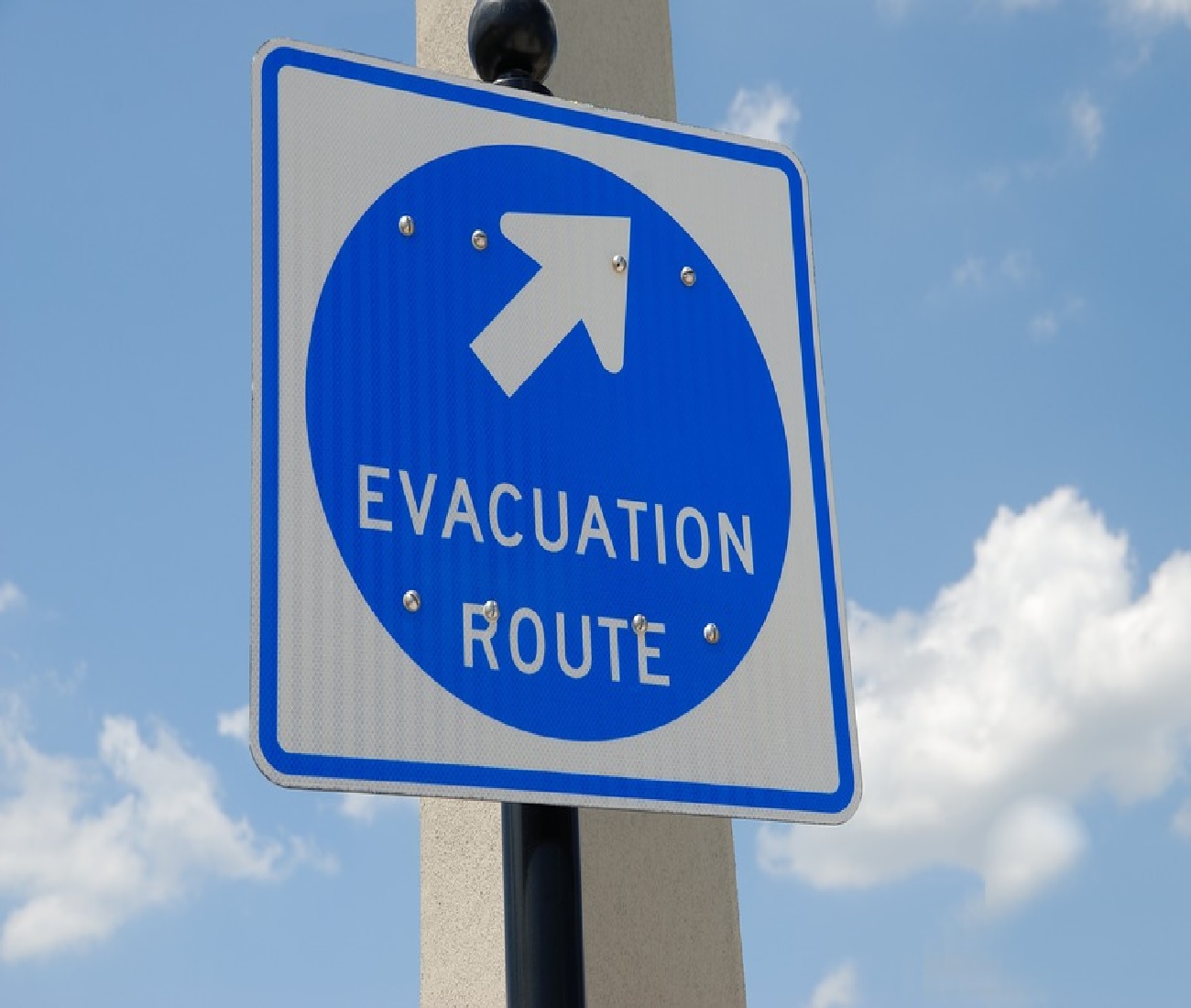
We are all vulnerable to disasters–whether they’re the work of Mother Nature in the form of earthquake, tsunami, hurricane, tornado or flood or deliberate acts of mankind in the form of arson, bombing or other act of terrorism. Surviving such disasters often hinges on being prepared.

When a serious incident happens in the workplace, everyone will be busy dealing with the emergency. Helping injured victims, assessing if the danger has abated, trying to piece together what happened. So, it’s critical to be prepared to investigate an incident before one occurs.

An electrical burn occurs when skin meets an electrical voltage. It does not always leave a significant burn to the skin, but the electricity can cause significant internal damage to nerves, muscles and internal organs.
Since it's your first time, you may want to checkout some of the video tutorials.






 800-ICW-SAFETY (800.429.7233)
 SAFETYOnDemand@icwgroup.com