
Know Your Chemicals
Chemicals enter the body in a number of different ways. A chemical can be absorbed by the skin, inhaled, ingested or through a puncture like a needle. Once in the body, chemicals are circulated by

Chemicals enter the body in a number of different ways. A chemical can be absorbed by the skin, inhaled, ingested or through a puncture like a needle. Once in the body, chemicals are circulated by

On average, approximately 500 workers younger than 24 years of age die from work related injuries every year, and more than 800,000 are treated for nonfatal injuries in hospital emergency departments each year. While their injuries and illnesses might be similar, young workers face a different set of risk factors than older, more experienced workers.
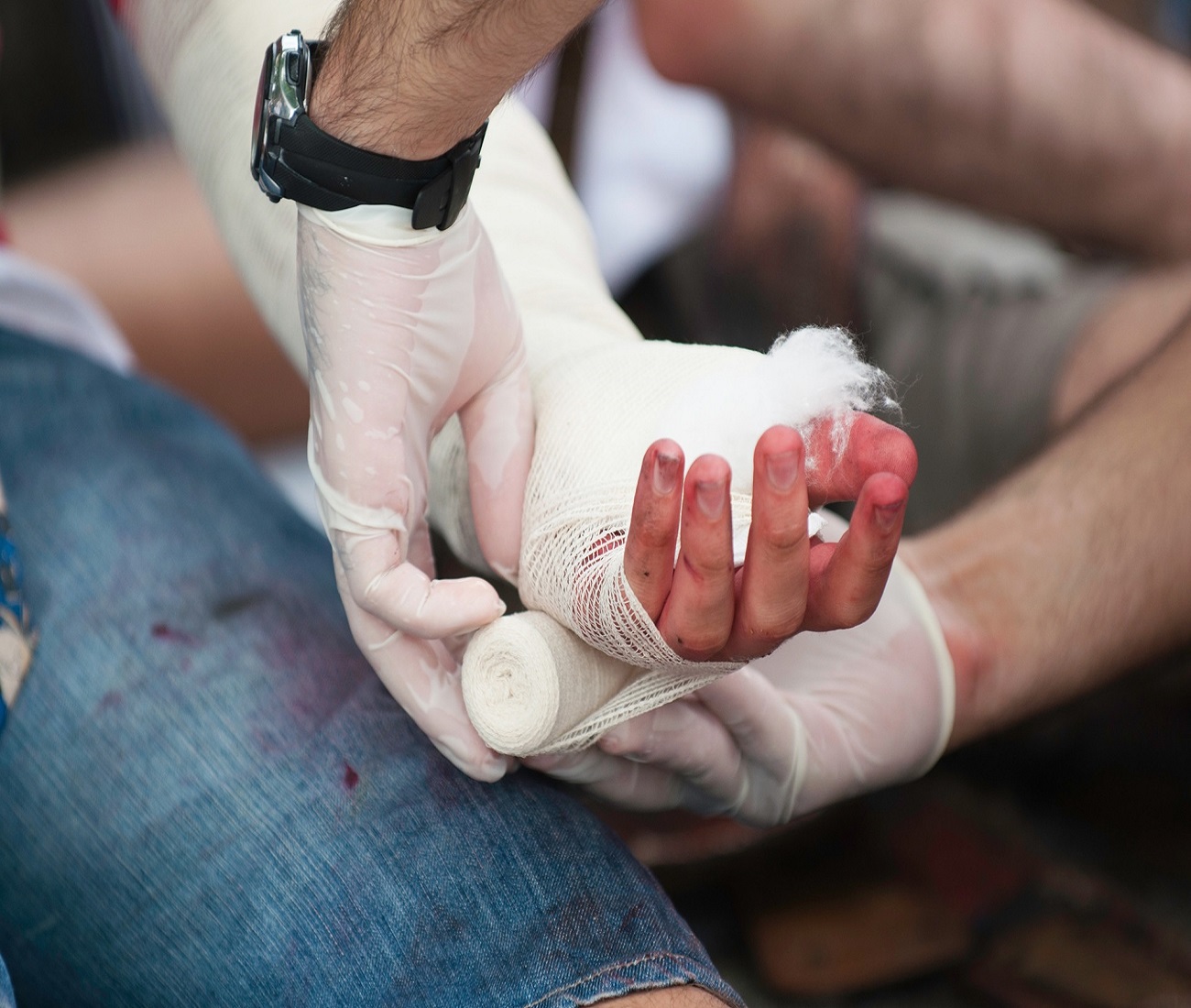
If you aren't wearing the right protection your hands could be burned, frozen, cut, scraped or burned by chemicals. You could lose fingers, a thumb, or even your life. That's why you wear gloves.

A back injury can begin a lifetime of pain, inability to work or play, reduced income and unhappy dealings with medical agencies.

Your workplace probably has countless electrical tools and devices capable of delivering a fatal electrical shock.

Is there a manhole to a sewage system near your workplace, or an underground vault for an electrical system? Any boiler, tunnel, well, silo, shaft or poorly ventilated crawl space can be a potentially dangerous confined space.

Front desk workers have the job of greeting and directing workplace visitors. Their courteous manner and prompt service are important to the company?s public image and reputation with customers.

Anyone who has to move heavy objects, work in awkward positions, hold one position for a long time or perform certain tasks at a fast pace can get hurt. These tips will help protect your
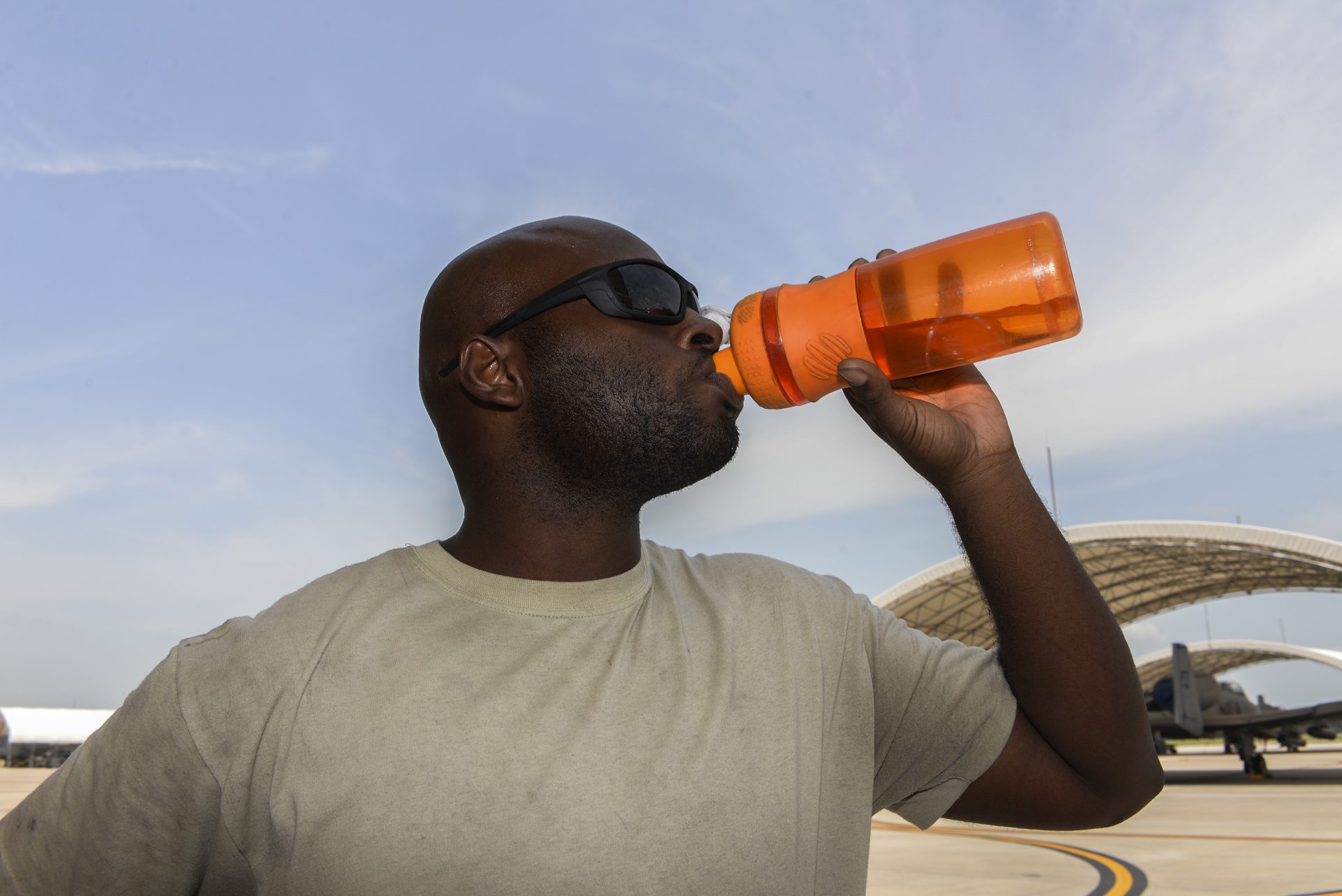
You might be the toughest roughneck around, but a good dose of heat stress can quickly tame anyone's bravado.

WHAT'S AT STAKE Workers in almost every work environment are [...]
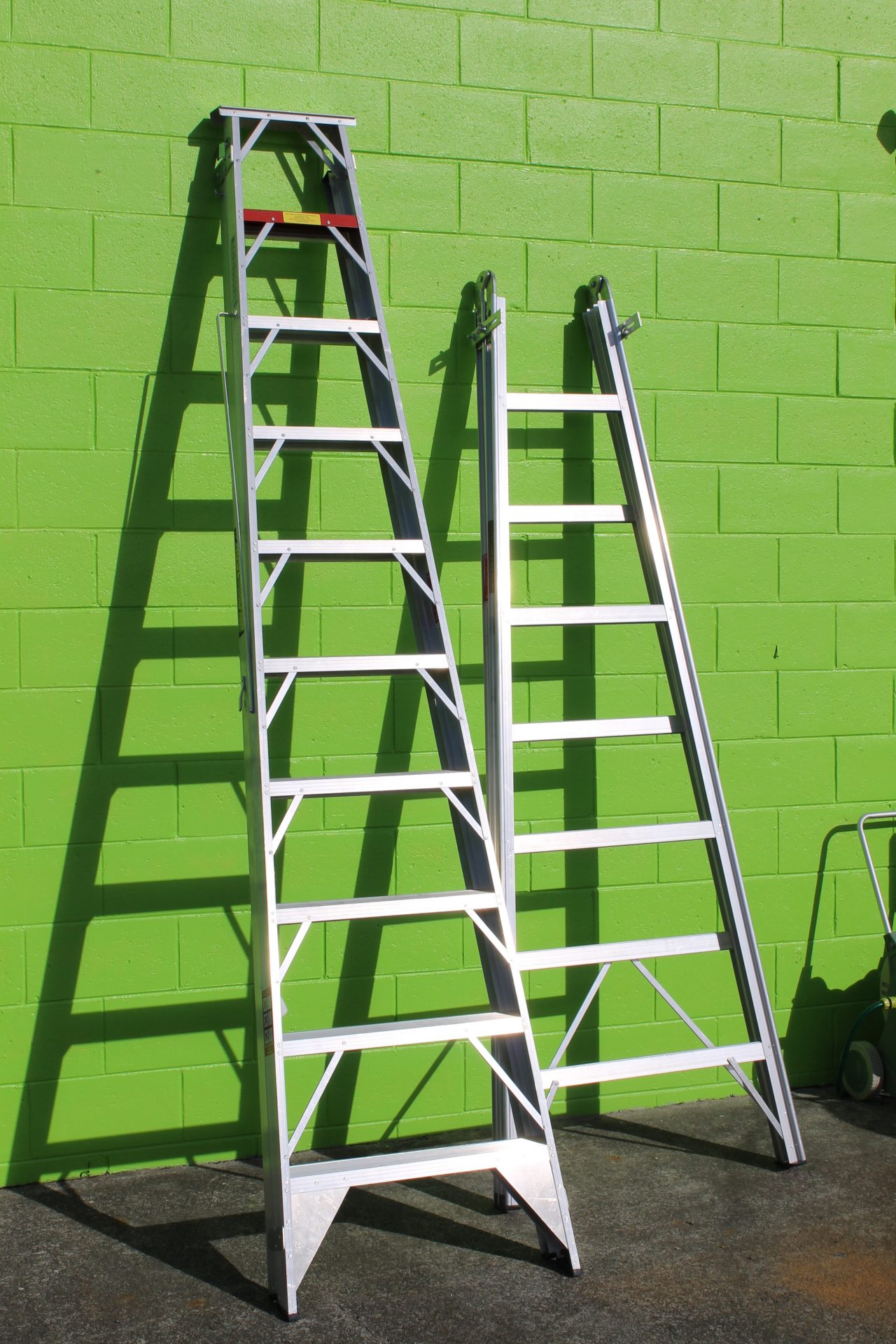
Anyone who uses the wrong ladder for a job or uses it inappropriately is courting trouble. Don?t become a statistic. Remember these ladder safety tips: Select the correct ladder. Why waver on the top rung

Even a simple extension cord needs to be looked after. It's a shock orfire hazard when deteriorated, worn-out or used improperly.

Any workplace can be too hot for safety, both outdoors and in hot, humid conditions indoors. Whenever you’re exposed to heat, you’re at risk of developing heat illness.

Eyes are one of the most vulnerable parts of the body. They are susceptible to all kinds of injuries in the workplace if they are not properly protected.

How This Affects You: Your back is used in all you do, on and off the job, and hurting it can have severe consequences: a lifetime of pain, inability to work or play and reduced income.
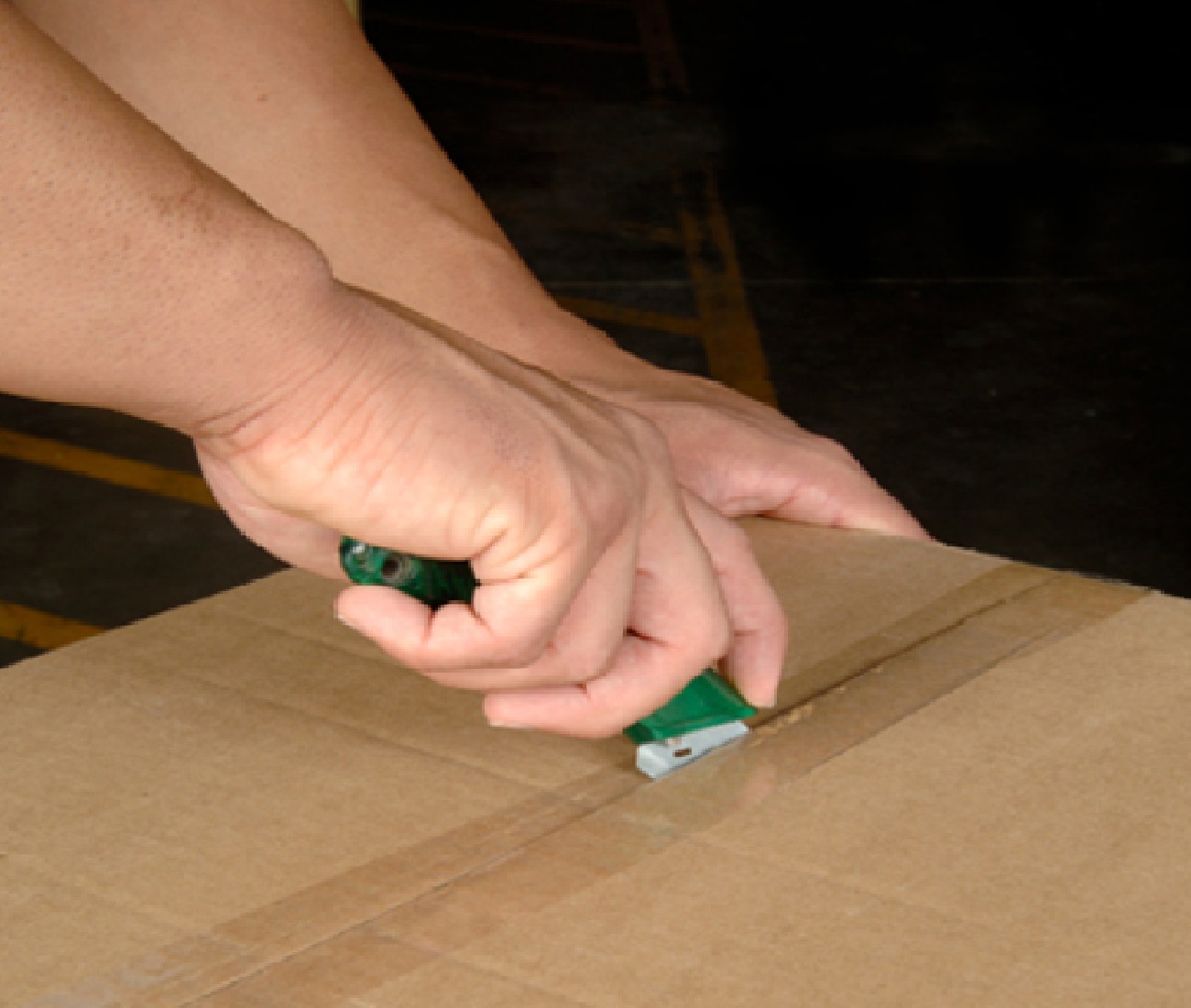
Many workers use utility knives to open packaging. But one wrong move and these tools can do serious harm. In fact, nearly 40 percent of all injuries attributed to manual workshop tools in the US involve utility knives. And it’s not only utility knives that pose a risk. The straight hand knife is also a commonly used tool in many industries and the cause of many severe accidents.

Break time is your chance to break away from the routine and relax before heading back to work. But you can?t take a break from safety.

An injury which would be minor if it occurred elsewhere can be extremely serious if it occurs on the eye. For example, a piece of metal which is shot through the air from a grinder
How This Affects You: Every year thousands of employees are injured in falls from ladders.
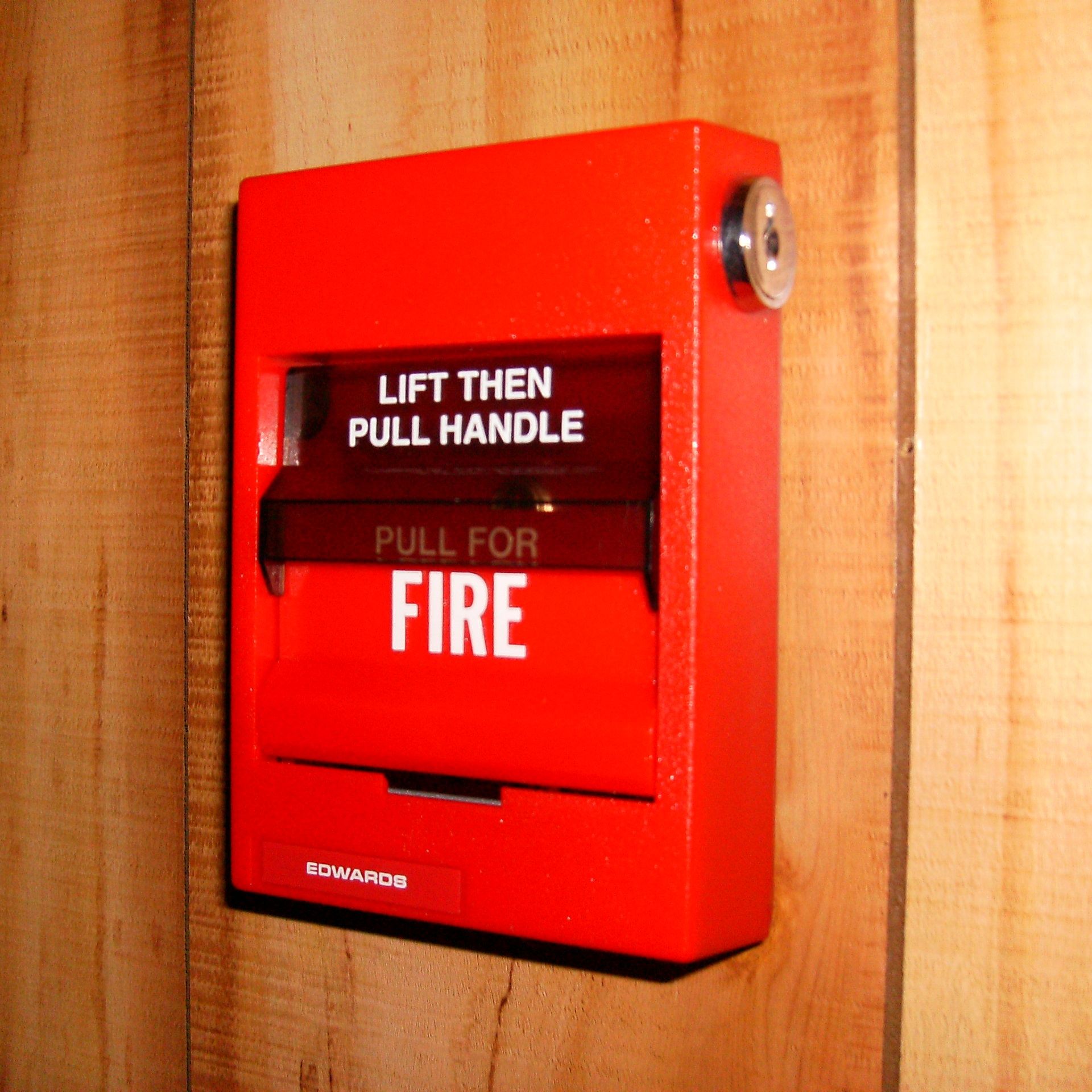
We often hear about people being “in the wrong place at the wrong time.” While this saying often refers to people who have been victims of crime, it certainly applies to workers as well.

Workers sometimes take chances with ladders, failing to remove worn or damaged ladders from service. This could cause serious, even fatal, injury.

Let's look first at the problem of stored materials. Materials are piled in the yard, in the truck or at various places on the jobsite.
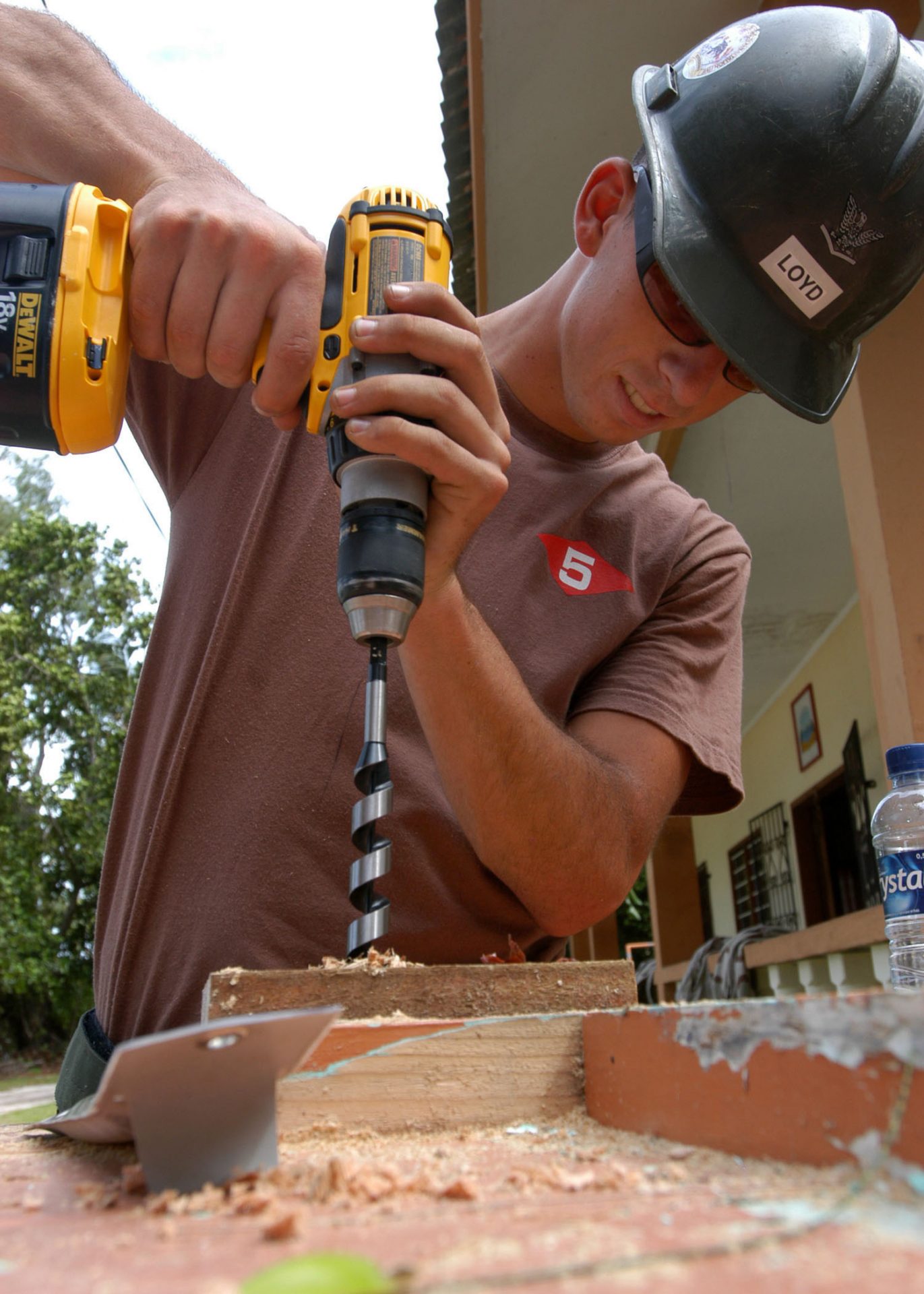
How This Affects You: You can be seriously injured by using common workplace tools incorrectly.

Workplace safety can be a complex issue, but learning and adhering to a few safety basics can go a long way toward keeping employees safe on the job. Many workplace injuries and fatalities are directly related to either not knowing how to do something and attempting it anyway or committing unsafe acts through inattention or for other reasons.

You?ve heard it before and you?ll hear it again because it?s a fact - seatbelts save lives. A high percentage of all work-related fatalities each year are caused by motor vehicle crashes. Many of these deaths could have been avoided if the drivers and passengers in these vehicles had been belted in.
Since it's your first time, you may want to checkout some of the video tutorials.


 800-ICW-SAFETY (800.429.7233)
 SAFETYOnDemand@icwgroup.com