
Understanding Safety Data Sheets
Safety Talk What’s at Stake? Working with hazardous chemicals is [...]

Safety Talk What’s at Stake? Working with hazardous chemicals is [...]

Safety Talk What’s at Stake? Chemicals are present everywhere. We [...]
If you have multiple facilities, you run the risk of [...]

The Loss 5,190. That’s how many workers lost their lives [...]

If you haven’t already done so, here’s a reminder! Employers [...]
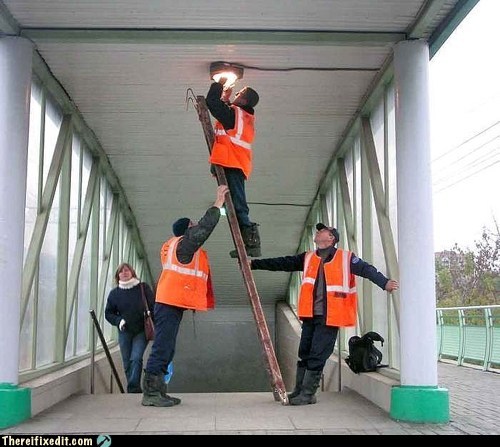
How many workers does it take to safely change a light bulb? Apparently more than these three guys.
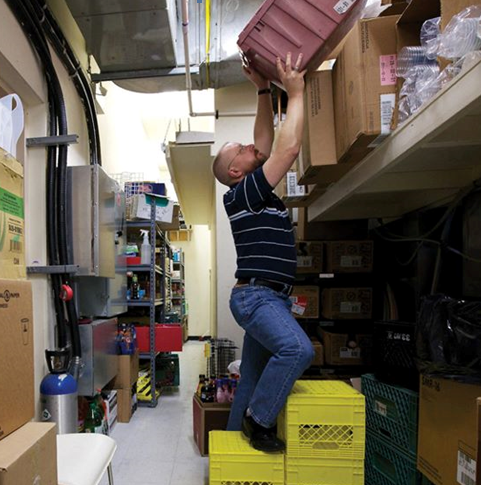
If the nearest ladder is more than a few feet away, many workers will take the easy way out and use a chair or other object as a substitute. This worker shown here has made the unsafe choice of using stacked milk cartons as a ladder to reach the upper shelf of a rack.
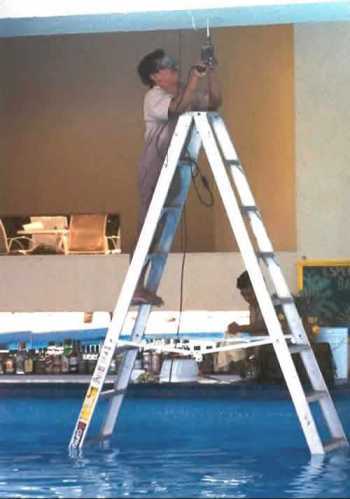
Using an aluminum ladder around electricity is dangerous enough but this guy has raised the stakes considerably.
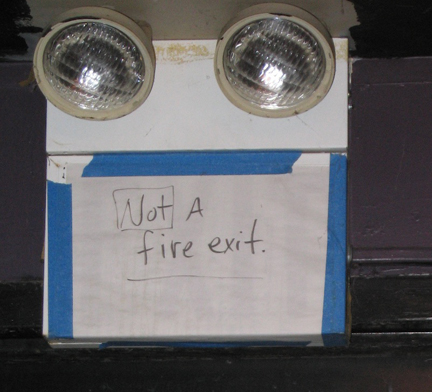
Signs that point the way to safety can be lifesavers during emergencies, but unfortunately, not all signs provide valuable information, as this photo illustrates.
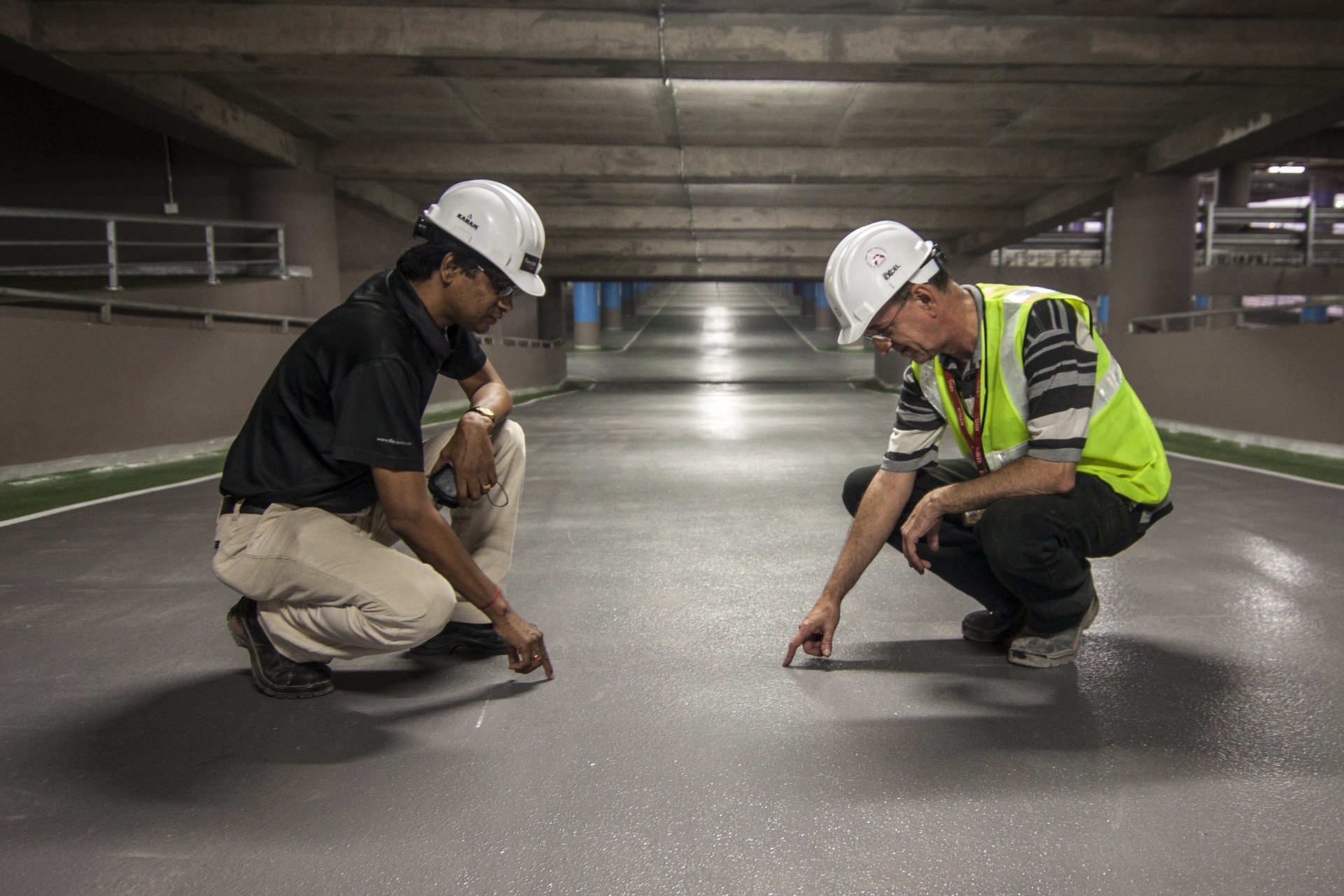
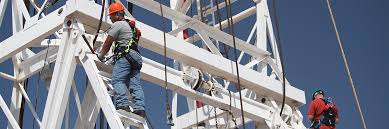
Balancing one-handed on a railing several feet above the ground without any form of fall protection could be this maintenance worker's downfall.

Winter of 2013 hit many parts of North America hard, leaving treacherous driving and walking conditions. Workplaces need to lay down plenty of salt or ice-melting pellets to keep walkways safe and navigable for workers, customers and visitors.

When OSHA inspectors show up at a worksite, they generally [...]
Safety Violation Fine Hikes Manitoba Labour Minister Jennifer Howard has [...]
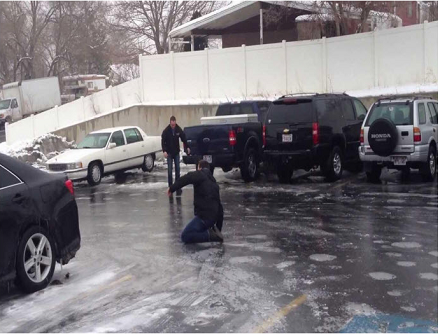
Winter weather means snow and ice, which can cause slips-and-falls.
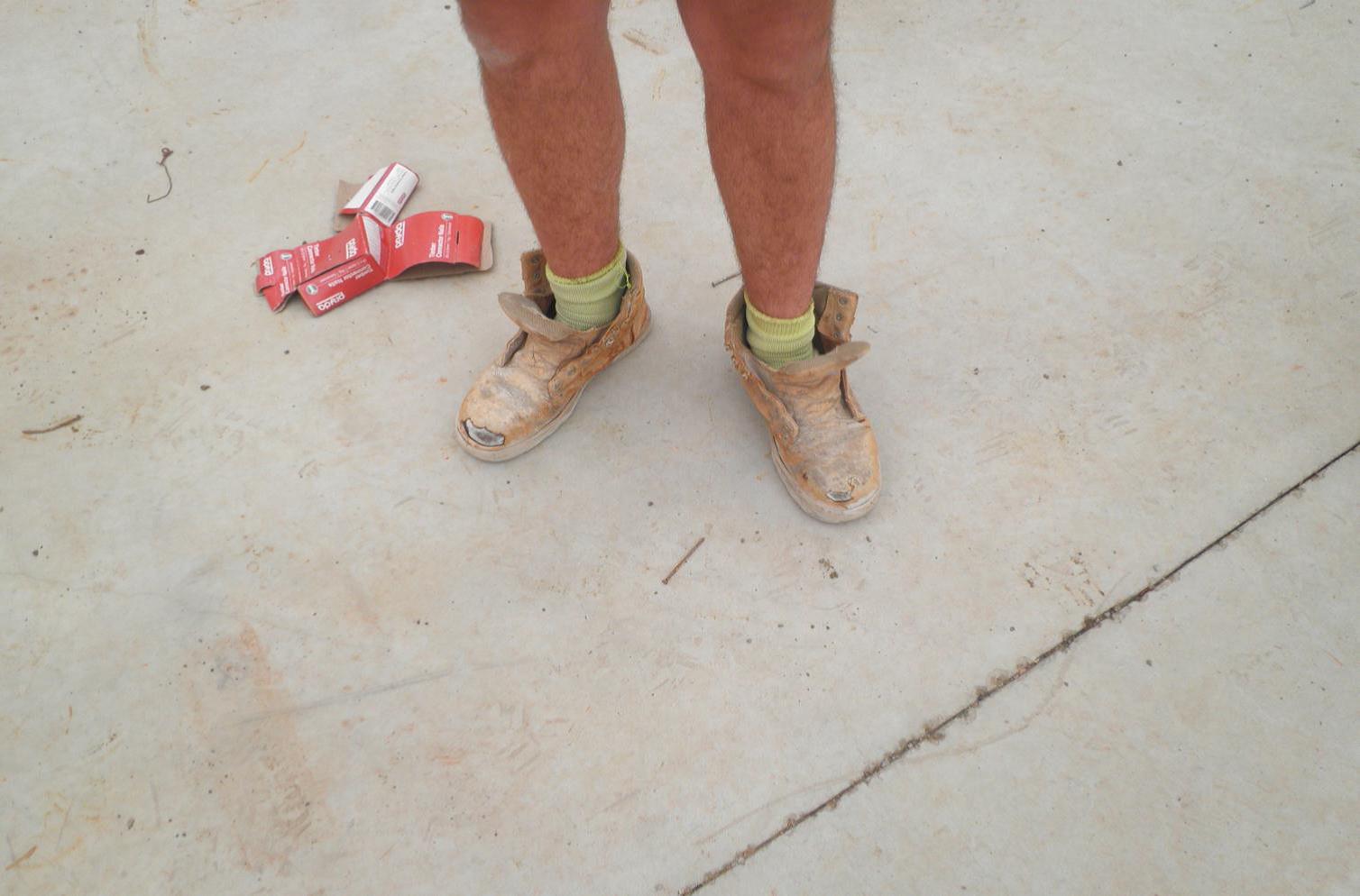
Whatever part of this safety footwear which was considered to be “safe” by the wearer is something that only he would know.
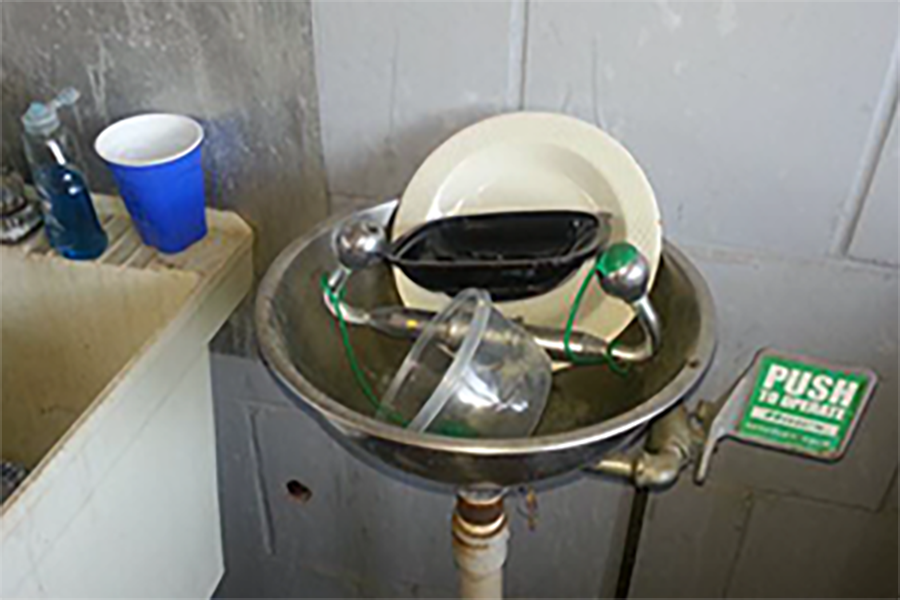
Someone has added a few contaminants of his own to this eyewash station.
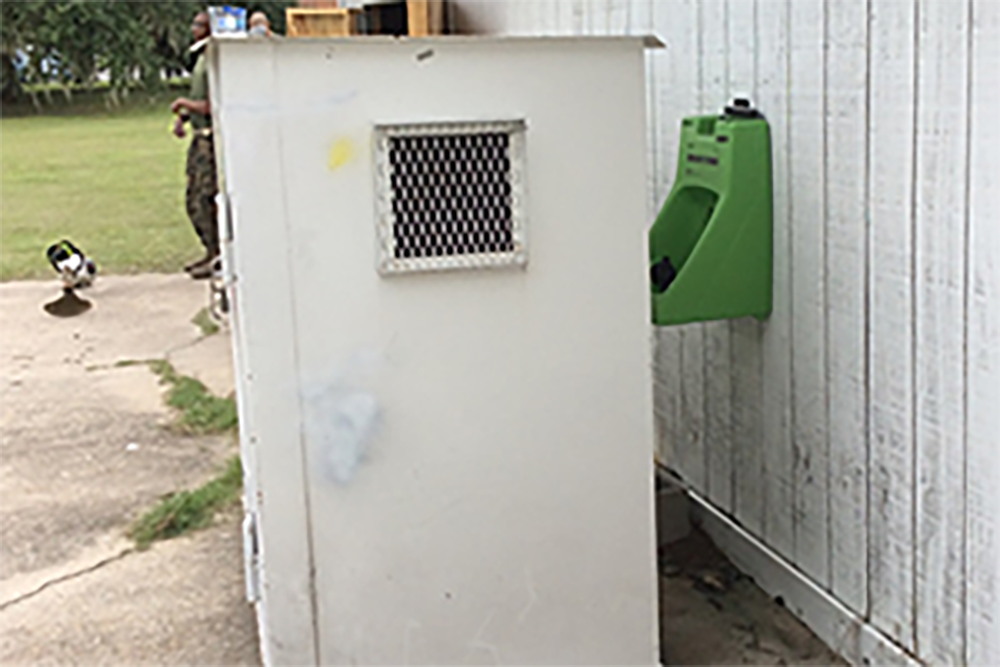
When your eyes are burning from contact with a splashed chemical and you desperately need an emergency eyewash station

What would you tell a worker using a ladder in this way?
A well-placed safety sign is a good reminder for your workers and visitors, but this photograph shows a dizzying array of "watch your step" warning signs that could actually distract workers and lead to a fall on this stairway.
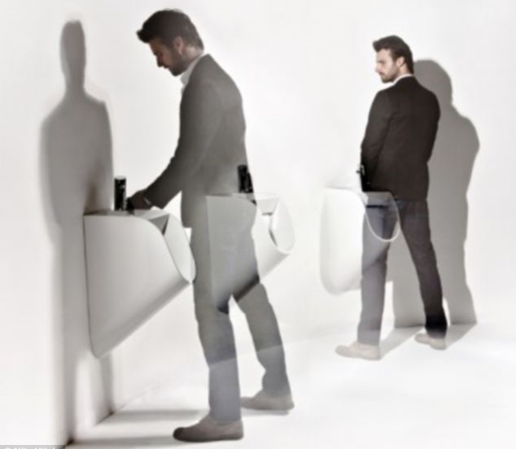
Does this graphic ACTUALLY depict a man washing his hands in a urinal? What is going on?
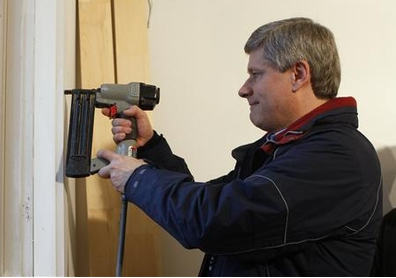
Canada's Prime Minister, Stephen Harper, was photographed using a nail gun to promote a home improvement stimulus program. Too bad he wasn't wearing any PPE.
The good news is she wasn’t far from expert medical [...]

A revealing glimpse into what OHS prosecutors look for when [...]

What to do if you think OSHA has unfairly cited [...]
To assess the risk of repeat violations, you first need [...]
Since it's your first time, you may want to checkout some of the video tutorials.


 800-ICW-SAFETY (800.429.7233)
 SAFETYOnDemand@icwgroup.com