

Sensitive to Scents
In a world filled with scented soap, fragrant shampoo and sweet-smelling perfume, staying upwind can be a constant challenge. For anyone sensitive to scents, the workplace can be downright hazardous to your health.
In a world filled with scented soap, fragrant shampoo and sweet-smelling perfume, staying upwind can be a constant challenge. For anyone sensitive to scents, the workplace can be downright hazardous to your health.
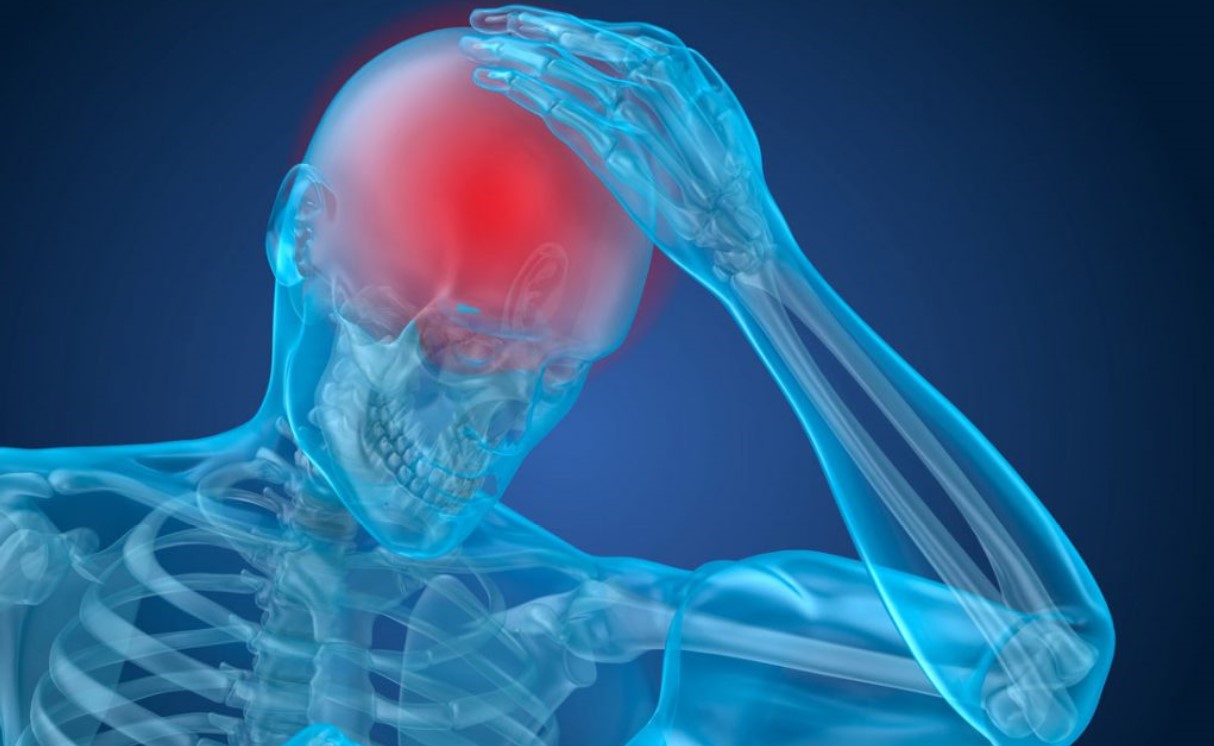
It is of the utmost importance to protect yourself from head injuries. We all have heard of people who have received head injuries and how their lives have been tragically changed. If you have worn
Quick! A co-worker has just been seriously injured and emergency medical assistance is needed. Do you know what to do?

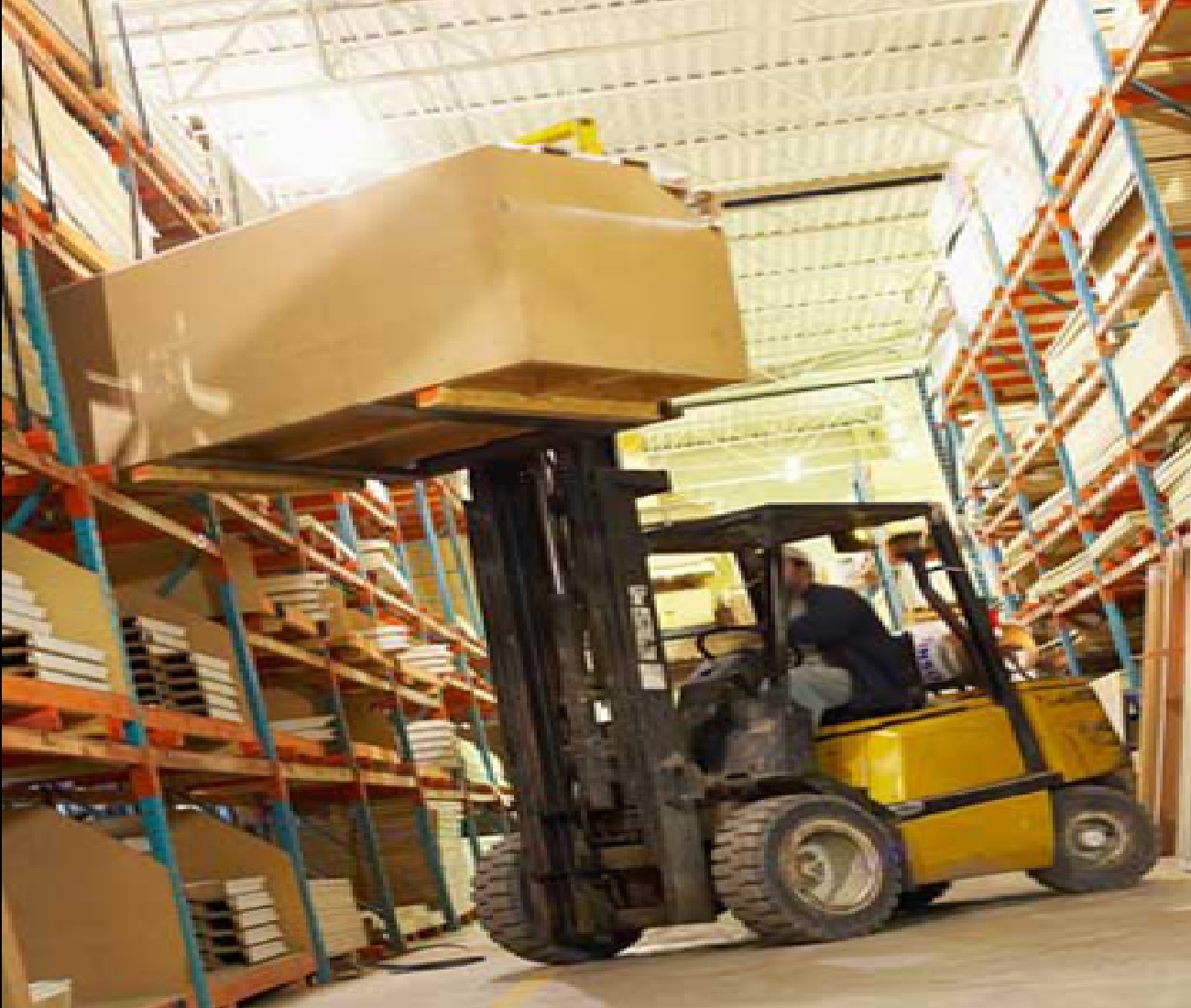
There’s hardly a workplace that doesn’t handle or store materials.
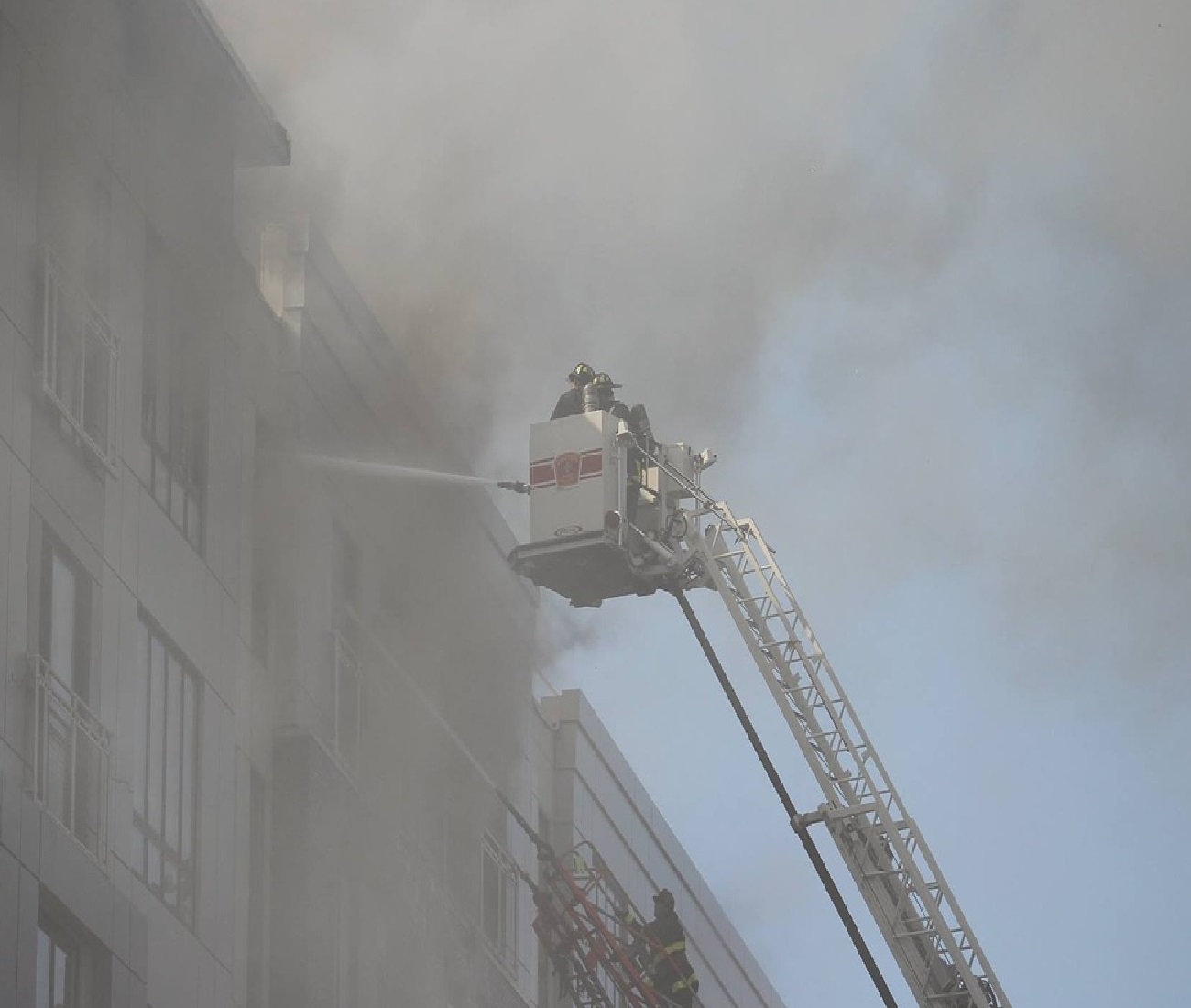
Every 85 seconds, a fire breaks out somewhere in Canada. And in the United States, the number of fatal work injuries resulting from fires and explosions in 2010 rose to 187, an increase of 65% over the previous year. Of the 187 fatalities, 82 occurred in multiple fatality incidents.

Ill-fitting protective clothing and equipment is universally problematic in workplace safety. It deters workers from performing job-related tasks efficiently and safely.
A suntan may look and feel good, but sunlight is the primary cause of skin cancer. The tingly warm sensation associated with sun exposure is actually radiation damage caused by ultraviolet rays.
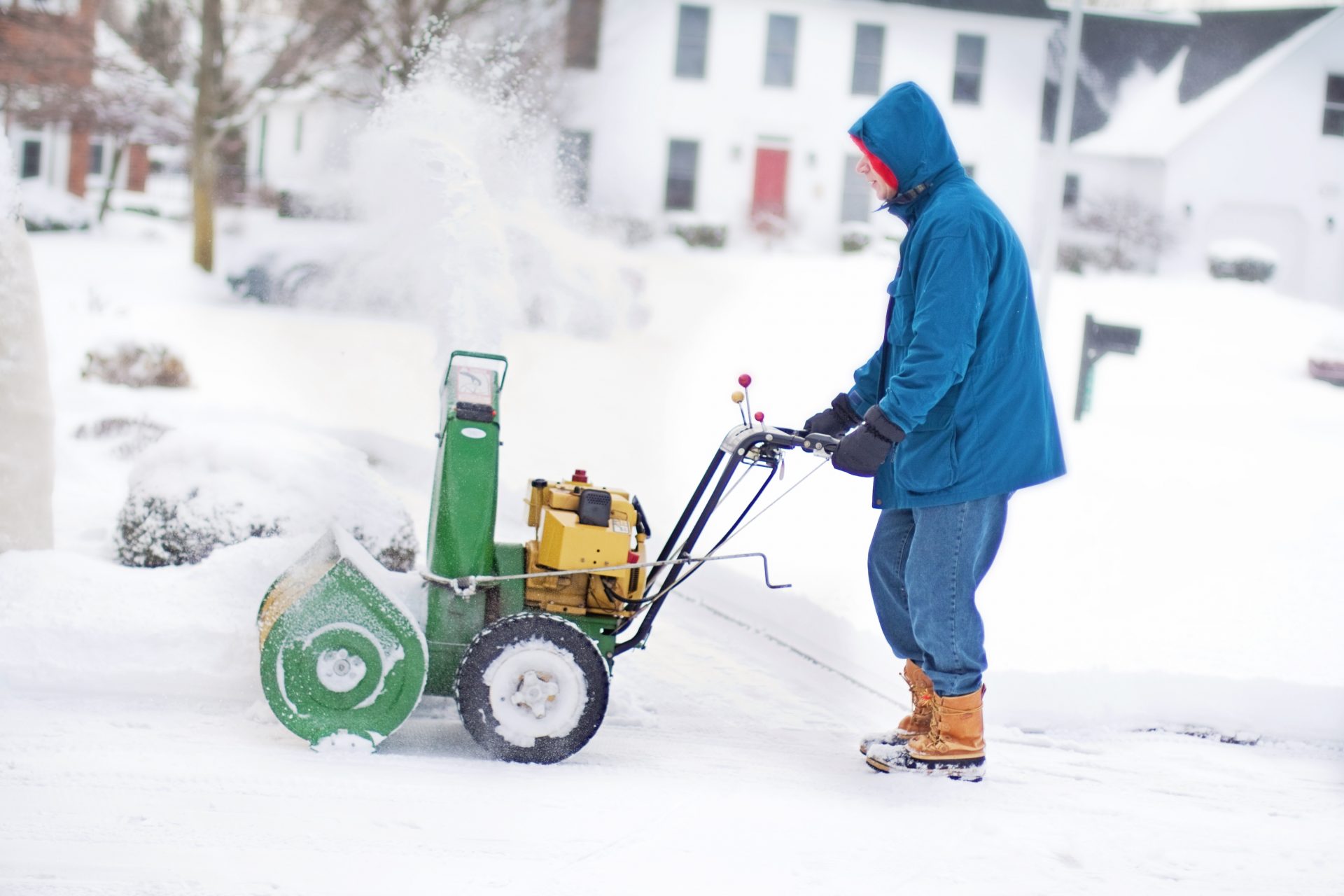
In this Safety Talk, we’ll learn about three conditions caused by working in the cold, how to prevent them, and precautions you can take to stay safe while working in a winter wonderland.

Your feet and toes may be at the opposite end from your head, but you still need to use your brain when it comes to which type of shoes you wear in the winter.
Anyone who uses the wrong ladder for a job or uses it inappropriately is courting trouble. Don?t become a statistic. Remember these ladder safety tips: Select the correct ladder. Why waver on the top rung

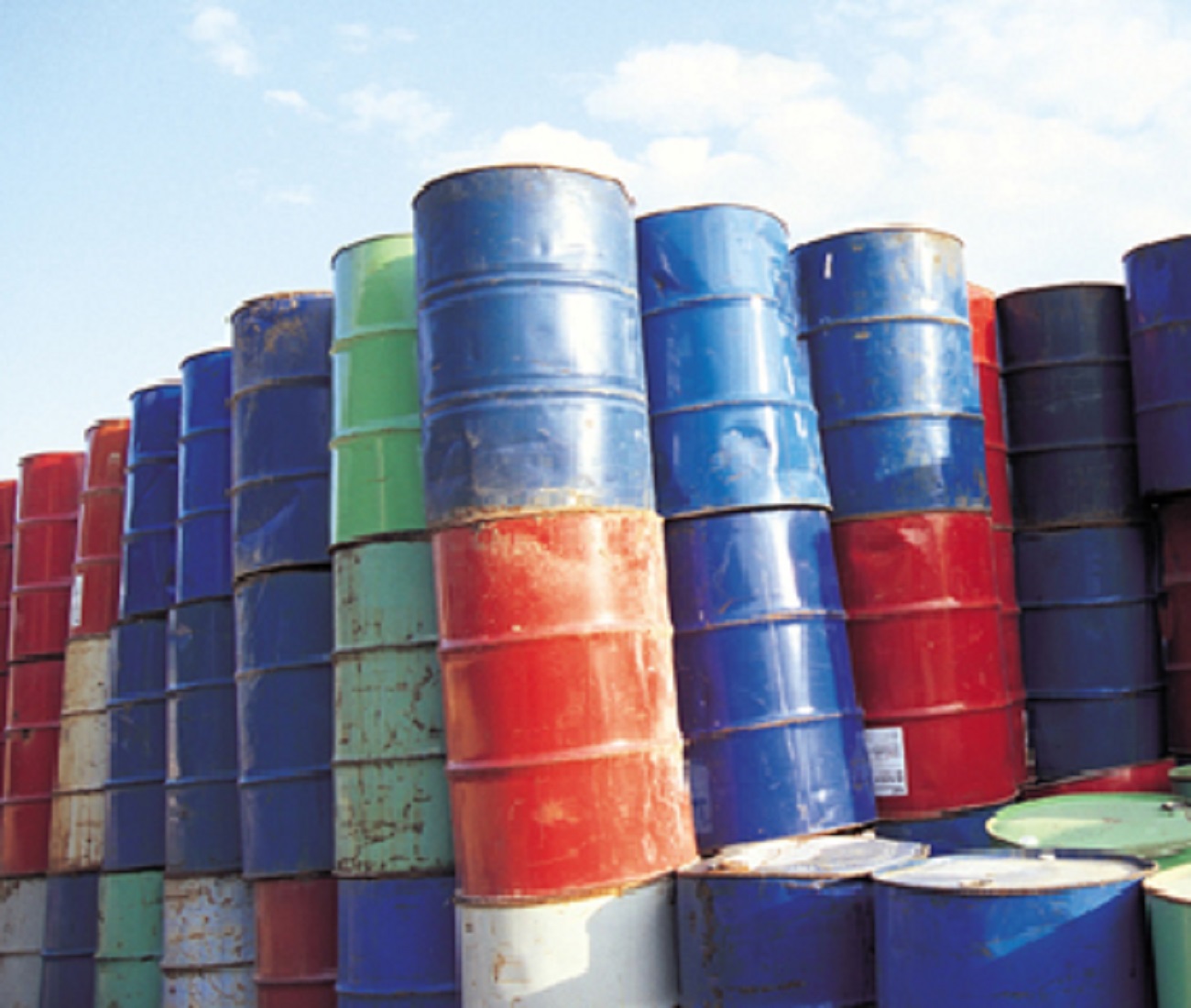
Toxic chemicals are found in almost every home and workplace. In some industries such as chemical processing, they are used in great quantities. But they are also used for small, everyday tasks.
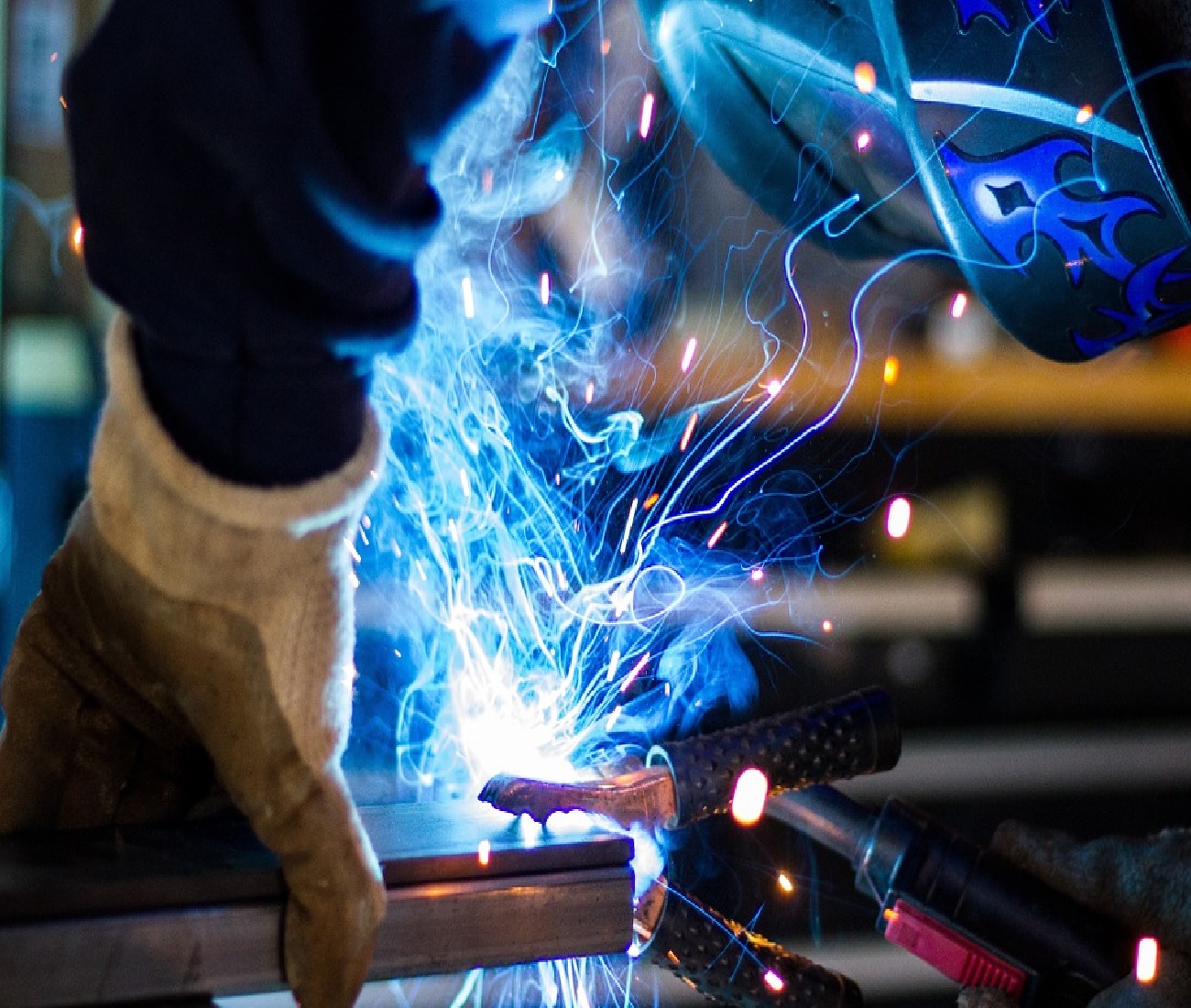
Almost every organization has the need for hot work?welding, cutting, brazing, etc.? on some level. Some workplaces do more hot work than others and have designated areas for this work, such as a welding station. These areas are set up to be free of combustible materials and other ignitable materials, and have welding screens that surround the workers to catch any stray sparks. The use of flammable substances in these areas is prohibited and appropriate fire extinguishers are kept nearby. But this is not the case when a welder has to do spot hot work in a facility.
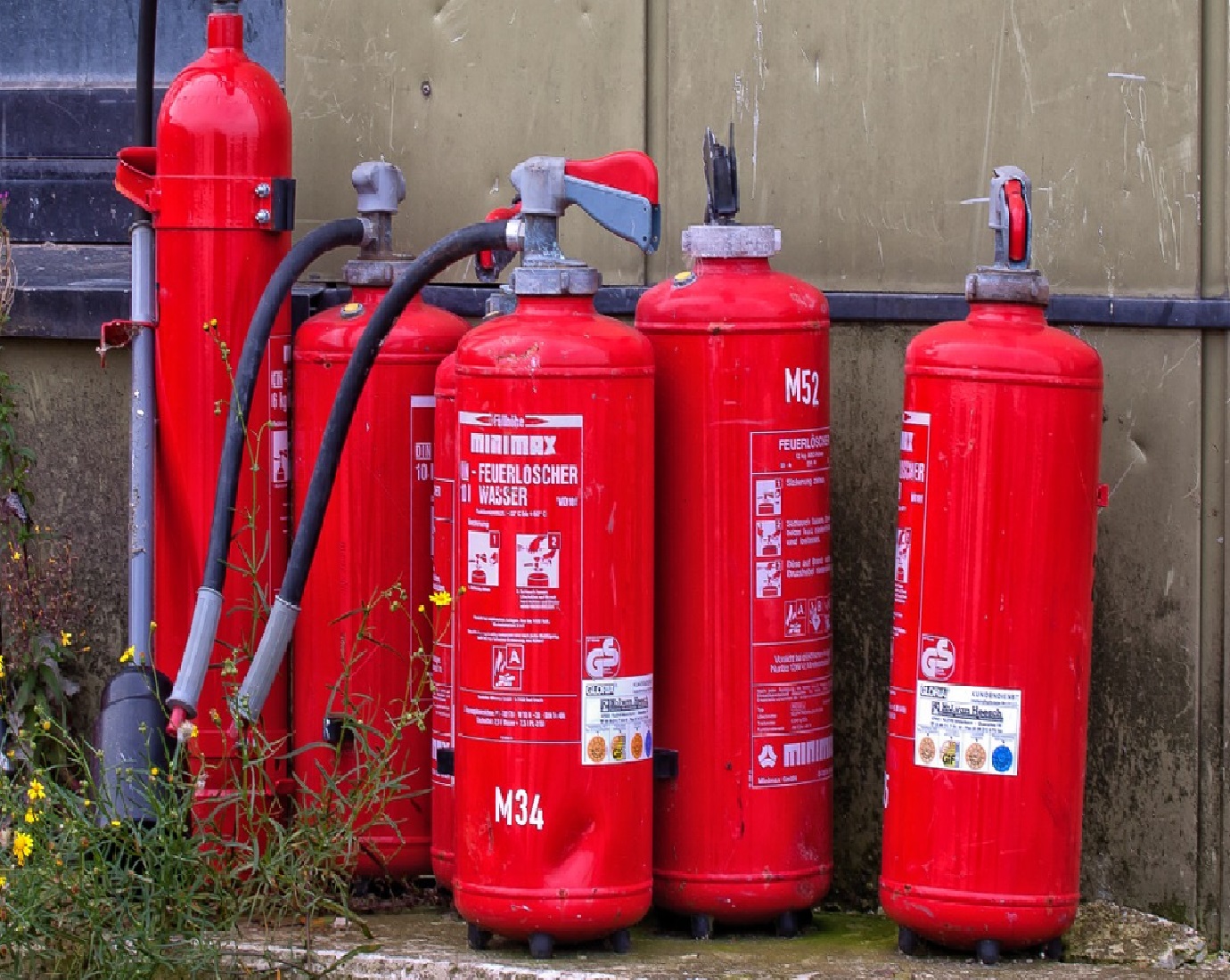
In a heroic attempt to extinguish an apartment fire, two men working in a residential building found extinguishers in a hallway and raced to the unit. Although they had just rescued a tenant from the same unit, they were both overcome by thick smoke and died of cardiac arrest.
If you have never experienced a serious emergency in your workplace, you might find it hard to imagine such a thing could happen. However, every day in job settings just like yours, something goes seriously wrong.
Traffic accidents, falls and assaults are just a few of the perils of workplace parking lots and garages.
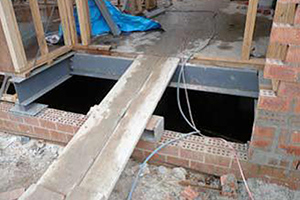
Falls through floor openings cause many deaths and serious injuries. These incidents also cause terrible feelings of guilt because typically, one worker fails to securely cover a floor opening and another worker falls through it to his death.
When fuel is burned, carbon monoxide is a byproduct. This gas kills thousands of people at work and at home each year.
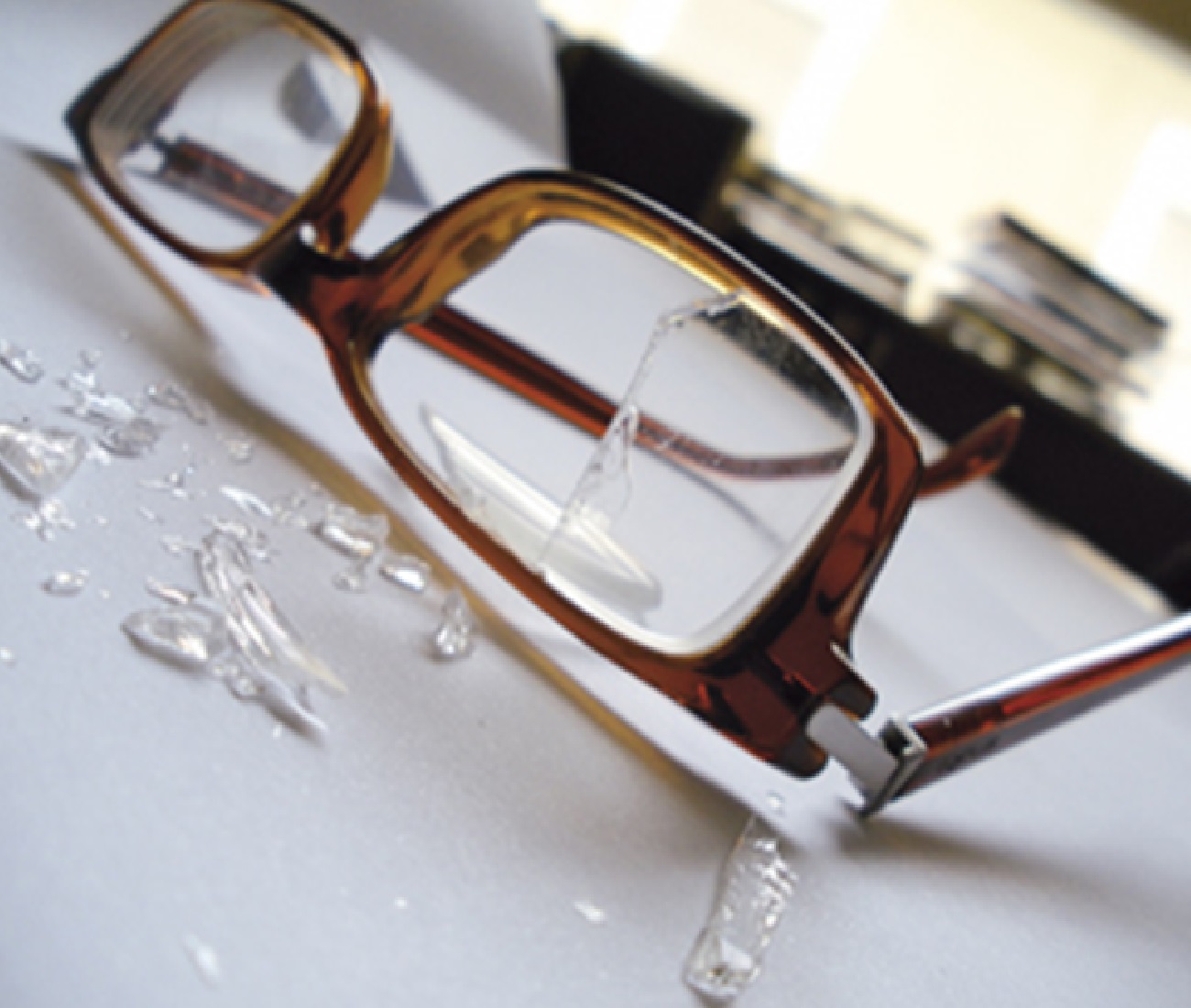
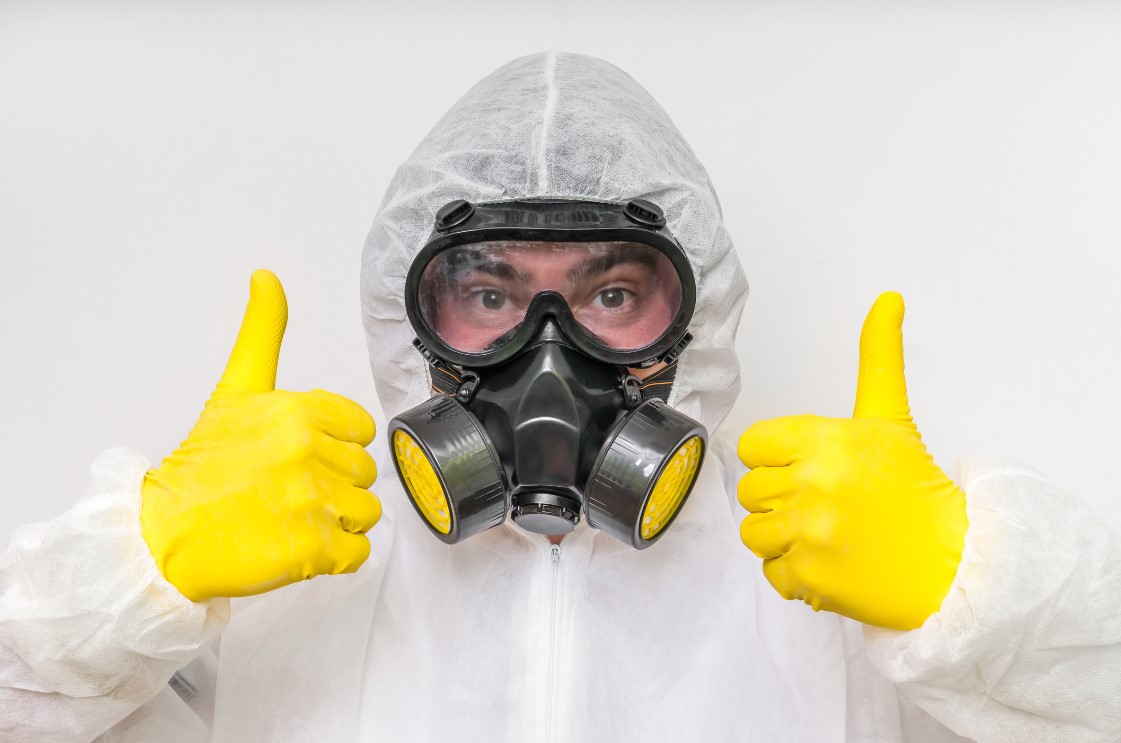
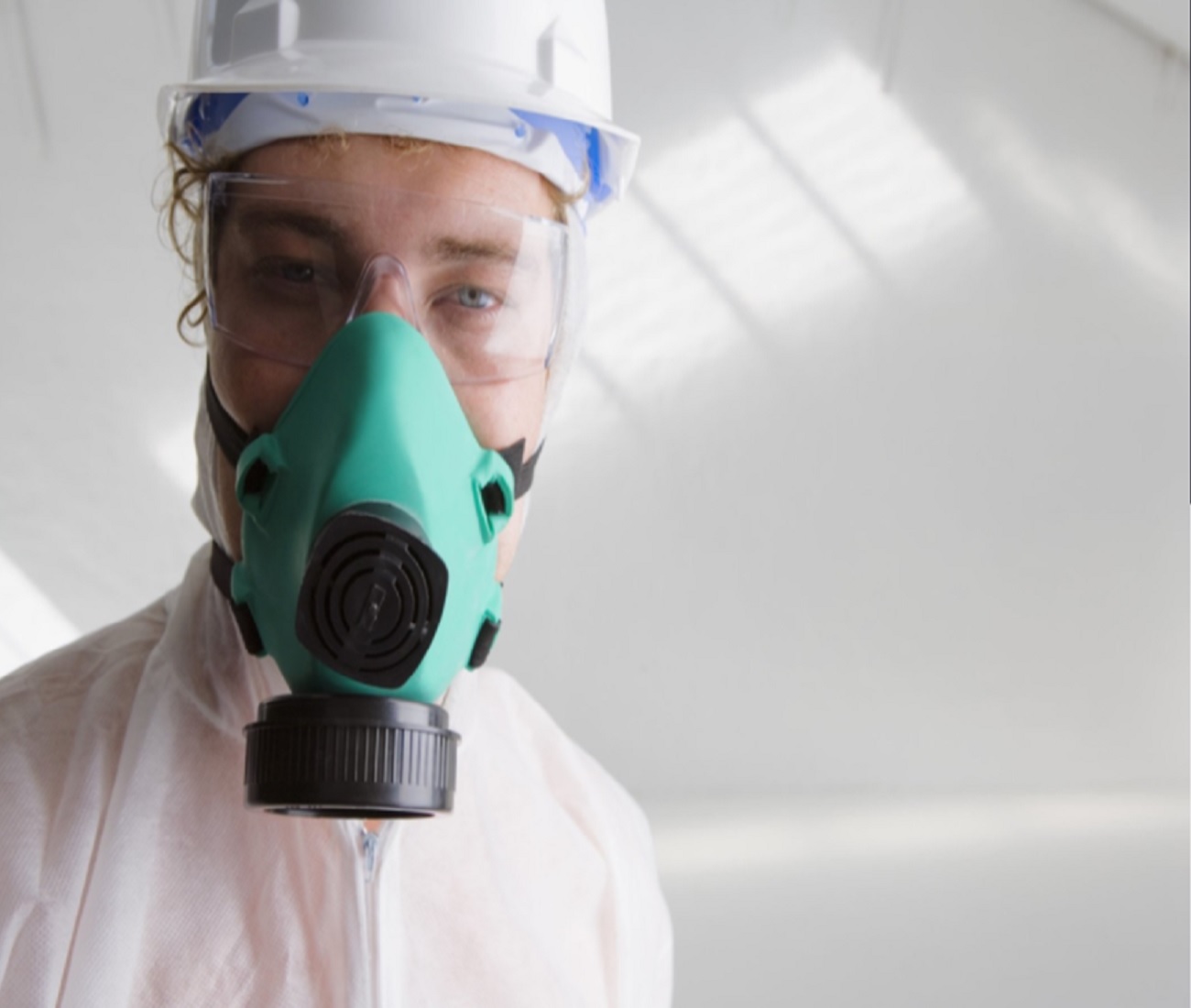
Okay, you've got your hardhat, gloves, safety glasses and respirator; now you're all set for the job. But are you really protected from the hazards?
How This Affects You: The air around you keeps you alive.
It's important for you to understand the potential hazards that you may be exposed to while working with hazardous waste.
Hurricanes can be devastating, affecting the safety and well-being of individuals and families. Hurricanes destroy homes and businesses, cost lives, separate families and cause financial instability.
A worker received an electric shock on a piece of equipment he was using. He was not injured, and he did not report the incident. A few days later another worker also received a shock from the same defective equipment, and again did not report the problem.
Workplace housekeeping has been an important part of job safety programs for many years. Whether you are working in a traditional factory or a 21st century work setting such as a wind energy tower, good housekeeping can be a life-saver.
What would you do if you encountered an emergency, either in the workplace or outside? Would you call for help? Would you know who to call and what to tell them?
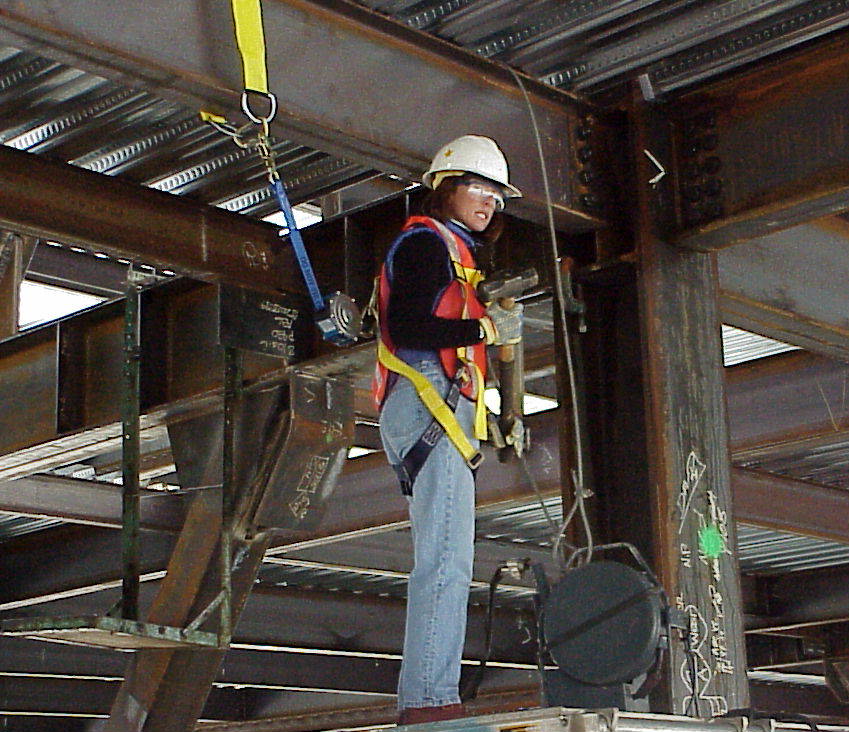
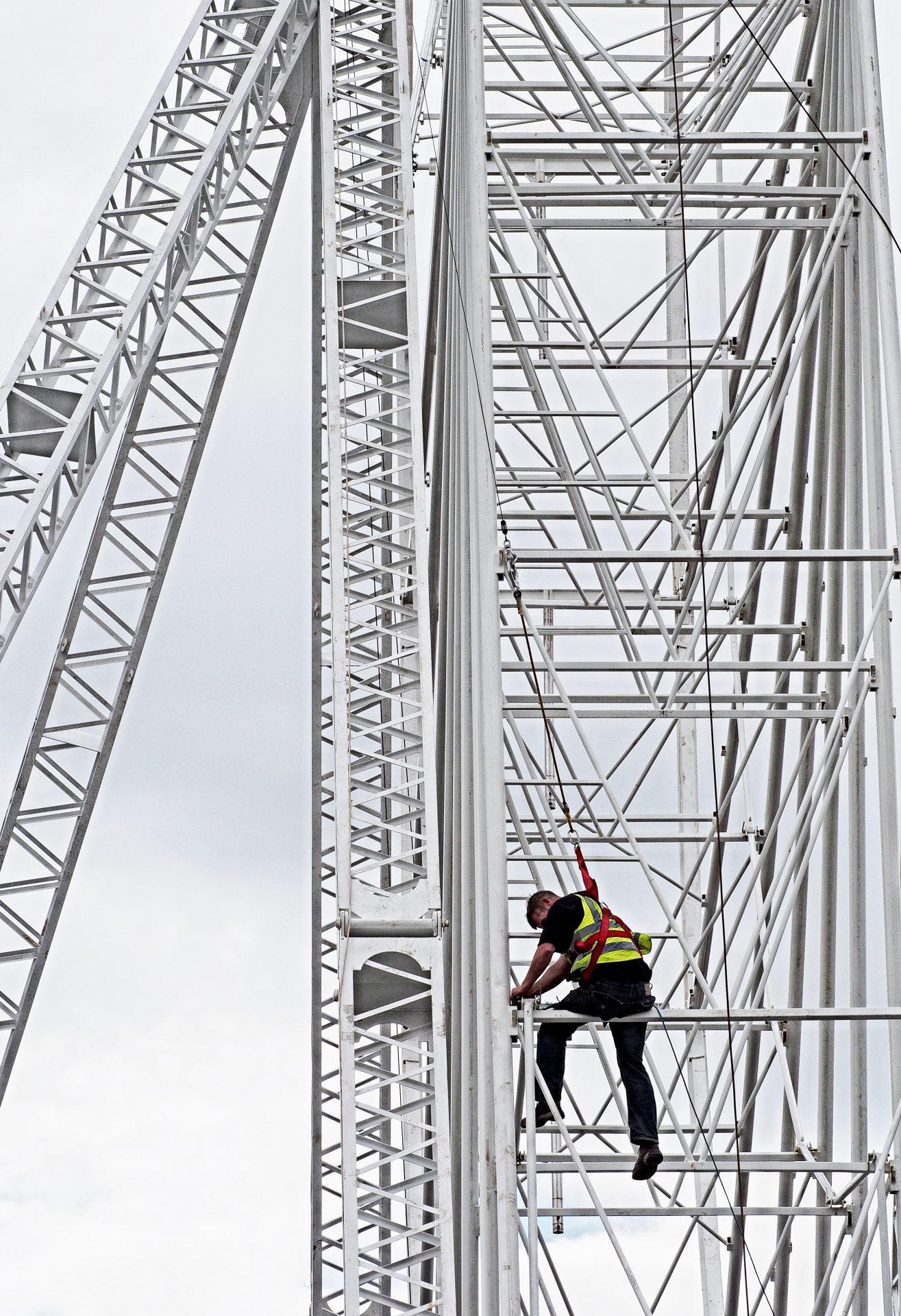
In the US more than 15,000 people die each year from falls, placing falls second only to motor vehicle collisions as the leading cause of accidental death. In Canada, more than 1,800 people die as a result of falling each year. And across North America, tens of thousands of workers are injured in falls every year, with many of these incidents occurring from a height where fall protection measures should have been taken but weren’t.
Since it's your first time, you may want to checkout some of the video tutorials.





 800-ICW-SAFETY (800.429.7233)
 SAFETYOnDemand@icwgroup.com