
Fundamentals of First Aid: CPR
Safety Talk What’s at Stake? If a person suffers from [...]
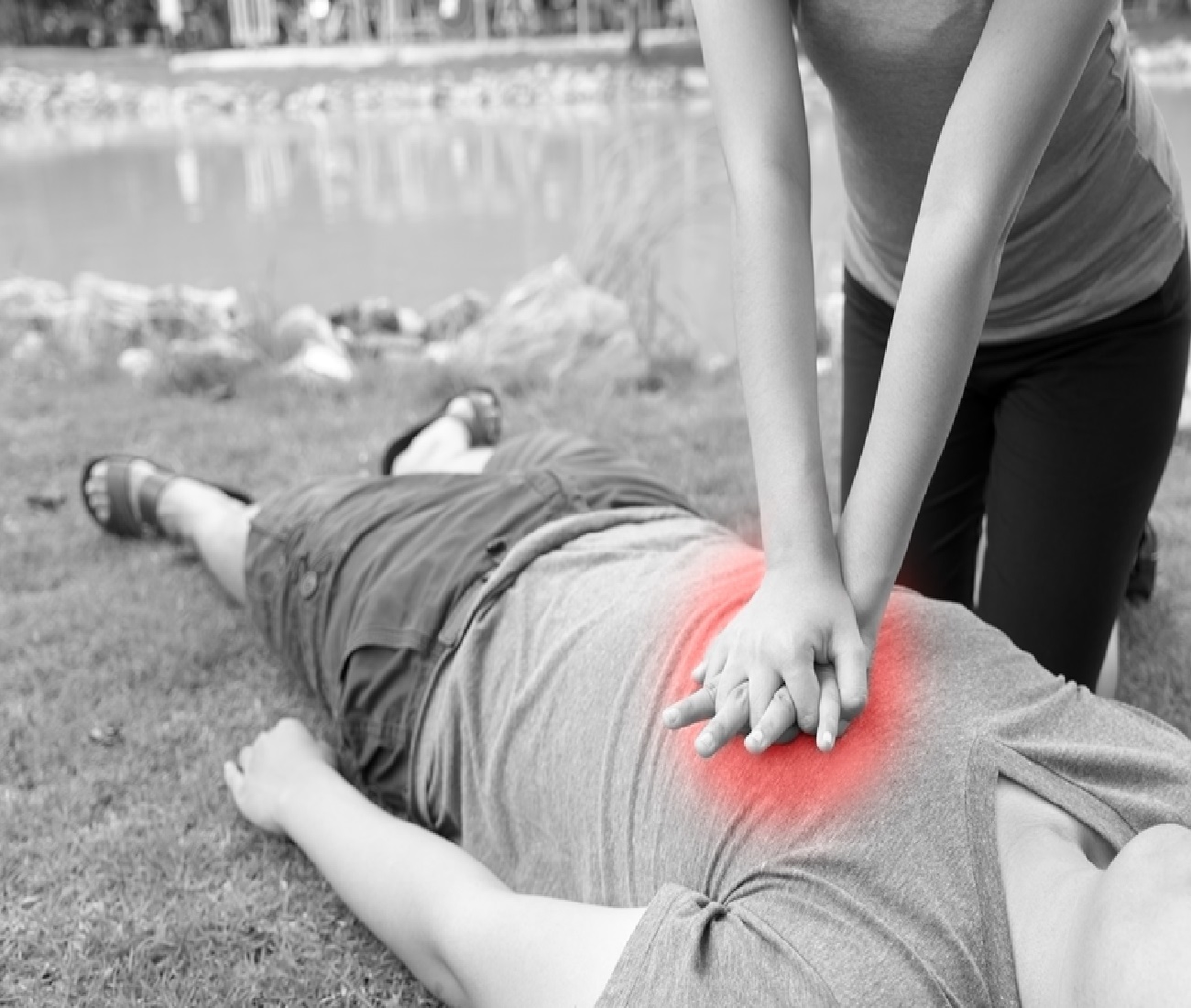
Safety Talk What’s at Stake? If a person suffers from [...]
Overview of general safety and health plan requirements, incident characterization, remedial actions and how to create a comprehensive written plan. Explains site control issues, routine operations, medical care, evacuation and more.
This program will help older workers define their unique place in today???s workforce by teaching them to recognize their strengths and capitalize on the experience they bring to their job. Limitations of older workers are also addressed in addition to steps that can be taken to increase productivity.
This all new video, although humorous, delivers hard-hitting impact for all employees. The program examines the ???million??? excuses offered by employees for not following established safety policies and procedures, not wearing Personal Protective Equipment and for not using common sense on the job. When employee???s see the excuses in this program, it may cause them to examine some of their own attitudes which may be unsafe.
The Basics of HAZWOPER requirements, laws and regulations. Provides minimum emergency plan requirements and identifies regulations applicable to HAZWOPER operations.
Incidents involving active shooters continue to be in the news. These acts of violence are becoming more commonplace in today???s society, and although your chances of being a victim of an active shooter incident are minuscule, it is important your organization and your associates plan and be prepared for such an incident. Active shooters can strike where we live, where we work, where we study, where we shop or any other environment. No business or institution is immune to the potential of an active shooter attack. The purpose of this informational training is not to alarm viewers, but to enlighten them regarding some of the elements of an active shooter scenario and what they should do to be prepared to deal with such an act.
The Basics of HAZWOPER requirements, laws and regulations. Provides minimum emergency plan requirements and identifies regulations applicable to HAZWOPER operations.
Beyond Safe Driving is exactly that. This video won???t teach your drivers how to drive. They already know that. It goes beyond that to teach them specific skills in handling larger courtesy vehicles. These vehicles handle quite differently than most passenger cars and a specific skill set and knowledge is required to operate them safely. We address today???s #1 hazard, Distracted Driving, but we also detail numerous hazards and the steps that can be taken to reduce the risk to your driver, your vehicle and your passengers.
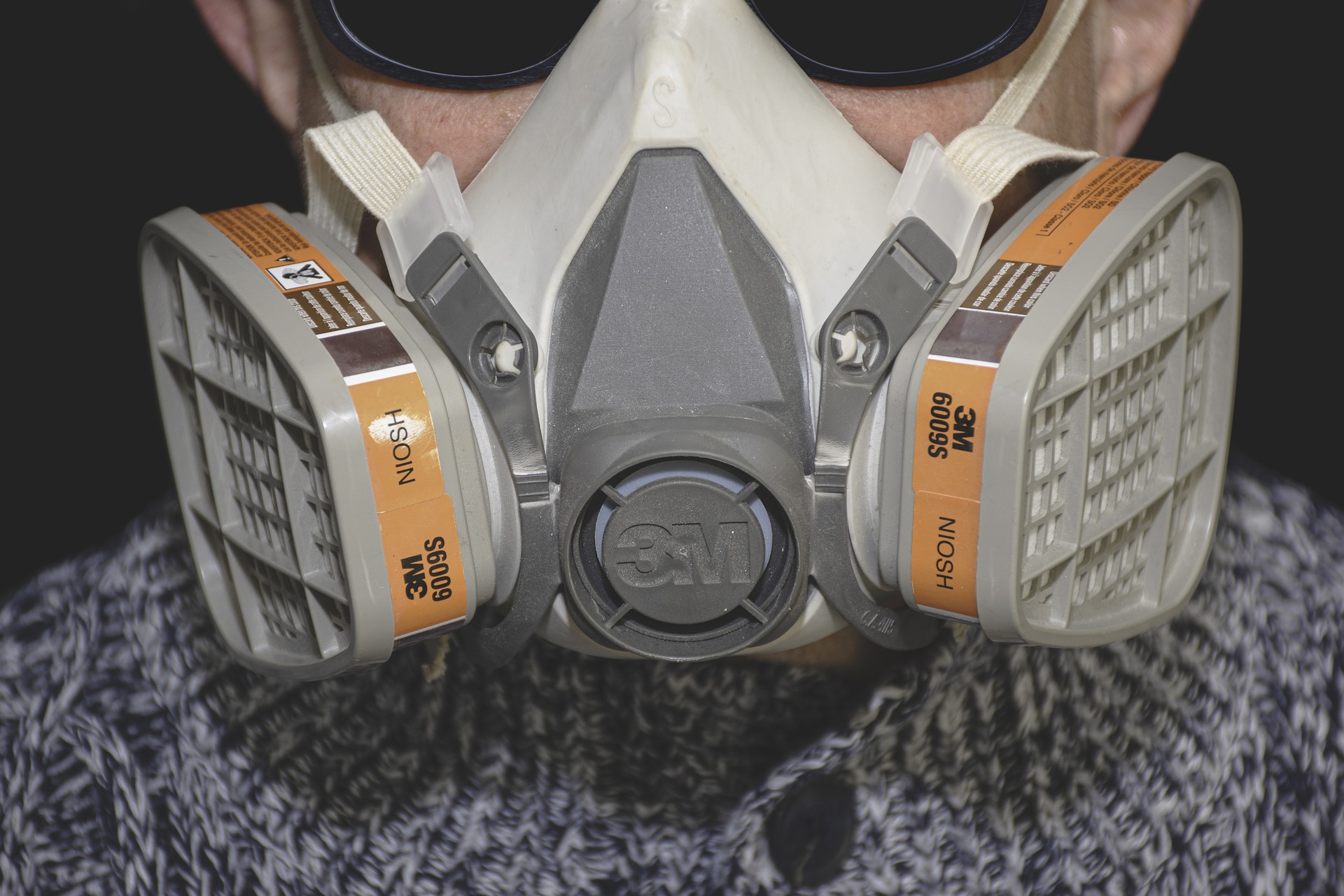
A vital part of effective HAZWOPER training. Basic training for selecting, using, handling and storing respirators. Proper fit-testing procedures are covered in detail.

Utility carts are in use at many Hotel and Resort locations for a wide variety of purposes. This program addresses specific hazards associated with utility cart use that were compiled from actual loss control data. Viewers are shown common sense approaches to reducing risks for them, their passengers and pedestrians. This program aims to make everyone on your property safer.
A vital part of effective HAZWOPER training. Basic training for selecting, using, handling and storing respirators. Proper fit-testing procedures are covered in detail.

This program examines potential fall hazards when working at a grain elevator. The primary concerns are fixed ladders, stairs and catwalks. The program outlines the potential hazards associated with these 3 types of access/egress and shows ways these hazards can be reduced or eliminated. Proper inspection procedures along with safe rules of use are presented in a concise, to the point manner.
Overview of general safety and health plan requirements, incident characterization, remedial actions and how to create a comprehensive written plan. Explains site control issues, routine operations, medical care, evacuation and more.
This program examines potential fall hazards when working at a grain elevator. The primary concerns are fixed ladders, stairs and catwalks. The program outlines the potential hazards associated with these 3 types of access/egress and shows ways these hazards can be reduced or eliminated. Proper inspection procedures along with safe rules of use are presented in a concise, to the point manner.
This unique approach to Ergonomics training, begins by asking each viewer to select what area of their body, if any, is experiencing pain or discomfort. They are shown common postures that can cause or contribute to the conditions. The viewer is then lead through a comprehensive and specific method of adjusting a workstation to maximize neutral postures and minimize pain, discomfort and strain. This program also points out the multitude of other factors outside of the workplace that can contribute to musculo-skeletal disorders. This encourages viewers to take steps to adopt neutral postures in all of their activities.
Few things can be more terrifying and catastrophic than a fire. That is why training and education is so important. This video looks at ways fires can be prevented and covers the basics of fire prevention, conditions that contribute to fires and steps employees can take to minimize the risk of a potential fire in a unit.
Personal hygiene can ???make or break??? a person???s success at their job, and it can cause discomfort and embarrassment that results in a breakdown of communication and productivity. This program has been developed as a tool for employers to be proactive in addressing the subject, as well as an aid to those managers and supervisors that find themselves in the position of needing to react and take action in the even of a complaint.
The repair shop has just about every hazard you can imagine due to the wide variety of work that???s performed there. This video is great for informing new employees what to expect and also for experienced employees to remind them of the many hazards they face and the steps they can take to prevent injury. Topics Include: PPE, Electrical Safety, Chemical Safety and Back Injury Prevention but it contains a wealth of information from around the shop.
Personal hygiene can ???make or break??? a person???s success at their job, and it can cause discomfort and embarrassment that results in a breakdown of communication and productivity. This program has been developed as a tool for employers to be proactive in addressing the subject, as well as an aid to those managers and supervisors that find themselves in the position of needing to react and take action in the even of a complaint.
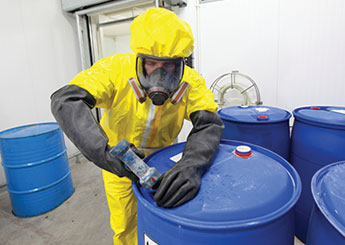
Designed to explain the different types and limitations of protective clothing and the correct application of each type. Also discusses heat stress. Security risks associated with transporting hazardous materials, Methods that have been designed to enhance transportation security, How to recognize security risks and Responding to possible security threats.
This titles addresses the most important part of Personal Protection Equipment: The responsibility of the individual to wear the equipment when it???s required. All the procedures and equipment in the world are useless is employees do not understand this one simple fact.
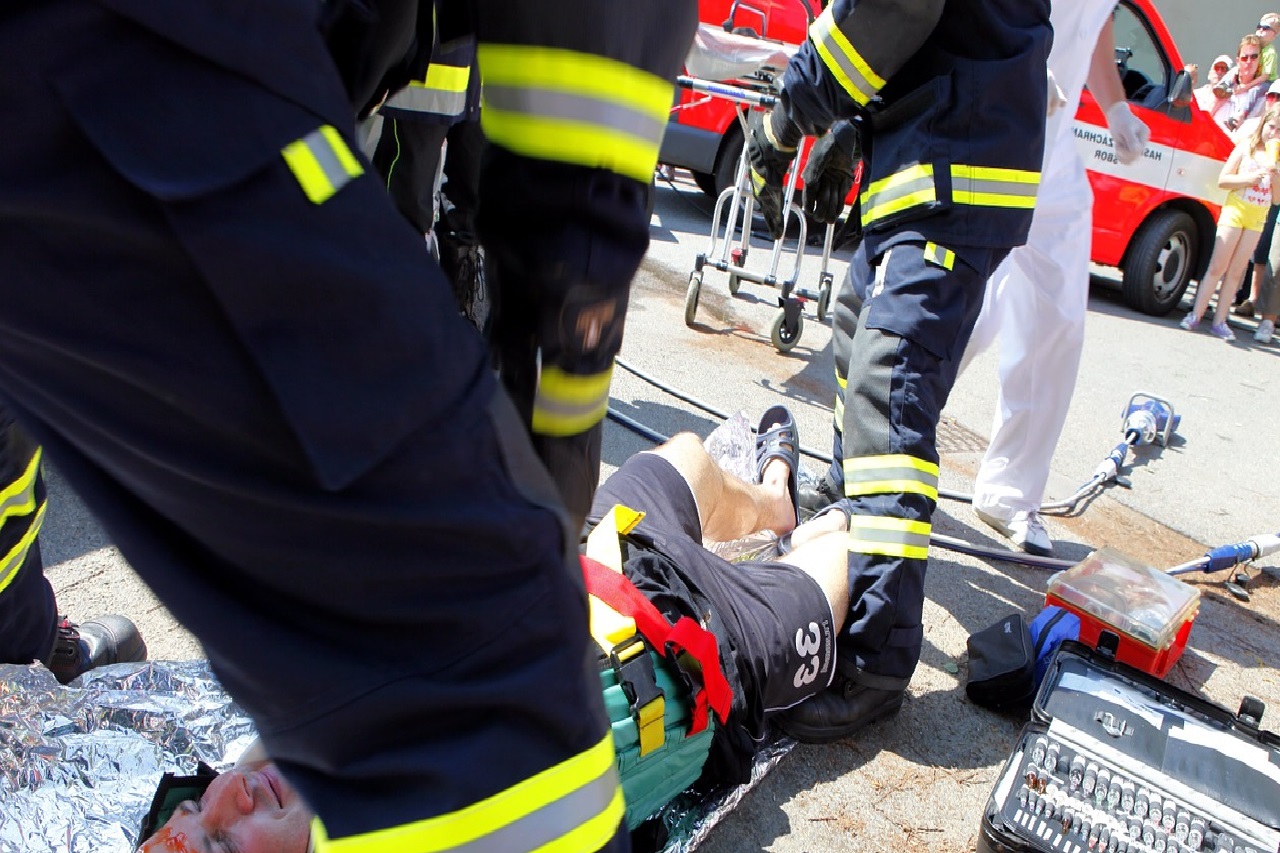
Training your first aid attendants and first responders is a required part of every first aid program. But do you know what exactly should be covered or what training methods to use? Hazards are present at all worksites, from offices to mines. So too are the chances of injuries and illnesses. Sudden cardiac arrest, severe bleeding, shock, a near-drowning, or lack of oxygen during confined space work are all life-threatening emergencies. Without prompt and properly performed first aid a victim of any of these situations will very likely die or be permanently disabled while waiting for emergency services to arrive and begin care.

The time to unearth potential problems in your current workplace first aid arrangements is right now—before a medical emergency does it for you. Although first aid requirements can vary - there are FIVE sets of documents to focus on when conducting an audit of your first aid program.
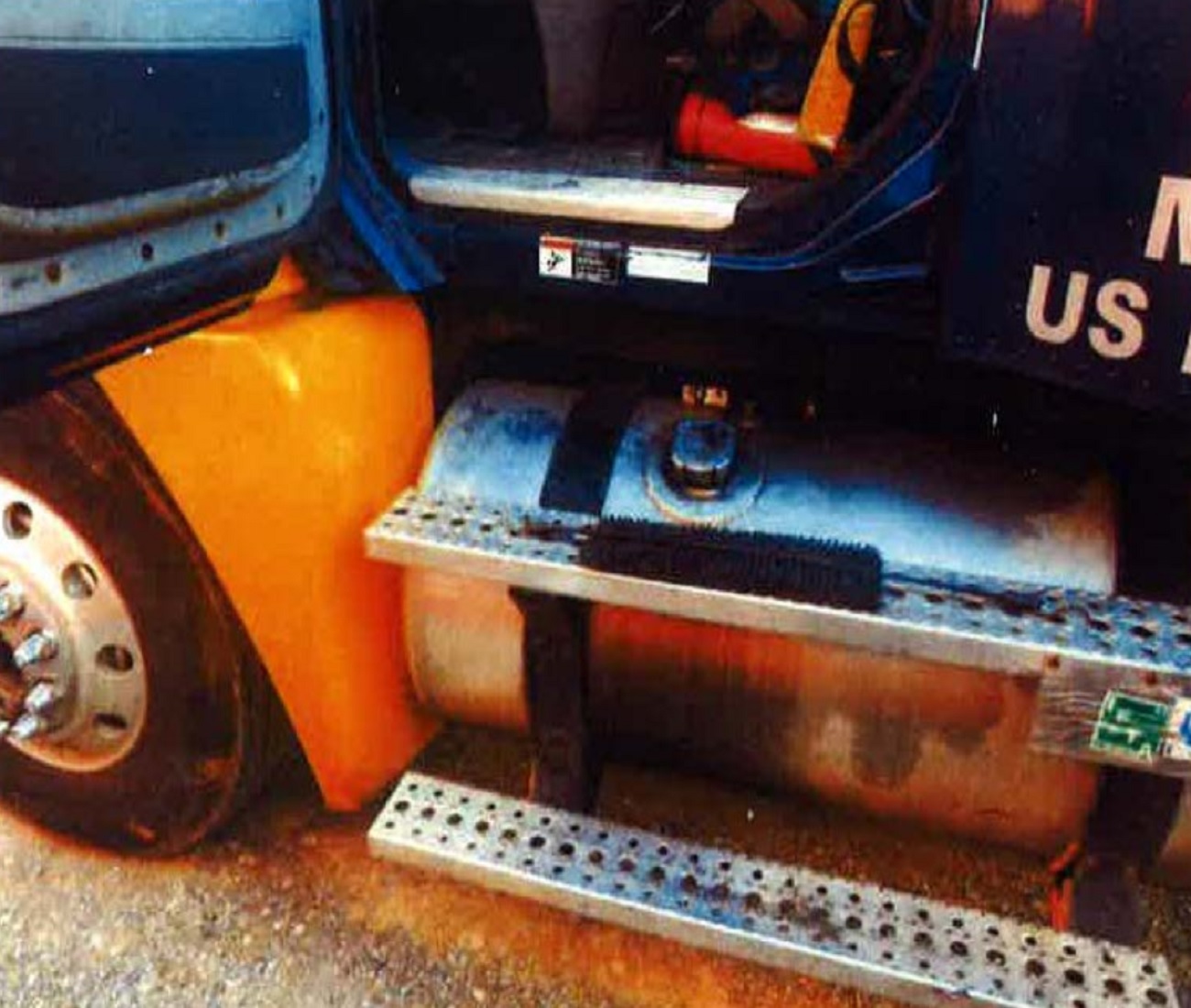
Timely first aid saves lives. As these four fatal incidents show, accidents at work vary greatly in type, cause, and location. The common thread between them is the chance that first aid might have made a difference in how these workers’ stories ended.
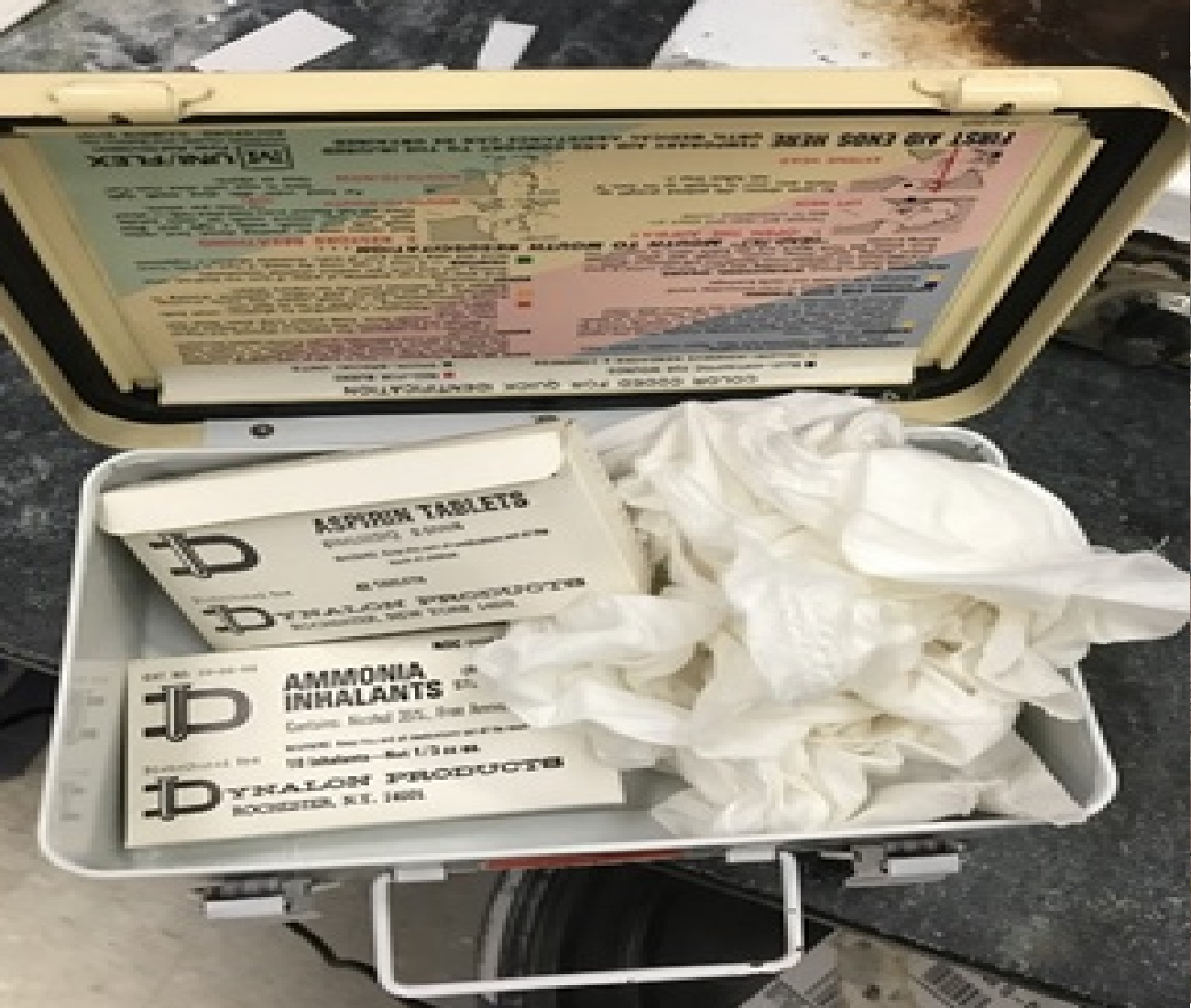
Check out what this worker found when he went to use the first aid kit in his lab after he burned himself.
Since it's your first time, you may want to checkout some of the video tutorials.










 800-ICW-SAFETY (800.429.7233)
 SAFETYOnDemand@icwgroup.com