Ergonomic Checklist for Hand Tool Selection
Use this checklist to help workers choose the best tool for the job and reduce the risk of ergonomic injuries.
Use this checklist to help workers choose the best tool for the job and reduce the risk of ergonomic injuries.

The most critical actions to take to help prevent heat-related illness at each risk level.
Heat and humidity, either courtesy of mother nature or from man-made equipment and environments are hard on workers. Working in hot environments can easily fatigue workers and quickly lead to serious heat-related illness if not properly managed.
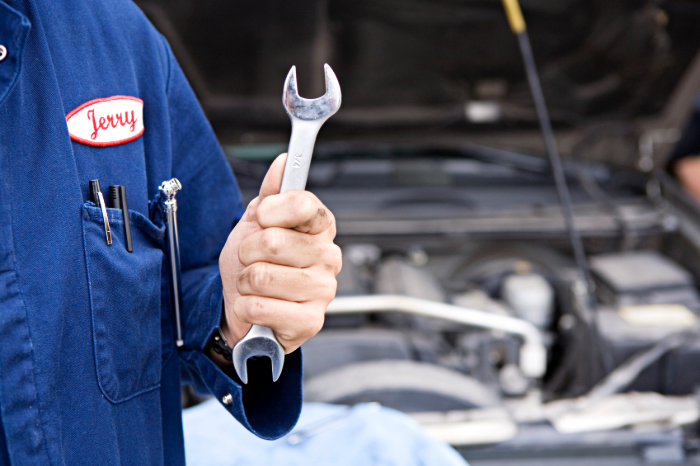
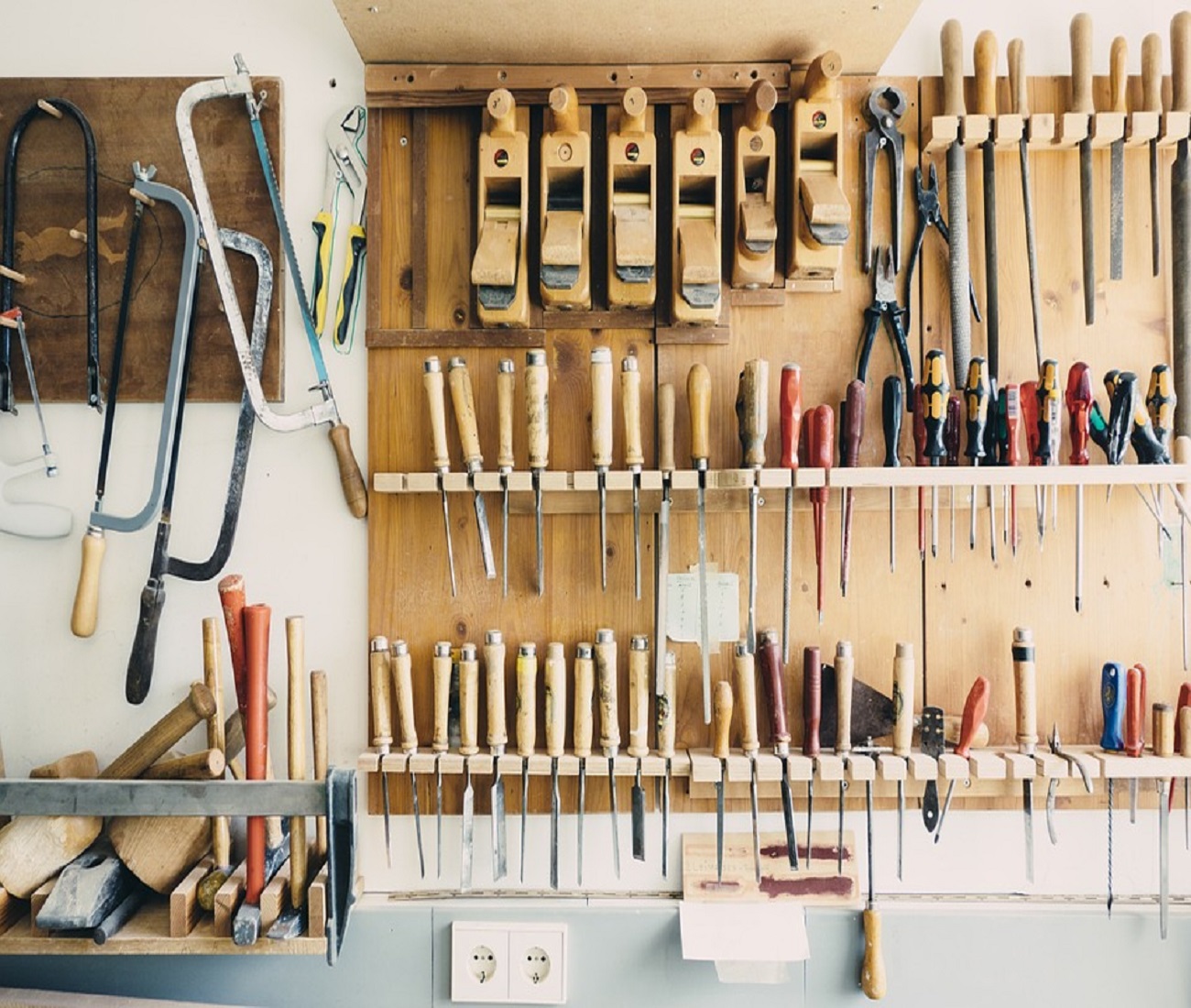
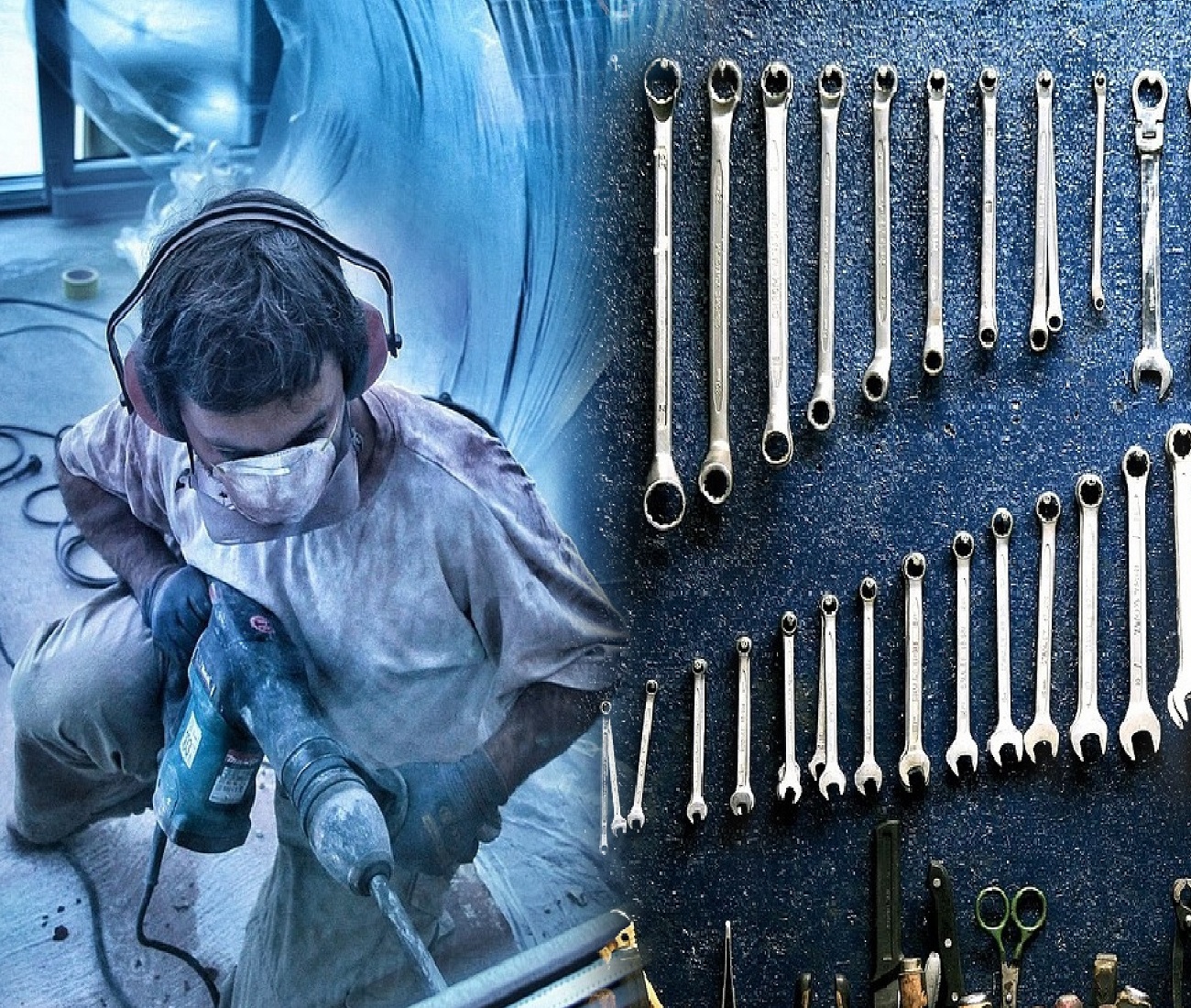
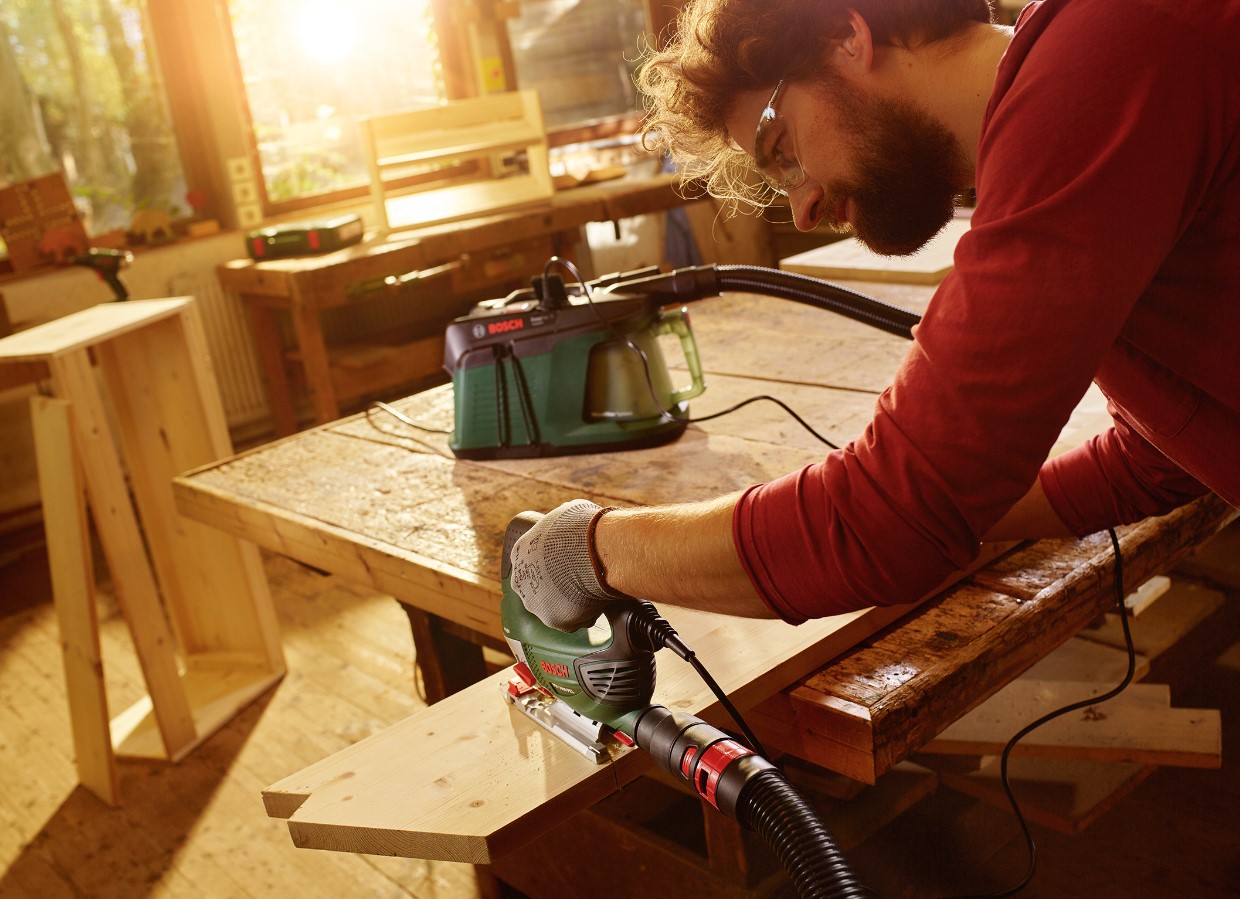
Using the wrong tool or using a tool incorrectly can cause debilitating ergonomic injuries. An increased risk of injury occurs when workers are frequently exposed to awkward postures, contact pressure, or a pinch grip. Over time, exposure to awkward postures or harmful contact pressures can contribute to an injury. Hand tools that fit a worker’s hands and the job they are doing can reduce the risk of injury. Here are 11 tips for hand tool selection to share with your employees.
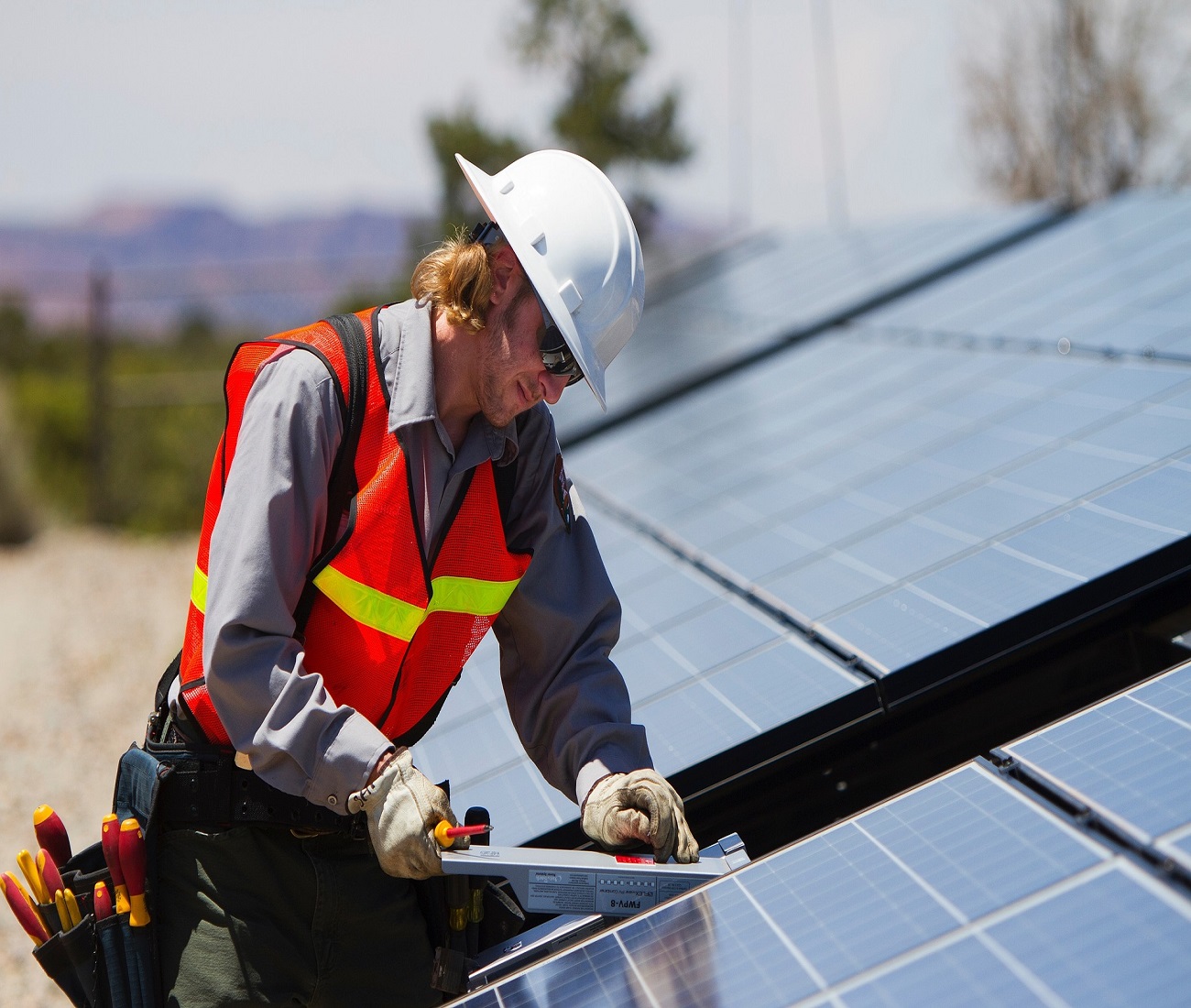
Working outside in the heat exposes workers to the possibility of a heat-related illness. In fact, heat-related fatality cases show that with temperatures above just 70°F/21°C can present a heat hazard when work activities are at or above a moderate workload. Other hazards of working outside in the summer include exposure to Ultraviolet (UV) radiation, Lyme Disease/Tick-Borne Disease, West Nile Virus, and Poison-Ivy Related Plants.
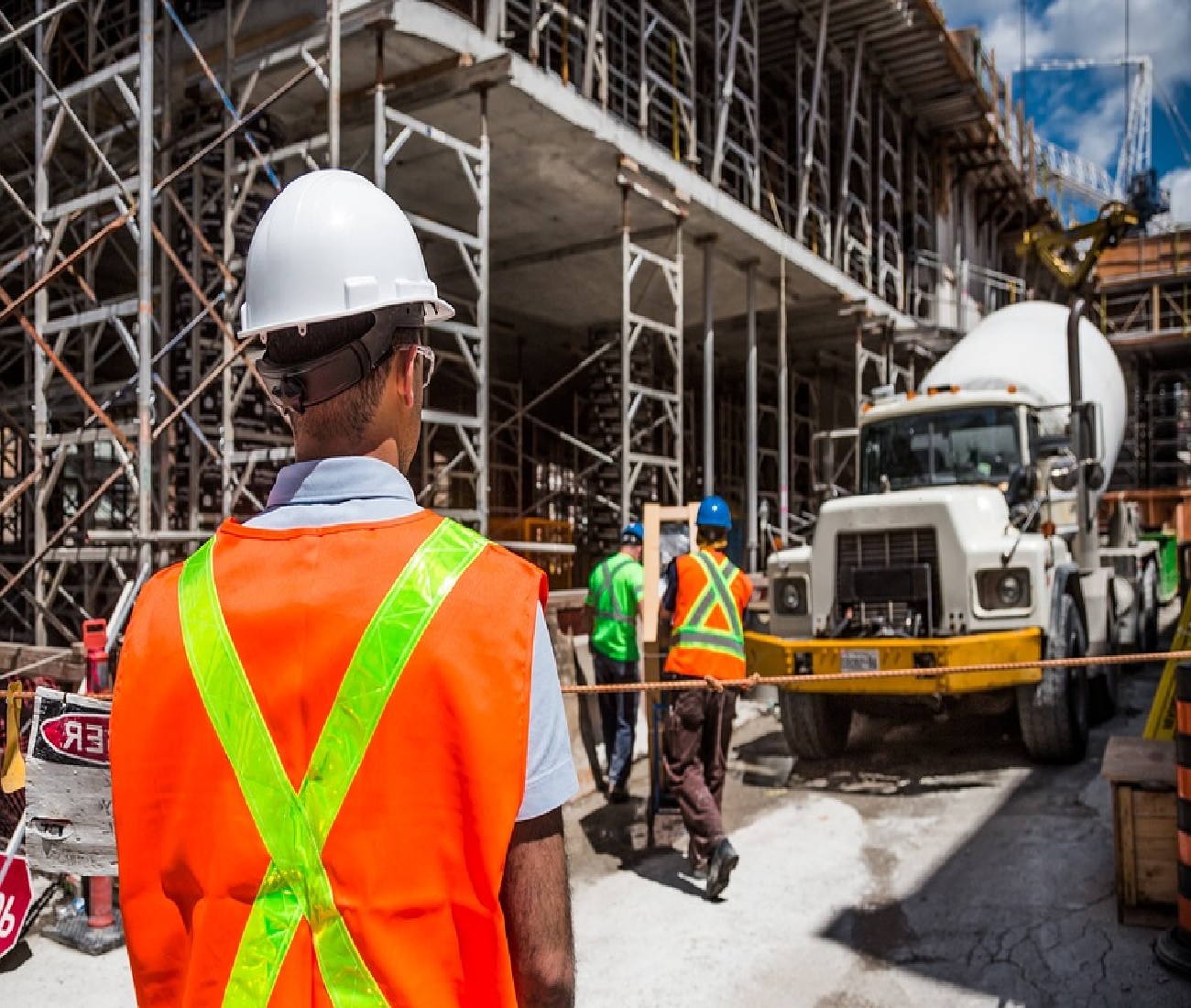
Not sure where to start when it comes to creating a safety and health program? Or maybe you want to review and update your current program. In this series of articles, we will cover the four basic elements common to all good safety and health programs.
Cuts and other hand injuries to the hands are one of the most frequent and common injuries workers face. Hand injuries, including amputations, can keep workers away from the job for several days and can cost employers big money. But they are a preventable and avoidable risk to employees and cost to employers.
¿QUE ESTÁ EN RIESGO? Los agentes patógenos transmitidos por la [...]
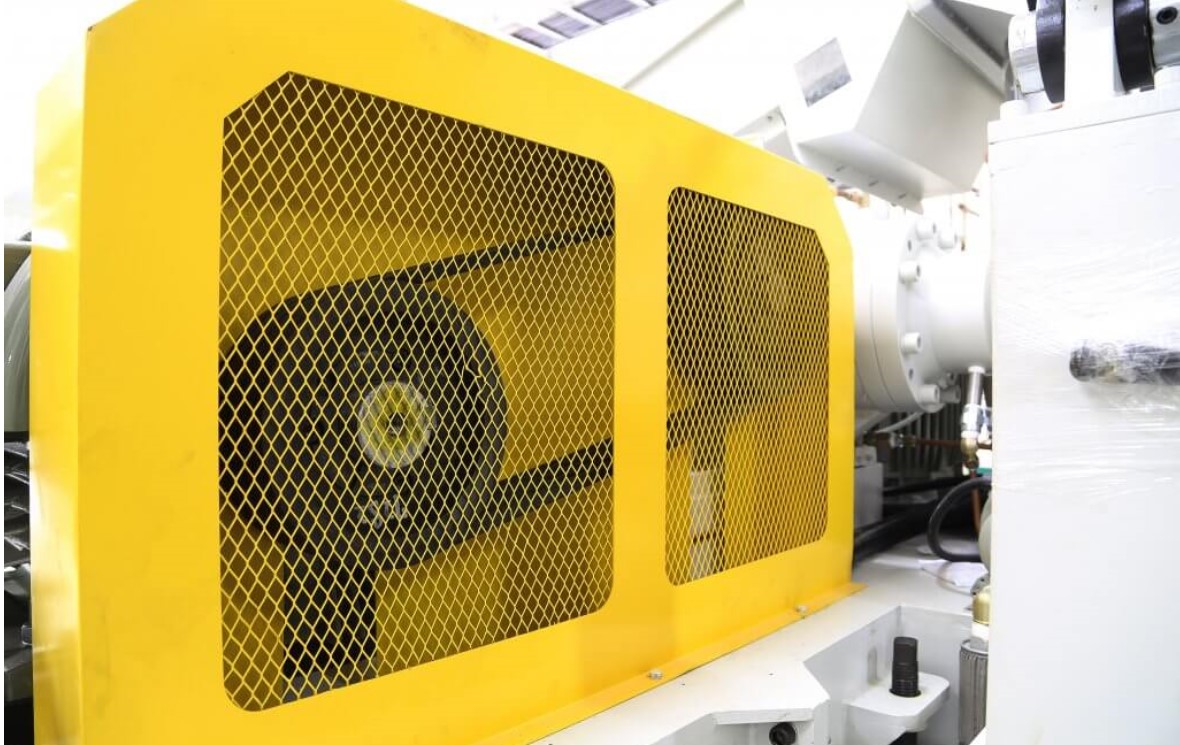
¿QUE ESTÁ EN RIESGO? La exposición a máquinas desprotegidas o [...]
¿QUE ESTÁ EN RIESGO? Meta los pulgares en las palmas [...]
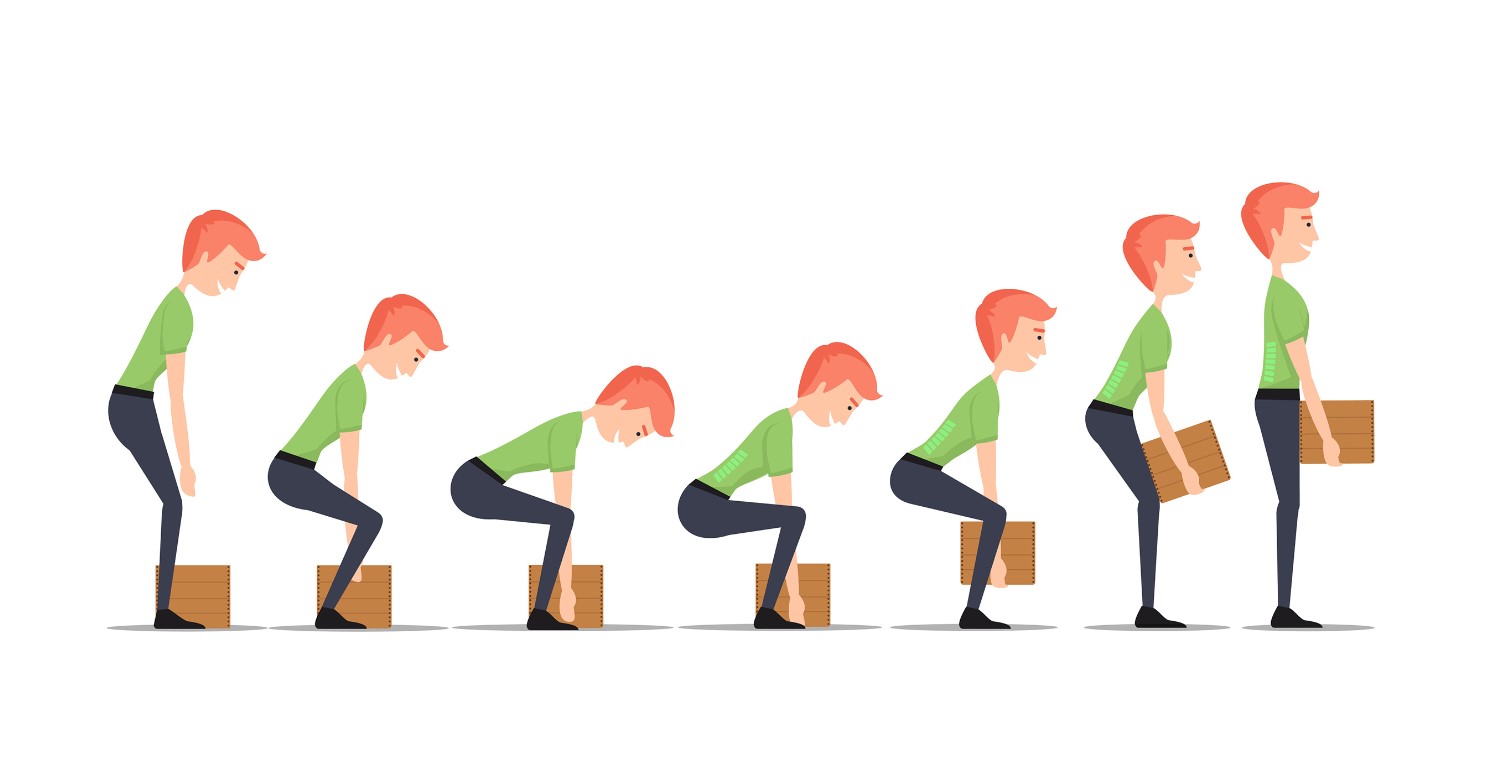
¿QUE ESTÁ EN RIESGO? Busque formas de evitar el levantamiento. [...]
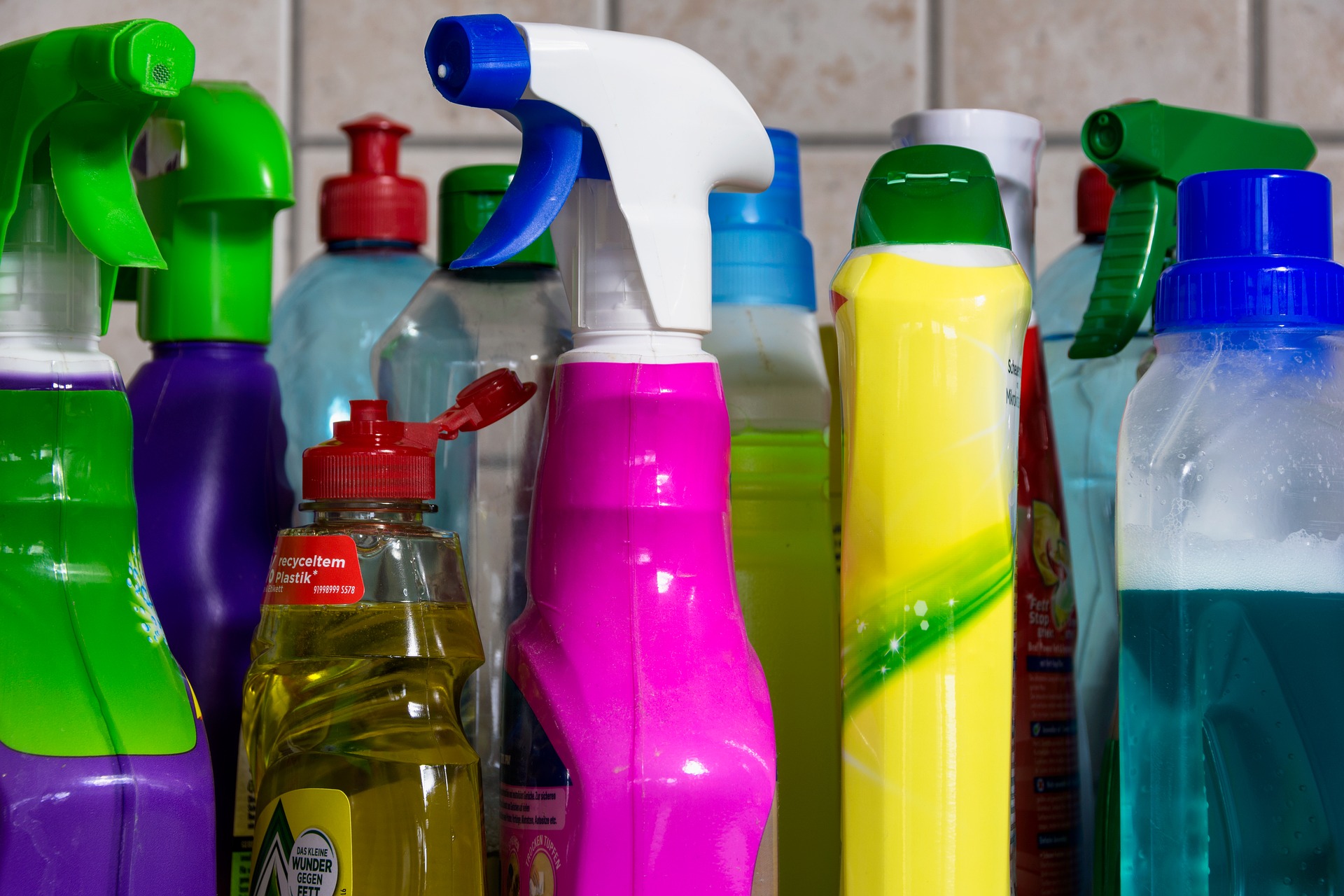
¿QUE ESTÁ EN RIESGO? El trabajo de manejo de materiales [...]

¿QUE ESTÁ EN RIESGO? Atrapado y aplastado entre los peligros [...]
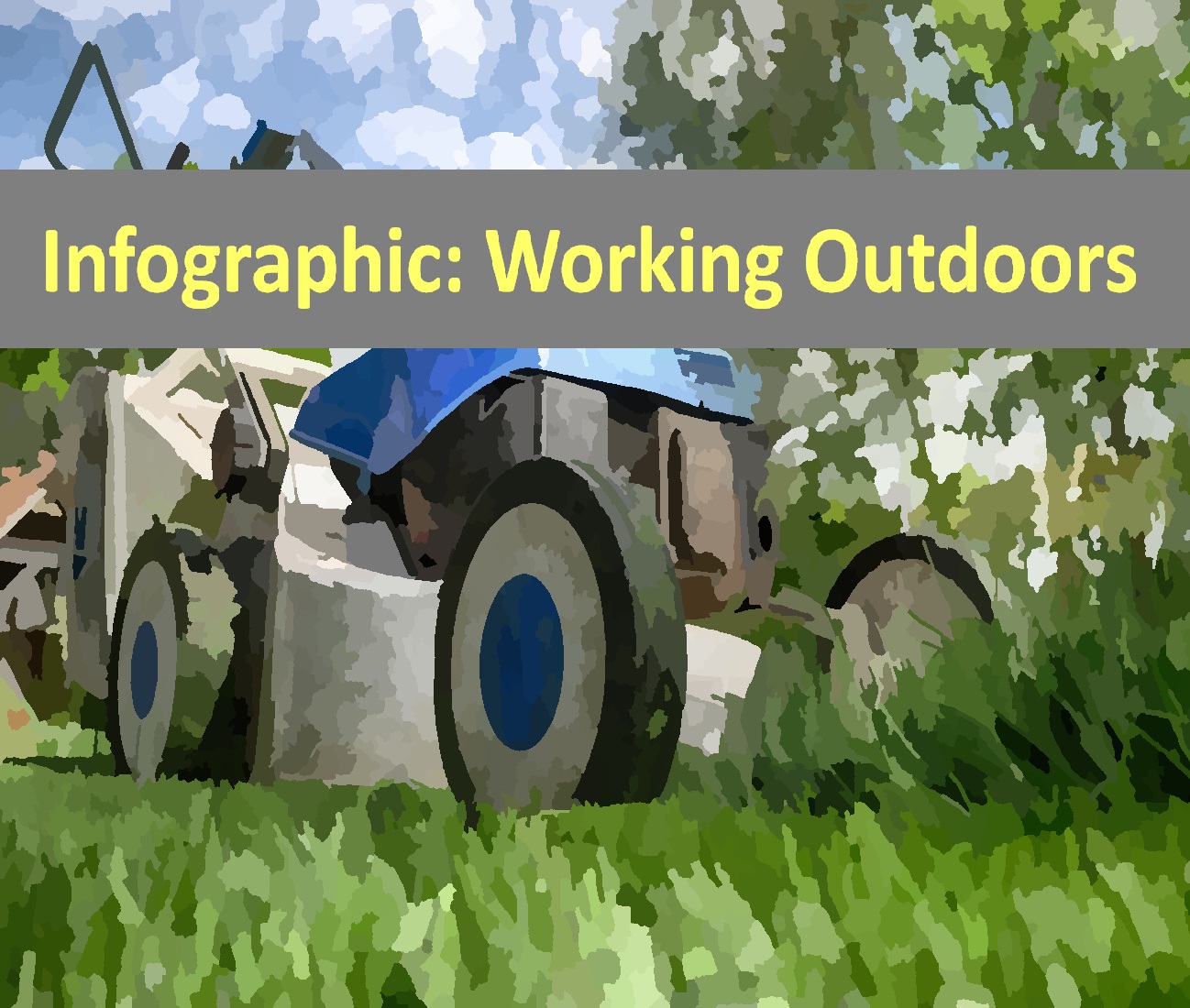
Remember these five tips when working outdoors.
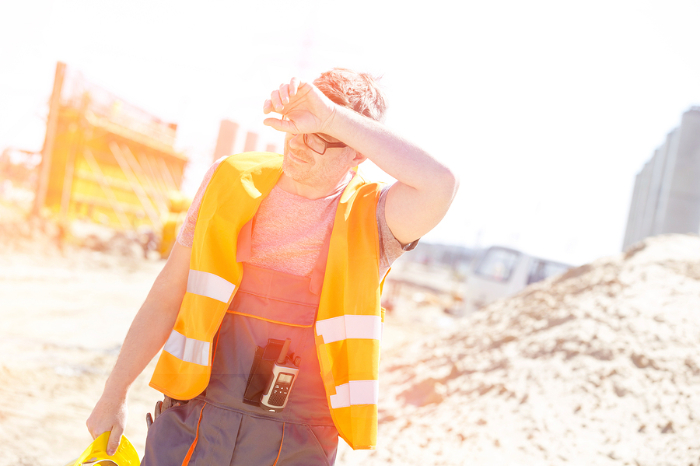
Use the following checklists to prepare for hot weather and to make sure all precautions are in place.
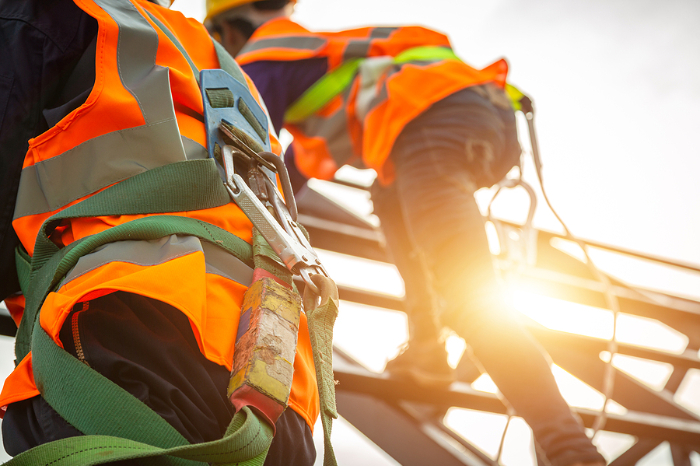
This checklist is designed to assist with inspection of the body harness and its attachments for wear, defects or damage. Inspection of fall protection equipment is a regulated requirement to be done before each use as well as once a year.

Out of the five dimensions of High Performing Teams (see model), Mutual Respect and Camaraderie is one of the most critical factors contributing to the leader’s success, according to our research. Essentially, this dimension asks: does the team leader demonstrate respect and genuineness, and hold people accountable to a high level of collaboration?
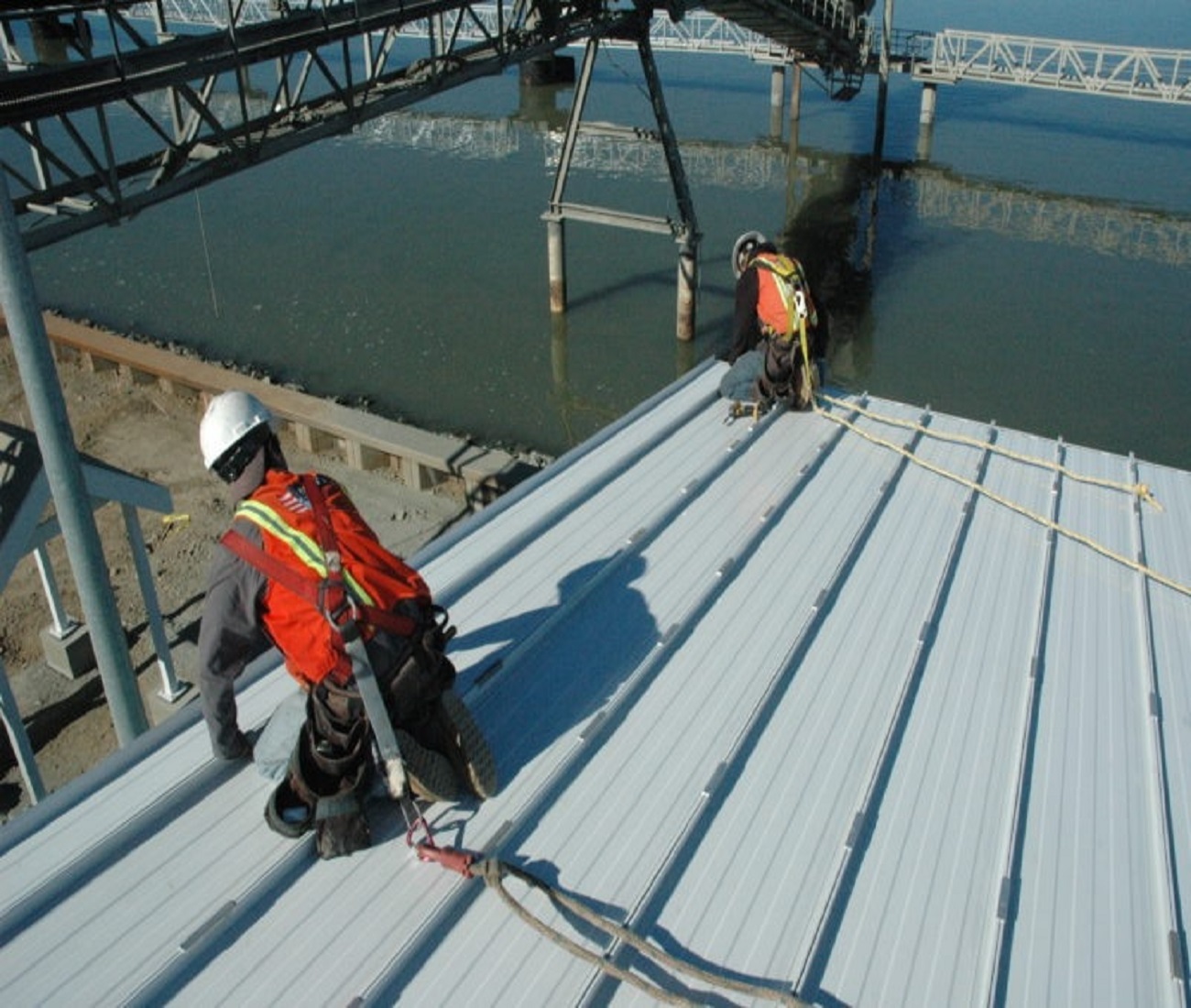
Hundreds of workers die from falls every year. You can prevent such deaths by planning to get the job done safely, providing the right fall protection equipment, and training all workers when and how to use the equipment safely. Here are some basic ideas for developing fall protection strategies.

There are multiple benefits to a RTW program. Getting the employee back to the office or workplace reduces the amount of money being paid out by the carrier, and as a result, your immediate claim costs and future insurance rates also go down. For employees, returning to work improves their physical and psychological well-being, reduces the amount of medication they need, and lowers the risk of addiction to substances such as opioids. In this article, author Amy Siegel Oran, walks through 12 steps for developing a Return-To-Work Policy.
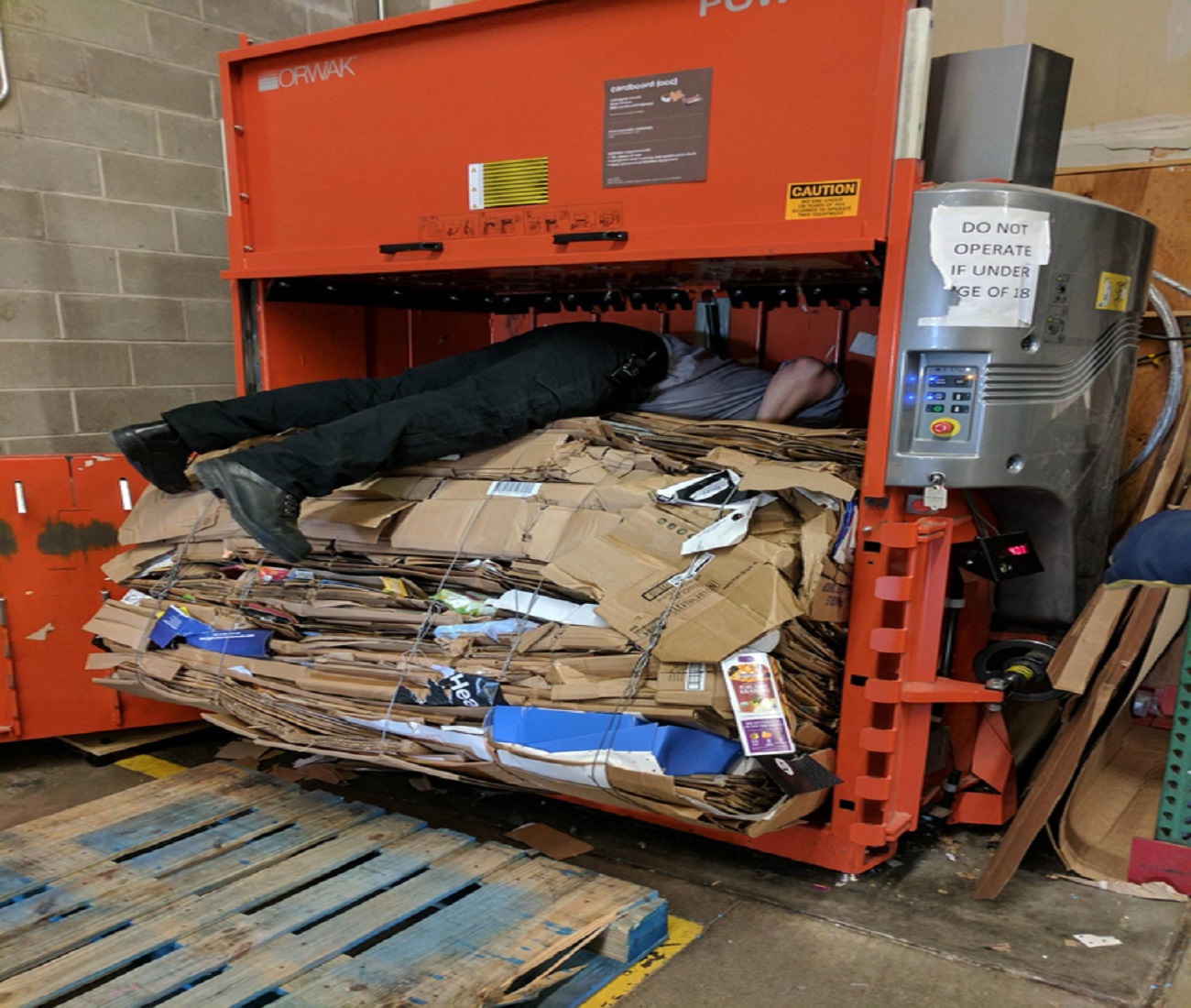
Never assume that “this’ll just take a second” is a safety defense. A second is all it takes to flip the switch and start the machine in motion.
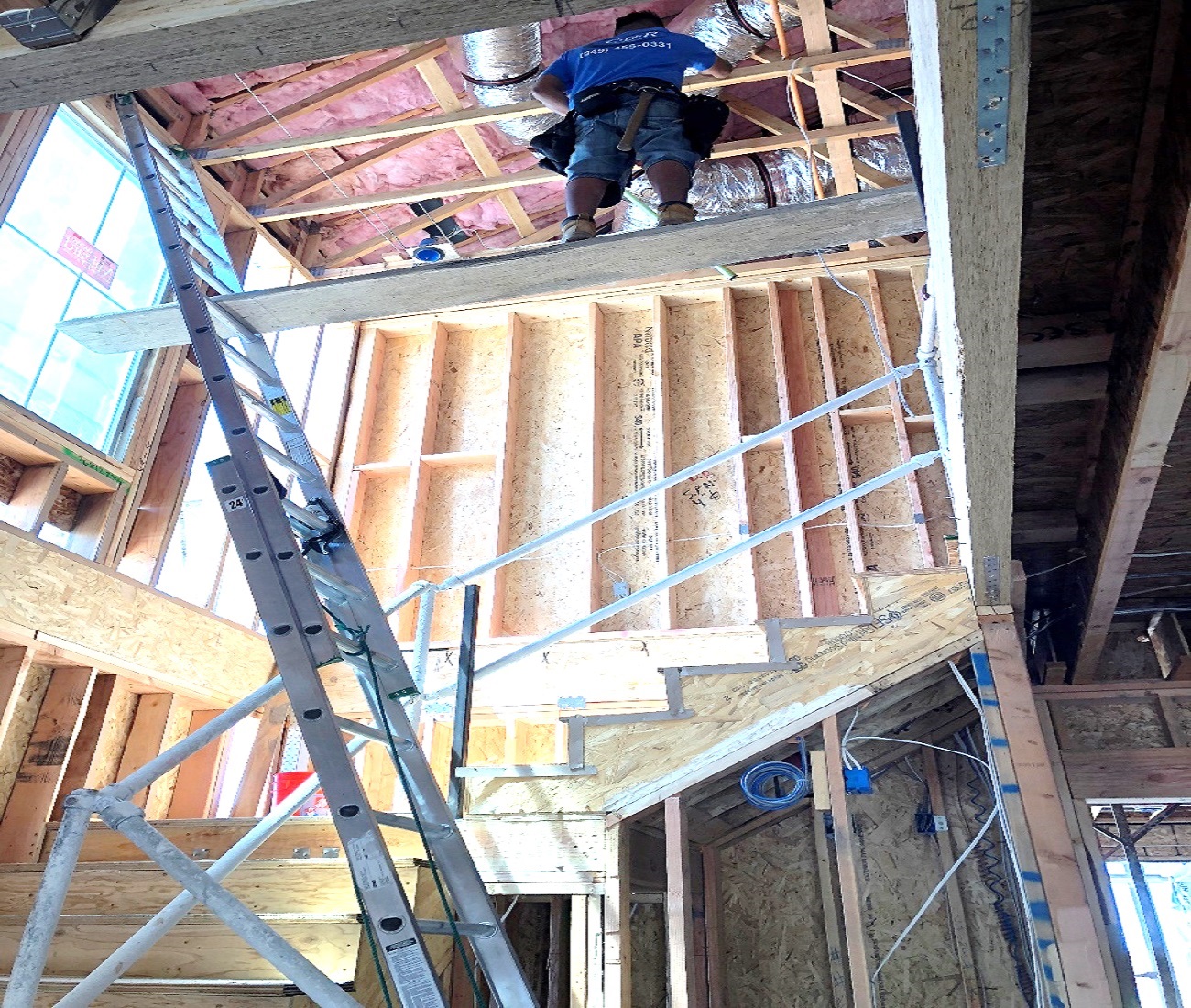
Ingenuity at its finest or accident waiting to happen? In addition to the obvious lack of fall protection and precarious position this worker is in, the walking space on the plank is limited and awkward which makes any movement dangerous. Reach back for the hammer, lose balance, slam into the stair guardrails on the way to concrete floor below. Traumatic brain injury, broken back, multiple fractures? Maybe all three. That’s if he’s “lucky” enough to survive the fall.
Energy control procedures (ECP) are required for any operations where unexpected energization, start up or release of stored energy could harm workers during the servicing or maintenance of machines and equipment.

You must annually review your lockout/tagout program and make updates and changes as needed. Copy or customize this checklist from the University of Washington to meet the needs of your LOTO program Annual Inspection and Training Assessment.

You must annually review your lockout/tagout program and make updates and changes as needed. Copy or customize this checklist from the University of Washington to meet the needs of your LOTO program Annual Inspection and Training Assessment.
Humidity is the amount of water vapor in the air. High humidity makes people feel hotter than they would on a drier day. This is because the perspiration that cools us down cannot evaporate as quickly in moist, saturated air. To better describe how hot it feels in such circumstances, Canadian meteorologists developed the Humidex, a parameter that combines temperature and humidity in order to reflect the perceived temperature.
Since it's your first time, you may want to checkout some of the video tutorials.





 800-ICW-SAFETY (800.429.7233)
 SAFETYOnDemand@icwgroup.com