
By the Numbers: 10 Tips for Emergency Response Plans
Being prepared for an emergency is part of your employers and your responsibility. For help developing your emergency response planning, Ready.gov offers the following guidance.
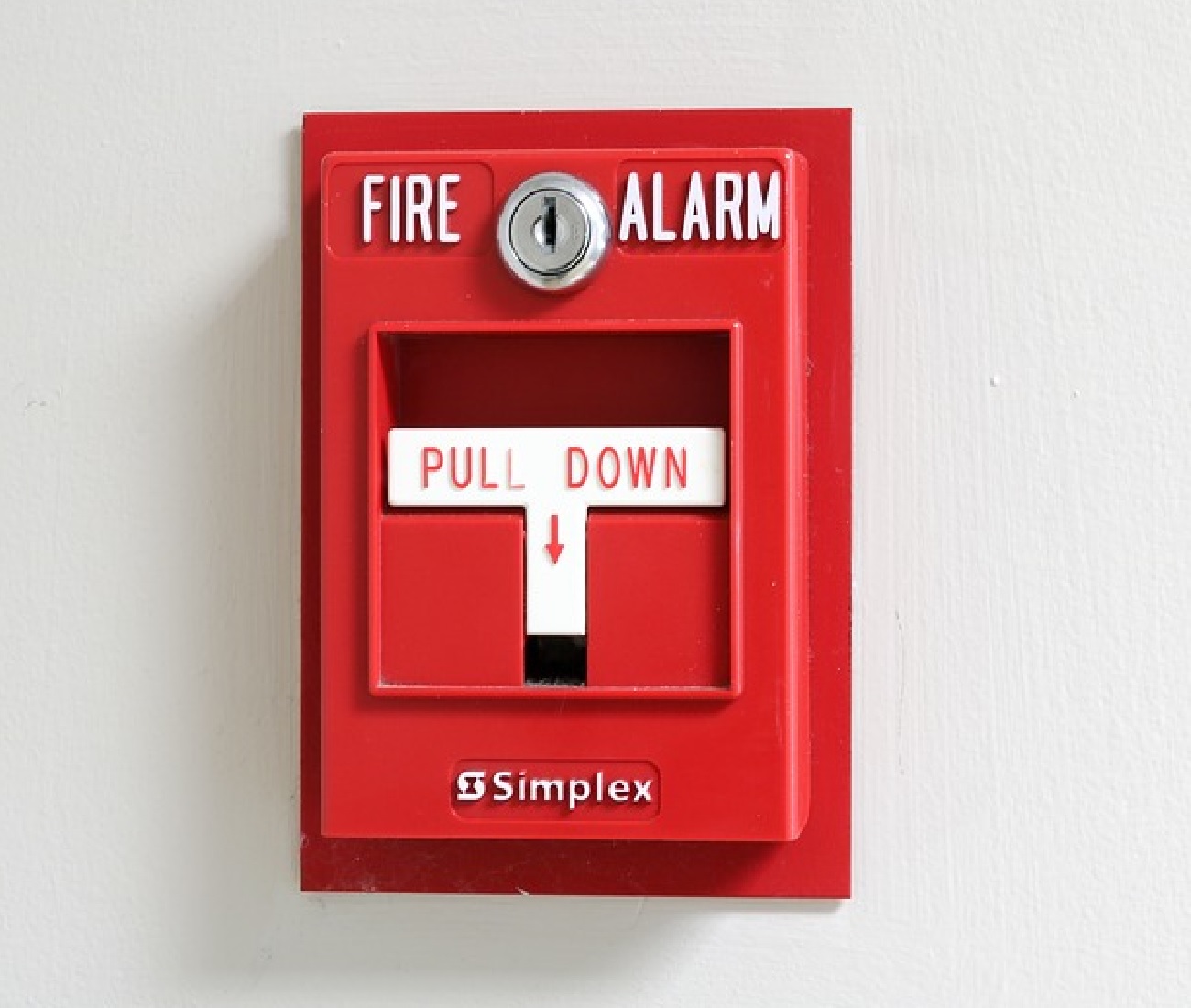
Being prepared for an emergency is part of your employers and your responsibility. For help developing your emergency response planning, Ready.gov offers the following guidance.
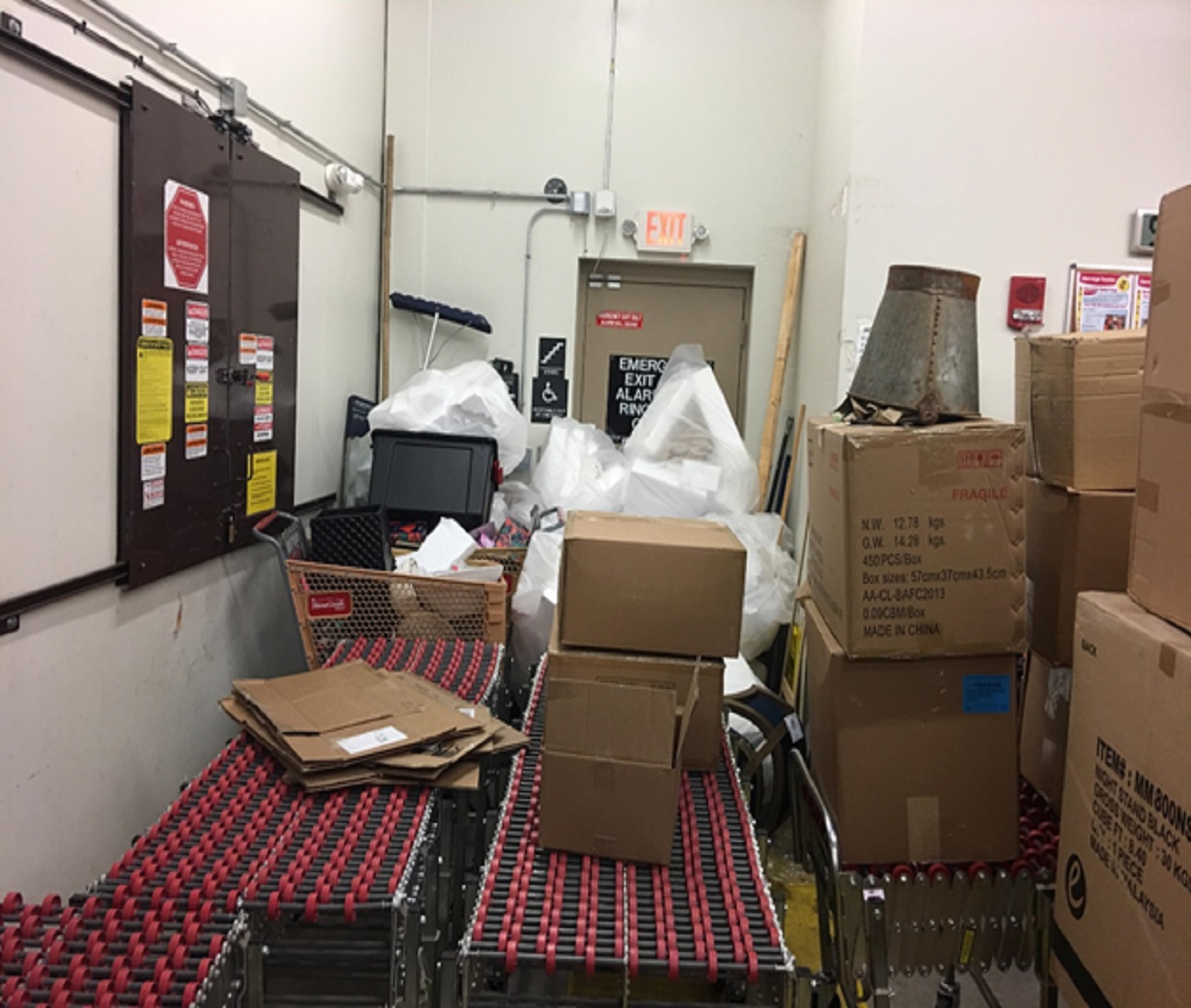
Let’s start with the obvious hazard – a blocked emergency exit. Blocked by conveyors, carts, trash, and cardboard boxes.
Excavations and trenches more than 4-5 ft/1.2-1.5 m deep (depending on your federal, state, and provincial regulations) require a protective system is in place to protect workers from cave-ins. If a protective system isn’t in place – don’t enter the excavation. Look out for your safety and the safety of your co-workers and don’t become another buried body of an excavation cave-in.

A study done by the Society for Human Resource Management, found 65% of companies don’t have a formal workplace domestic violence plan in place even though 16% of organizations have had a domestic violence incident in the past five years.

Domestic violence often doesn’t stay confined to the home. Whether directly or indirectly, domestic violence effects the victim, co-workers, and the organization. Learn these warning signs and risk factors for domestic violence in the workplace and share the information with your employees during workplace violence training.

Protecting employees from harm is the foundation of every safety program and piece of safety legislation. Protecting employees from workplace violence must be part of your safety program. Further still, having a plan and program in place to help employees experiencing domestic violence should be, and in many cases must be, part of your safety program.

How would you respond if one of your employees came to work with bruises or other injuries? Does your organization have a policy and process in place for dealing with suspected and confirmed cases of domestic abuse?

Unexpected emergencies occur every day in many facilities, including laboratories, offices, and residential buildings. It might be a fire, flood, earthquake, shooting, tornado, or hazardous chemical spill. If you don’t know what to do during an emergency the odds increase that you or others around you will be injured or killed.

Housekeeping/Slips, Trips & Falls A construction site can become a very messy place. But, the longer it stays that way, the more dangerous it becomes. This video outlines the connection between good housekeeping and injury prevention, especially slips, trips & falls. Common trip and fall hazards are shown and the root causes are examined for maximum impact.

Ski Areas???snow ???ice???water???slippery surfaces???they increase the potential for a slip, trip or fall. But does this mean a slip, Trip or fall HAS to happen? Of course not. Slips, trips and Falls are preventable and that???s what this program is all about???prevention. The program examines some common slip, trip and fall accidents common to ski areas and examines the root causes of each.

Domestic violence often crosses over into the workplace and many domestic violence victims are in danger of being attacked, harassed, or stalked while at work. Would you know what to do if an employee came to you about violence they are experiencing at home? Does your organization have a plan? An organization’s response to and support of victims can help to keep the workplace safe and secure for everyone.
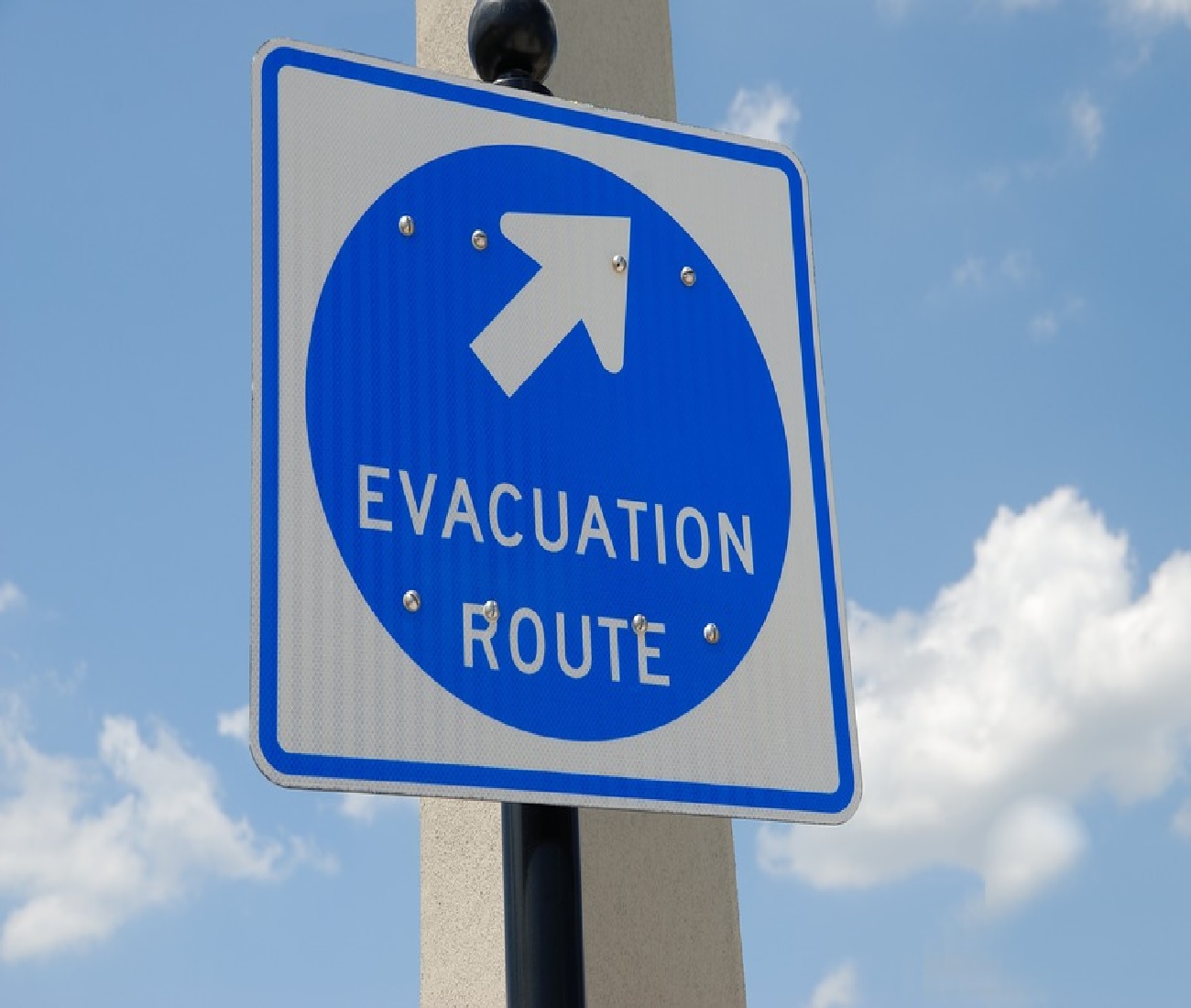
We are all vulnerable to disasters–whether they’re the work of Mother Nature in the form of earthquake, tsunami, hurricane, tornado or flood or deliberate acts of mankind in the form of arson, bombing or other act of terrorism. Surviving such disasters often hinges on being prepared.

When a serious incident happens in the workplace, everyone will be busy dealing with the emergency. Helping injured victims, assessing if the danger has abated, trying to piece together what happened. So, it’s critical to be prepared to investigate an incident before one occurs.
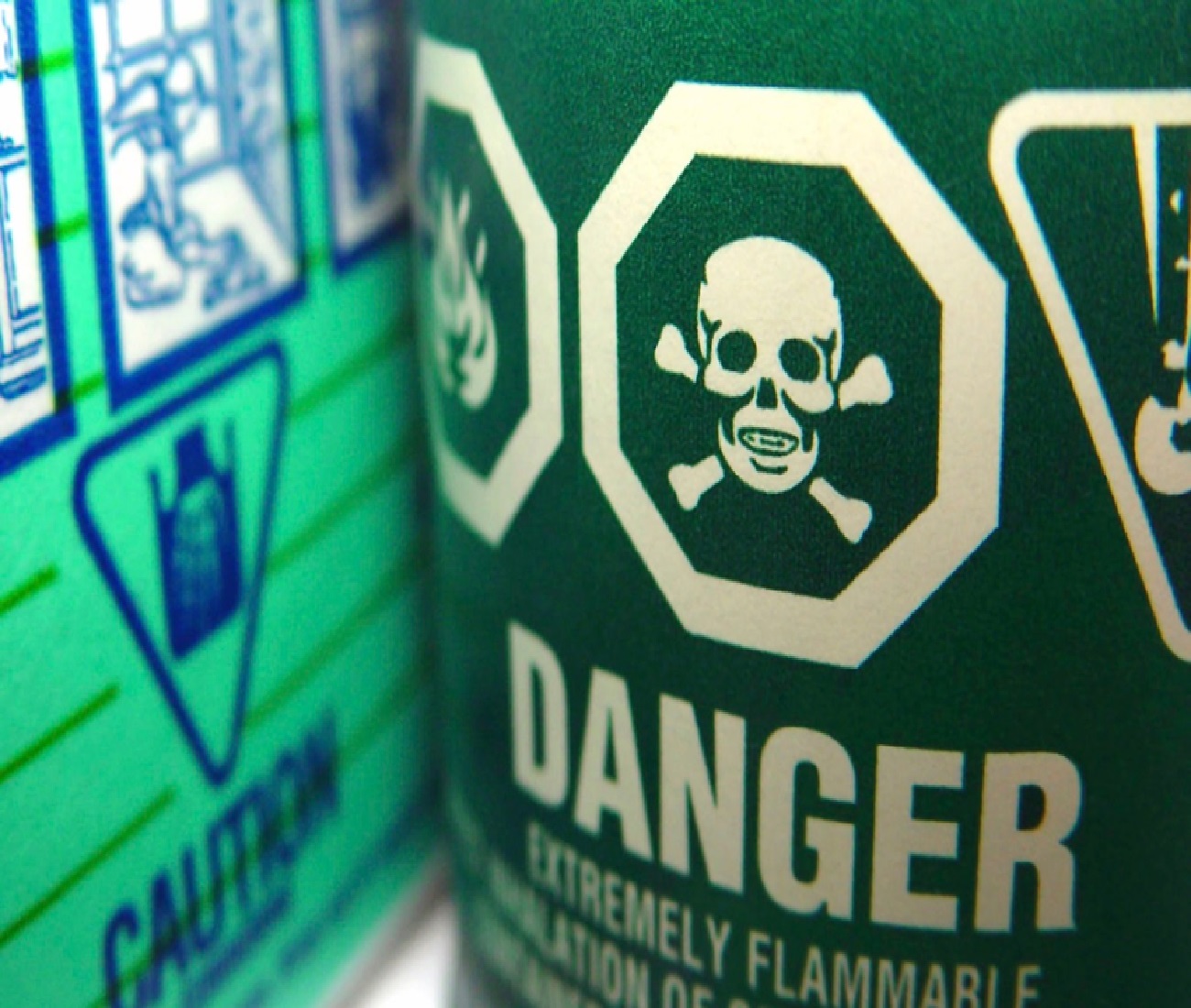
Poisoning, accidental or intentional, causes significant harm or death to many US and Canadian people. Poisoning takes many forms as harmful chemicals can be breathed in, swallowed, touched or injected.
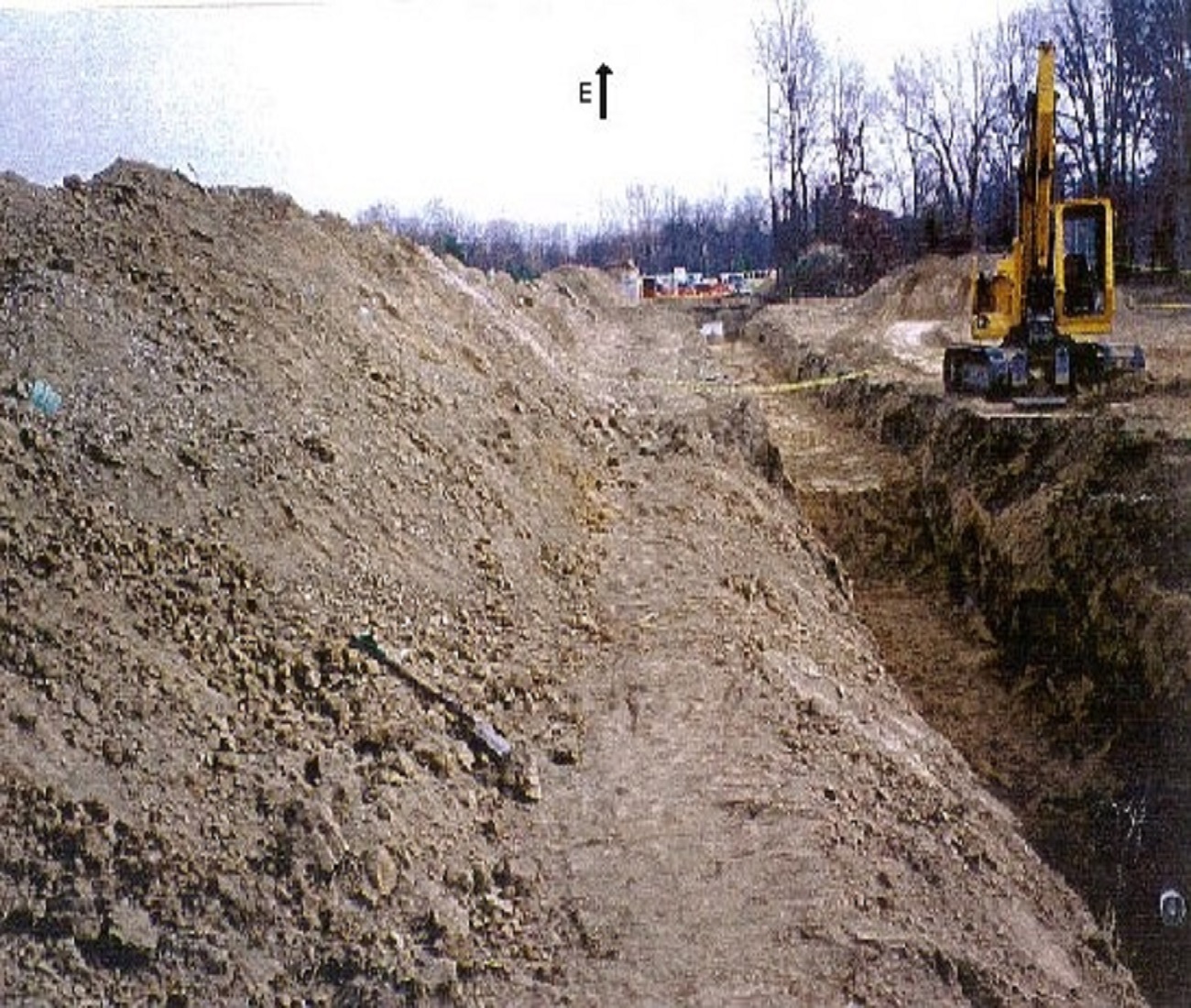
Two workers entered an unprotected trench (11 feet deep x 8 feet wide) to set new sections of pipe. Only one would survive.
One cubic yard of soil can weigh as much as a car and the pressure on the chest can make it impossible for a worker to breathe, even if his or her head is above the level of the collapsed soil. Often, it’s impossible to rescue a trench collapse victim quickly enough to prevent death.
There are some obvious hazards in this picture, yet it’s still a good tool for training and learning. Share this image with your crew and see how many hazards they spot. Then discuss why they are hazardous, how these hazards can be corrected, and what they would do if they were asked to work in this excavation.
Trenching and excavation work puts workers in mortal danger if the excavation is not inspected and cave-in protections are not in place. Use this daily checklist as a starting point and edit the list as necessary for location specific regulations and work performed.

Use this checklist as a starting point and edit the list as necessary for location specific regulations and work performed.

Slips, trips, and falls are consistently rank as one of the top 2 causes of injuries and deaths on the job. Our contributor, Zachary O’Dell from SafetyLine asks, “Have you taken these 6 precautions to avoid injuries in your own workplace?”
Hazardous walking and working surfaces account for hundreds of thousands of injuries and hundreds of deaths every year. This translates into billions of dollars spent on work comp, lost-time injuries, and days away from work. Set yourself, your employees, and your organization up for success by doing your part to keep these surfaces safe.
An excavation is any man-made cut, cavity, trench, or depression in an earth surface formed by earth removal. Trench is a narrow excavation (in relation to its length) made below the surface of the ground. In general, the depth is greater than the width.
A trench is an excavation, too, if it isn’t more than 15 feet (4.5 meters) wide at the bottom. And, if you install forms or other structures in an excavation that reduce its width to less than 15 feet, measured at the bottom, the excavation is also considered a trench.

Aerial lifts are commonly used by utility workers. Aerial lifts include boom-supported aerial platforms, such as cherry pickers or bucket trucks, and elevating platforms, such as scissor lifts.

Infographic - summer safety
Since it's your first time, you may want to checkout some of the video tutorials.




 800-ICW-SAFETY (800.429.7233)
 SAFETYOnDemand@icwgroup.com