
Machine Guards Defend Safety
Moving machinery is everywhere. Even something as innocent as a photocopier contains moving parts.
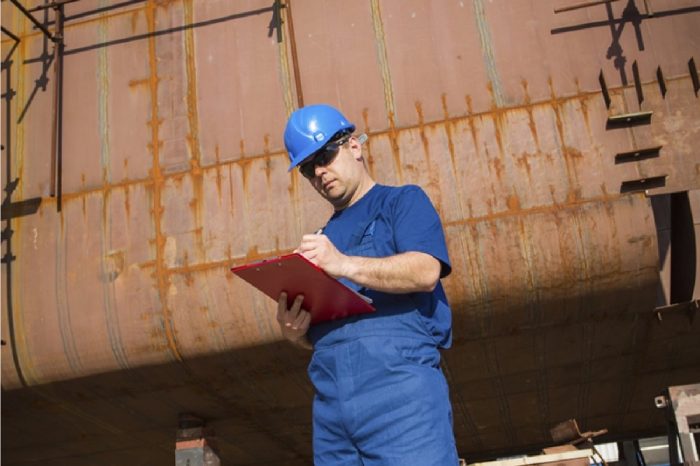
Moving machinery is everywhere. Even something as innocent as a photocopier contains moving parts.
Wet cement is a leading cause of skin problems for workers. These problems can be mild and short lived or severe and chronic.
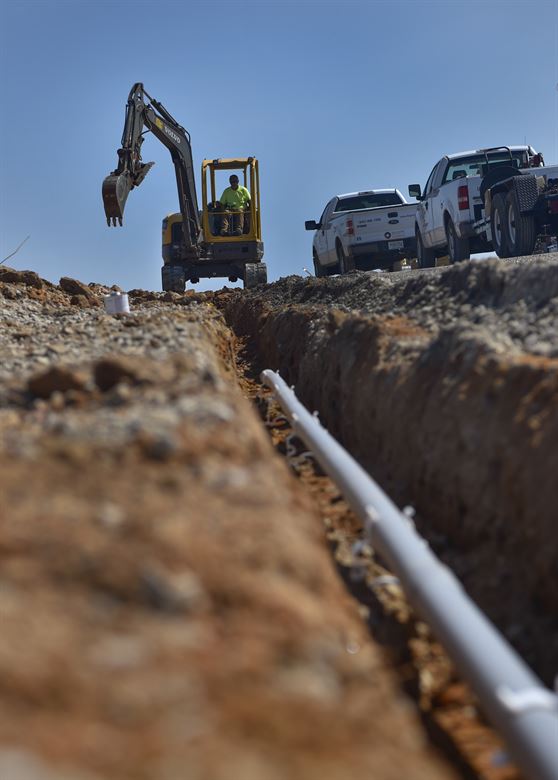
Every month in the United States, an average of two workers die after being caught in collapsing trenches. In Canada, about 10 workers die in trench collapse incidents each year.
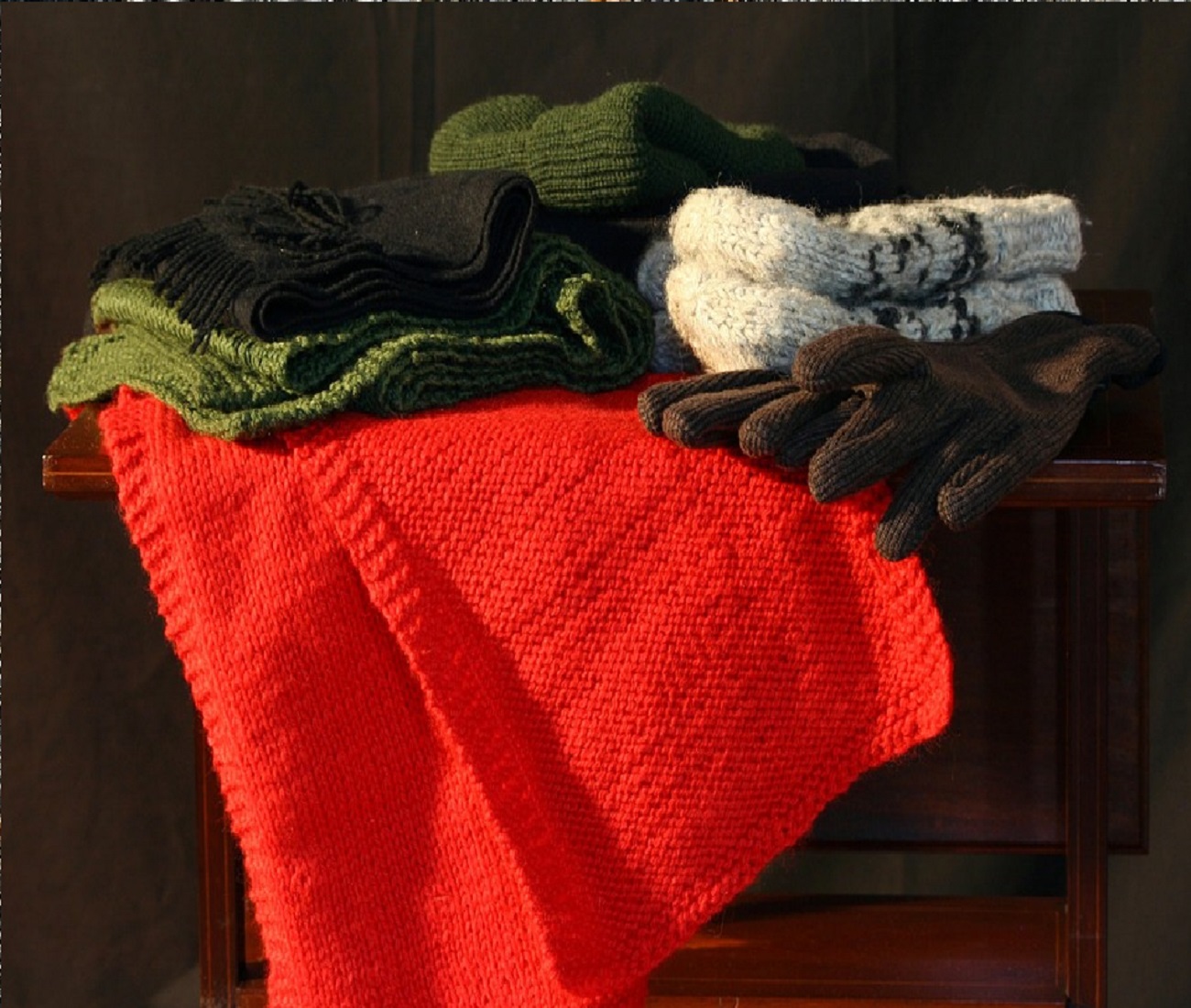
Do you know which clothes and protective equipment to wear in cold temperatures? This is important if you perform your job outdoors, or in any kind of low temperature environment such as food-storage freezers or meat-packing plants.
An average of two workers a week die in confined space incidents.
It?s ironic that tools are vital to maintaining machinery, yet many people drop the ball when it comes to maintaining the hand and power tools that help them perform this maintenance. Hand and power tools are common items in most workplaces. But they?re still capable of causing serious injuries.
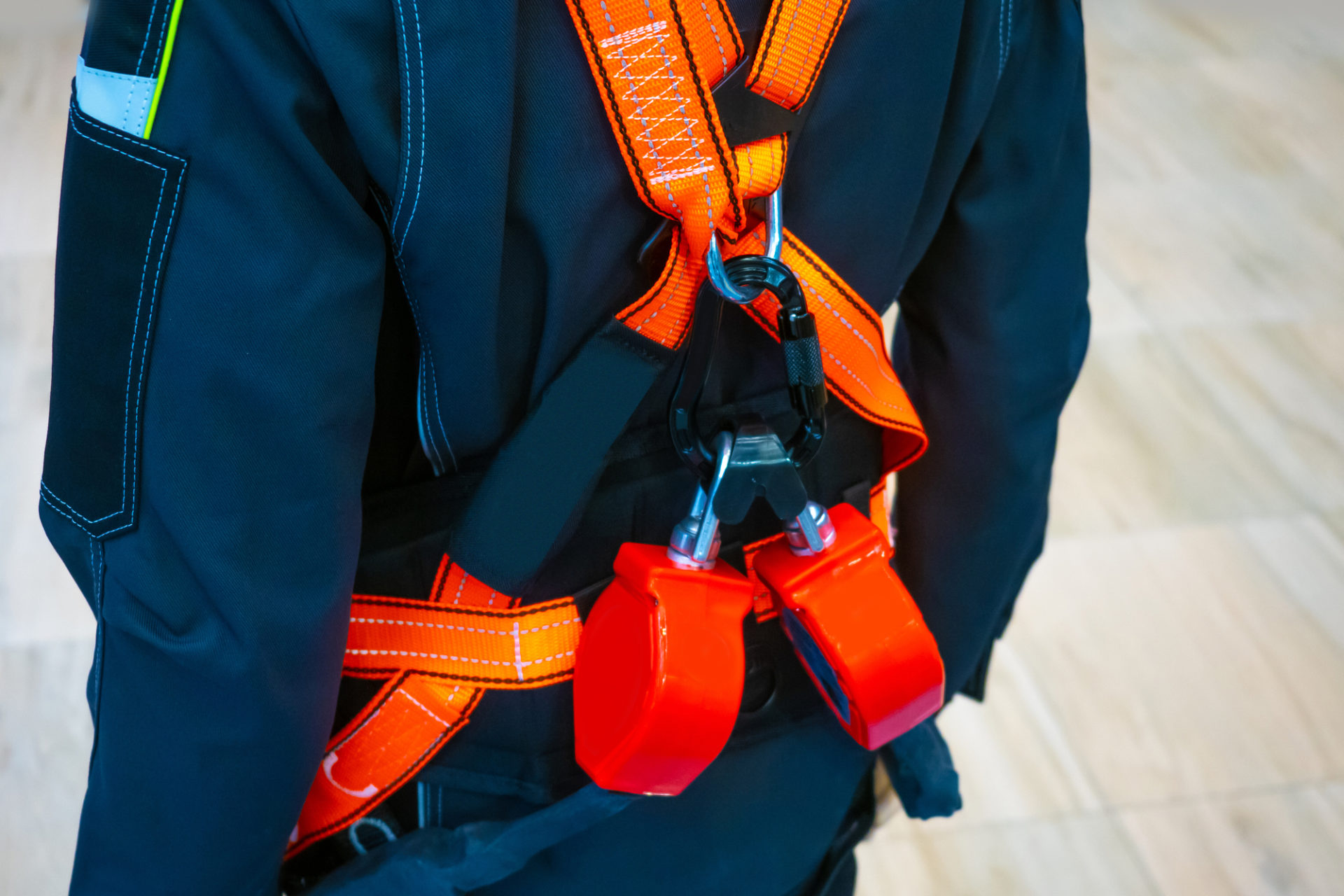
Fall protection includes personal fall arrest equipment, conventional equipment such as guardrails, and positioning device systems. A fall arrest system is used to halt a person's fall from a working level 10 feet (three meters)

They carry you through heat or cold, wet and slippery conditions. Your feet are also at risk from falling construction materials and equipment. No wonder wearing approved steel-toed boots can be required on the job.

Maintenance employees are confronted with many hazards that can cause injury or death. One such hazard is exposure to asbestos.
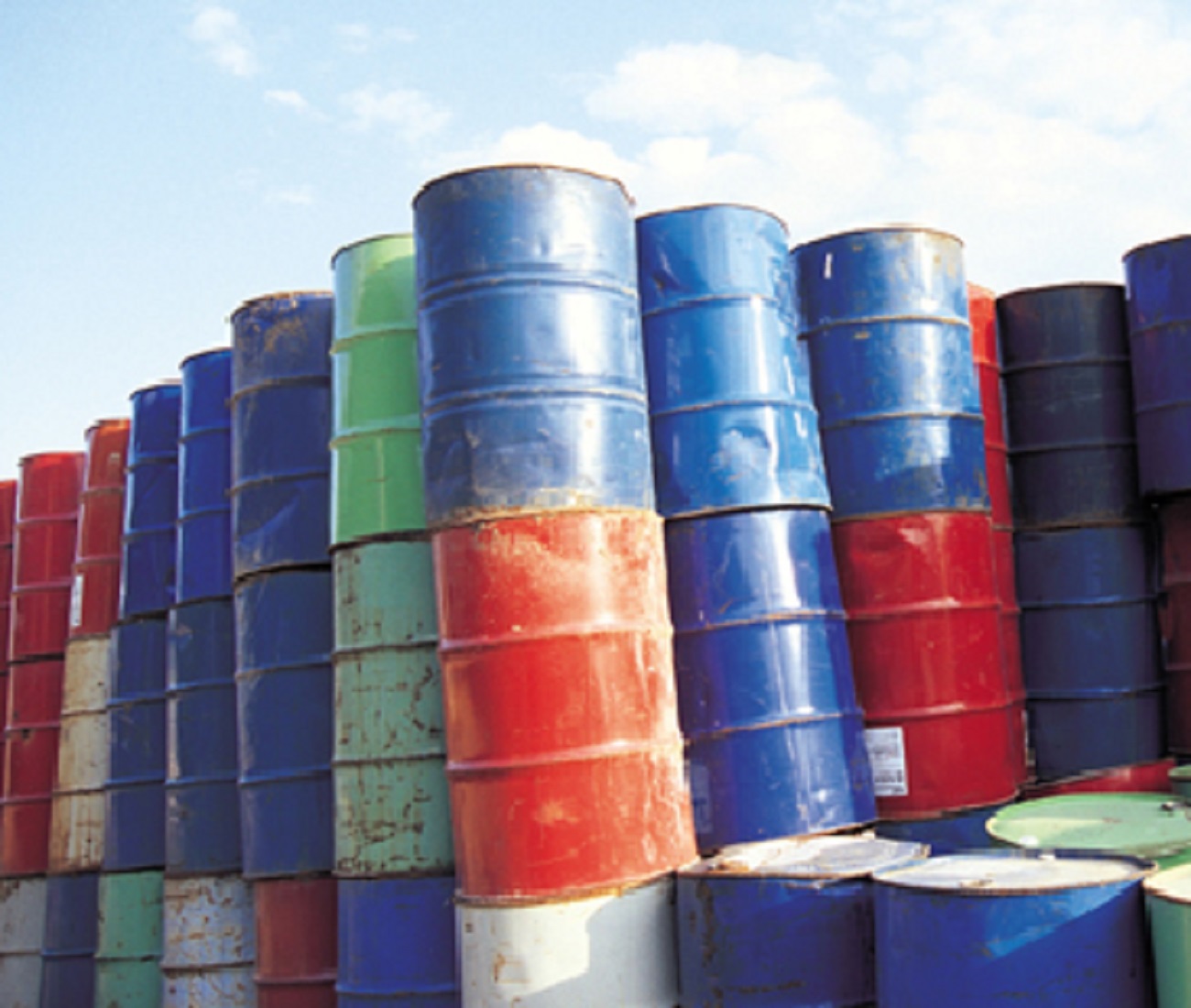
It's important for you to understand the potential hazards that you may be exposed to while working with hazardous waste.
We all encounter building projects in our workplace, on the road and in our neighborhoods. You have to be aware of the hazards or risk serious injury.
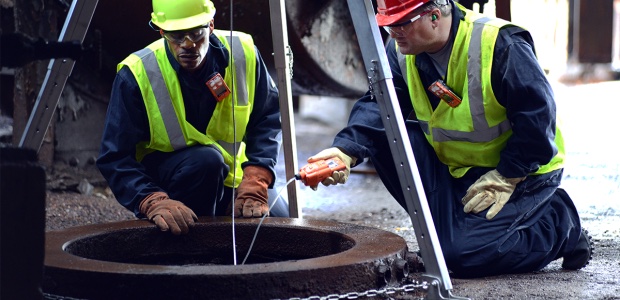
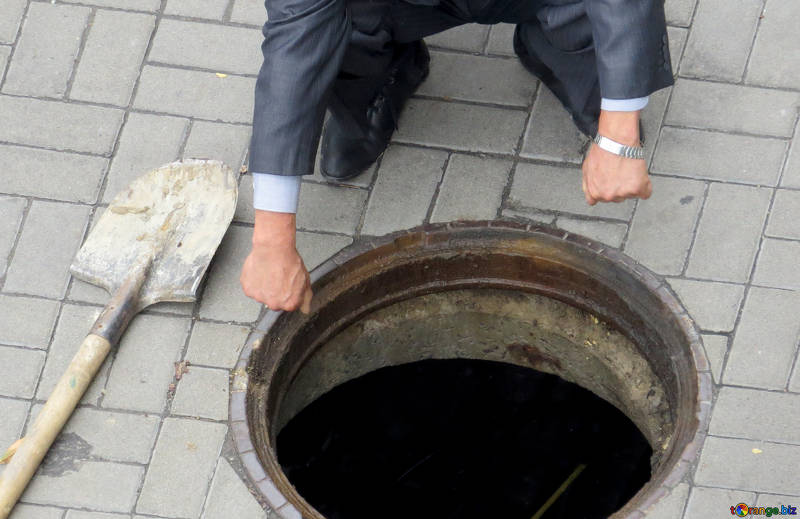
A confined space is any enclosed or partially enclosed space with restricted entry and exit that is not designed or intended for continuous human occupancy. The word “confined” suggests “small” but many confined spaces aren’t small.

Falls are the most common cause of workplace injuries and the second leading cause of accidental death in North America.
You’re in free fall after a misstep sent you over the edge of elevated work, 40-feet off the ground.
If you work with any amount of chemicals,? or work in an environment where chemicals are used, handled, stored,? transported or disposed of, you must understand the hazards and how to protect? yourself.
These cylinders have numerous applications, from breathing and welding to sample testing. The gases commonly found in them include oxygen, nitrogen, acetylene, chlorine and liquid propane (LPG). Many cylinders contain high pressure and will hurtle
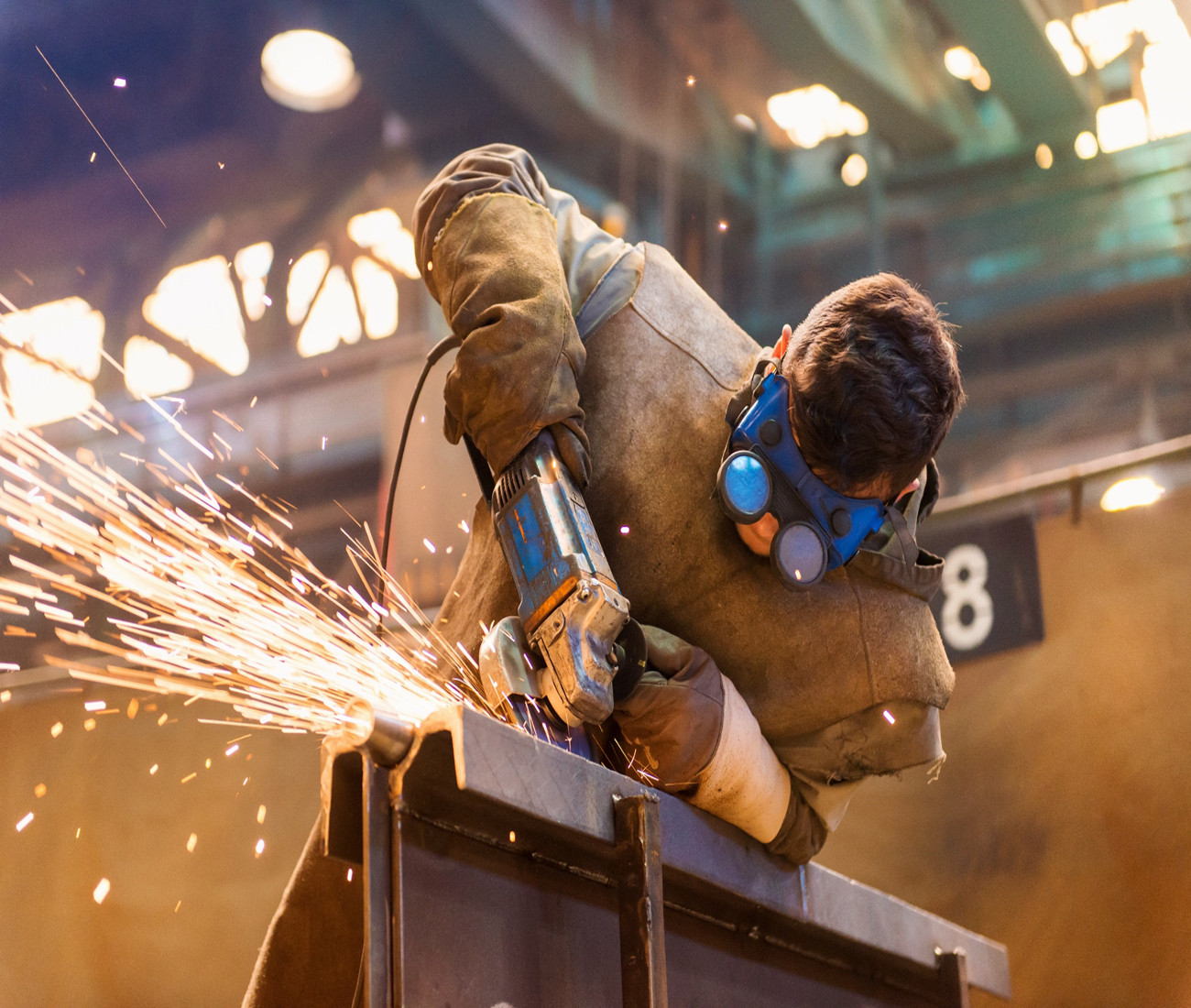
Grinding wheels operate at very high speeds and can present health and safety hazards.
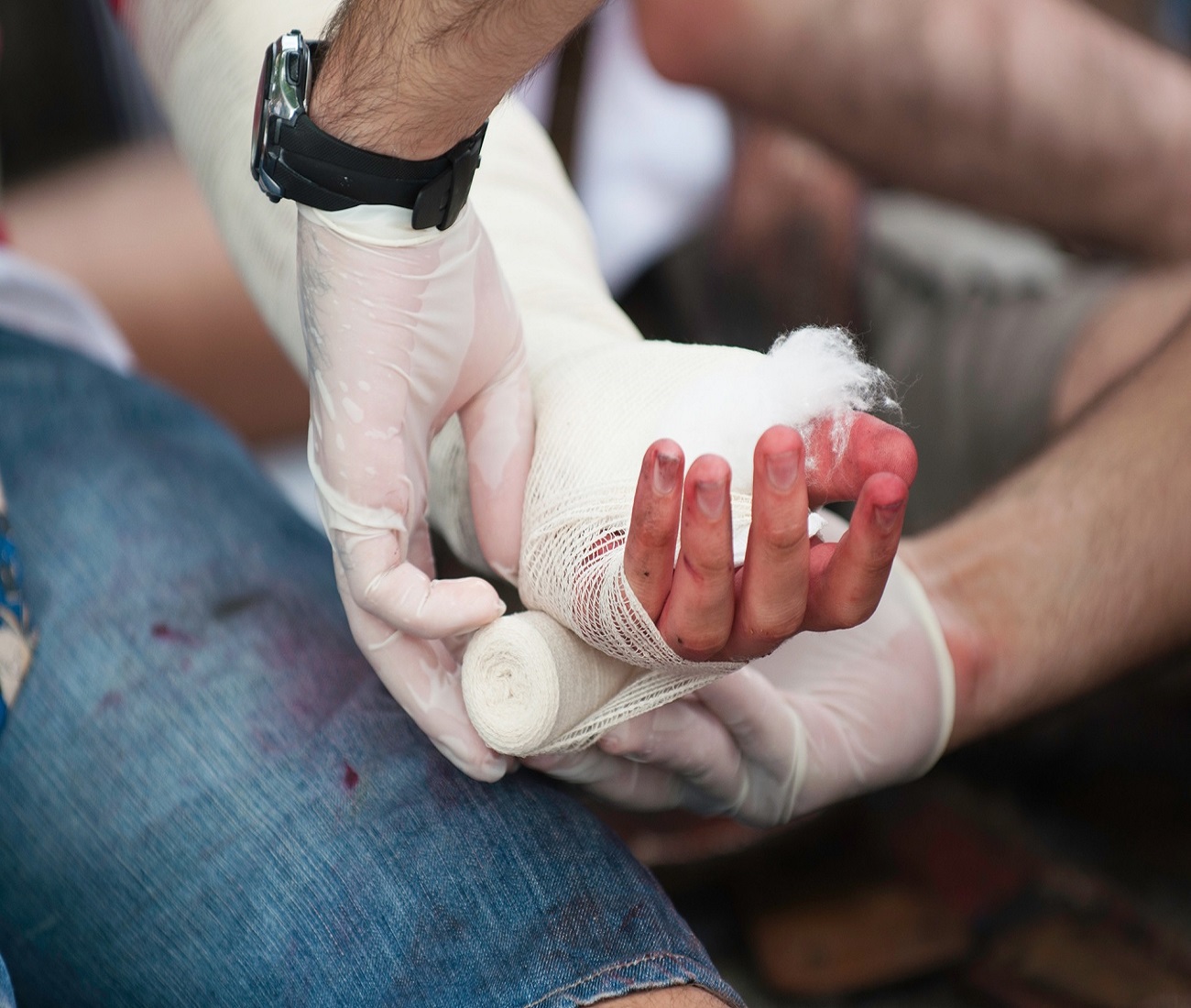
If you aren't wearing the right protection your hands could be burned, frozen, cut, scraped or burned by chemicals. You could lose fingers, a thumb, or even your life. That's why you wear gloves.

Back injuries are a leading cause of lost time from work. They can occur in any type of job or workplace.
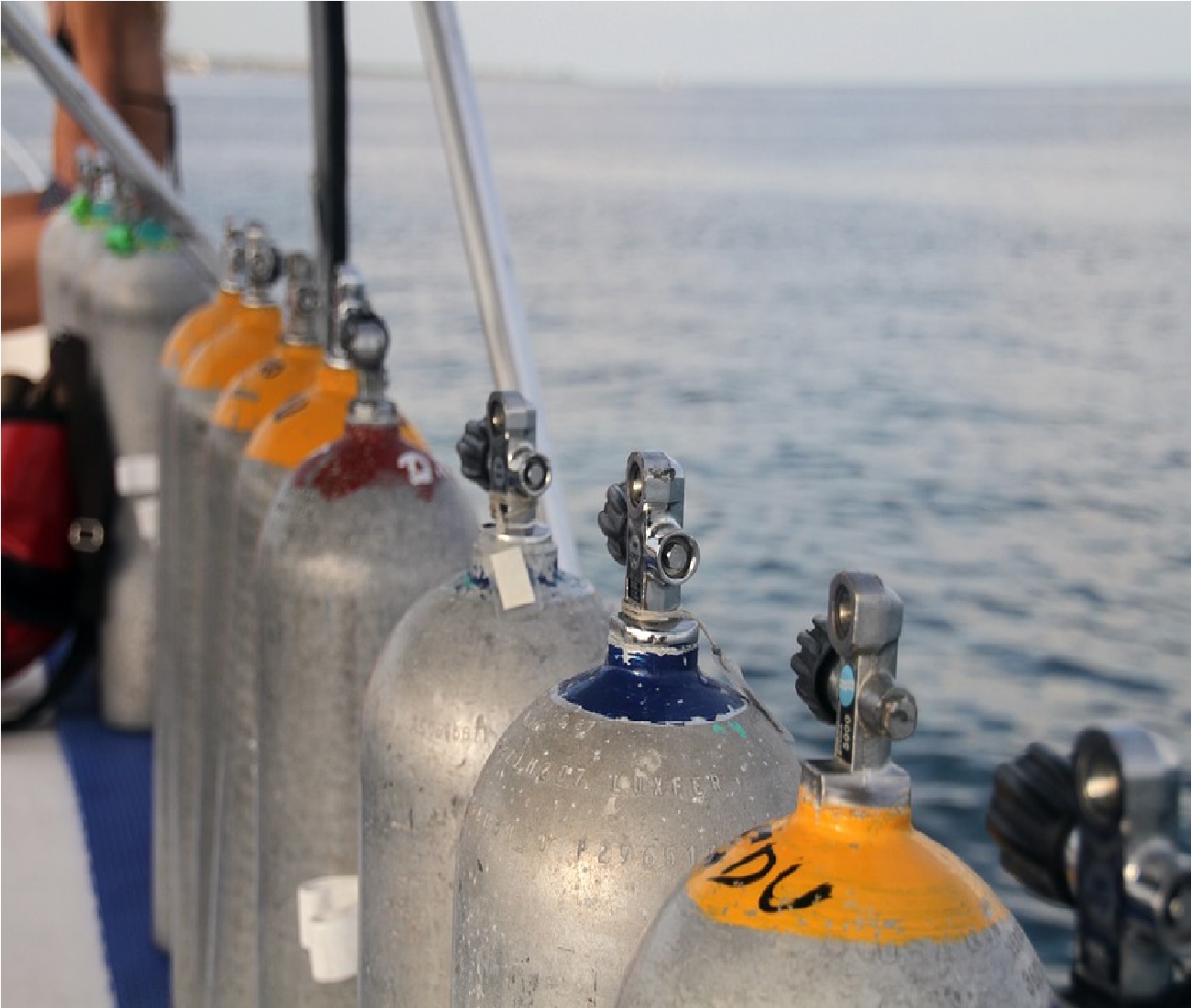
Compressed air can make short work of everything from changing tires to nailing and stapling, but its power demands respect.
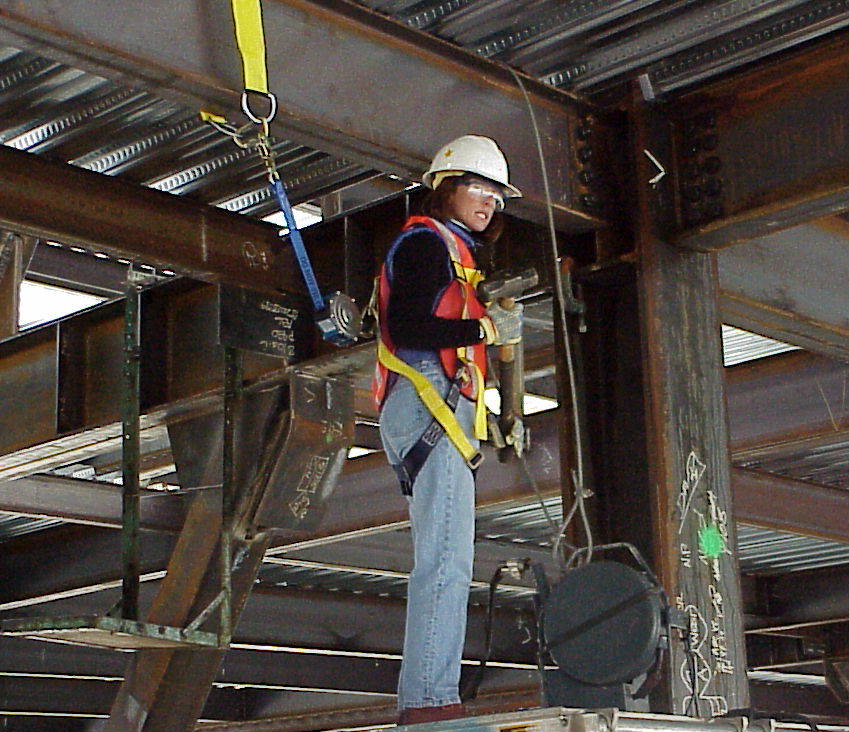
In the US more than 15,000 people die each year from falls, placing falls second only to motor vehicle collisions as the leading cause of accidental death. In Canada, more than 1,800 people die as a result of falling each year. And across North America, tens of thousands of workers are injured in falls every year, with many of these incidents occurring from a height where fall protection measures should have been taken but weren’t.
It's easy to take the subject of falls lightly? unless you or someone you know has had a serious fall. Then you realize how deadly this commonplace accident can be.
Working outside puts workers at risk for countless hazards.
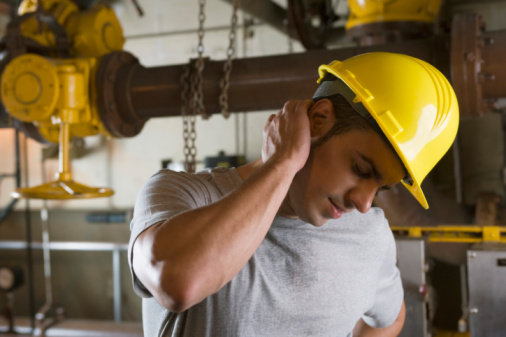
The safety rules, policies and procedures of your workplace are there to protect you from workplace hazards and to help prevent injuries.
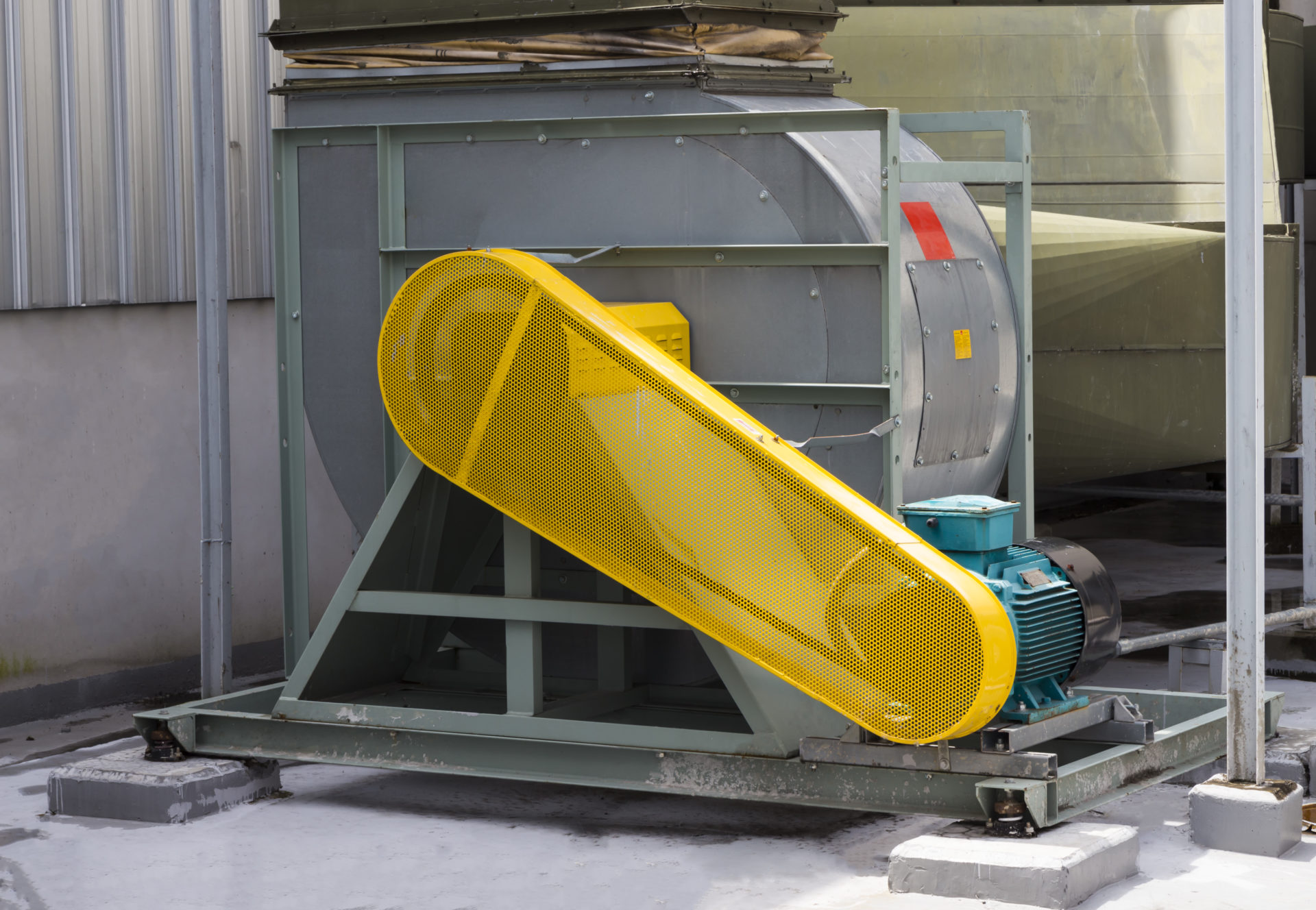
A sawmill worker suffered multiple fractures to his right arm when it became caught in an edger outfeed chain and sprocket. For unknown reasons, he had lifted the guard to check the drive mechanism.
Since it's your first time, you may want to checkout some of the video tutorials.




 800-ICW-SAFETY (800.429.7233)
 SAFETYOnDemand@icwgroup.com
