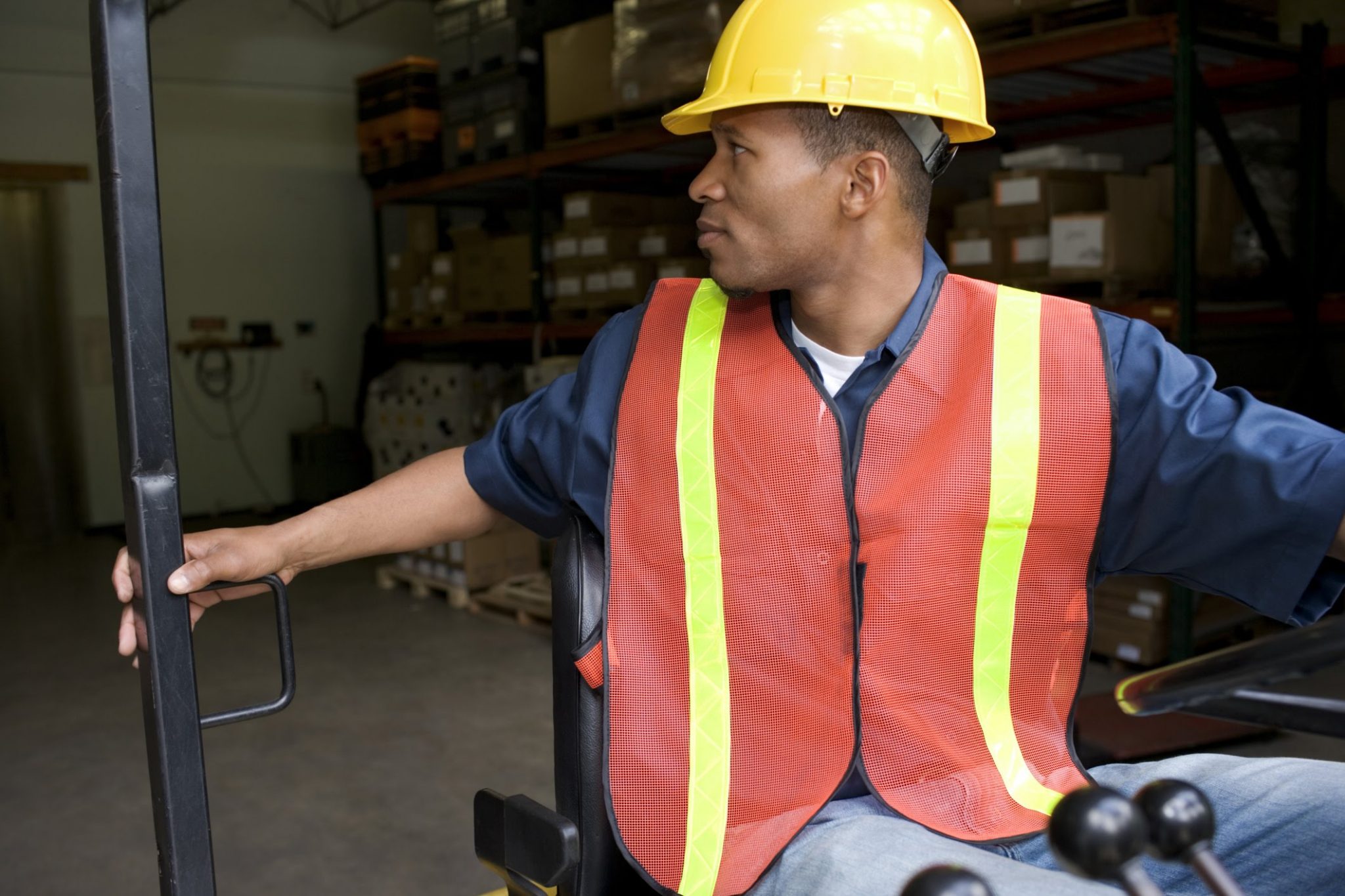
Heavy Equipment Daily Inspection Checklist
Complete this checklist prior to use of heavy equipment. Distribute the checklist to the supervisor and heavy equipment operator. You can edit this list to better suit your specific situation.
How close is too close when it comes to power lines?
The overwhelming majority of health-related productivity losses occur on the job from reduced performance by employees who show up for work not feeling their best. This is commonly known as presenteeism. The implications and costs of presenteeism are enormous and can be highly disruptive. Integrating wellness strategies into a safety program can help combat the effects. Here’s a 4-step model by the Canadian Mental Health Association, Manitoba Division (Manitoba Model) to consider.

March 27th, 2019 | One of the most powerful protections for employees under the Occupational Health and Safety Act is the right to refuse unsafe work. While the right to refuse unsafe work has proven to be an essential element of safeguarding workplace safety, it has also been improperly used as a tool for other, non-safety related ends by employees and organized labour. Employers must navigate these treacherous waters, ensuring that legitimate work refusals are dealt with appropriately, while preventing abuse of this significant power.

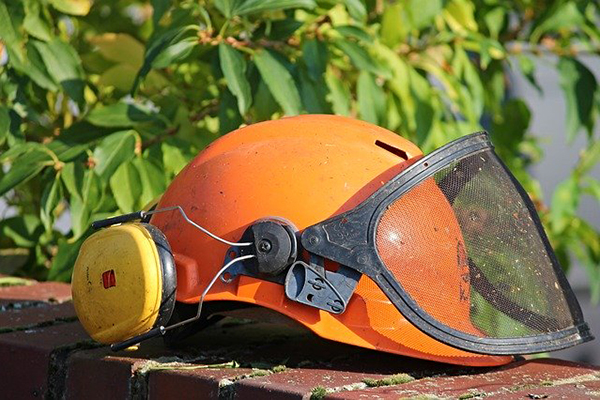
Hearing damage, and the symptoms can take time to develop. You are likely to be exposed to different types and levels of noise during you work day.

There are several unsafe conditions in this image that could be harmful to any worker, but especially for a lone worker. Use the Picture This to spark discussion about the hazards of working alone and the precautions and procedures your organization has in place to protect lone workers.

An Injury and Illness Prevention Program can help you save lives, save money, and comply with regulations.
Working alone means working where you cannot be seen or heard by another person and where you cannot expect a visit from another person. While not an ideal situation, sometimes it is necessary. In occupations as diverse as a home care nurse, security guard, property manager, plant attendant, taxi driver, custodian, logger, ranch hand, retail clerk and oil field mechanic, sometimes must work alone.

The freedom of working alone sounds like a dream job for many, but the downside is there’s nobody around to help you if something goes wrong. Social workers, home care nurses, custodians, security guards and late-night convenience store clerks all face hazards from working solo. People might not be able to hear your calls for help and come to your rescue when you work alone.

This video is the perfect way to introduce new employees to general occupational hazards to which they may be exposed and to re-train experienced workers. Program includes basic safety rules, electrical hazards, powered equipment and machinery, back injury prevention, fire protection and more.
Maintenance workers may be involved in new landscaping, plantings or playground equipment footings with the aid of a shovel or powered digging equipment. Digging also encompasses excavation and trenches.
As end-dump truck bodies and/or semi-trailer dump rigs get longer, instability of the vehicle gets higher and higher. With high instability comes more of a chance of trucks tipping over. This risk is greater in semi-trailer rigs than in straight trucks due to the length of the semi-trailer rig.

You should be evaluating your safety program on a regular basis - at least annually – to determine what is working and what’s not and whether the program is on track to meet its goals. Tracking and analyzing leading and lagging indicators are one effective way to monitor the performance and progress of your safety program.
During a shutdown, process industries such as oil and gas slow or stop work and inspect, maintain, repair and replace equipment. If you are working through a plant slowdown or shutdown, you need to be aware of the new hazards created during this time.

It can be tricky dealing with the various personality types, levels of experience, and differing backgrounds of meeting participants. You can’t always predict what their reaction will be, and you may not have advance knowledge of who will be in attendance, but you can still prepare. One way is by understanding the four general types of meeting participants you’re likely to encounter and how best to interact with them. You may also encounter entire groups that have these characteristics – the response is the same.

In a 2013 webinar former, OSHA administrator David Michaels said, “We have known for decades that new workers, when they first start at a new job, are at greatly increased risk of injury – and we know why: New workers are often not adequately trained in the potential hazards at the new jobsite and the measures they can take to protect themselves.” And yet, according to the Toronto-based Institute for Work & Health, only 1 out of 5 new workers receives safety training.

Lifting, pushing, pulling and carrying heavy objects remains a fundamental job task in just about all industries and work settings. Performing these tasks – typically referred to as “manual materials handling” – puts workers at risk of musculoskeletal disorders (aka, “MSDs”), or serious and painful injuries to the back, limbs, joints and muscles. This Workplan outlines four steps you can implement over a 30-day period to prevent MSDs along with the insurance, citations, productivity, and other liabilities that can result.

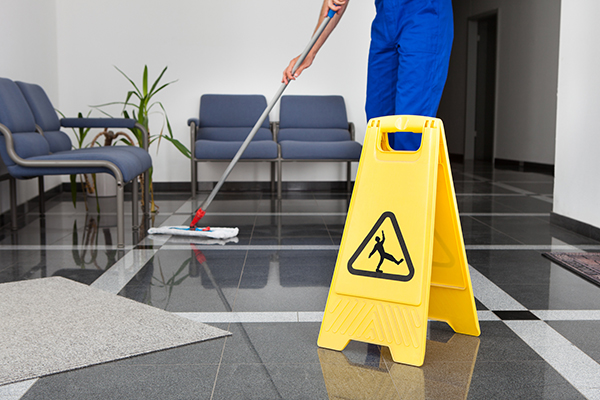
Slips, trips and falls are among the leading causes of workplace injuries. They occur when housekeeping procedures aren’t followed and enforced, when you rush or fail to pay attention to what you’re doing and where you’re walking, when you don’t wear the right kind of footwear, and when stairways, parking lots, and other walking and working surfaces aren’t well-maintained.

Materials handling work is part of many jobs. Think about the different things you lift, move, and store as part of your job – frequently or infrequently.
17-year-old warehouse worker was fatally injured when the sit-down type forklift he was tipped over on its side and crushed him. The victim was employed under a work-based learning program and had been working for three months when the incident occurred.

Manually moving materials is one of the quickest and the most prevalent way to injure your back. Back injuries are painful for the worker and costly for the employer. To reduce back injuries at work, it is important to find and avoid risk factors that increase the chance of injury.

Warehouse racks and material stacks are nothing to take lightly. A damaged rack can lead to hundreds of thousands of dollars in lost and damaged inventory. Then there are the injuries and fatalities caused if the racks and materials fall. Your co-workers, delivery drivers, and even customers can be injured and killed if a rack or material falls.
Fork lift accidents are a leading source of fatal and serious work injuries; failure to ensure proper use of fork lifts is also perennially among the Top 10 most frequent causes of OSHA and OHS citations. Here’s a 12-step compliance plan to help you avoid both things.

Chemicals can cause burns to eyes, skin, and internally if swallowed or inhaled. Chemical burns can be deceiving with some chemicals causing damage deep within body tissue. The amount of damage a chemical can cause depends on many factors including the chemical, its strength, whether it was inhaled or swallowed and the time it was in contact with body tissues.

Did you know your mental, physical, and emotional fitness is part of a safe work environment? If you are fit and healthy, you are likely to have more energy and stamina.