
Disciplining Employees for Safety Obligations: What Is Permitted?
February 27th, 2019 | Summary coming soon.
February 27th, 2019 | Summary coming soon.

Stress – everyone has it. It is a natural part of life, but too much stress can cause health problems and can affect your ability to work safely. It’s becoming increasingly difficult to disconnect and unwind in our 24/7/365 world of news, noise, and responsibilities.

March 27th, 2019 | One of the most powerful protections for employees under the Occupational Health and Safety Act is the right to refuse unsafe work. While the right to refuse unsafe work has proven to be an essential element of safeguarding workplace safety, it has also been improperly used as a tool for other, non-safety related ends by employees and organized labour. Employers must navigate these treacherous waters, ensuring that legitimate work refusals are dealt with appropriately, while preventing abuse of this significant power.
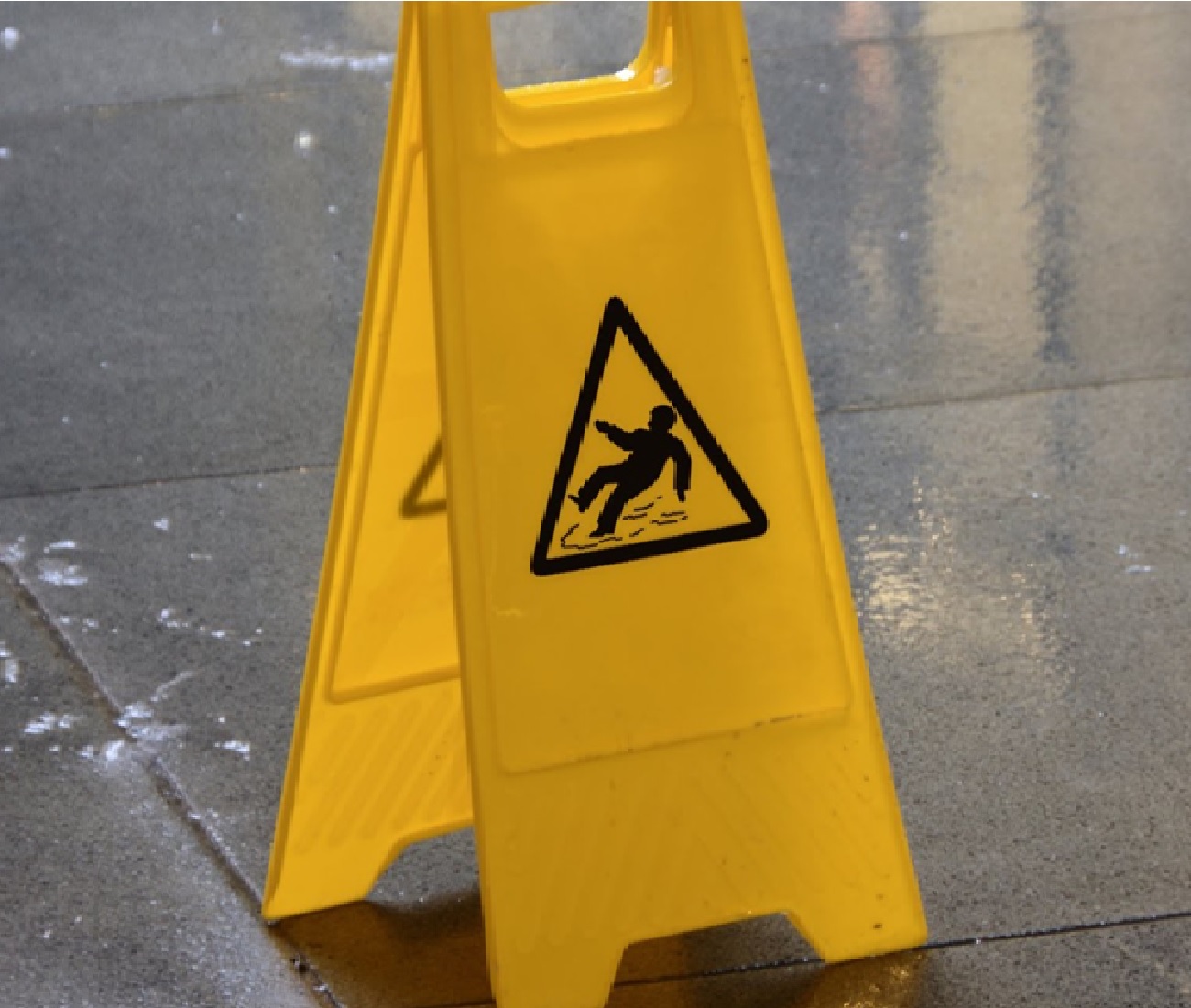
Slips, trips and falls are among the leading causes of workplace injuries. They occur when housekeeping procedures aren’t followed and enforced, when you rush or fail to pay attention to what you’re doing and where you’re walking, when you don’t wear the right kind of footwear, and when stairways, parking lots, and other walking and working surfaces aren’t well-maintained.
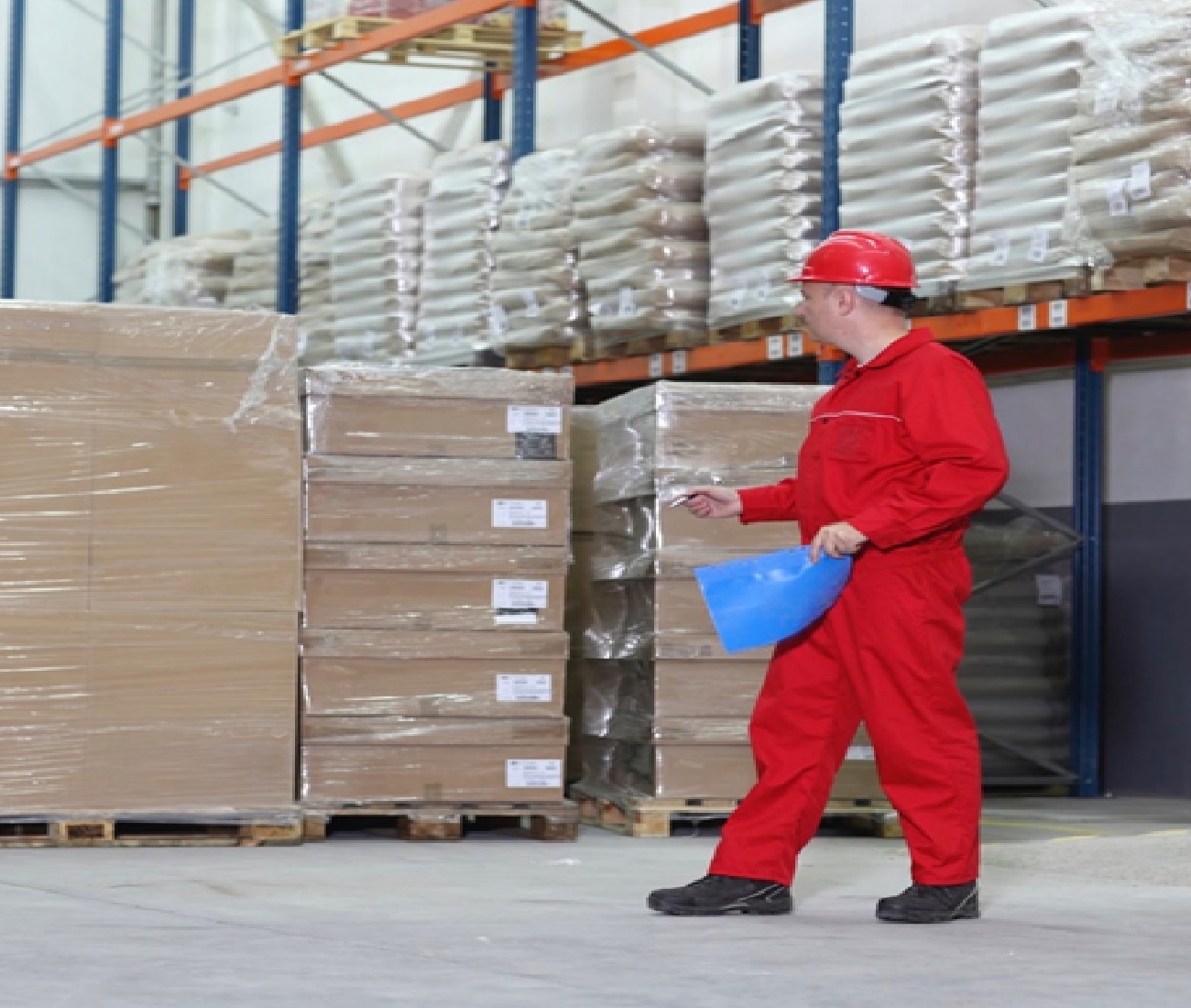
Materials handling work is part of many jobs. Think about the different things you lift, move, and store as part of your job – frequently or infrequently.
Every year thousands of workers are injured, and some are killed, “at the office.” Broken bones and head injuries from falls, burns, and electrical shock hurt just as badly when they occur in an office setting as when they happen at an industrial site.
Fire, natural disaster, and other emergencies can strike your workplace without warning at any time. While you can’t predict them, you can prepare for them and preparedness save lives, prevent injuries and limits property damage. If that’s not motivation enough, being prepared for workplace emergencies may save your business thousands and even hundreds of thousands in safety fines avoided.
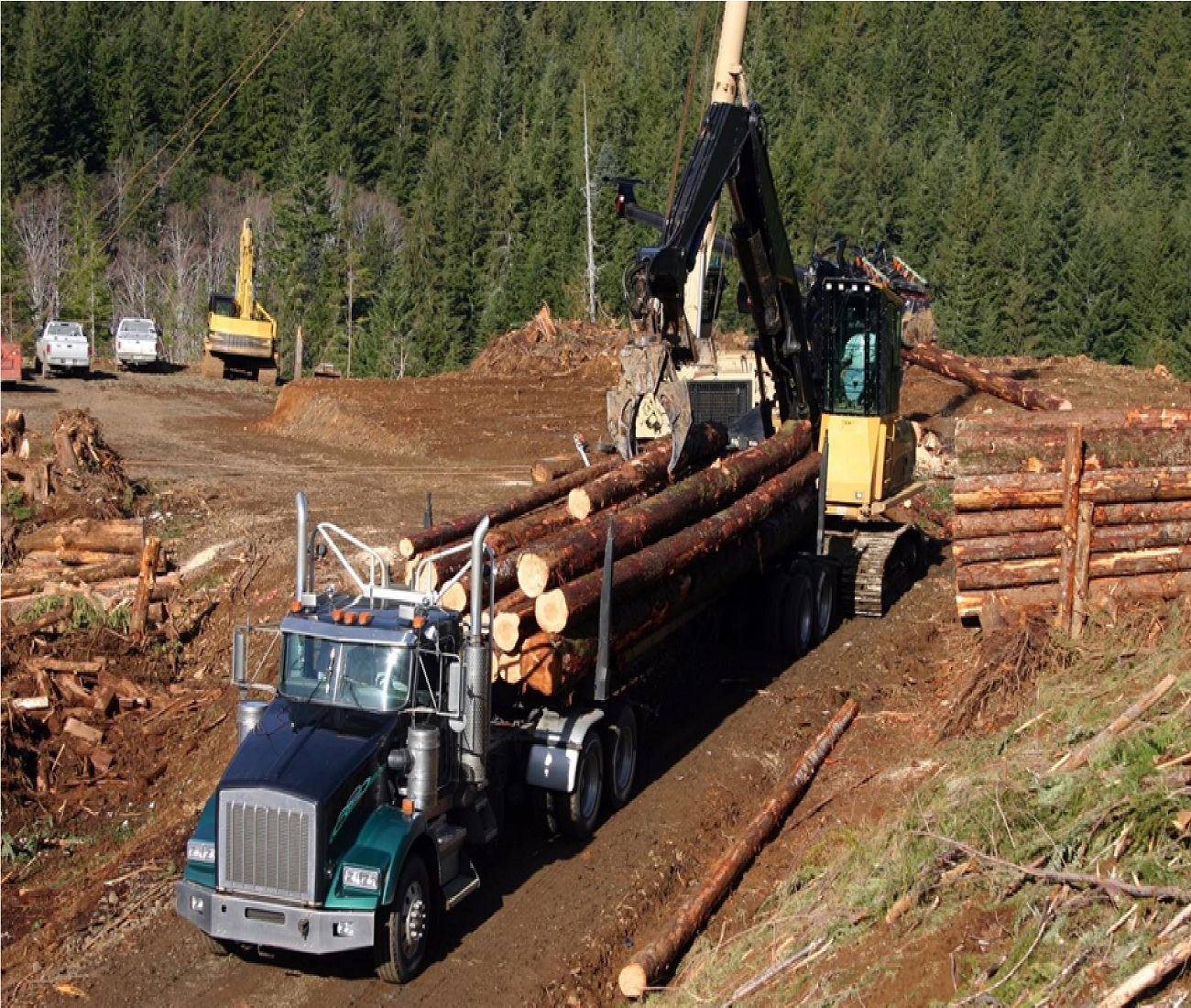
Caught and between. These two mild words describe a type of injury which is anything but mild. Instead, they refer to being caught between two moving objects or a moving object and a stationary object. The result is compression and crushing injuries which can be fatal. The places where these incidents occur are called "pinch points."
Most offices have few hazardous chemicals and no heavy or moving machinery. If the worst that can happen is a paper cut, why do we need to talk about safety training? Because a paper cut isn’t the worst that can happen. Office employees still need to know what to do in case of an emergency, and accidents are surprisingly common. Also, people who sit down and use computers most of the day need to watch out for ergonomic issues.
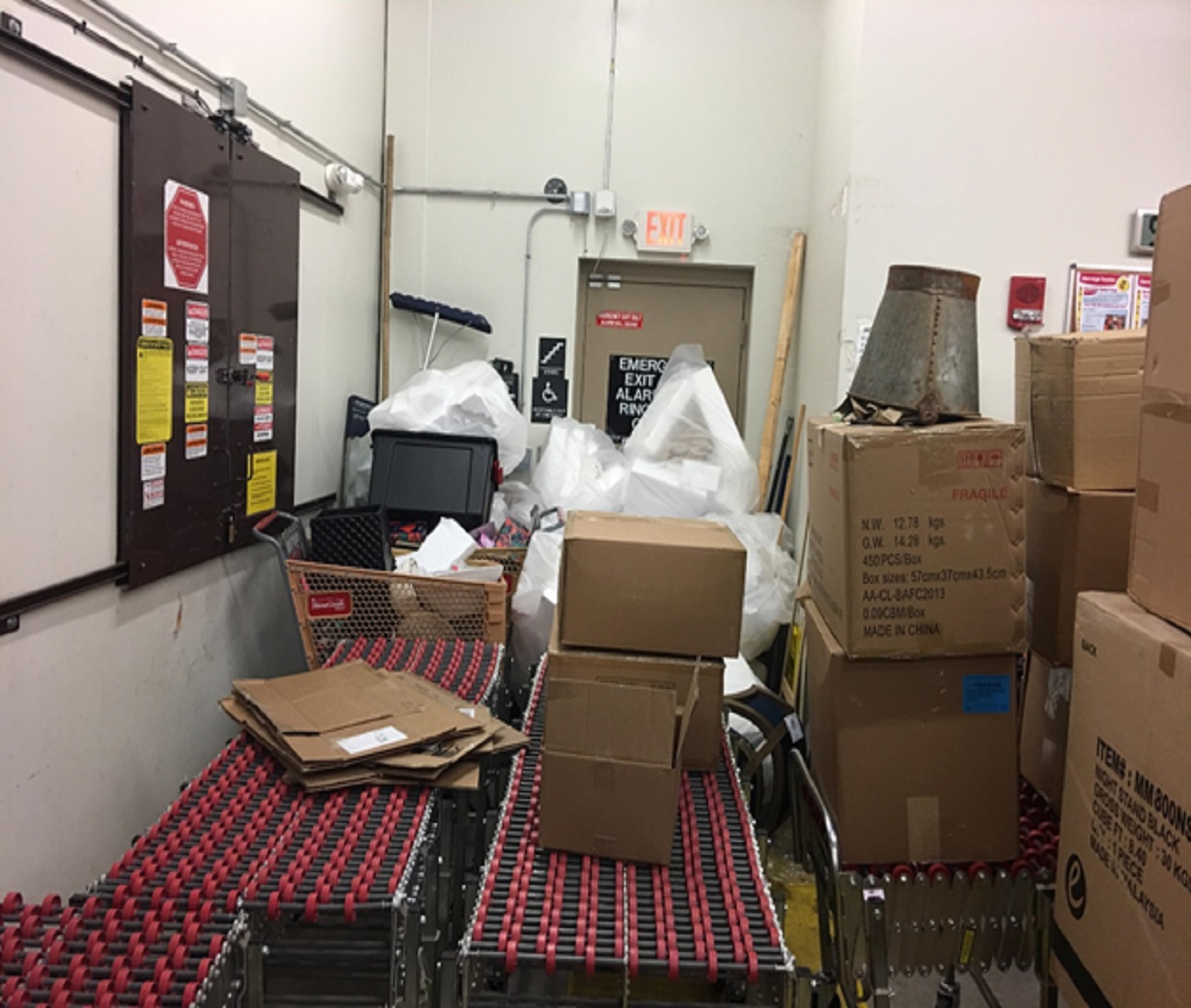
Let’s start with the obvious hazard – a blocked emergency exit. Blocked by conveyors, carts, trash, and cardboard boxes.
Back injuries caused by improper lifting are the most common disabling injuries in the workplace. A person can injure their back in virtually any type of occupation, often to the point they can no longer work in their chosen field, along with having a devastating impact on their overall quality of life. Many of the causes of back injury can be prevented by teaching employees how the back operates and the basics of proper lifting techniques. This video does just that. Great for new or experienced employees.

This unique approach to Ergonomics training, begins by asking each viewer to select what area of their body, if any, is experiencing pain or discomfort. They are shown common postures that can cause or contribute to the conditions. The viewer is then lead through a comprehensive and specific method of adjusting a workstation to maximize neutral postures and minimize pain, discomfort and strain. This program also points out the multitude of other factors outside of the workplace that can contribute to musculo-skeletal disorders. This encourages viewers to take steps to adopt neutral postures in all of their activities.
Designed to raise awareness of safety hazards in an office environment. This video focuses on the most common hazards found in an office. Video discusses basic ergonomics, ladders, office equipment, slips and falls, safe lifting, fire prevention and more.
Designed to raise awareness of safety hazards in an office environment. This video focuses on the most common hazards found in an office. Video discusses basic ergonomics, ladders, office equipment, slips and falls, safe lifting, fire prevention and more.
Carpal Tunnel Syndrome, or CTS, is nerve damage in your hand that’s caused by repetitive motions, such as using tools or a computer keyboard.

Unexpected emergencies occur every day in many facilities, including laboratories, offices, and residential buildings. It might be a fire, flood, earthquake, shooting, tornado, or hazardous chemical spill. If you don’t know what to do during an emergency the odds increase that you or others around you will be injured or killed.
A burn means more than the burning sensation associated with this injury. Burns cause skin damage because the skin cells die. Burns can happen at work and outside of work. In fact, burns are one of the most common household injuries, especially among children.
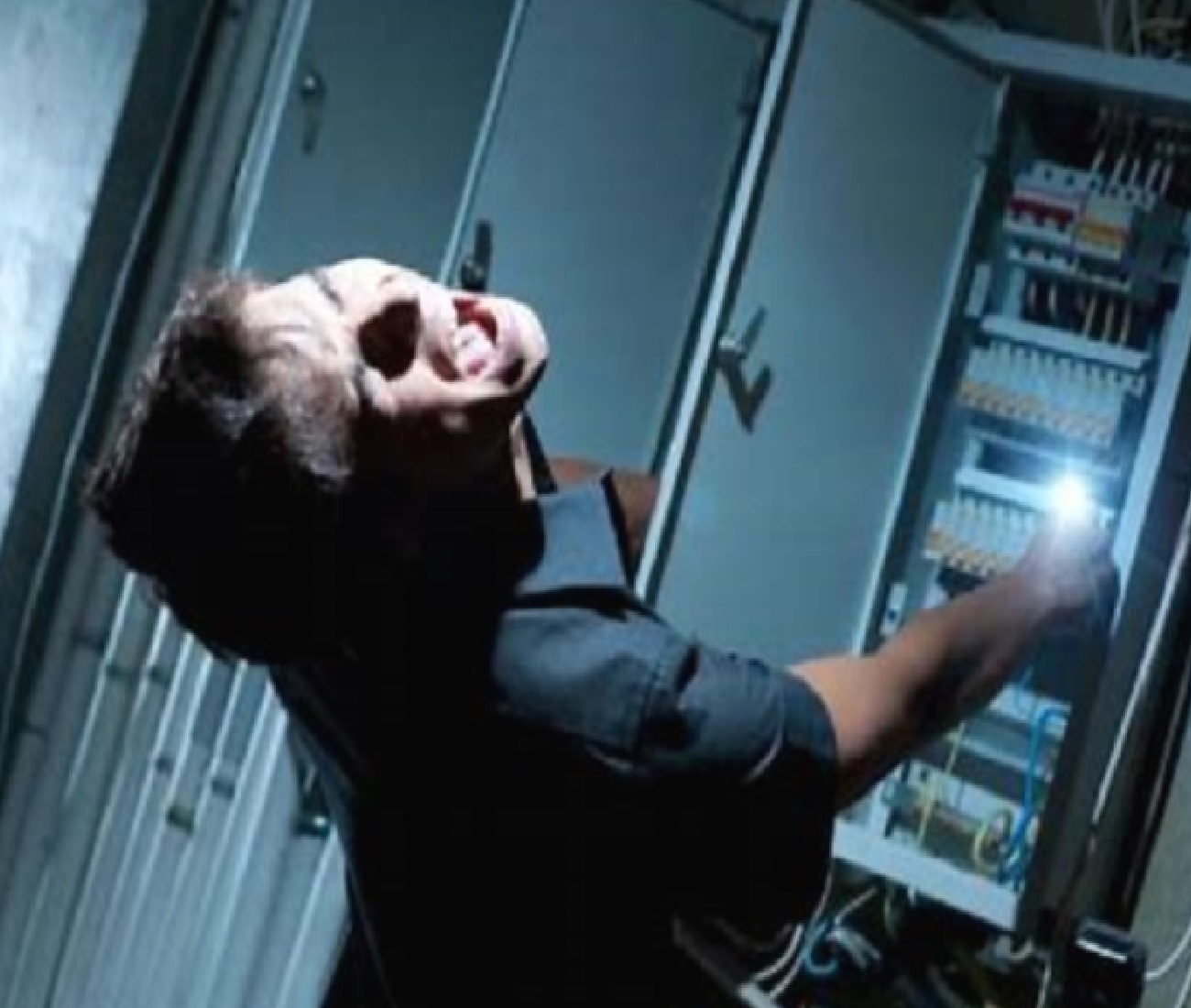
An electrical burn occurs when skin meets an electrical voltage. It does not always leave a significant burn to the skin, but the electricity can cause significant internal damage to nerves, muscles and internal organs.
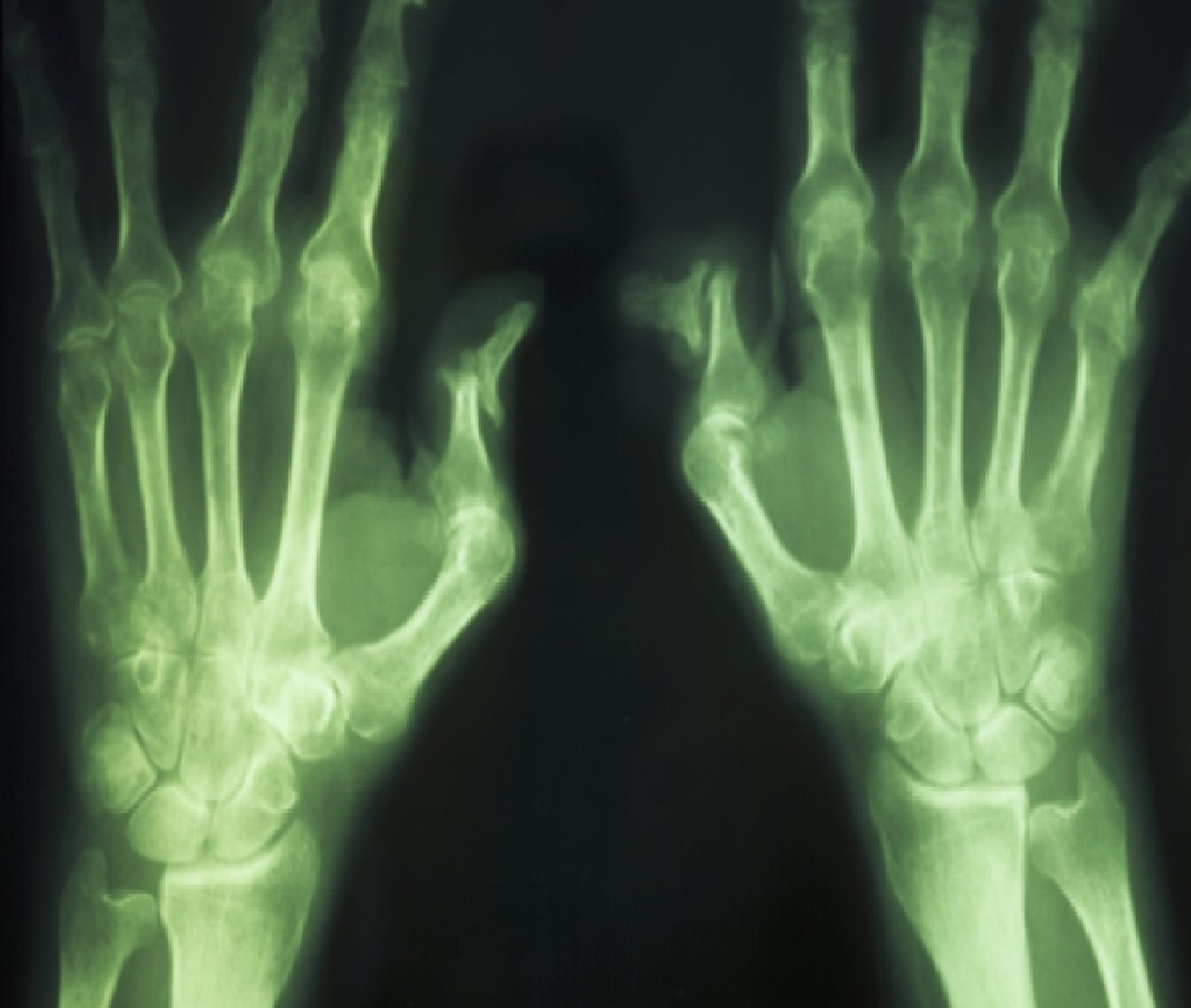
A fracture is the medical term for a broken bone. The break can be along the length of the bone or across the bone, so it looks as though the bone has snapped. These are generally clean breaks but sometimes the bone can fracture in several places, especially if the fracture is caused by a fall from a great height or from being crushed.
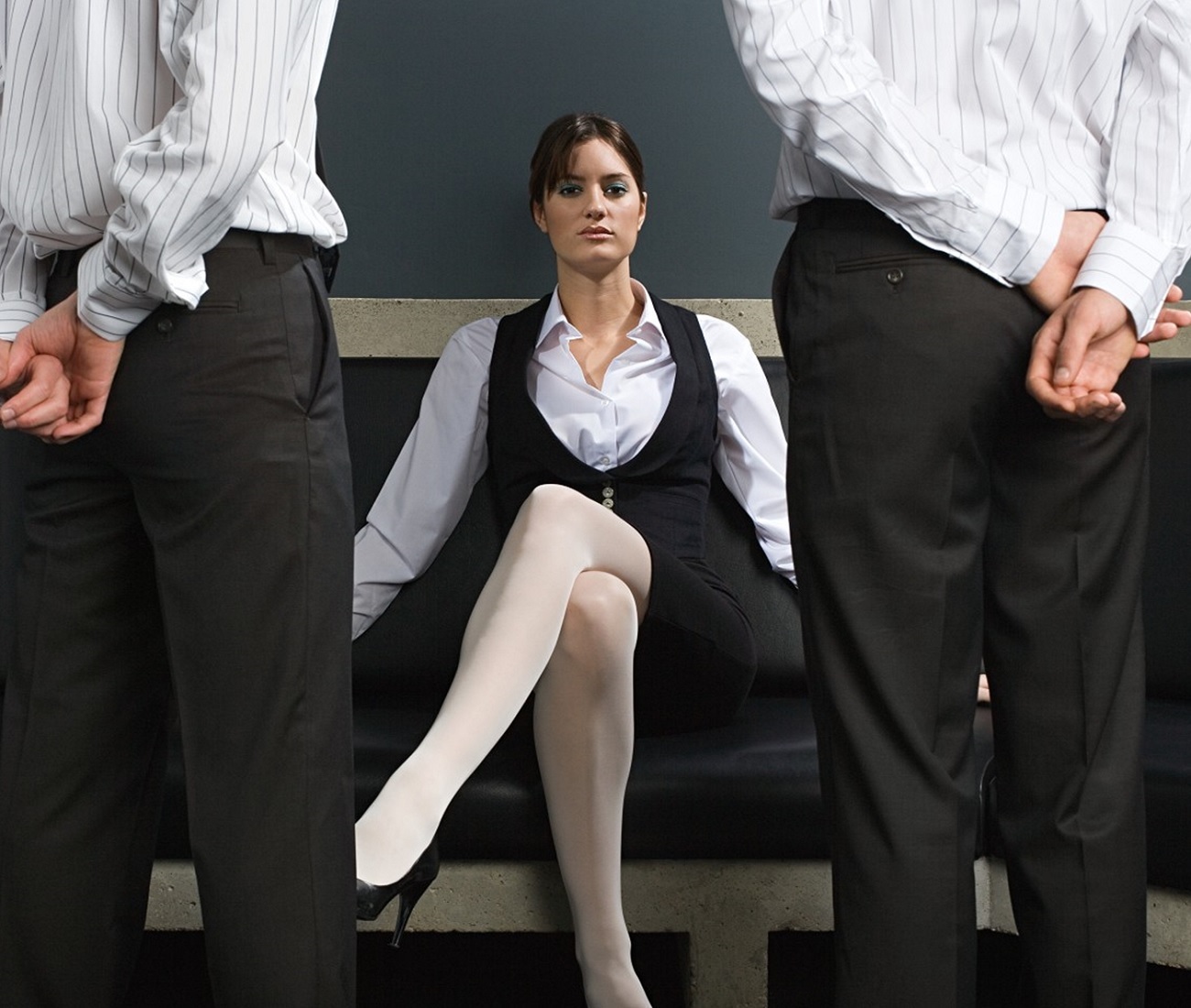
Sexual harassment is defined as any conduct, comment, gesture, or contact of a sexual nature that is likely to cause offence or humiliation to any employee; or that might, on reasonable grounds, be perceived by that employee as placing a condition of a sexual nature on employment or on any opportunity for training or promotion.
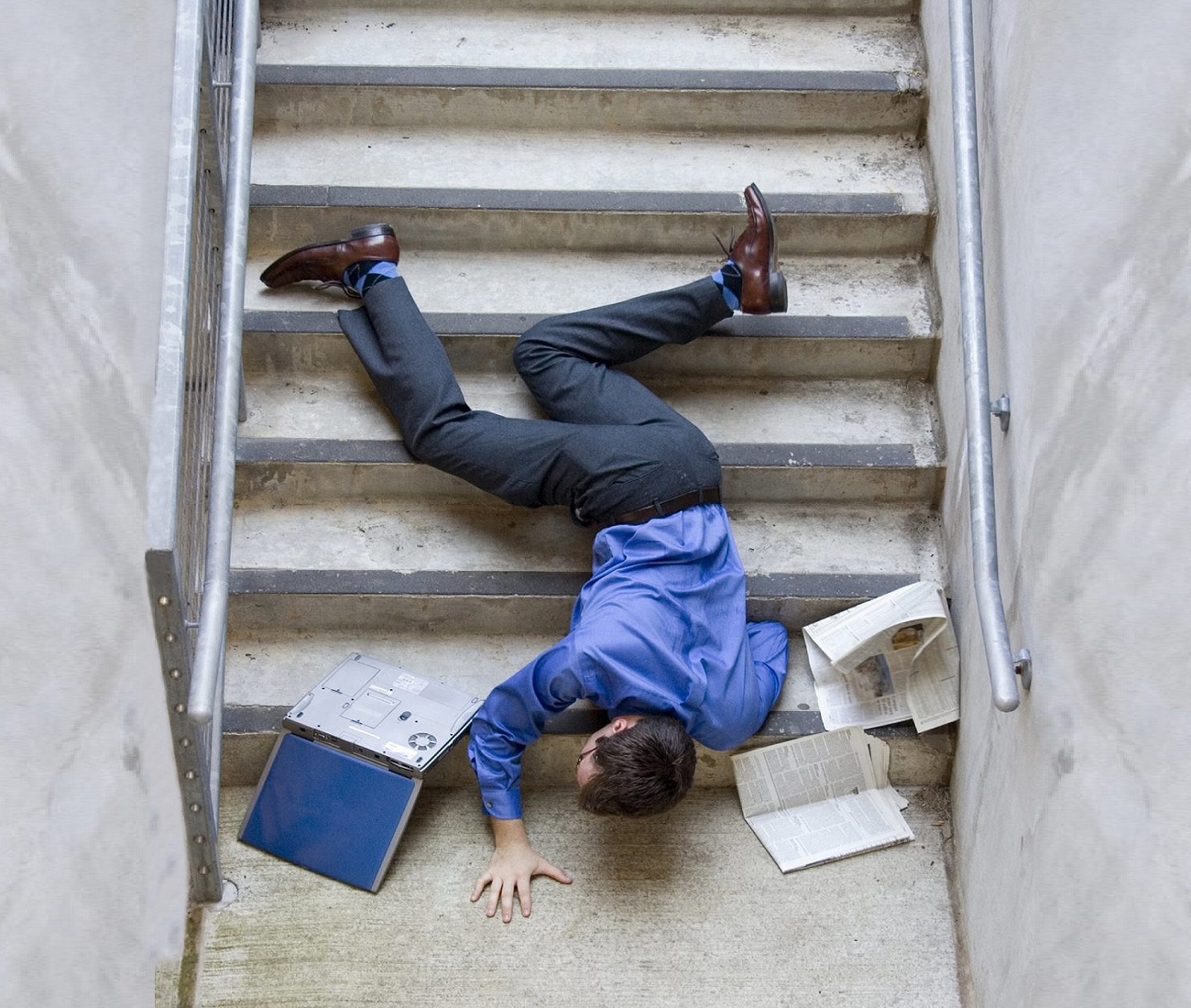
Slips, trips, and falls are consistently rank as one of the top 2 causes of injuries and deaths on the job. Our contributor, Zachary O’Dell from SafetyLine asks, “Have you taken these 6 precautions to avoid injuries in your own workplace?”

Slip, trip, and fall injuries are one of the most common causes of workplace injuries and death. The falls from slips and trips can lead to disabling injuries, traumatic brain injuries, surgeries, and countless hours in rehab. These types of injuries are painful and costly and can put stress on your relationships, lead to depression, anxiety, and in some cases post-traumatic stress disorder, or PSTD.
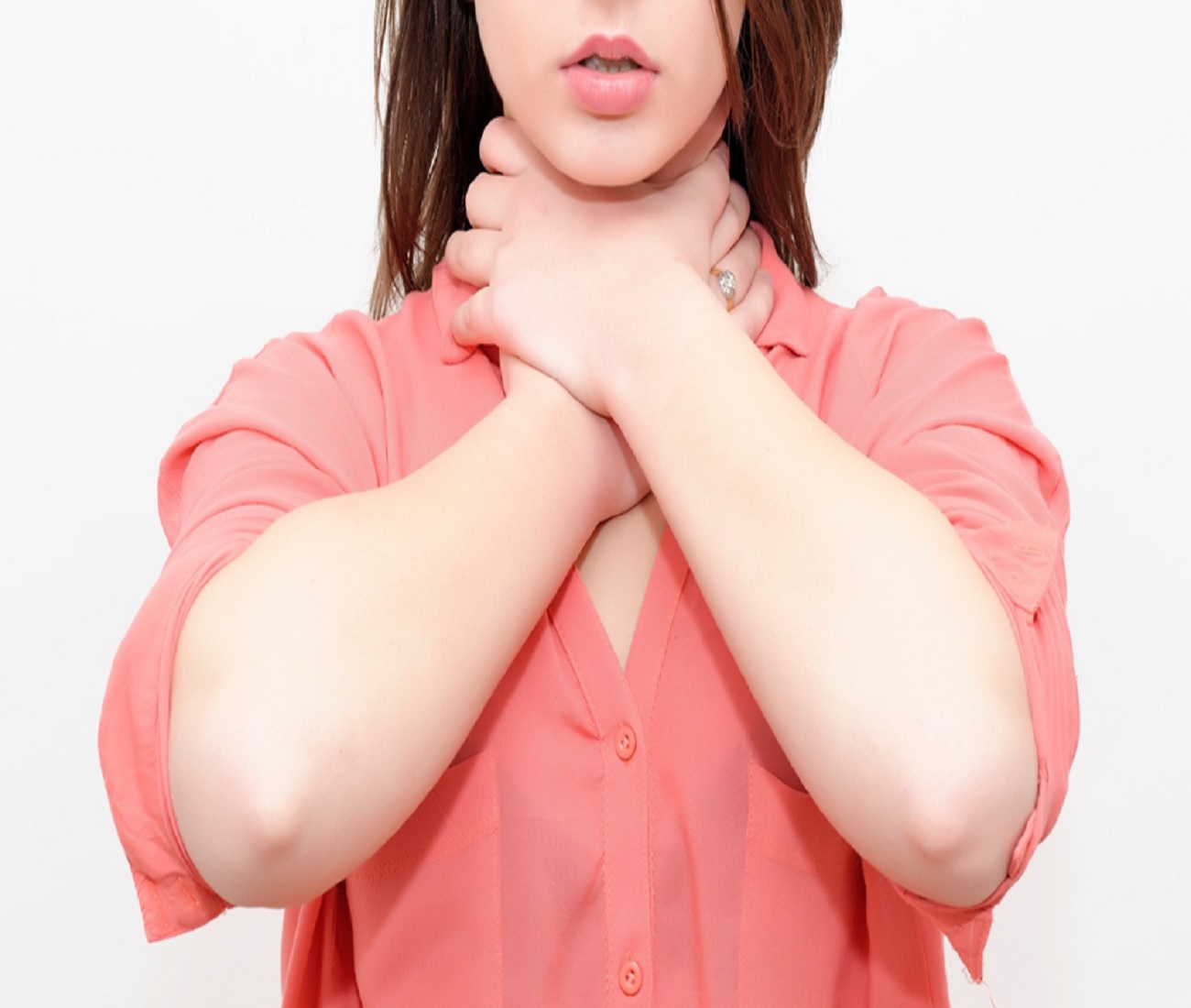
When someone is choking with a completely blocked airway, no oxygen can enter the lungs. The brain is extremely sensitive to a lack of oxygen and begins to die within four to six minutes. Irreversible brain death occurs in as little as 10 minutes.
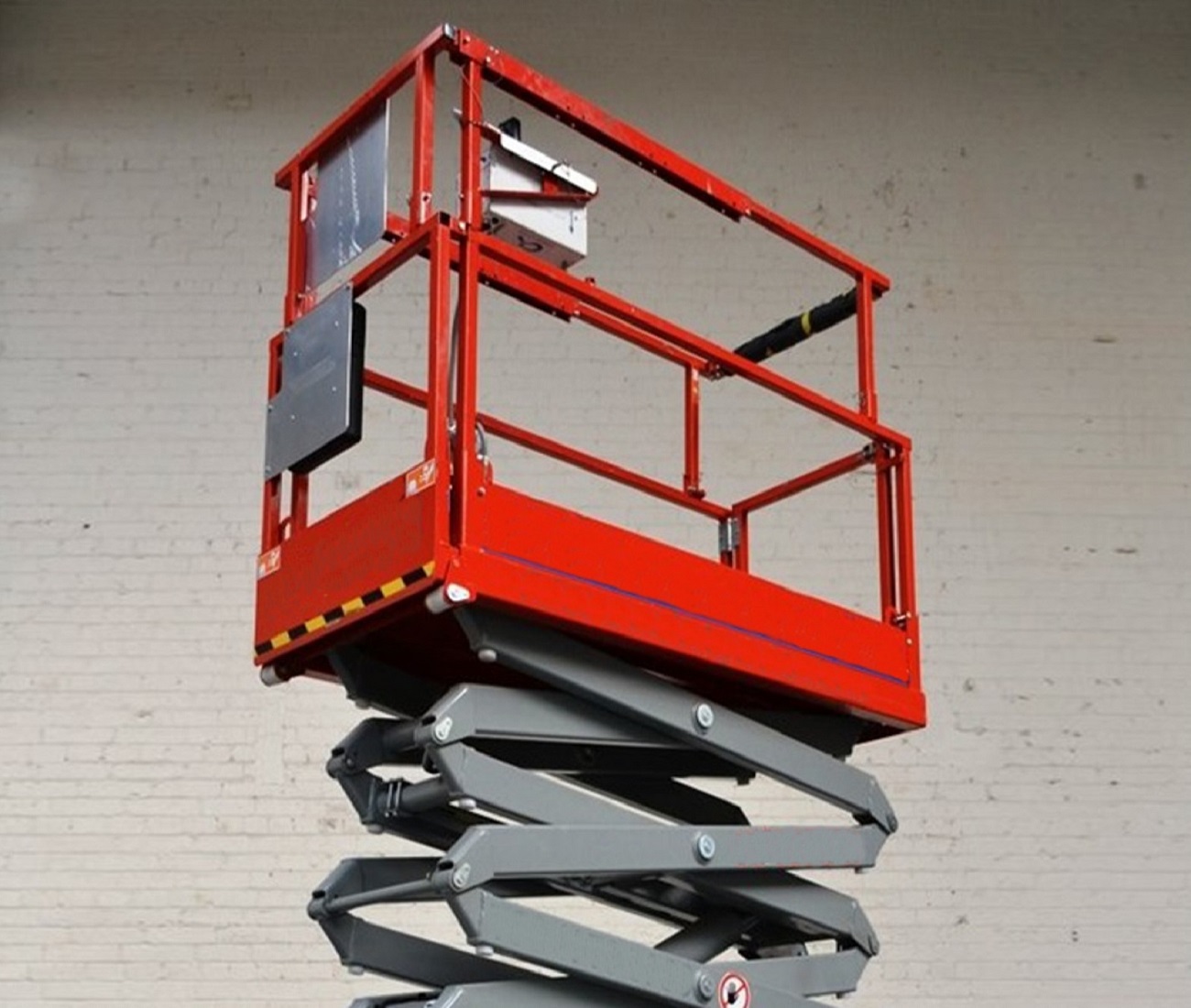
A 27-year-old male employee was fatally injured when he was crushed between the railing of a scissor lift and a mezzanine outer support beam while installing insulation on duct work.

Use this chart as a reference to help you identify common struck-by/caught-between hazards and ways to protect your workers against them and in some cases, eliminate the hazard altogether.
Since it's your first time, you may want to checkout some of the video tutorials.






 800-ICW-SAFETY (800.429.7233)
 SAFETYOnDemand@icwgroup.com