
Industrial Ergonomics Hazards Assessment Checklist
Adapt and use this Hazards Assessment to determine areas of potential and existing ergonomic and materials handling concerns.

Adapt and use this Hazards Assessment to determine areas of potential and existing ergonomic and materials handling concerns.
Adapt and use this survey to better understand the ergonomic issues, including early stages of MSD discomfort and disorders.

To root out ergonomic injuries you must be proactive. The first step is to do a record review and create a “snapshot” of worker injuries, so you can analyze causes and identify trends. Here’s a form you can adapt and use at your workplace to perform an effective records review.
Once you gather ergonomic injury records and analyze the data, you must translate your findings into corrective actions. Fill out a separate version of this form for each type of ergonomically-related injury suffered by your workers. Using this form will enable you to organize your injury data, determine appropriate corrective action, and establish priorities.
Most offices have few hazardous chemicals and no heavy or moving machinery. If the worst that can happen is a paper cut, why do we need to talk about safety training? Because a paper cut isn’t the worst that can happen. Office employees still need to know what to do in case of an emergency, and accidents are surprisingly common. Also, people who sit down and use computers most of the day need to watch out for ergonomic issues.

It takes a split-second of inattention, a slight change in working conditions, a forgetful co-worker, or a lax safety program for you to fall through an opening.
How safety-conscious are you when you are off-the-job? You can do a lot to increase your safety just by paying attention to your attitude and habits. You may be relaxing, but you can still relax safely!
If a chemical splashed onto your skin or into your eye, could you get to a safety shower or eyewash station quickly? The time to consider that question is now, not when you are faced with an emergency. You need to know where this equipment is located, the shortest route to reach it and how to use it effectively.
You must create a safety culture where workers feel comfortable participating. Build trust by engaging employees in all aspects by asking for concerns, opinions and solutions.
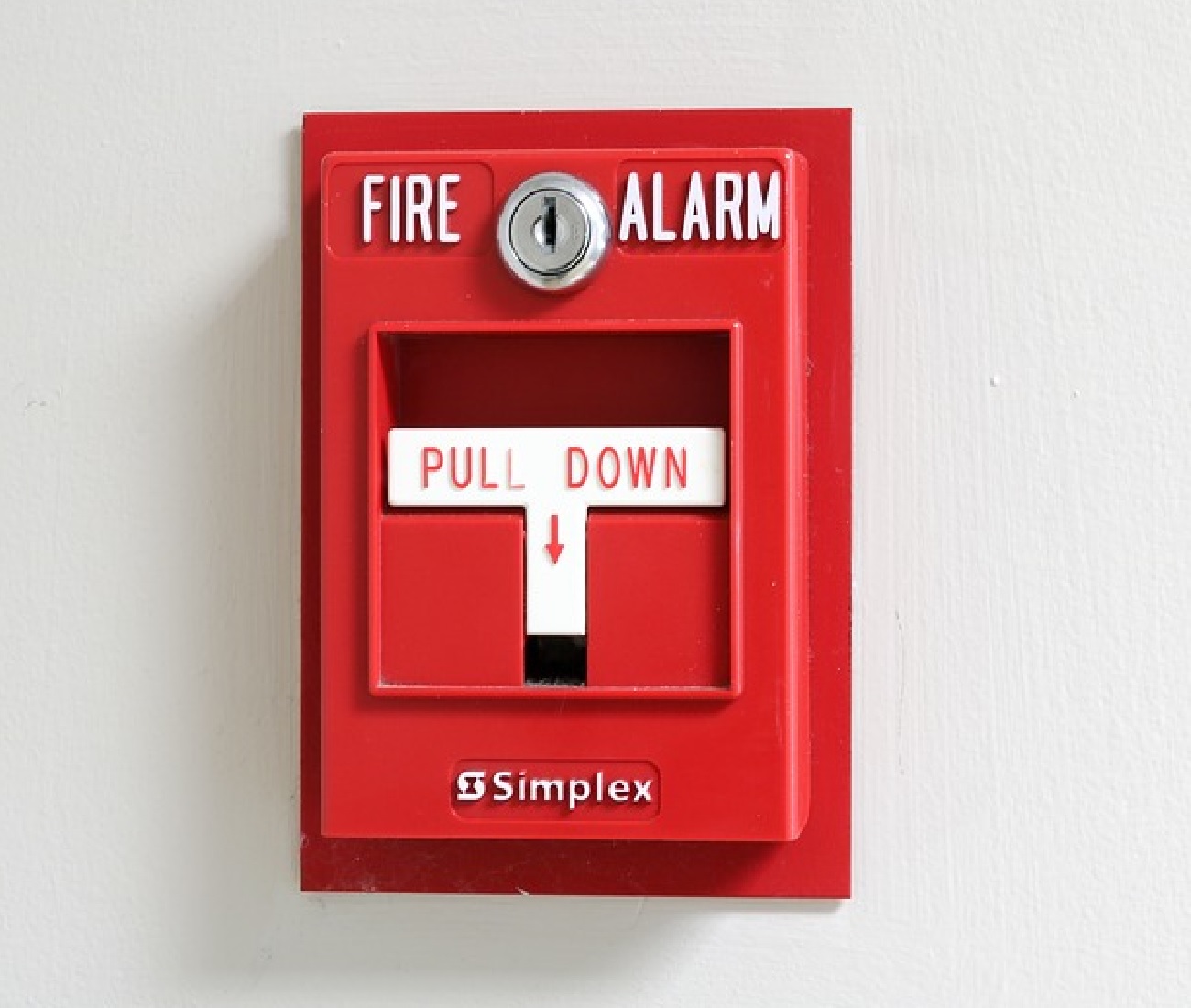
Being prepared for an emergency is part of your employers and your responsibility. For help developing your emergency response planning, Ready.gov offers the following guidance.
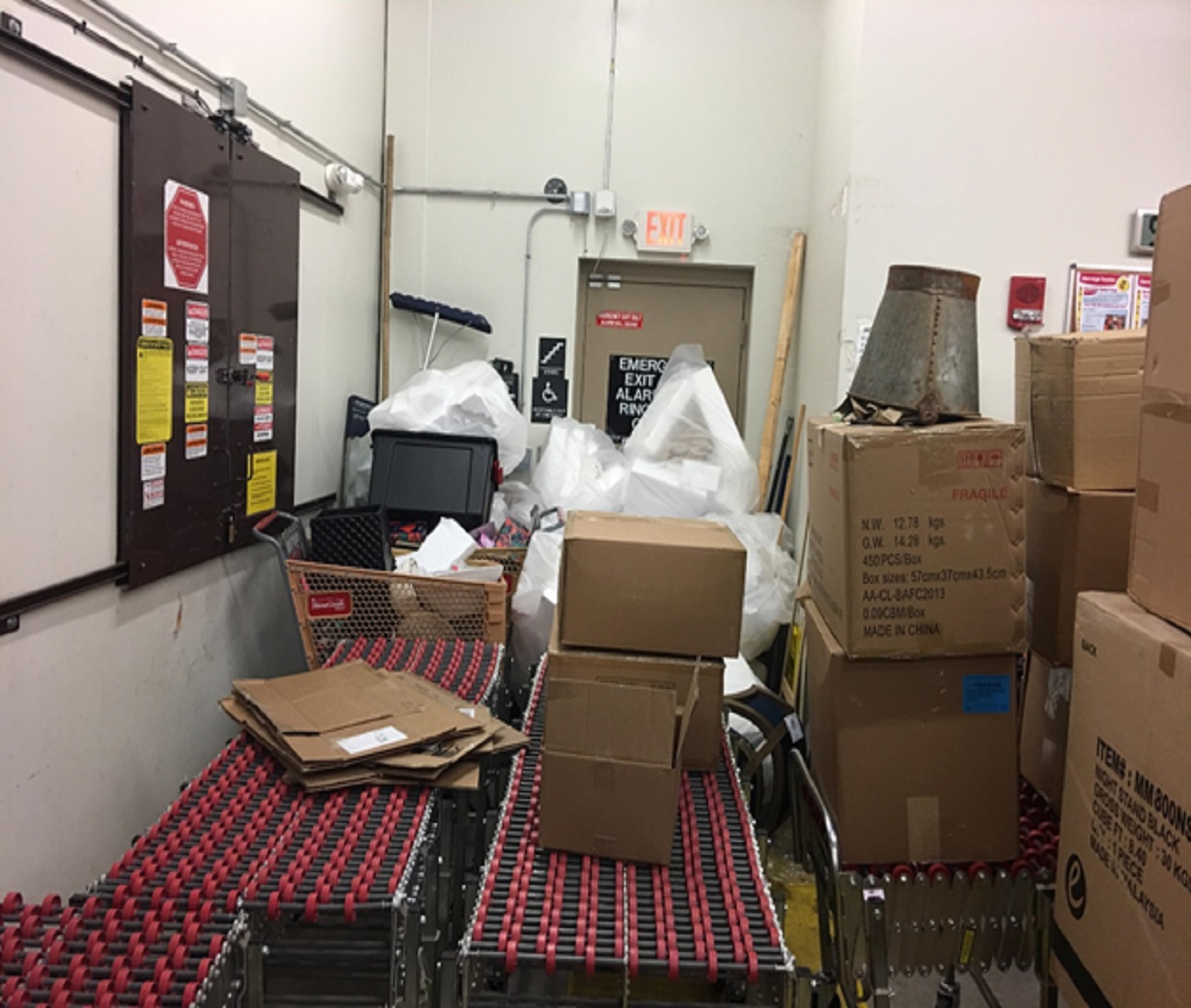
Let’s start with the obvious hazard – a blocked emergency exit. Blocked by conveyors, carts, trash, and cardboard boxes.
Excavations and trenches more than 4-5 ft/1.2-1.5 m deep (depending on your federal, state, and provincial regulations) require a protective system is in place to protect workers from cave-ins. If a protective system isn’t in place – don’t enter the excavation. Look out for your safety and the safety of your co-workers and don’t become another buried body of an excavation cave-in.
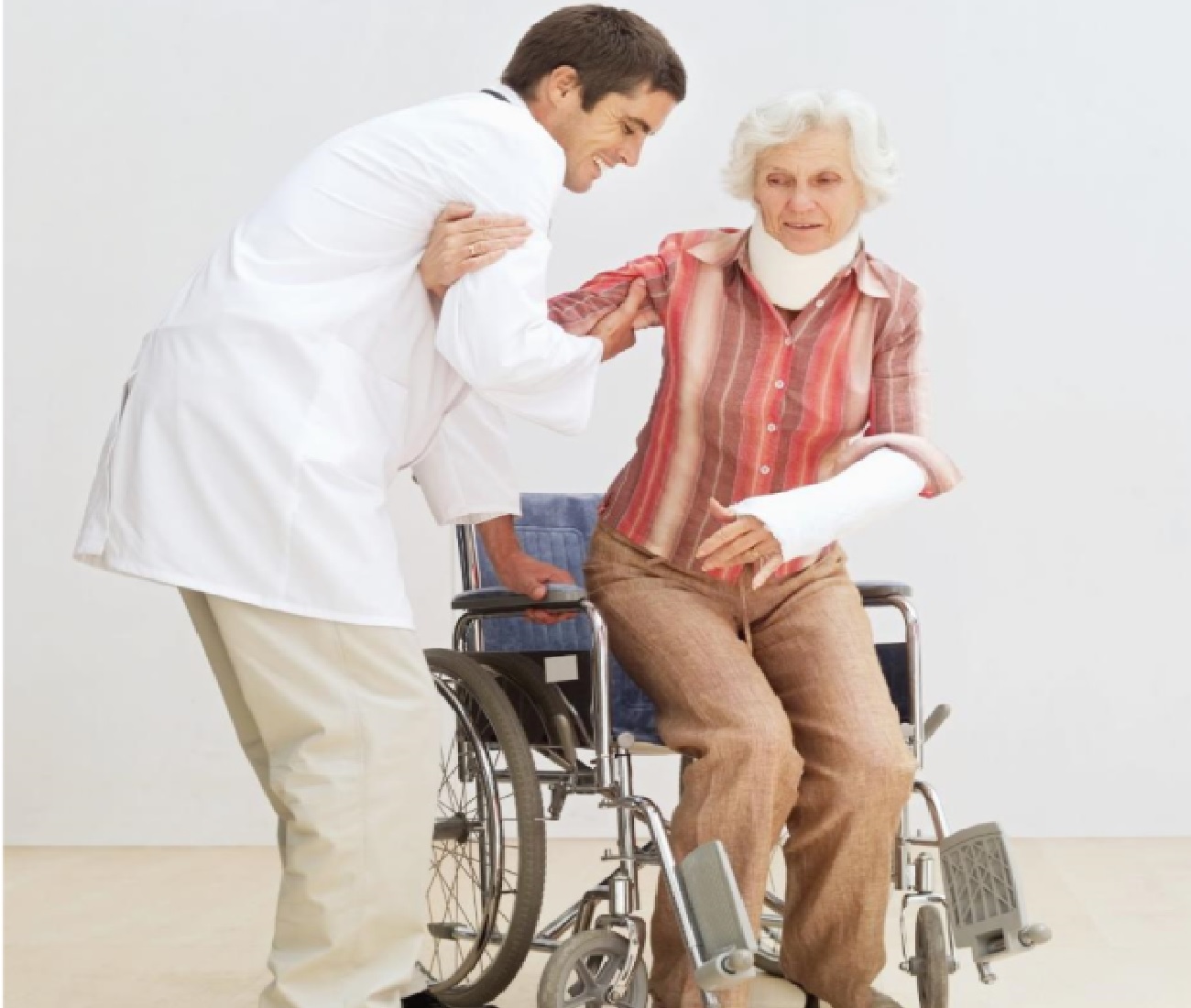
Overexertion injuries among healthcare workers is consistently two to five times greater than the rate of the general workforce. The single greatest cause for these injuries is manual patient handling such as manual lifting, moving and repositioning of hospitalized patients, home-health care patients, and nursing home residents.
Carpal Tunnel Syndrome, or CTS, is nerve damage in your hand that’s caused by repetitive motions, such as using tools or a computer keyboard.

Domestic violence often crosses over into the workplace and many domestic violence victims are in danger of being attacked, harassed, or stalked while at work. Would you know what to do if an employee came to you about violence they are experiencing at home? Does your organization have a plan? An organization’s response to and support of victims can help to keep the workplace safe and secure for everyone.

A study done by the Society for Human Resource Management, found 65% of companies don’t have a formal workplace domestic violence plan in place even though 16% of organizations have had a domestic violence incident in the past five years.

Domestic violence often doesn’t stay confined to the home. Whether directly or indirectly, domestic violence effects the victim, co-workers, and the organization. Learn these warning signs and risk factors for domestic violence in the workplace and share the information with your employees during workplace violence training.

Protecting employees from harm is the foundation of every safety program and piece of safety legislation. Protecting employees from workplace violence must be part of your safety program. Further still, having a plan and program in place to help employees experiencing domestic violence should be, and in many cases must be, part of your safety program.

How would you respond if one of your employees came to work with bruises or other injuries? Does your organization have a policy and process in place for dealing with suspected and confirmed cases of domestic abuse?

There are four generally agreed upon categories of workplace violence. Once you know what the categories of violence are you and your employer can practice ways to protect you, co-workers, and the public from ha

Unexpected emergencies occur every day in many facilities, including laboratories, offices, and residential buildings. It might be a fire, flood, earthquake, shooting, tornado, or hazardous chemical spill. If you don’t know what to do during an emergency the odds increase that you or others around you will be injured or killed.

Multidrug-Resistant Organisms (MDRO) are bacteria and other microorganisms that can lead to an infection developing that does not respond to wide range of antibiotics. If the organism does not die off when treated with antibiotics or antimicrobials, they are said to be ‘resistant’. This means that if a person has an infection caused by one of these bacteria, then they are harder to treat and the antibiotics that do work are expensive and often cause nasty side effects. Each year in the US 23,000 people die from infections caused by MDROs.
Customer Service…Hospitality, the two go hand in hand. Customer service is everyone’s job at the hotel, not just the Front Desk. This program outlines some do’s and dont’s of customer service and teaches your associates to make a good impression, regardless of what department they work in.
The United States Department of Homeland Security defines an Active Shooter as an individual or group of individuals actively engaged in an attempt to shoot or shooting people in a confined or populated area. They normally occur in crowded, public areas so restaurants are a prime target. Although your chances of being a victim of an active shooter incident are minuscule, it is important that you be prepared for such an incident.
This videos covers some of the hazards you might face while operating a dump truck.
Since it's your first time, you may want to checkout some of the video tutorials.











 800-ICW-SAFETY (800.429.7233)
 SAFETYOnDemand@icwgroup.com