

What’s the Most Dangerous Chemical? The Unlabeled One
Thousands of people across North America become victims of unintentional poisoning every year. A major contributor to this problem is when toxic chemicals are stored in unlabeled containers.
Thousands of people across North America become victims of unintentional poisoning every year. A major contributor to this problem is when toxic chemicals are stored in unlabeled containers.
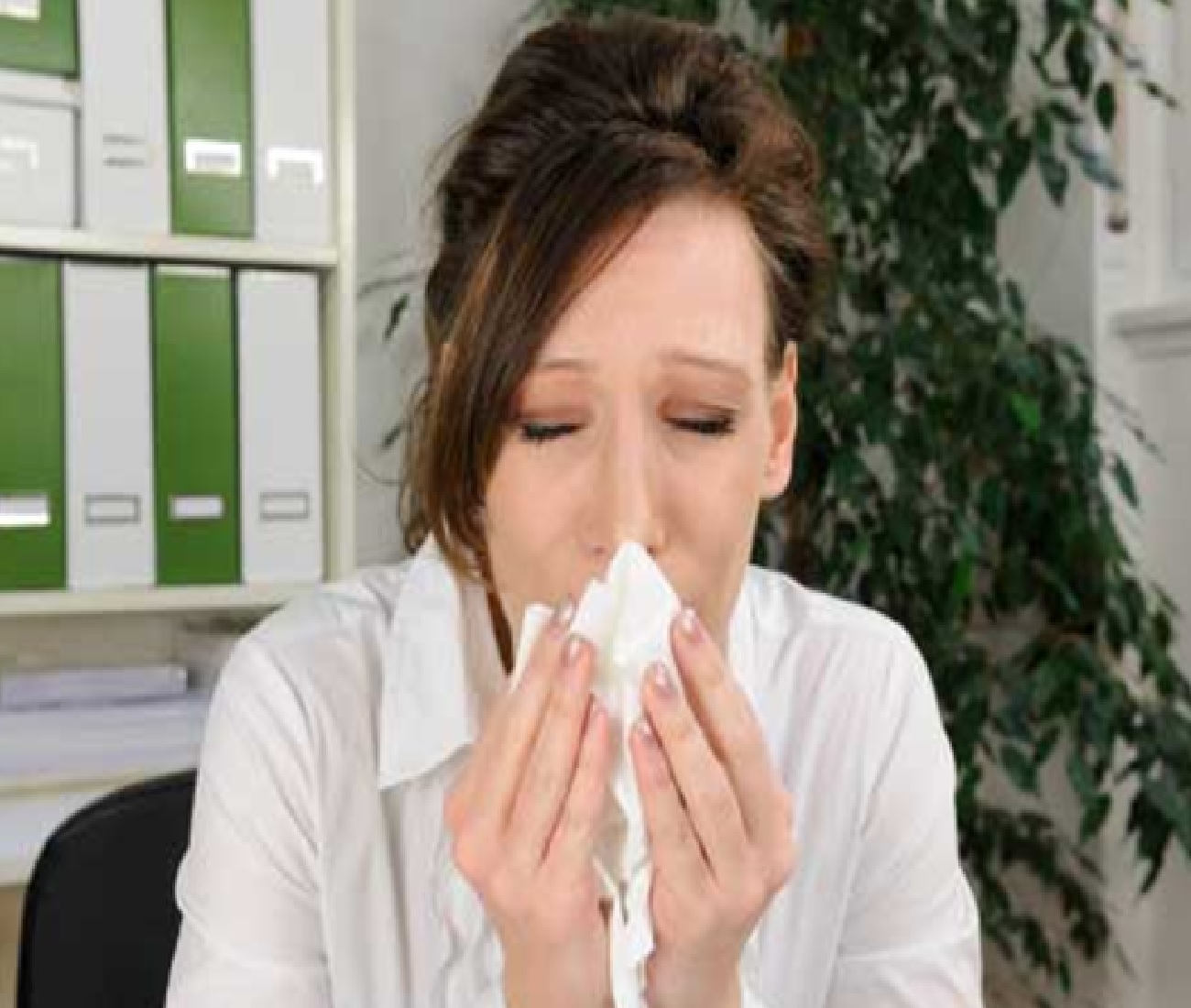
Most of us have seen a sick co-worker trying to make his way through the workday instead of being home resting or in bed. But coming to work with a cold, flu or other illness is a bad idea. It can make all of us less productive.
Carbon monoxide, also known as CO, is a deadly gas. It’s colorless, odorless and tasteless, making it impossible to detect by human senses. When CO is breathed in, it quickly replaces the oxygen in the bloodstream. Various stages of illness can easily lead up to unconsciousness and death.
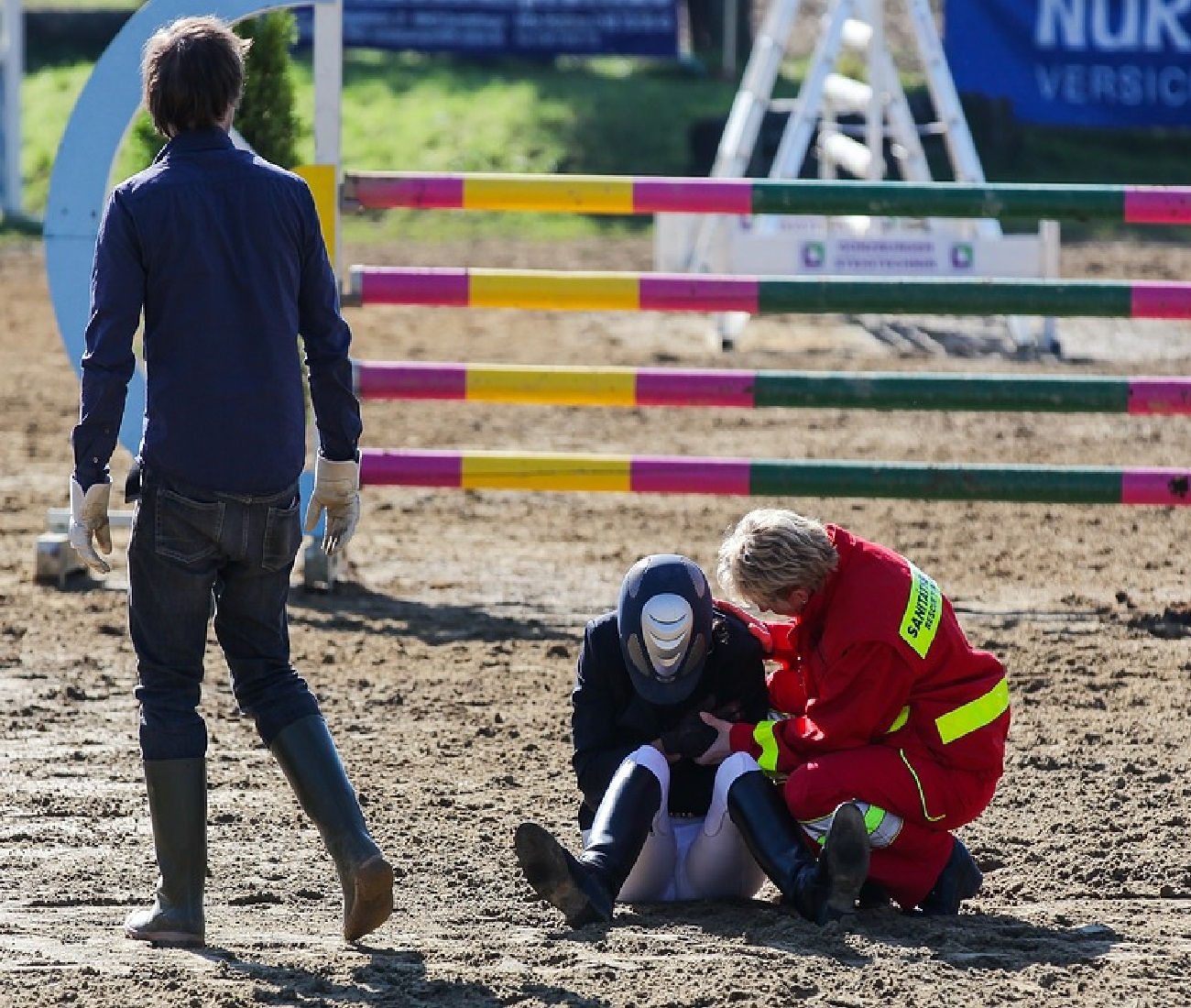
An injured worker needs care now — can you administer it? Proper training, supplies and equipment are essential for providing prompt care to injured workers. If you have ever been faced with an injury, no matter how small, you will probably know the value of first aid.

Laboratories harbor fire and explosion hazards, and radiation hazards. There may be high-powered equipment which could cause cuts, entanglement or electrocution. There also could be biohazardous materials which can cause fatal diseases.
Cuts and contact with substances in trash could expose you to dangerous chemicals and infections.

The space between a loading dock and a truck trailer is one of the most dangerous in any plant. But no matter how fast things move for just-in-time shipping, you should always make time for safety.

We all know about the dangers of using a cell phone while driving. But if you think driving a car while talking on a cell phone is dangerous, imagine the hazards of operating a forklift, working on an assembly line or performing other safety-sensitive jobs while chatting away on a cell phone.
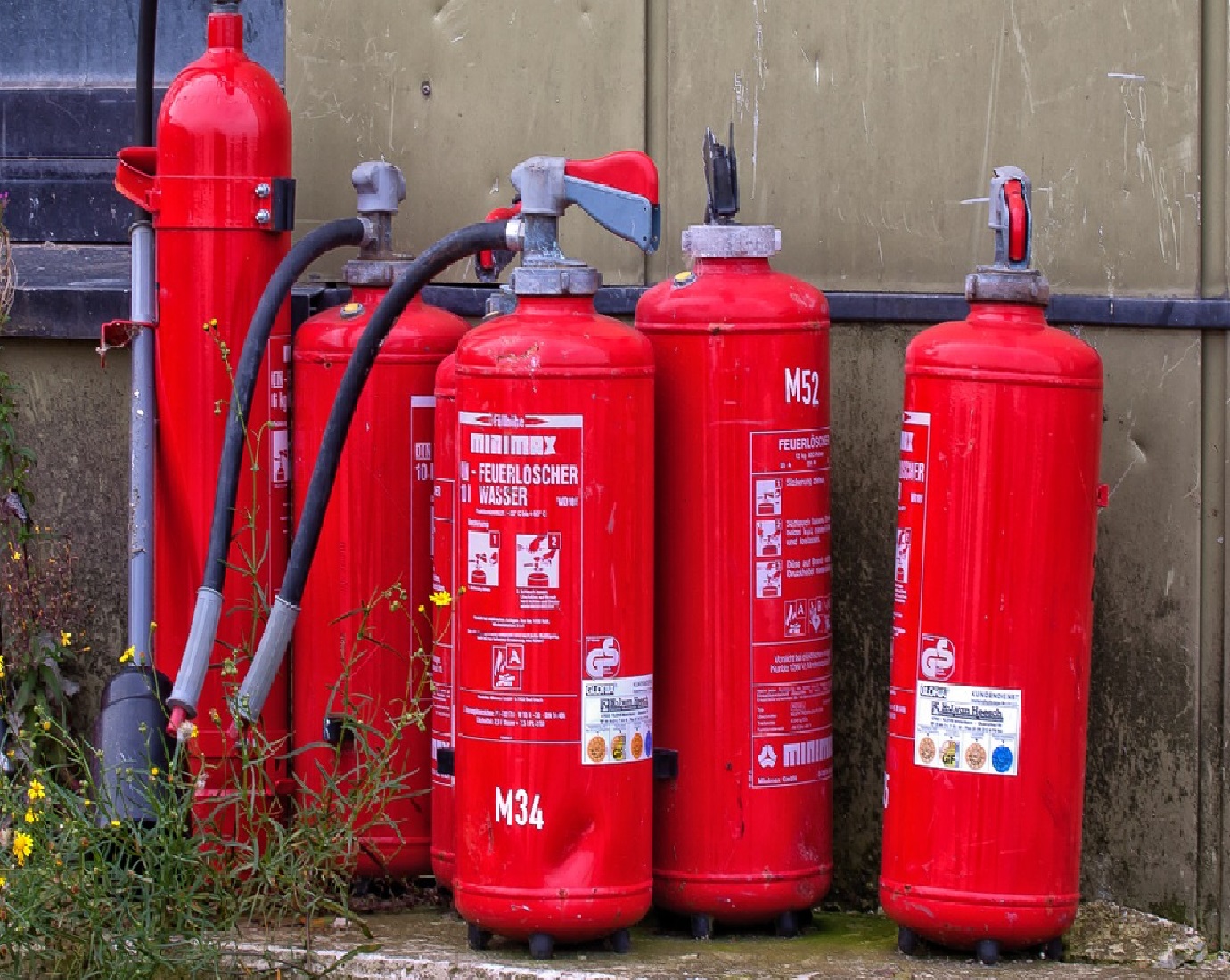
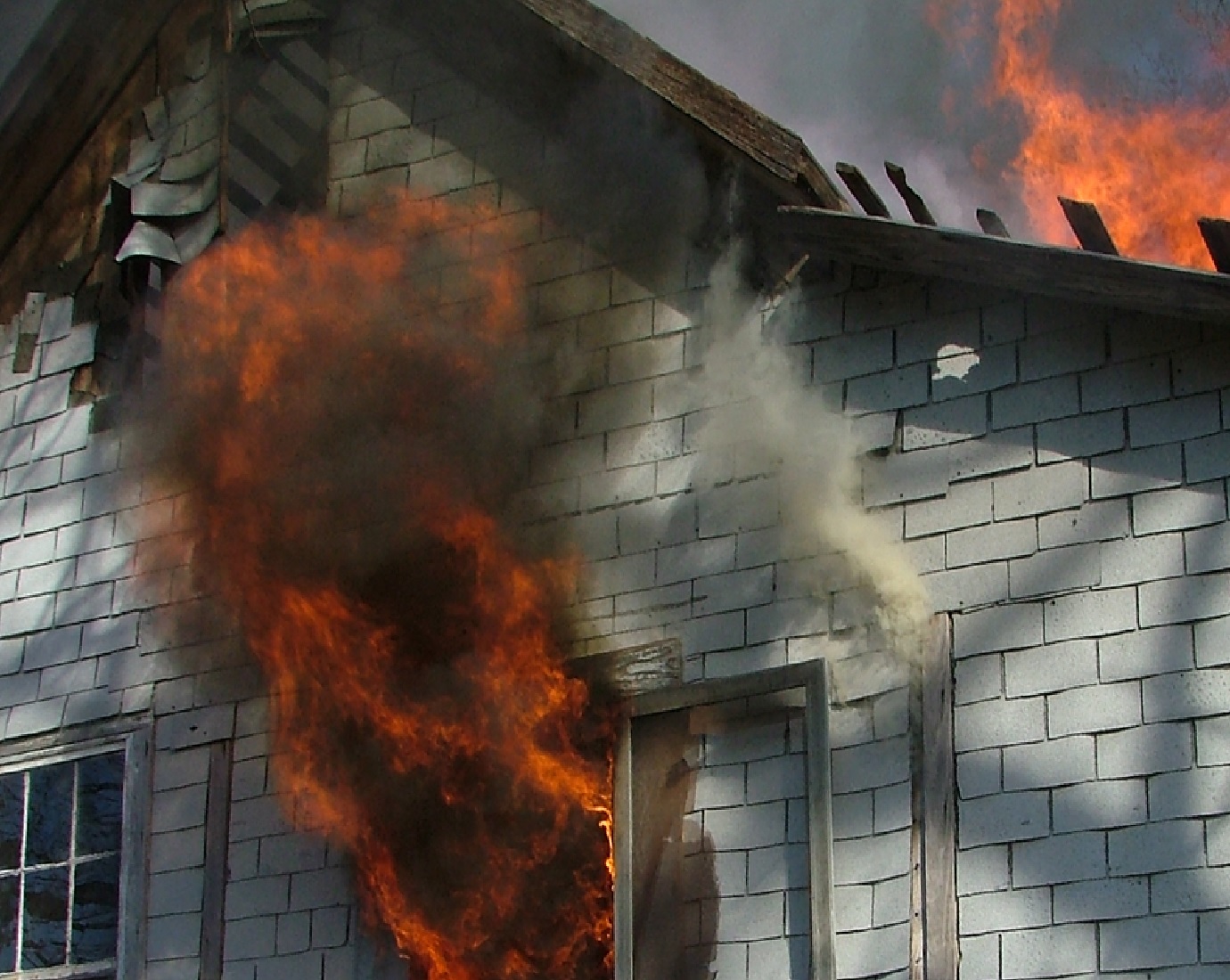
In a heroic attempt to extinguish an apartment fire, two men working in a residential building found extinguishers in a hallway and raced to the unit. Although they had just rescued a tenant from the same unit, they were both overcome by thick smoke and died of cardiac arrest.

A moment of distraction is all it took for Terrence’s foot to catch at the walkway’s edge, causing him to stumble. He recovered his balance but it was a close thing!
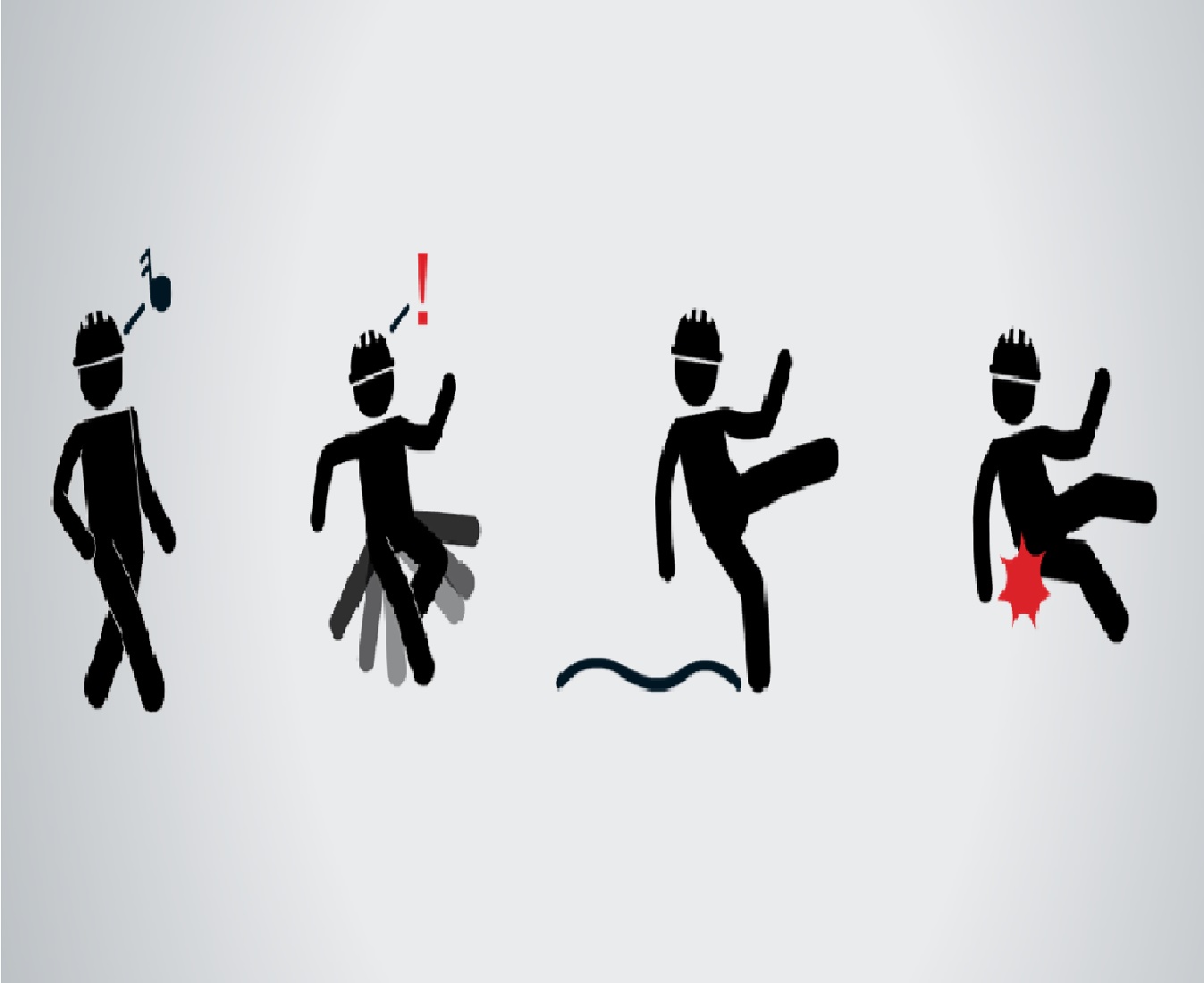
Read this Safety talk and learn how to avoid unsafe conditions which are a leading source of workplace accidents, with over 200,000 reported every year.

Distracted driving is a factor in approximately four million crashes in North America each year. Read this Safety Talk and learn what the Canadian and American Automobile Associations (CAA and AAA) have identified as the most deadly driving distractions.
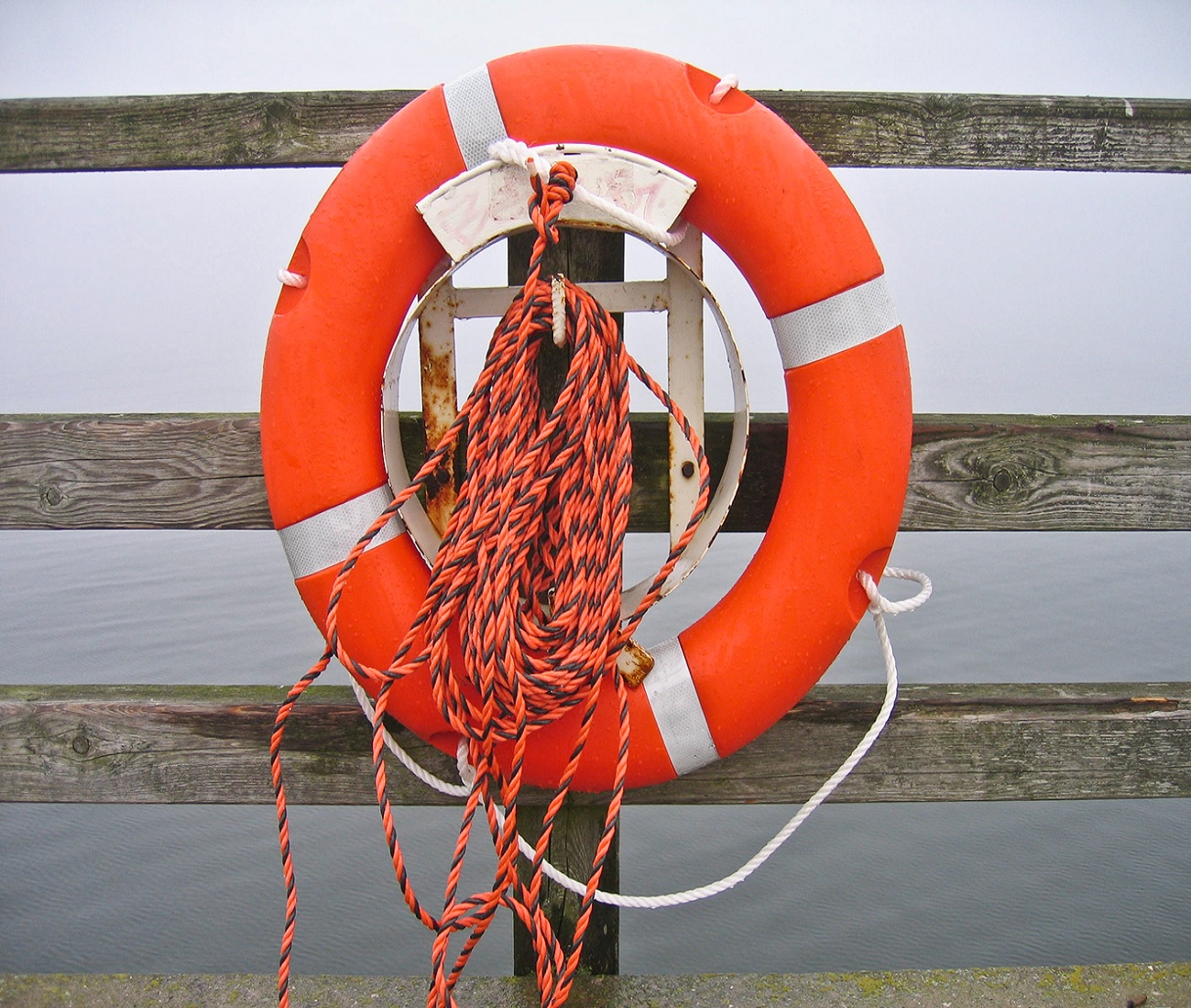
Swimming and boating are staples of summer fun. The fun can quickly turn to tragedy though, when water and boating safety are thrown overboard. On average, 1,000 people die in boating-related accidents every year in North America and thousands more are injured. Additionally, more than 3,500 unintentional drownings, not related to boating, happen each year. The majority of these deaths are preventable.

Depression affects tens of millions of workers across the U.S. and Canada, with a cost to companies of more than $50 billion annually from absenteeism, loss of productivity and medical expenses. By 2020, depression is projected to rank second only to heart disease as the leading cause of disability worldwide. The toll on the workers themselves is often immeasurable.
Fatigue is the state of feeling very tired, weary or sleepy. It results from not getting enough sleep, shiftwork, prolonged mental or physical work, or extended periods of stress or anxiety. Fatigue impacts work performance and safety and can cause health problems. In the most extreme cases, fatigue has been linked to environmental disasters, plane and train crashes, nuclear disasters and the explosion of the Challenger space shuttle.
Housekeeping at work is about much more than cleaning windows and sweeping up dust bunnies. Poor housekeeping can cause injuries, slow down production, dampen morale, start fires and cause catastrophic explosions of combustible dusts.
Having an escape plan and working smoke alarms throughout your home are two ways you can avoid getting burned if a fire were to break out in your home.
Don’t give danger a second chance to get too close for comfort. Report all near misses immediately so they can be investigated and hazards can be corrected.
The flu is a serious contagious disease. Not only does having the flu make you feel miserable, for some people the flu can be fatal. In fact, tens of thousands of people die from the flu in North America, each year.

Welding poses a unique combination of both safety and health risks to more than 500,000 workers in a wide variety of industries.
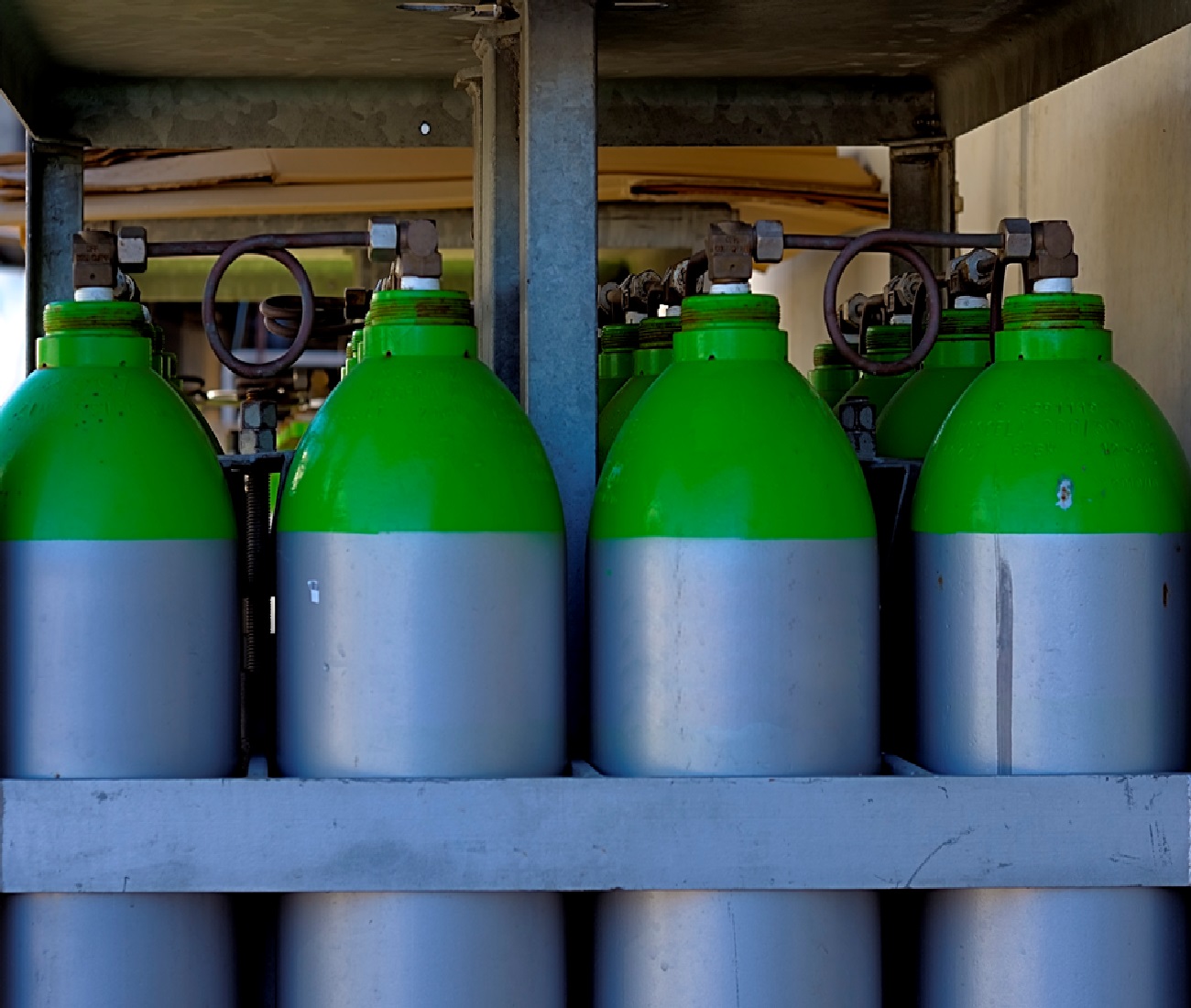
The hazards associated with compressed gas include oxygen displacement, fires, explosions, toxic effects from certain gases, reactivity and projectile concerns.
The laboratory environment can be a hazardous place to work.
Poor housekeeping is one of the leading causes of nonfatal occupational injuries.

The body normally cools itself by sweating. During hot weather, especially with high humidity, sweating isn't enough.

Head injuries are one of the most serious types of injuries that can occur at work.
Since it's your first time, you may want to checkout some of the video tutorials.










 800-ICW-SAFETY (800.429.7233)
 SAFETYOnDemand@icwgroup.com
