Skip to content

Hello, Guest!

  • Certificate Export
  • Home
  • All Topics
  • Resources
    • OSHA Program Wizards
      • Emergency Action Plan
      • Transitional Work Program
      • Personal Protective Equipment
      • Energy Control (LOTO)
      • Hazard Communication (HAZCOM)
      • Confined Space Program
      • Hearing Conservation Program
      • Ergonomics Program
      • More…
    • Program Audits
      • Confined Space
      • Emergency Planning
      • Employee Training
      • Hazard Recognition and Control
      • Hearing Conservation
      • IIPP
      • Lockout Tagout
      • Personal Protective Equipment
      • More…
    • Major Loss Source Assessment Tools
      • Amputation
      • Falls from Elevation – Construction
      • Falls from Elevation – Extension Ladders
      • Falls from Elevation – Orchard Ladder
      • Falls from Elevation – Stepladders
      • Lifting Below the Knees
      • Lifting With Arms Extended
      • More…
    • Supervisor Resources
      • California SB 553 Workplace Violence Prevention
      • New York Workplace Violence Prevention
      • Employer’s Guide HazCom
      • Employer’s Guide Lockout Tagout
      • 2026 OSHA Outreach 10 Hour Virtual Training Course
      • Forklift Train the Trainer
      • Train the Trainer
      • Business Case for Safety
      • Special Reports
      • Newsletters
      • Incident Investigations
    • Training Calendars and Bundles
      • ICW Ladder Elimination Challenge
      • Quarterly Safety Checkup
      • Training Calendars by Industry
      • Essential 29
      • Landscaping Safety
      • Fundamental 55
      • Tree Trimming
      • Towing Bundle
    • Training Engagement and Retention
      • Picture This
      • Stats and Facts
      • Fatality Reports
      • Puzzles and Games
      • Safety Checklists
    • Webinars
      • Work Comp Fraud: The Modern Fraudster
      • Returning to the Workplace During COVID-19
      • Respiratory Protection Must Haves
      • Beat the Heat: Outdoors
      • Beat the Heat: Indoors
      • More…
    • When An Injury Occurs
      • Help Injured Workers
      • Nurse Triage Hotline
      • If You’ve Been Injured
      • Transitional Work Program
      • Incident Investigation Wizard Form
      • Top 10 Tips to Lower Your Ex-Mod
  • Webinars
    • Webinars
      • Work Comp Fraud: Identifying the Modern Fraudster
      • Returning to the Workplace During COVID-19
      • Breathe Easier With These Respiratory Protection Must Haves
      • Beat the Heat: Outdoors
      • Beat the Heat: Indoors
      • Machine Guarding: 7 Questions Everyone Should Ask
      • 5 Tips for Impactful Safety Observations
      • More…
  • Ask The Expert
  • Favorites
Just Culture vs Blame Culture: How We Learn & Improve Meeting Kit – Spanish
Favorite Print Email English

QUÉ ESTÁ EN RIESGO

Cuando algo sale mal en un lugar de trabajo, la forma en que la organización responde importa tanto como el incidente en sí. Una cultura de culpa castiga a los individuos por los errores, lo que enseña a los trabajadores a ocultar los problemas en lugar de reportarlos. Una cultura justa toma un enfoque diferente. Observa el sistema detrás del error, responsabiliza a las personas de manera apropiada sin castigar el error honesto, y crea las condiciones donde reportar es seguro. La diferencia entre estos dos enfoques determina si un lugar de trabajo se vuelve más seguro con el tiempo o simplemente sigue repitiendo los mismos incidentes con diferentes nombres en el reporte.

CUÁL ES EL PELIGRO

Un lugar de trabajo que por defecto culpa no solo deja de mejorar. Crea nuevos riesgos al cerrar la información que necesita para mejorar.

La Culpa Detiene el Reporte

Cuando los trabajadores ven a un colega culpado tras un incidente, el mensaje llega rápido: no dejes que nadie se entere cuando algo salga mal. Los cuasi accidentes se entierran, los pequeños problemas crecen, y para cuando ocurre el siguiente incidente, la organización no tiene registro de lo que se estaba acumulando.

Los Mismos Problemas Se Repiten

La mayoría de los incidentes se remontan a condiciones, no a individuos. Procedimientos poco claros, presión de producción, capacitación inadecuada. Cuando la culpa recae en una persona, esas condiciones nunca se examinan y el mismo escenario se repite. Una vez que los trabajadores dejan de confiar en que reportar es seguro, reconstruir esa confianza toma mucho tiempo.

COMO PROTEGERSE

Ya seas trabajador o supervisor, puedes ayudar a construir una cultura justa entendiendo cómo se ve y aplicándola en tus propias respuestas cuando las cosas salen mal.

Conoce la Diferencia

Una cultura justa distingue entre errores honestos, comportamiento riesgoso y comportamiento imprudente. Un error honesto en un sistema con salvaguardas inadecuadas es un problema del sistema. El comportamiento riesgoso normalizado por la cultura del lugar de trabajo también es un problema del sistema. Solo el desprecio deliberado e imprudente por la seguridad es un problema de conducta personal. La mayoría de los incidentes caen en las primeras dos categorías, no en la tercera.

Reporta sin Miedo

Si presencias o experimentas un incidente o cuasi accidente, repórtalo. No puedes mejorar un sistema manteniendo sus fallas en secreto. Una organización con cultura justa usará tu reporte para mejorar las cosas, no para encontrar a alguien a quien culpar. Si tu lugar de trabajo aún no llega ahí, reportar sigue siendo lo correcto, y en muchas jurisdicciones también es una obligación legal.

Enfócate en Qué Falló, No en Quién lo Hizo

  • Al analizar un incidente, empieza por el sistema: ¿qué condiciones hicieron posible el error?
  • Pregúntate qué falla en el procedimiento, el diseño, la capacitación o la comunicación contribuyó al resultado
  • Busca la solución que evite que se repita, no solo a la persona a quien culpar
  • La responsabilidad personal es parte de la cultura justa, pero no es el punto de partida.

Apoya a los Compañeros de Trabajo que Denuncian

Si un compañero denuncia un conato de accidente o un incidente y se enfrenta a rechazo, presión social o represalias informales, haz algo al respecto. Quedarte de brazos cruzados mientras castigan a un compañero por hacer lo correcto les deja claro a todos los demás miembros del equipo cuál es el precio de denunciar.

Si Eres Supervisor: Responde Constructivamente

Cuando un trabajador te trae un reporte, tu primera respuesta marca el tono para cada reporte futuro. Agradécele por acercarse. Trata la información como valiosa. Enfoca tus preguntas en qué ocurrió y qué condiciones lo hicieron posible, no en asignar culpa. Los trabajadores están observando cómo respondes a la primera persona que reporta. Esa respuesta determinará si una segunda persona alguna vez lo hace.

Defiende la Cultura Justa en Todos los Niveles

Si tienes voz en cómo tu organización responde a los incidentes, úsala. Cuestiona la culpa reflexiva. Pregunta si la investigación examinó las causas sistémicas. Apoya políticas que protejan a quienes reportan de las represalias.

CONCLUSIÓN

La seguridad mejora cuando las personas dicen la verdad sobre lo que sale mal. Eso solo ocurre cuando decir la verdad es seguro.



New Safety Talks

New Safety Talks

Vicky Pickford2026-11-10T23:51:29+00:00
Just Culture vs Blame Culture: How We Learn & Improve Meeting Kit
Vicky Pickford2026-11-10T23:51:29+00:00
Just Culture vs Blame Culture: How We Learn & Improve Meeting Kit – Spanish
Vicky Pickford2026-11-10T23:51:09+00:00
Safety Leadership: Front-Line Supervisors Setting the Tone Meeting Kit
Vicky Pickford2026-11-10T23:51:09+00:00
Safety Leadership: Front-Line Supervisors Setting the Tone Meeting Kit – Spanish
Vicky Pickford2026-11-10T23:50:51+00:00
Drone Inspections: When Observers Become Participants in Hazards Meeting Kit
Vicky Pickford2026-11-10T23:50:51+00:00
Drone Inspections: When Observers Become Participants in Hazards Meeting Kit – Spanish

New eLearning

Vicky Pickford2026-10-08T20:56:51+00:00
Access to Medical and Exposure Records
Vicky Pickford2026-10-08T20:56:50+00:00
Access to Medical and Exposure Records – Spanish
Vicky Pickford2026-10-08T20:56:35+00:00
Defensive Driving – Staying Safe Behind the Wheel
Vicky Pickford2026-10-08T20:56:34+00:00
Defensive Driving – Staying Safe Behind the Wheel – Spanish
Vicky Pickford2026-10-08T20:56:18+00:00
Mold Awareness Refresher
Vicky Pickford2026-10-08T20:56:18+00:00
Mold Awareness Refresher – Spanish

Upcoming Events & Webinars

Damian Tollens2025-01-31T09:55:18+00:00
Feb 11 – Performance and Cultural Alignment
Damian Tollens2025-02-12T19:53:20+00:00
Feb 26 – Avoid Common Overhead Crane and Rigging Mistakes
Rick Tobin2024-10-24T16:57:11+00:00
Nov 13 – Defensive Driving For Changing Seasons
Rick Tobin2024-10-24T17:10:53+00:00
Nov 29 – What to Expect From a Health & Safety Inspection
Rick Tobin2024-10-24T17:13:55+00:00
Dec 5 – Top Safety Issues During the Holiday Season
Rick Tobin2024-10-24T17:13:30+00:00
Dec 19 – Safer in ’25: The 3 Pillars of Safety Culture
Vicky Pickford2026-11-10T23:51:29+00:00

See What's Trending

Emergency Lighting and Exit Sign Requirements – Quick Tips

Emergency Lighting and Exit Sign Requirements – Quick Tips

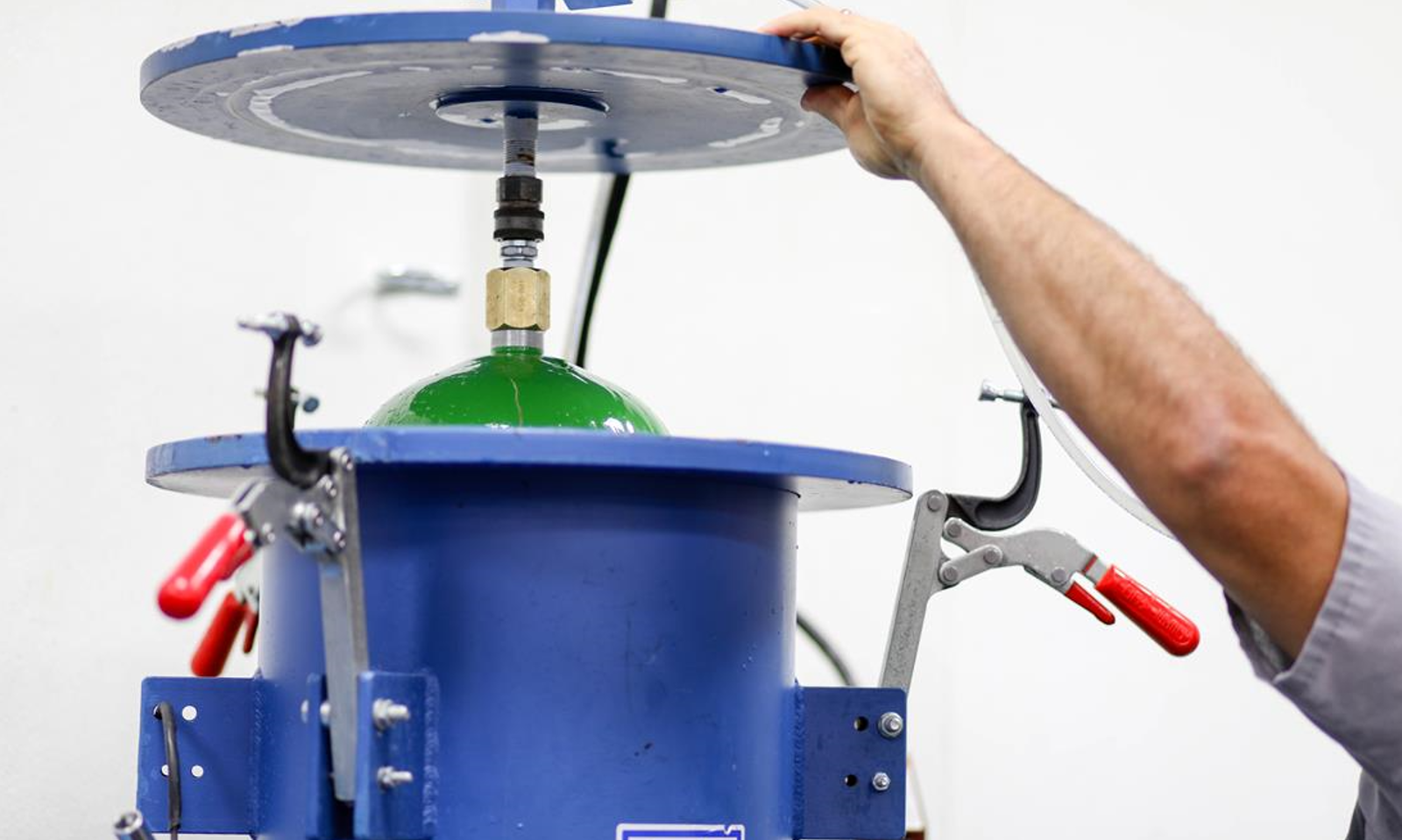
SCBA Cylinder Hydrostatic Testing – Quick Tips

SCBA Cylinder Hydrostatic Testing – Quick Tips

Elevator/Lift Safety Stats and Facts

Elevator/Lift Safety Stats and Facts

2026 OSHA Outreach 10 Hour Virtual Training Course

2026 OSHA Outreach 10 Hour Virtual Training Course

Forklift Train the Trainer Course

Forklift Train the Trainer Course

Forklift Training and Certification Instructions

Forklift Training and Certification Instructions

Contact Us

800-ICW-SAFETY (800.429.7233)SAFETYOnDemand@icwgroup.com

Additional Links

Manage eLearning
View list of learners
Help

Terms of Use | Legal Notice & Privacy Policy
©2023 ICW Group , All Rights Reserved

Page load link


Video Tutorials to Help You Get Started

Since it's your first time, you may want to checkout some of the video tutorials.

eLearning overview

Managing learners

Assigning courses

Reporting & Analytics

When you are ready to go, close this window.
Don't show this again
Go to Top