Skip to content

Hello, Guest!

  • Certificate Export
  • Home
  • All Topics
  • Resources
    • OSHA Program Wizards
      • Emergency Action Plan
      • Transitional Work Program
      • Personal Protective Equipment
      • Energy Control (LOTO)
      • Hazard Communication (HAZCOM)
      • Confined Space Program
      • Hearing Conservation Program
      • Ergonomics Program
      • More…
    • Program Audits
      • Confined Space
      • Emergency Planning
      • Employee Training
      • Hazard Recognition and Control
      • Hearing Conservation
      • IIPP
      • Lockout Tagout
      • Personal Protective Equipment
      • More…
    • Major Loss Source Assessment Tools
      • Amputation
      • Falls from Elevation – Construction
      • Falls from Elevation – Extension Ladders
      • Falls from Elevation – Orchard Ladder
      • Falls from Elevation – Stepladders
      • Lifting Below the Knees
      • Lifting With Arms Extended
      • More…
    • Supervisor Resources
      • California SB 553 Workplace Violence Prevention
      • New York Workplace Violence Prevention
      • Employer’s Guide HazCom
      • Employer’s Guide Lockout Tagout
      • 2026 OSHA Outreach 10 Hour Virtual Training Course
      • Forklift Train the Trainer
      • Train the Trainer
      • Business Case for Safety
      • Special Reports
      • Newsletters
      • Incident Investigations
    • Training Calendars and Bundles
      • ICW Ladder Elimination Challenge
      • Quarterly Safety Checkup
      • Training Calendars by Industry
      • Essential 29
      • Landscaping Safety
      • Fundamental 55
      • Tree Trimming
      • Towing Bundle
    • Training Engagement and Retention
      • Picture This
      • Stats and Facts
      • Fatality Reports
      • Puzzles and Games
      • Safety Checklists
    • Webinars
      • Work Comp Fraud: The Modern Fraudster
      • Returning to the Workplace During COVID-19
      • Respiratory Protection Must Haves
      • Beat the Heat: Outdoors
      • Beat the Heat: Indoors
      • More…
    • When An Injury Occurs
      • Help Injured Workers
      • Nurse Triage Hotline
      • If You’ve Been Injured
      • Transitional Work Program
      • Incident Investigation Wizard Form
      • Top 10 Tips to Lower Your Ex-Mod
  • Webinars
    • Webinars
      • Work Comp Fraud: Identifying the Modern Fraudster
      • Returning to the Workplace During COVID-19
      • Breathe Easier With These Respiratory Protection Must Haves
      • Beat the Heat: Outdoors
      • Beat the Heat: Indoors
      • Machine Guarding: 7 Questions Everyone Should Ask
      • 5 Tips for Impactful Safety Observations
      • More…
  • Ask The Expert
  • Favorites
Electric & Autonomous Vehicles on Site: New Risks, New Rules Meeting Kit
Favorite Print Email Spanish

WHAT’S AT STAKE

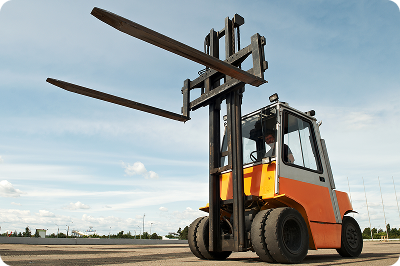
Electric forklifts, autonomous guided vehicles, electric tuggers, and self-driving carts are becoming standard equipment on many sites. They’re quieter, cleaner, and in some ways safer than diesel equipment. But they also come with risks that workers aren’t always prepared for. The quiet operation that makes them easier to work near is the same thing that makes them harder to hear coming. The autonomous systems that make them efficient don’t respond to body language, eye contact, or the social cues that people use to share space.

WHAT’S THE DANGER

No Audible Warning

Traditional diesel and gas-powered equipment announces itself with engine noise. Electric vehicles are nearly silent, especially at low speed. Workers who rely on sound to know when a vehicle is nearby get caught off guard in ways that simply don’t happen with conventional equipment. In noisy work areas, this effect is even more pronounced, because the usual background cues that signal an approaching vehicle are gone.

Autonomous Systems That Don’t React Like People

An autonomous vehicle uses sensors, cameras, and programming to navigate. It does not see body language. It does not make eye contact. It does not slow down because it senses that someone nearby looks uncertain. It responds to what its sensors detect, and sensors have blind spots, edge cases, and failure modes. Never assume an autonomous vehicle has registered your presence just because you can see it clearly.

Charging Area Hazards

Electric vehicles require charging infrastructure that brings its own set of hazards:

  • Charging cables left across walkways create a trip hazard that appears and disappears throughout the shift
  • Damaged charging connectors or cables can cause electrical burns or arc flash
  • Lead-acid batteries vent hydrogen gas during charging, which is a fire and explosion hazard in poorly ventilated areas
  • Charging areas are often in out-of-the-way corners that don’t get the same traffic and inspection as active work zones

Familiar Routes That Change Without Warning

Autonomous vehicles follow programmed routes. When the environment changes because pallets have been repositioned, equipment has been moved, or workers are in unexpected places, the vehicle’s response may not match what you expect. A vehicle that usually passes cleanly through an area may stop, reroute, or behave in an unusual way when the layout is different from what it was mapped for.

HOW TO PROTECT YOURSELF

Never Assume the Vehicle Has Seen You

This is the single most important habit when working around autonomous or electric vehicles. Do not step into a travel lane until you have visually confirmed the vehicle has stopped or is clearly far enough away. Making eye contact with a driver works with a human operator. It does not work with a camera sensor. Look at the vehicle itself. Confirm it has stopped. Then move. This takes two seconds. Get into the habit.

Use Designated Pedestrian Paths, Every Time

If your site has marked pedestrian walkways and vehicle crossings, use them on every single pass, not just when a supervisor is nearby. These routes were planned to create predictable separation between foot traffic and vehicle movement. The autonomous vehicle’s sensors are calibrated for the routes it runs. When you shortcut through a vehicle lane, you are stepping outside the boundary the system was designed to manage, and that is where incidents happen.

Keep Charging Areas Safe and Maintained

If you work near or around charging stations:

  • Never leave tools, pallets, or other materials in the path between a vehicle and its charging point
  • Report frayed, cracked, or damaged charging cables right away and take them out of service
  • Check that ventilation is working in your charging area at the start of every shift if battery off gassing is a factor
  • Do not charge a vehicle that has visible damage to the battery housing or charging port without checking with your supervisor first

Know Where the Emergency Stops Are

Every autonomous vehicle system on site should have clearly marked emergency stop controls. Know where they are before you need them, because an emergency is not the time to go looking.

Report Any Unusual Vehicle Behavior

If an autonomous vehicle stops unexpectedly, takes an unusual route, fails to respond to a person in its path, or behaves in any way outside its normal pattern, stop work and report it before the vehicle goes back into service.

Give Electric Vehicles the Same Respect as Any Heavy Equipment

Quiet does not mean safe. An electric forklift carrying a full load has the same crushing force as a diesel one. The absence of engine noise can make it feel less dangerous when it’s moving slowly. It isn’t.

FINAL WORD

Electric and autonomous vehicles are part of the job now, and they bring real benefits. But the habits that keep you safe around them are different from the habits you built around conventional equipment.



New Safety Talks

New Safety Talks

Vicky Pickford2026-11-10T23:51:29+00:00
Just Culture vs Blame Culture: How We Learn & Improve Meeting Kit
Vicky Pickford2026-11-10T23:51:29+00:00
Just Culture vs Blame Culture: How We Learn & Improve Meeting Kit – Spanish
Vicky Pickford2026-11-10T23:51:09+00:00
Safety Leadership: Front-Line Supervisors Setting the Tone Meeting Kit
Vicky Pickford2026-11-10T23:51:09+00:00
Safety Leadership: Front-Line Supervisors Setting the Tone Meeting Kit – Spanish
Vicky Pickford2026-11-10T23:50:51+00:00
Drone Inspections: When Observers Become Participants in Hazards Meeting Kit
Vicky Pickford2026-11-10T23:50:51+00:00
Drone Inspections: When Observers Become Participants in Hazards Meeting Kit – Spanish

New eLearning

Vicky Pickford2026-10-08T20:56:51+00:00
Access to Medical and Exposure Records
Vicky Pickford2026-10-08T20:56:50+00:00
Access to Medical and Exposure Records – Spanish
Vicky Pickford2026-10-08T20:56:35+00:00
Defensive Driving – Staying Safe Behind the Wheel
Vicky Pickford2026-10-08T20:56:34+00:00
Defensive Driving – Staying Safe Behind the Wheel – Spanish
Vicky Pickford2026-10-08T20:56:18+00:00
Mold Awareness Refresher
Vicky Pickford2026-10-08T20:56:18+00:00
Mold Awareness Refresher – Spanish

Upcoming Events & Webinars

Damian Tollens2025-01-31T09:55:18+00:00
Feb 11 – Performance and Cultural Alignment
Damian Tollens2025-02-12T19:53:20+00:00
Feb 26 – Avoid Common Overhead Crane and Rigging Mistakes
Rick Tobin2024-10-24T16:57:11+00:00
Nov 13 – Defensive Driving For Changing Seasons
Rick Tobin2024-10-24T17:10:53+00:00
Nov 29 – What to Expect From a Health & Safety Inspection
Rick Tobin2024-10-24T17:13:55+00:00
Dec 5 – Top Safety Issues During the Holiday Season
Rick Tobin2024-10-24T17:13:30+00:00
Dec 19 – Safer in ’25: The 3 Pillars of Safety Culture
Vicky Pickford2026-11-10T23:48:38+00:00

See What's Trending

Emergency Lighting and Exit Sign Requirements – Quick Tips

Emergency Lighting and Exit Sign Requirements – Quick Tips

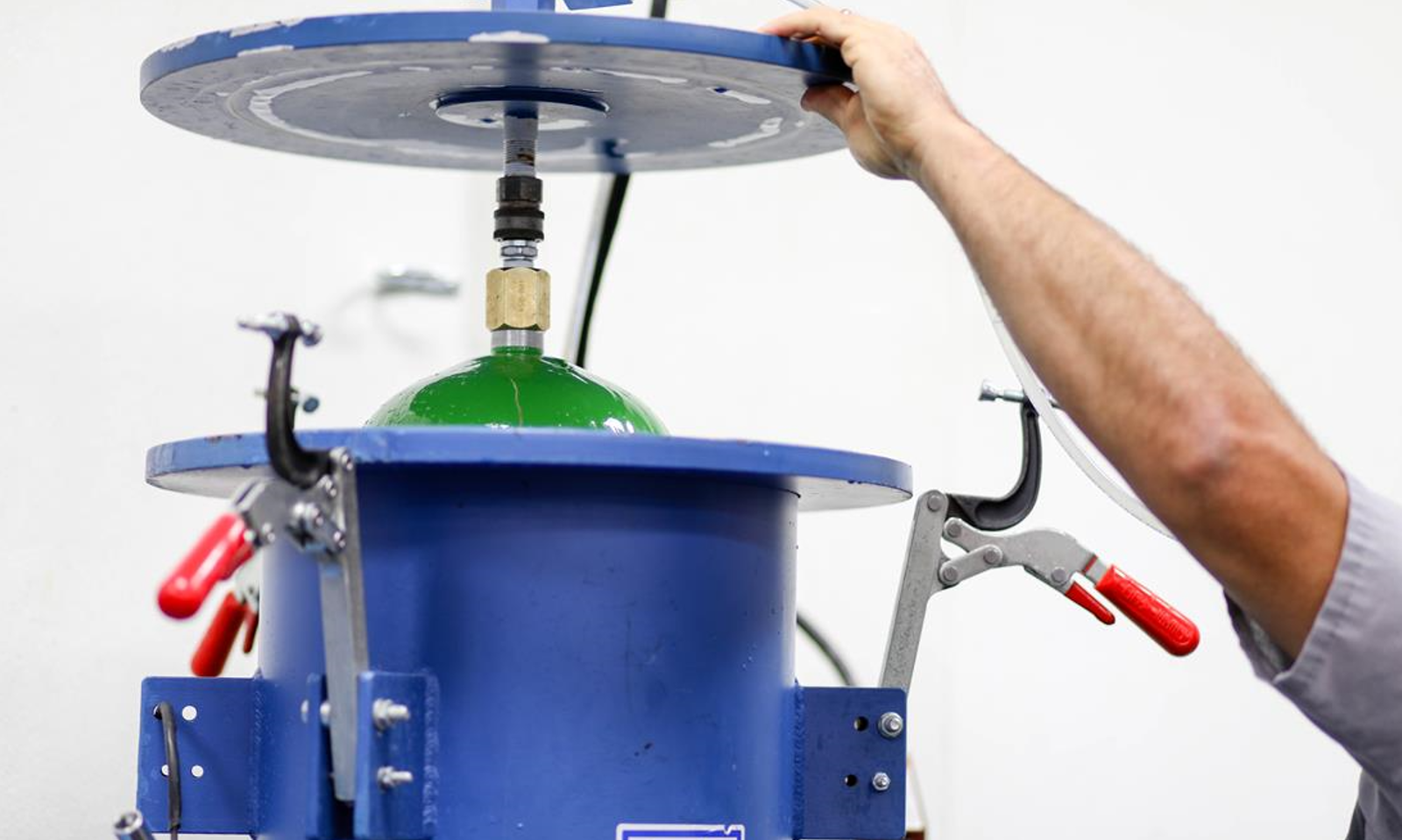
SCBA Cylinder Hydrostatic Testing – Quick Tips

SCBA Cylinder Hydrostatic Testing – Quick Tips

Elevator/Lift Safety Stats and Facts

Elevator/Lift Safety Stats and Facts

2026 OSHA Outreach 10 Hour Virtual Training Course

2026 OSHA Outreach 10 Hour Virtual Training Course

Forklift Train the Trainer Course

Forklift Train the Trainer Course

Forklift Training and Certification Instructions

Forklift Training and Certification Instructions

Contact Us

800-ICW-SAFETY (800.429.7233)SAFETYOnDemand@icwgroup.com

Additional Links

Manage eLearning
View list of learners
Help

Terms of Use | Legal Notice & Privacy Policy
©2023 ICW Group , All Rights Reserved

Page load link


Video Tutorials to Help You Get Started

Since it's your first time, you may want to checkout some of the video tutorials.

eLearning overview

Managing learners

Assigning courses

Reporting & Analytics

When you are ready to go, close this window.
Don't show this again
Go to Top