Skip to content

Hello, Guest!

  • Certificate Export
  • Home
  • All Topics
  • Resources
    • OSHA Program Wizards
      • Emergency Action Plan
      • Transitional Work Program
      • Personal Protective Equipment
      • Energy Control (LOTO)
      • Hazard Communication (HAZCOM)
      • Confined Space Program
      • Hearing Conservation Program
      • Ergonomics Program
      • More…
    • Program Audits
      • Confined Space
      • Emergency Planning
      • Employee Training
      • Hazard Recognition and Control
      • Hearing Conservation
      • IIPP
      • Lockout Tagout
      • Personal Protective Equipment
      • More…
    • Major Loss Source Assessment Tools
      • Amputation
      • Falls from Elevation – Construction
      • Falls from Elevation – Extension Ladders
      • Falls from Elevation – Orchard Ladder
      • Falls from Elevation – Stepladders
      • Lifting Below the Knees
      • Lifting With Arms Extended
      • More…
    • Supervisor Resources
      • California SB 553 Workplace Violence Prevention
      • New York Workplace Violence Prevention
      • Employer’s Guide HazCom
      • Employer’s Guide Lockout Tagout
      • 2026 OSHA Outreach 10 Hour Virtual Training Course
      • Forklift Train the Trainer
      • Train the Trainer
      • Business Case for Safety
      • Special Reports
      • Newsletters
      • Incident Investigations
    • Training Calendars and Bundles
      • ICW Ladder Elimination Challenge
      • Quarterly Safety Checkup
      • Training Calendars by Industry
      • Essential 29
      • Landscaping Safety
      • Fundamental 55
      • Tree Trimming
      • Towing Bundle
    • Training Engagement and Retention
      • Picture This
      • Stats and Facts
      • Fatality Reports
      • Puzzles and Games
      • Safety Checklists
    • Webinars
      • Work Comp Fraud: The Modern Fraudster
      • Returning to the Workplace During COVID-19
      • Respiratory Protection Must Haves
      • Beat the Heat: Outdoors
      • Beat the Heat: Indoors
      • More…
    • When An Injury Occurs
      • Help Injured Workers
      • Nurse Triage Hotline
      • If You’ve Been Injured
      • Transitional Work Program
      • Incident Investigation Wizard Form
      • Top 10 Tips to Lower Your Ex-Mod
  • Webinars
    • Webinars
      • Work Comp Fraud: Identifying the Modern Fraudster
      • Returning to the Workplace During COVID-19
      • Breathe Easier With These Respiratory Protection Must Haves
      • Beat the Heat: Outdoors
      • Beat the Heat: Indoors
      • Machine Guarding: 7 Questions Everyone Should Ask
      • 5 Tips for Impactful Safety Observations
      • More…
  • Ask The Expert
  • Favorites
Digital Risk: Remote-Monitoring, IoT Sensors and Data Integrity Meeting Kit
Favorite Print Email Spanish

WHAT’S AT STAKE

Modern worksites rely on sensors, connected devices, and remote monitoring systems to track everything from equipment temperatures to air quality to worker locations. These tools are powerful and they save lives when they work correctly. But when a sensor fails, sends bad data, or gets ignored, workers make decisions based on information that is simply wrong. A gas detector that reads safe in a space that is not safe is more dangerous than no detector at all, because it creates false confidence. Understanding the limits of these systems is just as important as knowing how to use them.

WHAT’S THE DANGER

Internet of Things (IoT) devices and remote monitoring systems introduce a layer of risk that is easy to overlook, because the danger is often invisible. The hazard is not always in the work itself. It is in trusting data that may be wrong.

Sensor Failure or Drift

Sensors degrade over time. A gas sensor that was accurate six months ago may now be reading low, telling you a space is safe when it is not. Without regular calibration and testing, you would never know the difference.

Network or Connection Drops

Remote monitoring only works when the connection holds. A dropped signal can mean no data at all, or worse, the last-known reading sitting there looking current when it is hours old.

Alert Fatigue

When alarms go off constantly for minor reasons, workers start tuning them out. That habit is dangerous when a real emergency triggers the same alarm that nobody has been taking seriously.

Cyber Interference

Connected systems can be compromised. A hacked or manipulated sensor feed could display false readings, mask real hazards, or disable alerts at the worst possible moment.

Over-Reliance on Automation

Trusting a system too completely removes human judgment from the equation. Automated monitoring is a tool, not a replacement for your own eyes, nose, and experience.

 HOW TO PROTECT YOURSELF

Technology is on your side, but only when you know its limits. Here is how to stay safe on a worksite that relies on connected monitoring systems.

Never Skip Physical Verification

If a remote sensor says conditions are safe but something looks, sounds, or smells off, trust your senses. Always confirm with a physical check or a portable handheld monitor before entering a potentially hazardous space. Remote readings are a starting point, not the final word. Your senses are still the most reliable tool you have.

Check Sensor Calibration Dates

Get in the habit of knowing when the sensors in your area were last calibrated and tested. If a sensor is overdue, flag it to your supervisor before you rely on its readings. Do not assume a sensor is accurate just because no one has complained about it recently.

Know the Backup Procedure When Systems Go Down

  • If a monitoring system loses connection or goes offline, that is not a signal to carry on as normal.
  • Know your site’s procedure for working without automated monitoring, which usually means more frequent manual checks or a temporary work stoppage.
  • Ask your supervisor before you are in a situation where you need to know.

Take Every Alarm Seriously

Even if the last ten alarms turned out to be false positives, treat every alarm as real until you know otherwise. Alert fatigue is a known hazard contributor. Train yourself to respond first and assess second, not the other way around.

Report Unusual Readings Right Away

If a sensor is giving readings that seem off, report it immediately. A reading that jumps around, flatlines, or seems suspiciously stable over a long period may indicate a failing sensor. Do not wait until the next scheduled maintenance cycle to say something.

When Systems Fail: Pause and Verify

  • If a remote monitoring system goes offline or shows a sudden unexpected reading, stop work in the affected area.
  • Do not assume everything is fine because no alarm went off.
  • Do a manual check, notify your supervisor, and wait for confirmation before continuing work.

Note

IoT devices are tools, not guarantees. Your judgment and training are the last line of defense when the technology does not perform as expected.

FINAL WORD

Connected technology makes worksites smarter, but only when workers stay sharp. A sensor can fail. A connection can drop. Your training and instincts cannot. Use the tech, trust your gut, and never let a blinking green light replace your own judgment.



New Safety Talks

New Safety Talks

Vicky Pickford2026-11-10T23:51:29+00:00
Just Culture vs Blame Culture: How We Learn & Improve Meeting Kit
Vicky Pickford2026-11-10T23:51:29+00:00
Just Culture vs Blame Culture: How We Learn & Improve Meeting Kit – Spanish
Vicky Pickford2026-11-10T23:51:09+00:00
Safety Leadership: Front-Line Supervisors Setting the Tone Meeting Kit
Vicky Pickford2026-11-10T23:51:09+00:00
Safety Leadership: Front-Line Supervisors Setting the Tone Meeting Kit – Spanish
Vicky Pickford2026-11-10T23:50:51+00:00
Drone Inspections: When Observers Become Participants in Hazards Meeting Kit
Vicky Pickford2026-11-10T23:50:51+00:00
Drone Inspections: When Observers Become Participants in Hazards Meeting Kit – Spanish

New eLearning

Vicky Pickford2026-10-08T20:56:51+00:00
Access to Medical and Exposure Records
Vicky Pickford2026-10-08T20:56:50+00:00
Access to Medical and Exposure Records – Spanish
Vicky Pickford2026-10-08T20:56:35+00:00
Defensive Driving – Staying Safe Behind the Wheel
Vicky Pickford2026-10-08T20:56:34+00:00
Defensive Driving – Staying Safe Behind the Wheel – Spanish
Vicky Pickford2026-10-08T20:56:18+00:00
Mold Awareness Refresher
Vicky Pickford2026-10-08T20:56:18+00:00
Mold Awareness Refresher – Spanish

Upcoming Events & Webinars

Damian Tollens2025-01-31T09:55:18+00:00
Feb 11 – Performance and Cultural Alignment
Damian Tollens2025-02-12T19:53:20+00:00
Feb 26 – Avoid Common Overhead Crane and Rigging Mistakes
Rick Tobin2024-10-24T16:57:11+00:00
Nov 13 – Defensive Driving For Changing Seasons
Rick Tobin2024-10-24T17:10:53+00:00
Nov 29 – What to Expect From a Health & Safety Inspection
Rick Tobin2024-10-24T17:13:55+00:00
Dec 5 – Top Safety Issues During the Holiday Season
Rick Tobin2024-10-24T17:13:30+00:00
Dec 19 – Safer in ’25: The 3 Pillars of Safety Culture
Vicky Pickford2026-11-10T23:48:59+00:00

See What's Trending

Emergency Lighting and Exit Sign Requirements – Quick Tips

Emergency Lighting and Exit Sign Requirements – Quick Tips

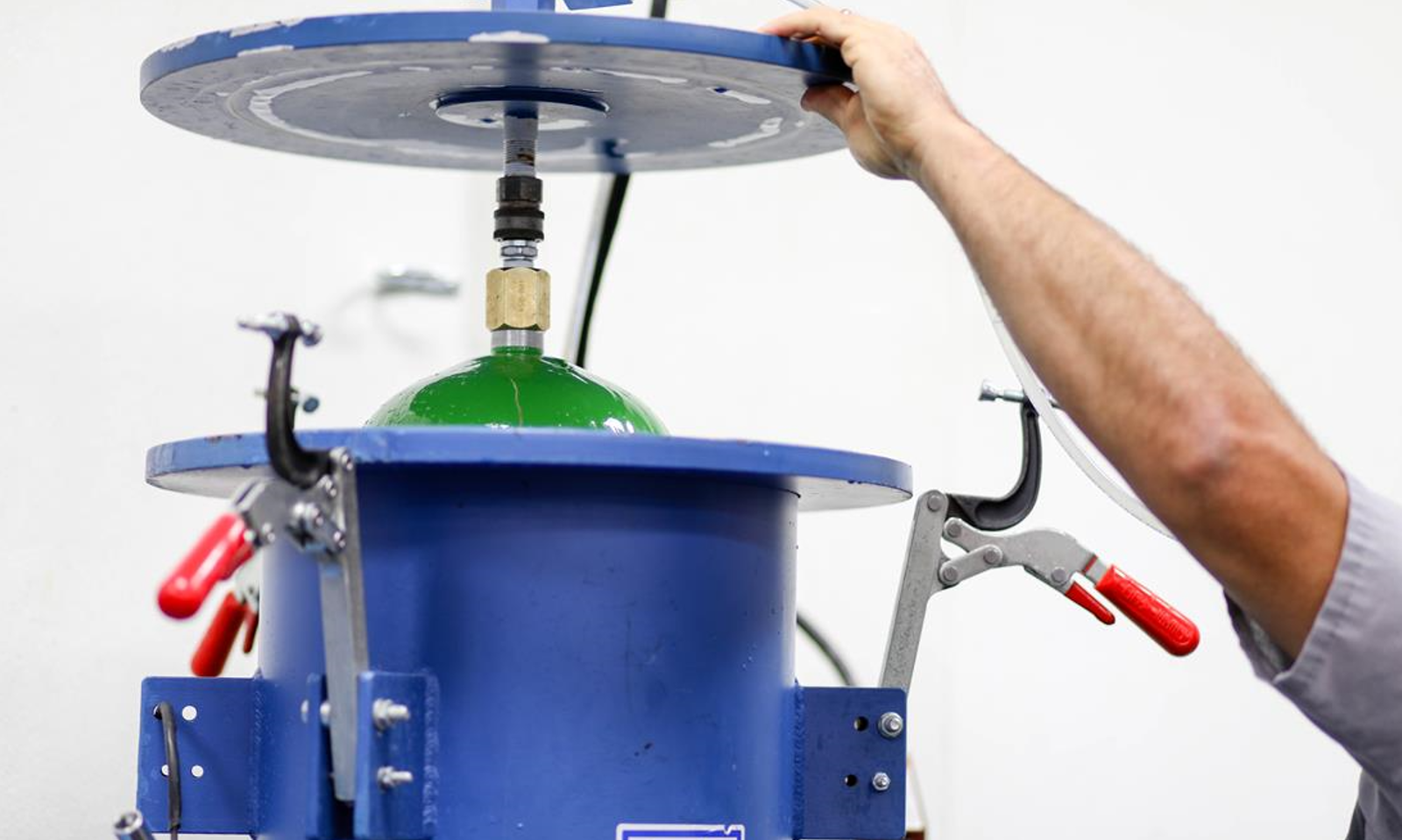
SCBA Cylinder Hydrostatic Testing – Quick Tips

SCBA Cylinder Hydrostatic Testing – Quick Tips

Elevator/Lift Safety Stats and Facts

Elevator/Lift Safety Stats and Facts

2026 OSHA Outreach 10 Hour Virtual Training Course

2026 OSHA Outreach 10 Hour Virtual Training Course

Forklift Train the Trainer Course

Forklift Train the Trainer Course

Forklift Training and Certification Instructions

Forklift Training and Certification Instructions

Contact Us

800-ICW-SAFETY (800.429.7233)SAFETYOnDemand@icwgroup.com

Additional Links

Manage eLearning
View list of learners
Help

Terms of Use | Legal Notice & Privacy Policy
©2023 ICW Group , All Rights Reserved

Page load link


Video Tutorials to Help You Get Started

Since it's your first time, you may want to checkout some of the video tutorials.

eLearning overview

Managing learners

Assigning courses

Reporting & Analytics

When you are ready to go, close this window.
Don't show this again
Go to Top