Skip to content

Hello, Guest!

  • Certificate Export
  • Home
  • All Topics
  • Resources
    • OSHA Program Wizards
      • Emergency Action Plan
      • Transitional Work Program
      • Personal Protective Equipment
      • Energy Control (LOTO)
      • Hazard Communication (HAZCOM)
      • Confined Space Program
      • Hearing Conservation Program
      • Ergonomics Program
      • More…
    • Program Audits
      • Confined Space
      • Emergency Planning
      • Employee Training
      • Hazard Recognition and Control
      • Hearing Conservation
      • IIPP
      • Lockout Tagout
      • Personal Protective Equipment
      • More…
    • Major Loss Source Assessment Tools
      • Amputation
      • Falls from Elevation – Construction
      • Falls from Elevation – Extension Ladders
      • Falls from Elevation – Orchard Ladder
      • Falls from Elevation – Stepladders
      • Lifting Below the Knees
      • Lifting With Arms Extended
      • More…
    • Supervisor Resources
      • California SB 553 Workplace Violence Prevention
      • New York Workplace Violence Prevention
      • Employer’s Guide HazCom
      • Employer’s Guide Lockout Tagout
      • 2026 OSHA Outreach 10 Hour Virtual Training Course
      • Forklift Train the Trainer
      • Train the Trainer
      • Business Case for Safety
      • Special Reports
      • Newsletters
      • Incident Investigations
    • Training Calendars and Bundles
      • ICW Ladder Elimination Challenge
      • Quarterly Safety Checkup
      • Training Calendars by Industry
      • Essential 29
      • Landscaping Safety
      • Fundamental 55
      • Tree Trimming
      • Towing Bundle
    • Training Engagement and Retention
      • Picture This
      • Stats and Facts
      • Fatality Reports
      • Puzzles and Games
      • Safety Checklists
    • Webinars
      • Work Comp Fraud: The Modern Fraudster
      • Returning to the Workplace During COVID-19
      • Respiratory Protection Must Haves
      • Beat the Heat: Outdoors
      • Beat the Heat: Indoors
      • More…
    • When An Injury Occurs
      • Help Injured Workers
      • Nurse Triage Hotline
      • If You’ve Been Injured
      • Transitional Work Program
      • Incident Investigation Wizard Form
      • Top 10 Tips to Lower Your Ex-Mod
  • Webinars
    • Webinars
      • Work Comp Fraud: Identifying the Modern Fraudster
      • Returning to the Workplace During COVID-19
      • Breathe Easier With These Respiratory Protection Must Haves
      • Beat the Heat: Outdoors
      • Beat the Heat: Indoors
      • Machine Guarding: 7 Questions Everyone Should Ask
      • 5 Tips for Impactful Safety Observations
      • More…
  • Ask The Expert
  • Favorites
Circular Economy Hazards: Re-use, Re-purposed Materials and Unknowns Meeting Kit
Favorite Print Email Spanish

WHAT’S AT STAKE

Recycling and re-purposing materials is good for the planet, but it creates real challenges on the job. When materials come back into the supply chain, they may carry histories nobody tracked. A container that held chemicals, a pallet treated with pesticides, a structural beam that was overloaded before. You may have no way of knowing just by looking. That puts the risk squarely on the worker who handles it first. If you don’t ask questions and check before you use, you could be exposing yourself and your crew to hazards that were never on any label.

WHAT’S THE DANGER

Re-purposed materials can look perfectly fine on the surface while hiding real dangers underneath. The problems are not always visible, and that’s what makes them serious.

Chemical Residue

Containers, drums, pallets, and even flooring can carry leftover chemicals from a previous life. These residues may not be labeled, may have dried and look harmless, and may only become dangerous when disturbed, heated, or mixed with other substances on site.

Structural Weakness

  • Re-used beams, pipes, or panels may have hidden cracks or fatigue damage from prior loads
  • Welded repairs on salvaged metal may not meet the same spec as the original
  • Wood framing or pallets may be rotted internally while looking solid on the outside

Mislabeled or Unlabeled Materials

When materials move through multiple hands in a circular supply chain, original labeling often disappears. A drum gets relabeled, a container gets cleaned out and reused, or a batch of materials arrives with no documentation at all. Without accurate labels, you can’t know what PPE you need or what precautions to take.

Biological Contamination

  • Pallets and crates from agricultural or food industries may carry bacteria, mold, or pests
  • Re-purposed equipment from medical or lab settings could carry biological residue
  • Flooding or outdoor storage of re-used materials often introduces mold and fungal growth

HOW TO PROTECT YOURSELF

The best defense against unknown hazards is a sharp eye and the habit of asking questions before you touch anything. Treat re-used materials with extra caution until you know what you’re dealing with.

Inspect Before You Handle

  • Look for stains, residue, unusual odors, or discoloration before picking anything up
  • Check for old labels, markings, or stamps that hint at prior use
  • Wear gloves during initial inspection, even if the material looks clean

Verify Structural Integrity

Never assume a re-used structural component is safe just because it made it to your site. Check for visible cracks, corrosion, deformation, or weld repairs. If you’re unsure, flag it and get a qualified person to assess it before you put any load on it. One compromised beam or fitting can bring down more than just itself.

Demand the Paperwork

Re-purposed materials should come with documentation. If there’s no safety data sheet, no certificate of conformance, or no chain of custody record, ask your supervisor before using it. You have the right to know what you’re handling. That right protects your health.

Treat Unknowns as Hazardous

If a material has no clear origin, no label, or no documentation, treat it as hazardous until proven otherwise. Use the PPE appropriate for the most likely risk, keep others at a safe distance, and don’t move it until you’ve checked in with your supervisor. Assuming it’s safe is how people get hurt.

Watch for Biological Signs

  • A musty smell, visible mold, or discoloration on wood or fabric-based materials signals contamination
  • Look for pest signs like droppings, egg casings, or gnaw marks on pallets and packaging
  • If you spot signs of contamination, back away and report it before handling further

Report Substitutions or Swaps

If you notice that a part or material on the job doesn’t look the same as what was originally specified, say something before it goes in. Re-purposed or substitute components sometimes get approved informally in the rush of a project, and those informal approvals create real liability. Report the discrepancy and get it in writing.

Tip: When in Doubt, Don’t

Tip: Stopping to ask a question takes a few minutes. Using a hazardous unknown material can put you out of work for weeks. The hesitation is worth it every time.

FINAL WORD

The circular economy is built on second chances for materials, but those materials don’t always come with full transparency. You are the last line of defense. Inspect, question, and speak up every time something doesn’t look right. Your instincts on the job site exist for a reason.



New Safety Talks

New Safety Talks

Vicky Pickford2026-11-10T23:51:29+00:00
Just Culture vs Blame Culture: How We Learn & Improve Meeting Kit
Vicky Pickford2026-11-10T23:51:29+00:00
Just Culture vs Blame Culture: How We Learn & Improve Meeting Kit – Spanish
Vicky Pickford2026-11-10T23:51:09+00:00
Safety Leadership: Front-Line Supervisors Setting the Tone Meeting Kit
Vicky Pickford2026-11-10T23:51:09+00:00
Safety Leadership: Front-Line Supervisors Setting the Tone Meeting Kit – Spanish
Vicky Pickford2026-11-10T23:50:51+00:00
Drone Inspections: When Observers Become Participants in Hazards Meeting Kit
Vicky Pickford2026-11-10T23:50:51+00:00
Drone Inspections: When Observers Become Participants in Hazards Meeting Kit – Spanish

New eLearning

Vicky Pickford2026-10-08T20:56:51+00:00
Access to Medical and Exposure Records
Vicky Pickford2026-10-08T20:56:50+00:00
Access to Medical and Exposure Records – Spanish
Vicky Pickford2026-10-08T20:56:35+00:00
Defensive Driving – Staying Safe Behind the Wheel
Vicky Pickford2026-10-08T20:56:34+00:00
Defensive Driving – Staying Safe Behind the Wheel – Spanish
Vicky Pickford2026-10-08T20:56:18+00:00
Mold Awareness Refresher
Vicky Pickford2026-10-08T20:56:18+00:00
Mold Awareness Refresher – Spanish

Upcoming Events & Webinars

Damian Tollens2025-01-31T09:55:18+00:00
Feb 11 – Performance and Cultural Alignment
Damian Tollens2025-02-12T19:53:20+00:00
Feb 26 – Avoid Common Overhead Crane and Rigging Mistakes
Rick Tobin2024-10-24T16:57:11+00:00
Nov 13 – Defensive Driving For Changing Seasons
Rick Tobin2024-10-24T17:10:53+00:00
Nov 29 – What to Expect From a Health & Safety Inspection
Rick Tobin2024-10-24T17:13:55+00:00
Dec 5 – Top Safety Issues During the Holiday Season
Rick Tobin2024-10-24T17:13:30+00:00
Dec 19 – Safer in ’25: The 3 Pillars of Safety Culture
Vicky Pickford2026-11-10T23:49:46+00:00

See What's Trending

Emergency Lighting and Exit Sign Requirements – Quick Tips

Emergency Lighting and Exit Sign Requirements – Quick Tips

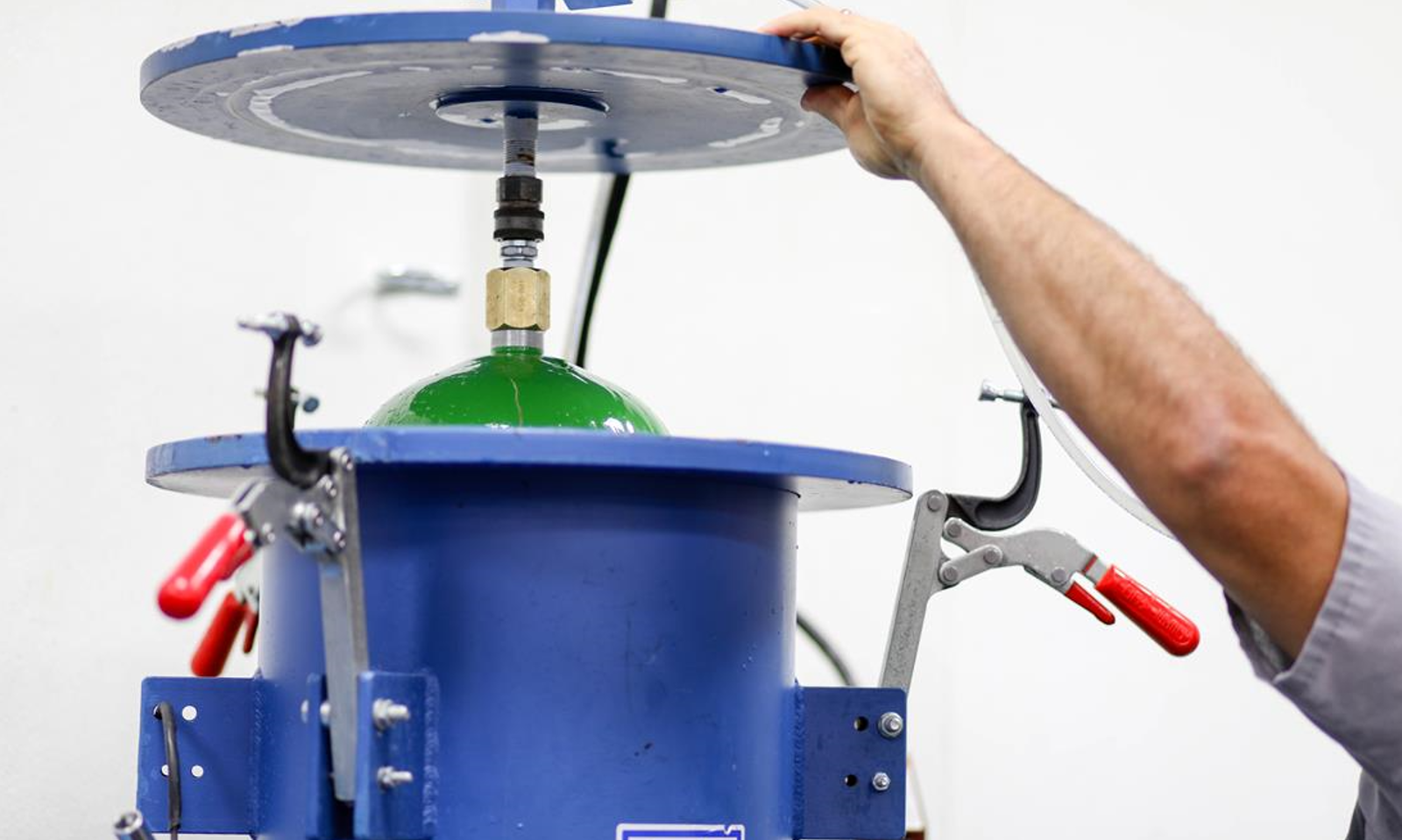
SCBA Cylinder Hydrostatic Testing – Quick Tips

SCBA Cylinder Hydrostatic Testing – Quick Tips

Elevator/Lift Safety Stats and Facts

Elevator/Lift Safety Stats and Facts

2026 OSHA Outreach 10 Hour Virtual Training Course

2026 OSHA Outreach 10 Hour Virtual Training Course

Forklift Train the Trainer Course

Forklift Train the Trainer Course

Forklift Training and Certification Instructions

Forklift Training and Certification Instructions

Contact Us

800-ICW-SAFETY (800.429.7233)SAFETYOnDemand@icwgroup.com

Additional Links

Manage eLearning
View list of learners
Help

Terms of Use | Legal Notice & Privacy Policy
©2023 ICW Group , All Rights Reserved

Page load link


Video Tutorials to Help You Get Started

Since it's your first time, you may want to checkout some of the video tutorials.

eLearning overview

Managing learners

Assigning courses

Reporting & Analytics

When you are ready to go, close this window.
Don't show this again
Go to Top