Defensive Driving Tactics Retro Safety Video
Two professional drivers demonstrate the difference between defensive driving and aggressive driving as they participate in a safe driving test.
(15 minutes)
Two professional drivers demonstrate the difference between defensive driving and aggressive driving as they participate in a safe driving test.
(15 minutes)
Few things can be more terrifying and catastrophic than a fire. That is why training and education is so important. This video looks at ways fires can be prevented and covers the basics of fire prevention, conditions that contribute to fires and steps employees can take to minimize the risk of a potential fire in a unit.
This video addresses the most important part of Personal Protective Equipment: The responsibility of the individual to wear the equipment when it’s required. All the procedures and equipment in the world are useless if employees do not understand this one simple fact.
This video was designed to show the proper way to work with and operate a scissor lift. It covers several factors such as safe use and operation, maneuvering hazards, working near electricity, and body harnesses.
(10 Minutes)
This video is designed to make employees aware of basic electrical safety in the workplace. It reviews safety requirements on plugs, cords, cables, disconnect switches, hand/power safety, and other electrical safety equipment.
(10 Min)
These types of injuries are often associated with lifting, pushing, pulling, tossing and handling ma¬terial. In this effective and motivational program, your employees will learn how the body functions, risk factors associated with overexertion type injuries, and preventive measures they can utilize to reduce their exposure and prevent injuries.
(14 Minutes)
Most people have injured themselves with a tool at least once in their lives. In fact learning to use some tools seems to require a little pain. Unfortunately, tool accidents result in thousands of serious injuries and hundreds of deaths each year... most of which could have been avoided by simply handling tools safely.
(19 minutes)
Your body has many natural defenses built in for your eyes, but in today's workplace your eyes are exposed to many chemicals and other hazards that your body never intended to deal with. This video reviews facts on eye protection injuries and encourages workers to make the right decision with eye protection based on this information.
(11 minutes)

Aimed at experienced operators, this program communicates the importance of operating a forklift in a professional and safe manner and creates an awareness and respect for the potential hazards they may encounter. It establishes that the forklift operator is responsible for their safety and the safety of the people around them. Forklift Safety: The Experienced Operator will motivate your drivers to use the operating skills and techniques they’ve been taught to prevent accidents and injuries.

Many of us tend to think more about shoes in terms of styles, but safety shoes are more than a different style. They protect your feet from hazards that you encounter in your workplace. This program stresses to viewers the importance of selecting and wearing proper footwear to prevent painful foot and toe injuries. Topics include Slip-Resistant Shoes, Puncture-Resistant Soles, Metatarsal Guards and Selecting The Proper Footwear.
Hearing loss is preventable if you follow procedures relating to hearing protection. This video heightens awareness of hearing conservation in the workplace and explains the anatomy of the ear, how noise can cause hearing loss, and how to prevent hearing loss.
(20 Minutes)

More illnesses are surfacing from employees working in abnormally high temperatures, such as in a hot warehouse or warm assembly environment. This video discusses heat stroke, heat stress, fainting, and precautions to take when working in a hot environment.
(17 Minutes)

Designed to promote awareness in preventing slips and falls. Covers potential hazards, importance of proper maintenance and cleaning procedures, and many other aspects of slips and falls prevention. Focus is on engineering, education, and enforcement.
(10 minutes)
Safe operation of a forklift begins before the operator ever starts to drive the lift truck. It begins with the operator’s mental state of mind.
(13 minutes)
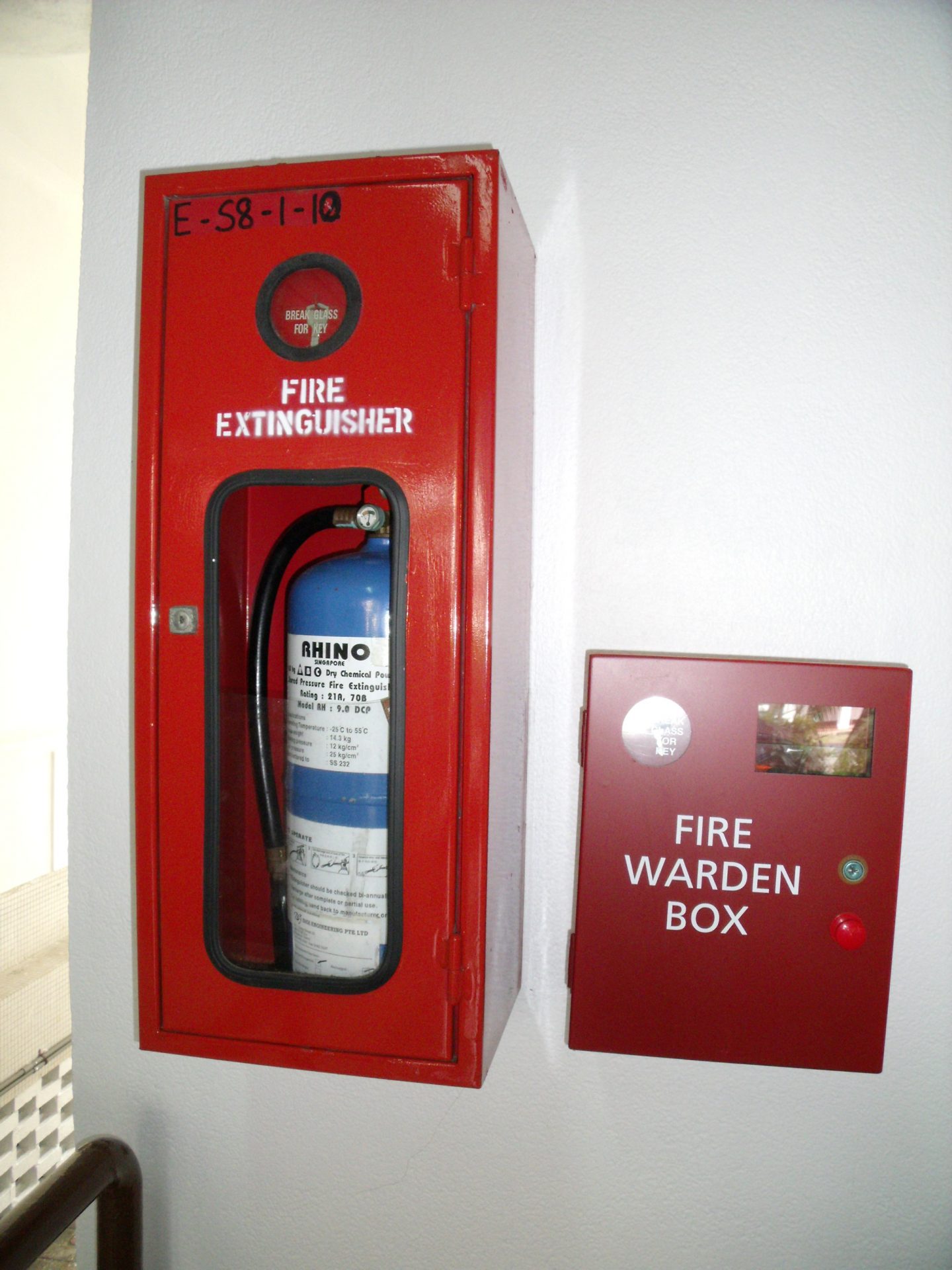
Everyone in your facility should be trained in the proper use of fire extinguishers. Explains the different classes of fires, types of fire extinguishers, the key word PASS, life safety, and other tips.
(8 minutes)

This program utilizes video shot on location as well as 3D animations to train new or experienced employees in the importance of safe operation and the responsibilities of professional lift truck operations, and the skills and techniques operators can use to help ensure workplace safety and incident prevention.
Excellent training program for anyone working on or near scaffolding. Attention given to safety rules, operating procedures and safe use of scaffolding. Meets scaffold training requirements.
More illnesses are surfacing from employees working in abnormally high temperatures, such as in a hot warehouse or warm assembly environment. This video discusses heat stroke, heat stress, fainting, and precautions to take.
(17 Minutes)
Remind workers about the dangers of texting and driving with this safety video featuring personal stories and interviews from drivers that have experienced first-hand the fall-out from texting and driving.
(20 Minutes)
Sometimes it is difficult to respect a hazard you can’t see or one that may take years to affect you. Respirators can provide protection, but only if they are worn and used properly.
(11 minutes)
Illustrates how many eye problems are caused by not paying attention to the work employees are doing, or not wearing the appropriate protective equipment. They remind employees that eye injuries can easily happen to them and show them how to prevent these injuries.
(14 minutes)

Instruction for employees working with flammable liquids. Defines LEL, UEL, flash points, and other related information. Provides the basics of bonding and grounding.
(9 minutes)

The Globally Harmonized System (GHS) is an international approach to hazard communication, providing agreed criteria for classification of chemical hazards and a standardized approach to label elements and safety data sheets. This program is an explanation of how to comply, without changing your entire HAZCOM program.

Regardless of the threat, you need to respond effectively and appropriately with as little disruption to guests as possible. It’s not always easy but it’s a job that must be done and it must be done right.

Topics covered include: taking immediate action at the scene of the incident, gathering facts and information, how to take effective pictures and document an incident scene, techniques for interviewing witnesses, methods for analyzing the facts and information gathered, developing corrective actions, Implementation and communication, and the importance of follow-up.
(17 Minutes)