Hello, Guest!

Hello, Guest!

Healthcare: Staying Safe on the Heliport

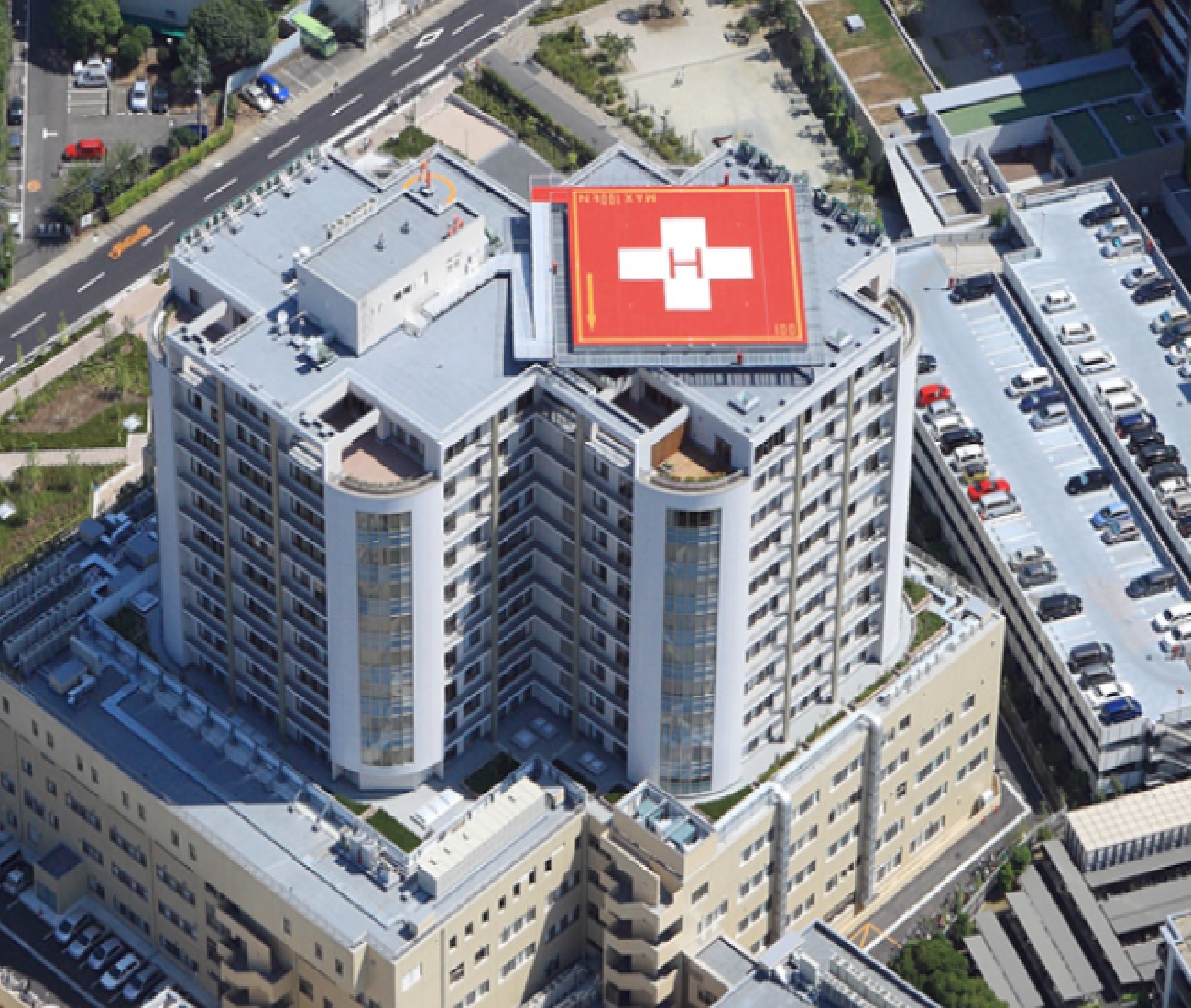
A helicopter transfer may be needed due to the remoteness of the patient when they need medical attention, or the severity of their need requires rapid transfer to hospital care. Sometimes they need to move to a different hospital for treatment.  Whatever the specifics of the case, these medical needs are urgent and often life threatening. The fastest and safest way to get them to the care they need is by helicopter. But it’s not without risks.

Healthcare: Staying Safe on the Heliport2018-09-23T00:00:00+00:00

Laboratory Equipment Safety: Centrifuges

A laboratory was seriously damaged when the rotor of an ultracentrifuge failed while in use. Flying metal fragments damaged walls, the ceiling and other equipment. The shock wave blew out the laboratory's windows and shook down shelves.

Laboratory Equipment Safety: Centrifuges2018-09-16T00:00:00+00:00

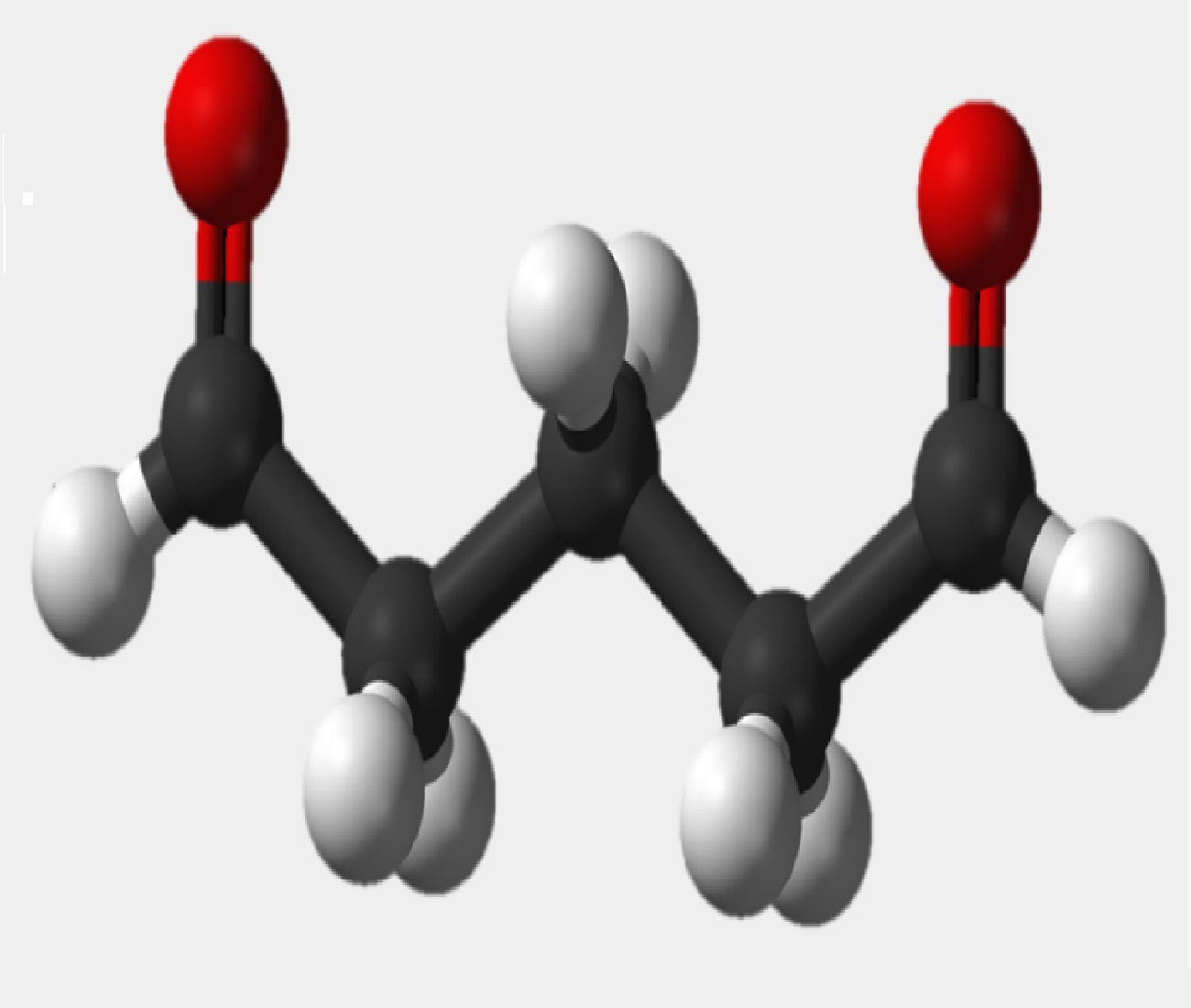
Healthcare: Working Safely with Glutaraldehyde

Glutaraldehyde is a toxic chemical that is used in certain circumstances to disinfect and clean medical, surgical and dental equipment. It is used when equipment can’t be sterilized with heat, or if something can’t fit in a sterilizing unit.

Healthcare: Working Safely with Glutaraldehyde2018-09-16T00:00:00+00:00

Fundamentals of First Aid: Electrical Burns

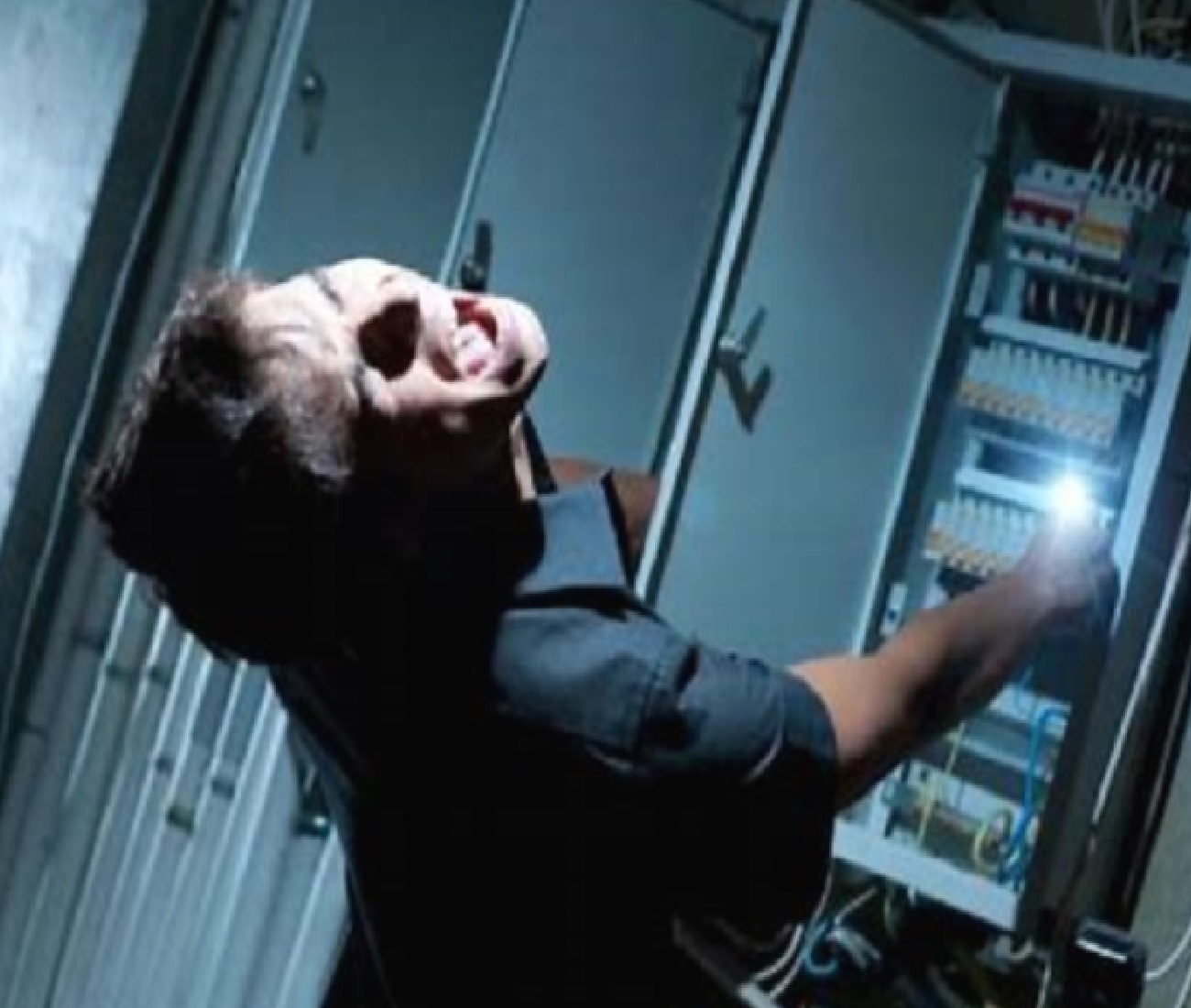
An electrical burn occurs when skin meets an electrical voltage. It does not always leave a significant burn to the skin, but the electricity can cause significant internal damage to nerves, muscles and internal organs.

Fundamentals of First Aid: Electrical Burns2018-09-16T00:00:00+00:00

Fundamentals of First Aid: Poisoning

Poisoning, accidental or intentional, causes significant harm or death to many US and Canadian people. Poisoning takes many forms as harmful chemicals can be breathed in, swallowed, touched or injected.

Fundamentals of First Aid: Poisoning2018-09-16T00:00:00+00:00

Healthcare: Preventing Injury from Needlesticks and Sharps

Close to 400,000 healthcare workers a year sustain an injury by used hypodermic needles and other sharp instruments such as a scalpel blade and suture needles.

Healthcare: Preventing Injury from Needlesticks and Sharps2018-09-14T00:00:00+00:00

Laboratory Equipment Safety: Biosafety Cabinets

Recently, a researcher left a lit Bunsen burner inside a BSC, closed the sash and walked away. The type of biological safety cabinet she was using recirculates about 70% of the air with 30% of the air going out of the exhaust.

Laboratory Equipment Safety: Biosafety Cabinets2018-09-14T00:00:00+00:00

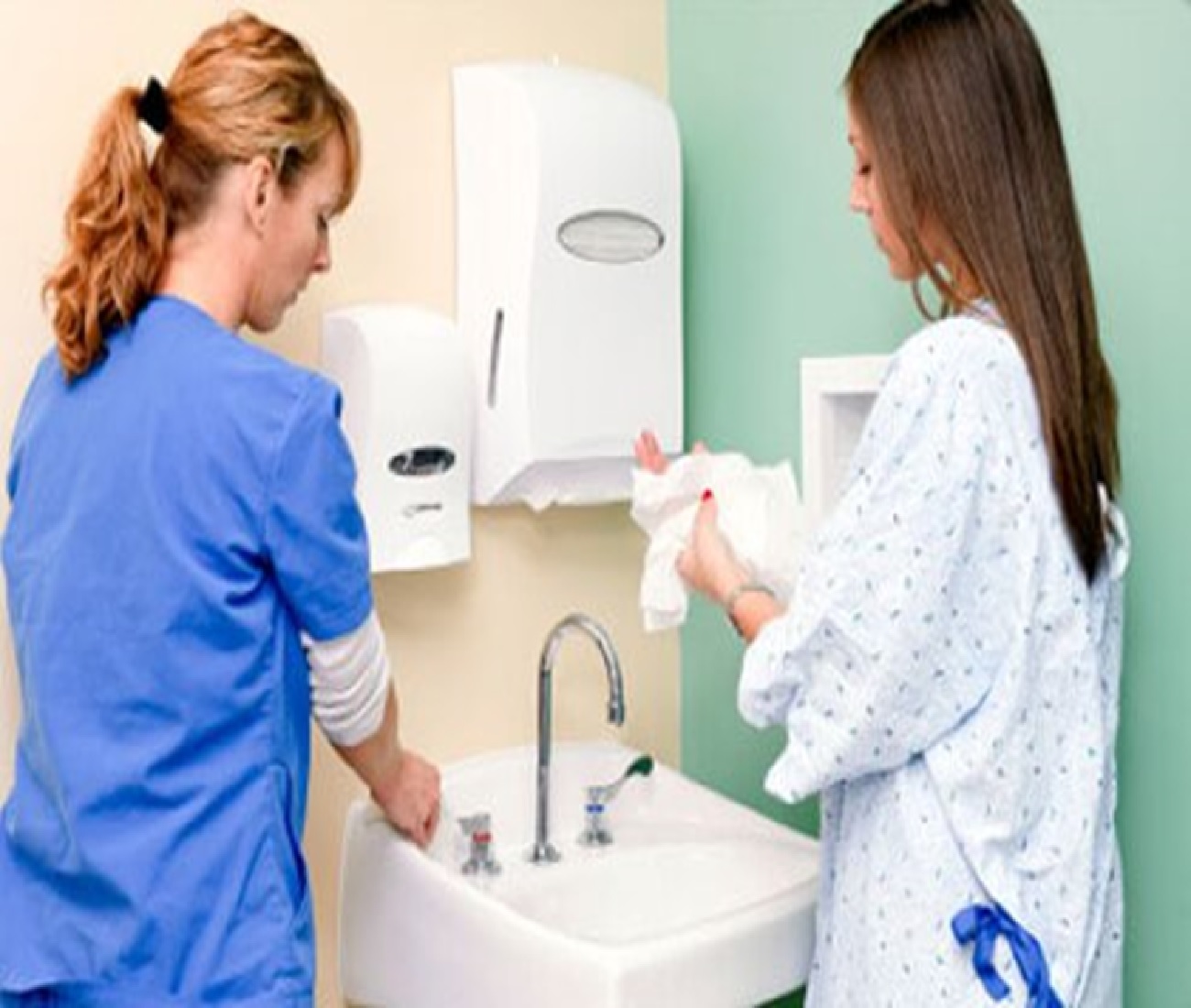
Healthcare: Keeping Housekeeping Staff Safe

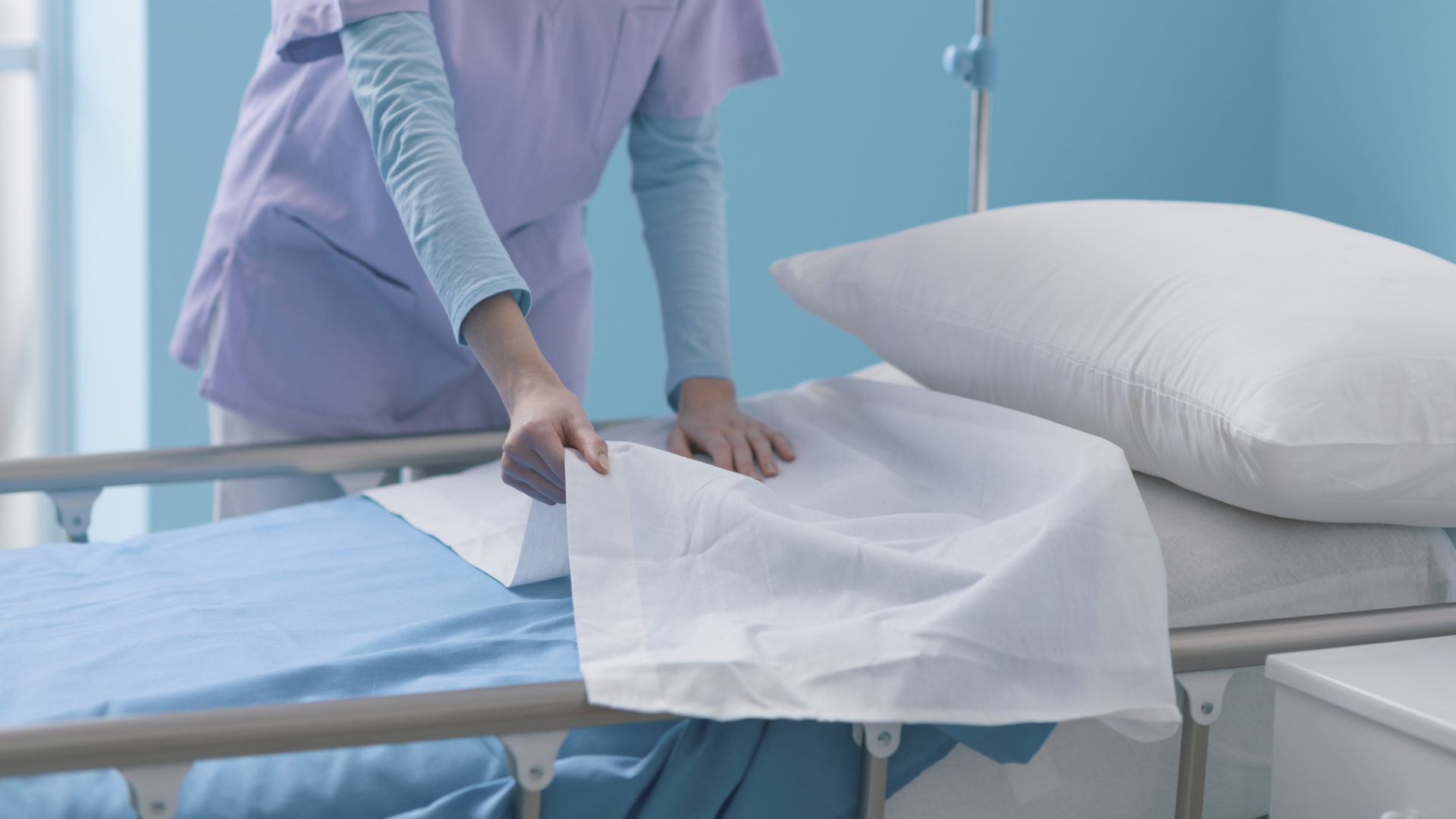
Housekeeping staff working in healthcare play an important role in keeping the environment safe for patients, staff, and visitors. They may not provide direct clinical care to patients, but they work around patients, and in areas where clinical care has been given.

Healthcare: Keeping Housekeeping Staff Safe2023-09-04T14:56:17+00:00

Fundamentals of First Aid – Fractures

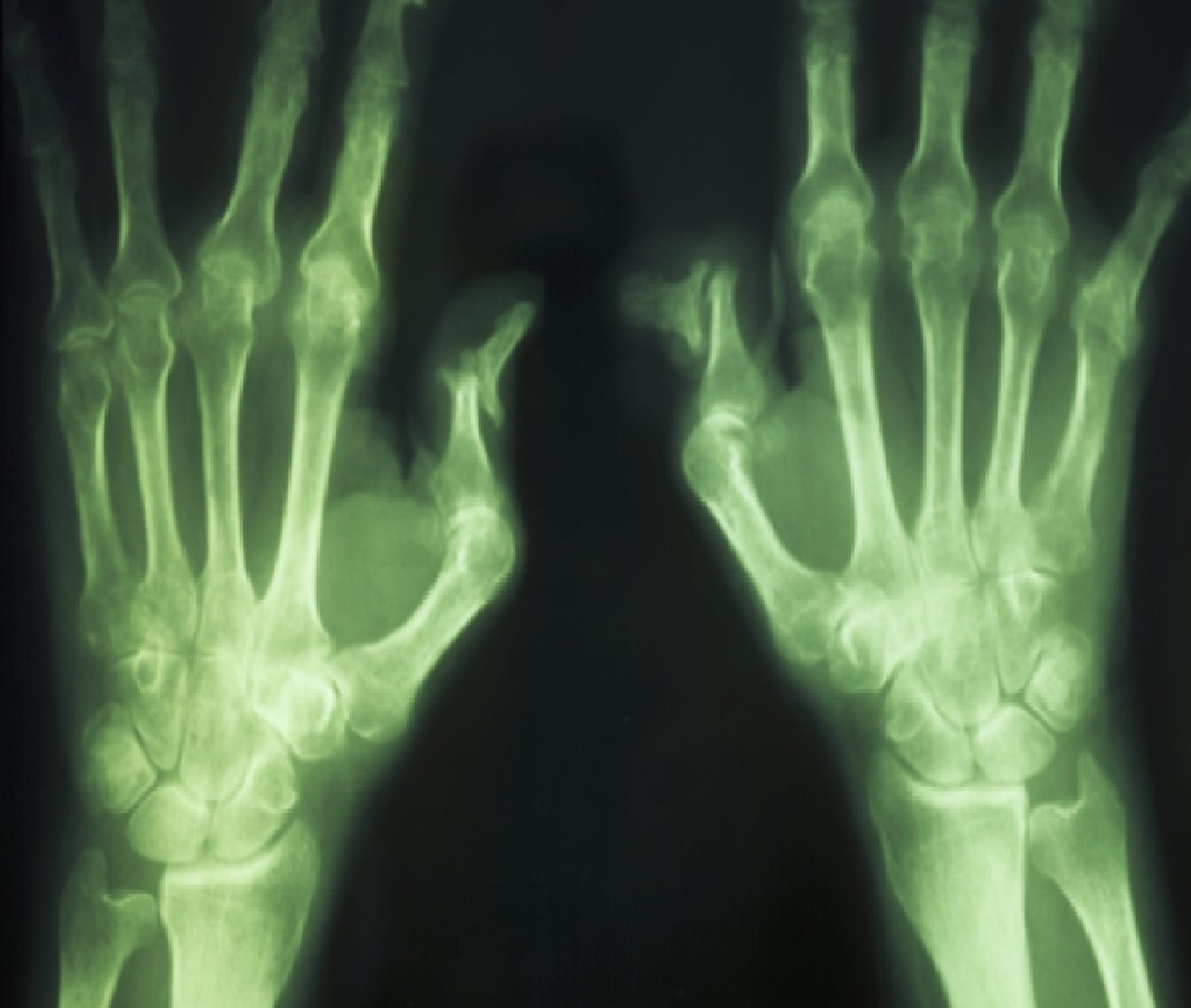
A fracture is the medical term for a broken bone. The break can be along the length of the bone or across the bone, so it looks as though the bone has snapped. These are generally clean breaks but sometimes the bone can fracture in several places, especially if the fracture is caused by a fall from a great height or from being crushed.

Fundamentals of First Aid – Fractures2018-09-08T00:00:00+00:00

Healthcare: Keeping Healthcare Workers Free from MRSA

Staph is a very common, generally problem free, bacteria that lives in the nose or on the skin of up to 1 in 3 people.  Staph only causes a problem if it gets somewhere it shouldn't, such as into a wound, or the blood. Staph can be easily treated with antibiotics but over time some bacteria have developed a resistance. These strains are commonly known as MRSA, Methicillin-resistant Staphylococcus aureus and can cause a variety of problems ranging from skin infections to pneumonia.

Healthcare: Keeping Healthcare Workers Free from MRSA2018-09-08T00:00:00+00:00

Sexual Harassment: Defining Sexual Harassment in the Workplace

Sexual harassment is defined as any conduct, comment, gesture, or contact of a sexual nature that is likely to cause offence or humiliation to any employee; or that might, on reasonable grounds, be perceived by that employee as placing a condition of a sexual nature on employment or on any opportunity for training or promotion.

Sexual Harassment: Defining Sexual Harassment in the Workplace2018-09-08T00:00:00+00:00

Healthcare: Formaldehyde Safety

During a busy shift, an OB technician helped with many crash deliveries and operations. Consequently, surgical instruments and trays that should have been washed, piled up on the sink counter and eventually knocked over a gallon jug of 4% formaldehyde. The employee was in and out of the utility room, doing the dishes between surgeries, and noticed that her throat was sore.

Healthcare: Formaldehyde Safety2018-09-04T00:00:00+00:00

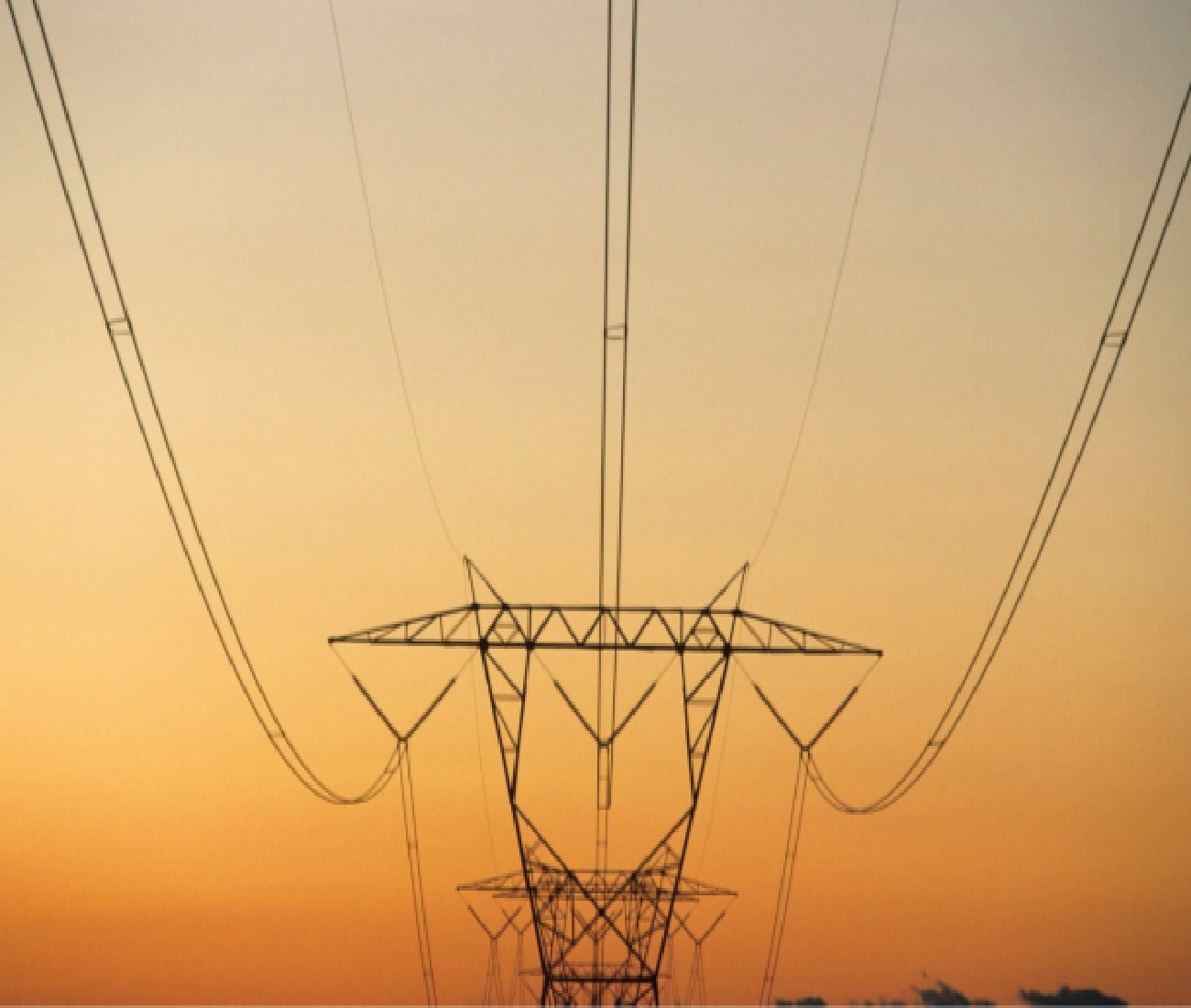
Utilities: Safely Installing and Removing Overhead Power Lines

When you install or remove overhead lines, you must protect yourself and others against hazards that could expose you to shock, electrocution, falls, flying and falling objects, and burns.

Utilities: Safely Installing and Removing Overhead Power Lines2018-09-02T00:00:00+00:00

Stopping Slips, Trips, and Falls

Slip, trip, and fall injuries are one of the most common causes of workplace injuries and death. The falls from slips and trips can lead to disabling injuries, traumatic brain injuries, surgeries, and countless hours in rehab. These types of injuries are painful and costly and can put stress on your relationships, lead to depression, anxiety, and in some cases post-traumatic stress disorder, or PSTD.

Stopping Slips, Trips, and Falls2018-09-02T00:00:00+00:00

Crane Safety – Safety Talk

Few experiences may be as frightening as when a crane becomes unbalanced while a load is being lifted or when the crane collapses under the weight of an excessive load. An unbalanced load or crane collapse can cause death to the operator, other construction workers, can cause damage to property or equipment.

Crane Safety – Safety Talk2018-09-01T00:00:00+00:00

Trenching and Excavation Safety

A trench is an excavation, too, if it isn’t more than 15 feet (4.5 meters) wide at the bottom. And, if you install forms or other structures in an excavation that reduce its width to less than 15 feet, measured at the bottom, the excavation is also considered a trench.

Trenching and Excavation Safety2018-09-01T00:00:00+00:00

Hazardous Locations Classifications for Electrical Equipment: Class/Division

Hazardous Locations are defined as premises, buildings or parts thereof where fire or explosion hazards may exist due to the presence of flammable gases or vapors, flammable liquids, combustible dusts, or easily ignitable fibers.

Hazardous Locations Classifications for Electrical Equipment: Class/Division2018-08-29T00:00:00+00:00

Hazardous Locations Classifications for Electrical Equipment: Zone System

Hazardous Locations are defined as premises, buildings or parts thereof where fire or explosion hazards may exist due to the presence of flammable gases or vapors, flammable liquids, combustible dusts, or easily ignitable fibers.

Hazardous Locations Classifications for Electrical Equipment: Zone System2018-08-29T00:00:00+00:00

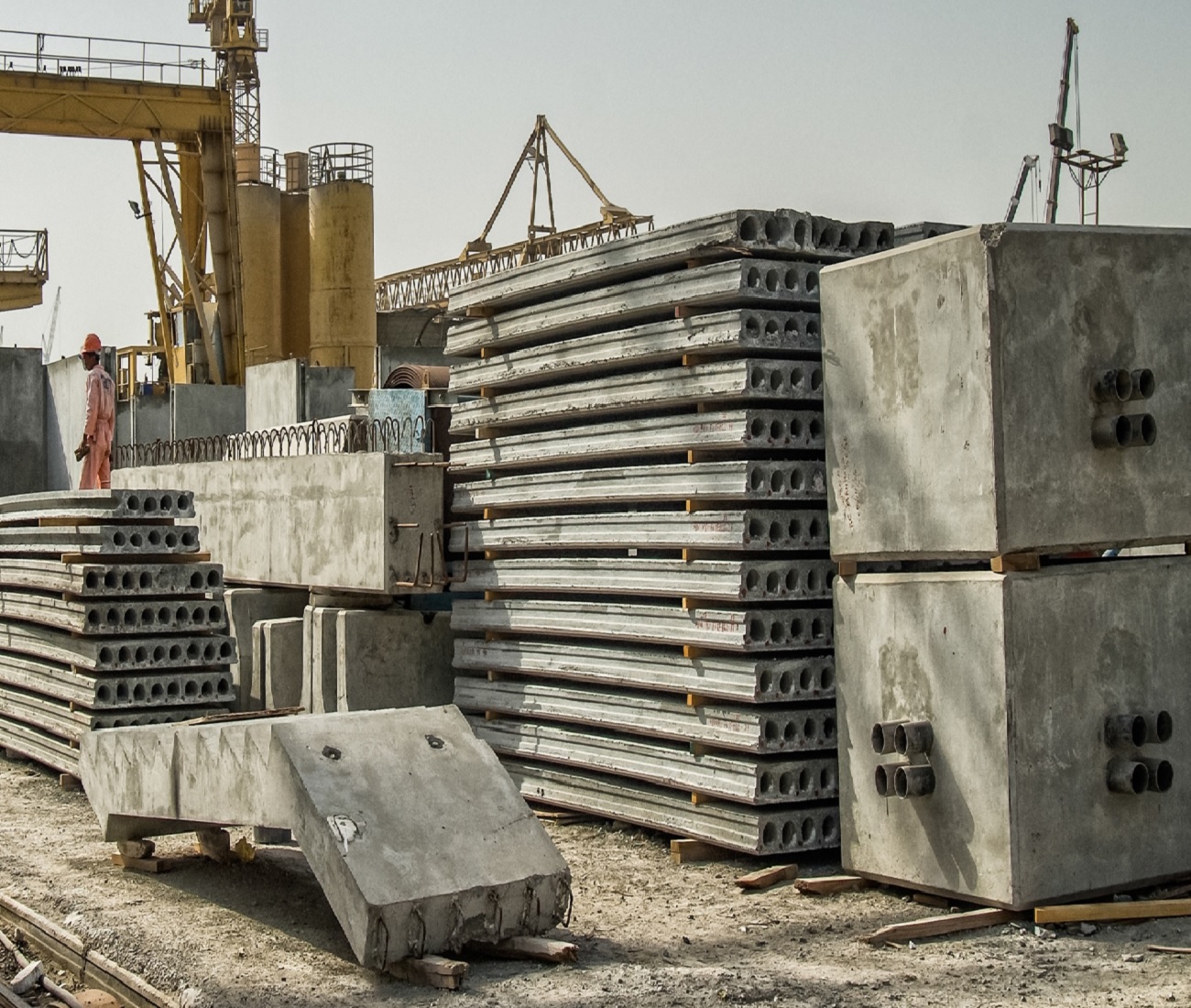
Cementing Safety for Concrete Workers: Cast-in-place Concrete

A 40-year-old worker was killed at a construction site recently in Toronto. According to police, concrete panels had fallen onto the worker as they were being unloaded, and the man became trapped.

Cementing Safety for Concrete Workers: Cast-in-place Concrete2018-08-24T00:00:00+00:00

Cementing Safety for Concrete and Masonry Workers: Precast, Lift-Slab, and Masonry Construction

The potential for serious injuries and even fatalities is very high when thinking about work involved for concrete and masonry workers.  Precast concrete, lift-slab operations, and masonry construction all pose different types of risk, and all have the potential for multiple employees to be hurt or killed if these risks are ignored.

Cementing Safety for Concrete and Masonry Workers: Precast, Lift-Slab, and Masonry Construction2018-08-24T00:00:00+00:00

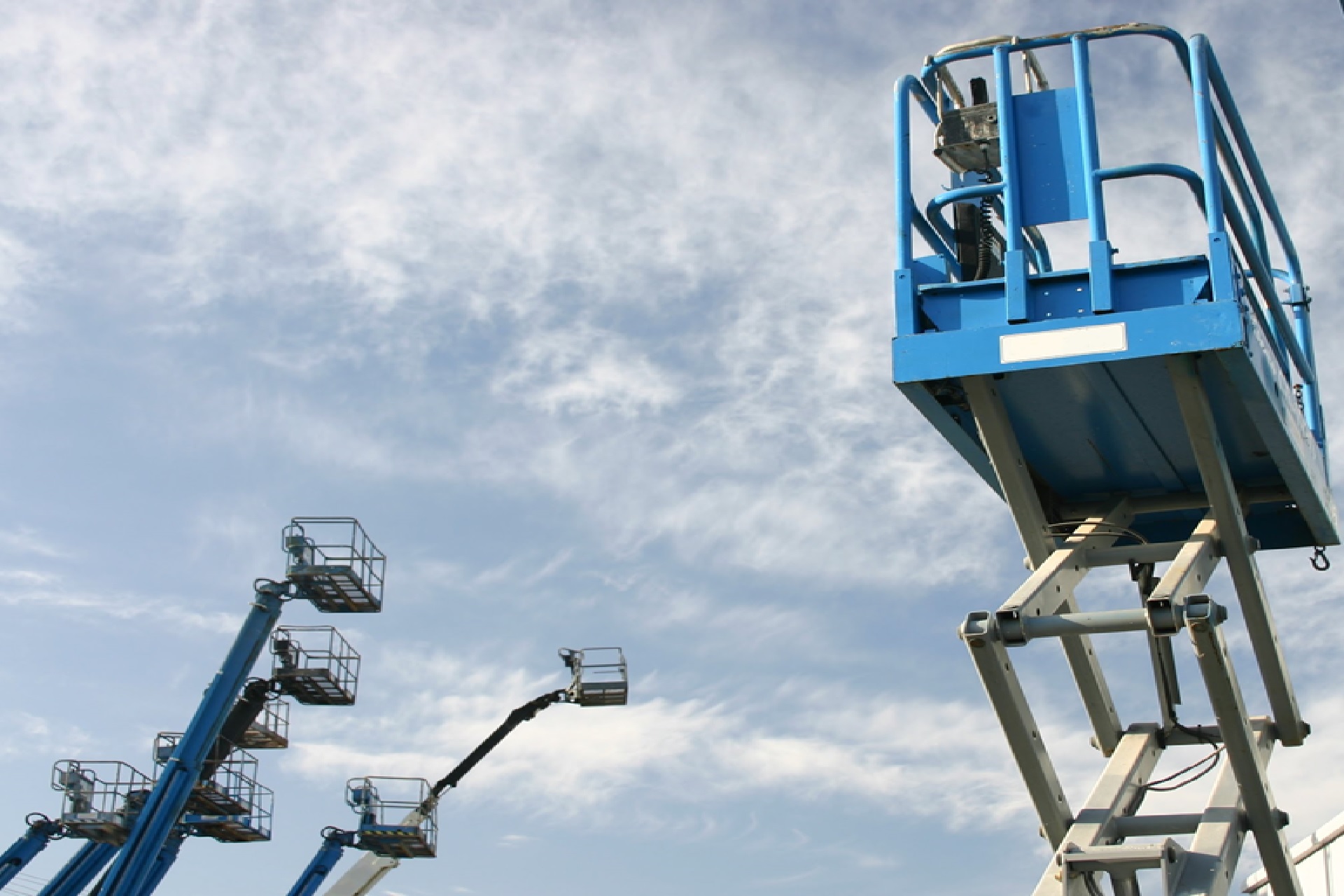
Aerial Lift Safety for Utility Workers

Aerial lifts are commonly used by utility workers. Aerial lifts include boom-supported aerial platforms, such as cherry pickers or bucket trucks, and elevating platforms, such as scissor lifts.

Aerial Lift Safety for Utility Workers2018-08-24T00:00:00+00:00

Fundamentals of First Aid – Choking

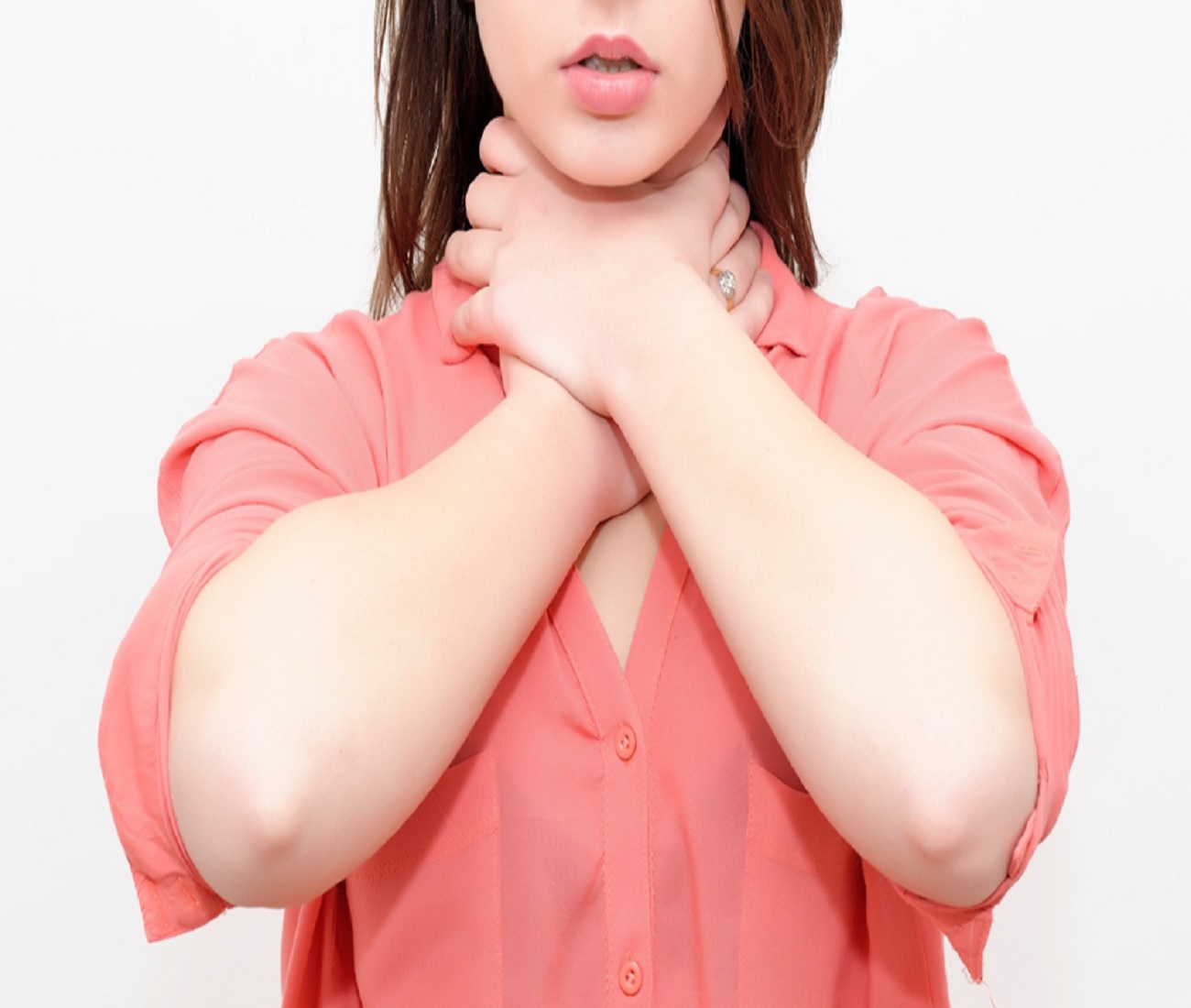
When someone is choking with a completely blocked airway, no oxygen can enter the lungs. The brain is extremely sensitive to a lack of oxygen and begins to die within four to six minutes. Irreversible brain death occurs in as little as 10 minutes.

Fundamentals of First Aid – Choking2018-08-01T00:00:00+00:00

Flammable and Combustible Liquids – Explained

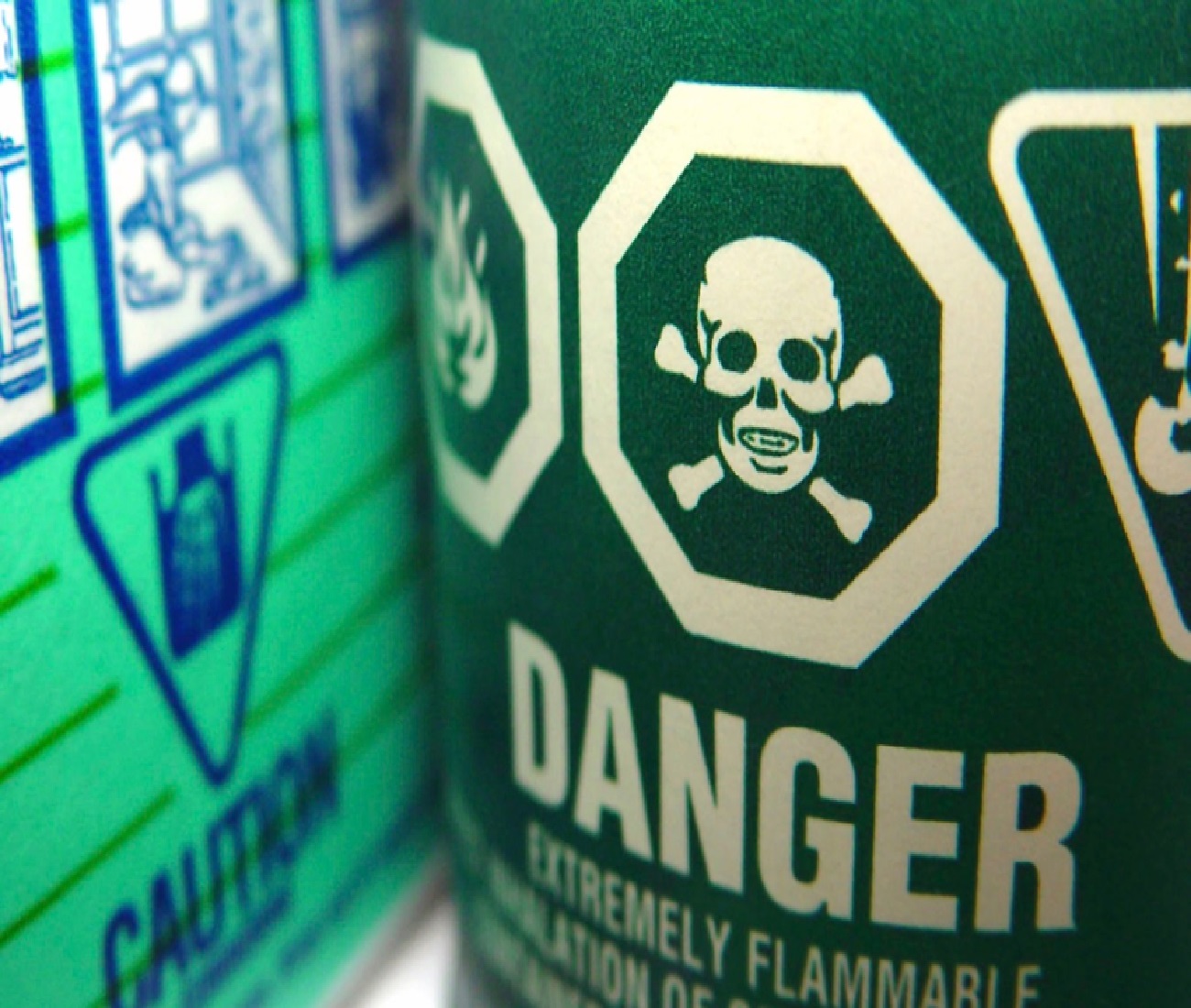
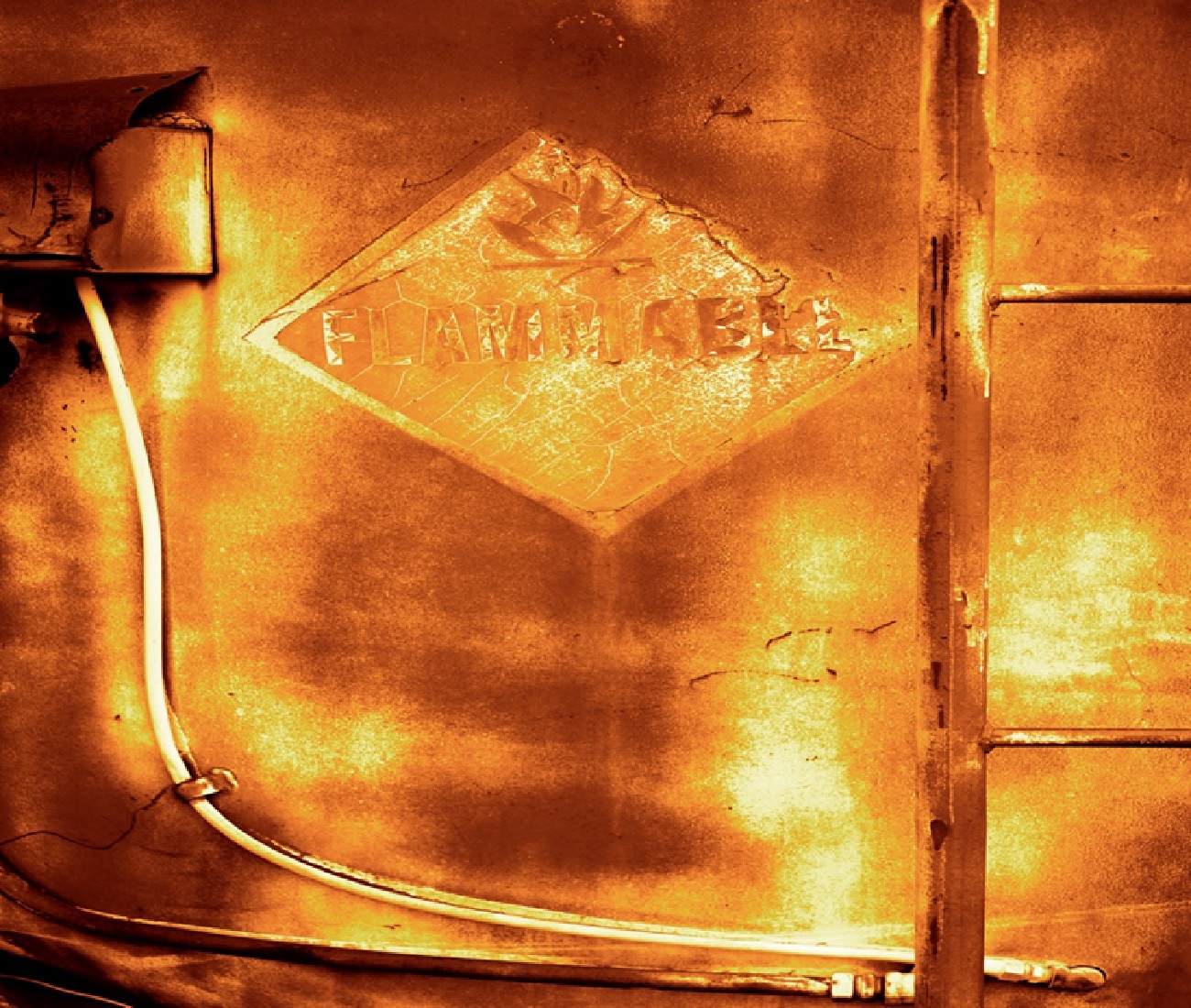
Flammable and combustible liquids are present in most workplaces. When used and stored properly these liquids rarely present a problem. But, when that’s not the case, the results can be catastrophic.

Flammable and Combustible Liquids – Explained2018-08-01T00:00:00+00:00
Go to Top