
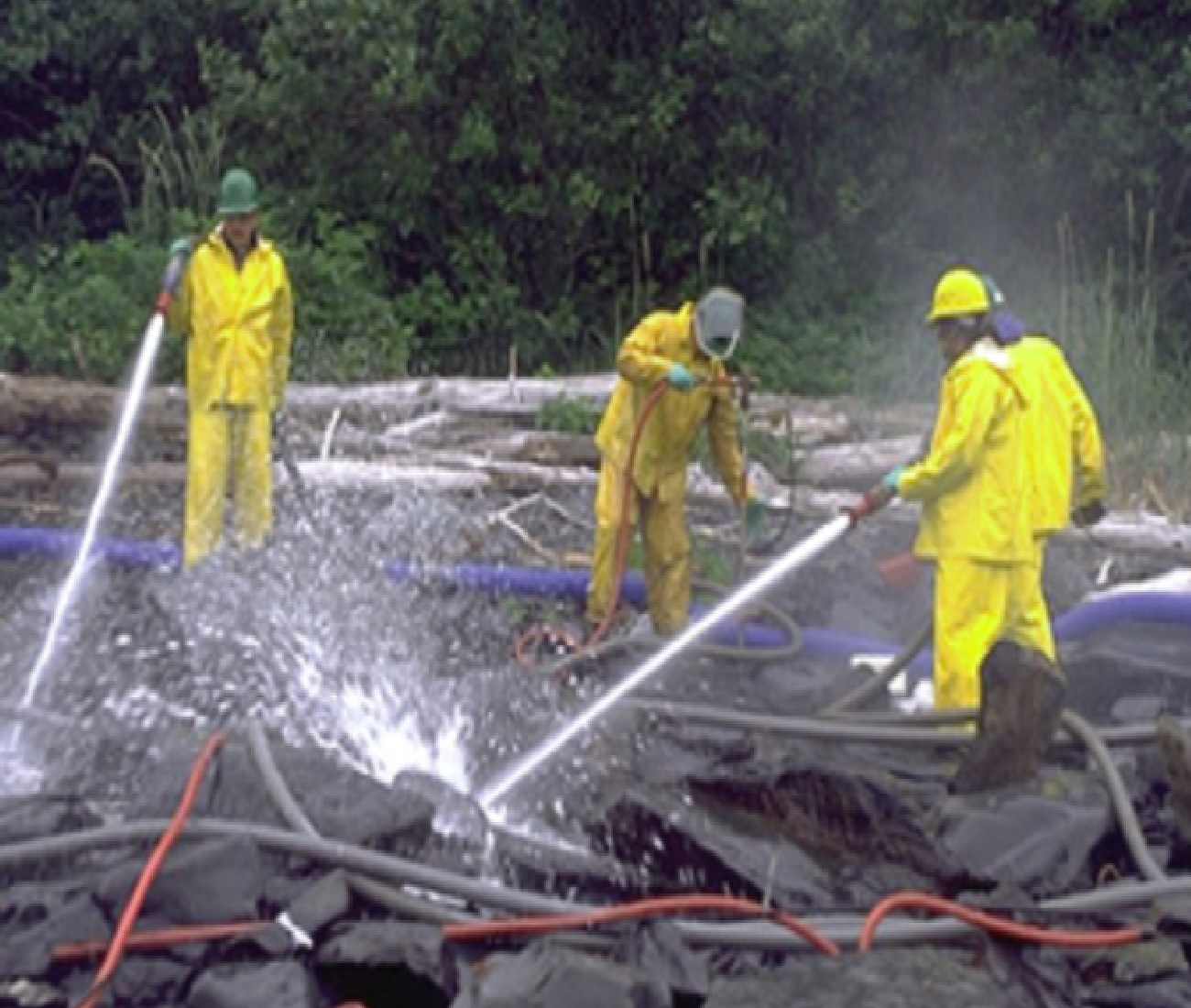
Hydraulic Hazards
The power of fluids is amazing. Hydraulic power is a form of stored energy that, when under control, does good work. When released unexpectedly, hydraulic power can damage you for life or even kill you.
The power of fluids is amazing. Hydraulic power is a form of stored energy that, when under control, does good work. When released unexpectedly, hydraulic power can damage you for life or even kill you.
Most workplaces in Canada and the U.S. are required or voluntarily have safety committees, or Joint Health and Safety Committees (JHSC). A safety committee or JHSC is made up of worker and management representatives that meet on a regular basis to discuss and deal with health and safety issues.
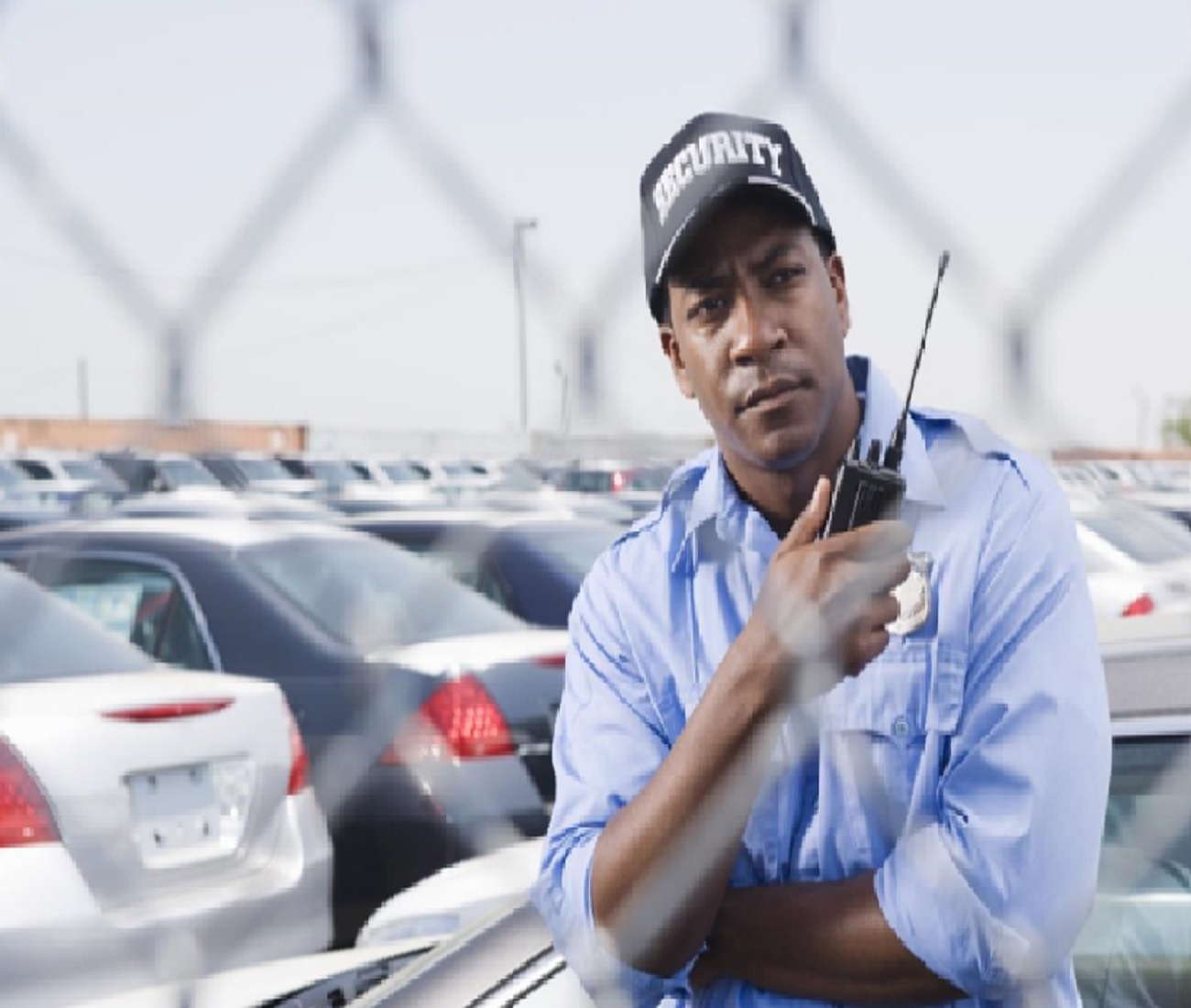
When you are going to or leaving from a parking lot, garage, or other parking area how often do you check over your shoulder to see who is behind or near you; pay attention to your surroundings – really pay attention instead of walking and looking at your phone or daydreaming; look in and around your vehicle for anything suspicious or out of the ordinary?
Driving at night has unique challenges that aren’t found (or aren’t found as often) while driving during the day, which include the obvious that the sunlight is not available. In the winter months the days are shorter and many of us drive to work and back home in the dark.
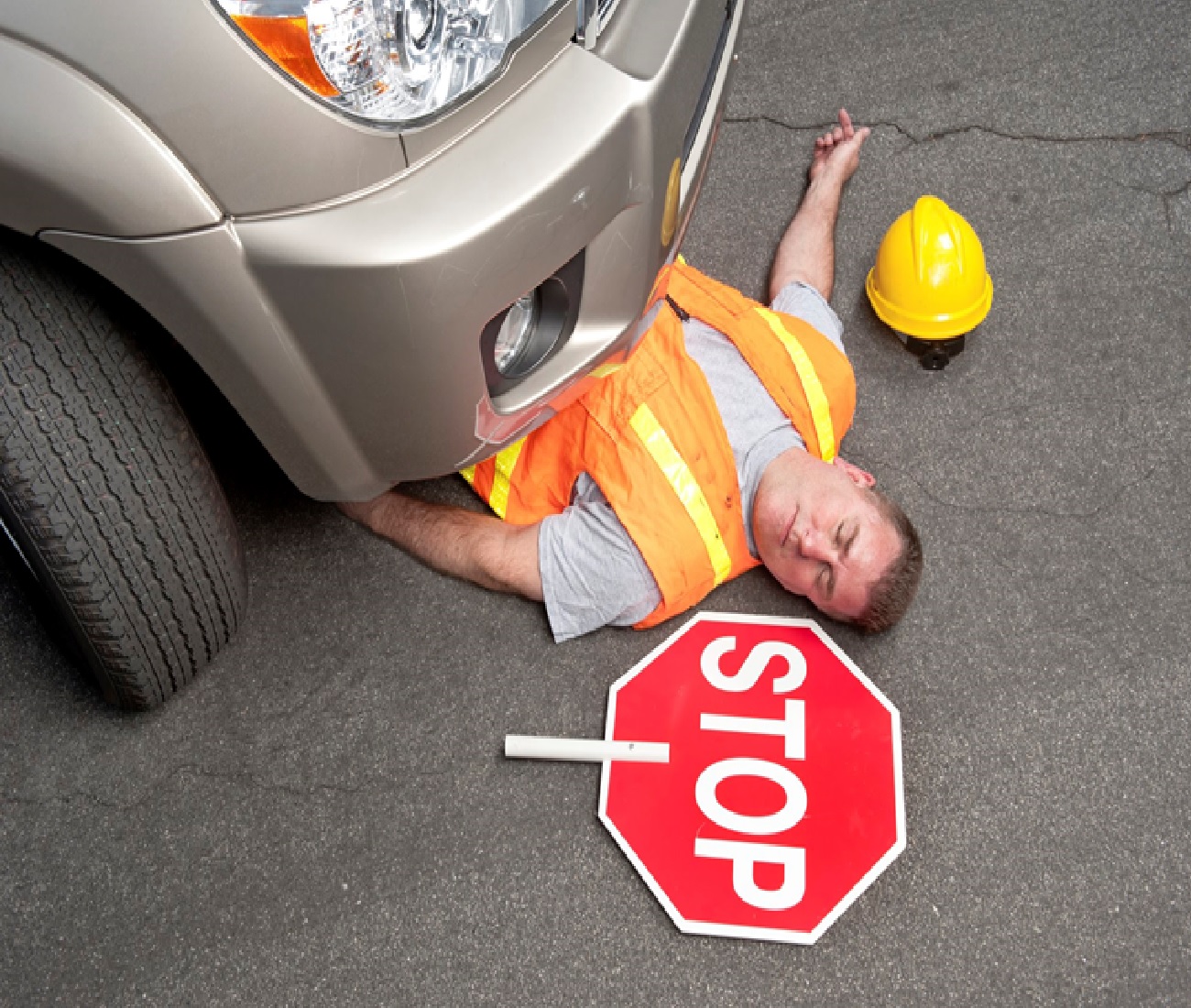
You’re an accident waiting to happen if you are not alert at work. This applies to most high-risk jobs, trucking and transport jobs, repetitive jobs, such as sorting logs in a lumber mill, and a host of other jobs – regardless of the inherent risk level.
A befuddled state of mind is not conducive to performing tasks whether personal or work-related. It is a breeding ground for accidents. This groggy and foggy state may be the result of a cold, flu or other illness and often mixed with over-the-counter or prescription meds. You can be impaired by both over-the-counter and prescription meds. Alcohol, marijuana or other drugs aren’t the only drugs that cause impairment.
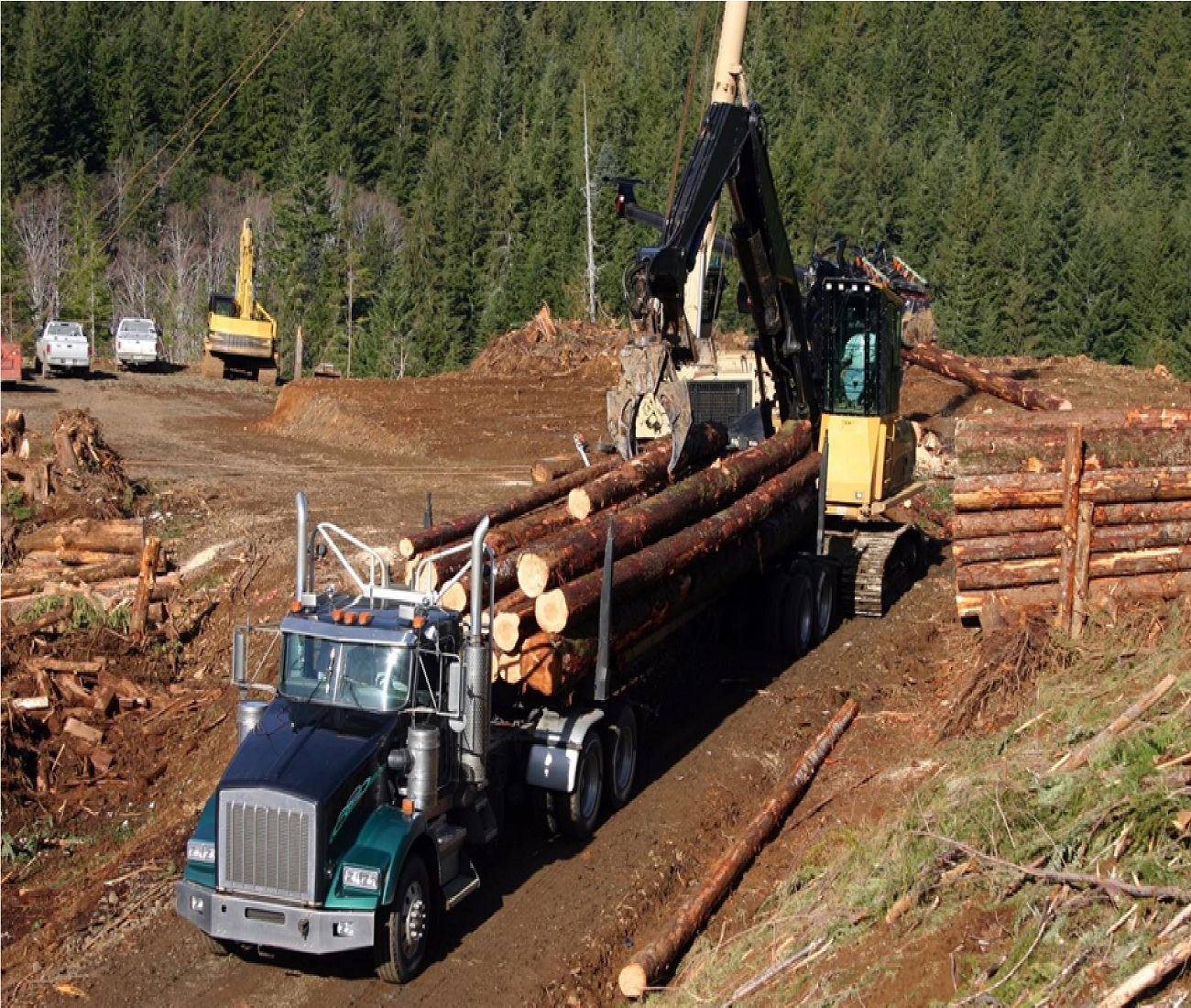
Caught and between. These two mild words describe a type of injury which is anything but mild. Instead, they refer to being caught between two moving objects or a moving object and a stationary object. The result is compression and crushing injuries which can be fatal. The places where these incidents occur are called "pinch points."
Winter driving is hazardous at the best of times, but slippery roads and reduced traction can make it deadly. Prepare for winter driving before winter storms head your way.
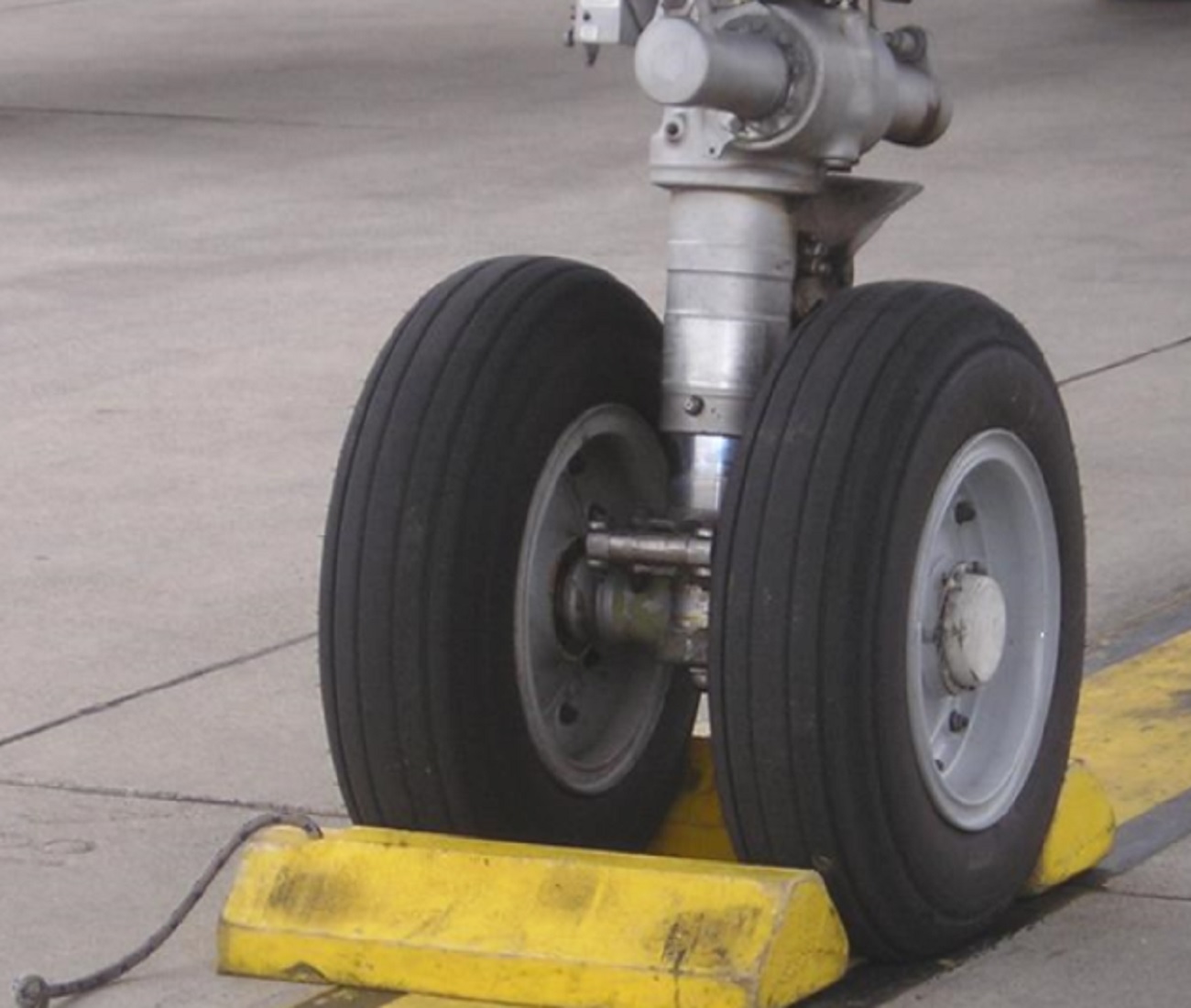
Chocking is the act of using a wedge to immobilize the wheels of a vehicle or equipment to keep it from accidentally moving. Chocking the wheels of a vehicle, such as a truck or trailer, physically stops the movement of wheels to prevent runaways that can injure workers and destroy property.

The ever-increasing use of smartphones finds most of with our heads down staring into the glow of text messages, games, tweets, twitters, selfies and more. One of the downsides to this obsession is that people mistakenly think they can perform their jobs safely while they use these devices.
Most offices have few hazardous chemicals and no heavy or moving machinery. If the worst that can happen is a paper cut, why do we need to talk about safety training? Because a paper cut isn’t the worst that can happen. Office employees still need to know what to do in case of an emergency, and accidents are surprisingly common. Also, people who sit down and use computers most of the day need to watch out for ergonomic issues.
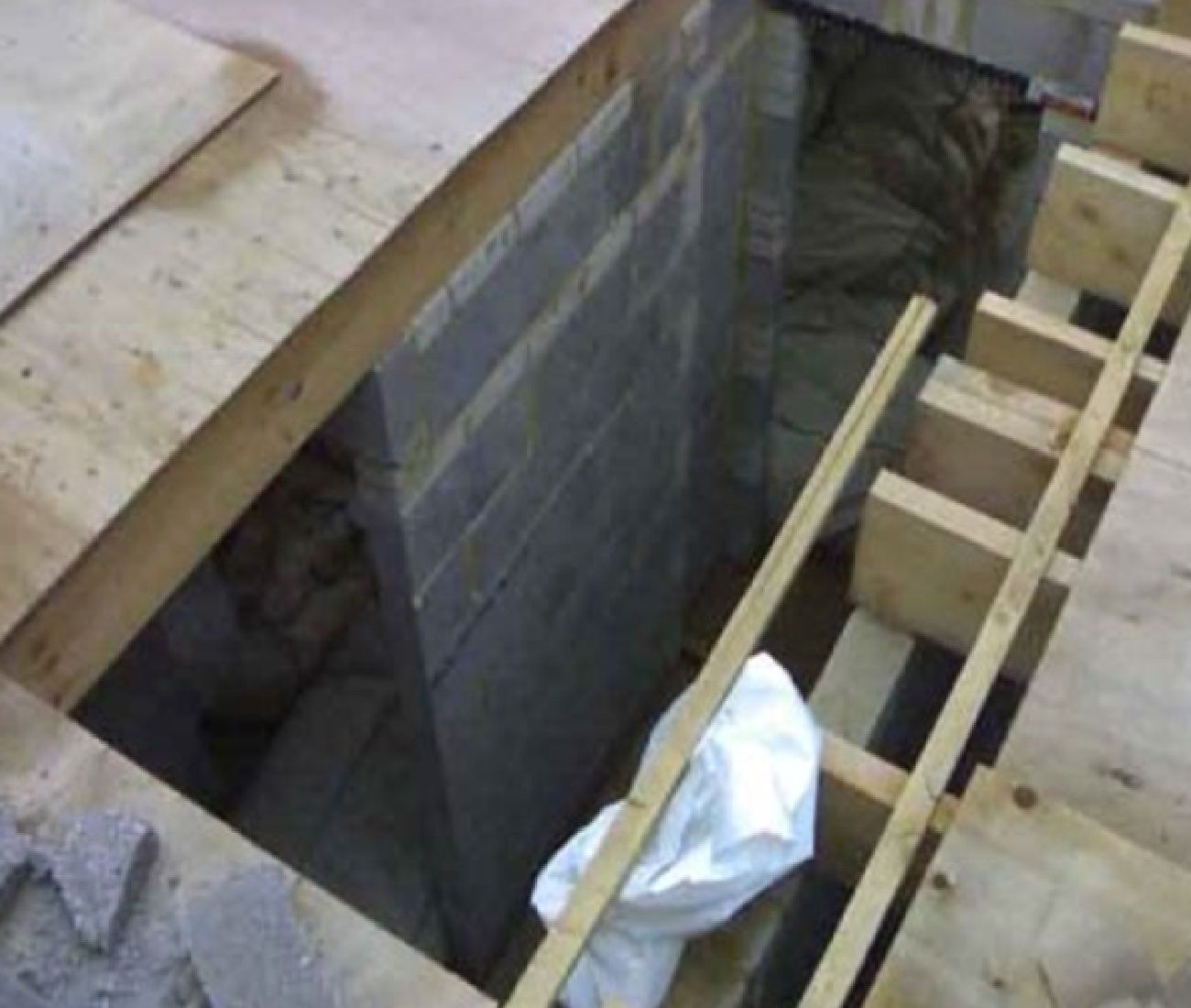
It takes a split-second of inattention, a slight change in working conditions, a forgetful co-worker, or a lax safety program for you to fall through an opening.
How safety-conscious are you when you are off-the-job? You can do a lot to increase your safety just by paying attention to your attitude and habits. You may be relaxing, but you can still relax safely!
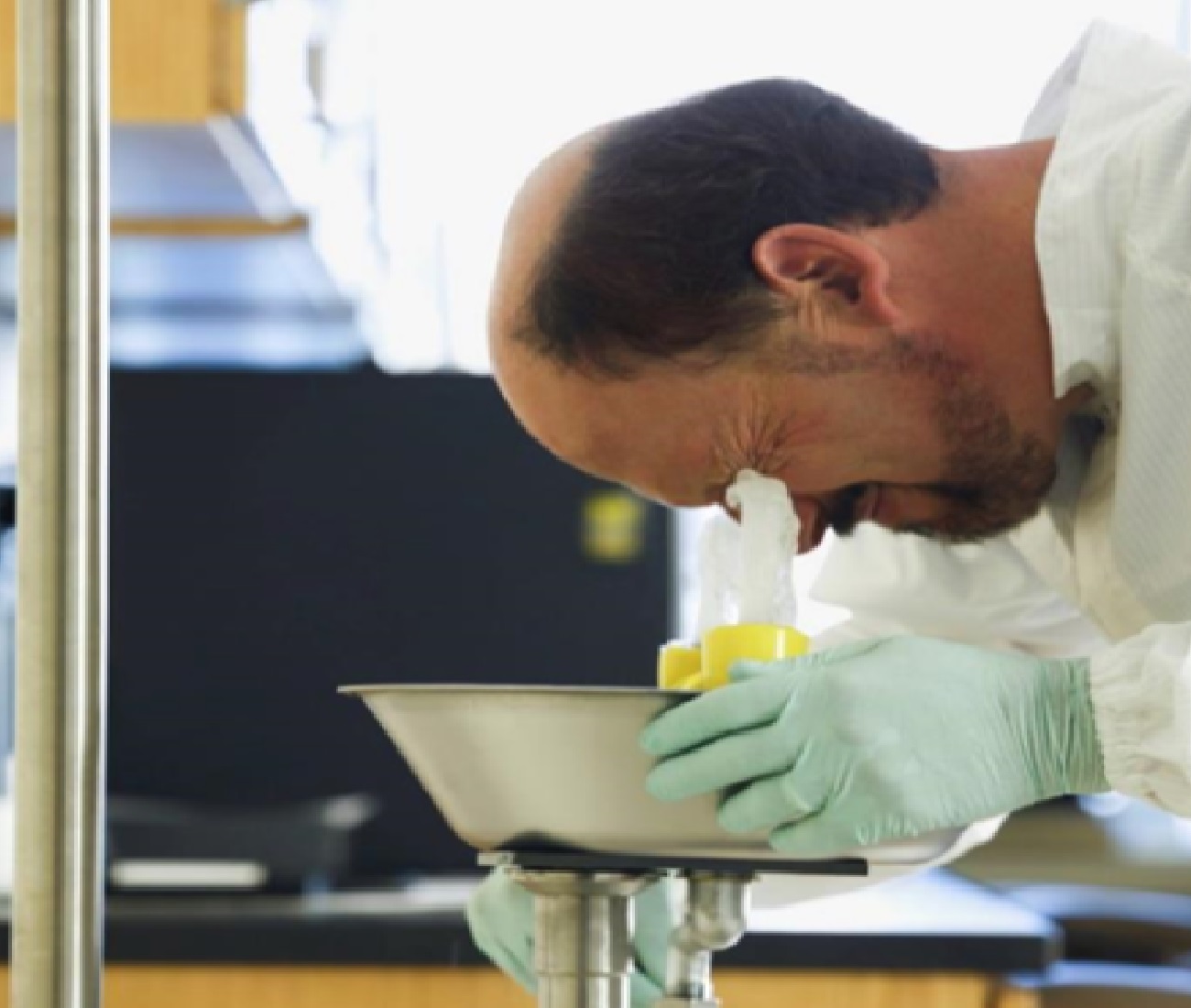
If a chemical splashed onto your skin or into your eye, could you get to a safety shower or eyewash station quickly? The time to consider that question is now, not when you are faced with an emergency. You need to know where this equipment is located, the shortest route to reach it and how to use it effectively.
Excavations and trenches more than 4-5 ft/1.2-1.5 m deep (depending on your federal, state, and provincial regulations) require a protective system is in place to protect workers from cave-ins. If a protective system isn’t in place – don’t enter the excavation. Look out for your safety and the safety of your co-workers and don’t become another buried body of an excavation cave-in.
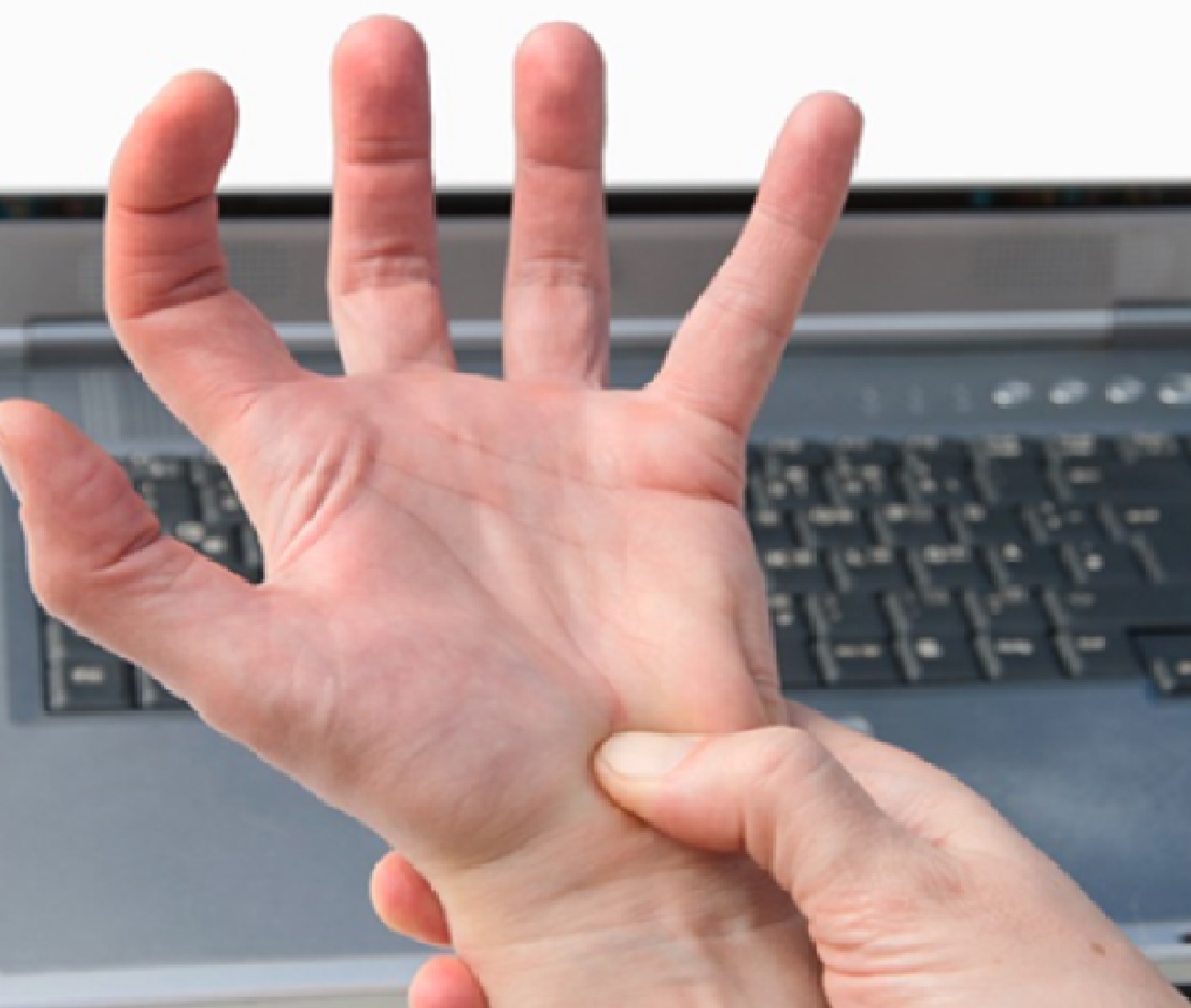
Carpal Tunnel Syndrome, or CTS, is nerve damage in your hand that’s caused by repetitive motions, such as using tools or a computer keyboard.

There are four generally agreed upon categories of workplace violence. Once you know what the categories of violence are you and your employer can practice ways to protect you, co-workers, and the public from ha

Unexpected emergencies occur every day in many facilities, including laboratories, offices, and residential buildings. It might be a fire, flood, earthquake, shooting, tornado, or hazardous chemical spill. If you don’t know what to do during an emergency the odds increase that you or others around you will be injured or killed.

Multidrug-Resistant Organisms (MDRO) are bacteria and other microorganisms that can lead to an infection developing that does not respond to wide range of antibiotics. If the organism does not die off when treated with antibiotics or antimicrobials, they are said to be ‘resistant’. This means that if a person has an infection caused by one of these bacteria, then they are harder to treat and the antibiotics that do work are expensive and often cause nasty side effects. Each year in the US 23,000 people die from infections caused by MDROs.
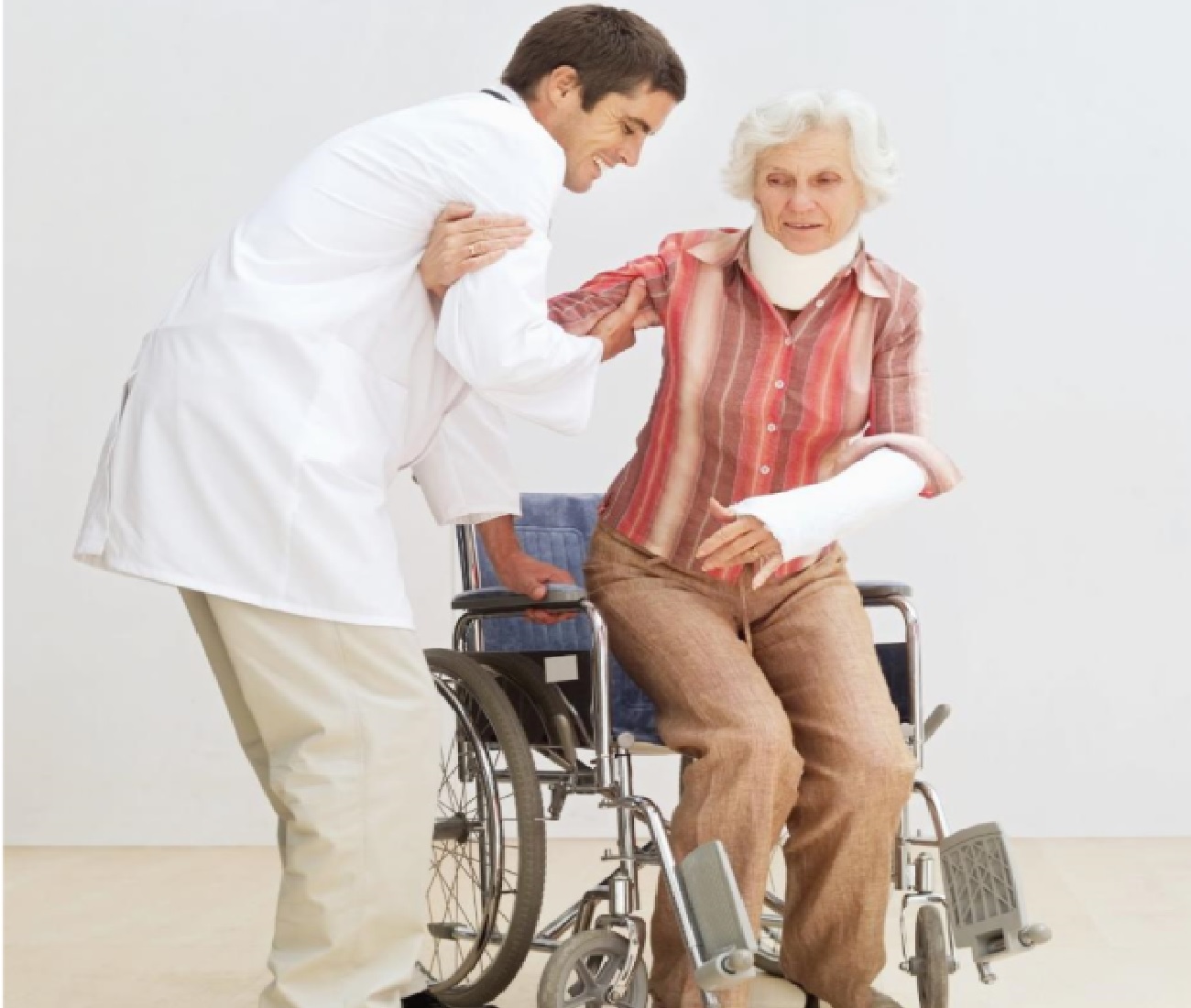
Overexertion injuries among healthcare workers is consistently two to five times greater than the rate of the general workforce. The single greatest cause for these injuries is manual patient handling such as manual lifting, moving and repositioning of hospitalized patients, home-health care patients, and nursing home residents.
A postdoc was badly scalded by water while removing items from the top autoclave of a tower-style autoclave. To autoclave her own materials, the doctor began to remove a load that belonged to another laboratory while standing on a low step-stool. The load in the autoclave consisted of a Nalgene tub that contained liter bottles of media with water around them. The water in the tub was near boiling temperature, and as the doctor attempted to remove it, the contents spilled down her torso and thighs.
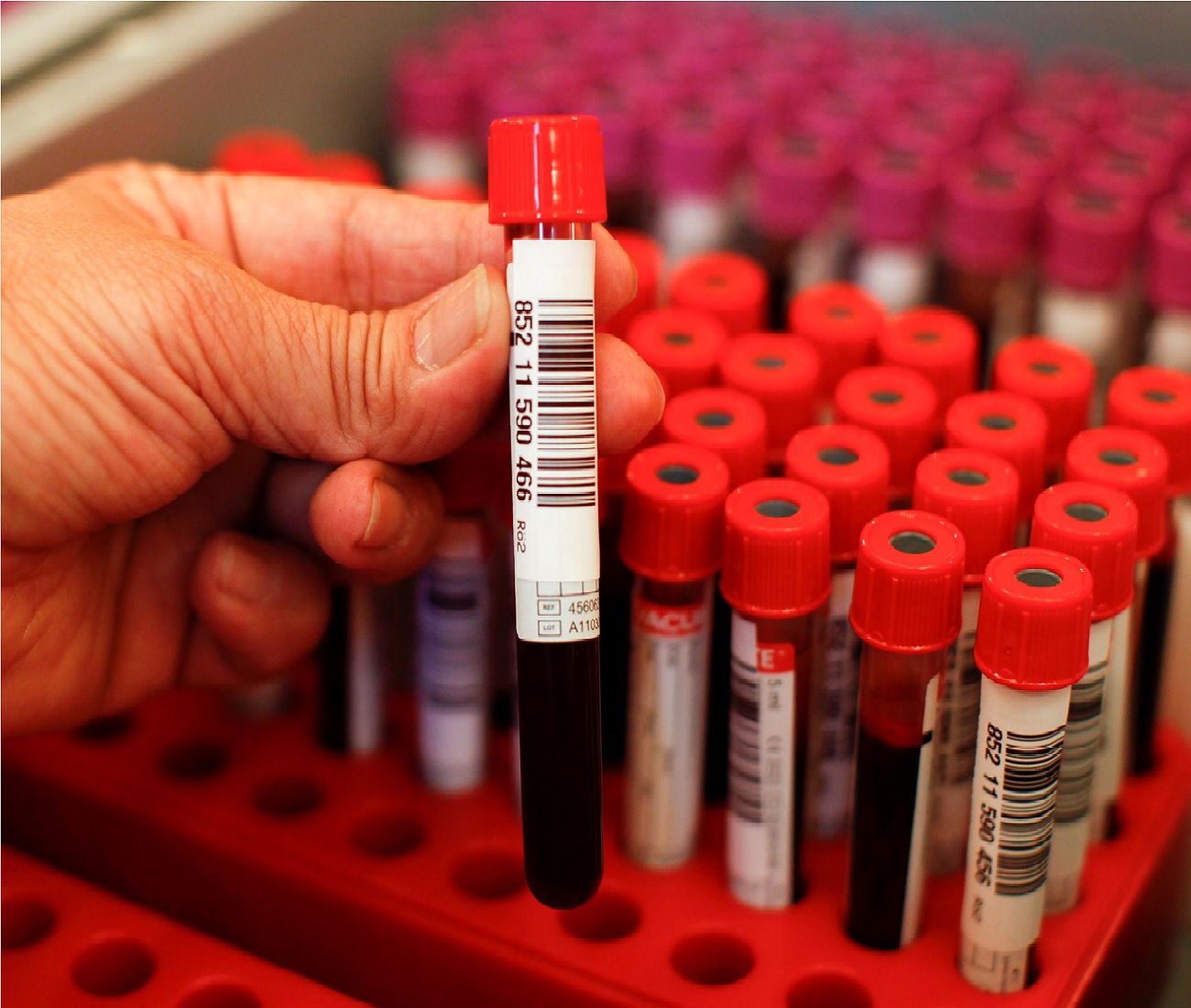
All human body fluids, including sweat, saliva, vomit, and blood, can potentially be infected with bacteria or viruses. Some of these potentially infectious materials die almost immediately once outside of the body, but others can survive for several minutes, hours, or days in the air or on surfaces. Healthcare workers can never know until laboratory tests are returned which patients pose a threat.
A burn means more than the burning sensation associated with this injury. Burns cause skin damage because the skin cells die. Burns can happen at work and outside of work. In fact, burns are one of the most common household injuries, especially among children.
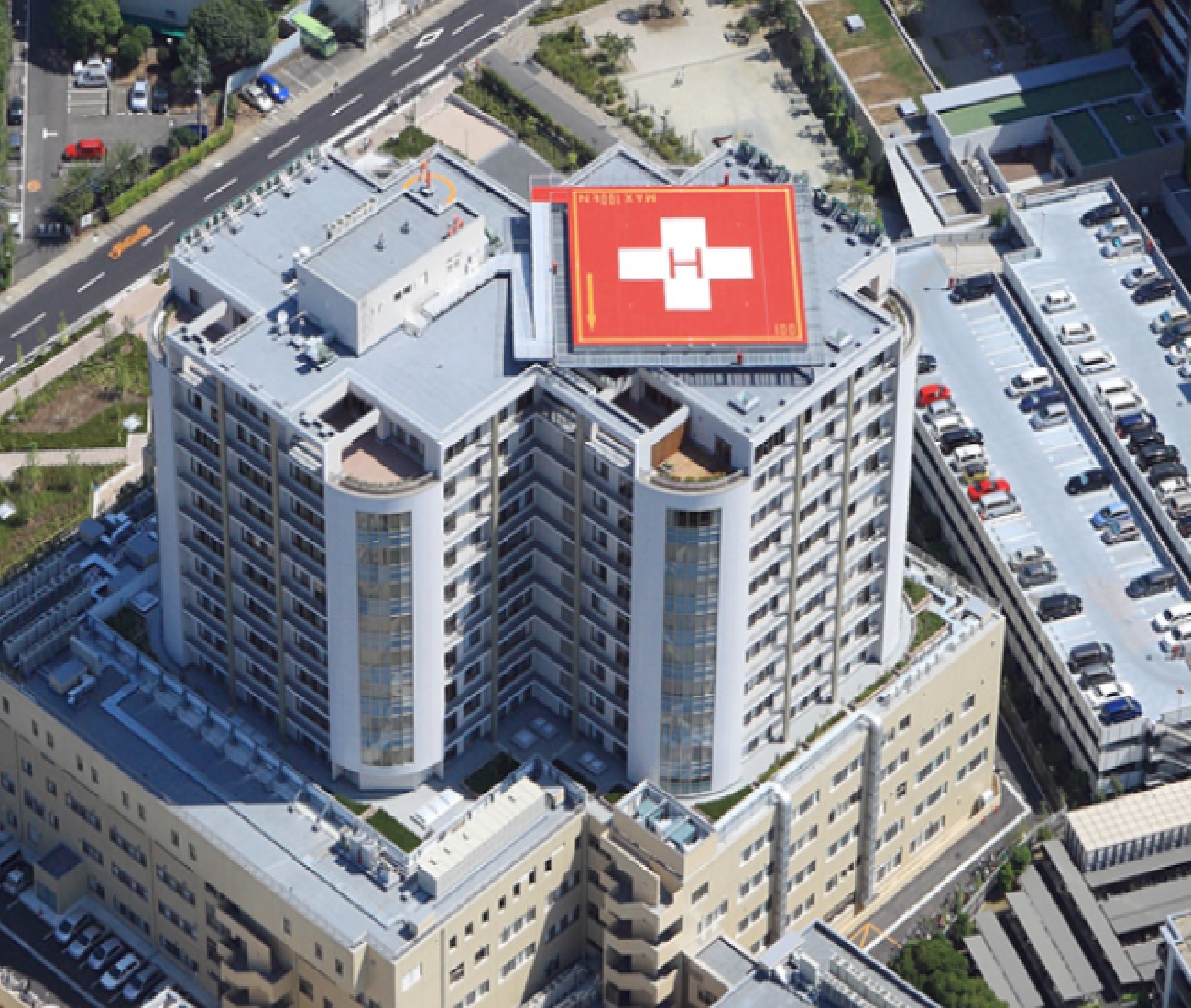
A helicopter transfer may be needed due to the remoteness of the patient when they need medical attention, or the severity of their need requires rapid transfer to hospital care. Sometimes they need to move to a different hospital for treatment. Whatever the specifics of the case, these medical needs are urgent and often life threatening. The fastest and safest way to get them to the care they need is by helicopter. But it’s not without risks.
A scientist was conducting an experiment using a portable fluorescent lighting rack. The lighting rack was plugged into an electric timer, which was plugged into the wall. However, since the timer only accepted a two-prong plug, an adapter was used to allow the three-prong plug of the lighting rack to be used with the two-prong outlet of the timer.
Since it's your first time, you may want to checkout some of the video tutorials.











 800-ICW-SAFETY (800.429.7233)
 SAFETYOnDemand@icwgroup.com