
Fundamentals of First Aid: CPR
Safety Talk What’s at Stake? If a person suffers from [...]
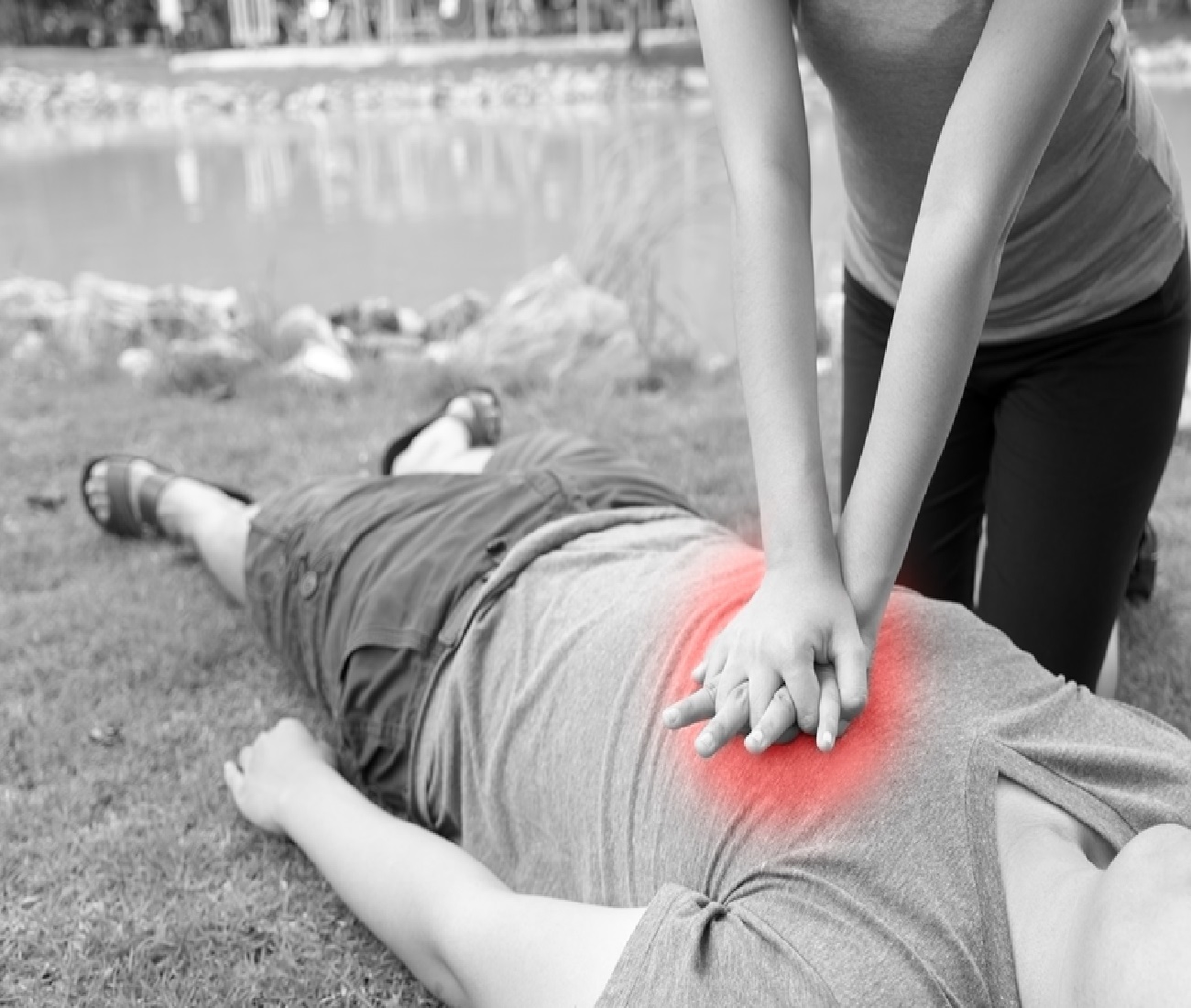
Safety Talk What’s at Stake? If a person suffers from [...]
A carcinogen is any substance that can cause cancer. They are chronic toxins that cause damage after repeated or long-term exposure. For some people, the workplace can be a source of exposure to some carcinogens, such as asbestos, benzene, or formaldehyde.
Benzene is a highly flammable, colorless or light yellow, sweet smelling liquid that evaporates quickly into the air. Since its vapor is heavier than air it can sink into the low-lying areas. It is found in products made from coal and petroleum. Lubricants, plastics, rubber, dyes, and other chemicals can be produced with benzene.
Materials handling is an essential task in any industry and covers everything from moving steel pipes by crane to manually hauling bags of concrete. Whatever your workers are moving or assembling, this common task also involves some of the most common costly injuries.
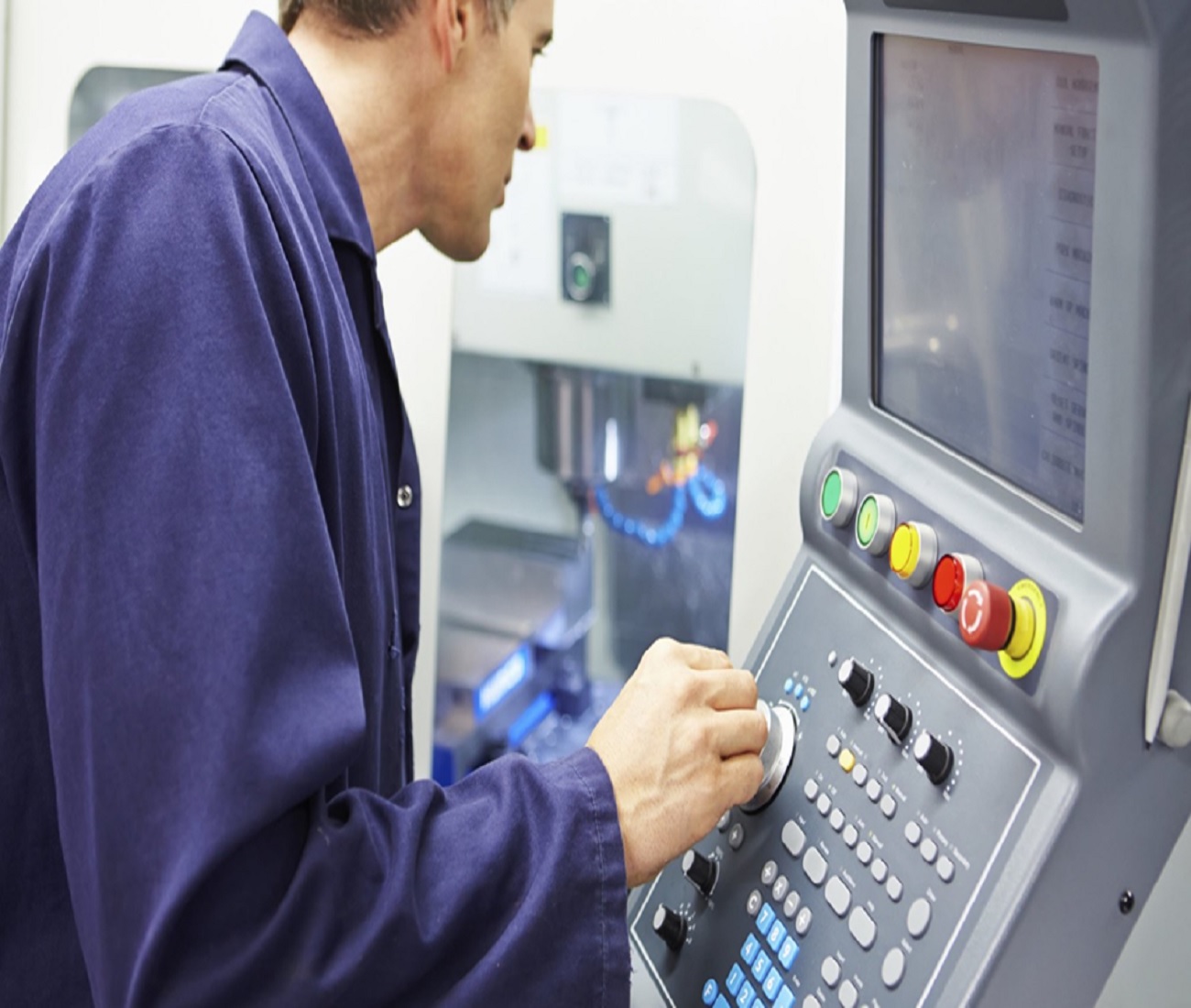
Every now and then you will come face-to-face with a new piece of equipment or new machine at work, or something slightly different from what we are trained on and used to using. The areas for potential problems will vary significantly with the equipment involved, but usually a few basic rules apply.

Stress – everyone has it. It is a natural part of life, but too much stress can cause health problems and can affect your ability to work safely. It’s becoming increasingly difficult to disconnect and unwind in our 24/7/365 world of news, noise, and responsibilities.
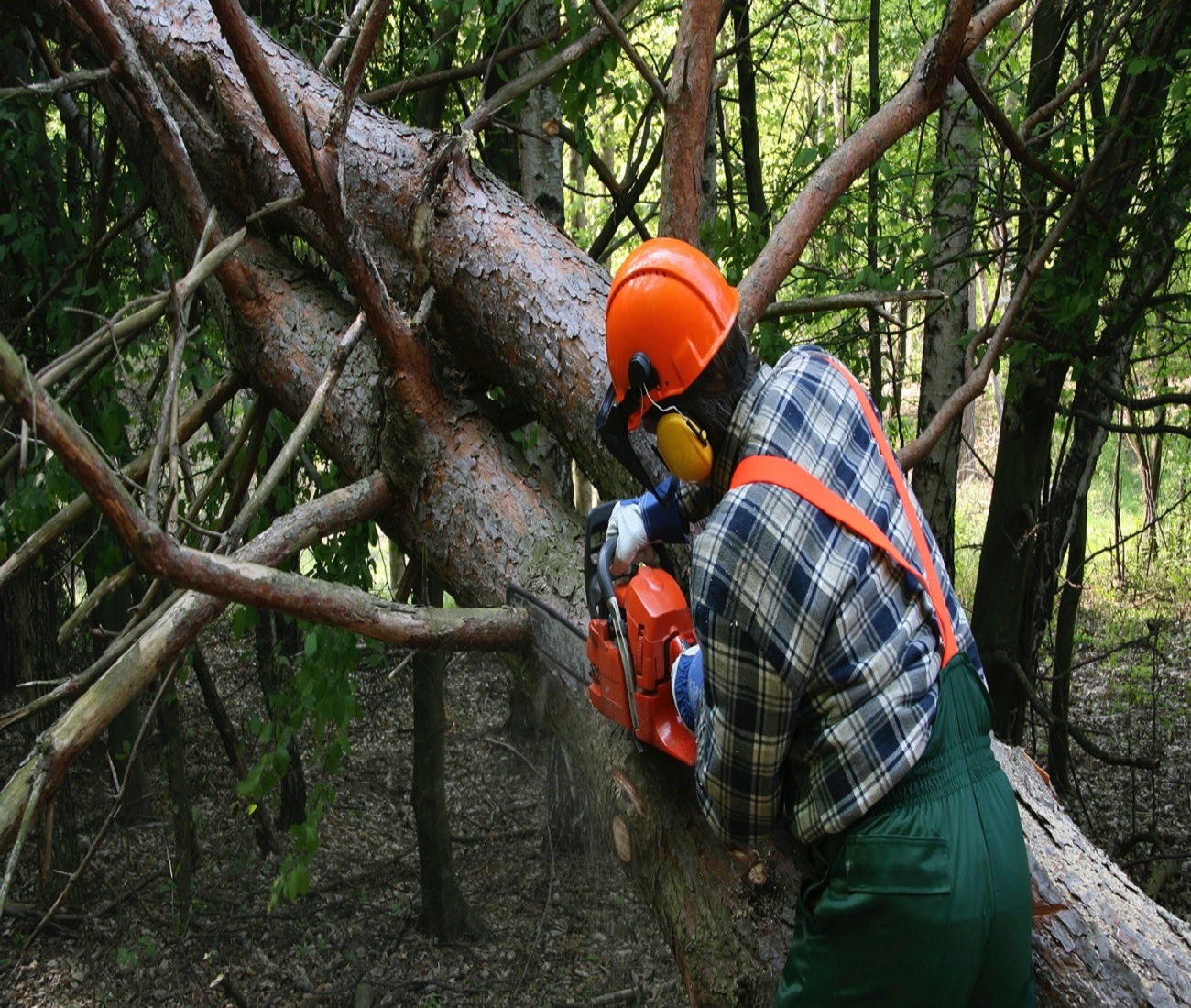
Working alone means working where you cannot be seen or heard by another person and where you cannot expect a visit from another person. While not an ideal situation, sometimes it is necessary. In occupations as diverse as a home care nurse, security guard, property manager, plant attendant, taxi driver, custodian, logger, ranch hand, retail clerk and oil field mechanic, sometimes must work alone.

The freedom of working alone sounds like a dream job for many, but the downside is there’s nobody around to help you if something goes wrong. Social workers, home care nurses, custodians, security guards and late-night convenience store clerks all face hazards from working solo. People might not be able to hear your calls for help and come to your rescue when you work alone.
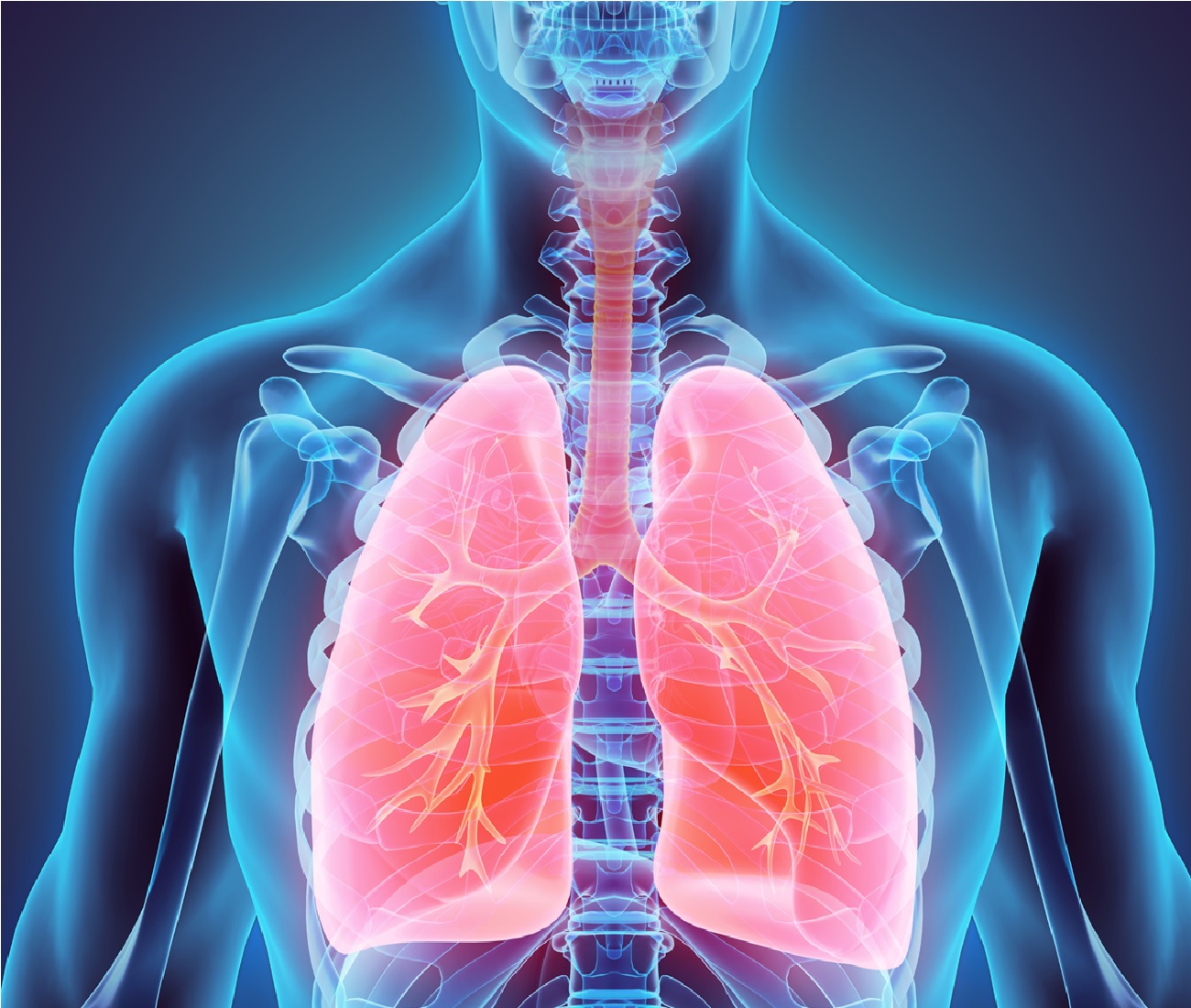
Tuberculosis (TB) is a serious and infectious condition that can affect different parts of the body but is most commonly considered to be a disease of the lungs. People often develop TB if their immune system is lowered due to conditions such as aging, major illness, and surgery.
Maintenance workers may be involved in new landscaping, plantings or playground equipment footings with the aid of a shovel or powered digging equipment. Digging also encompasses excavation and trenches.
As end-dump truck bodies and/or semi-trailer dump rigs get longer, instability of the vehicle gets higher and higher. With high instability comes more of a chance of trucks tipping over. This risk is greater in semi-trailer rigs than in straight trucks due to the length of the semi-trailer rig.
During a shutdown, process industries such as oil and gas slow or stop work and inspect, maintain, repair and replace equipment. If you are working through a plant slowdown or shutdown, you need to be aware of the new hazards created during this time.
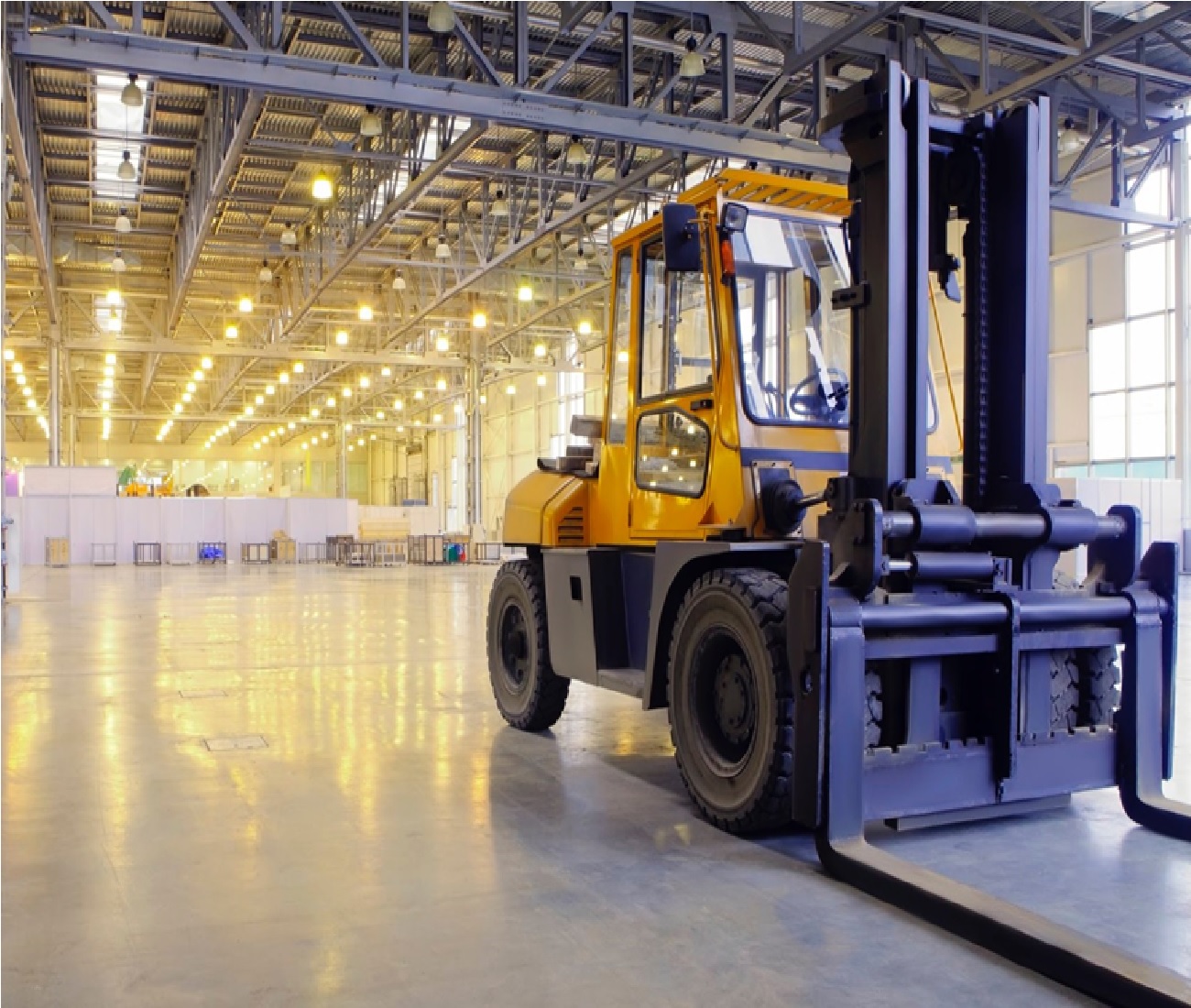
Machines have all but replaced muscle power in modern industrial society. Forklifts are a prime example. Forklifts are utilized just about everywhere material needs to be moved.
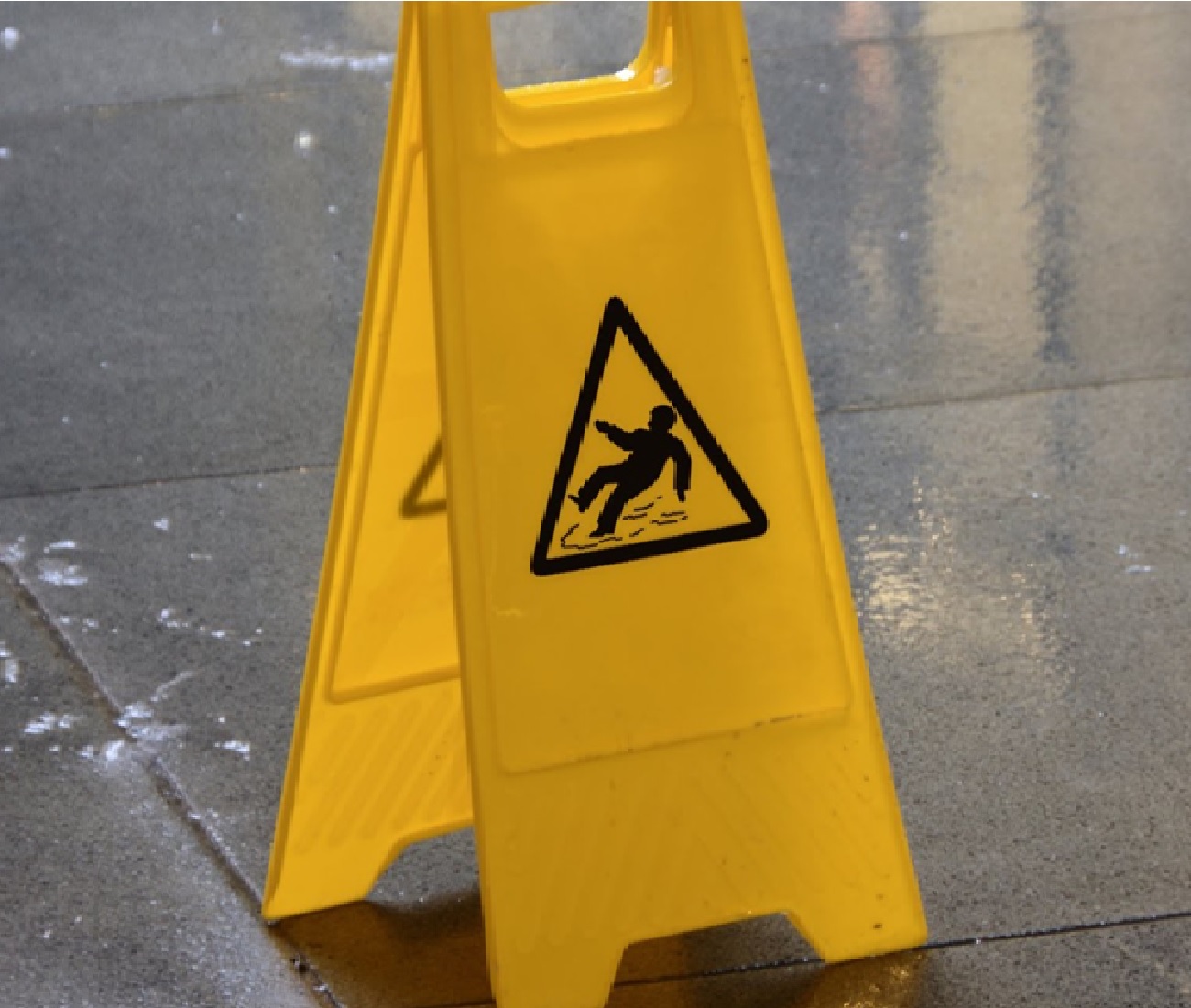
Slips, trips and falls are among the leading causes of workplace injuries. They occur when housekeeping procedures aren’t followed and enforced, when you rush or fail to pay attention to what you’re doing and where you’re walking, when you don’t wear the right kind of footwear, and when stairways, parking lots, and other walking and working surfaces aren’t well-maintained.
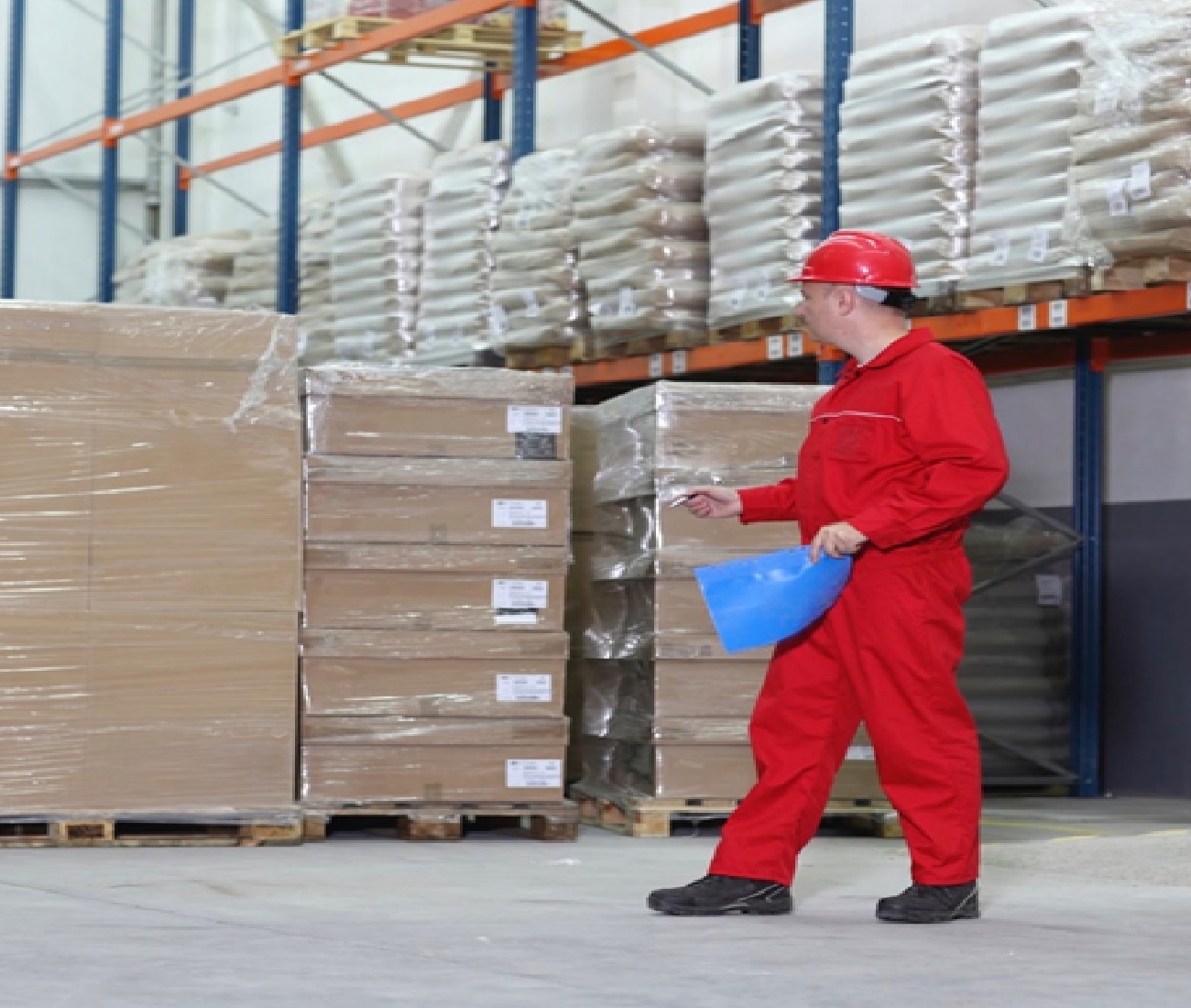
Materials handling work is part of many jobs. Think about the different things you lift, move, and store as part of your job – frequently or infrequently.
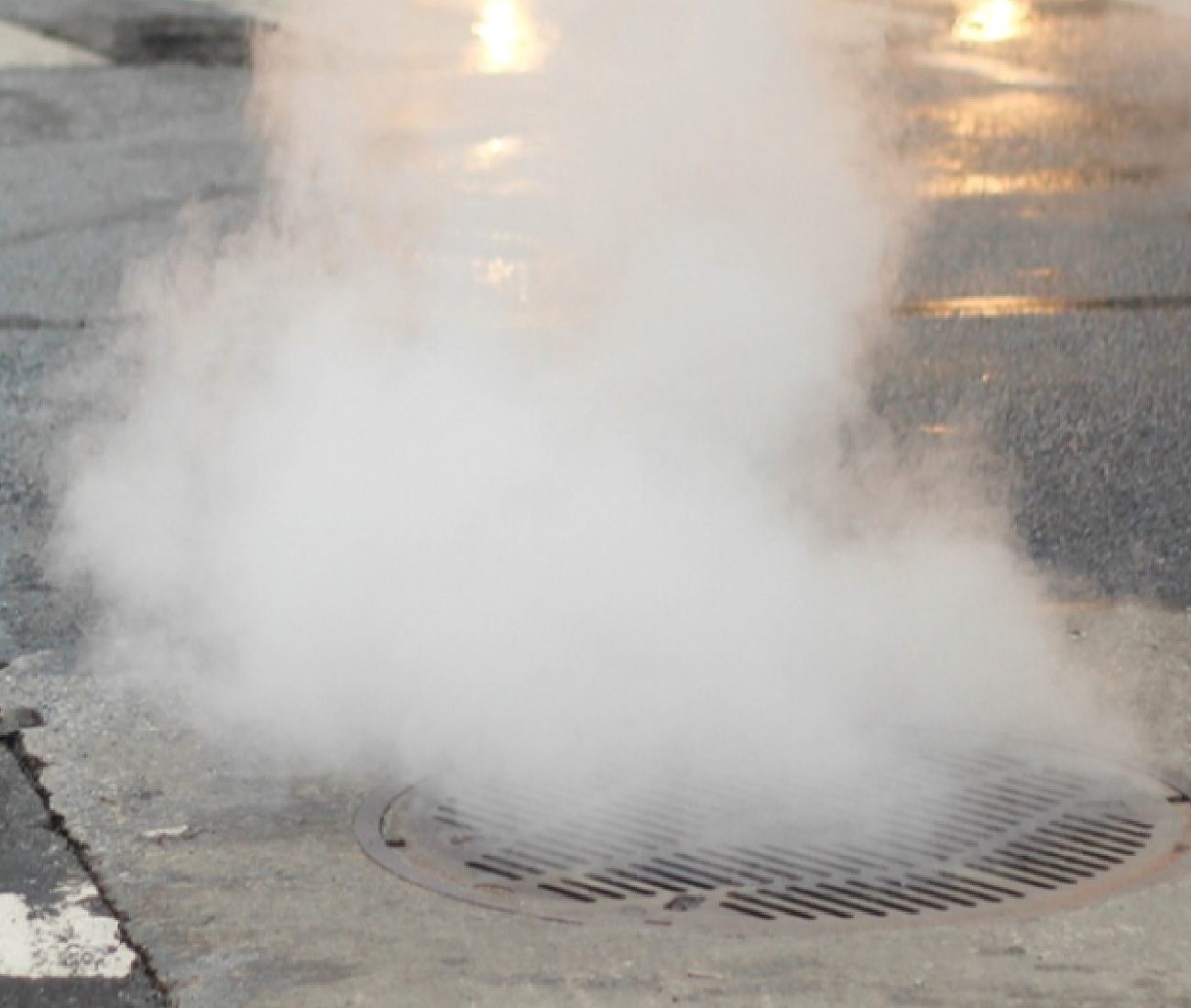
Chemicals can cause burns to eyes, skin, and internally if swallowed or inhaled. Chemical burns can be deceiving with some chemicals causing damage deep within body tissue. The amount of damage a chemical can cause depends on many factors including the chemical, its strength, whether it was inhaled or swallowed and the time it was in contact with body tissues.
Strains and sprains, sore shoulders and bad backs - these are facts of life if your work involves manually moving materials. Manual lifting can result in injury, particularly when it involves a heavy load, twisting motion or repetition.

Did you know your mental, physical, and emotional fitness is part of a safe work environment? If you are fit and healthy, you are likely to have more energy and stamina.
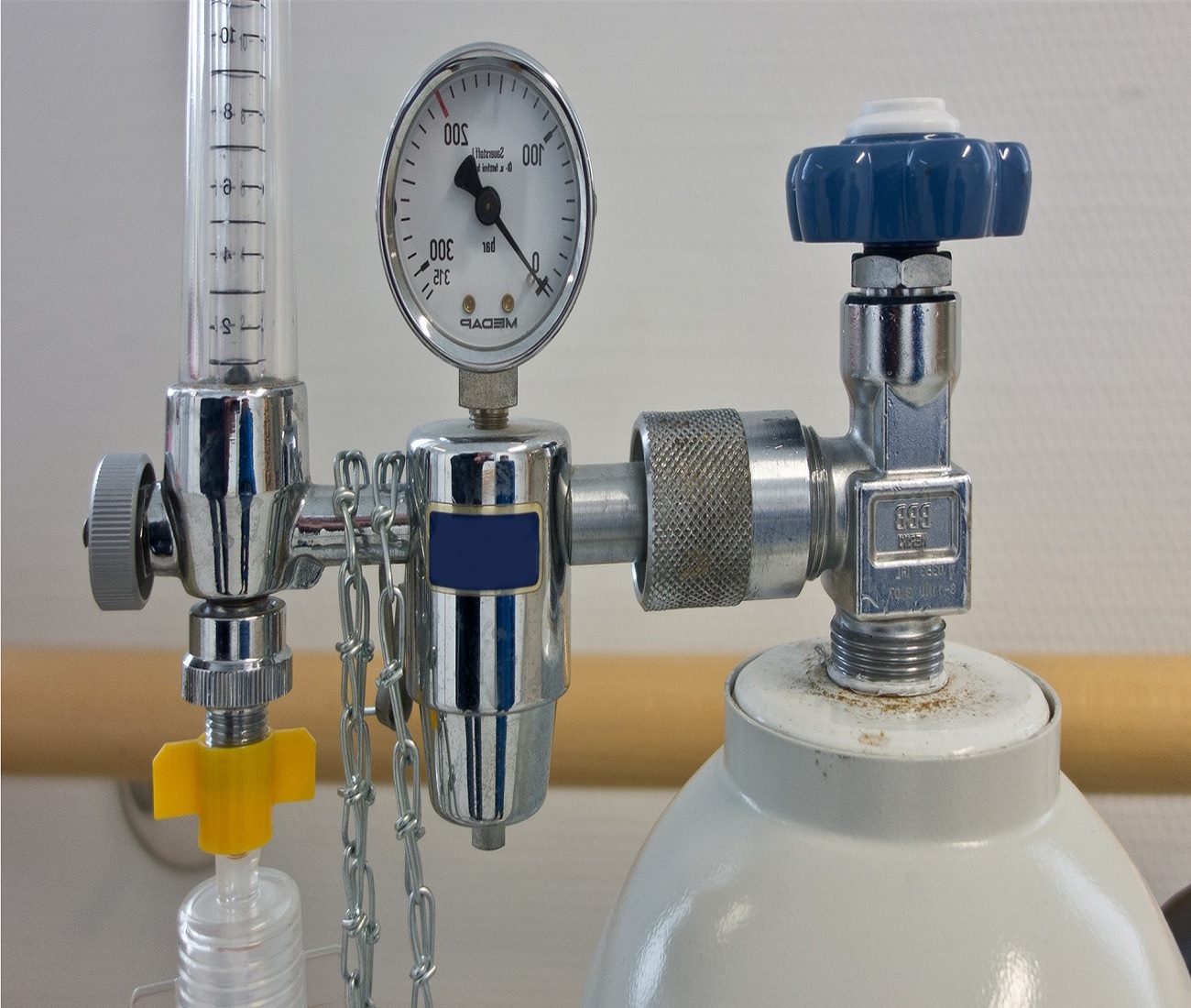
Compressed gases play a useful role in a variety of industries including healthcare. However, healthcare workers and patients, are at risk of injury or death from gas inhalation, burns, flying debris, and unsafely handling heavy cylinders.

Near misses make up more than half of the incidents that occur in workplaces. A near miss is an unplanned event that did not result in injury, illness, or damage but had the potential to do so. A near miss needs attention, as they are a warning that conditions are right for a possible accident.
What’s at stake is your life. Trenching and excavating involve serious hazards. If you’re in an excavation you need to know how to identify the hazards and how they can be prevented.
Every year thousands of workers are injured, and some are killed, “at the office.” Broken bones and head injuries from falls, burns, and electrical shock hurt just as badly when they occur in an office setting as when they happen at an industrial site.
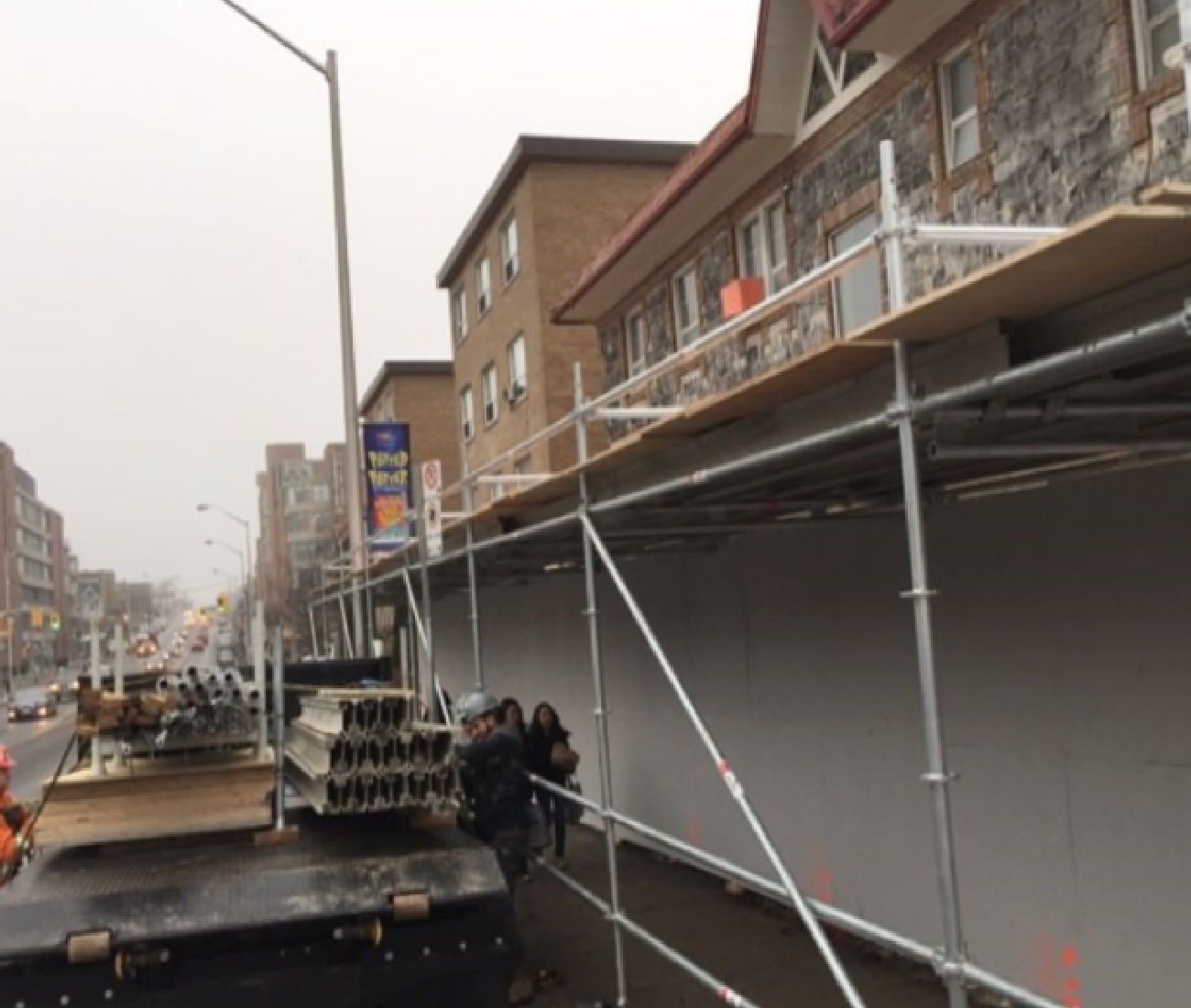
Some of the worst hazards in any work area are the ones you don’t see - because they’re above you. What’s at stake is your life, and there are two basic ways you could lose it: electrocution or falling objects.

Electricity is the movement of electrons between atoms. In their normal state, electrons in a conductor such as copper, freely and randomly move from atom to atom.
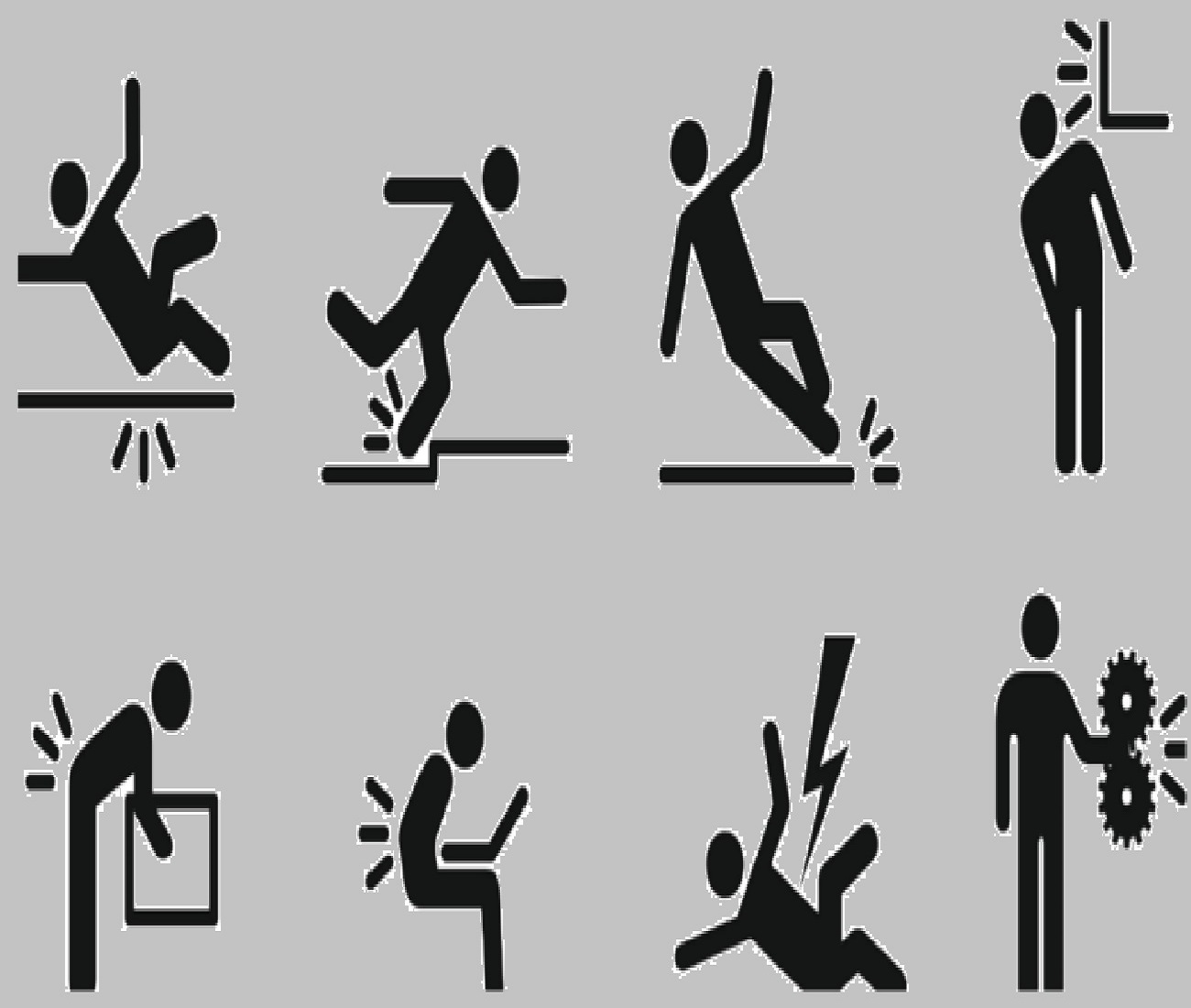
If you and your friends were facing a dangerous, deceptive enemy, you'd want to find out all you could about the enemy and share any information you come up with. The fact is you do have such a treacherous enemy—the workplace hazard. And this enemy threatens you and your co-workers daily.
Since it's your first time, you may want to checkout some of the video tutorials.








 800-ICW-SAFETY (800.429.7233)
 SAFETYOnDemand@icwgroup.com