Put a Lock on Stored Energy
Energy keeps the workplace going, but it can also kill. Unexpected release of energy is the cause of many serious injuries.

Compressed air can make short work of everything from changing tires to nailing and stapling, but its power demands respect.
Workplace fires account for many injuries and deaths, with approximately three percent of workplace fatalities being related to fire and explosions. Not only do workplace fires cause injuries and deaths, they also cause millions of dollars worth of property damage every year, leading to job losses. In fact, a great many of the workplaces destroyed by fire are never rebuilt.
If there are certain times of day when you are fighting the urge to sleep, you aren’t imagining things. Any night shift worker will tell you that the urge to sleep is strong between 2 a.m. and 6 a.m. What you might not know is that another lull occurs in the early-to-mid afternoon.
Focusing on a stationary object like a screen for a long period of time can have health consequences. The most common is a temporary condition called Computer Vision Syndrome (CVS).
Every day we hear about environmental concerns including the diminishing ozone layer, overflowing landfills, pollution ... the list is endless. The problems seem so immense, what can one person do? The short answer is, plenty!
Is there a manhole to a sewage system near your workplace, or an underground vault for an electrical system? Any boiler, tunnel, well, silo, shaft or poorly ventilated crawl space can be a potentially dangerous confined space.
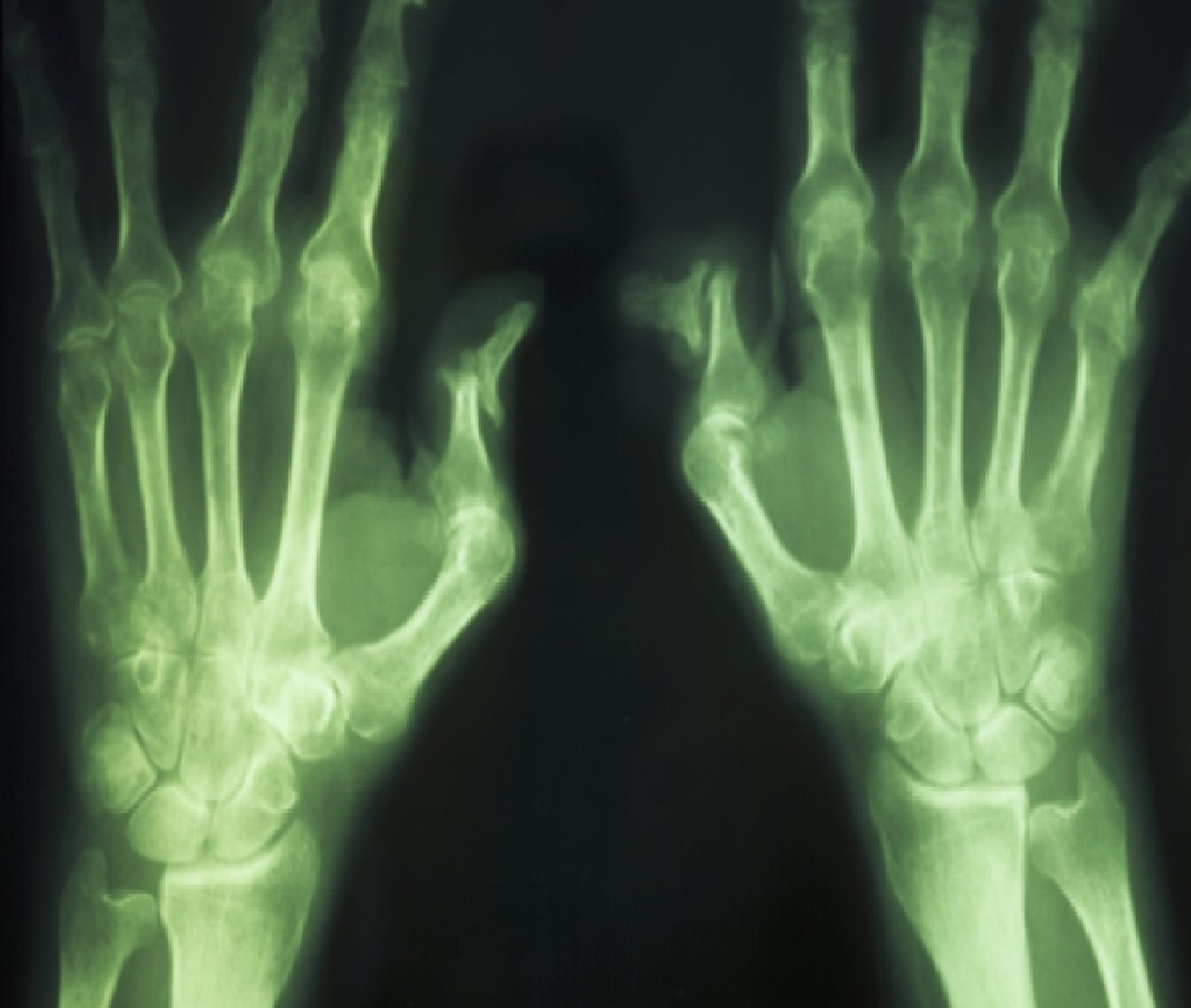
Hand and finger injuries can range from a minor inconvenience to a life-altering event. Read this Safety talk article and learn about 10 ways to protect yourself against cuts and lacerations - one for each finger.

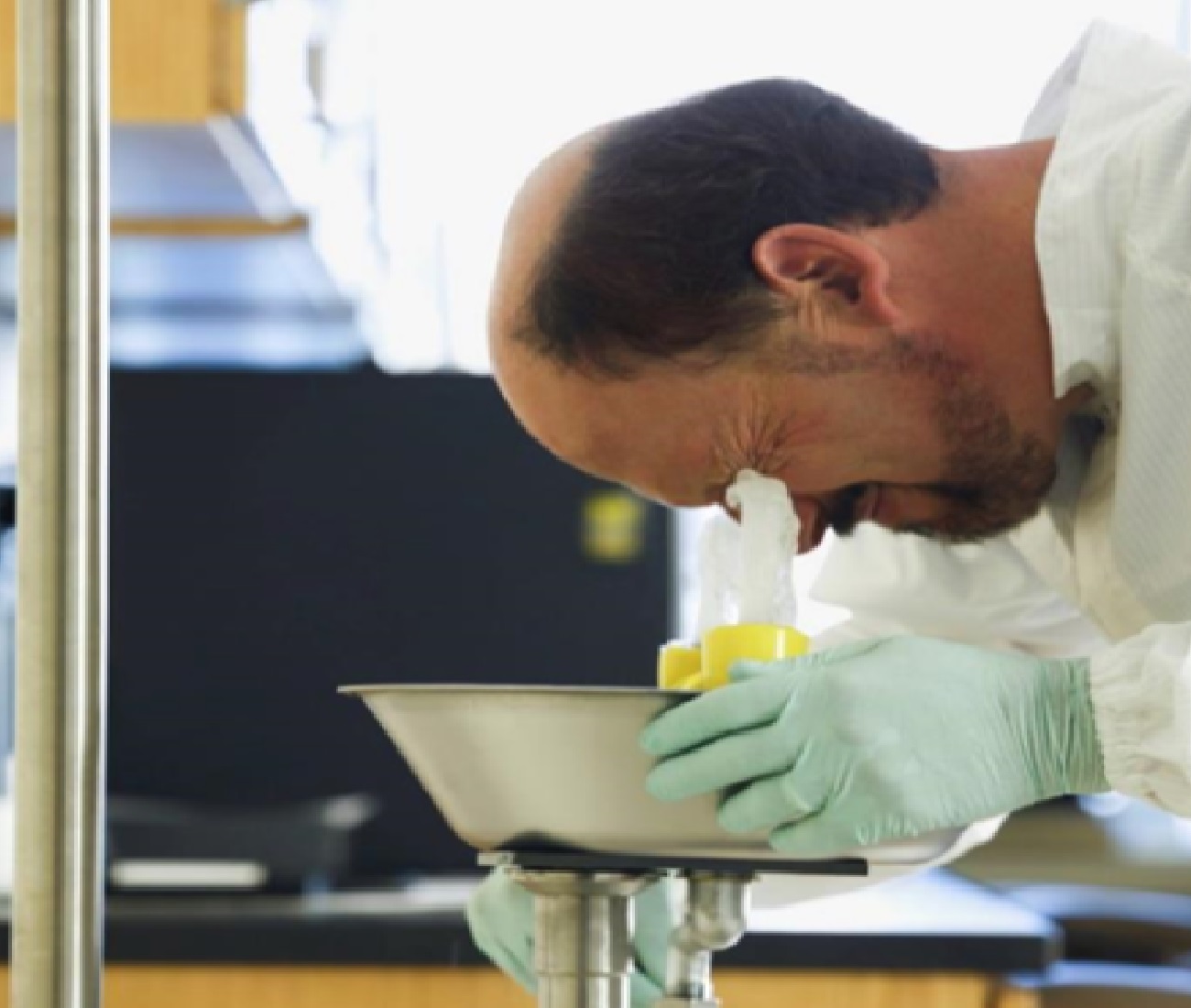
Every day thousands of workers are exposed to sight altering and life altering eye injuries. Of those workers exposed, over 2,000 end up needing medical treatment each day because of a job-related eye injury.
You’re in free fall after a misstep sent you over the edge of elevated work, 40-feet off the ground.
Occupational divers put themselves at risk every time they brave the depths, whether?harvesting seafood, repairing ships or retrieving golf balls from ponds.

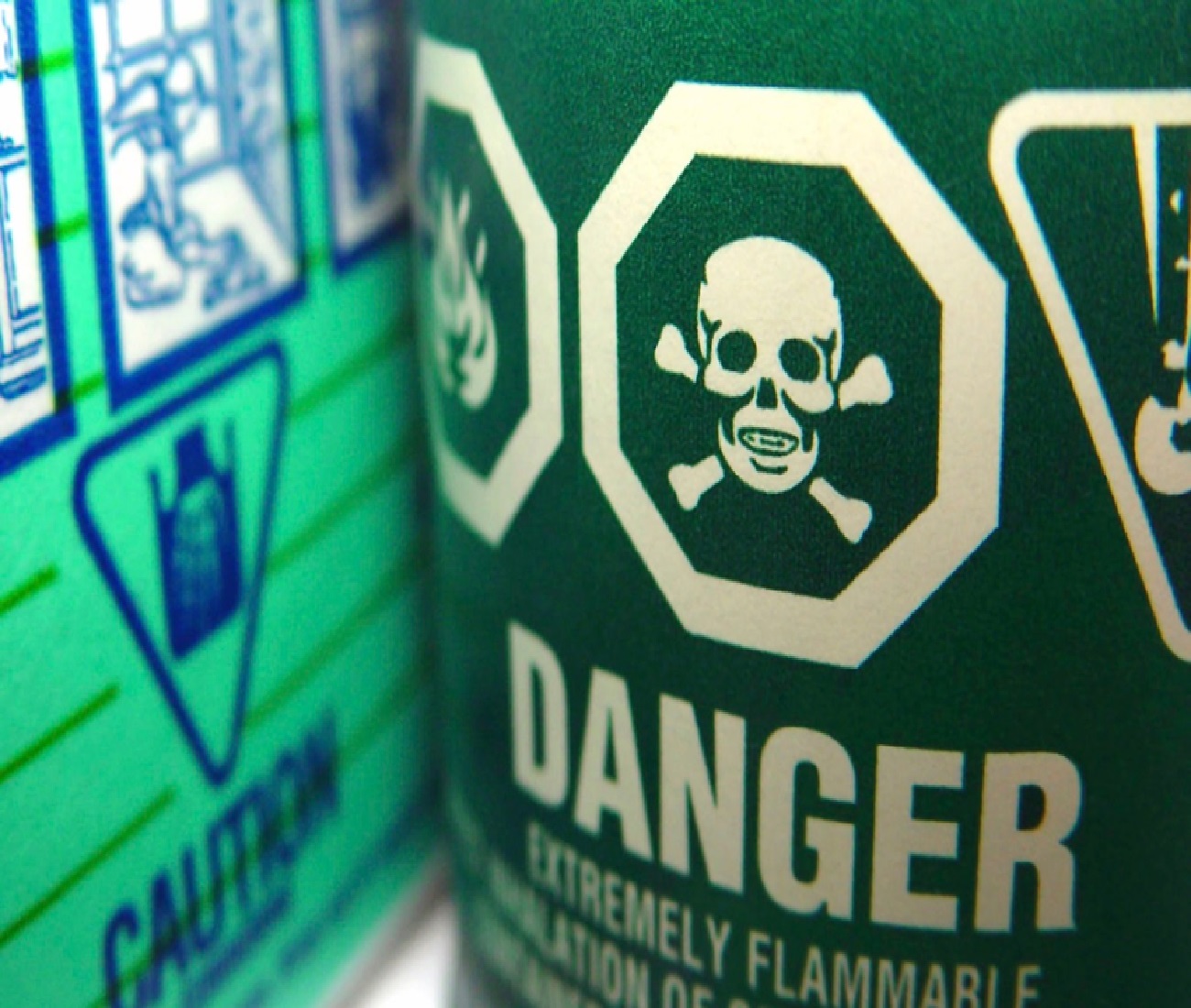
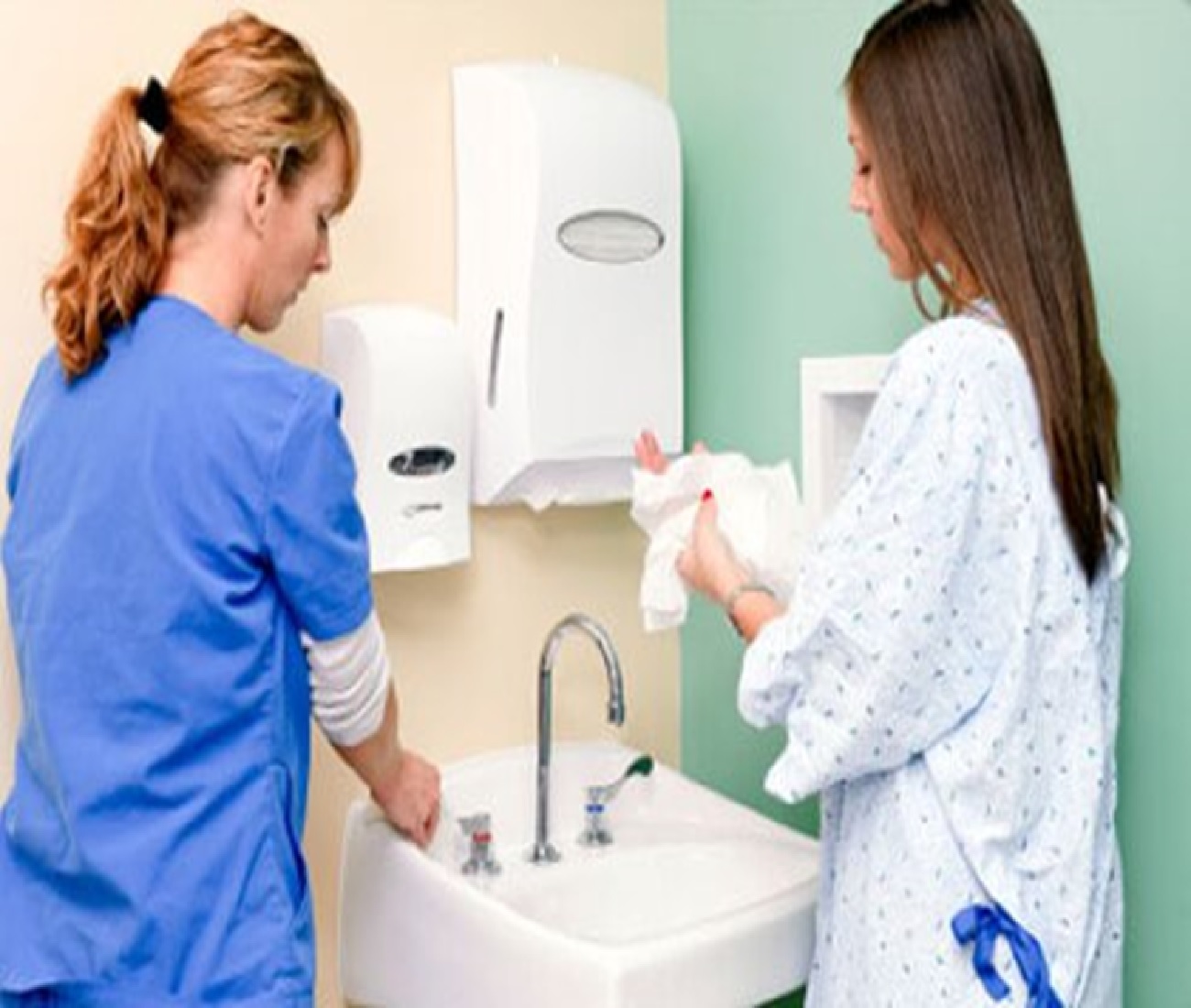
Chemicals and other contaminants can be transferred from the hands to foods, drinks or cigarettes and ingested into the body, where they can cause serious damage, especially with repeated exposure over time. Along with not eating, drinking or smoking after handling chemicals, workers who bring coffee or food items into contaminated areas are also risking exposure to toxic agents.
Most of us have seen a sick co-worker trying to make his way through the workday instead of being home resting or in bed. But coming to work with a cold, flu or other illness is a bad idea. It can make all of us less productive.
Having an escape plan and working smoke alarms throughout your home are two ways you can avoid getting burned if a fire were to break out in your home.
While anthrax concerns have increased public awareness of respiratory biological hazards, there are many other common biological agents affecting workers every day. This safety talk will discuss a few of these hazards. What you need
In humans, most West Nile virus infections cause either no symptoms or a mild flu-like illness. Severe infections include high fever, stiff neck, disorientation, tremors, muscle weakness and paralysis. The most severely affected patients may

Even a simple extension cord needs to be looked after. It's a shock orfire hazard when deteriorated, worn-out or used improperly.

Boxes and cartons The best way to carry boxes and cartons is to grip them at opposite top and bottom corners. Carry sacked materials the same way, and against your waist if possible. Don't strain
Working outdoors in cold weather is just one of the reasons people in the oil and gas industry have to be tough.
Your workplace probably has a committee that discusses safety issues.
Nearly any worker could encounter bloodborne pathogens -whether bandaging a co-worker's cut, stepping on a used hypodermic needle in the alley or helping an accident victim on the way home.

Chemicals enter the body in a number of different ways. A chemical can be absorbed by the skin, inhaled, ingested or through a puncture like a needle. Once in the body, chemicals are circulated by
By understanding the basics of ergonomics and how they relate to your job, you may be able to prevent painful injuries.
It can be tempting to skip a lockout procedure just to make a quick adjustment on a machine. This kind of thinking is a mistake. In fact, it can be a fatal mistake. Many workers have been killed when they left a machine running or skipped the lockout just to do a quick clean-up or adjustment.

We often hear about people being “in the wrong place at the wrong time.” While this saying often refers to people who have been victims of crime, it certainly applies to workers as well.