

Working Alone – Spanish
¿QUE ESTÁ EN RIESGO? Trabajar solo significa trabajar donde no [...]
¿QUE ESTÁ EN RIESGO? Trabajar solo significa trabajar donde no [...]
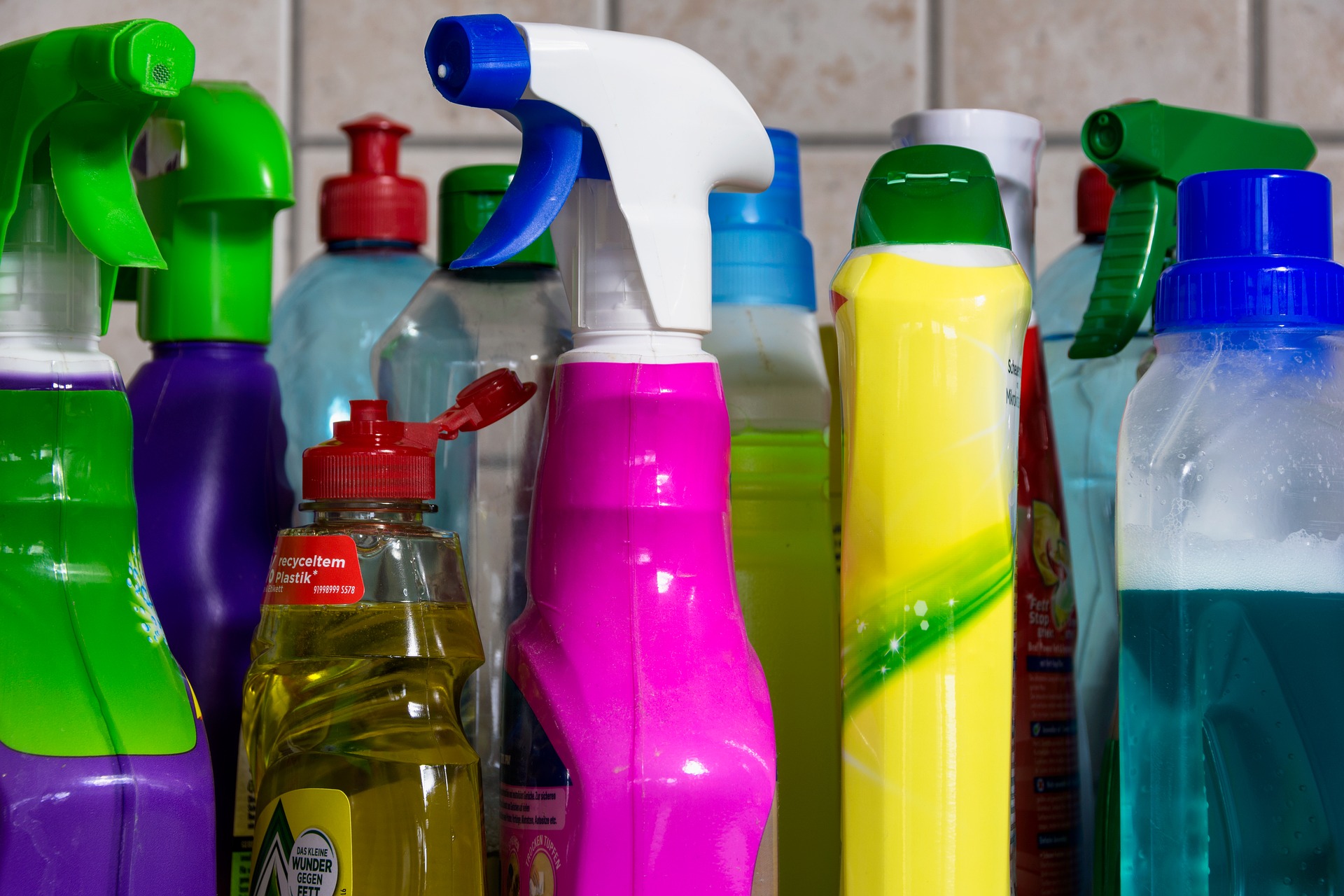
¿QUE ESTÁ EN RIESGO? Los productos químicos pueden causar quemaduras [...]

¿QUE ESTÁ EN RIESGO? La luz del sol que brilla [...]
¿QUE ESTÁ EN RIESGO? Los trabajadores pasan una media de [...]

¿QUE ESTÁ EN RIESGO? La fatiga es el estado de [...]
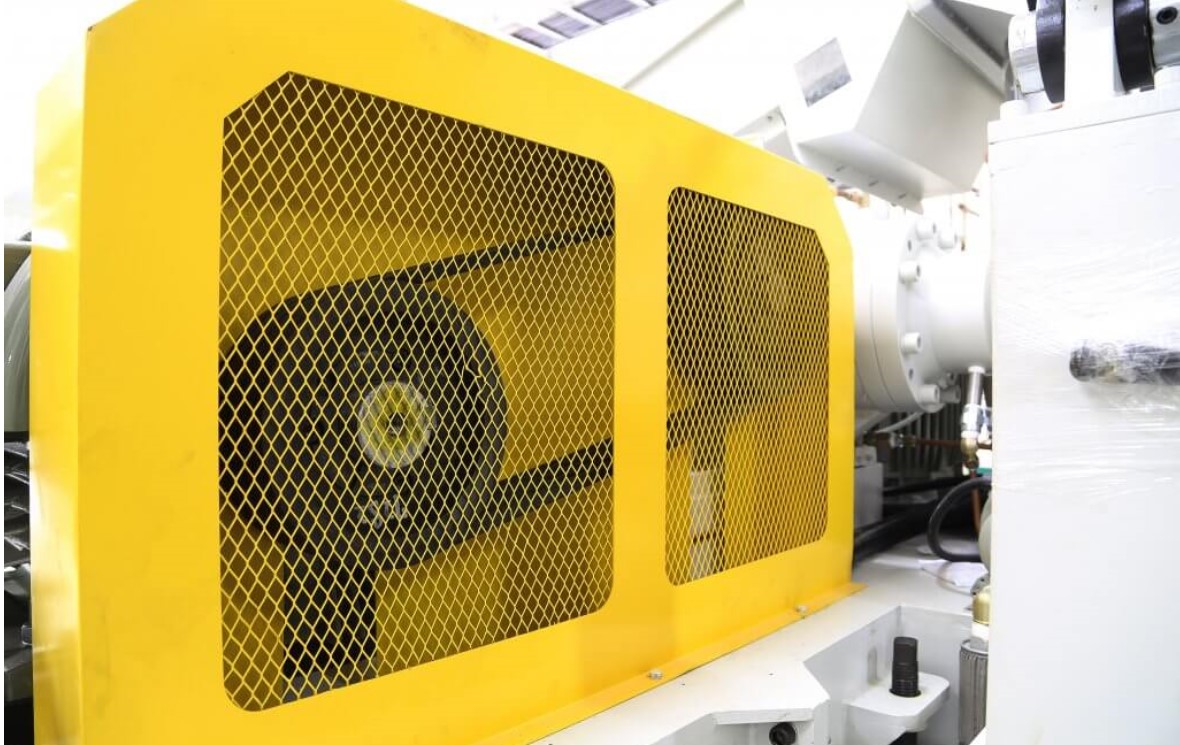
¿QUE ESTÁ EN RIESGO? La exposición a máquinas desprotegidas o [...]
¿QUE ESTÁ EN RIESGO? Meta los pulgares en las palmas [...]
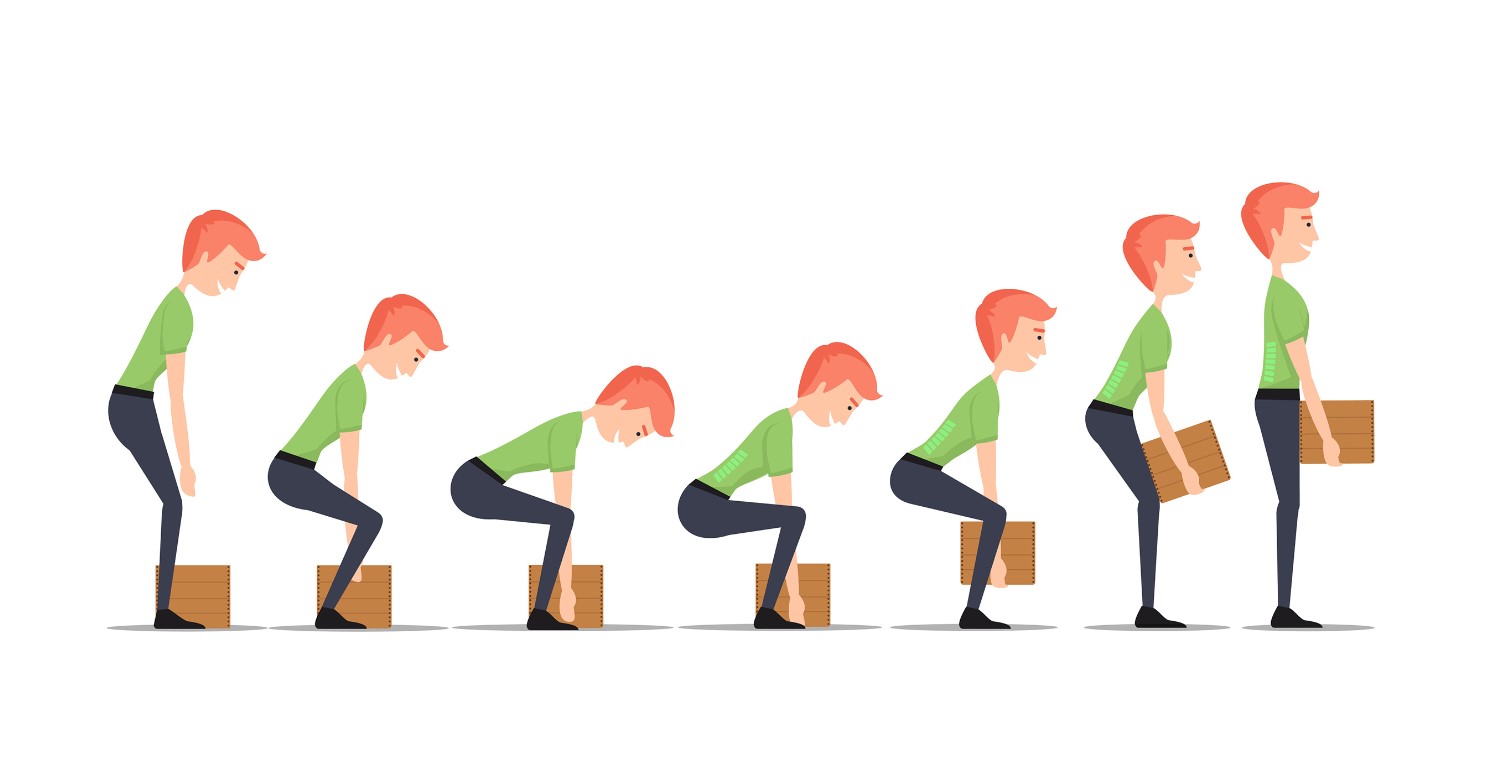
¿QUE ESTÁ EN RIESGO? Busque formas de evitar el levantamiento. [...]
¿QUE ESTÁ EN RIESGO? El trabajo de manejo de materiales [...]

¿QUE ESTÁ EN RIESGO? Atrapado y aplastado entre los peligros [...]
¿QUE ESTÁ EN RIESGO? Los agentes patógenos transmitidos por la [...]

According to a recent study, when asked what happens to harassers, 70% of respondents stated they believed harassers face no consequences. Imagine what this belief does to the willingness and probability of a victim reporting an incident of harassment. It doesn’t matter if 100% of harassers did face consequences, perception is often seen as reality and in this case, the reality that’s being seen is likely one of the reasons harassment often goes unreported and unchecked.What do you think the perception is at your organization? What’s the reality? Have you asked?

Sexual harassment, and any kind of harassment in the workplace, can have devastating and profound emotional, physical, and financial effects on the victim and the workplace as a whole.

More than half of adult women have experienced "unwanted sexual pressure" and more than one in 10 — both men and women — say sexual harassment of women in their workplace is "really quite common," according to a recent study.From a moral and legal standpoint, it is simply unacceptable to ignore the issue of sexual harassment in the workplace. Employers, supervisors, and employees all have responsibilities they must know, understand, and follow.

It is not uncommon to hear employees say things like this, “We can’t even give someone a compliment around here without being accused of sexual harassment.” Or, “I was just joking, she’s way too sensitive. There’s no way that was harassment.” No doubt you have several other phrases you could add to the list.But it’s not that hard to understand what is and what is not considered sexual harassment when you look at in terms of a behavior being unwelcome and unwanted.

Safety eyewear and face shields can save you from injuries which can lead to blindness and facial disfigurement. Prompt treatment of eye and facial injuries reduces the risk of permanent damage.
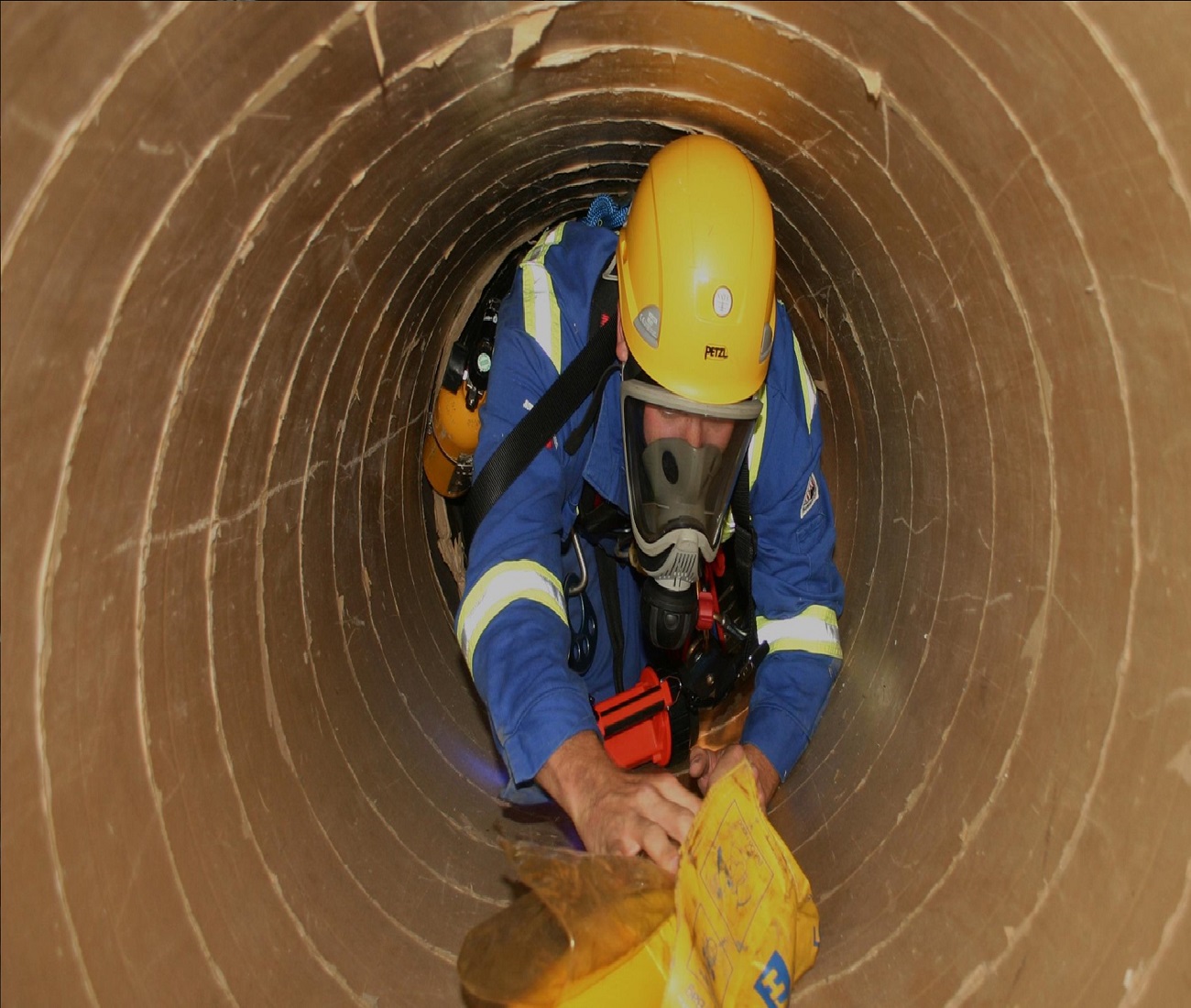
Two employees from a local construction company were assigned to repair a sewer line leak. One employee was responsible for entering the sewer—a confined space—to repair the leak. The other stayed topside as a standby person.
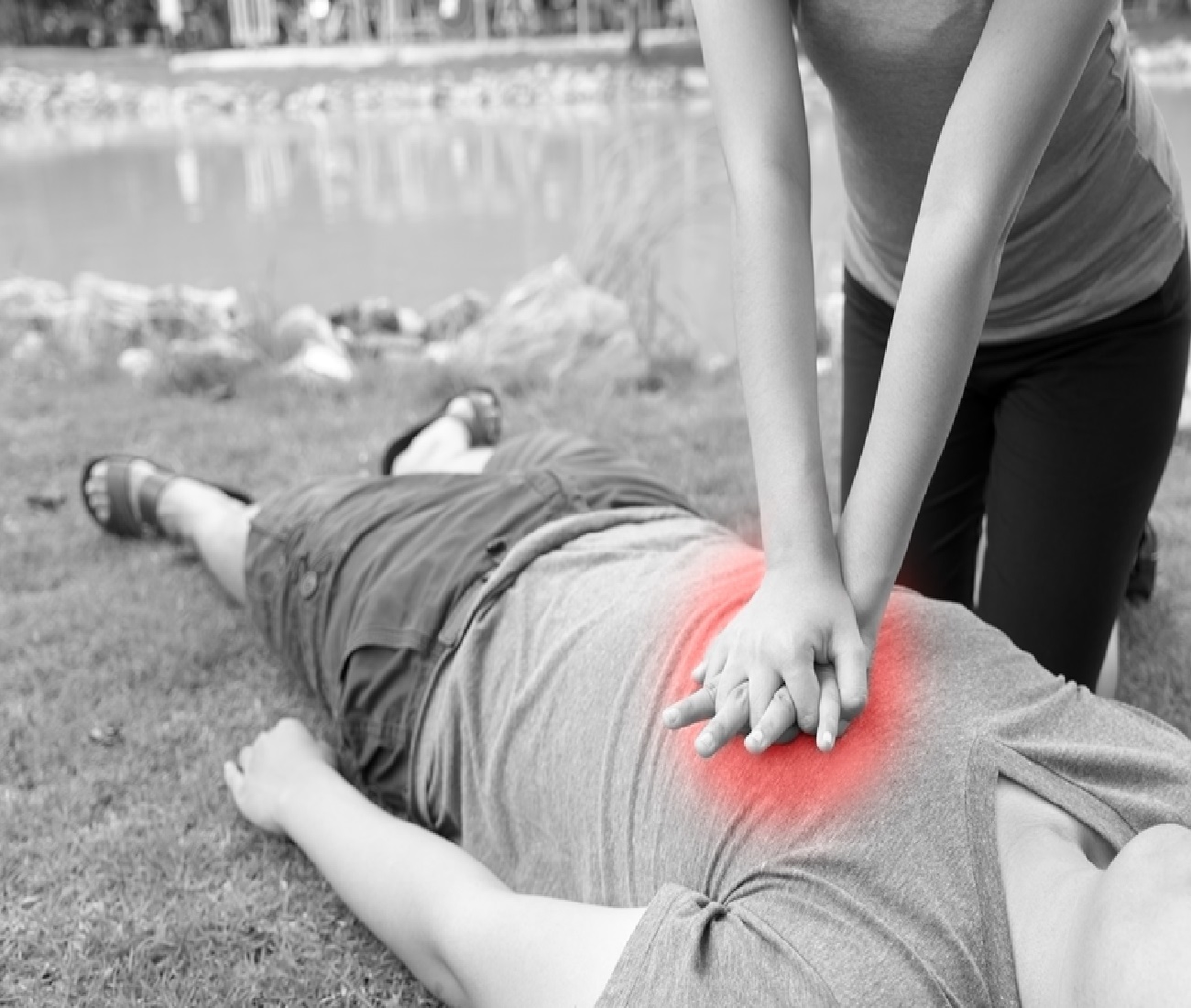
Safety Talk What’s at Stake? If a person suffers from [...]
Benzene is a highly flammable, colorless or light yellow, sweet smelling liquid that evaporates quickly into the air. Since its vapor is heavier than air it can sink into the low-lying areas. It is found in products made from coal and petroleum. Lubricants, plastics, rubber, dyes, and other chemicals can be produced with benzene.
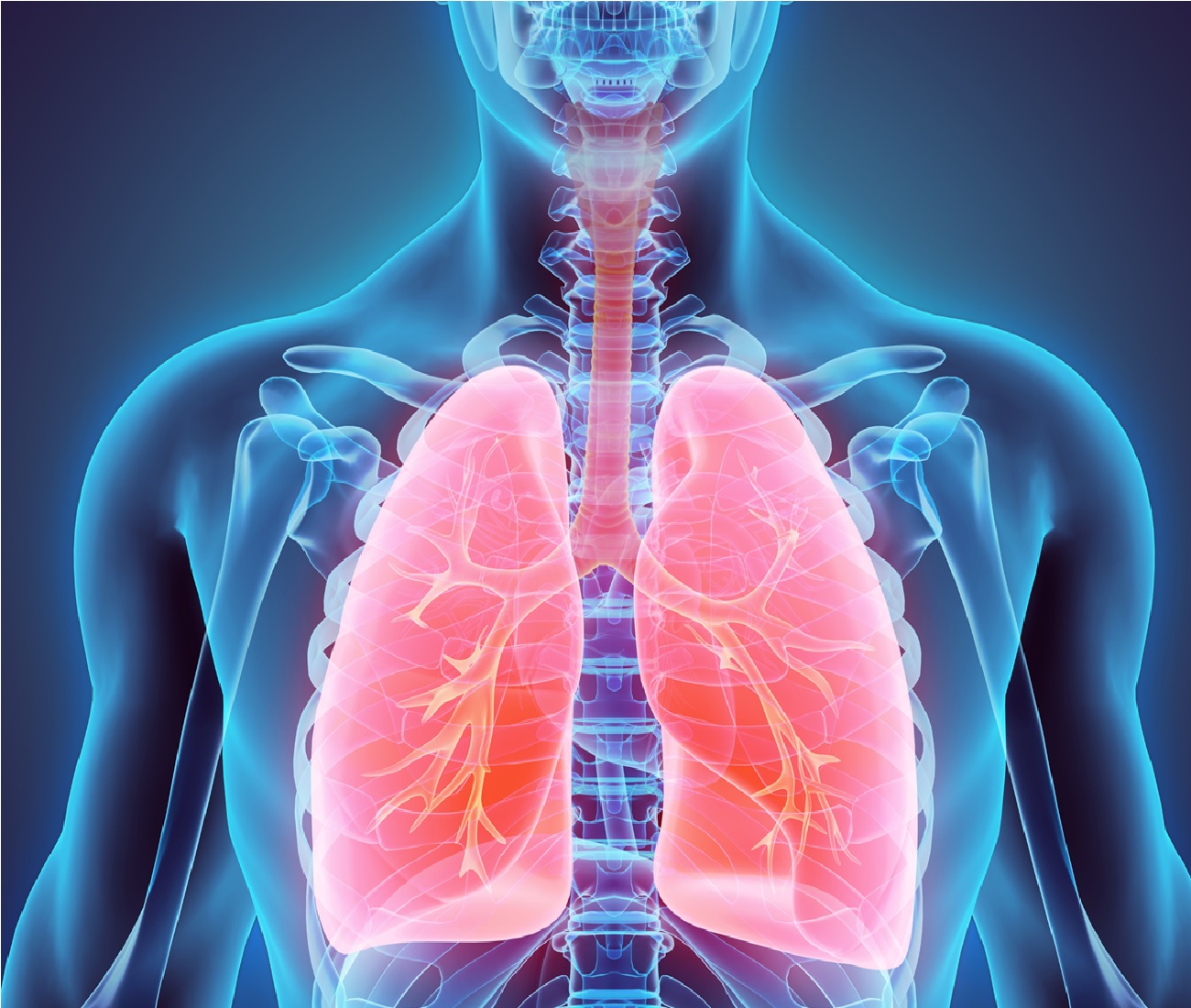
A carcinogen is any substance that can cause cancer. They are chronic toxins that cause damage after repeated or long-term exposure. For some people, the workplace can be a source of exposure to some carcinogens, such as asbestos, benzene, or formaldehyde.

Stress – everyone has it. It is a natural part of life, but too much stress can cause health problems and can affect your ability to work safely. It’s becoming increasingly difficult to disconnect and unwind in our 24/7/365 world of news, noise, and responsibilities.
Materials handling is an essential task in any industry and covers everything from moving steel pipes by crane to manually hauling bags of concrete. Whatever your workers are moving or assembling, this common task also involves some of the most common costly injuries.
Every now and then you will come face-to-face with a new piece of equipment or new machine at work, or something slightly different from what we are trained on and used to using. The areas for potential problems will vary significantly with the equipment involved, but usually a few basic rules apply.
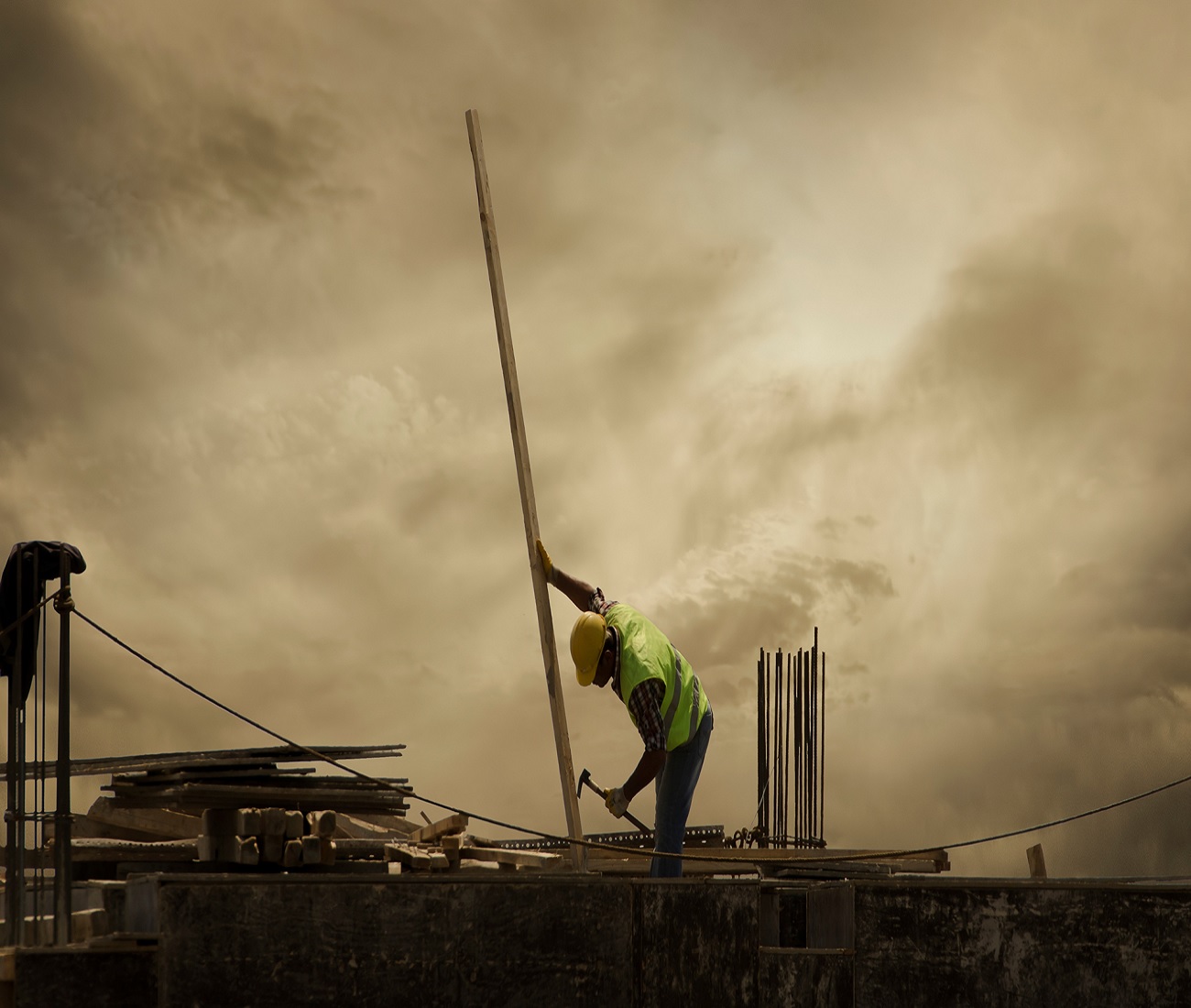
The freedom of working alone sounds like a dream job for many, but the downside is there’s nobody around to help you if something goes wrong. Social workers, home care nurses, custodians, security guards and late-night convenience store clerks all face hazards from working solo. People might not be able to hear your calls for help and come to your rescue when you work alone.
Working alone means working where you cannot be seen or heard by another person and where you cannot expect a visit from another person. While not an ideal situation, sometimes it is necessary. In occupations as diverse as a home care nurse, security guard, property manager, plant attendant, taxi driver, custodian, logger, ranch hand, retail clerk and oil field mechanic, sometimes must work alone.
Since it's your first time, you may want to checkout some of the video tutorials.





 800-ICW-SAFETY (800.429.7233)
 SAFETYOnDemand@icwgroup.com